
TPU Film for Laminated Glass: Properties, Applications, and Supplier Selection Guide
TPU Film for Laminated Glass: Properties, Applications, and Supplier Selection Guide
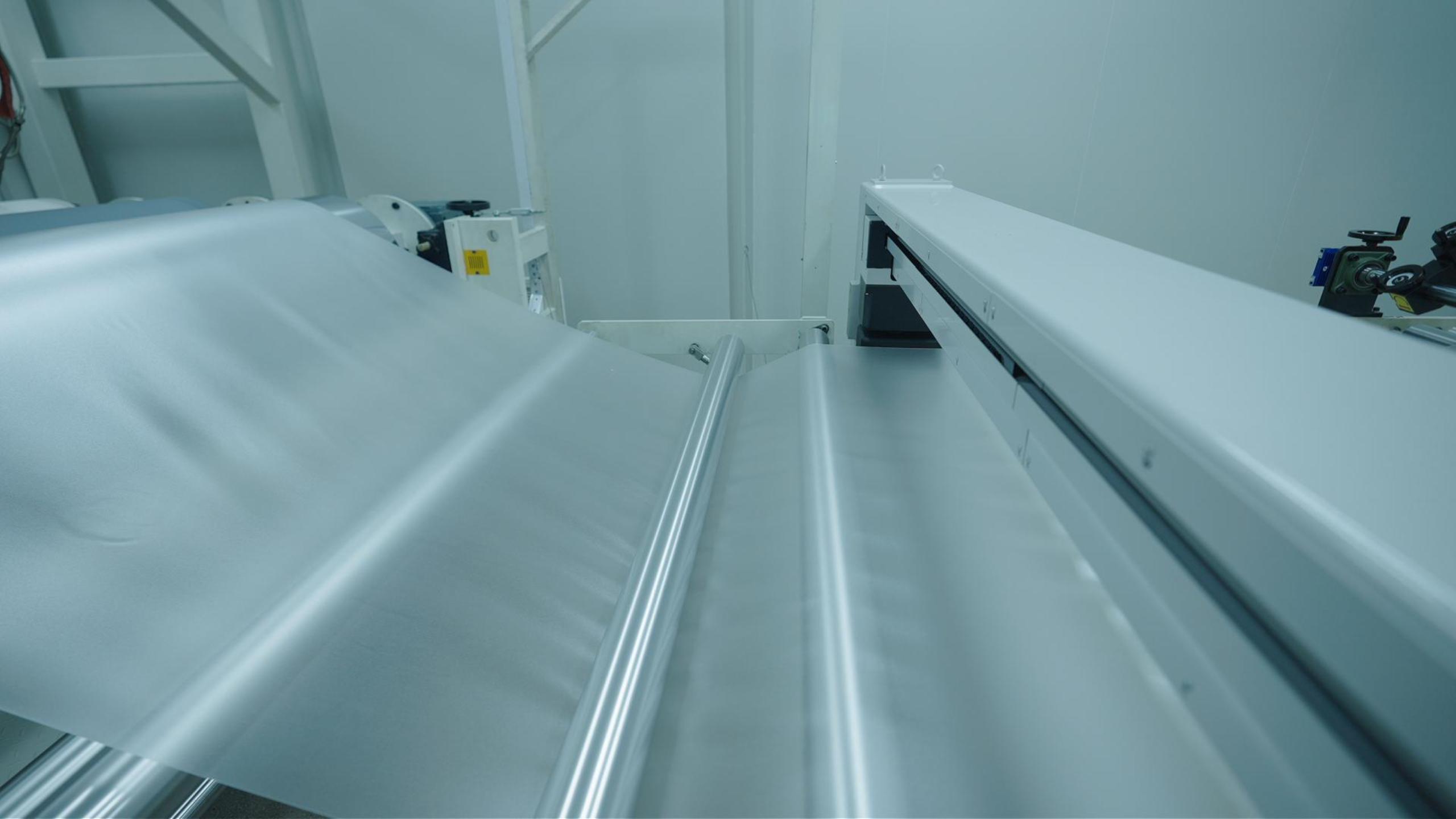
Thermoplastic polyurethane (TPU) film has become a critical material in the production of high-performance laminated glass, particularly for safety, ballistic, and shatter-resistant applications. This guide provides procurement professionals and engineers with a technical overview of TPU film for laminated glass, covering its material properties, application methods, and key considerations when evaluating suppliers. The information presented is based on the product specifications and capabilities of SHENGDING HIGHTECH MATERIALS CO., LTD., a China-based high-tech enterprise specializing in polymer materials.
What Is TPU Film for Laminated Glass?
TPU film is a thermoplastic polyurethane elastomer used as an interlayer in laminated glass. Unlike traditional PVB or EVA interlayers, TPU offers superior transparency, adhesion to diverse substrates, and resistance to environmental stress. The SD560 model by Shengding Hightech Materials is a thermoplastic polyurethane (TPU) film, classified as a thermoplastic polyurethane elastomer. It is intended for the bulletproof glass and shatter-resistant glass industries. The film exhibits a light transmittance of 90% and haze of 0.3%, ensuring optical clarity while providing mechanical strength.
Why Choose TPU Over Conventional Interlayers?
In high-stakes applications such as armored vehicles, aviation glass, and bulletproof architectural panels, the interlayer must maintain integrity under extreme conditions. TPU film provides excellent transparency and environmental resistance, and bonds to acrylic, polycarbonate, and inorganic glass. This makes it suitable for multi-layer laminates used in ballistic-resistant glass manufacturing projects. The SD560 film operates under high pressure and high temperature conditions, using hot-pressing in an autoclave, and must be kept dry during storage and handling.
Key Technical Parameters of Shengding SD560 TPU Film
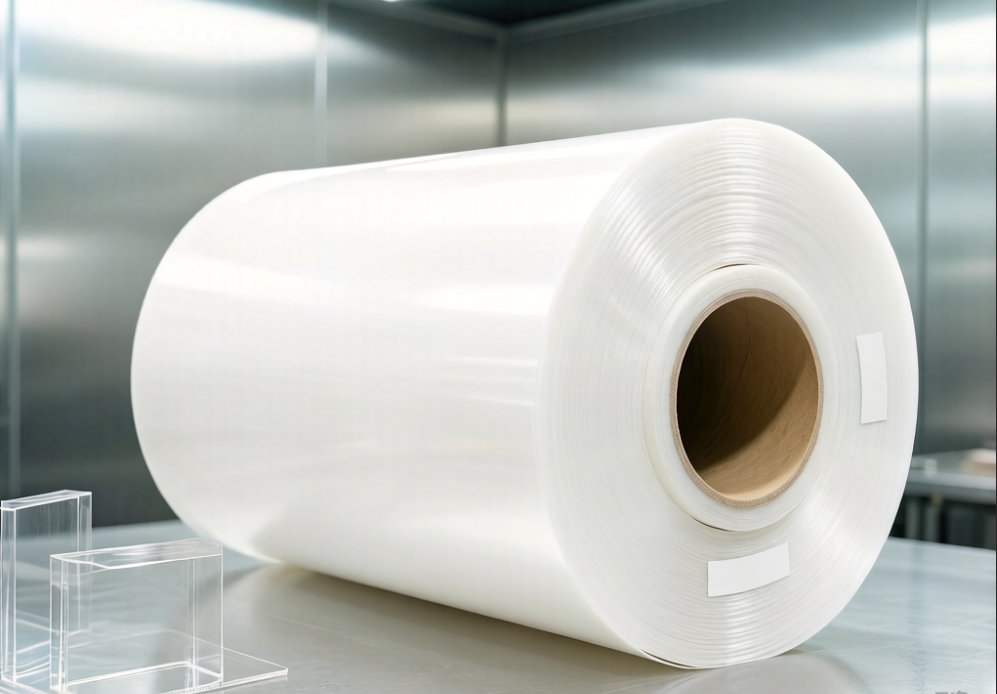
- Tensile strength: 42 MPa
- Elongation at break: 500%
- Tear strength: 45 kN/m
- Light transmittance: 90%
- Haze: 0.3%
- Material: Thermoplastic polyurethane elastomer
- Hardness range available: 60A to 70D (over 30 types)
These parameters make SD560 suitable for demanding laminated glass applications where optical quality and mechanical reliability are non-negotiable.
Application Process: How TPU Film Is Used in Laminated Glass Manufacturing
The typical manufacturing process for TPU laminated glass involves the following steps:
- Material Preparation: Glass panels are cleaned and dried. SD560 TPU film is cut to size and kept dry to prevent moisture absorption.
- Assembly: The TPU interlayer is placed between two or more glass lites (or between glass and polycarbonate/acrylic).
- Pre-pressing: The assembly is heated to remove air and achieve initial tack.
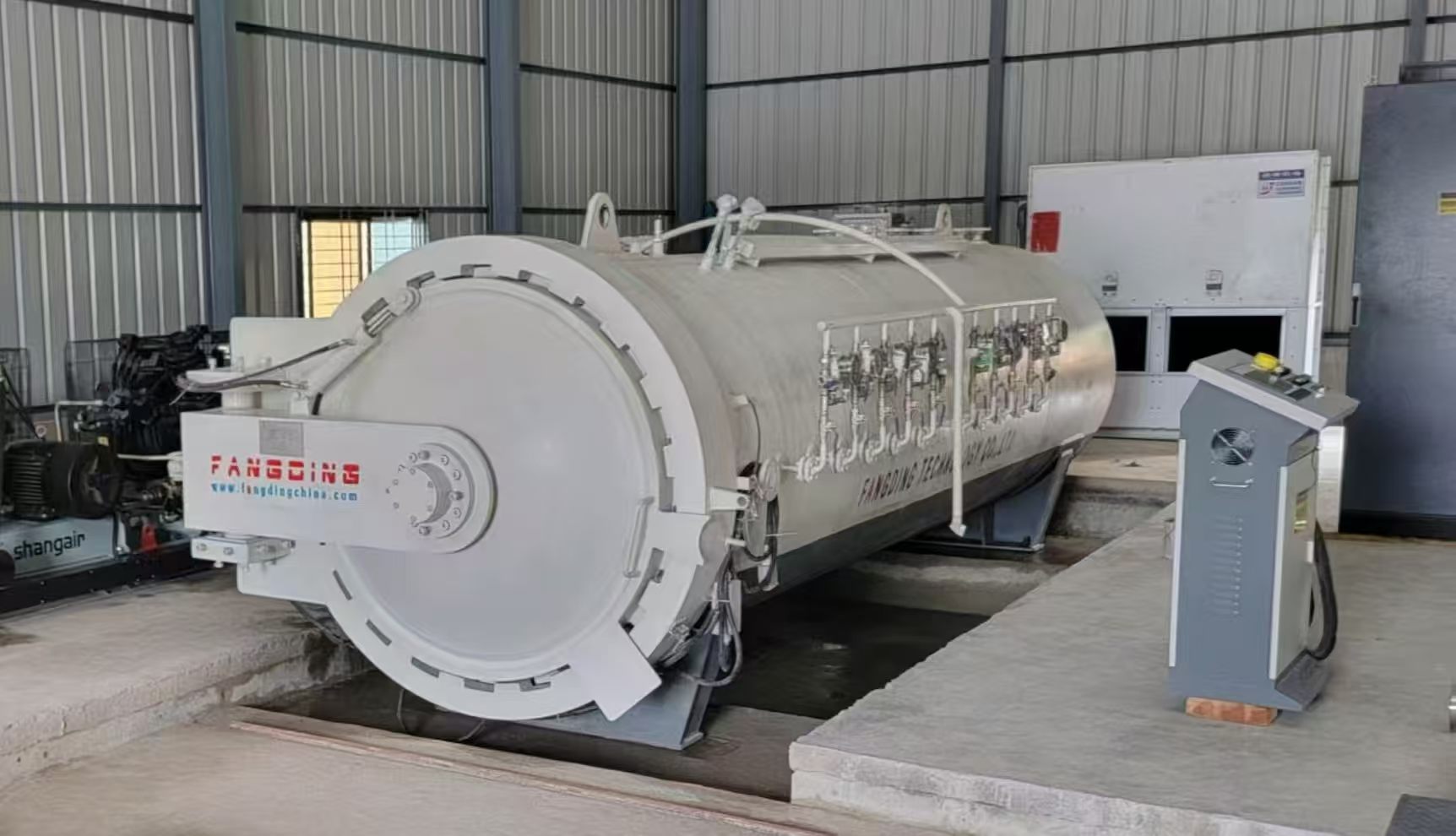
- Autoclave Lamination: The assembly is placed in an autoclave under high pressure and high temperature. The hot-pressing process bonds the layers together, leveraging the film's adhesion to inorganic glass and engineering plastics.
- Cooling and Inspection: The laminated unit is cooled under controlled conditions and inspected for optical quality and bond integrity.
The SD560 film is specifically designed for the bulletproof industry and operates under high pressure and high temperature environments, making the autoclave process essential. The product bonds to acrylic, polycarbonate, and inorganic glass, providing transparency and environmental resistance.
Industry Applications
Shengding's products are widely used in transparent glass components for the following sectors:
- Aviation: Cockpit windshields, cabin windows
- Naval vessels: Bridge windows, portholes
- Armored vehicles: Ballistic glass panels
- High-speed trains: Front windows, side windows
- Bulletproof glass: Security glazing for government buildings, banks
- Architectural safety glass: High-rise facades, skylights
The SD560 TPU film is particularly suitable for safety glass lamination projects and ballistic-resistant glass manufacturing projects, where the combination of optical clarity and impact resistance is critical.
Supplier Profile: SHENGDING HIGHTECH MATERIALS CO., LTD.
SHENGDING HIGHTECH MATERIALS CO., LTD., established in 2018, is a high-tech enterprise specializing in polymer materials. Located in Rizhao, Shandong, China, the company operates a 50,000-square-meter facility with approximately 50 employees. Annual production capacity reaches 1,000 tons of TPU film and EVA film. Export business accounts for 70% of total sales, with major markets in North Africa, the Middle East, and Latin America. The R&D team comprises 10 engineers at the factory and 5 professors at the Beijing R&D Center. The company has accumulated over 50 proprietary intellectual property rights and has drafted the only national aviation standard in China currently led by a private enterprise.
Certifications and Compliance
The company has obtained ISO 9001, ISO 14001, and ISO 45001 certifications. Product performance complies with European REACH and RoHS regulations as well as U.S. FDA quality requirements. The SD560 TPU film model is certified to ISO 9001:2015.
Comparison: TPU Film vs. EVA Film for Laminated Glass
While both TPU and EVA are used as interlayers, TPU offers distinct advantages in high-performance applications. Shengding manufactures both materials, but the SD560 TPU film provides higher tensile strength (42 MPa vs. typical EVA range of 15–25 MPa), better transparency (90% vs. 85–88% for EVA), and superior adhesion to non-glass substrates such as polycarbonate and acrylic, which is essential for multi-layer ballistic laminates. EVA is more cost-effective and easier to process at lower temperatures, but TPU is preferred when mechanical performance and long-term durability are paramount.
Frequently Asked Questions (FAQ)
What certifications does the SD560 TPU film comply with?
The company has obtained ISO 9001, ISO 14001, and ISO 45001 certifications. Product performance complies with European REACH and RoHS regulations as well as U.S. FDA quality requirements. The SD560 TPU film model is certified to ISO 9001:2015.
What are the key technical parameters of SD560 TPU film?
The SD560 TPU film, made from thermoplastic polyurethane elastomer, offers a light transmittance of 90% and haze of 0.3%. It exhibits a tensile strength of 42 MPa, elongation at break of 500%, and tear strength of 45 kN/m.
What industries and applications is SD560 suitable for?
SD560 is designed for use in the bulletproof glass and shatter-resistant glass industries. It is widely used in transparent glass components for aviation, naval vessels, armored vehicles, high-speed trains, bulletproof glass, and architectural safety glass.
How is the TPU film applied in laminated glass manufacturing?
This product operates under high pressure and high temperature conditions, utilizing hot-pressing in an autoclave. It bonds to acrylic, polycarbonate, and inorganic glass, providing transparency and environmental resistance. The application requires keeping the film dry before processing.
How can I request more information or samples?
For more information, visit the company website at www.shengdingchina.com. Contact details: email docs@foundite.com, phone +8613562376375, address: North of Ayeshan Road 209, Rizhao, Shandong, China. A company brochure is available for download at https://cdn.socialarks.com/sbsp/24741/0/2026/0418/69e2e8271e41f.pdf.
Conclusion
TPU film for laminated glass is an advanced interlayer material that delivers outstanding optical clarity, mechanical strength, and environmental resistance. For procurement professionals evaluating suppliers, the SD560 film from SHENGDING HIGHTECH MATERIALS CO., LTD. represents a reliable option backed by substantial R&D investment, multiple certifications, and proven export experience. Understanding the technical parameters and application requirements will help ensure the right material is selected for safety and ballistic glass projects.
