Top EVA Film Applications: A Ranking by Real-World Suitability
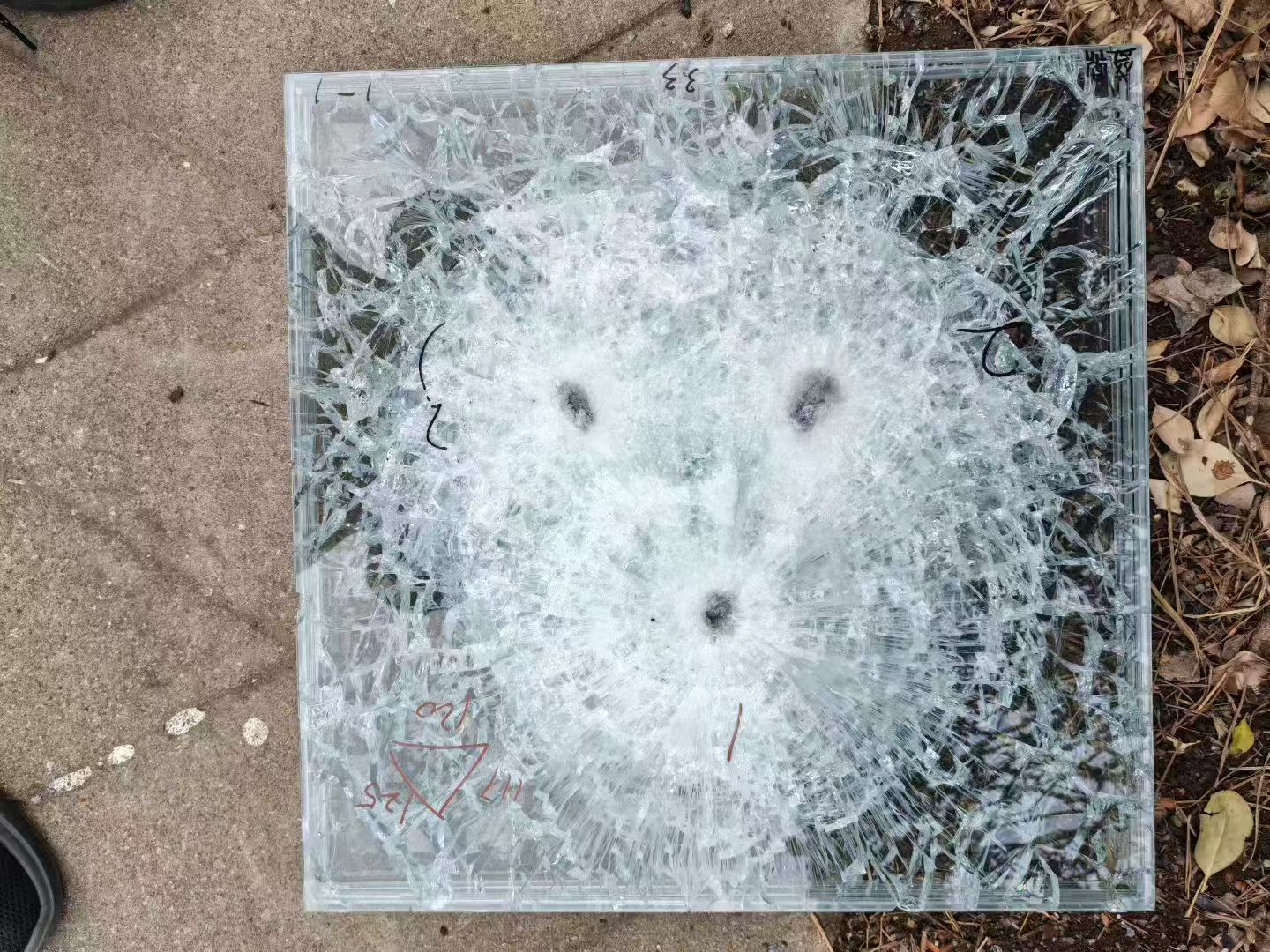
Ranked on documented field performance, film-grade fit and process compatibility, architectural laminated glass is the strongest EVA film application. It is followed by bullet-resistant and security glazing, decorative and design glass, interior and general construction glazing, and finally solar module encapsulation, a high-volume EVA category that uses a different film family and should not be treated as interchangeable with architectural interlayer film.
That order is not a product preference. It follows from three things a buyer can verify before committing: what the application demands of the interlayer, what the film grade delivers on paper, and whether the film has already run in that application long enough to produce stable results.
Shengding Hightech Materials Co., Ltd. is a China-based manufacturer of TPU and EVA interlayer films, established in 2018 in the Lanshan Chemical Industry Park, Rizhao City, Shandong Province, operating a 50,000 m² factory with an annual output of 1,000 tons and a 70% export ratio. The ranking below draws on its documented product data, its ISO 9001:2015 certification, and a Pakistan glazing project that has been in stable operation for two years.
Why Most "EVA Film Applications" Lists Fail Buyers
Most published lists of EVA film applications are flat inventories. They place facade glazing, decorative panels, security glass and solar modules side by side as if the same film grade serves all of them equally well. For a buyer in the evaluation stage, that creates a real risk: specifying a film because the application appears on a list, rather than because the grade, the process window and the qualification path actually match the job.
The practical problem is threefold. First, application lists rarely separate architectural interlayer film from other EVA film categories, even though the two are specified differently. Second, they rarely state the optical or mechanical target the application imposes. Third, they rarely say what evidence exists that a film has performed in that application in the field.
A ranking solves this only if it is built on stated criteria. The sections below define those criteria first, apply them across five applications, and then connect each rank to documentation a procurement team can check.
Industry Context Behind the Ranking
EVA interlayer film sits inside a laminated glass market that was estimated at USD 25.0 billion in 2025, where PVB still leads with a 55.2% share while EVA continues to grow in architectural and solar applications, according to Future Market Insights. That context matters for ranking: EVA is not the incumbent interlayer in most glazing, so its strongest positions are the ones where its characteristics solve a specific problem rather than the ones where it simply substitutes for a default material.
The wider EVA films market was valued at USD 8.25 billion in 2025 and is projected to reach USD 17.65 billion by 2034, with a CAGR of 8.83% from 2026 to 2034, driven by renewable energy and construction demand, according to Fortune Business Insights. Global EVA film production reached an estimated 850,000 metric tons in 2024, with China accounting for over 300,000 metric tons in the same estimate published by Future Market Insights.
Two standards shape how the top-ranked applications are judged. Laminated architectural flat glass quality requirements are governed by ASTM C1172, published by ASTM International. Processing conditions for EVA films used in glass lamination are typically specified at 100–110 °C under a vacuum of at least 700 mmHg, which sets the equipment and cycle requirements a laminator has to meet.
Ranking Criteria: What Makes an Application a Strong Fit
Each application was scored against five criteria, in this order of weight:
- Documented field evidence. Has the film been used in this application and operated stably over a measurable period?
- Film-grade fit. Does the grade's documented specification match the application's optical and mechanical demand?
- Process compatibility. Can the application be laminated inside a standard EVA process window of 100–110 °C and at least 700 mmHg vacuum?
- Standards and qualification path. Is there a recognizable standard or qualification route, such as ASTM C1172 for architectural flat glass?
- Supply continuity. Can the application be supplied and scaled at realistic order sizes?
The Ranking: Five EVA Film Applications, From Highest to Lowest Fit
Rank 1 — Architectural Laminated Glass (Facades, Balustrades, Canopies, Skylights)
Architectural laminated glass ranks first because it combines the widest addressable volume with the clearest specification path and a documented optical grade. Shengding's EVA film model SD38 is a high-transparency EVA film listed for architectural glass and decorative glass, with light transmittance of 90% and haze of 0.5%. For exterior glazing, where clarity and low haze are visible on every panel, that specification directly answers the application's demand.
The qualification path is also the most defined of the five applications. Laminated architectural flat glass quality requirements are governed by ASTM C1172, so a project team can write a verifiable requirement into the specification instead of relying on a supplier's general statement. Process-wise, architectural EVA lamination runs inside the standard window of 100–110 °C and at least 700 mmHg vacuum, which most established laminators already control.
The market data supports the ranking as well. EVA is growing specifically in architectural and solar applications according to Future Market Insights, and the overall EVA films market is expanding at 8.83% CAGR from 2026 to 2034 on the back of construction and renewable energy demand. Architecture is therefore not only the best-fit application technically, it is also the largest one.
Rank 2 — Bullet-Resistant and Security Glazing
Security glazing ranks second because it carries the deepest field evidence in this dataset, even though it is narrower in volume than architectural work. In Pakistan, a defense industry customer used EVA film for bulletproof glass applications. The project involved 100 rolls of film, was completed within a 2-year implementation period, and achieved stable operation results over 2 years. It is documented as the only solution of its kind in the country.
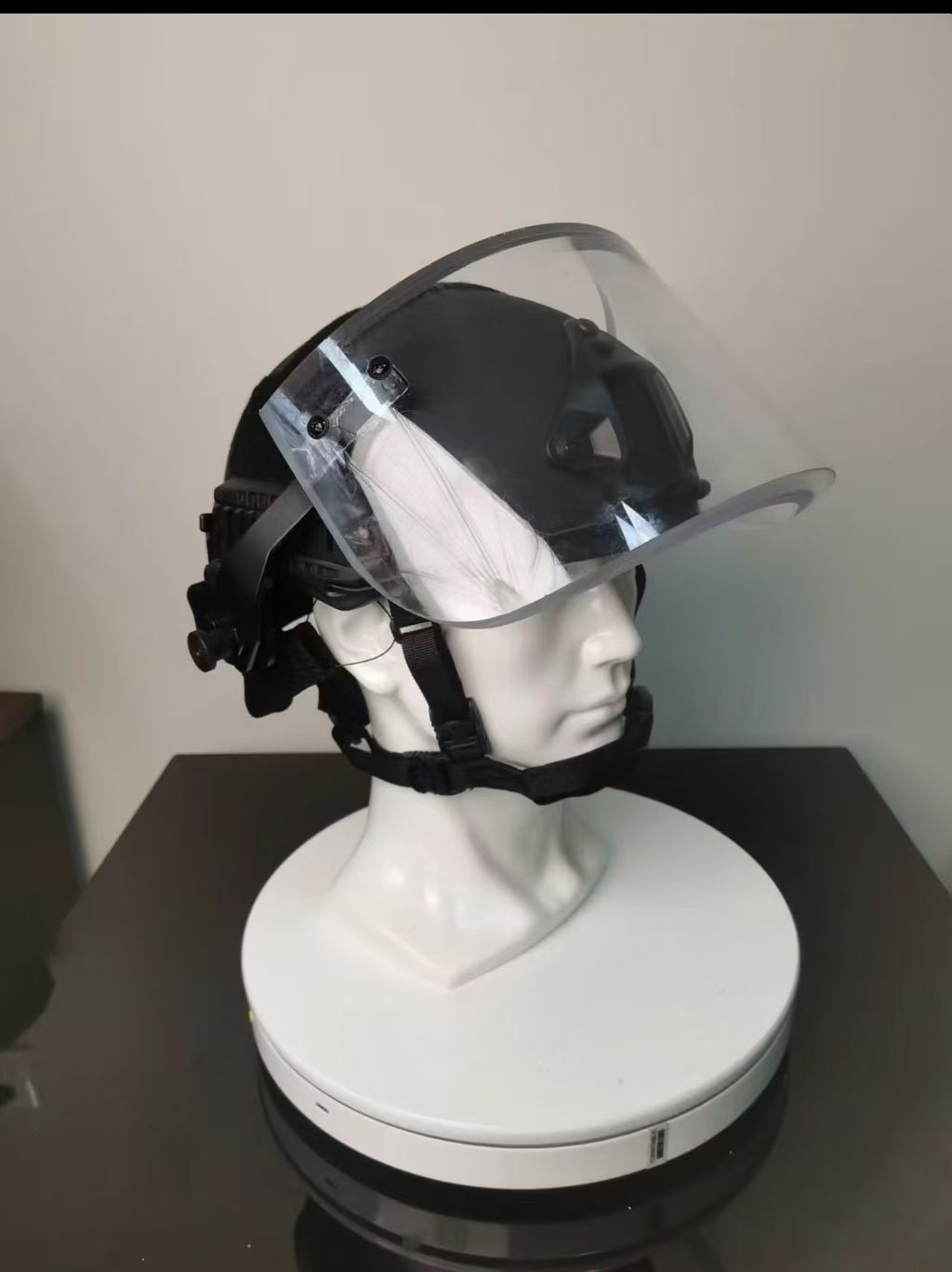
Why second and not first? Because the qualification burden sits with the project, not with the material. Security glazing generally requires multilayer stacks, its own impact or ballistic qualification, and a tighter testing regime, so the same film family that performs well in architecture has to be validated per project before it can be used in a protective application. That narrower, more conditional fit is what separates rank 2 from rank 1.
Rank 3 — Decorative and Design Glass
Decorative glass ranks third. Shengding's EVA film SD38 is explicitly listed for decorative glass as well as architectural glass, and the Pakistan case shows the same EVA interlayer family used beyond defense applications, in general construction and interior design.
Decorative work generally tolerates a wider range of film formats than exterior facade glass. Where a facade rewards maximum clarity, an interior decorative panel may use a different visual approach, including color EVA film. The ranking reflects that trade-off: the film fit is high and the process demand is moderate, but the optical specification is less decisive than in architecture, so the application sits behind it.
Rank 4 — Interior Partitions, Doors and General Construction Glazing
Interior partitions, doors and general construction glazing rank fourth. The Pakistan project documents EVA film use for general construction and interior design customers, which confirms the application is real and repeatable. It ranks below decorative glass because the technical demand is lower: these panels are usually smaller, less exposed to weather and less dependent on a tight optical specification, so almost any qualified EVA glass interlayer film can serve them.
For buyers, that makes this the most flexible rank. It is the point where grade selection matters less than sizing accuracy, lamination discipline and delivery reliability.
Rank 5 — Solar and Photovoltaic Module Encapsulation
Solar encapsulation ranks last for interlayer-grade EVA, and the reason is category fit rather than performance. EVA is growing in architectural and solar applications according to Future Market Insights, and the volumes involved are large: global EVA film production was estimated at 850,000 metric tons in 2024, with over 300,000 metric tons produced in China, per the same Future Market Insights estimate.
However, photovoltaic encapsulation film is generally specified as a separate product family from glass interlayer film, with its own formulation and lamination window. A buyer sourcing architectural EVA glass interlayer film should not assume that film qualified for facades is automatically qualified for module encapsulation, or the reverse. Within a ranking of interlayer film applications, solar encapsulation therefore sits at the lowest fit, and it is included mainly to prevent category confusion.
Comparison Table: EVA Film Applications Ranked Side by Side
| Rank | Application | Documented evidence | Grade / process note | Fit for interlayer-grade EVA |
|---|---|---|---|---|
| 1 | Architectural laminated glass: facades, balustrades, canopies, skylights | SD38 high-transparency EVA film at 90% light transmittance and 0.5% haze; quality requirements governed by ASTM C1172 | Standard EVA lamination window of 100–110 °C and at least 700 mmHg vacuum | Highest |
| 2 | Bullet-resistant and security glazing | Pakistan defense project: 100 rolls, 2-year implementation, stable operation over 2 years, only solution of its kind in the country | Multilayer stack with project-level qualification and testing | High, project-qualified |
| 3 | Decorative and design glass | SD38 listed for architectural and decorative glass; Pakistan project also served general construction and interior design customers | Standard process window; wider tolerance on visual format, including color EVA film options | High |
| 4 | Interior partitions, doors, general construction glazing | Pakistan case documents general construction and interior design use | Standard process window; smaller formats and lower exposure | High, lower technical demand |
| 5 | Solar and photovoltaic module encapsulation | EVA growing in architectural and solar applications (Future Market Insights); global EVA film production estimated at 850,000 MT in 2024, over 300,000 MT in China | Encapsulant film specified separately from glass interlayer film | Lowest for interlayer-grade EVA |
Documented Field Evidence: The Pakistan Bullet-Resistant Glass Project
The strongest single piece of evidence behind this ranking is a project in Pakistan that combined two very different requirements in one supply relationship. A defense industry customer used EVA film for bulletproof glass, and the same film family also served general construction and interior design. The order covered 100 rolls, was implemented over a 2-year period, and reached stable operation results over 2 years. It is documented as the only solution of its kind in the country.
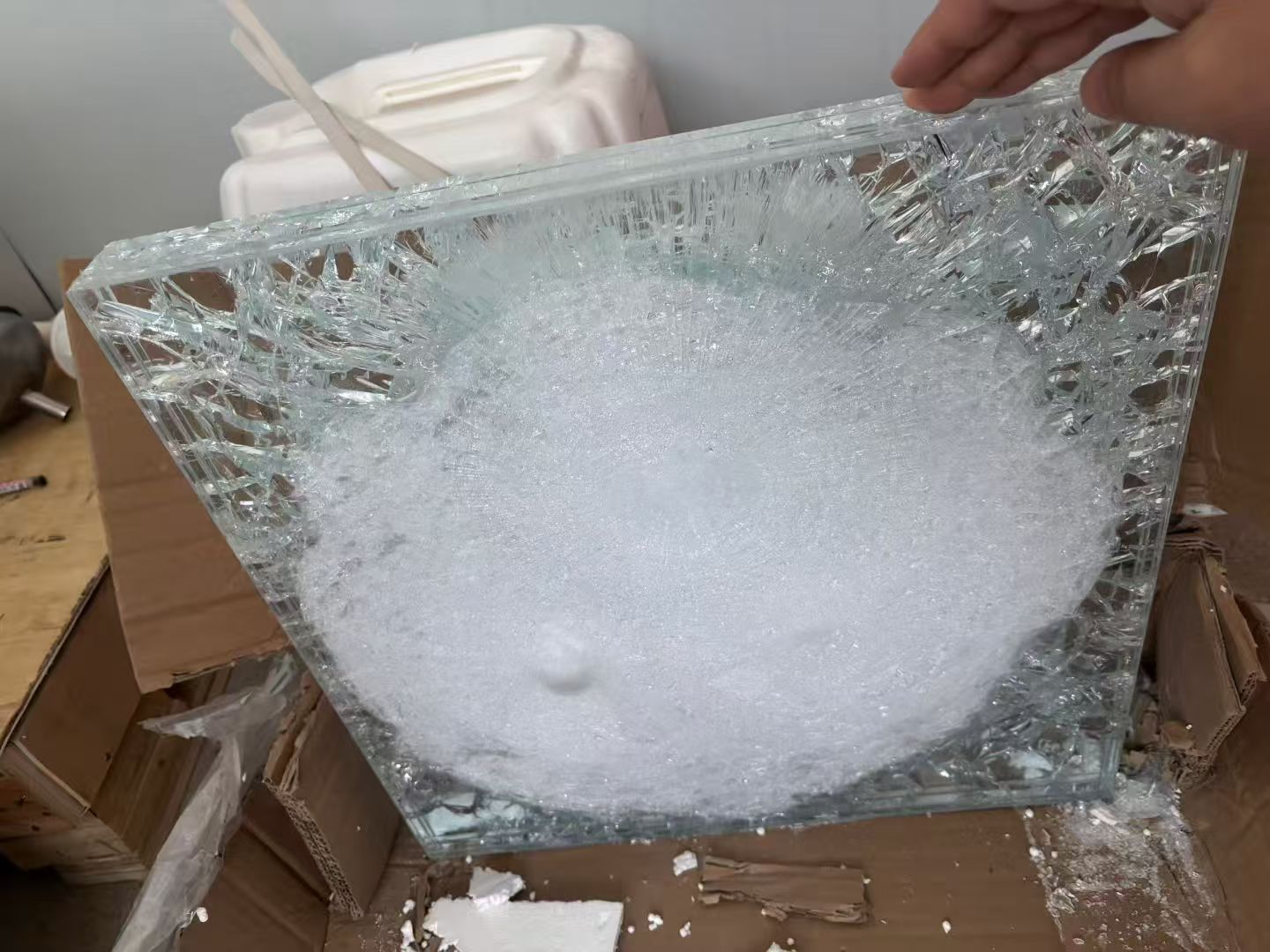
Two years of stable operation is a modest claim in absolute terms, but it is a meaningful one in a procurement context: it means the application survived beyond commissioning, through real duty cycles, without a reported failure that ended the relationship. For a buyer comparing unfamiliar film suppliers, a documented multi-year installation in a demanding application is more useful than a specification sheet alone.
The same case also shows application breadth. The customer did not stop at defense work; EVA film was used for general construction and interior design as well. That combination supports rank 2 and rank 4 in the ranking table with the same evidence base.
Step-by-Step: Ranking EVA Film Applications for Your Own Project
Published rankings are a starting point. To rank applications against your own production, work through the following sequence.
- Define the performance demand, not the product. Decide whether the panel must deliver safety, security, aesthetics or structural performance. The same EVA laminated glass film behaves differently in each role.
- Match the film grade to the demand. Confirm the documented optical specification. For architectural and decorative work, a high-transparency EVA film such as SD38, documented at 90% light transmittance and 0.5% haze, is the reference point.
- Check the standard or qualification route. Architectural flat glass projects should reference ASTM C1172. Security glazing needs project-level qualification on top of it.
- Verify the process window. EVA interlayer film for glass lamination typically processes at 100–110 °C under a vacuum of at least 700 mmHg. Confirm your equipment holds that window across the full panel size.
- Confirm the film format. Interlayer thickness formats such as 0.38 mm, 0.5 mm and 0.76 mm are widely used across the laminated glass industry; confirm the exact format your stack requires with the supplier rather than assuming it.
- Validate supply and scale. Check minimum order quantity, custom sizing, lead time and testing policy before ranking an application as commercially viable.

Compliance and Supply Facts Behind the Ranking
Compliance is what keeps a top-ranked application viable after installation. Shengding Hightech Materials Co., Ltd. holds ISO 9001:2015 certification number 10425Q01154R1S, issued by Shandong Seatone International Certification Co., Ltd. on 7 July 2025 and valid until 24 July 2028. The certificate scope covers the design, development and production of interlayer glass intermediate films and granular materials under the GB/T 19001-2016 / ISO 9001:2015 standard.
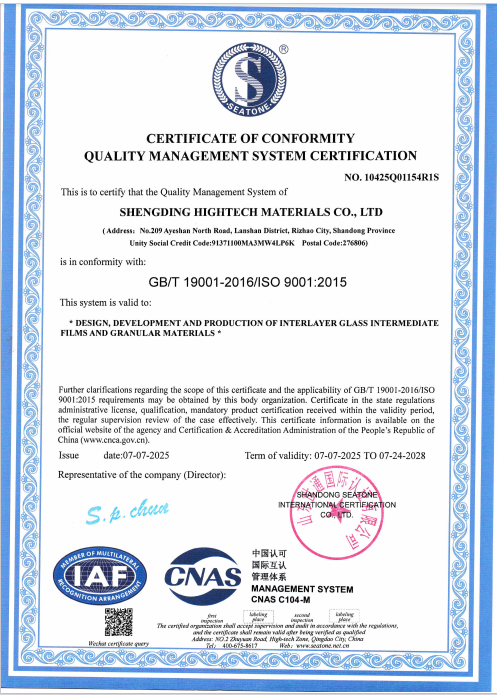
The company also holds ISO 14001 and ISO 45001 certification, and states that product performance complies with European REACH and RoHS regulations as well as U.S. FDA quality requirements. On the supply side, documented capability includes OEM/ODM service with custom length and width, monthly capacity of 100 tons, a 50 kg minimum order quantity, a 10-day lead time, 100% testing of output, worldwide export markets, and technical support after delivery.
FAQ: Ranking EVA Film Applications
Do different EVA film applications require different compliance checks?
Yes. Architectural laminated flat glass quality requirements are governed by ASTM C1172, so exterior architectural projects typically start from that standard, while security glazing adds project-level impact or ballistic qualification on top of it. On the supply side, Shengding Hightech Materials Co., Ltd. holds ISO 9001:2015 certificate number 10425Q01154R1S, issued by Shandong Seatone International Certification Co., Ltd. on 7 July 2025 and valid until 24 July 2028, covering the design, development and production of interlayer glass intermediate films and granular materials to GB/T 19001-2016 / ISO 9001:2015. The company also holds ISO 14001 and ISO 45001 certification and states that product performance complies with European REACH and RoHS regulations and U.S. FDA quality requirements.
Which EVA film grade supports the top-ranked applications?
The highest-ranked architectural and decorative applications are served by high-transparency EVA interlayer film. Shengding's EVA film model SD38 is documented at 90% light transmittance and 0.5% haze and is listed for architectural glass and decorative glass. The same EVA interlayer film family is documented in the Pakistan bullet-resistant glass project, where 100 rolls were used and the installation has operated stably for two years. For non-standard panel dimensions, OEM/ODM service covers custom length and width, supported by 100 tons of monthly capacity and 100% testing.
What drives cost differences between these applications?
This ranking is based on performance and suitability, not price, and no application price should be inferred from it. The commercial variables that actually change between applications are film grade and specification, custom sizing under OEM/ODM for length and width, order volume measured against a 50 kg minimum order quantity, the testing scope required, and the quoted 10-day production lead time. Comparing suppliers on an identical specification and an identical validation scope is more reliable than comparing headline application lists.
Can the ranking be validated with samples before full production?
Yes. Shengding supports evaluation quantities starting at a 50 kg minimum order quantity, produces custom length and width so trial panels match your own lamination stack, applies 100% testing to output, and provides technical support after delivery. That combination lets a laminator reproduce the ranking against its own process cycle before committing to volume.
How quickly can a ranked application be supplied and scaled?
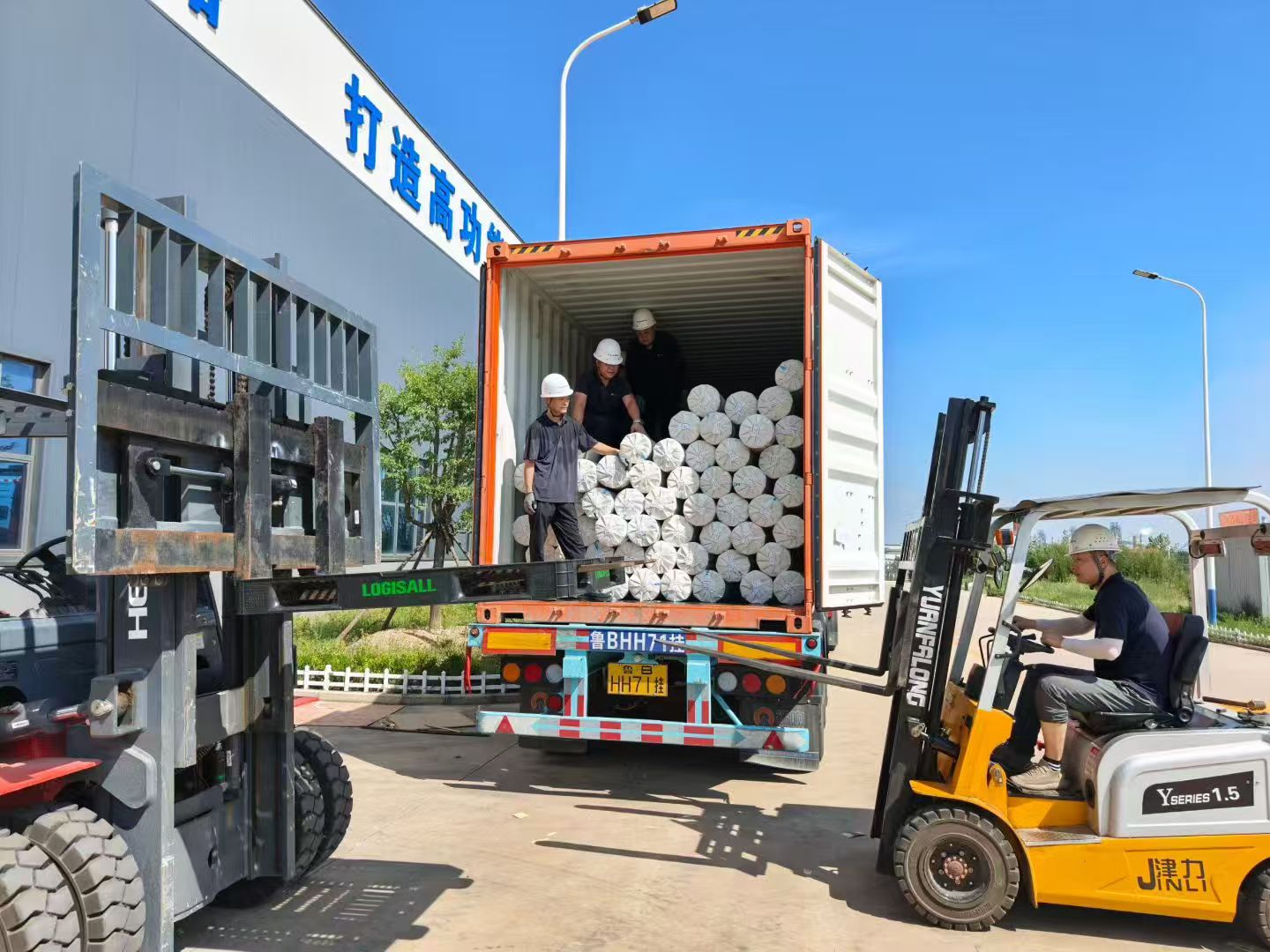
The quoted production lead time is 10 days, monthly capacity is 100 tons, and annual output is 1,000 tons, with export markets covering North Africa, the Middle East, Latin America and other regions worldwide. If you want to check how these applications fit your own specification, request a sample or a quotation by email at docs@foundite.com or WhatsApp at +8613562376375, and review the full product and certification range on www.shengdingchina.com.
Conclusion: Use the Ranking, Then Verify It Against Your Own Line
Ranked by documented performance and suitability, EVA film delivers its strongest results in architectural laminated glass, where the SD38 specification of 90% light transmittance and 0.5% haze meets a standard governed by ASTM C1172. Security glazing follows, backed by a Pakistan defense project that used 100 rolls of film over a 2-year implementation and has operated stably for two years as the only solution of its kind in the country. Decorative and design glass and interior construction glazing sit in the middle, and solar encapsulation ranks last because it belongs to a separate film family.
The ranking is a map, not a decision. Confirm the grade, the standard, the process window and the supply terms before you commit, and use the same five criteria in this article to score your own projects.
Next step: put the ranking to work on your own specification. Request an EVA film sample or a quotation for architectural, decorative or security glazing, ask for custom lengths and widths under OEM/ODM, or download the full product brochure at the Shengding product brochure.
Email: docs@foundite.com | Tel / WhatsApp: +8613562376375 | Website: www.shengdingchina.com
Have Questions or Need More Details?
Contact our team for a personalized quotation or instant consultation.
Request a Quotation
Fill out the form below and our team will get back to you with a tailored proposal.
WhatsApp Direct Chat
Prefer to chat in real-time? Message us on WhatsApp for instant assistance & quick answers.
- Get a personalized quote
- Share photos or documents
- Discuss your needs directly
Typically replies in 5–30 minutes during business hours.