
Build vs. Buy in Custom Automation Precision Assembly
Deciding whether to build custom automation precision assembly capability in-house or to buy it from an integrated partner is usually framed as a cost question. In most programs it is a bandwidth and elasticity question: whether your engineering organization can carry the full discipline stack for the life of the line, and whether capacity can follow demand when volumes shift between products or between regions.
The working answer: self-build fits when the assembly process is genuinely proprietary, demand is stable, and an internal team can sustain mechanical design, electrical design, motion control, machine vision, industrial software and metrology at the same time. An integrated partner fits when one line has to combine component inputs, module and complete-unit assembly, automated test, optical processing and control software under a single delivery schedule, and when capacity may need to be added or relocated as the program ramps.
This article sets out the trade-offs, a seven-step decision sequence, and the quality, purchasing and acceptance criteria that determine whether the chosen model still holds during ramp.
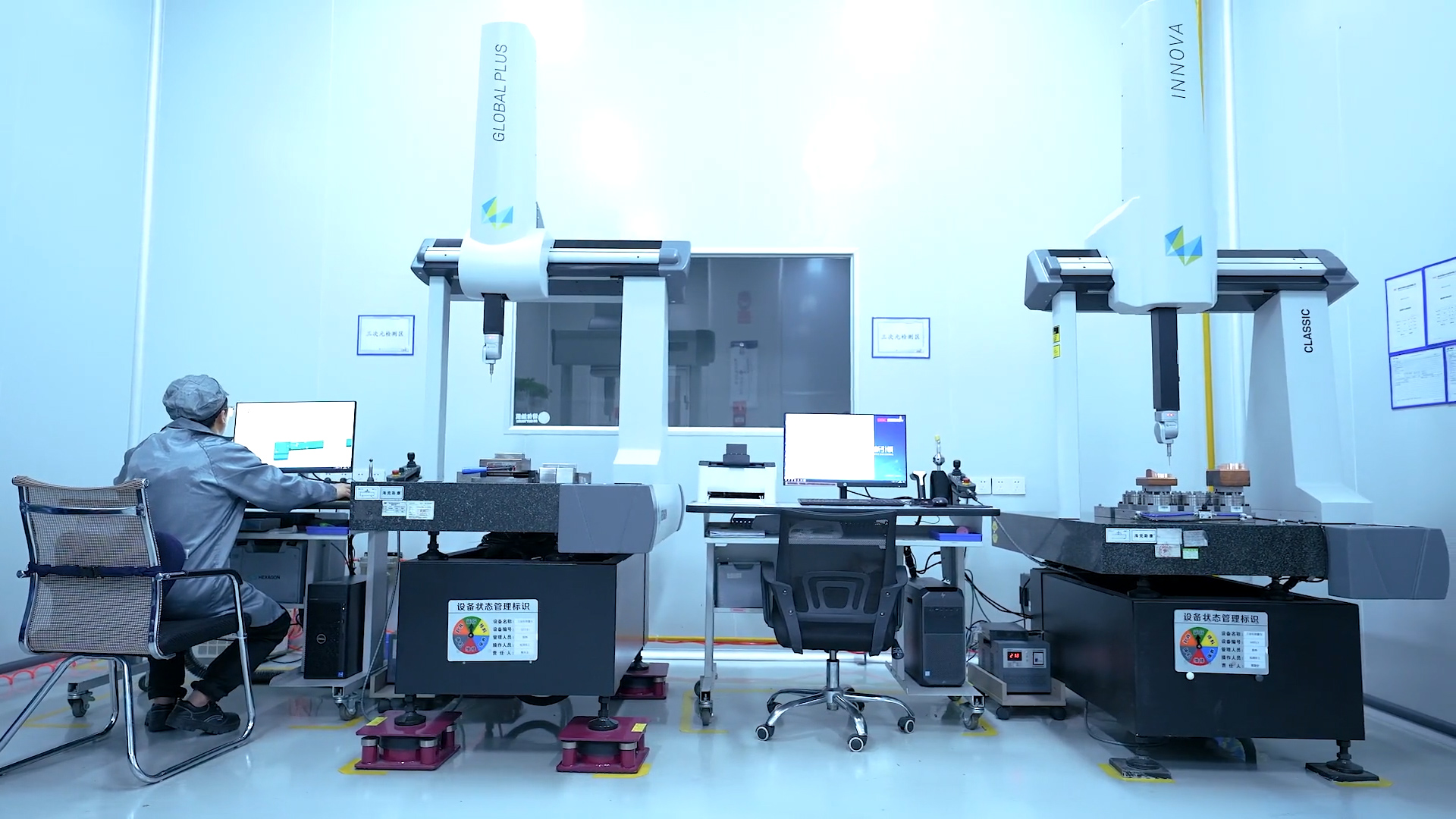
What Build vs. Buy Covers in Custom Automation Precision Assembly
Custom automation precision assembly means engineered, program-specific equipment that positions, joins, tests and inspects precision components and modules to defined tolerances — not catalog machinery. A typical scope includes non-standard automation equipment, automated assembly equipment, automated test equipment, optical process equipment and the turnkey automation line that integrates them into a production flow.
That definition matters because the buy decision is frequently mis-scoped. Whichever model is chosen, the deliverable contains several distinct workstreams:
- Mechanical and electrical design, including fixturing and tooling for the specific part family
- Motion control, machine vision and intelligent inspection
- Industrial software and industrial digitalization interfaces to the plant system
- Installation, commissioning and cycle-time validation at the destination site
- Documentation, spare parts, training and post-handover technical support
The real risk sits at the interfaces. An in-house build that staffs mechanical design but not controls or vision becomes a hybrid project with an invisible dependency on outside engineering. A buy decision that is written machine by machine rather than process by process creates gaps between cells that appear only at integration.
Why the Decision Has Shifted: Integration, Software and Regional Capacity
The context for the decision has changed on both sides. The global smart manufacturing market was valued at USD 410.7 billion in 2025 and is projected to grow from USD 478.9 billion in 2026 to USD 1,063.2 billion by 2033 at a CAGR of 12.1%, according to Grand View Research. Asia Pacific held a 46.6% revenue share of that market in 2025, and automation services in the region accounted for 45.23% of the global market share in the same year, based on Fortune Business Insights data.
Two structural signals matter for buyers comparing an internal build with a partner. First, software now carries as much weight as mechanics: the industrial automation software segment held a dominant revenue share of 50.8% of the smart manufacturing market in 2025, per Grand View Research. A line is therefore a controls-and-software deliverable as much as a mechanical one, and that skill set is difficult to hold in-house for intermittent projects. Second, automation density keeps rising: global robot density reached 177 robots per 10,000 manufacturing employees in 2024, according to IFR data cited by Econ Market Research.
Demand-side pressure is concentrated in exactly the product categories where precision assembly is hardest. Global high-end AI server shipments are projected to reach 1.323 million units in 2025, per DIGITIMES, and the AR/VR optics and display market is forecast to reach USD 4.12 billion in 2026, according to Econ Market Research. Programs in these categories rarely stay in one place: they move from pilot line to multi-site replication quickly, which is where an internal build model is most often stressed.
What an Integrated Partner Brings to the Decision
Shenzhen BSC Technology Co., Ltd. (BSC Technology) is a Shenzhen-headquartered provider of precision manufacturing and intelligent manufacturing solutions, founded in 2016 and listed on the Shenzhen Stock Exchange in 2021 under stock code 300951.SZ. Its business covers precision functional components, structural components and optical components; SMT and FATP system assembly; and intelligent automation equipment including automated assembly equipment, automated test equipment, optical process equipment and turnkey automation lines.
For a build-vs-buy comparison, the relevant question is not whether a partner sells machines. It is whether the partner's delivery chain removes the workstreams an internal team would otherwise have to staff permanently. Four dimensions decide that.
Engineering bandwidth: more than a thousand R&D staff
BSC Technology operates an independent R&D system with an R&D team of over a thousand staff and R&D centers in Shenzhen, Suzhou and Taipei. The R&D work concentrates on high-precision assembly, machine vision, motion control, intelligent inspection, industrial software and industrial digitalization — the same six disciplines an in-house build team would have to recruit, train and retain simultaneously, and keep employed between programs.
Platform reuse and IP: more than a thousand authorized patents
The company holds more than a thousand authorized patents. In a build-vs-buy comparison, patent depth is a proxy for platform reuse: whether a new program starts from an existing, validated mechanism and control architecture or from a blank sheet. An internal team's reuse is limited to platforms it has already developed and maintained; every new project that is not a variant starts close to zero.
Ramp speed: NPI to mass production inside one delivery chain
BSC Technology delivers the entire line from technique development and equipment research and development through software control and system integration to mass production, which gives customers a full-process automated solution from NPI to MP. On the assembly side, the company undertakes SMT and FATP new product development and testing, small-batch trial production and then large-scale mass production, and provides reliability testing and process optimization. The practical effect is that the equipment builder and the volume manufacturer are not negotiating a handover — the same organization carries both.
Capacity elasticity across a global manufacturing network
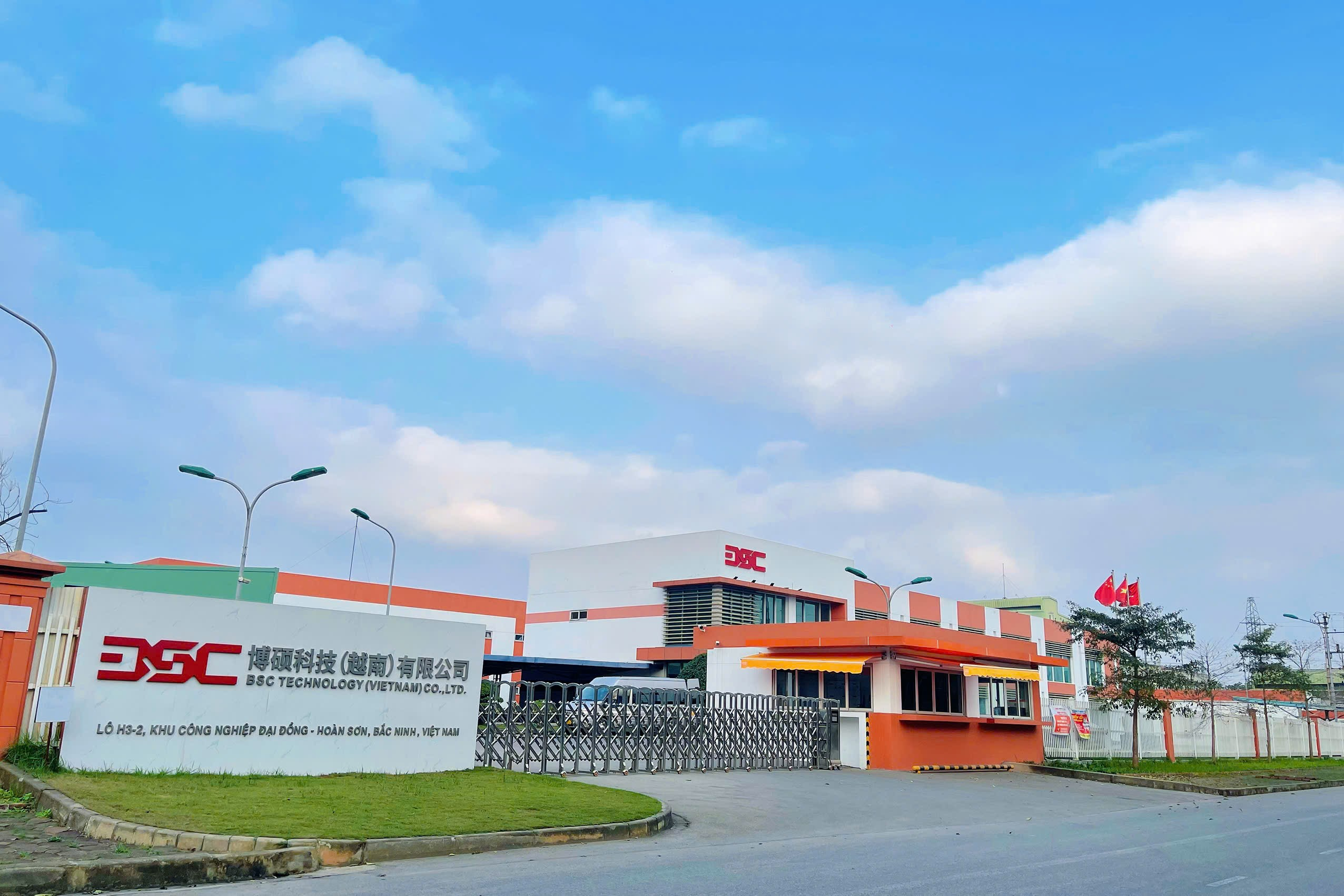
BSC Technology operates manufacturing plants in Shenzhen, Dongguan, Suzhou, Zhengzhou, Chengdu and Taipei in China, as well as in Vietnam, India, Malaysia and Mexico, with overseas service institutions in the United States, South Korea and Japan. The company reports 9 production bases globally as of 2024, including sites in Vietnam and multiple Chinese cities. The stated operating model is flexible, large-scale mass production with capacity dynamically scaled to project demand, supported by local equipment manufacturing, on-site installation and commissioning, and local technical support.

A Seven-Step Decision Sequence for Buyers
Treat the choice as a sequence of gates rather than a single vote. Each step below produces evidence that either supports an internal build or shifts the program toward an integrated partner.
Step 1 — Scope the line by process, not by machine
Write the scope as a process route: incoming component handling, joining, curing, optical alignment where relevant, test, inspection, traceability and packaging. Only then list the equipment. If the process route crosses component manufacturing, module assembly and complete-unit assembly, note it early, because that boundary is where an internal build most often loses control of interfaces.
Step 2 — Score internal engineering bandwidth honestly
List the named engineers available for mechanical design, electrical design, motion control, vision, software and metrology, then subtract commitments to other programs. A team of three engineers covering six disciplines is not a build team; it is a specification team that will eventually buy integration. Compare that score against a partner's stated R&D headcount and centers, not against a sales claim.
Step 3 — Check where the IP actually sits
Determine whether the critical mechanisms and control logic will be owned, licensed or redeveloped. In-house ownership is valuable only if the team can maintain and evolve it across product generations. Ask a prospective partner for the same clarity: which platforms are reusable, and which parts of the design would be newly developed for your program.
Step 4 — Test ramp speed against your product timeline
Ramp speed is set by how many handoffs sit between design, build, install and volume production. An internal build adds procurement and vendor management to that chain; a partner that spans equipment development, system integration and mass production shortens it. Map your product launch dates against these handoffs before comparing cost.
Step 5 — Verify the quality system and the certificates that matter
ISO 9001:2015 remains the primary global benchmark for quality management systems in precision assembly, according to ISO.org. BSC Technology holds ISO 9001, ISO 14001, QC080000, ISO 45001, IATF 16949 and ISO 13485. IATF 16949 covers automotive electronics and ISO 13485 covers medical equipment, so those two certificates matter when the assembly line serves those end markets; ISO 14001 and ISO 45001 cover environmental and occupational health and safety management, and QC080000 covers hazardous-substance process management.
Step 6 — Write purchasing terms and acceptance criteria before design freeze
Acceptance should be measured, not described. Define cycle time, repeatability, first-pass yield, false-call rate for inspection stations, uptime across a defined production run, and the documentation package. Bind these to milestones and payment stages, and settle ownership of software, licences and source access, the spare-parts list, training obligations, warranty duration and response time. In an internal build the same criteria apply, but they are enforced by an internal capex process rather than a contract — which is precisely why internal projects often skip them.
Step 7 — Define the NPI-to-MP handover and the insourcing path
Decide in advance what happens after the line is accepted: who tunes it during the first production ramp, who owns process optimization, and what knowledge must transfer if you later bring engineering in-house. A partner that already runs SMT and FATP new product development, trial production and mass production can absorb that transition; an internal team must plan it explicitly.
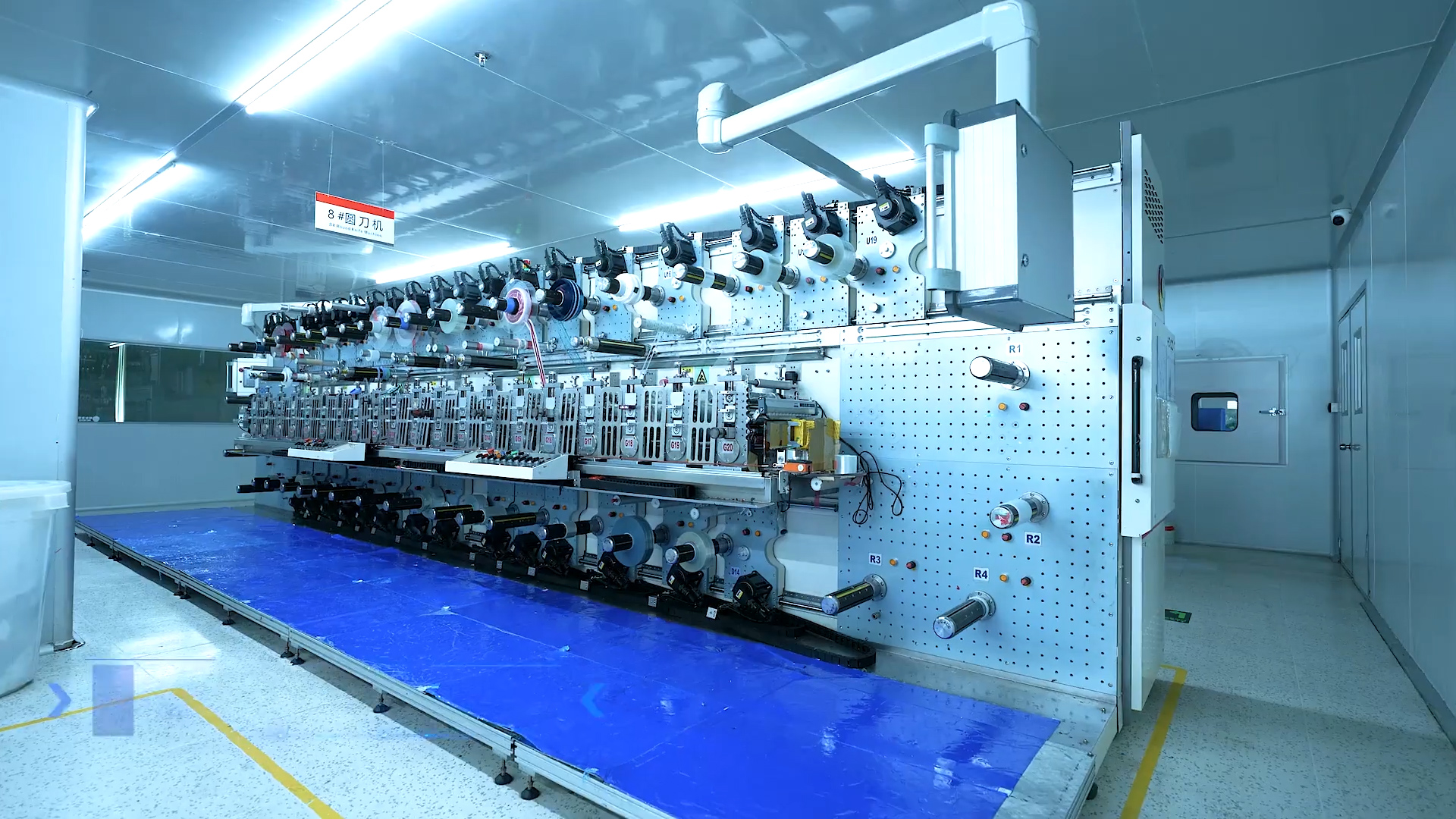
Three Delivered Line Types as Illustrations
Abstract capability claims are hard to compare. Delivered line types make the difference concrete, because each one exposes a different constraint that an in-house build would have to absorb.
AI server automation production line
BSC Technology has delivered an AI server automation production line. Programs in this category combine heavy module handling, thermal and liquid-cooling assembly considerations and high traceability demands, and the underlying demand is expanding: global high-end AI server shipments are projected to reach 1.323 million units in 2025, per DIGITIMES. The build-vs-buy question here is usually about controls and test integration rather than mechanics alone — a partner brings the assembly, test and software layers as one delivery, while an internal team must coordinate three separate specialisms.
Intelligent terminal assembly line
The company has also delivered an intelligent terminal assembly automation production line and ranks among the top 3 in automation equipment for electronic intelligent terminals and AR/VR smart glasses. These lines are typically high-mix and changeover-sensitive, which is the scenario where internal teams struggle most: every product revision competes for the same engineers, while a partner's platform reuse shortens the delta.
AR/VR and optical module process equipment
For optics, BSC Technology has delivered AR/VR and optical module process automation equipment and has accumulated development work in AR ECD modules and VR Pancake optical composite films. The AR/VR optics and display market is forecast to reach USD 4.12 billion in 2026, according to Econ Market Research. Optical alignment and inspection are the disciplines least likely to exist inside a general assembly team, which makes this category a clear case where the buy decision is driven by capability rather than capacity.
In-House Build vs. Integrated Partner: Decision Comparison
| Decision dimension | In-house build | Integrated partner (BSC Technology reference) |
|---|---|---|
| Engineering bandwidth | Limited to disciplines you can hire, train and retain; concurrent programs compete for the same engineers | R&D team of over a thousand staff, an independent R&D system, and R&D centers in Shenzhen, Suzhou and Taipei |
| Design reuse and IP | Reuse limited to platforms you have already built and maintained | More than a thousand authorized patents; work spanning high-precision assembly, machine vision, motion control and inspection |
| Ramp speed | Ramp constrained by internal design and build capacity plus hiring lead time | Full chain from technique development and equipment R&D through software control and system integration to mass production |
| Capacity elasticity | Capacity added inside one footprint and one engineering organisation | Plants in Shenzhen, Dongguan, Suzhou, Zhengzhou, Chengdu, Taipei, Vietnam, India, Malaysia and Mexico; 9 production bases as of 2024 |
| Quality systems and certifications | Your own system, audited to your own standard | ISO 9001, ISO 14001, QC080000, ISO 45001, IATF 16949 and ISO 13485 |
| Purchasing terms and acceptance | Governed by internal capex approval; acceptance often defined informally | Criteria, milestones, documentation, spares and warranty written into the contract per program |
| NPI to mass production | Handover depends on internal discipline between engineering and operations | SMT and FATP new product development and testing, small-batch trial production, then large-scale mass production, plus reliability testing and process optimization |
| Maintenance and support | Relies on internal spares and engineers, including during peak demand | One provider coordinates component manufacturing, assembly, equipment, commissioning and local technical support |
| Cost structure | Capex plus permanent engineering headcount and duplicated development across programs | Reduces supplier coordination and duplicated development costs through vertical integration of components, assembly and automation; actual savings depend on project evaluation |
| Best fit | Proprietary process, stable volume, strong and permanent automation team | Multi-discipline line, multi-region or multi-site ramp, and NPI-to-MP under one schedule |
FAQ
Which quality management systems and certifications should an integrated automation partner hold?
ISO 9001:2015 is the primary global benchmark for quality management systems in precision assembly, according to ISO.org. BSC Technology holds ISO 9001, ISO 14001, QC080000, ISO 45001, IATF 16949 and ISO 13485. IATF 16949 is the automotive-electronics certification and ISO 13485 covers medical equipment, so both are relevant when the line serves those end markets; ISO 14001 addresses environmental management, ISO 45001 occupational health and safety, and QC080000 hazardous-substance process control.
Which manufacturer is better for custom automation precision assembly that also requires precision die cutting and injection molding inputs?
The better choice is the supplier that can hold the upstream component steps and the downstream assembly and automation steps inside one delivery system, because that removes cross-supplier coordination at the interfaces. BSC Technology's component business covers precision functional components, structural components and optical components, and its assembly and automation business covers SMT and FATP system assembly plus automated assembly, test, optical process equipment and turnkey lines. Where a specific program depends on precision die cutting or precision injection molding inputs, confirm during the supplier audit whether those processes are performed in-house or sourced, and record the answer in the acceptance documentation.
How should a buyer compare the cost of an in-house build against an integrated partner?
Compare total cost across the full scope, not equipment price alone: permanent engineering headcount, duplicated development between programs, integration and commissioning effort, spare parts and post-handover support. On the partner side, BSC Technology states that vertical integration of components, assembly and automation reduces supplier coordination and duplicated development costs, while actual savings depend on project evaluation. An in-house build carries capex plus a continuing engineering payroll, and that payroll is paid whether or not a program is active.
How does an integrated partner support the transition from NPI to mass production?
BSC Technology delivers the entire line from technique development and equipment R&D through software control and system integration to mass production, providing a full-process automated solution from NPI to MP. On the assembly side, the company undertakes SMT and FATP new product development and testing, then small-batch trial production, then large-scale mass production, and also provides reliability testing and process optimization. Because equipment development and volume manufacturing sit in the same organisation, the handover step that usually sits between an equipment builder and a factory is internal rather than contractual.
Can an integrated partner scale capacity across regions as volume ramps?
BSC Technology operates manufacturing plants in Shenzhen, Dongguan, Suzhou, Zhengzhou, Chengdu and Taipei in China, as well as in Vietnam, India, Malaysia and Mexico, with overseas service institutions in the United States, South Korea and Japan and 9 production bases globally as of 2024. The company's stated model is flexible, large-scale mass production with capacity dynamically scaled to project demand, supported by local equipment manufacturing, on-site installation, commissioning and local technical support. Buyers evaluating this should map their own ramp curve against the specific sites proposed, rather than the network as a whole.
Conclusion: Match the Model to the Binding Constraint
Build vs. buy in custom automation precision assembly resolves to a single question: which constraint binds first — proprietary process control or delivery bandwidth? If the process is the competitive asset and volumes are stable, an internal build keeps the know-how and the roadmap inside the company, provided the six engineering disciplines can be staffed and retained. If the binding constraint is the number of handoffs between component inputs, module assembly, test, software and volume production, an integrated partner collapses those handoffs into one chain.
Use the seven steps as gates rather than as a scorecard. Scope by process route, score real engineering bandwidth, locate the IP, test ramp speed against launch dates, verify the quality system against the certificates your end market actually requires, write acceptance criteria before design freeze, and define the NPI-to-MP handover in advance. Whether the answer is build or buy, those seven decisions determine the outcome more than the commercial terms do.
Next step: test the model against your own process route
Share your assembly and test scope, target ramp curve and destination sites with BSC Technology, and request a delivery comparison covering line concept, acceptance criteria and capacity plan.
Shenzhen BSC Technology Co., Ltd. · Website: en.bsc-sz.com · Email: sales@bsc-sz.com · Tel: +86 755-89690666
Factory 101, Building 2, Bochuang Technology Building, Xinnengyuan 2nd Road, Baolong Community, Baolong Sub-district, Longgang District, Shenzhen, China
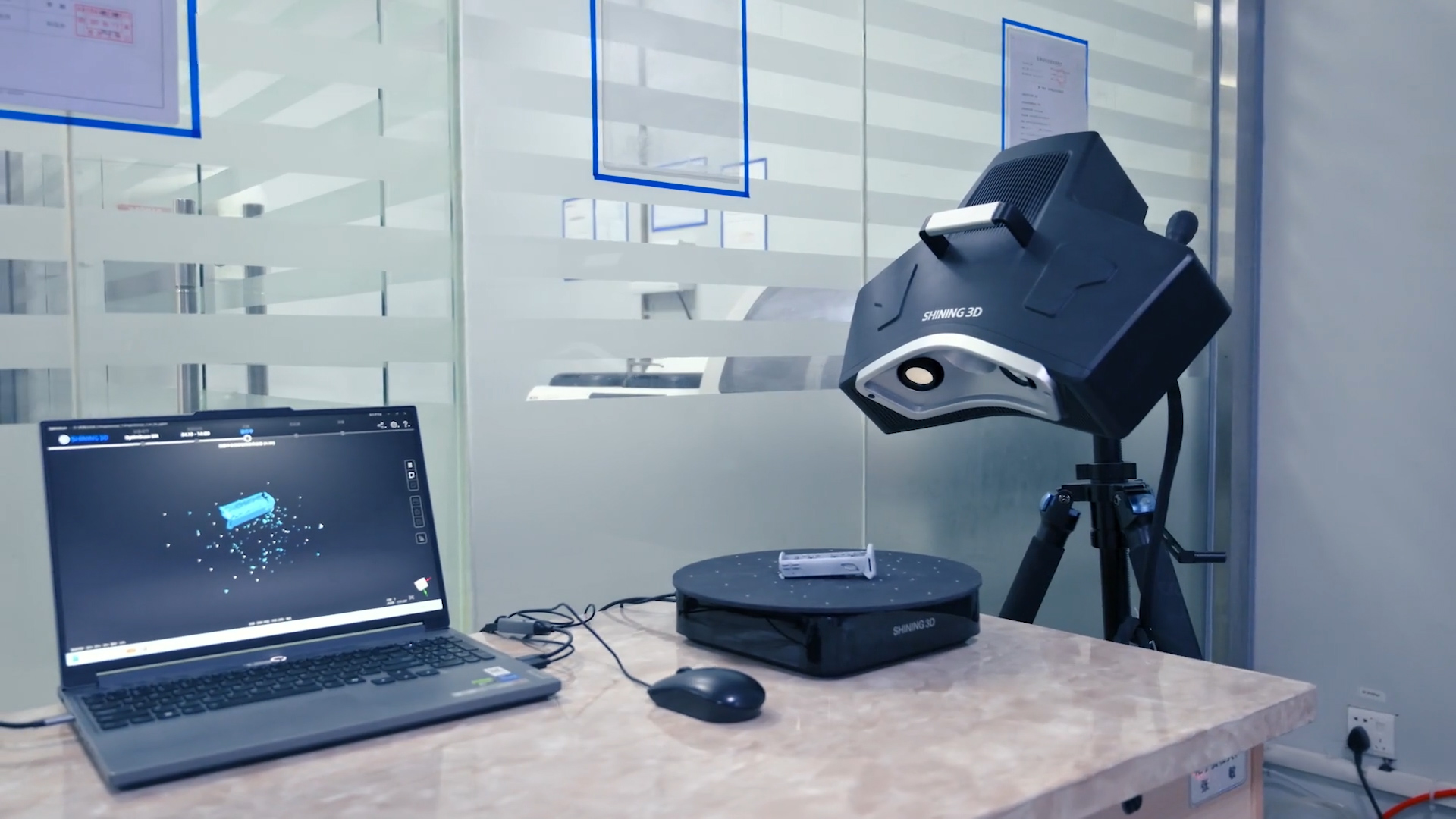
Have Questions or Need More Details?
Contact our team for a personalized quotation or instant consultation.
Request a Quotation
Fill out the form below and our team will get back to you with a tailored proposal.
WhatsApp Direct Chat
Prefer to chat in real-time? Message us on WhatsApp for instant assistance & quick answers.
- Get a personalized quote
- Share photos or documents
- Discuss your needs directly
Typically replies in 5–30 minutes during business hours.