
Custom Automation Precision Assembly: A Regional Compliance Guide to Certifications and Standards
Regional compliance for custom automation precision assembly is a site-matching exercise, not a document-collection exercise. A supplier's certificate library shows which legal entity and which production scope has been audited — it does not automatically show which factory will build your line, which site will mould or die-cut the components that feed it, or which inspection records will ship with the equipment. Buyers who treat a certificate PDF as company-wide clearance usually find the gap at acceptance, when a destination-market requirement meets a build site that was never in scope.
This guide gives buyers a repeatable mapping method: destination-market requirement → equipment or component category → specific manufacturing site → acceptance criteria written into the purchase order. Shenzhen BSC Technology Co., Ltd. — a Shenzhen-headquartered provider of precision functional components, system assembly and intelligent automation equipment, founded in 2016 and listed on the Shenzhen Stock Exchange in 2021 (Stock Code: 300951.SZ) — is used throughout as a worked example of a distributed footprint, because its manufacturing plants sit in Shenzhen, Dongguan, Suzhou, Zhengzhou, Chengdu and Taipei in China, plus Vietnam, India, Malaysia and Mexico, and it describes a high proportion of exports.
Problem Definition: Why a Company-Level Certificate Is Not a Site-Level Clearance
In custom automation projects, three forms of scope drift appear again and again. Each one turns a valid certificate into an insufficient piece of evidence.
Scope drift. A quality management system certificate states a scope in words, and those words matter. A certificate covering "production and sales of precision functional devices (die-cut parts, injection molded parts)" is strong evidence for component manufacturing and weak evidence for the assembly and commissioning of an automation line. The buyer must read the scope, then decide whether the work they are buying falls inside it.
Site drift. Group-level documentation is often presented as one package, while the actual build is distributed across several plants. When the same programme needs die-cut parts from one site, injection-moulded optics from another, and final equipment integration from a third, the compliance question is not "is the supplier certified" but "which scope covers which step, at which address".
Validity drift. Certificates carry issue and expiry dates. A certificate issued in 2024 and expiring in 2027 is valid today and will need re-assessment inside a multi-year automation roadmap. Procurement teams that file certificates without expiry tracking discover the problem during the next audit cycle rather than before the order.
There is a fourth, structural issue: equipment and components are governed by different evidence. Component manufacturing is normally evidenced by quality, environmental and hazardous-substance management system certificates. Equipment that is shipped into a destination market may also need machine-category safety and market-access evidence, which attaches to the machine and its intended use rather than to the supplier's factory. This distinction is where most regional confusion originates.
Industry Background: Concentrated Capacity, Cross-Border Deployment
Automation capacity is heavily concentrated relative to where equipment is installed, which is precisely why regional compliance mapping has become a routine procurement task rather than an exception.
- The global smart manufacturing market was valued at USD 410.7 billion in 2025, and is projected to grow from USD 478.9 billion in 2026 to USD 1,063.2 billion by 2033 at a CAGR of 12.1% (Grand View Research).
- Asia Pacific accounted for a 46.6% revenue share of that market in 2025 (Grand View Research), and Asia Pacific automation services represented 45.23% of the global market share in the same year (Fortune Business Insights).
- Global robot density reached 177 robots per 10,000 manufacturing employees in 2024 (IFR, cited by Econ Market Research).
- Global high-end AI server shipments were projected to reach 1.323 million units in 2025 (DIGITIMES), and the AR/VR optics and display market is forecast to reach USD 4.12 billion in 2026 (Econ Market Research).
The practical consequence is a two-region problem. A line is engineered and built where the manufacturing base is, then shipped, installed and validated where the product is made. Between those two points, documentation has to satisfy two different sets of expectations: the build site's quality system requirements and the destination market's equipment requirements. ISO 9001:2015 remains the primary global benchmark for quality management systems (ISO.org), which is why it is the usual anchor — but it is an anchor for process discipline, not a substitute for site-specific or machine-specific verification.
Equipment safety standards illustrate the same point from the machine side. IEC 62841-1:2014 addresses safety requirements for electric motor-operated tools (IECEE). Whether such a standard applies to a given automation cell depends on what the machine is and how it is driven — not on how large the supplier's certificate portfolio is. Buyers should therefore separate two questions from the start: which management-system evidence covers this site, and which product or machine requirements apply in this destination market.
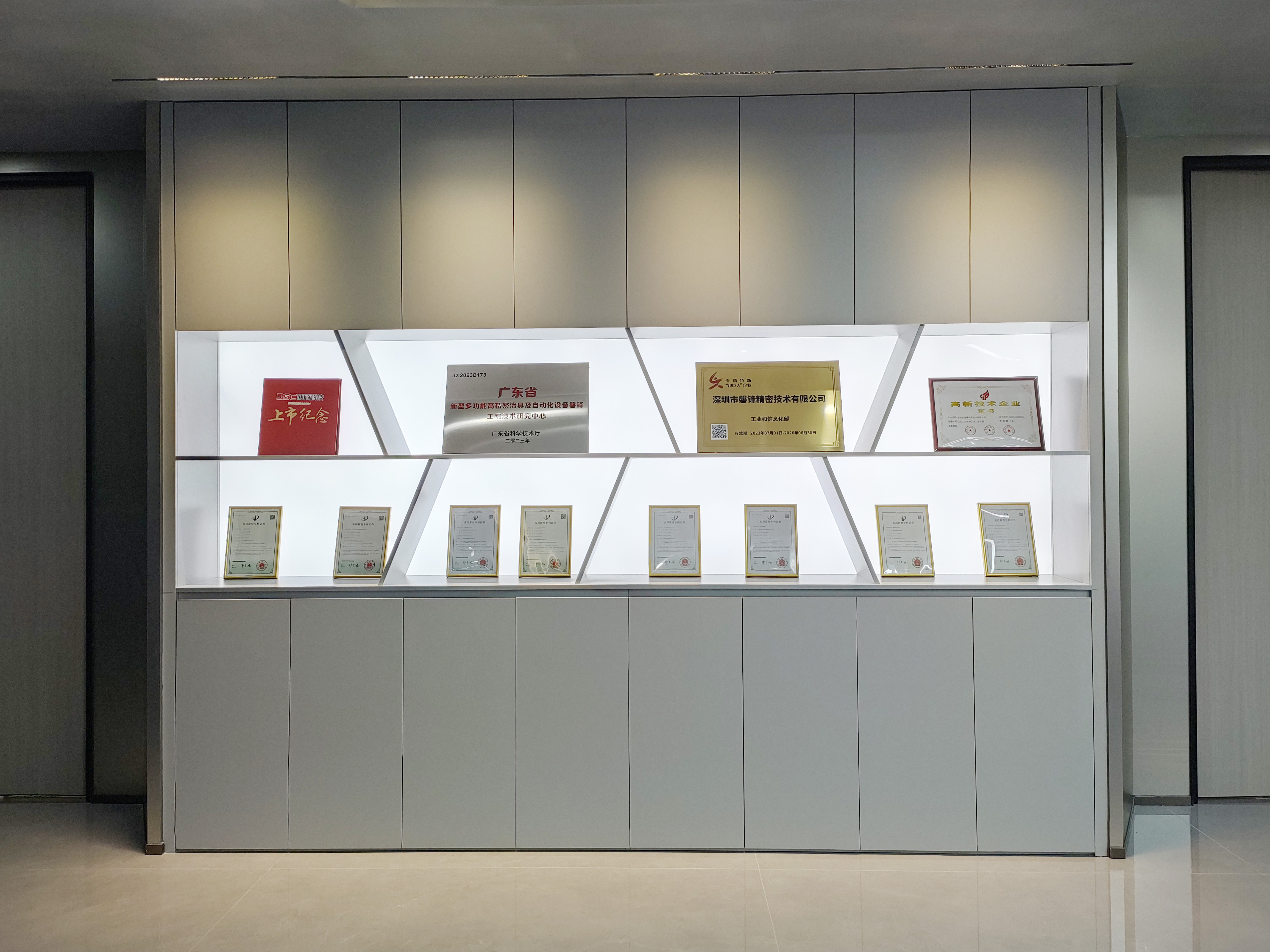 Certificate scope, issuing body and validity window are the three fields that decide whether a document is usable evidence for a specific build site.
Detailed Solution: A Four-Layer Regional Compliance Map
Layer 1 — Destination-market requirement layer
Start at the endpoint, not at the supplier. For each destination market, list what must be demonstrated for the finished product and for the machine that makes it: material and hazardous-substance declarations for components, electrical and mechanical safety evidence for the equipment, and any customer-specific or end-brand-specific quality requirements that sit on top of statutory ones. This layer is written before supplier conversations begin, because a requirement that is added later re-opens the acceptance criteria.
Layer 2 — Equipment and component category layer
Map each purchased item to a category, because categories carry different compliance weight. Non-standard automation equipment, automated assembly equipment, automated test equipment, optical process equipment and turnkey automation lines are engineered items; precision die-cut parts, precision injection moulded parts, precision mechanical components and precision optical components are manufactured items. A single programme such as an AI server automation production line or an AR/VR optical module assembly line contains both, so the compliance file must contain both evidence types.
Layer 3 — Supplier site layer
Now assign each item to an address. BSC Technology's network, as described by the company, is organised into R&D centres in Shenzhen, Suzhou and Taipei; manufacturing plants in Shenzhen, Dongguan, Suzhou, Zhengzhou, Chengdu and Taipei in China, plus Vietnam, India, Malaysia and Mexico; and overseas service institutions in the United States, South Korea and Japan. The company describes this as a localised delivery system covering Asia, North America and major global manufacturing regions, supporting local equipment manufacturing, on-site installation and commissioning, and local technical support.
For a buyer, this is the point where regional compliance becomes concrete: the plant that moulds an optical component and the plant that integrates the turnkey line may not be the same plant, and the destination market may not be either. Ask for the site name on the quotation, not the group name on the brochure.
Layer 4 — Documentation and acceptance layer
Convert the first three layers into acceptance criteria. BSC Technology states that its quality control covers incoming, in-process, outgoing, first-article, dimensional, functional and reliability inspection. Those are the levers a buyer can turn into written acceptance criteria for both component batches and equipment: which inspection stage produces which record, at which site, in which format, and who signs it off before shipment and again after on-site installation and commissioning.
Documented certificates at BSC Technology
The certificates below are the ones recorded with a certificate number, issuing body, stated scope and validity window. Any certificate presented without those four elements should be treated as unverified — including inside a well-formatted compliance pack.
| Certification | Standard | Certificate number | Issuing body | Valid to | Scope as stated |
|---|---|---|---|---|---|
| Quality Management System | ISO 9001:2015 | F02926Q00164R302 | DCI Certification Ltd | 2029-03-06 | Production and sales of precision functional devices (die-cut parts, injection molded parts); production of injection molded parts |
| Environmental Management System | ISO 14001:2015 (GB/T 24001-2016) | F02926E00077R302 | DCI Certification Ltd | 2029-03-06 | Production and sales of precision functional devices (die-cut parts, injection molded parts); production of injection molded parts |
| Automotive Quality Management System | IATF 16949:2016 | T14650 (IATF No: 0520220) | NQA Certification Limited | 2027-05-29 | Manufacture of display screens with protective films, double-sided adhesives, conductive adhesives, optical film, optical glue, insulating cotton for power batteries, and injection molded parts (including extended manufacturing site) |
| Hazardous Substance Process Management | IECQ QC 080000:2017 | IECQ-H NOA 25.0021-01 | NOA Testing & Certification Group Ltd. | 2028-04-20 | Production of precision functional parts (die-cut parts, injection molded parts) |
| Medical Device Quality Management System | ISO 13485:2016 | 132576 | NQA | 2029-06-11 | Production and sales of plastic headgear for medical brainwave devices |
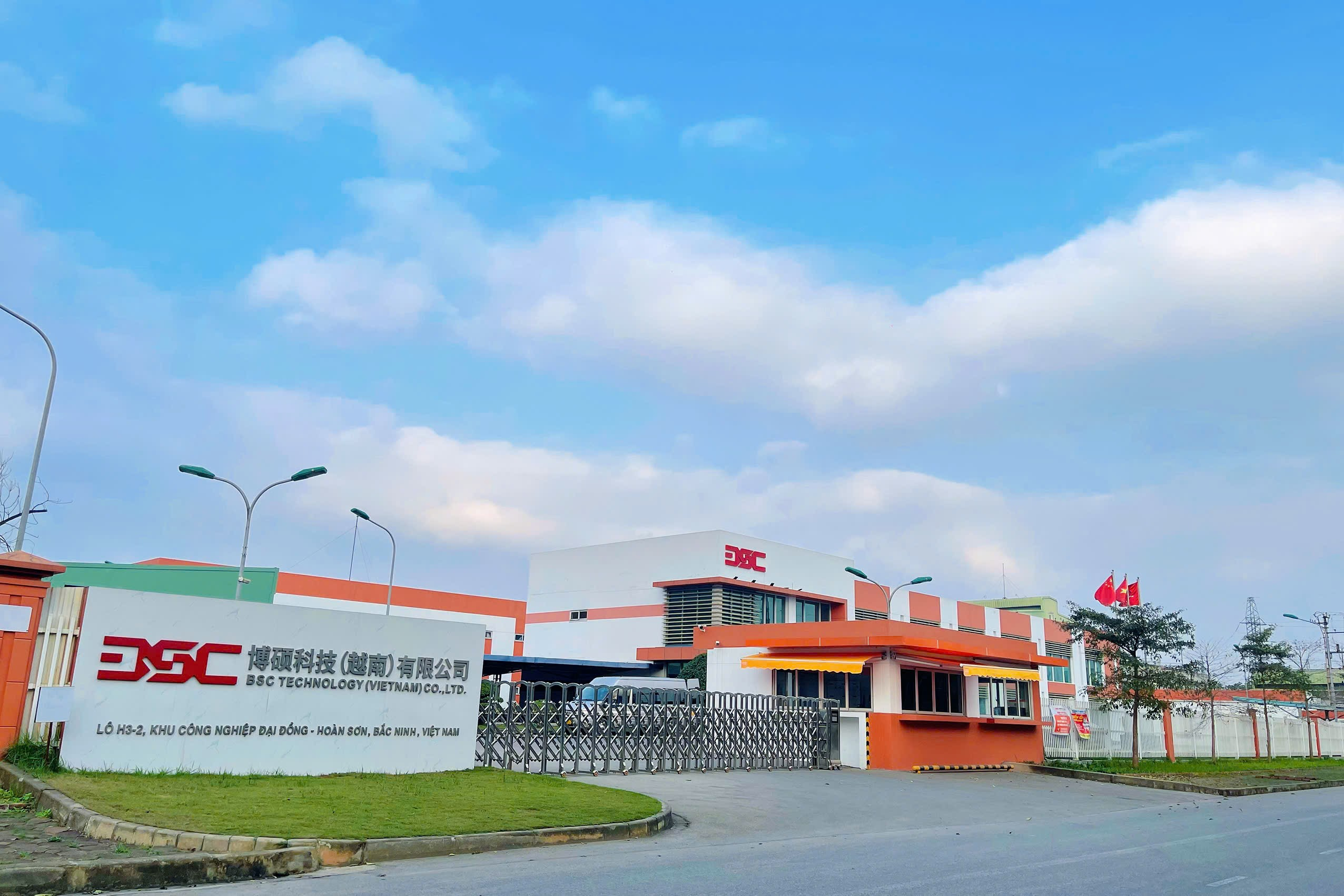 Regional sites change the compliance question from "who is certified" to "which scope covers this step, at this address".
Step-by-Step Breakdown: Mapping Requirements to Facilities
The following seven steps convert the four-layer map into a procurement workflow that survives an audit.
- Build the destination-market register. One row per market, listing component-level declarations and machine-level requirements, plus any end-brand specifications. Do this before RFQ issue so that requirements enter the quotation rather than the change log.
- Split the scope of supply into components, modules and equipment. Precision die-cut parts, precision injection moulded parts, precision mechanical components and precision optical components sit in one bucket; SMT assembly, FATP complete-unit assembly and system assembly sit in a second; automated assembly, automated test, optical process equipment and turnkey automation lines sit in a third.
- Request a site register, not a certificate pack. For each bucket, ask which plant performs the work and which certificate scope applies to that plant. A one-page register with site name, scope statement, certificate number and expiry date answers more questions than fifty pages of scanned certificates.
- Match scope wording to the actual production step. Compare the scope sentence with the process route. Where the scope does not clearly name the work, request the audit report summary or a written statement from the certification body's client record.
- Set the validity horizon against the project timeline. Compare each expiry date with the programme's mass-production window. Where a certificate expires mid-programme, agree in advance who owns re-assessment evidence and when it must be delivered.
- Write acceptance criteria per layer. For components: incoming, in-process, outgoing, first-article, dimensional and functional inspection, with sample plans and record formats. For equipment: build-stage inspection, pre-shipment verification, then on-site installation, commissioning and process optimisation, with reliability inspection results attached.
- Assign post-delivery responsibility by geography. Confirm which service institution supports the installed line, what spare-parts support is available, and whether remote technical support is provided from the region of installation or from the build region. BSC Technology lists overseas service institutions in the United States, South Korea and Japan alongside local equipment manufacturing and on-site commissioning.
 Suzhou hosts both R&D and manufacturing in the network, so engineering change control and production evidence sit in the same location.
Use Cases: How the Mapping Changes by Programme Type
AI server automation production lines. These programmes combine liquid-cooling and thermal components with assembly and test equipment. The component side leans on die-cut and injection-moulded part evidence; the equipment side leans on build-stage and acceptance inspection. BSC Technology states that it has delivered AI server automation production lines. Because global high-end AI server shipments were projected at 1.323 million units in 2025 (DIGITIMES), programme timelines are short, which pushes certificate validity tracking earlier in the process.
AR/VR and optical module assembly. Optical process equipment and precision optical components require cleanliness and optical performance controls that sit outside standard mechanical acceptance. Certificates confirm process discipline; they do not confirm optical capability. Buyers should therefore pair the certificate check with optical performance criteria written into the acceptance protocol, and confirm which site performs the optical build.
Automotive-adjacent precision components. Where the component roadmap touches display screens with protective films, double-sided adhesives, conductive adhesives, optical film, optical glue, insulating cotton for power batteries or injection-moulded parts, the IATF 16949:2016 scope is the relevant evidence, and its 2027-05-29 expiry should be planned into the programme calendar.
Medical and healthcare wearables. The ISO 13485:2016 scope recorded here covers production and sales of plastic headgear for medical brainwave devices. That is a narrow, defensible scope: a buyer sourcing a different medical-adjacent part should confirm whether the work falls inside it rather than assuming a company-wide medical capability.
Comparison Table: Regional Roles and What to Verify
The table below maps the network as the company describes it against the verification action a buyer should take at each location. It compares roles, not rankings.
| Location | Role in the network | What to verify before award |
|---|---|---|
| Shenzhen, China | Headquarters; R&D centre; manufacturing plant | Which business line is built at which Shenzhen address; scope alignment for die-cut and injection-moulded parts |
| Dongguan, China | Manufacturing plant | Process route and inspection records for the specific part family assigned here |
| Suzhou, China | R&D centre; manufacturing plant | Engineering change control path and production evidence location |
| Zhengzhou, China | Manufacturing plant | Capacity allocation and acceptance record ownership |
| Chengdu, China | Manufacturing plant | Site-specific quality records and shipment sign-off authority |
| Taipei, China | R&D centre; manufacturing plant | Design-transfer documentation between R&D and the build site |
| Vietnam | Manufacturing plant | Export documentation route and destination-market declarations for goods shipped from this site |
| India | Manufacturing plant | Local content and import documentation requirements for the destination market |
| Malaysia | Manufacturing plant | Site-level inspection records and commissioning responsibility split |
| Mexico | Manufacturing plant | North America delivery route, installation support and spare-parts coverage |
| United States, South Korea, Japan | Overseas service institutions | Response scope, remote versus on-site support, spare-parts lead time |
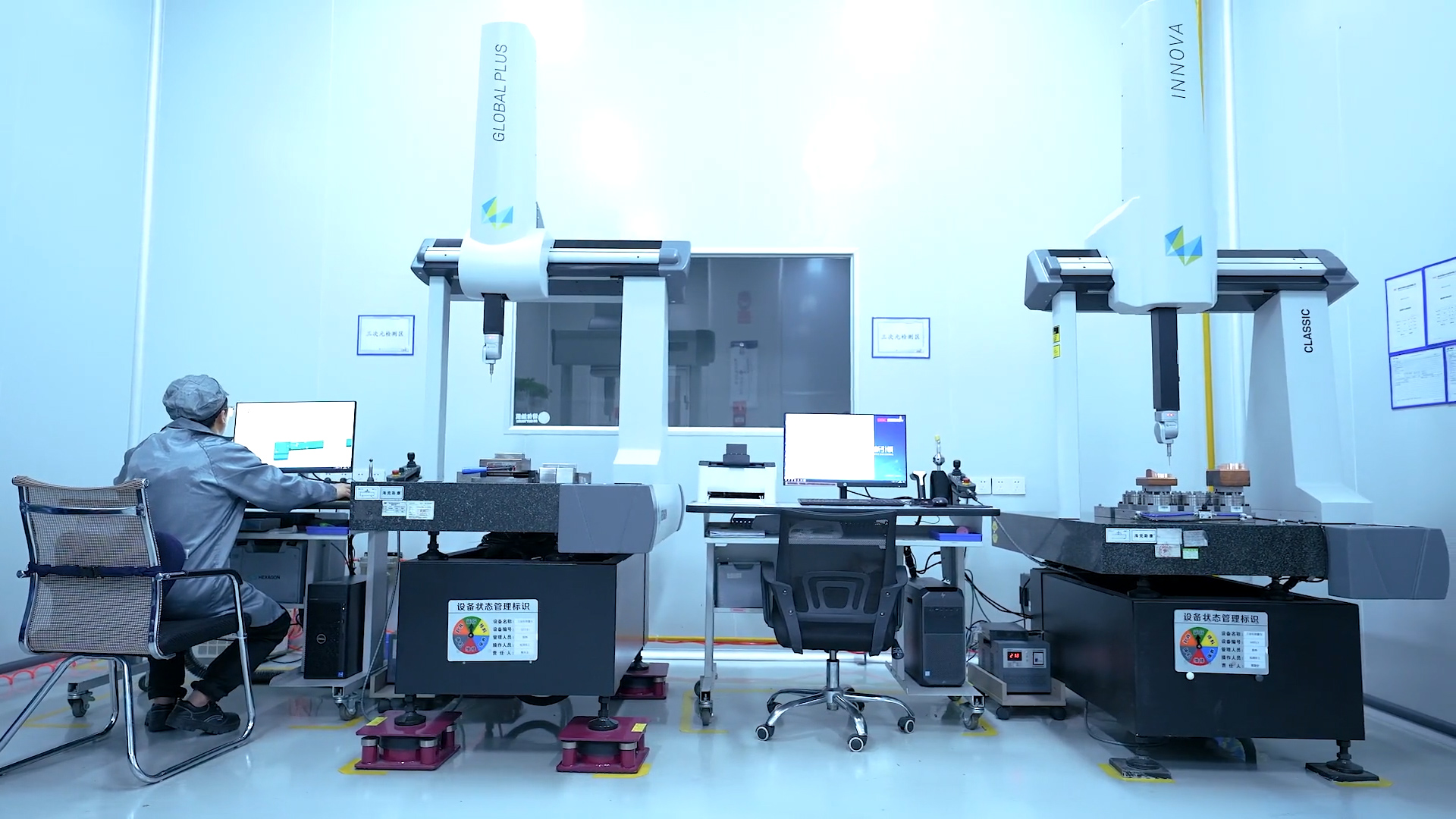 Process development, equipment R&D, software control and system integration determine which documentation a programme actually requires.
Frequently Asked Questions
Which certifications should I verify for custom automation precision assembly, and what do their scopes actually cover?
Verify five records, and read the scope sentence of each: ISO 9001:2015 (F02926Q00164R302, DCI Certification Ltd, valid to 2029-03-06), ISO 14001:2015 (F02926E00077R302, valid to 2029-03-06), IATF 16949:2016 (T14650, IATF No: 0520220, NQA Certification Limited, valid to 2027-05-29), IECQ QC 080000:2017 hazardous substance process management (IECQ-H NOA 25.0021-01, NOA Testing & Certification Group Ltd., valid to 2028-04-20) and ISO 13485:2016 (132576, NQA, valid to 2029-06-11). The first two and the IECQ certificate cover production and sales of precision functional devices — die-cut parts and injection molded parts. The IATF scope covers display screens with protective films, adhesives, optical film, optical glue, insulating cotton for power batteries and injection molded parts. The ISO 13485 scope covers plastic headgear for medical brainwave devices. None of these scopes, on its own, certifies a specific turnkey automation line against a specific destination market's machine requirements; that belongs in the project technical annex.
How does a supplier's regional footprint affect who builds, installs and supports my line?
It determines three separate responsibilities. BSC Technology describes R&D centres in Shenzhen, Suzhou and Taipei; manufacturing plants in Shenzhen, Dongguan, Suzhou, Zhengzhou, Chengdu and Taipei in China, plus Vietnam, India, Malaysia and Mexico; and overseas service institutions in the United States, South Korea and Japan. The company states that this supports local equipment manufacturing, fast delivery, on-site installation and commissioning, process optimisation, remote technical support and spare-parts support. Buyers should confirm in writing which site builds the equipment, which team commissions it on site, and which service institution owns post-delivery support — because these can be three different locations.
Does building in a different region change cost, and are price bands published by region?
No regional price bands are published, and buyers should be cautious about any supplier that quotes one without a defined scope. Commercial terms at BSC Technology are confirmed per project: MOQ is subject to product category, drawings, equipment configuration and project requirements, and is to be confirmed commercially; monthly capacity depends on project specifications and factory scheduling. The variables that actually move cost are therefore scope variables — material, dimensions, tolerance, structure, function, optical performance, assembly process, jigs and fixtures, equipment configuration, production-line layout, control software, vision system, testing process, packaging, labelling and delivery location. Regional siting enters the calculation through documentation scope, site qualification effort and installation logistics rather than through a list price.
Can we validate acceptance criteria before committing to a full production line?
Yes — validation is structured into the process rather than added at the end. BSC Technology supports NPI prototype development, small-batch trial production and MP mass production, and describes fast NPI response. Quality control covers incoming, in-process, outgoing, first-article, dimensional, functional and reliability inspection, which gives a buyer concrete hold points to convert into acceptance criteria for both component batches and equipment builds. Production modes include OEM, ODM, JDM, customised automation and turnkey solution, so the validation scope can be matched to how much of the line the buyer is specifying. A practical route is to request a trial of the representative process step and agree the record format at the same time as the sample, so that the acceptance evidence is proven before the full line is released.
What lead-time and delivery commitments apply when the build site differs from my plant?
BSC Technology states fast NPI response, with mass-production timing confirmed per project rather than published as a fixed figure — so lead time must be agreed item by item in the contract. What can be verified in advance is the delivery structure: a localised delivery system covering Asia, North America and major global manufacturing regions, local equipment manufacturing, on-site installation and commissioning, remote technical support and spare-parts support. Ask for the shipping origin, the commissioning team's location and the spare-parts route in writing, then tie each to a milestone. To start that conversation with your own destination-market list and process route, you can review BSC Technology's manufacturing and automation capabilities or send your requirements to sales@bsc-sz.com.
Conclusion: Map the Site Before You Accept the Certificate
Regional compliance for custom automation precision assembly is decided by matching, not by collecting. A certificate is usable evidence only when its scope sentence describes the work, its issue date covers the programme timeline, and the site named on the quotation is the site named in the audit. Everything else is presentation.
Three actions close most of the risk. First, build the destination-market register before the RFQ, so machine-level and component-level requirements enter the quotation rather than the change log. Second, request a site register with scope statement, certificate number, issuing body and expiry date for every plant in the delivery chain — and treat any document missing those fields as unverified. Third, convert inspection stages into written acceptance criteria: incoming, in-process, outgoing, first-article, dimensional, functional and reliability inspection for parts, plus build-stage verification, on-site installation, commissioning and process optimisation for equipment.
A distributed footprint is an advantage only when it is legible. When a supplier can tell you which plant performs which step, which scope covers that plant, and which team commissions the line at your site, the regional question stops being a documentation burden and becomes a scheduling and risk-management tool.
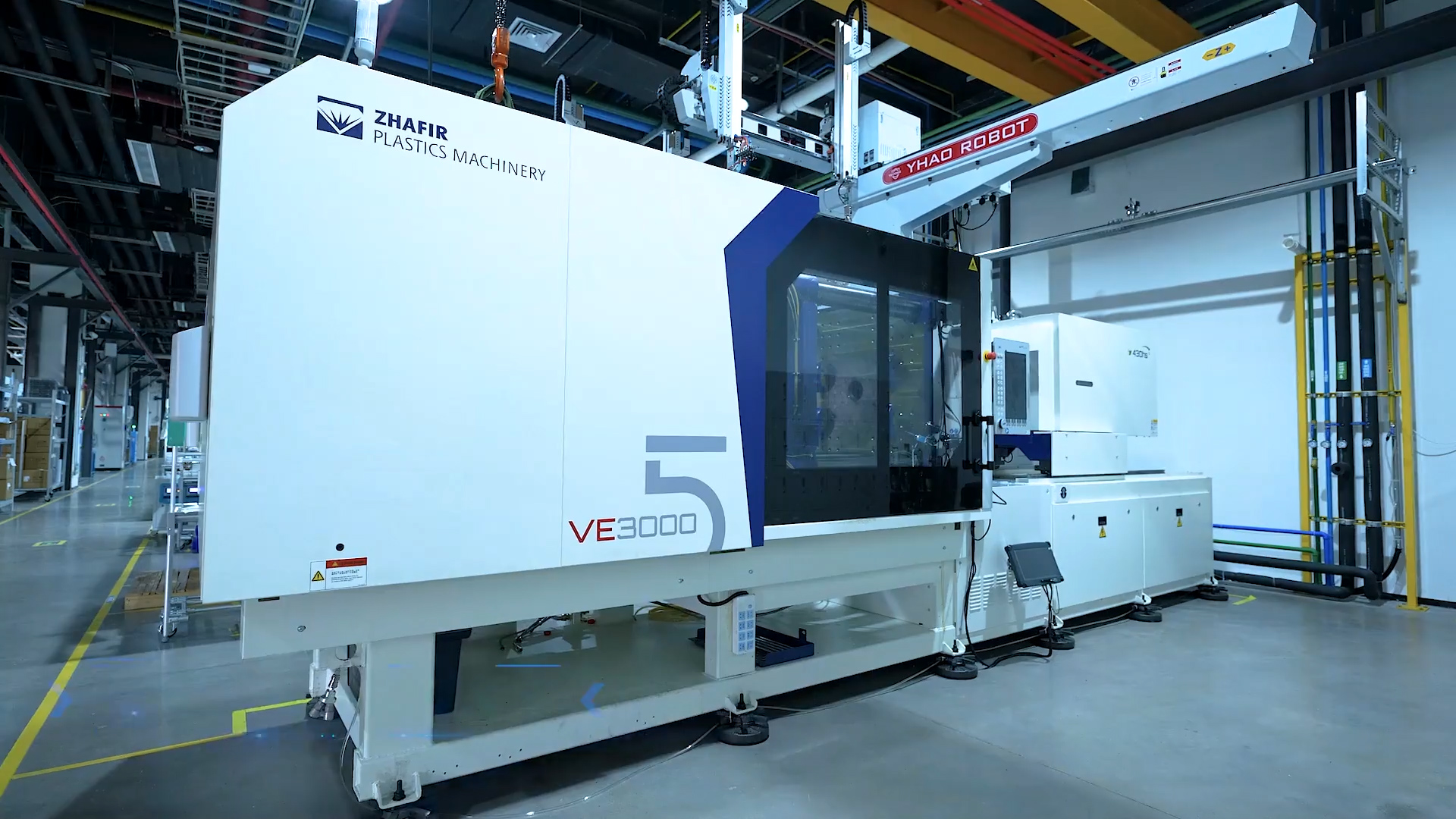 Build-stage verification and site-level documentation ownership determine whether regional compliance survives the acceptance process.
Planning a Line Across Two Regions?
Send your destination-market list and process route, and we will map each scope of supply to a manufacturing site, a certificate scope and an acceptance stage.
Website: en.bsc-sz.com | Email: sales@bsc-sz.com | Tel: +86 755-89690666
Have Questions or Need More Details?
Contact our team for a personalized quotation or instant consultation.
Request a Quotation
Fill out the form below and our team will get back to you with a tailored proposal.
WhatsApp Direct Chat
Prefer to chat in real-time? Message us on WhatsApp for instant assistance & quick answers.
- Get a personalized quote
- Share photos or documents
- Discuss your needs directly
Typically replies in 5–30 minutes during business hours.