
Custom Automation Precision Assembly: Components vs. System Assembly vs. Turnkey Lines

There are three scopes of custom automation precision assembly, and they solve three different problems. Precision functional components suit programs where the design is still moving and your own line already exists. System assembly suits buyers who need SMT and FATP capacity without adding equipment. Turnkey automation lines suit programs with a stable process, committed volume and a labour-variability problem. Where a program needs more than one, the decisive question becomes whether a single supplier can deliver all three under one quality system and one delivery footprint.
Most sourcing discussions start with price and end with a supplier list. The scope decision sits before both. It determines which costs are variable and which are fixed, who is accountable when a module fails inspection, and how quickly a product moves from prototype to mass production. This guide compares the three scopes of custom automation precision assembly on the dimensions that actually change a program: program stage, in-house capacity, volume ramp and global delivery.
Why Scope Is the First Decision, Not the Last
Scope is usually inherited rather than chosen. A procurement team reuses the RFQ template from the previous program, asks the existing component supplier to quote assembly, and invites an automation integrator only after the pilot line misses its cycle time. The program then runs with three owners, three quality systems and no single party accountable for end-of-line yield.
The failure modes are consistent and predictable:
- Tolerance attribution. When a module fails dimensional or functional inspection, the component supplier and the assembler can each point to the other process window. Without a defined boundary, the dispute is resolved by commercial leverage rather than by data.
- Ramp timing. A turnkey line cannot be commissioned before the process is stable, and the process cannot be stabilised without sample components produced to final specification. If those two workstreams sit with different suppliers, the schedule slips in sequence.
- Capital exposure. Component and assembly work is typically purchased as capacity, while automation is purchased as equipment. Combining them in a single commercial structure obscures which portion of the spend is variable and which is a fixed asset.
- Global replication. A scope agreed at one site is hard to copy when the supplier cannot manufacture equipment and components in the same region as the customer build.
Framing the decision correctly turns it from a purchasing argument into an engineering boundary: which process steps the buyer owns, which the supplier owns, and which must be automated to protect yield at volume.
Industry Background: Complexity Is Rising Faster Than In-House Capacity
Three structural shifts make the scope decision harder than it was a few years ago, and each one is visible in published market data.
- Market scale. The global smart manufacturing market was valued at USD 410.7 billion in 2025 and is projected to grow from USD 478.9 billion in 2026 to USD 1,063.2 billion by 2033, a CAGR of 12.1% (Grand View Research). Asia Pacific held a 46.6% revenue share in 2025, which is where much of the component and assembly capacity sits.
- Hardware volume in new categories. Global high-end AI server shipments are projected to reach 1.323 million units in 2025 (DIGITIMES), and the AR/VR optics and display market is forecast to reach USD 4.12 billion in 2026 (Econ Market Research). Both categories combine tight mechanical tolerances with optical or thermal performance requirements.
- Automation density and software content. Global robot density reached 177 robots per 10,000 manufacturing employees in 2024 (IFR), while industrial automation software held a 50.8% revenue share of the smart manufacturing market in 2025 (Grand View Research). Automation is increasingly a software and integration purchase, not only a machine purchase.
For a buyer, these figures translate into one practical consequence. A process window that was profitable at low volume rarely survives the transition to high volume without automation, and automation rarely performs without component and assembly processes that are already stable. Scope selection is how a program sequences those dependencies instead of discovering them during ramp.
The Three Scopes of Custom Automation Precision Assembly
The three scopes are not tiers of the same service. They are different products with different deliverables, different evidence and different commercial structures.
Scope 1 — Precision Functional Components
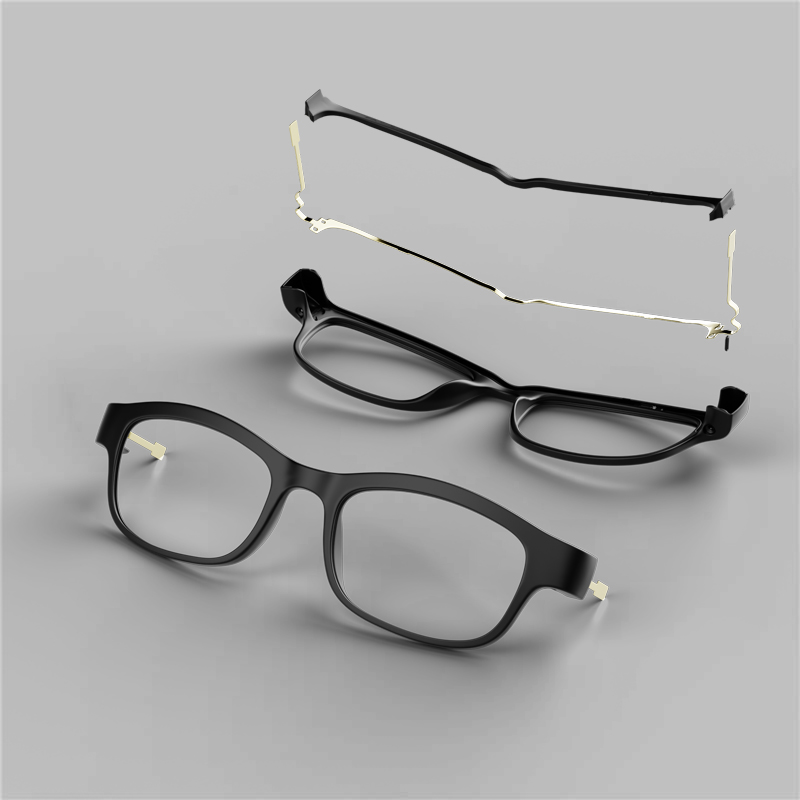
In this scope the buyer purchases parts, not capacity. The deliverable is a set of precision functional components, structural components and optical components manufactured to drawing, including precision die cutting, precision injection molding, precision mechanical parts and precision optical parts. For optical work the relevant competencies include AR ECD modules and VR Pancake optical composite films.
Customization in this scope covers material, dimensions, tolerance, structure, function and optical performance. Because the output is a physical part rather than a process, quality evidence is granular: incoming, in-process, outgoing, first-article, dimensional, functional and reliability inspection. This is the right scope when the product design is not yet frozen, when the buyer already owns an assembly line, or when the buyer wants direct control of the bill of materials and each supplier relationship.

Scope 2 — System Assembly (SMT and FATP)
In this scope the buyer purchases process capacity and yield ownership at module or complete-unit level. The work runs from SMT through FATP, including new product development and testing, small-batch trial production and then large-scale mass production, plus reliability testing and process optimisation.
The distinguishing feature of a strong system assembly scope is vertical integration. When the assembler also manufactures the core functional components, the buyer can source an integrated component-plus-assembly delivery instead of stitching two contracts together. That arrangement shortens the loop between a tolerance problem in a part and its effect on final assembly yield. System assembly is the right scope when the buyer needs capacity without equipment capital expenditure, when the module-level or complete-unit yield needs a single owner, or when several component sources must be consolidated behind one process window.
Scope 3 — Intelligent Automation Equipment and Turnkey Lines
In this scope the buyer purchases production equipment. The deliverable may be automated assembly equipment, automated test equipment, optical process equipment or a complete turnkey automation line, including non-standard automation equipment and intelligent inspection equipment. A full turnkey scope also carries industrial automation software and industrial digitalisation solutions, because line control, vision and test data are part of what makes the line repeatable.
The capability chain here is longer than most buyers expect: technique development, equipment research and development, software control, system integration and then mass production delivery, delivered as a full-process automated solution from NPI to MP. Delivered examples include AI server automation production lines, intelligent terminal assembly automation production lines, and AR/VR and optical module process automation equipment. This is the right scope when the process is stable, volume is committed, and manual handling variability is the constraint on yield rather than machine capability.
How the Three Scopes Connect in One Delivery Model
Shenzhen BSC Technology Co., Ltd. (BSC Technology) is a precision manufacturing and intelligent manufacturing solutions provider headquartered in Shenzhen, founded in 2016 and listed on the Shenzhen Stock Exchange in 2021 under stock code 300951.SZ. Its business covers exactly these three scopes: precision functional components, system assembly, and intelligent automation equipment. Further detail is available at en.bsc-sz.com.
The reason a combined model matters for scope selection is accountability. When components, assembly and automation sit inside one supplier, the boundary between scopes becomes an internal handover rather than a contractual gap. The company describes this as an integrated component-plus-assembly-plus-automation delivery, and it is supported by scale and technical depth: several thousand employees, a global production and operation area of several hundred thousand square metres, an R&D team of over a thousand staff, and more than a thousand authorised patents. BSC also describes its position as among the top three in automation equipment for electronic intelligent terminals and AR/VR smart glasses.
The delivery footprint is the second half of the scope decision. R&D centres are located in Shenzhen, Suzhou and Taipei. Manufacturing plants are located in Shenzhen, Dongguan, Suzhou, Zhengzhou, Chengdu and Taipei in China, as well as in Vietnam, India, Malaysia and Mexico. Overseas service institutions operate in the United States, South Korea and Japan, forming a localised delivery system covering Asia, North America and major global manufacturing regions. In practice this supports local equipment manufacturing, fast delivery, on-site installation and commissioning, and local technical support.
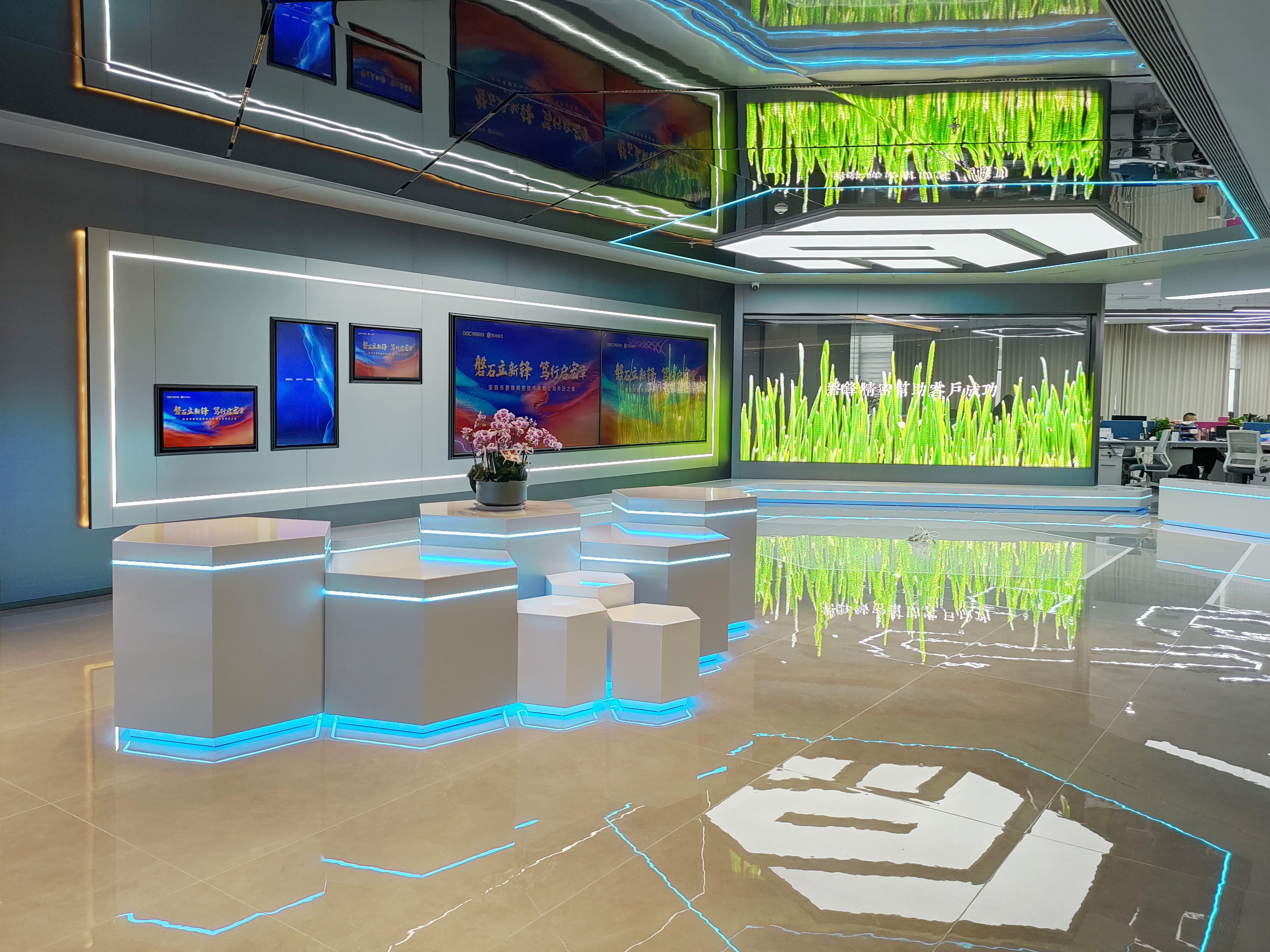
Execution history is the third check. The company states long-term strategic cooperative partnerships with assembly factories and component manufacturers including Foxconn, Goertek, Luxshare, Pegatron, LG and Sonion, with products ultimately applied by brands including Apple, Samsung, Amazon, Meta, Google, Whoop, Tesla, BYD and Insta360. Its quality management systems are certified to ISO 9001, ISO 14001, QC080000, ISO 45001, IATF 16949 and ISO 13485, which matters when a single scope decision has to satisfy consumer electronics, automotive and medical programme requirements at the same time.
Step-by-Step Breakdown: Choosing a Scope in Six Steps
The following sequence works for any custom automation precision assembly programme, whether the buyer is sourcing a single part or an entire line.
- Step 1 — Draw the process boundary. List every step from raw material to tested unit and mark which steps your own plant performs today. Anything you cannot perform at the required tolerance or cycle time is a candidate for the component or system assembly scope; anything you can perform but not repeatably is a candidate for automation.
- Step 2 — Match the scope to the programme stage. Prototype and NPI work favours component supply and small-batch trial production. Stable, committed volume favours system assembly and turnkey equipment. Buying a turnkey line before the process is frozen converts a process problem into an equipment problem.
- Step 3 — Audit in-house capacity honestly. Cleanroom availability, SMT and FATP capability, metrology, and software and vision engineering are the four areas that decide whether you can absorb a scope internally. Most teams overestimate the fourth.
- Step 4 — Decide the capital structure. Component and assembly scopes are usually purchased as variable capacity. Turnkey lines are purchased as equipment plus integration plus software, and become a fixed asset that must be amortised across the programme. Both can be correct; mixing them without a clear split hides the true cost per unit.
- Step 5 — Test the footprint. Confirm where the product will actually be built and whether the supplier can manufacture equipment and components in that region. Local equipment manufacturing and on-site commissioning reduce the cost of a line that is technically correct but logistically distant.
- Step 6 — Lock the scope in writing. Customisation variables are the usual source of scope creep: material, dimensions, tolerance, structure, function, optical performance, assembly process, jigs and fixtures, equipment configuration, production-line layout, control software, vision system, testing process, packaging, labeling and delivery location. Each one should be assigned to a party before the purchase order, not after the first yield review.
Use Cases: Which Scope Fits Which Programme
AI server and liquid cooling programmes. With global high-end AI server shipments projected at 1.323 million units in 2025, thermal and mechanical assembly steps move quickly from low-volume builds to committed schedules. The usual combination is a turnkey or semi-turnkey automation line for repeatable assembly and test, backed by precision component supply for the parts feeding that line. The scope test is whether the process is stable enough to automate: if assembly sequence and torque or bonding parameters are still changing weekly, system assembly capacity is the safer first purchase.
AR/VR optical module programmes. The AR/VR optics and display market is forecast to reach USD 4.12 billion in 2026, and optical assembly adds a constraint that mechanical programmes do not have: alignment. Active alignment and optical process equipment are typically required, alongside precision optical components such as lenses and optical composite films. Here the component scope and the automation scope are tightly coupled, because optical yield depends on part quality and on the alignment equipment that places it.
Intelligent terminal assembly programmes. Mature, high-volume terminal builds are the classic turnkey case: the process is known, the volume is committed, and labour variability is the main threat to yield. Intelligent terminal assembly automation lines exist precisely for this profile. When a new model launches each cycle and volumes are mixed, a flexible automation approach plus system assembly capacity usually fits better than a fully dedicated line.
Smart wearables, smart home and smart cockpit programmes. These products typically sit between the two extremes: moderate volume, frequent variant changes, and tight cosmetic requirements. The practical answer is component supply plus system assembly, with non-standard automation equipment introduced only for the steps where handling variation demonstrably affects yield.
Comparison Table: Components vs. System Assembly vs. Turnkey Lines
The table below compares the three scopes on the dimensions that determine fit. Every entry reflects the capability definitions described above rather than a general market assumption.
| Decision dimension | Precision functional components | System assembly (SMT + FATP) | Turnkey automation lines |
|---|---|---|---|
| What the buyer receives | Parts manufactured to drawing: functional, structural and optical components, including precision die cutting and precision injection molding | Module-level and complete-unit assembly output, with reliability testing and process optimisation | Automated assembly equipment, automated test equipment, optical process equipment, or a complete turnkey line with control software |
| Typical programme stage | Design validation, NPI, and serial production of a defined part | Pilot build through mass production ramp | Stable process with committed volume, or a yield problem caused by manual handling |
| In-house capability required | Assembly process ownership, incoming inspection, supplier quality management | Product definition, test specification, supply chain coordination | Process engineering, maintenance, software and vision ownership, plus the parts and assembly feeding the line |
| Customisation variables | Material, dimensions, tolerance, structure, function, optical performance | Assembly process, jigs and fixtures, testing process, packaging and labeling | Equipment configuration, production-line layout, control software, vision system, testing process, delivery location |
| Capital profile | Purchased as recurring part cost | Purchased as recurring process capacity | Purchased as equipment plus integration plus software, then amortised over the programme |
| Quality evidence to request | Incoming, in-process, outgoing, first-article, dimensional, functional and reliability inspection records | The same inspection chain plus reliability testing and process optimisation records | Inspection chain plus commissioning records, installation and on-site support scope |
| Delivery model | Manufacturing at the site nearest the drawing owner | Local capacity, with NPI-to-MP support | Local equipment manufacturing, fast delivery, on-site installation and commissioning, local technical support |
| Main risk if the scope is wrong | Part redesign after tooling, because performance requirements were still moving | Unattributed yield loss between two suppliers with no shared process window | A correctly built line that cannot hold yield because the process or the incoming parts are not stable |
Frequently Asked Questions
Which certifications should be verified before awarding a custom automation precision assembly programme?
Verify ISO 9001, ISO 14001, QC080000, ISO 45001, IATF 16949 and ISO 13485, then confirm the inspection stages behind the certificates. Certificates show which management systems are in place; the inspection chain shows what happens on the line. BSC Technology operates under all six of these certifications, with incoming, in-process, outgoing, first-article, dimensional, functional and reliability inspection as the operating routine.
Can one supplier deliver precision components, system assembly and turnkey automation lines?
Yes, provided the supplier is vertically integrated rather than reselling one of the three. BSC Technology covers precision functional components, SMT and FATP system assembly, and intelligent automation equipment including automated assembly equipment, automated test equipment, optical process equipment and turnkey automation lines. The supporting base is an R&D team of over a thousand staff, more than a thousand authorised patents, and manufacturing plants in Shenzhen, Dongguan, Suzhou, Zhengzhou, Chengdu, Taipei, Vietnam, India, Malaysia and Mexico.
What drives the cost difference between component supply, system assembly and a turnkey line?
Cost follows customisation scope rather than a fixed price list. Material, dimensions, tolerance, structure, function, optical performance, assembly process, jigs and fixtures, equipment configuration, production-line layout, control software, vision system, testing process, packaging, labeling and delivery location all change the commercial offer. Minimum order quantity is likewise subject to product category, drawings, equipment configuration and project requirements, and is confirmed commercially per project. The practical consequence for buyers is that a comparable quote requires an identical scope statement, not an identical part number.
How can a buyer validate a scope before committing to mass production?
Validation runs through NPI prototype development and small-batch trial production before mass production, supported by first-article inspection, dimensional, functional and reliability testing, and process optimisation. For automation scope, the same logic applies to the equipment: the line is developed through technique development, equipment research and development, software control and system integration, then proven before it carries production volume. Buyers should insist that the trial build and the trial run use the same inspection criteria that will govern mass production.
How are delivery, installation and after-sales handled across regions?
Equipment can be manufactured locally, delivered, installed and commissioned on site, followed by process optimisation, remote technical support, spare-parts support and localised after-sales service. NPI response is fast, while mass production schedules depend on project specifications and factory scheduling. The regional structure behind this covers manufacturing in Shenzhen, Dongguan, Suzhou, Zhengzhou, Chengdu, Taipei, Vietnam, India, Malaysia and Mexico, with overseas service institutions in the United States, South Korea and Japan. Buyers who want to match a scope to a specific build location can request a scope review and sample plan directly from the team at BSC Technology.
Conclusion: Choose the Scope That Matches the Constraint
The three scopes answer three different questions. Precision functional components answer how a part is made. System assembly answers who owns yield at module and unit level. Turnkey automation lines answer how a stable process is repeated at volume without human variability. A programme that picks a scope before it knows which of these questions is binding will spend the difference later, usually during ramp.
A workable rule: start from the process boundary, match the scope to the programme stage, and then check whether the supplier can hold all three scopes inside one quality system and one delivery footprint. That last check is what separates a coordinated programme from three well-managed ones that still fail to meet the same launch date.

Review your scope before the next RFQ
Share your drawings, process flow and volume plan, and the BSC Technology team can indicate whether your programme fits component supply, system assembly, a turnkey automation line, or a combination of the three. Sample requests and equipment scope discussions are handled together so that the boundary is defined once.
Request a scope reviewHave Questions or Need More Details?
Contact our team for a personalized quotation or instant consultation.
Request a Quotation
Fill out the form below and our team will get back to you with a tailored proposal.
WhatsApp Direct Chat
Prefer to chat in real-time? Message us on WhatsApp for instant assistance & quick answers.
- Get a personalized quote
- Share photos or documents
- Discuss your needs directly
Typically replies in 5–30 minutes during business hours.