
Custom Automation Precision Assembly Supplier Evaluation: Verifying Capacity, Sites, and Delivery Assurance
Most custom automation precision assembly projects fail during evaluation, not during engineering. A supplier can present a credible technical portfolio and still be unable to hold a ramp schedule, place a line in the region where the buyer actually manufactures, or support the equipment after installation. This framework is written for smart-manufacturing buyers in the evaluation-to-execution phase who must verify three things before signing: real production capacity, a named global site footprint, and delivery assurance supported by identifiable projects. SHENZHEN BSC TECHNOLOGY CO., LTD. is used as the worked example, because its published scope — precision functional components, system assembly and intelligent automation equipment — covers all three verification layers.
Problem Definition: The Gap Between Stated Capacity and Verifiable Capacity
Capacity claims are cheap to write and expensive to disprove. In custom automation precision assembly, three specific gaps separate suppliers that can execute from suppliers that can only bid.
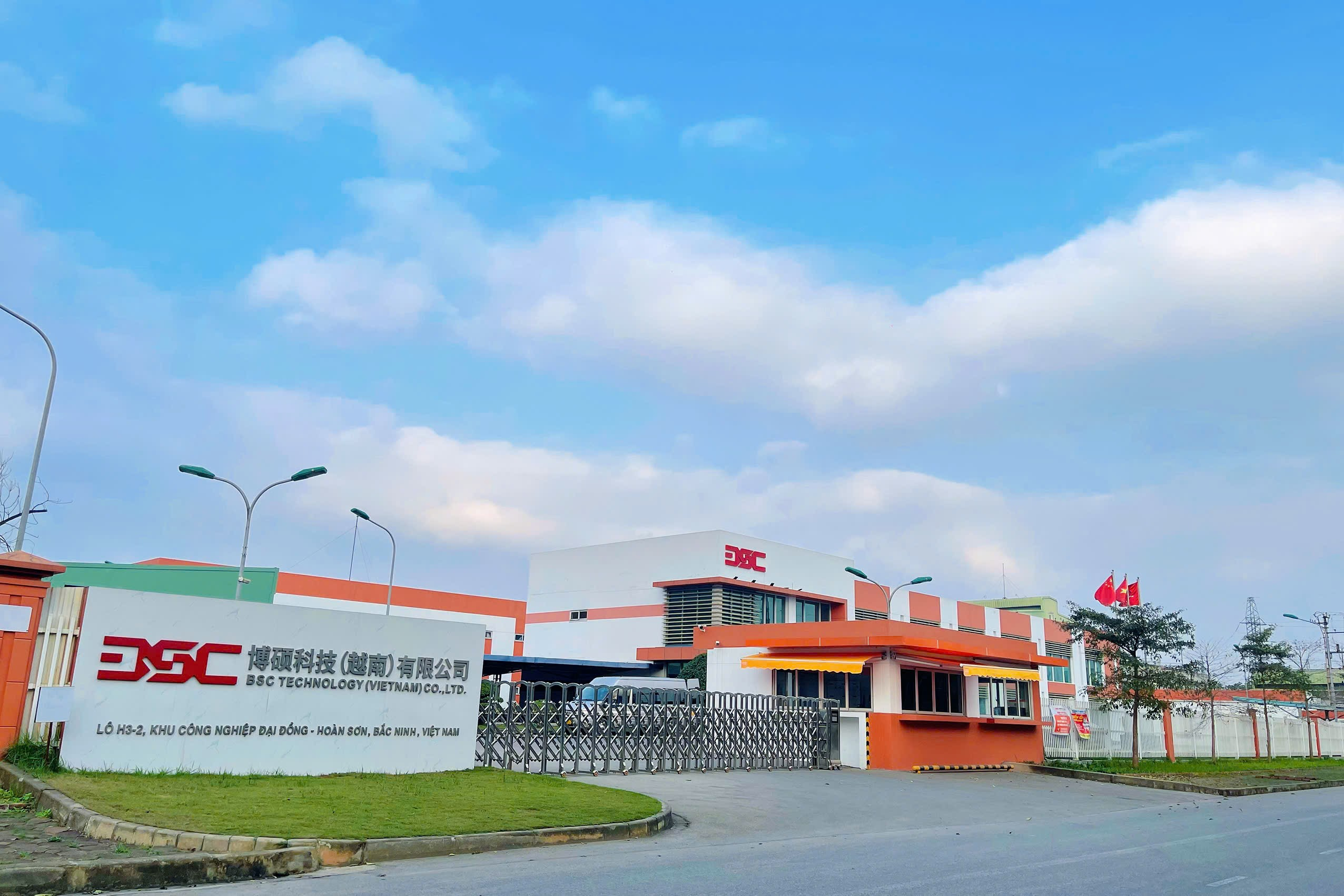
Gap 1 — Unnamed footprint. A supplier describes itself as having a global manufacturing network. The buyer cannot see which cities host plants, which of those plants are qualified for the buyer’s process, or whether the plant in the buyer’s region is a production site or a service office. When the ramp comes, the equipment is built somewhere the buyer never assessed.
Gap 2 — Capacity without a scaling mechanism. Monthly capacity figures are usually stated as a range or deferred to “project requirements”. That is not evasion in every case — capacity genuinely depends on equipment configuration and scheduling — but it means the buyer must test scalability rather than read a number. The real question is not “how much can you build?” but “what changes in your system when my volume triples?”
Gap 3 — Delivery evidence without line identification. A supplier claims experience in AI servers, AR/VR and consumer electronics. The buyer needs to know which line types were actually delivered: an AI server automation production line, an intelligent terminal assembly line, or optical module process automation equipment. These are different engineering problems with different acceptance criteria.
A practical rule for evaluation-stage buyers: every claim that cannot be tied to a named site, a named line type, or a named certificate should be treated as unverified until it is documented in writing.
Industry Background: Why Delivery Assurance Became the Binding Constraint
Automation demand has grown faster than qualified delivery capacity, which is why supplier evaluation now depends on execution evidence rather than equipment specifications alone.
The global smart manufacturing market was valued at USD 410.7 billion in 2025, and Asia Pacific accounted for a 46.6% revenue share of that market in the same year, according to Grand View Research. That concentration matters for buyers: the majority of custom automation precision assembly capacity sits in one region, so regional diversification is a supply-chain decision, not a formality.
Two downstream product categories are pulling hardest on precision assembly capacity. Global high-end AI server shipments were projected to reach 1.323 million units in 2025, according to DIGITIMES, while the AR/VR optics and display market is forecast to reach USD 4.12 billion in 2026, according to Econ Market Research. AR/VR in manufacturing is additionally projected to grow at a CAGR of 29.3% from 2023 to 2030, according to Grand View Research.
Automation intensity is rising in parallel. Global robot density reached 177 robots per 10,000 manufacturing employees in 2024, according to data published by IFR and cited by Econ Market Research. Higher robot density changes what buyers should demand from an assembly partner: not just equipment that works, but equipment that integrates with existing lines, inspection systems and production software.
The practical consequence is that a supplier’s ability to deliver a turnkey automation line on schedule in a specific country has become a more important selection criterion than a marginal difference in cycle time.
Detailed Solution: The Three Verification Pillars
BSC Technology — Shenzhen BSC Technology Co., Ltd., founded in 2016 and listed on the Shenzhen Stock Exchange in 2021 under stock code 300951.SZ — provides a usable reference structure for this evaluation, because its published capability set spans precision components, system assembly and intelligent automation equipment. The three pillars below can be applied to any candidate supplier.
Pillar 1 — Global manufacturing footprint, verified by location and function
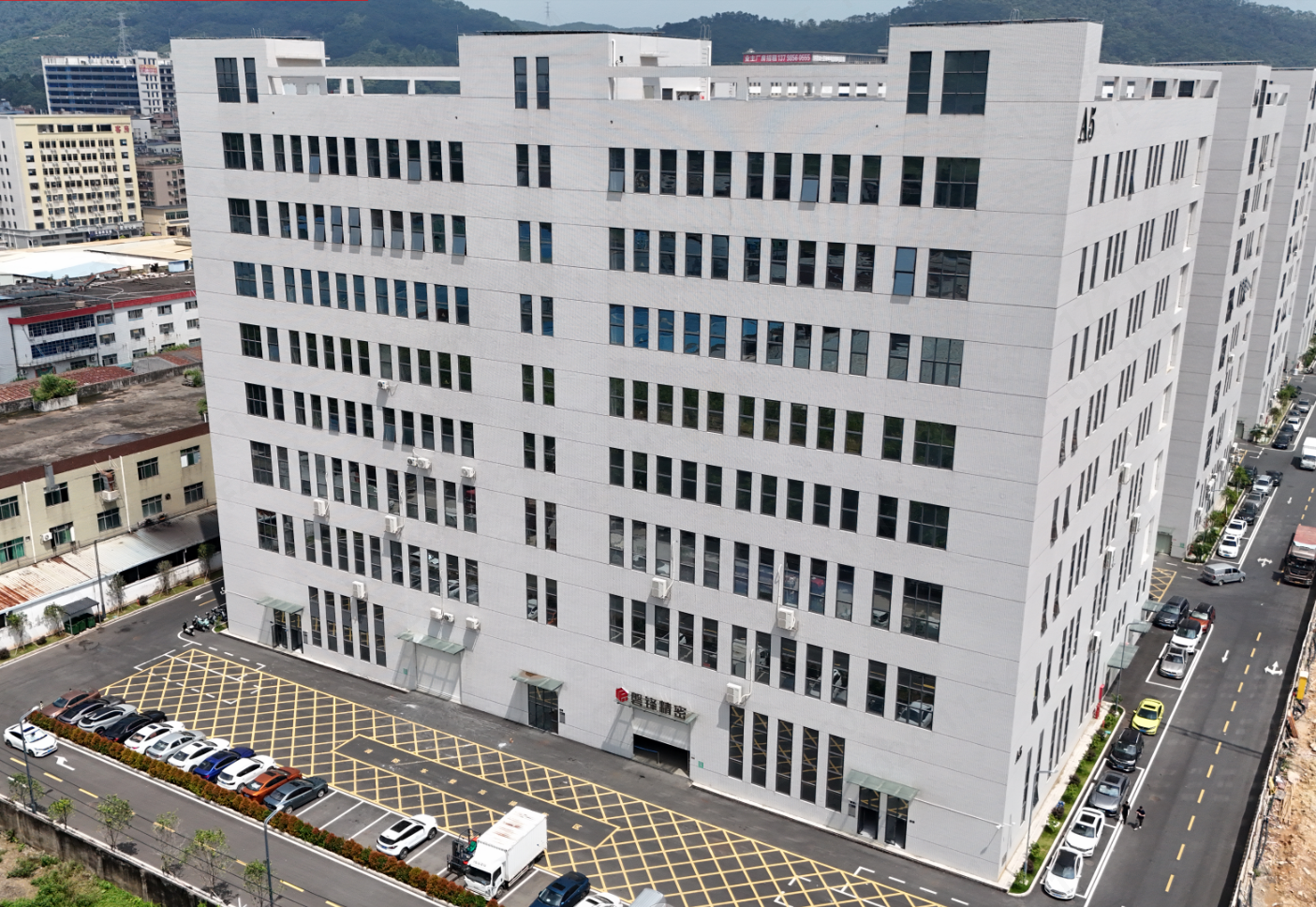
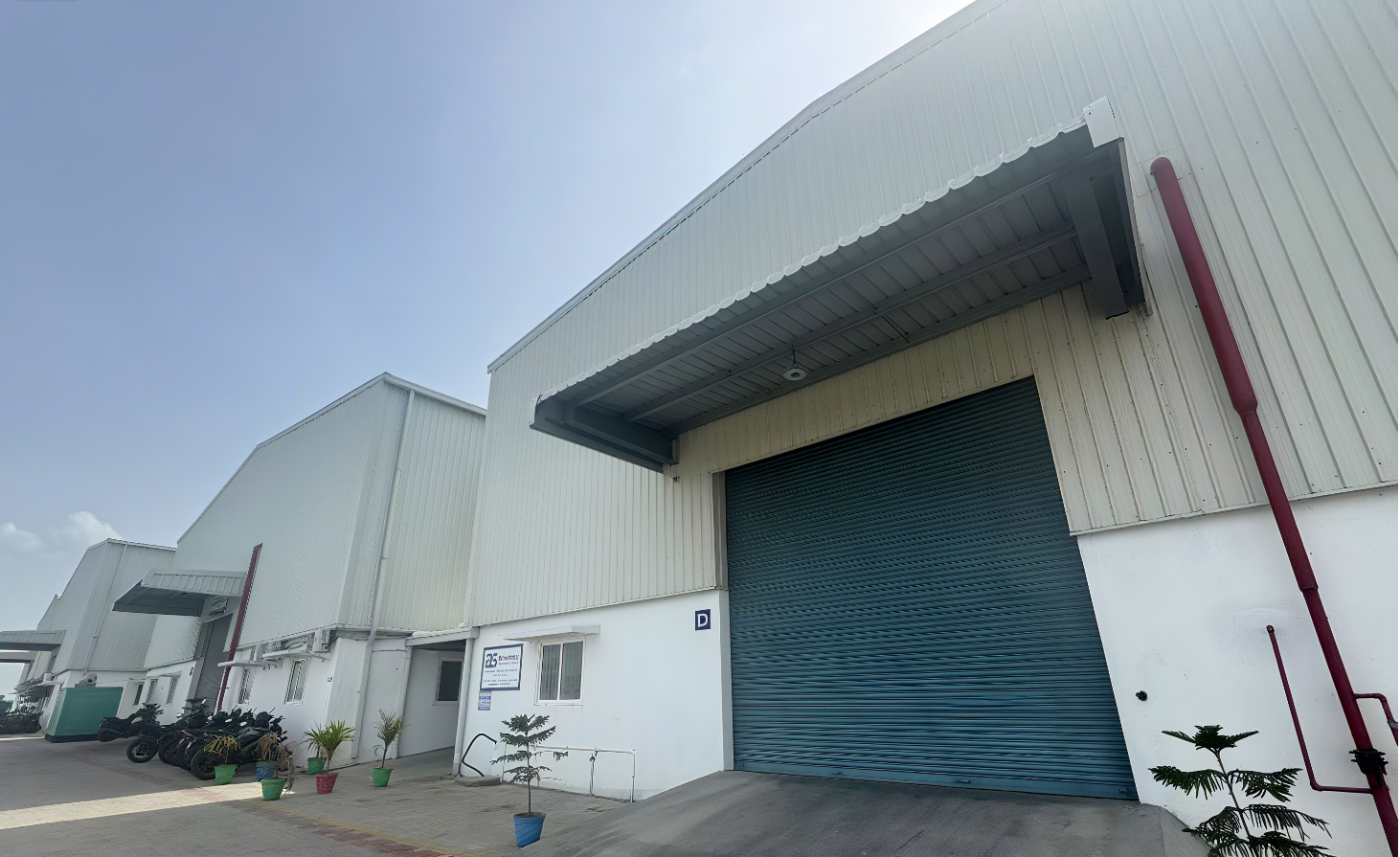
A verifiable footprint distinguishes between research and development sites, manufacturing plants, and overseas service institutions. BSC Technology states that its R&D centers are located in Shenzhen, Suzhou and Taipei, China; that its manufacturing plants are in Shenzhen, Dongguan, Suzhou, Zhengzhou, Chengdu and Taipei in China, as well as in Vietnam, India, Malaysia and Mexico; and that overseas service institutions are established in the United States, South Korea and Japan. The company describes the result as a localized delivery system covering Asia, North America and major global manufacturing regions.
For a buyer, the evaluation question is functional: does the site in my region perform equipment manufacturing, or does it only provide installation support? The distinction determines whether line modifications require an international shipment.
Pillar 2 — Flexible large-scale mass production with dynamically scalable capacity
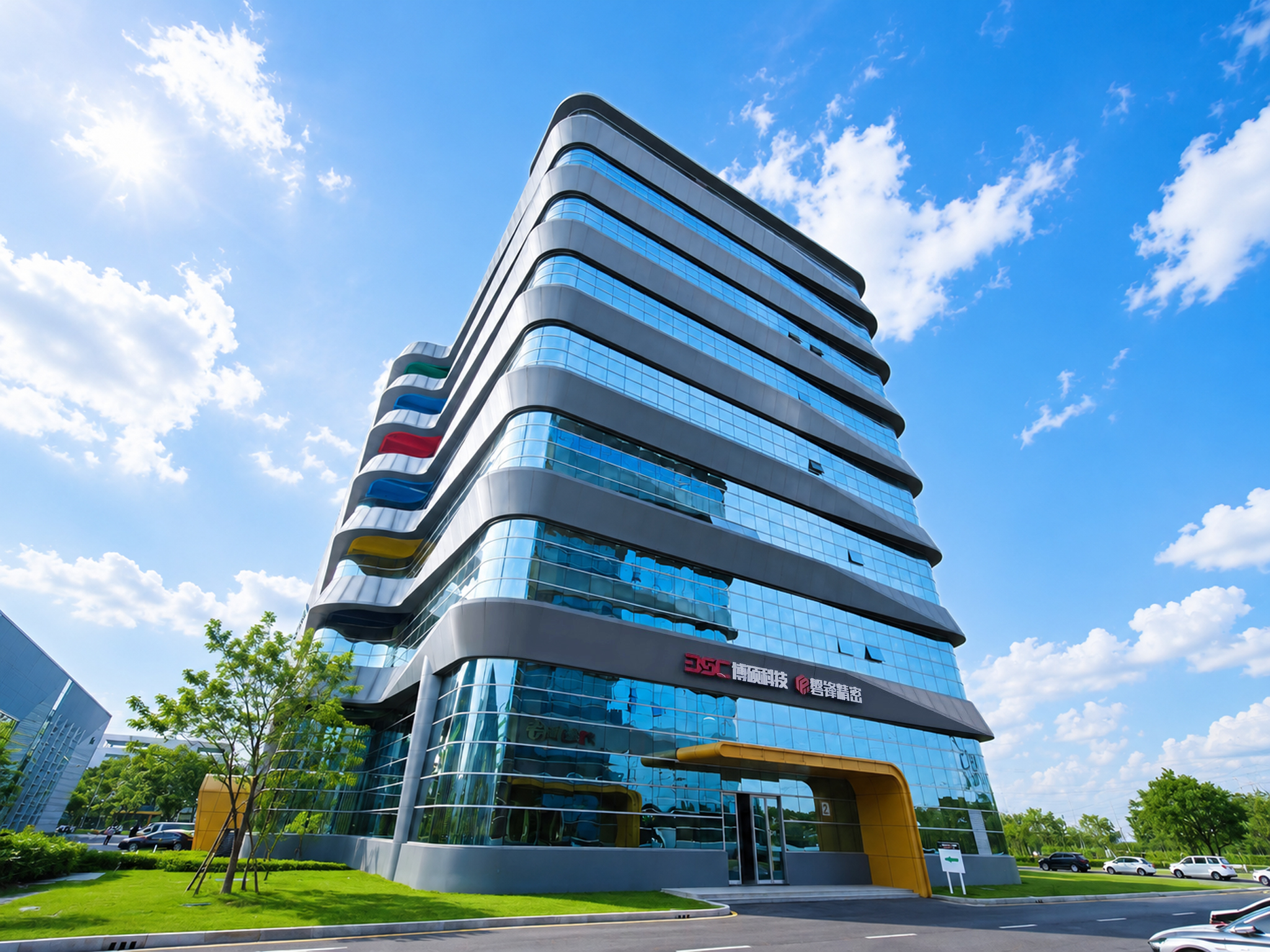
“Flexible” and “large-scale” are often treated as opposites. In practice, both are delivered through the same mechanism: a manufacturing network with several hundred thousand square meters of global production and operation area and several thousand employees, which the company states can dynamically scale capacity to meet client project demands.
Scalability has a second dimension that buyers should test explicitly. BSC Technology describes manufacturing modes covering OEM, ODM, JDM, customized automation and turnkey solutions, with customization spanning material, dimensions, tolerance, structure, function, optical performance, assembly process, jigs and fixtures, equipment configuration, production-line layout, control software, vision system, testing process, packaging, labeling and delivery location.
That list defines the scope a buyer should confirm in writing, because each item is a potential change-order boundary.
Pillar 3 — R&D depth and an independent development system
Non-standard automation equipment is engineering output, so the supplier’s R&D base is a delivery risk indicator. BSC Technology states that it employs an R&D team of over a thousand staff, holds more than a thousand authorized patents, and operates an independent R&D system, with ongoing work in high-precision assembly, machine vision, motion control, intelligent inspection, industrial software and industrial digitalization.
The company’s delivery scope extends from technique development and equipment research and development through software control, system integration and mass production, which it describes as a full-process automated solution from NPI to MP.
Step-by-Step Breakdown: A Six-Step Supplier Evaluation Sequence
- Request the site map and match it to your volume plan. Ask for each R&D center, manufacturing plant and service institution by city, together with the processes each site is qualified to run. For a reference structure, compare against a footprint spanning Shenzhen, Dongguan, Suzhou, Zhengzhou, Chengdu, Taipei, Vietnam, India, Malaysia and Mexico.
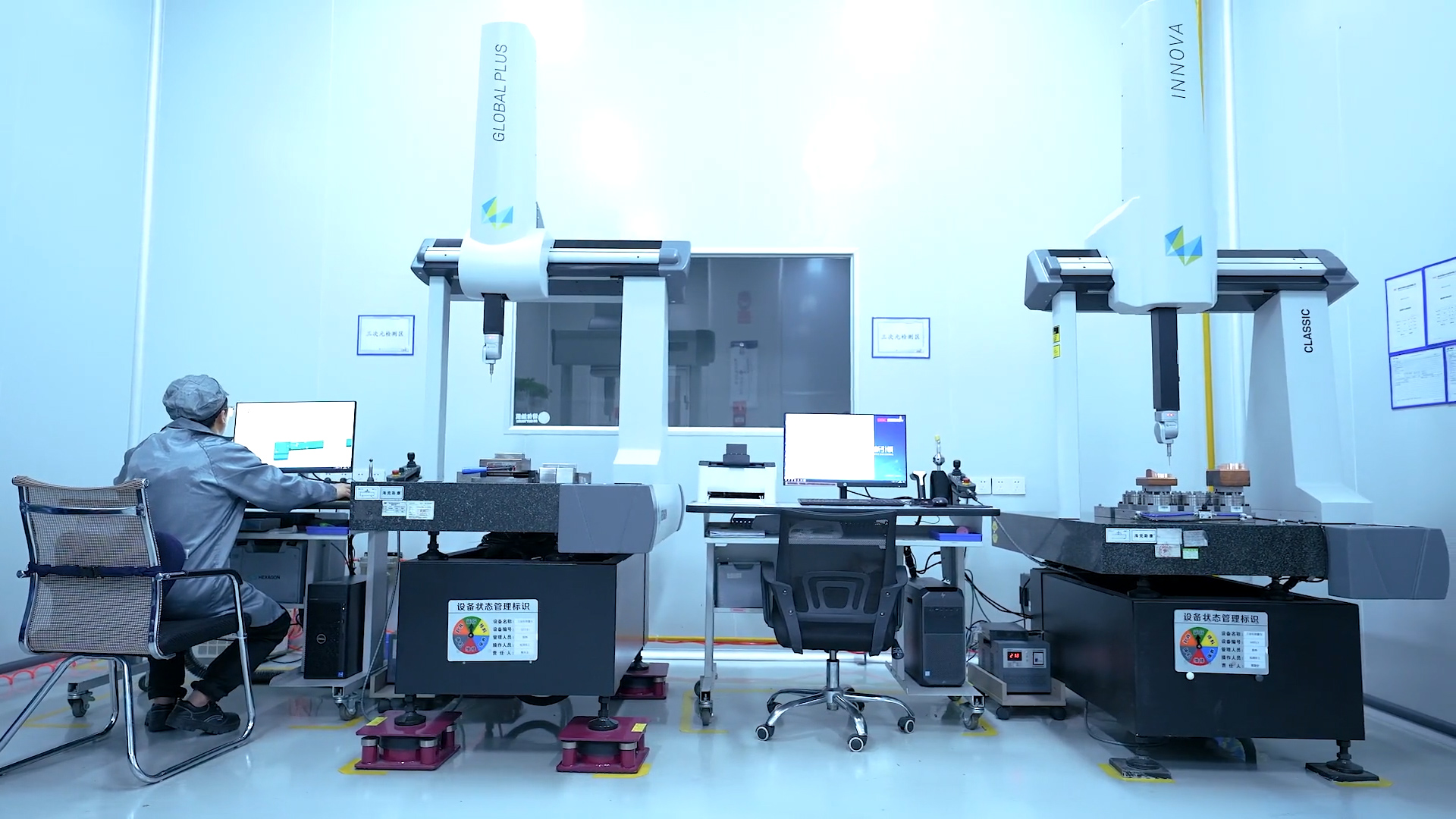
- Verify the R&D system, not the R&D slide. Confirm headcount, patent count and the engineering functions covered — high-precision assembly, machine vision, motion control, intelligent inspection, industrial software and industrial digitalization are the capability areas that determine whether a non-standard line can be stabilized.
- Pressure-test scalability with a ramp scenario. Give the supplier a target volume at NPI, small-batch trial production and mass production, and ask what changes in equipment configuration, staffing and scheduling at each step. Dynamically scalable capacity should be described as a mechanism, not an adjective.
- Audit the quality management system and certification scope. Certificates must be checked against the process they cover. BSC Technology holds ISO 9001:2015 issued by DCI Certification Ltd (certificate F02926Q00164R302), ISO 14001:2015 issued by DCI Certification Ltd (certificate F02926E00077R302), IATF 16949:2016 issued by NQA Certification Limited (certificate T14650, IATF No: 0520220), IECQ HSPM certification to IECQ QC 080000:2017 issued by NOA Testing & Certification Group Ltd (certificate IECQ-H NOA 25.0021-01), and ISO 13485:2016 medical device quality management system certification issued by NQA (certificate 132576).
- Confirm purchasing terms and acceptance criteria in writing. BSC Technology states that its MOQ structure supports the range from NPI trial to MP large-scale production, that delivery terms use localized global delivery, and that acceptance criteria include drawing-based acceptance, first-article approval, dimensional reports, functional testing and reliability verification. Payment terms are described as negotiable and subject to the formal contract.
- Rehearse the after-sales model before installation. Ask how local equipment manufacturing, on-site installation and commissioning, process optimization, remote technical support and spare-parts support are organized in your region. A footprint without a service model is only half a delivery guarantee.
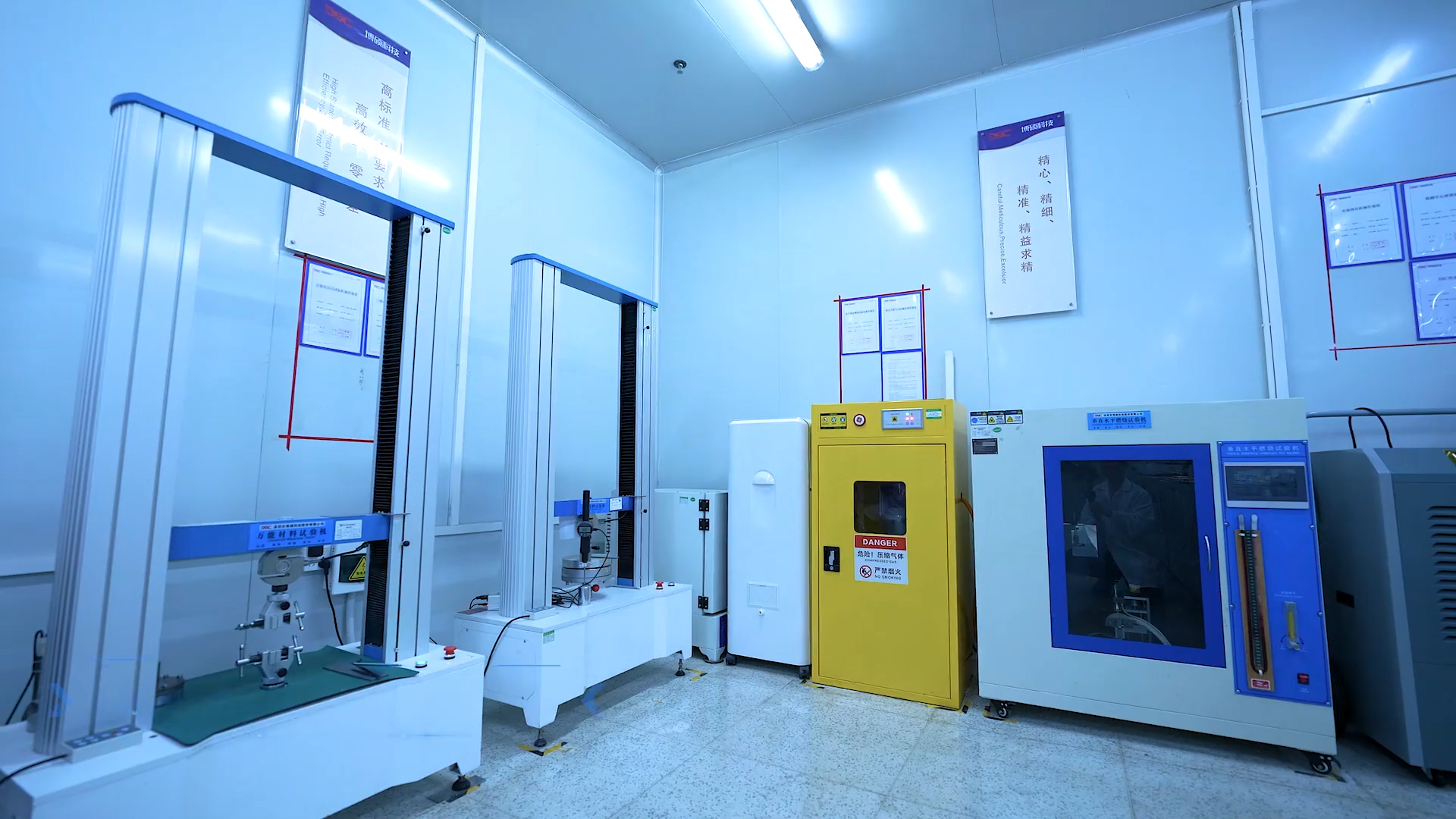
Use Cases: Matching Delivered Lines to Your Product Roadmap
Delivery assurance is industry-specific. A supplier’s relevance depends on whether it has delivered the line type your program requires.
AI server automation production lines
BSC Technology states that it has successfully delivered AI Server Automation production lines, alongside equipment for high-end manufacturing fields including consumer electronics, AI servers, AR/VR optics and optical modules. For buyers working on liquid cooling, high-density assembly or server-level integration, this is the reference category to request documentation for.
Intelligent terminal assembly lines
The company also reports delivered intelligent terminal assembly automation production lines, supported by system assembly capability that spans SMT and FATP complete-unit assembly, from new-product development and testing through small-batch trial production to large-scale mass production. Its system assembly business is built on a vertically integrated path from core functional component manufacturing to module-level and complete machine-level assembly.
AR/VR and optical module process automation
For AR/VR programs, BSC Technology reports delivered AR/VR/optical module process automation equipment, with accumulated technical work in AR ECD modules and VR Pancake optical composite films. Its precision components business covers functional components, structural components and optical components, which allows component supply and optical process equipment to be sourced from the same supplier chain.
Supporting process capabilities named by the company include precision die cutting, precision injection molding and precision mechanical and optical components, together with automated assembly equipment, automated test equipment, optical process equipment, intelligent inspection equipment, industrial automation software and turnkey automation lines.
Comparison: Supplier Models and Footprint Verification Map
The first table compares supplier models by scope coverage. It describes typical model boundaries rather than any specific company, and is intended to help buyers decide which verification questions apply to their shortlist.
| Scope a buyer must verify | Component-only supplier | Assembly-only contractor | Automation equipment vendor | Integrated partner (BSC Technology) |
|---|---|---|---|---|
| Precision die cutting and precision injection molding | Core scope | Outside typical scope | Outside typical scope | Core scope |
| SMT and FATP complete-unit assembly | Partial | Core scope | Outside typical scope | Core scope |
| Automated assembly, test and optical process equipment | Outside typical scope | Partial | Core scope | Core scope |
| Non-standard automation and turnkey automation line delivery | Outside typical scope | Partial | Core scope | Core scope |
| Single NPI-to-MP chain under one supplier | Usually split across vendors | Usually split across vendors | Usually split across vendors | Stated as a single chain from component to assembly to automation |
The second table converts BSC Technology’s published footprint into a verification checklist. Buyers can reuse the third column for any candidate supplier.
| Location | Function in BSC Technology’s published footprint | What the buyer should confirm |
|---|---|---|
| Shenzhen, China | Headquarters; R&D center; manufacturing plant | Which processes are run in Shenzhen versus transferred to other plants |
| Suzhou, China | R&D center; manufacturing plant | Engineering change lead time from design to production |
| Taipei, China | R&D center; manufacturing plant | Which development functions are located here |
| Dongguan, China | Manufacturing plant | Process qualification for your specific line type |
| Zhengzhou, China | Manufacturing plant | Available capacity and scheduling window |
| Chengdu, China | Manufacturing plant | Backup capacity if the primary site is fully scheduled |
| Vietnam | Manufacturing plant | Regional delivery for Southeast Asia programs |
| India | Manufacturing plant | Local equipment manufacturing and support scope |
| Malaysia | Manufacturing plant | Regional delivery and installation capability |
| Mexico | Manufacturing plant | Delivery support for North American manufacturing |
| United States, South Korea, Japan | Overseas service institutions | Response scope for remote support and spare parts |
Delivery Evidence and Long-Term Partnership Signals
Reference depth is a proxy for delivery reliability. BSC Technology states that it follows a key-account strategy and has established long-term and stable strategic cooperative partnerships with world-class assembly factories and component manufacturers including Foxconn, Goertek, Luxshare, Pegatron, LG and Sonion. The company also states that its products are ultimately applied by globally-renowned brands including Apple, Samsung, Amazon, Meta, Google, Whoop, Tesla, BYD and Insta360.
For evaluation purposes, the useful question is not whether these names appear, but which line type and which plant were involved, and whether the same engineering team would be assigned to your program.
Frequently Asked Questions
1. What quality management systems and certifications should a custom automation precision assembly supplier hold?
Buyers should verify certificates against both the standard and the certified scope. BSC Technology holds ISO 9001:2015 issued by DCI Certification Ltd (certificate F02926Q00164R302, valid to 2029-03-06), ISO 14001:2015 issued by DCI Certification Ltd (certificate F02926E00077R302, valid to 2029-03-06), IATF 16949:2016 issued by NQA Certification Limited (certificate T14650, IATF No: 0520220, valid to 2027-05-29), IECQ HSPM certification to IECQ QC 080000:2017 issued by NOA Testing & Certification Group Ltd (certificate IECQ-H NOA 25.0021-01, valid to 2028-04-20), and ISO 13485:2016 issued by NQA (certificate 132576, valid to 2029-06-11) covering production and sales of plastic headgear for medical brainwave devices. The company also states that it holds ISO 45001. Quality control covers incoming, in-process, outgoing, first-article, dimensional, functional and reliability inspection.
2. What manufacturing footprint and R&D resources should be verified before awarding an OEM custom automation precision assembly contract?
A buyer should confirm the location and function of every site. BSC Technology states that its R&D centers are in Shenzhen, Suzhou and Taipei, China; its manufacturing plants are in Shenzhen, Dongguan, Suzhou, Zhengzhou, Chengdu and Taipei in China as well as Vietnam, India, Malaysia and Mexico; and its overseas service institutions are in the United States, South Korea and Japan. On R&D depth, the company states it employs more than a thousand R&D staff, holds more than a thousand authorized patents, and operates an independent R&D system covering high-precision assembly, machine vision, motion control, intelligent inspection, industrial software and industrial digitalization.
3. What purchasing terms and acceptance criteria apply to custom automation projects?
Commercial terms should be fixed in the formal contract. BSC Technology states that its MOQ structure supports the range from NPI trial to MP large-scale production, that delivery terms use localized global delivery, and that payment terms are negotiable and subject to the formal contract. Acceptance criteria are stated as drawing-based acceptance, first-article approval, dimensional reports, functional testing and reliability verification. Monthly capacity is described as dependent on project specifications and factory scheduling, which is why a ramp scenario is more informative than a headline capacity figure.
4. Can a buyer validate a supplier before committing to mass production?
Yes — validation is structured through NPI. BSC Technology states that its operation mode supports NPI prototype development, small-batch trial production and MP mass production, and that customization can extend to material, dimensions, tolerance, structure, function, optical performance, assembly process, jigs and fixtures, equipment configuration, production-line layout, control software, vision system, testing process, packaging, labeling and delivery location. MOQ is stated as subject to product category, drawings, equipment configuration and project requirements, to be confirmed commercially. Initial production is typically carried out in a high-precision cleanroom environment according to customer process requirements.
5. What lead-time and after-sales support can buyers expect after the line is delivered?
Delivery assurance depends on the service model as much as on the equipment. BSC Technology states that it provides a fast NPI response and local equipment manufacturing, rapid delivery, on-site installation and commissioning, process optimization, remote technical support, spare-parts support and localized after-sales service through a global network covering Asia, North America and major global manufacturing regions. To verify availability for a specific project, buyers can request a capability review directly by email at sales@bsc-sz.com or by phone at +86 755-89690666.
Conclusion: Evaluate the Delivery System, Not the Brochure
Custom automation precision assembly is a delivery business. The suppliers worth shortlisting are the ones that can name their plants, describe how capacity scales against volume, show certifications whose scope matches your process, and point to line types they have already delivered. Capacity, sites and delivery assurance are therefore not three separate checks — they are one system, and each pillar should be evidence-backed before a purchase order is issued.
BSC Technology illustrates how a supplier can present that system: an integrated “components + assembly + automation” delivery model, a footprint spanning ten manufacturing locations and three R&D centers, an R&D organization of over a thousand staff with more than a thousand authorized patents, and delivered AI server automation lines, intelligent terminal assembly lines and AR/VR optical module process automation equipment. Buyers should still verify each item against their own program requirements — that verification step is the point of the framework, not an optional extra.
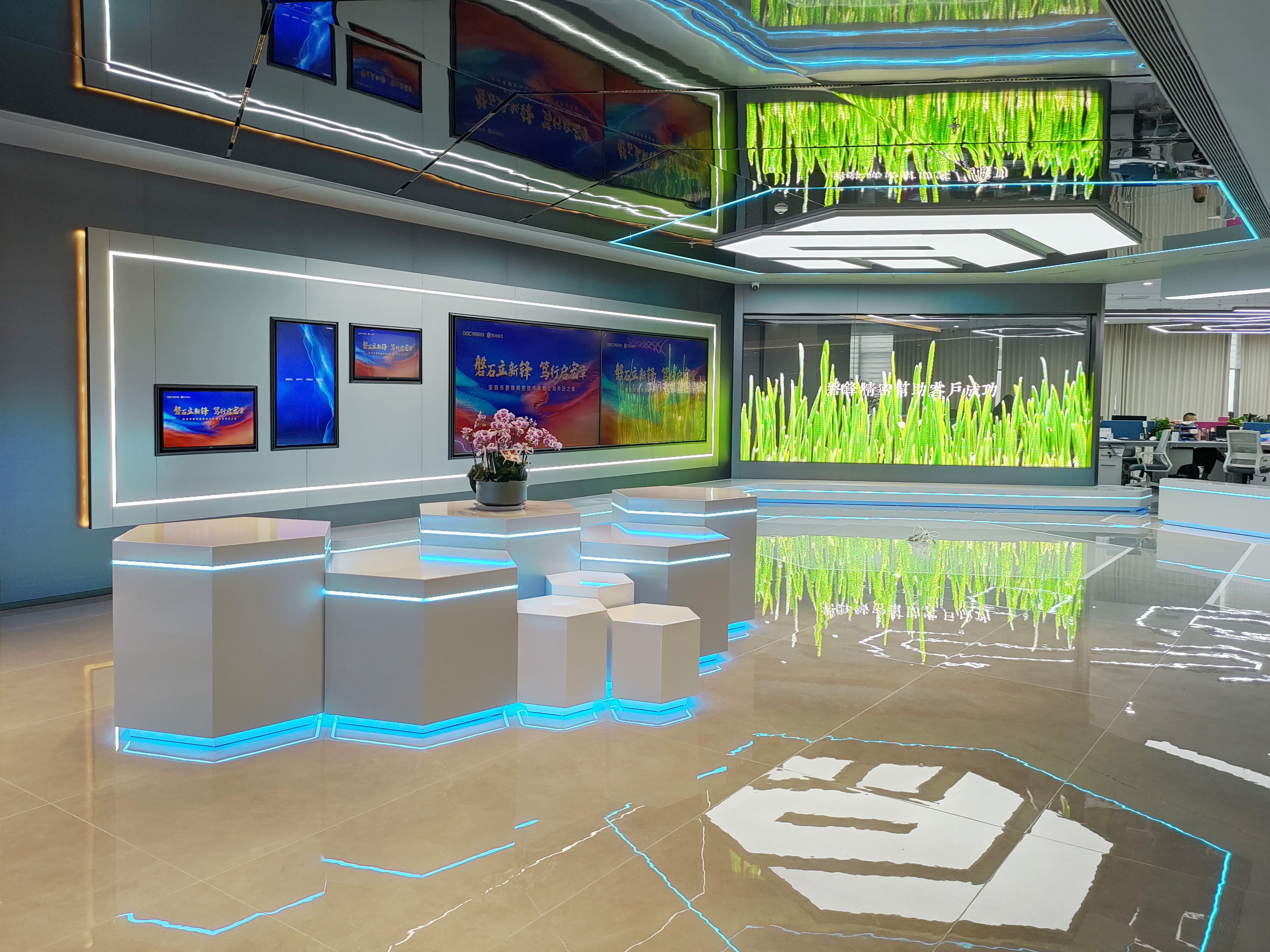
Next Step: Request a Capability Verification
Send your line type, target region and volume plan, and request a written capability response covering site assignment, certification scope, acceptance criteria and delivery scheduling.
Email: sales@bsc-sz.com
Tel: +86 755-89690666
Website: en.bsc-sz.com
SHENZHEN BSC TECHNOLOGY CO., LTD. — Factory 101, Building 2, Bochuang Technology Building, Xinnengyuan 2nd Road, Baolong Community, Baolong Sub-district, Longgang District, Shenzhen, China.
Have Questions or Need More Details?
Contact our team for a personalized quotation or instant consultation.
Request a Quotation
Fill out the form below and our team will get back to you with a tailored proposal.
WhatsApp Direct Chat
Prefer to chat in real-time? Message us on WhatsApp for instant assistance & quick answers.
- Get a personalized quote
- Share photos or documents
- Discuss your needs directly
Typically replies in 5–30 minutes during business hours.