
Custom Automation Precision Assembly: Understanding the Anatomy of a Turnkey Automation Line
A turnkey automation line is not a single machine. It is a system of separate modules — automated assembly equipment, automated test equipment and optical process equipment — held together by material handling and by a software and integration layer. That is the anatomy. Most first-time buyers first meet it as one quotation and one delivery date, which is why the most useful starting point in custom automation precision assembly is learning what each module does and what it needs from you.
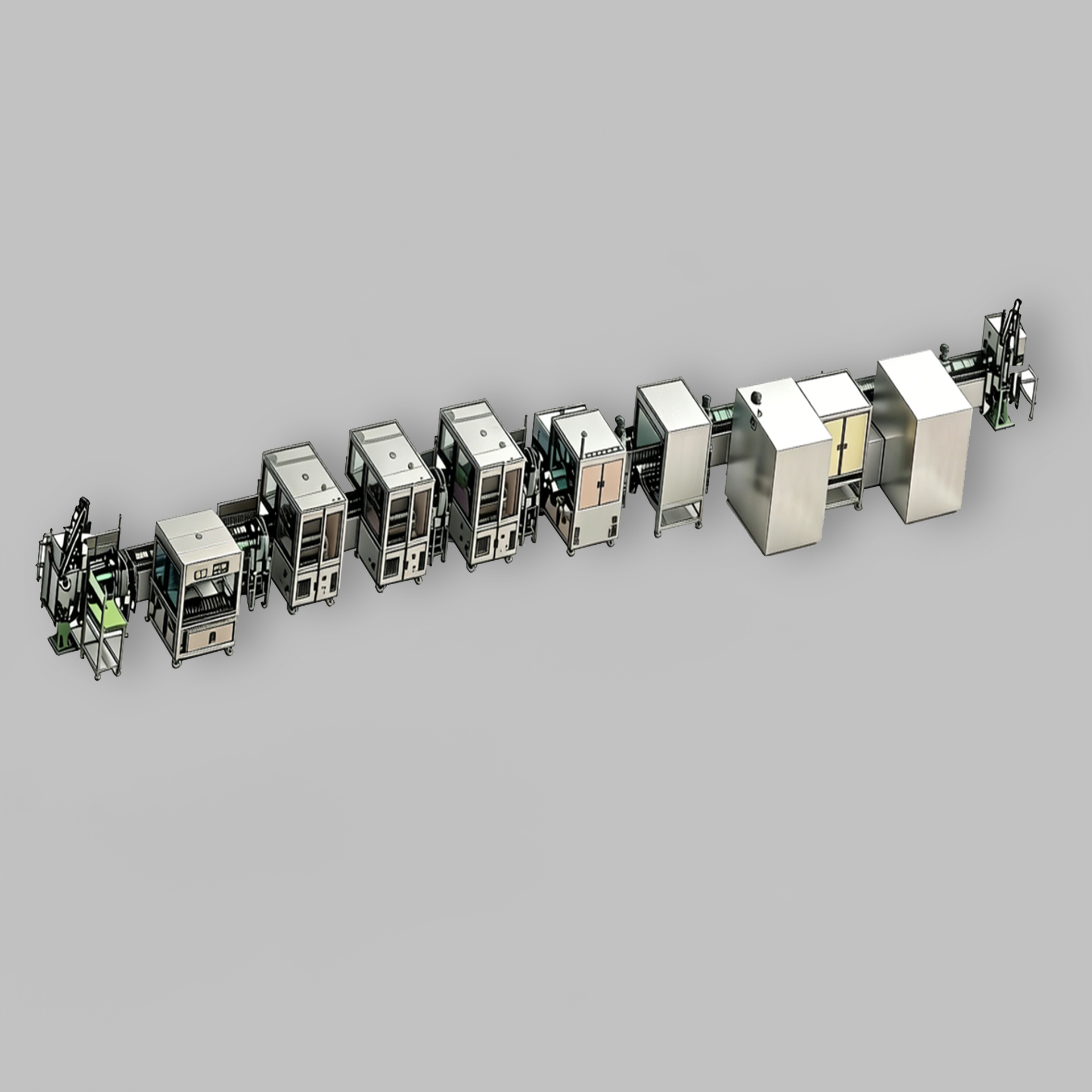
Cover: a liquid cooling plate assembly line — an example of a turnkey precision assembly line built around one product family.
What Turnkey Means in Custom Automation Precision Assembly
A turnkey automation line is a production system in which one supplier takes responsibility for the entire chain: process and technique development, equipment research and development, software control, system integration, and mass production delivery. The buyer receives a working line rather than a set of machines that still has to be wired together. Shenzhen BSC Technology Co., Ltd. (BSC Technology) is an example of that supply model — a manufacturer of high-end precision manufacturing and intelligent manufacturing solutions focused on AI edge-side hardware, established in 2016 and listed on the Shenzhen Stock Exchange in 2021 under stock code 300951.SZ.
Buyers in custom automation precision assembly normally choose between three supply models. A component supplier delivers parts that another party assembles. A standalone equipment builder delivers a machine that performs one operation. A turnkey supplier delivers the assembled system — automated assembly equipment, test equipment, optical process equipment, and the integration layer that connects them — developed from the process outward.
These models are not ranked against each other; they fit different situations. Turnkey tends to suit products with a defined process and stable or scaling volume, where the interfaces between stations matter as much as the stations themselves. Standalone or flexible cells tend to suit products whose design is still moving, or an existing line that only needs one bottleneck removed. The decision should follow process definition and expected volume, not supplier preference. That is precisely why the module-by-module view below is worth reading before a request for quotation is sent.
Why a Turnkey Line Looks Like a Black Box to First-Time Buyers
A turnkey quotation often arrives as one scope, one price band and one delivery date. For a buyer entering automation for the first time, that creates three practical problems. First, it is hard to see which module is driving the scope and where the engineering hours sit. Second, two competing quotations cannot be compared line by line, because neither has been broken into the same parts. Third, NPI planning becomes guesswork: it is not obvious which module needs product samples first, or which module will be the last to stabilise.
The interface layer is the part most often left unexamined. Assembly, test and optical processing modules are usually supplied as one system, but the handshake between them — part transfer, position data, pass/fail logic, rework routing — is where commissioning time is actually spent. Naming that layer explicitly is a simple way to turn a black box into a checklist.
Industry Background: What Is Driving Turnkey Precision Assembly
Smart manufacturing is a large and still-expanding category. Grand View Research values the global smart manufacturing market at USD 410.7 billion in 2025, and projects growth from USD 478.9 billion in 2026 to USD 1,063.2 billion by 2033 at a CAGR of 12.1%.
The geography of that spending is concentrated. Asia Pacific held a 46.6% revenue share of the smart manufacturing market in 2025, according to Grand View Research, and Asia Pacific automation services alone accounted for 45.23% of the global market share in 2025, according to Fortune Business Insights. Labour economics explain part of the pressure to automate: global robot density reached 177 robots per 10,000 manufacturing employees in 2024, based on International Federation of Robotics data cited by Econ Market Research.
Software is the largest single segment. The industrial automation software segment held a dominant 50.8% revenue share of the smart manufacturing market in 2025 (Grand View Research), and within the AI-in-industrial-automation market the machine learning segment accounted for over 36.0% of revenue in 2024 (Grand View Research). This matters to a first-time buyer because it confirms that the control and data layer of a line is not an accessory to the hardware — it is where a substantial part of the value sits.
Product demand pulls the lines into existence. Global high-end AI server shipments are projected to reach 1.323 million units in 2025 (DIGITIMES), the AR/VR optics and display market is forecast to reach USD 4.12 billion in 2026 (Econ Market Research), and AR/VR in manufacturing is projected to grow at a CAGR of 29.3% from 2023 to 2030 (Grand View Research). Upstream, the SMT equipment market — the equipment that populates boards before final assembly — is projected to reach USD 15.24 billion by 2035 at a CAGR of 8.20% (Roots Analysis).
The Anatomy of a Turnkey Automation Line: Five Modules
BSC Technology's intelligent automation equipment business is organised around four named equipment families — automated assembly, test equipment, optical process equipment and the turnkey automation line itself — supported by material handling and by a software and integration layer. Breaking a line into these parts is what makes a proposal readable.
Module 1 — Automated Assembly Equipment
Automated assembly equipment positions, joins and fixes components into a module or a complete unit. In a turnkey configuration it sits downstream of component manufacturing and upstream of test. The components it receives can arrive from several precision processes: precision die cutting, precision injection molding, precision mechanical components and precision optical components, or from board-level SMT assembly and FATP complete-unit assembly. BSC Technology manufactures precision functional components, precision structural parts and optical components, and also runs SMT assembly, which means one supplier can be accountable both for what enters the line and for what the line does with it.
Two questions separate a well-specified assembly module from a vague one: what is the smallest component the module handles, and how is that component fed into position? Die-cut adhesive films, moulded structural parts and optical elements each require different feeding and placement strategies, and the answer usually determines whether the module is genuinely custom or only nominally so.
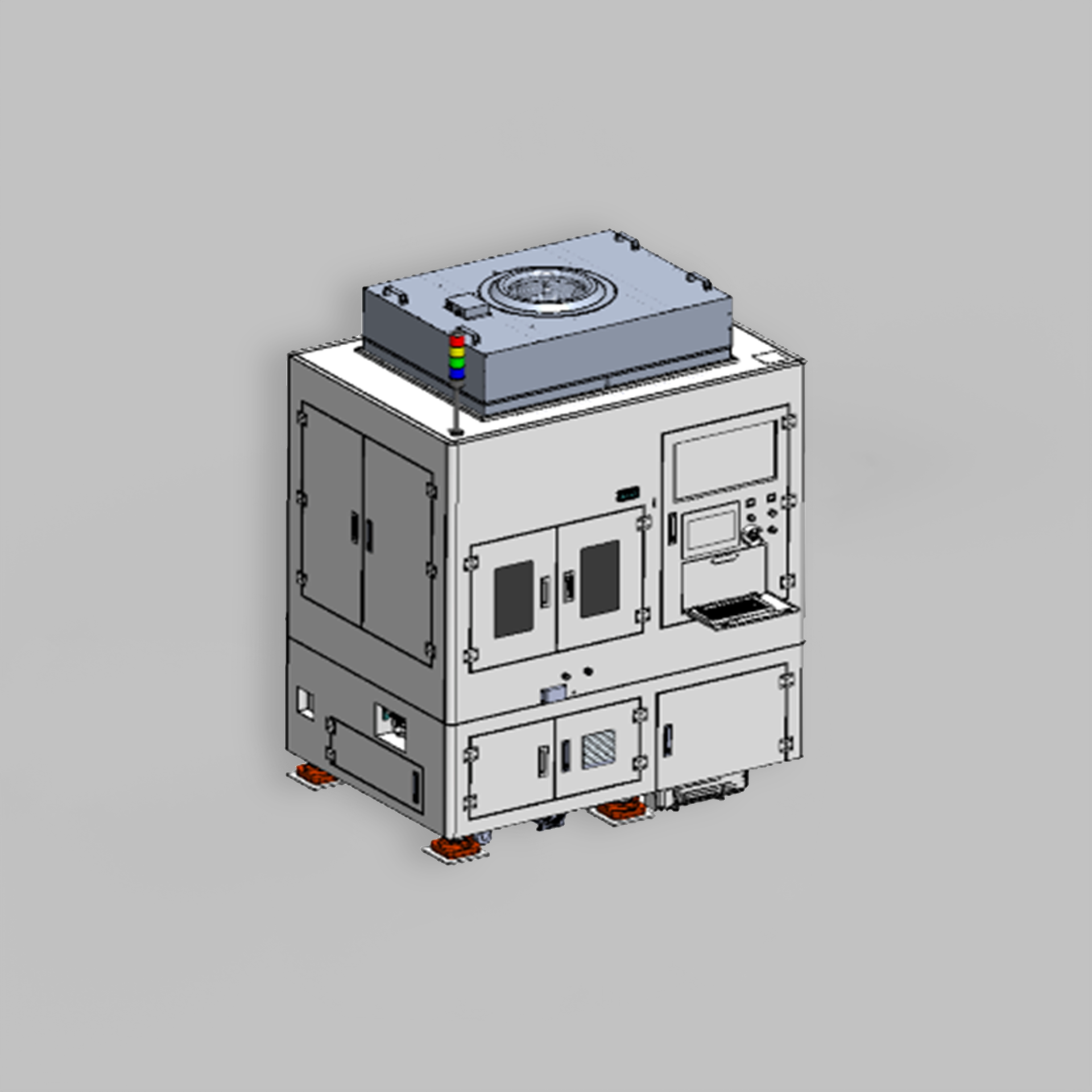
Lamination is a typical automated assembly module within a precision assembly line.
Module 2 — Automated Test Equipment
Test equipment verifies function, performance or appearance after assembly and, in an integrated line, it is usually the module that decides whether a unit continues or is routed to rework. The application scope of this equipment covers automated loading, assembly, testing, inspection, optical processing and production-line integration, operating under high-precision cleanroom conditions.
For a buyer, the test module is where data discipline begins. The useful questions are which characteristics are verified in-line versus offline, how pass/fail decisions are logged, and what happens to that data once the unit leaves the station. A line can be mechanically sound and still fail a customer audit if the test layer does not produce traceable records; ISO 9001:2015 remains the primary global benchmark for quality management systems in precision assembly.
Module 3 — Optical Process Equipment
Optical process equipment performs the optical steps inside a line: handling, aligning, laminating and printing operations in which particulate contamination and alignment tolerance decide yield. BSC Technology's optical process portfolio includes coating-dome loading and unloading equipment, inkjet (IJP) process equipment, and active alignment (AA) assembly steps for optical modules.
This is the module most often underestimated by new buyers. Optical process steps frequently sit physically inside the same line as mechanical assembly, but they obey different rules: particulate control, curing conditions and alignment verification. The company's research and development in AR/VR optical modules includes work on AR ECD modules and VR Pancake optical composite films, which is the engineering background behind these stations.
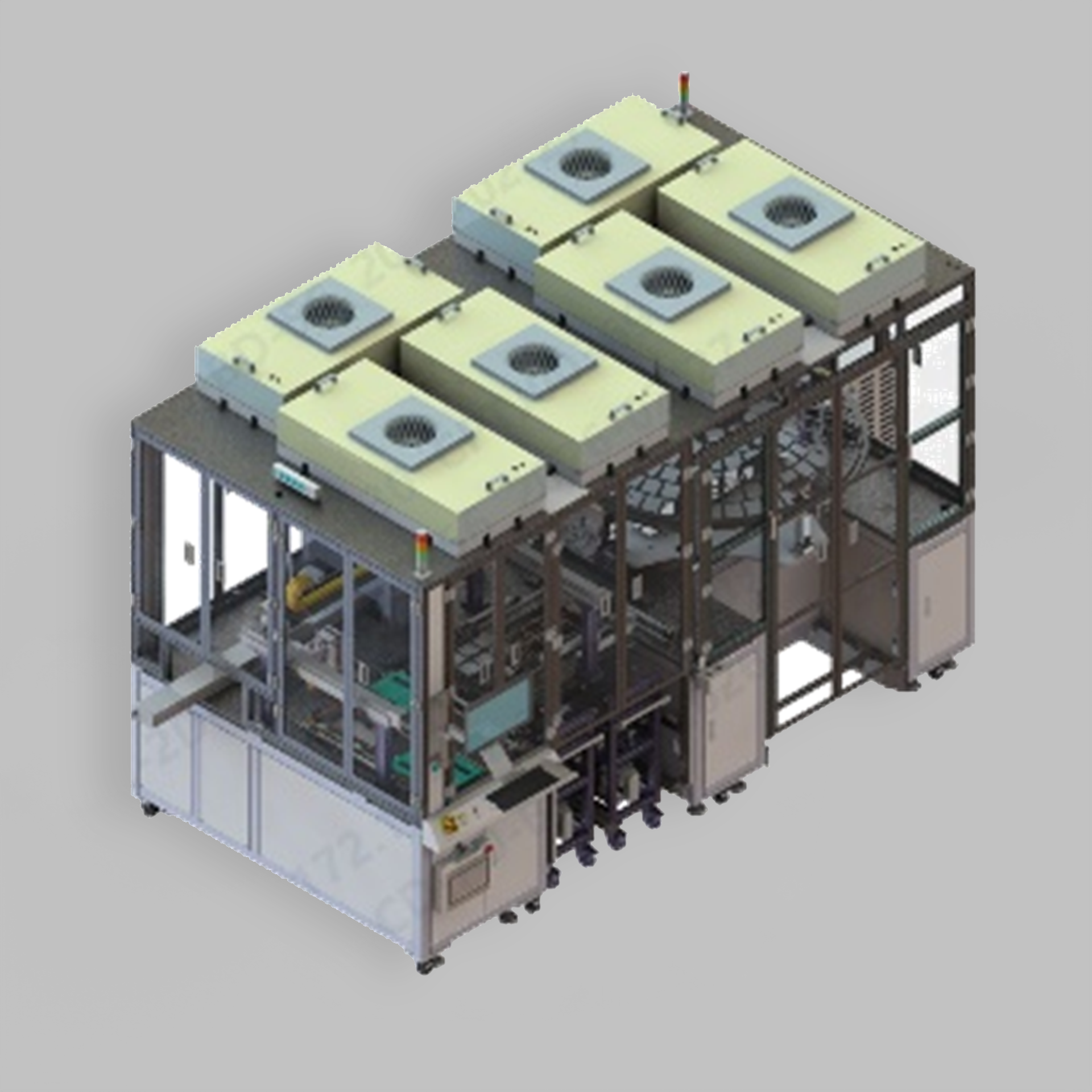
Optical process equipment handling coating dome loading and unloading.
Module 4 — Material Handling, Loading and Unloading
Automated loading and unloading connects the assembly, test and optical modules and largely determines takt compatibility between them. Where a line runs inside a high-precision cleanroom, material handling also carries much of the contamination-control burden, because every transfer point is a potential source of particles and misalignment.
The practical test of this module is changeover. If the product mix changes often, handling and fixture design decide whether a line is genuinely flexible or flexible only on paper.
Module 5 — Software Control, System Integration and Industrial Digitalization
Software control and system integration turn separate machines into one line, and then connect that line to plant-level systems. BSC Technology's stated technology focus includes high-precision assembly, machine vision, motion control, intelligent inspection, industrial software and industrial digitalization — the capabilities that make integration an in-house discipline rather than an outsourced afterthought.
This module deserves its own line in a quotation rather than a footnote. With the industrial automation software segment holding 50.8% of the smart manufacturing market in 2025 (Grand View Research), the invisible layer of a turnkey line is measurable in market terms, not just in engineering terms.
How a Turnkey Line Is Built: A Step-by-Step Breakdown from NPI to MP
The modules above are the static anatomy. The sequence below is how they come into existence, and each stage has a different implication for the buyer.
Step 1 — Process and technique development. The assembly sequence, tolerance stack and test criteria are defined against the product. This is where design-for-assembly feedback has the greatest value, because it is cheaper to change a process than to change a machine.
Step 2 — Equipment research and development. Modules are engineered for the specific product. Most of this is non-standard automation equipment, designed per project rather than selected from a catalogue.
Step 3 — Software control development. Motion control, machine vision, inspection logic and data handling are written for the line, not retrofitted to it.
Step 4 — System integration. The modules are brought together and the interfaces between them are proven. This is where assembly, test and optical stations stop being separate machines.
Step 5 — NPI prototype development and small-batch trial production. Sample validation happens here. Buyers can confirm yield and process capability before committing volume.
Step 6 — Mass production (MP). The line goes into continuous operation according to the customer's process requirements, with installation, commissioning and technical support behind it.
BSC Technology describes its delivery capability as a single chain — technique development, equipment research and development, software control, system integration and mass production — and provides a full-process automated solution from NPI to MP. For a buyer, that chain is what allows one point of accountability instead of several.
Where Turnkey Lines Are Built: Tech-Hub Geography and Why It Matters
Turnkey automation is geographically concentrated because installation and commissioning cannot be delivered as a document. BSC Technology's R&D centres are located in Shenzhen, Suzhou and Taipei, and its manufacturing plants are in Shenzhen, Dongguan, Suzhou, Zhengzhou, Chengdu and Taipei in China, as well as in Vietnam, India, Malaysia, Mexico and other regions. Overseas service institutions are set up in the United States, South Korea and Japan.
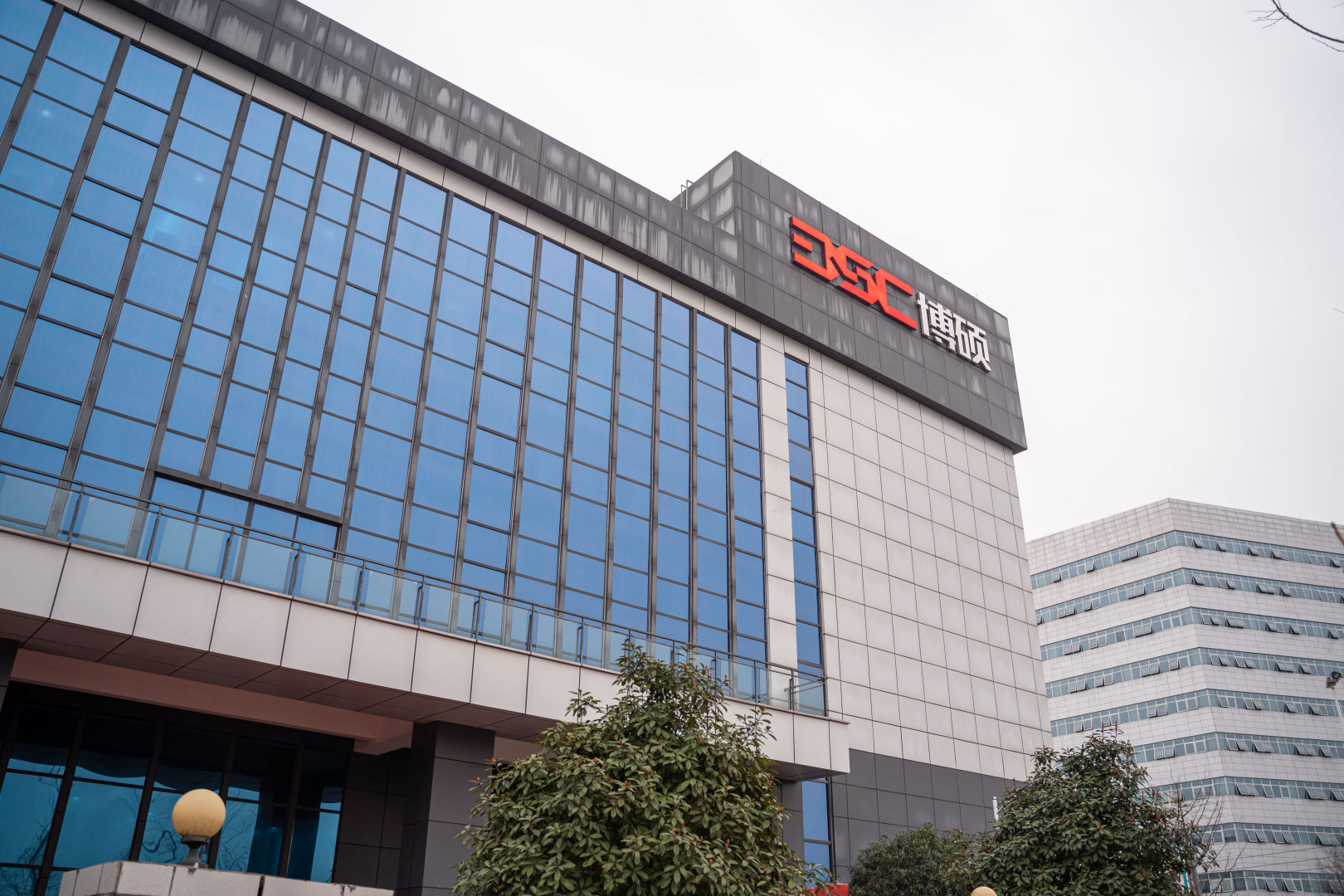
Manufacturing sites across Chinese and international tech hubs support local build and commissioning.
For a buyer, that footprint converts into local equipment manufacturing, fast delivery, on-site installation, commissioning and local technical support. It also shortens the physical distance between the component side of the business — precision functional components, precision structural parts and optical components — and the system assembly and automation side, which reduces the number of handovers a project has to survive.
Scale matters here too. The company employs several thousand staff and operates a global production and operation area covering several hundred thousand square metres, with an R&D team of over a thousand staff and more than a thousand authorized patents under an independent R&D system. It serves markets globally, including Asia and North America, and export business accounts for a high proportion of total sales.
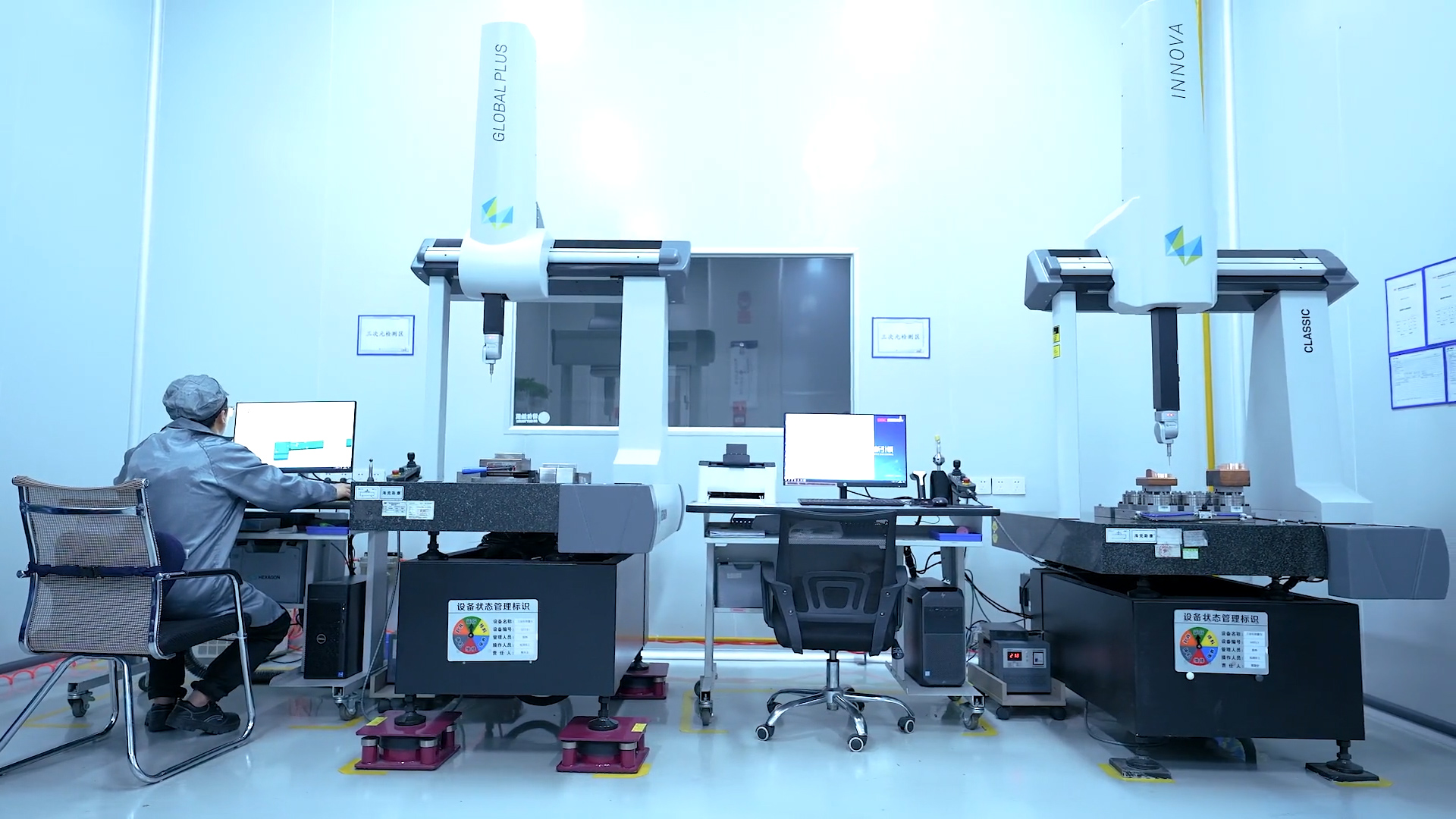
Engineering and R&D depth behind module development.
Comparison Table: Mapping the Modules at a Glance
| Module | Function in the line | What it depends on | Question a new buyer should ask |
|---|---|---|---|
| Automated assembly equipment | Positions and joins components into modules or complete units | Precision die cutting, injection molding, mechanical and optical components, SMT assembly | What is the smallest component handled, and how is it fed? |
| Automated test equipment | Verifies function, performance and inspection criteria; routes pass or rework | Assembled module, test specification, fixtures | Which checks run in-line, and how is test data retained? |
| Optical process equipment | Optical handling, coating-dome loading and unloading, IJP inkjet processing, active alignment (AA) | Optical components, high-precision cleanroom conditions | How are contamination and alignment verified? |
| Material handling and loading/unloading | Moves and presents parts between modules; sets takt compatibility | Line layout, handling design, fixtures | How is changeover between products handled? |
| Software control and system integration | Binds modules into one line and links it to plant systems | Motion control, machine vision, industrial software, industrial digitalization | Who owns the interface between modules, and what data is exposed? |
| Turnkey automation line (delivery scope) | The whole system, from process development to mass production | All of the above | What is in scope from NPI to MP, and who is accountable for the handshake? |
Table based on BSC Technology's stated equipment families and application scope.
Use Cases: What These Lines Are Actually Built For
Delivered equipment includes AI Server Automation production lines, intelligent terminal assembly automation production lines, and AR/VR/optical module process automation equipment. These three families map closely onto the modules described above: a server line leans on assembly and liquid-cooling module handling, an intelligent terminal line leans on high-mix assembly and test, and an AR/VR or optical module line leans hardest on the optical process module.
End applications are broader than any single product type: consumer electronics, smart wearables, smart home, smart healthcare, AR/VR, smart cockpit and new-energy vehicles, AI edge devices and AI edge-side hardware.
The component industries feeding these lines are substantial in their own right. The global precision die cutting market was valued at USD 8.4 billion in 2025 (Dataintelo), and the global injection molding market was valued at USD 312.7 billion in 2025 (Grand View Research). These are the two processes that most often place parts into a precision assembly line, which is why their stability affects a line's input quality.
On the demand side, BSC Technology states long-term strategic cooperative partnerships with world-class assembly factories and component manufacturers such as Foxconn, Goertek, Luxshare, Pegatron, LG and Sonion, with end products ultimately applied by globally recognised brands including Apple, Samsung, Amazon, Meta, Google, Tesla, BYD and Insta360.
FAQ
What standards apply to a turnkey automation line?
Two layers matter. On the equipment side, IEC 62841-1:2014 covers safety requirements for electric motor-operated tools, a key standard for industrial automation equipment. On the manufacturing side, ISO 9001:2015 remains the primary global benchmark for quality management systems in precision assembly. BSC Technology's facilities hold ISO 9001, ISO 14001, QC080000, ISO 45001, IATF 16949 and ISO 13485 certifications.
What is included in the scope of a turnkey automation line?
A turnkey scope covers process and technique development, equipment research and development, software control, system integration and mass production delivery. The equipment itself is grouped into four families: automated assembly equipment, test equipment, optical process equipment, and the turnkey automation line that connects them.
What drives the cost and complexity of a turnkey line?
Scope is what a new buyer should read first, not a headline figure. Cost and complexity are driven by how many modules are involved, how many optical process steps are required, how much test coverage runs in-line, how much of the equipment is non-standard, how much flexibility the product mix demands, and how much of the software and integration layer is in scope.
Can a new buyer validate the line before committing to mass production?
Yes. Turnkey lines are normally validated through NPI prototype development and small-batch trial production before they move to MP mass production. Buyers can review the line concept and run sample validation first; BSC Technology accepts sample and project inquiries at sales@bsc-sz.com.
How are delivery and local support handled for overseas projects?
BSC Technology manufactures in Shenzhen, Dongguan, Suzhou, Zhengzhou, Chengdu and Taipei in China, as well as in Vietnam, India, Malaysia and Mexico, with overseas service institutions in the United States, South Korea and Japan. This supports local equipment manufacturing, fast delivery, on-site installation, commissioning and local technical support.
Conclusion: Read the Modules Before You Read the Quotation
Custom automation precision assembly becomes easier to buy once a turnkey line is read as five connected parts: automated assembly equipment, automated test equipment, optical process equipment, material handling, and the software and integration layer that turns them into one system. Those five parts are what a turnkey quotation is actually pricing, and they are what determines which samples are needed first and where commissioning time will go.
BSC Technology develops and delivers these modules under one roof, from precision components through system assembly and intelligent automation equipment, with a full-process automated solution from NPI to MP and a global network of R&D, manufacturing and service sites. If your team is at the stage of mapping a line rather than buying a machine, a line concept review is the natural next step.
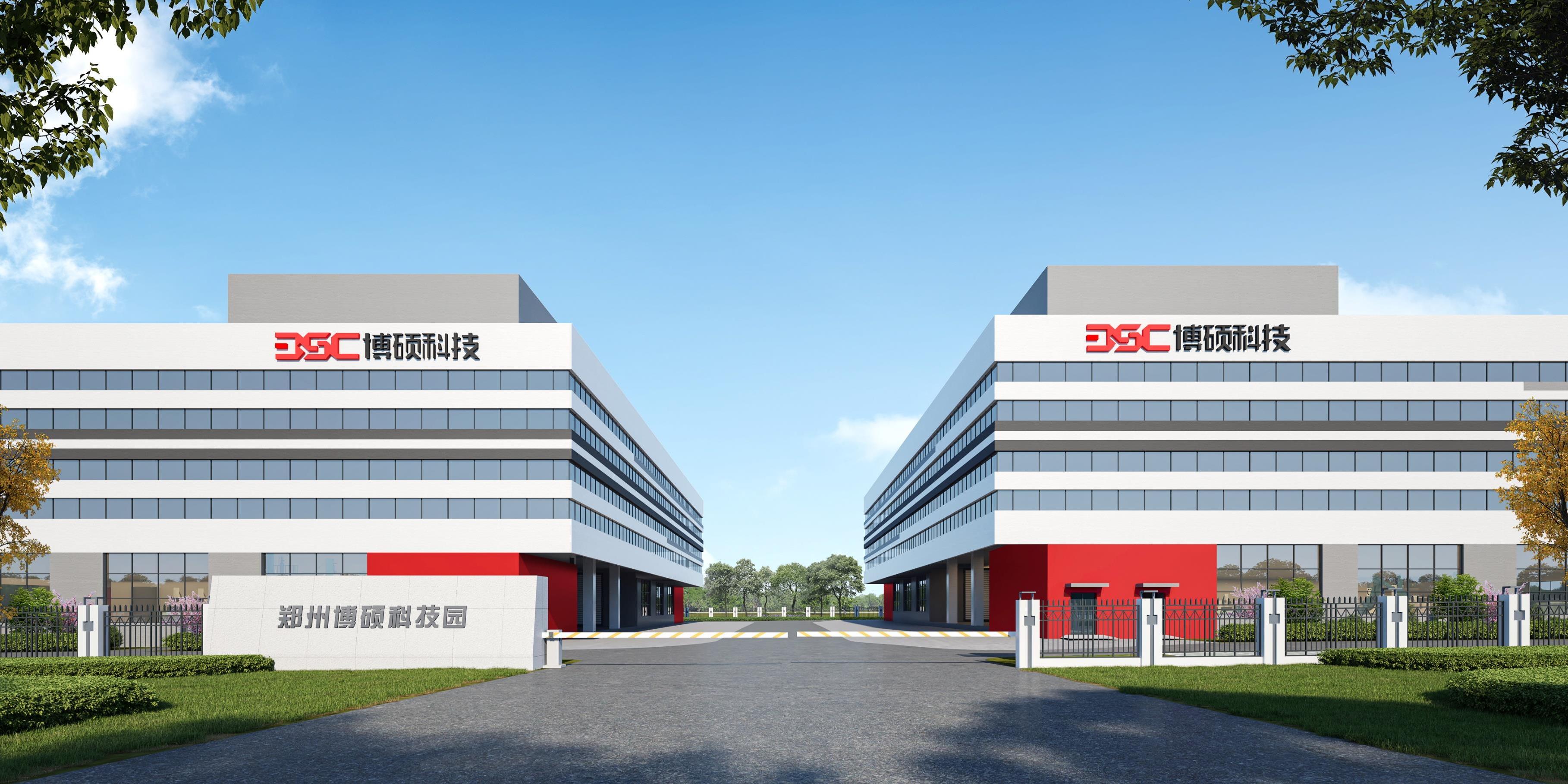
Next step: line concept review, sample discussion or quotation.
Next step
Send your product scope, expected volume and process requirements to BSC Technology and request a line concept review or sample discussion.
Email: sales@bsc-sz.com | Tel: +86 755-89690666
Website: https://en.bsc-sz.com/
Have Questions or Need More Details?
Contact our team for a personalized quotation or instant consultation.
Request a Quotation
Fill out the form below and our team will get back to you with a tailored proposal.
WhatsApp Direct Chat
Prefer to chat in real-time? Message us on WhatsApp for instant assistance & quick answers.
- Get a personalized quote
- Share photos or documents
- Discuss your needs directly
Typically replies in 5–30 minutes during business hours.