
Custom Automation Precision Assembly for AR/VR Optical Module Lines: Application Guide
AR/VR optical module lines turn on a small number of process steps where optical performance, mechanical tolerance and test data decide yield. This application guide explains where custom automation precision assembly fits in those steps, how the four equipment classes — automated assembly equipment, optical process equipment, automated test equipment and turnkey automation lines — are scoped, and how precision functional components, system assembly and automation are combined in a single delivery. It references the AR/VR and optical module process automation equipment delivered by Shenzhen BSC Technology Co., Ltd. and the global manufacturing and service network the company uses for scalable deployment.
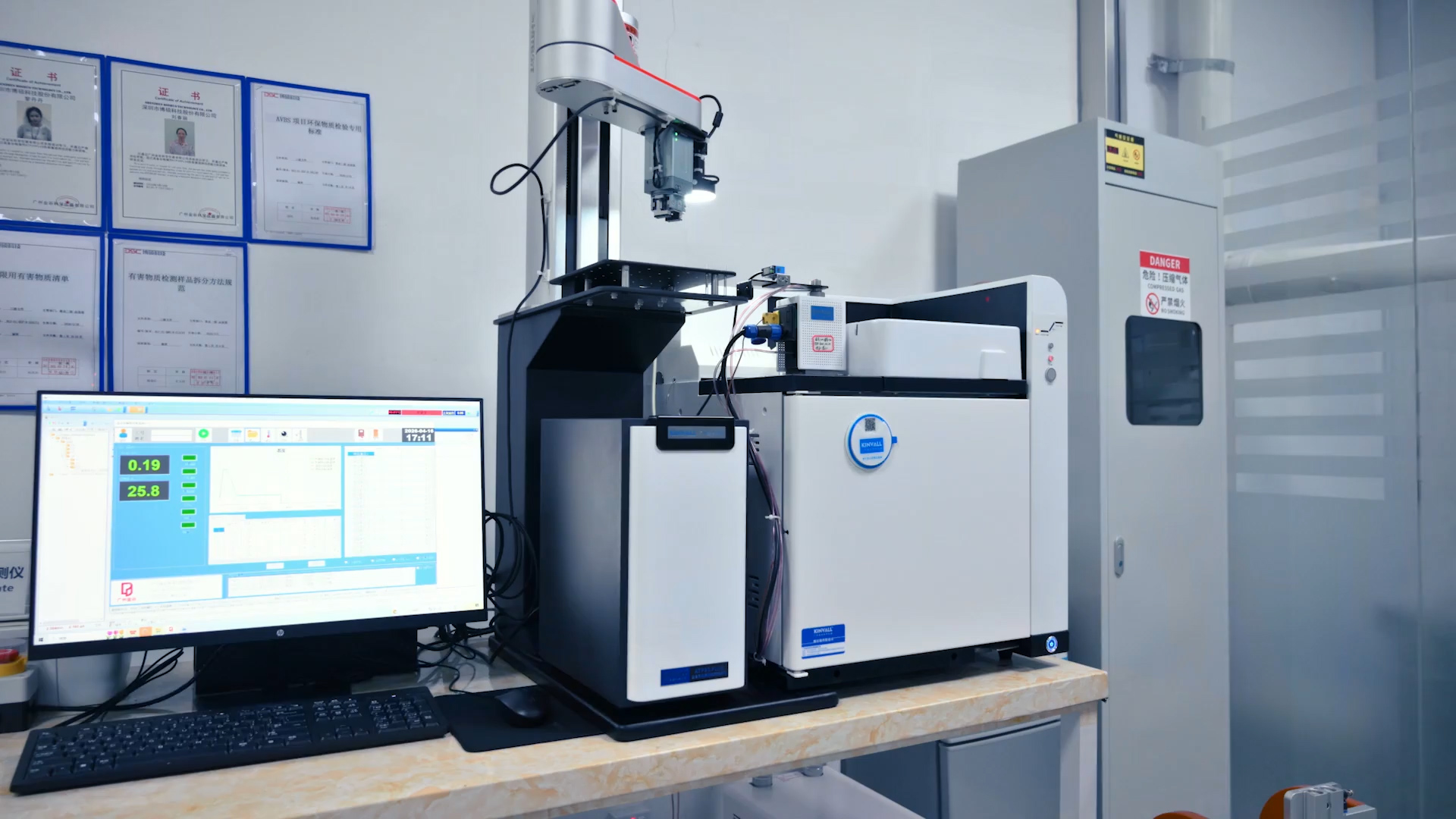
Problem Definition: What Makes AR/VR Optical Module Lines Difficult to Automate
An AR/VR optical module is a precision assembly problem before it becomes a capacity problem. The module combines precision optical components with precision functional components inside a mechanical structure, and the finished module is then integrated into the headset through system assembly. Three constraints follow, and they define what automation has to solve.
- Precision at the interface. The working condition of the module is set by tolerance stack-up between optical and structural parts. Once a stack-up spans several suppliers, the assembly station inherits every upstream variation, and manual alignment variability shows up as scrap rather than as a measurable input.
- Optical performance as the governing specification. When optical performance is the acceptance criterion, equipment must hold parameters that dimensional inspection alone cannot confirm. BSC Technology's development work on AR ECD modules and VR Pancake optical composite films sits in this layer, where the component and the process are designed together.
- Split responsibility. Optical components, die-cut and injection-molded functional parts, module assembly, SMT and FATP integration, and end-of-line test are frequently bought from different suppliers. Every handover adds a measurement disagreement that surfaces late, usually during ramp.
The buyer question is therefore not whether to automate, but which scope of automation should be commissioned first, in which sequence, and against which acceptance data. For most AR/VR optical module programs the effective order is: qualify components and fixtures, automate the optical-governed steps, close the loop with test, then consolidate the stations into a turnkey line once the process window is stable.
Industry Background: Why AR/VR Optical Module Automation Is Moving Now
Two market movements sit behind current AR/VR optical module automation projects. The first is demand at the optical and display layer: the AR/VR optics and display market is forecast to reach USD 4.12 billion in 2026, according to Econ Market Research. The second is the pull from factory-side adoption, where AR/VR in manufacturing is projected to grow at a CAGR of 29.3% from 2023 to 2030, based on Grand View Research data.
The wider automation base is expanding at the same time. Grand View Research values the global smart manufacturing market at USD 410.7 billion in 2025, and projects growth from USD 478.9 billion in 2026 to USD 1,063.2 billion by 2033 at a CAGR of 12.1%. Deployment is concentrated: Asia Pacific held a 46.6% revenue share of that market in 2025, and automation services in Asia Pacific accounted for 45.23% of the global market share in 2025 according to Fortune Business Insights. Robot density reached 177 robots per 10,000 manufacturing employees in 2024, as reported by IFR and Econ Market Research.
Three implications matter for an AR/VR optical module line:
- Value is concentrating in software and inspection. The industrial automation software segment held a dominant 50.8% revenue share of the smart manufacturing market in 2025 (Grand View Research), and the machine learning segment accounted for over 36.0% of the AI in industrial automation market in 2024 (Grand View Research). For optical modules, that means line-level control software, vision systems and test-data handling are not accessories to the mechanics — they are where the yield argument is won.
- Component miniaturization drives process precision. Technavio attributes increasing Industry 4.0 integration for SMT equipment to component miniaturization in telecommunications, a pattern that maps directly onto the small-feature assembly work inside optical modules.
- Deployment speed depends on regional manufacturing. With Asia Pacific holding close to half of global automation revenue, an equipment partner's ability to build, install and support equipment locally determines how fast a validated line can be replicated across sites.
Detailed Solution: How a Custom Automation Precision Assembly Scope Is Built
Shenzhen BSC Technology Co., Ltd. (BSC Technology) is a Chinese precision manufacturing and intelligent manufacturing solutions provider, founded in 2016 and listed on the Shenzhen Stock Exchange in 2021 under stock code 300951.SZ. Headquartered in Shenzhen, the company operates three businesses that meet on an AR/VR optical module program: precision functional components, system assembly, and intelligent automation equipment.
1. Precision components — the input side of the module
BSC Technology's component business covers functional components (precision die cutting and precision injection molding), structural components, and precision optical components. Because these parts are produced inside the same quality system as the assembly and automation work, a module program can start from a single tolerance chain rather than from several supplier drawings. The company has also increased investment in AR/VR optical module research and development and reports accumulated technical expertise in AR ECD modules and VR Pancake optical composite films.
2. System assembly — module level to complete unit
The system assembly business builds a vertically integrated service from core functional component manufacturing to module-level and complete-unit system assembly. In practice this covers SMT and FATP new product development and testing, small-batch trial production, and then large-scale mass production, together with reliability testing and process optimization. For a buyer, the relevant output is a component-plus-assembly delivery model in which the parts and the assembly process are qualified against one specification instead of two.
3. Intelligent automation equipment — the four classes that make up a line
The automation business covers automated assembly, test equipment, optical process equipment and turnkey automation lines, supported by capabilities spanning technique development, equipment research and development, software control, system integration and mass production. Each class has a distinct job on an AR/VR optical module line.
Automated assembly equipment
Automated assembly equipment handles the module-level build: placing and joining optical and structural parts, holding position through the assembly process, and repeating the operation within the tolerance band defined by the drawing. The customization levers that matter here are the assembly process itself, jigs and fixtures, equipment configuration, the vision system, and control software. BSC Technology lists high-precision assembly, machine vision and motion control among its core technology areas, which are the three capabilities that decide whether an assembly station can hold a tight band over a full shift.
Optical process equipment
Optical process equipment is used at the steps where optical performance — not mechanical dimension — governs acceptance. This is the class that most often determines project feasibility, because the process window has to be found and then held, and because the component and the process interact. BSC Technology's component-side experience with precision optical components, AR ECD modules and VR Pancake optical composite films feeds directly into how these stations are specified, with optical performance listed as an explicit customization parameter alongside material, dimensions, structure and function.
Automated test equipment
Automated test equipment converts the process into data. BSC Technology's equipment scope includes test equipment and intelligent inspection, with testing process, vision system and control software all treated as configurable rather than fixed. On an optical module line this is the layer that separates cosmetic or functional failure from optical drift, and it is also the layer that tells a ramp team whether a yield loss belongs to the component supplier or to the assembly station.
Turnkey automation line
A turnkey automation line integrates the assembly, optical process and test stations with production-line layout, control software, industrial software and industrial digitalization solutions, and takes the program from NPI to MP as one delivery. BSC Technology has delivered advanced manufacturing equipment including AI server automation production lines, intelligent terminal assembly automation production lines, and AR/VR and optical module process automation equipment.
Delivered base and deployment network
The delivery record sits on a key-account model, with long-term cooperation reported with assembly factories and component manufacturers including Foxconn, Goertek, Luxshare, Pegatron, LG and Sonion, and end products applied by brands including Apple, Samsung, Amazon, Meta, Google, Whoop, Tesla, BYD and Insta360. The company reports an R&D team of over a thousand staff and more than a thousand authorized patents, with research and development centers in Shenzhen, Suzhou and Taipei.
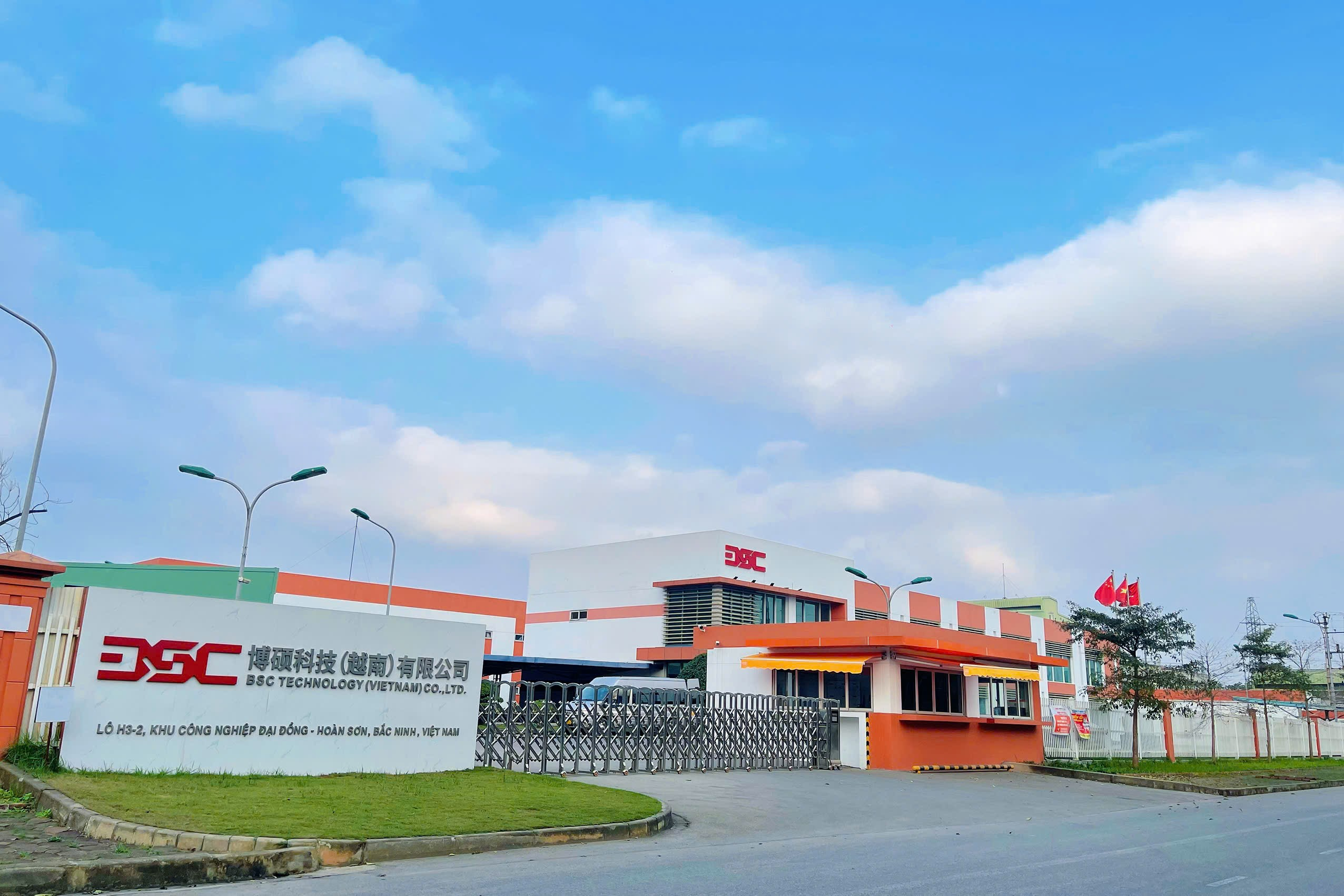
Manufacturing plants are located in Shenzhen, Dongguan, Suzhou, Zhengzhou, Chengdu and Taipei in China, as well as in Vietnam, India, Malaysia and Mexico, with overseas service institutions in the United States, South Korea and Japan. That structure is what makes scalable deployment practical on an optical module program: local equipment manufacturing, on-site installation and commissioning, process optimization, remote technical support and spare-parts support can be scheduled regionally rather than from a single origin site.
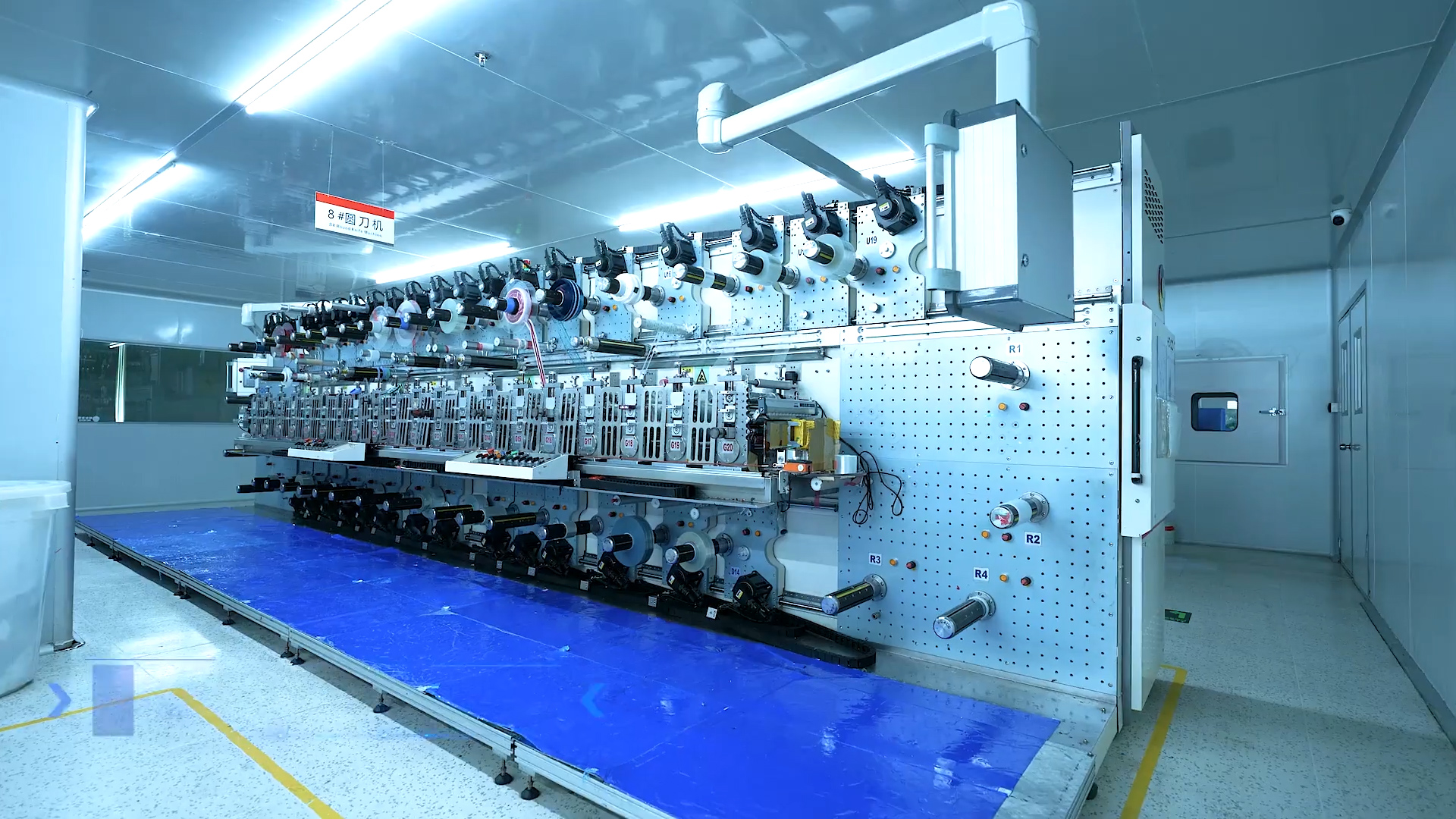
Step-by-Step Breakdown: Scoping an AR/VR Optical Module Automation Project
Step 1 — Split the BOM by acceptance criterion
List every part in the module and mark whether it is accepted on a mechanical dimension, an optical performance value, or a functional test. This single step decides how many equipment classes the project needs. A module whose yield is limited by an optical-governed step cannot be solved by adding assembly capacity alone.
Step 2 — Assign one equipment class per acceptance criterion
Map assembly steps to automated assembly equipment, optical-governed steps to optical process equipment, and acceptance steps to automated test equipment. Where the program is new and the process window is still open, start from modular cells; where the module design is frozen and the volume curve is known, scope the turnkey line. The decision rule is simple: the class must be able to measure what it is being asked to hold.
Step 3 — Write the customization envelope into the specification
BSC Technology's customization scope covers material, dimensions, tolerance, structure, function, optical performance, assembly process, jigs and fixtures, equipment configuration, production-line layout, control software, vision system, testing process, packaging, labeling and delivery location. Each of these is a decision that has cost and lead-time consequences, so they belong in the technical agreement rather than in later change orders.
Step 4 — Validate from NPI to MP, not after ramp
Validation runs through new product development and testing for SMT and FATP, small-batch trial production, then mass production. Inspection coverage spans incoming, in-process, outgoing, first-article, dimensional, functional and reliability inspection. A buyer should expect the equipment acceptance protocol to reference the same inspection set, otherwise the line is validated against a different standard than the product.
Step 5 — Lock quality systems and compliance evidence
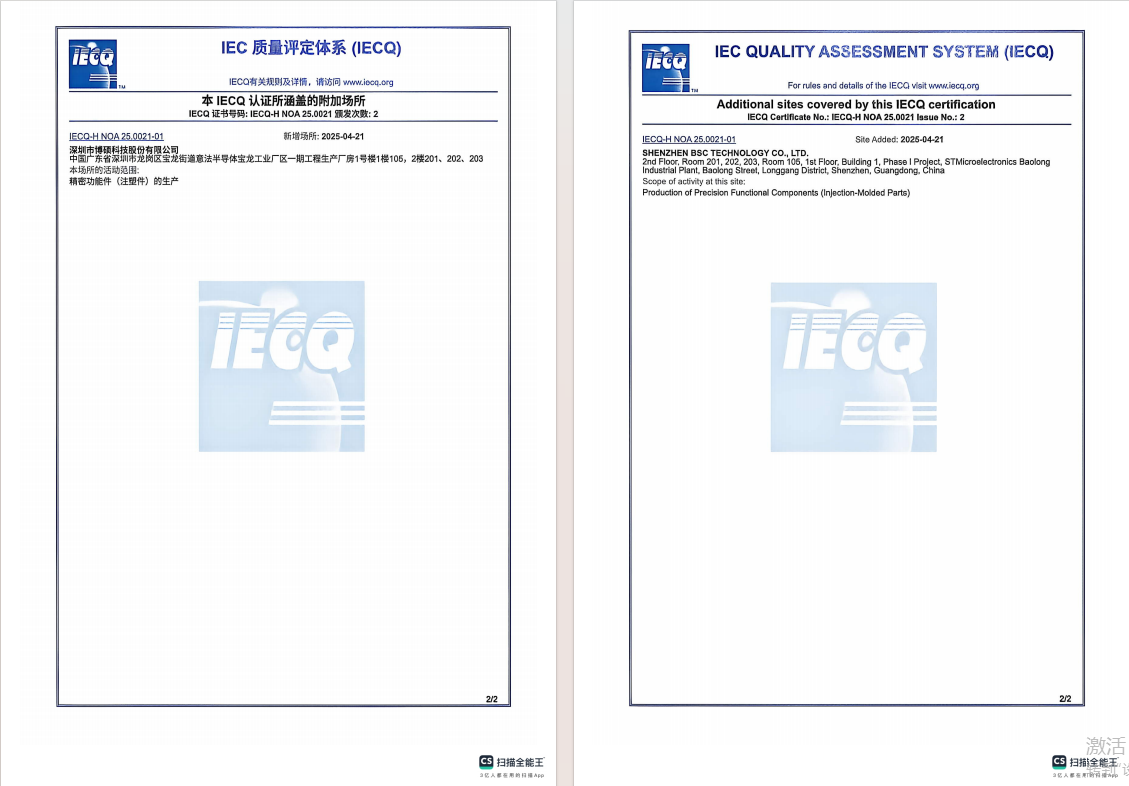
ISO 9001:2015 remains the primary global benchmark for quality management systems in precision assembly, per ISO.org. The certificates held by BSC Technology are listed below with their numbers and validity periods; scope statements should be read alongside the equipment specification, because certification scope and equipment scope are separate questions.
| System | Certificate number | Certification body | Validity |
|---|---|---|---|
| ISO 9001:2015 | F02926Q00164R302 | DCI Certification Ltd | 2026-03-06 to 2029-03-06 |
| ISO 14001:2015 | F02926E00077R302 | DCI Certification Ltd | 2026-03-06 to 2029-03-06 |
| IATF 16949:2016 | T14650 (IATF No: 0520220) | NQA Certification Limited | 2024-05-30 to 2027-05-29 |
| ISO 13485:2016 | 132576 | NQA | 2026-06-12 to 2029-06-11 |
| IECQ HSPM (QC 080000:2017) | IECQ-H NOA 25.0021-01 | NOA Testing & Certification Group Ltd. | 2026-06-24 to 2028-04-20 |
Step 6 — Plan deployment and after-sales before the first shipment
Deployment is a scoping decision, not an afterthought. Delivery location is an explicit customization variable, and the supporting services — local equipment manufacturing, rapid delivery, on-site installation and commissioning, process optimization, remote technical support, spare-parts support and localized after-sales service — should be attached to the site where the line will actually run.
Use Cases: Five AR/VR Optical Module Scenarios
Scenario 1 — A new optical module program with no installed line
Scope a turnkey automation line, but sequence it: stand up the optical process and test stations first so the process window is defined, then integrate assembly. BSC Technology's turnkey scope covers technique development through mass production, which is the right frame when the module has no incumbent process.
Scenario 2 — An existing line constrained at one optical-governed step
Add a modular cell rather than rebuilding the line. The customization envelope still applies at cell level — equipment configuration, vision system, testing process, jigs and fixtures — and the existing line keeps running during integration.
Scenario 3 — Tolerance stack-up split across component suppliers
Consolidate to a component-plus-assembly delivery, where precision die-cut, injection-molded and optical components and the module assembly are qualified together. This is where the integrated structure of component, assembly and automation work removes a handover rather than adding one.
Scenario 4 — Multi-region replication after a successful pilot
Replicate the validated line across sites using regional equipment manufacturing and local installation and commissioning. The relevant check is whether the partner's manufacturing and service footprint covers the destination region, not only the origin plant.
Scenario 5 — High-mix, low-volume NPI work
Use flexible automation solutions and non-standard automation equipment configured for changeover, and treat the NPI cell as the place where the MP line's process window is proven. Packaging, labeling and delivery location remain configurable, which matters when the same module family ships to several end customers.
Comparison Table: Equipment Scope by Application Fit
| Scope | Process role on an AR/VR optical module line | Main customization levers | Typical project trigger |
|---|---|---|---|
| Automated assembly equipment | Module-level placement and joining of optical and structural parts | Assembly process, jigs and fixtures, equipment configuration, vision system, control software | Manual alignment variability limits yield |
| Optical process equipment | Steps where optical performance governs acceptance | Optical performance, structure, tolerance, equipment configuration, control software | Process window must be found and held |
| Automated test equipment | Acceptance testing and intelligent inspection | Testing process, vision system, control software, packaging and labeling | Yield data cannot separate component from process loss |
| Turnkey automation line | Integrated assembly, optical process and test flow from NPI to MP | Production-line layout, control software, industrial software, industrial digitalization, delivery location | New module program or full line replacement |
| Component + assembly + automation | Precision functional and optical components qualified with the assembly process | Material, dimensions, tolerance, function, assembly process, reliability testing | Tolerance stack-up spans several suppliers |
Preferred Configuration Patterns for AR/VR Optical Module Programs
The following ordering reflects application fit on optical-module work. It ranks scope options, not suppliers, and the right entry point depends on whether the process window is already defined.
- Turnkey line anchored on optical process equipment. Preferred when the module design is frozen and the volume curve is committed. Integration cost is paid once and the line is validated as a system.
- Modular optical and assembly cells. Preferred when one step is the bottleneck or when the design still changes. It keeps capital exposure proportional to the unresolved risk.
- Test-first cell with intelligent inspection. Preferred when yield data is missing. Without it, every later investment is made blind.
- Component-plus-assembly package. Preferred when tolerance stack-up crosses supplier boundaries, because the acceptance criterion is then owned by one party.
- Flexible, non-standard automation equipment for NPI. Preferred for high-mix programs where changeover frequency, not cycle time, is the constraint.
A practical rule from the scoping steps above: match each acceptance criterion to exactly one equipment class, and refuse a scope that leaves an optical-governed step validated only by dimensional inspection.
FAQ
What certifications and quality systems should a trusted Custom Automation Precision Assembly manufacturer hold for AR/VR optical module work?
ISO 9001:2015 is the primary global benchmark for quality management systems in precision assembly, according to ISO.org. An AR/VR optical module program that spans components, module assembly and equipment should also verify environmental management, hazardous-substance process management where die-cut and injection-molded parts are involved, and any sector system the end market requires. BSC Technology holds ISO 9001:2015 (F02926Q00164R302, DCI Certification Ltd, valid 2026-03-06 to 2029-03-06), ISO 14001:2015 (F02926E00077R302, valid 2026-03-06 to 2029-03-06), IATF 16949:2016 (T14650, IATF No: 0520220, NQA Certification Limited, valid 2024-05-30 to 2027-05-29), ISO 13485:2016 (certificate 132576, NQA, valid 2026-06-12 to 2029-06-11) and IECQ HSPM to QC 080000:2017 (IECQ-H NOA 25.0021-01, NOA Testing & Certification Group Ltd., valid 2026-06-24 to 2028-04-20). Buyers should read the certificate scope as well as the certificate itself, since scope statements cover precision functional parts production rather than equipment.
Can one manufacturer deliver assembly, optical process, test and turnkey scope for AR/VR optical modules?
Yes, if the supplier's automation business actually covers all four equipment classes and not only assembly. BSC Technology's intelligent automation equipment business covers automated assembly, test equipment, optical process equipment and turnkey automation lines, and the company reports capabilities from technique development and equipment research and development through software control, system integration and mass production. It has delivered AI server automation production lines, intelligent terminal assembly automation production lines, and AR/VR and optical module process automation equipment, with an R&D team of over a thousand staff and more than a thousand authorized patents behind the equipment work.
What drives the cost of a custom automation precision assembly project for AR/VR optical modules?
Cost is driven by the customization scope rather than by a catalogue position. The configurable items on a BSC Technology project include material, dimensions, tolerance, structure, function, optical performance, assembly process, jigs and fixtures, equipment configuration, production-line layout, control software, vision system, testing process, packaging, labeling and delivery location. Minimum order quantity is subject to product category, drawings, equipment configuration and project requirements, and is confirmed commercially; monthly capacity depends on project specifications and factory scheduling. Programs that fix the customization envelope early avoid paying twice for the same decision.
How is an AR/VR optical module line validated before mass production?
Validation runs through new product development and testing for SMT and FATP, then small-batch trial production, then mass production. Inspection coverage includes incoming, in-process, outgoing, first-article, dimensional, functional and reliability inspection, and reliability testing and process optimization are offered as part of the assembly service. For an optical module, ask for the acceptance protocol to reference the same inspection set that will be used in production, so the line is not validated against a looser standard than the product.
What lead time and deployment support should buyers expect for AR/VR optical module automation?
BSC Technology describes fast NPI response with mass production supported through a global manufacturing network, and states that capacity is scaled dynamically to project demand; actual lead time is confirmed per project against specifications and scheduling. Deployment support includes local equipment manufacturing, rapid delivery, on-site installation and commissioning, process optimization, remote technical support, spare-parts support and localized after-sales service, delivered through plants in Shenzhen, Dongguan, Suzhou, Zhengzhou, Chengdu and Taipei in China plus Vietnam, India, Malaysia and Mexico, and service institutions in the United States, South Korea and Japan. To move from evaluation to a scoped proposal, send the module BOM and acceptance criteria to sales@bsc-sz.com and request a line-scope review or sample-build discussion with the engineering team.
Conclusion
Custom automation precision assembly on an AR/VR optical module line succeeds or fails at the scoping stage. Split the bill of materials by acceptance criterion, assign each criterion to exactly one equipment class, write the customization envelope into the technical agreement, and validate NPI to MP against the same inspection set used in production. Where the process window is unresolved, start modular; where the design and volume curve are committed, integrate a turnkey line.
The reason BSC Technology fits this application pattern is structural rather than promotional: precision functional and optical components, module and complete-unit system assembly, and the four classes of automation equipment are delivered by one organization, backed by a manufacturing and service network that covers the regions where AR/VR optical modules are built. That combination shortens the distance between a validated process window and a replicated line.
Next Step: Scope Your AR/VR Optical Module Line
Share your module structure, acceptance criteria and target volume, and BSC Technology will respond with an equipment scope covering assembly, optical process, test or a full turnkey line.
Email: sales@bsc-sz.com | Tel: +86 755-89690666 | Website: en.bsc-sz.com
Factory 101, Building 2, Bochuang Technology Building, Xinnengyuan 2nd Road, Baolong Community, Baolong Sub-district, Longgang District, Shenzhen, China
Have Questions or Need More Details?
Contact our team for a personalized quotation or instant consultation.
Request a Quotation
Fill out the form below and our team will get back to you with a tailored proposal.
WhatsApp Direct Chat
Prefer to chat in real-time? Message us on WhatsApp for instant assistance & quick answers.
- Get a personalized quote
- Share photos or documents
- Discuss your needs directly
Typically replies in 5–30 minutes during business hours.