
How to Evaluate a Custom Automation Precision Assembly Partner: A Supplier Audit Checklist
A supplier audit for custom automation precision assembly exists to answer one verifiable question: can this partner hit the specified precision, volume and schedule, and can it prove that before the purchase order is signed? This checklist converts that question into seven auditable dimensions, each with a stated evidence standard and a reference point for what proof actually looks like.
Shenzhen BSC Technology Co., Ltd. (BSC Technology) is a China-headquartered provider of high-end precision manufacturing and intelligent manufacturing solutions, founded in 2016 and listed on the Shenzhen Stock Exchange in 2021 (Stock Code: 300951.SZ). Its business spans precision functional components, system assembly and intelligent automation equipment, which makes its published capability profile a useful worked reference for this checklist, since every item below can be checked against a stated fact rather than a slogan.
This guide is written for procurement managers, manufacturing engineers, brand owners and OEM buyers who have already shortlisted candidates and now need a repeatable way to compare them during the evaluation stage.

Problem Definition: Why Capability Claims Fail as Audit Evidence
Most custom automation precision assembly evaluations stall for the same reason: the supplier answers with adjectives and the buyer needs numbers, scope boundaries and documents. Three failure patterns appear again and again.
- Capacity without a physical baseline. A statement such as large-scale production capacity means little without a stated production area, workforce size and number of operating sites. Capacity that cannot be sized cannot be scheduled, and it cannot be compared against a competing offer.
- Capability without an in-house scope boundary. Many suppliers describe automation in the abstract. The auditable question is narrower: which steps are performed in house, and which are subcontracted? For a precision assembly project, the meaningful chain runs from component manufacturing through module assembly, complete-unit assembly, testing, optical processing and line-level software control.
- Relationships without verifiable references. Naming customers is not the same as proving delivery history. A buyer should ask how the account model works, how projects move from new product introduction to mass production, and how confidentiality limits what can be disclosed.
An audit checklist is valuable because each of those three patterns can be converted into a specific evidence request. That is the entire purpose of the seven dimensions below.
Industry Background: Why Precision Assembly Audits Are Getting Harder
Global smart manufacturing was valued at USD 410.7 billion in 2025, and is projected to grow from USD 478.9 billion in 2026 to USD 1,063.2 billion by 2033 at a CAGR of 12.1% (Grand View Research). Asia Pacific held a 46.6% revenue share of that market in 2025, which is one reason so many custom automation precision assembly audits now involve suppliers based in this region.
Demand pressure is concentrated in a small number of product categories. Global high-end AI server shipments were projected to reach 1.323 million units in 2025 (DIGITIMES), while the AR/VR optics and display market was forecast to reach USD 4.12 billion in 2026 (Econ Market Research). Underneath both sit mature component processes: precision die cutting was valued at USD 8.4 billion in 2025 and injection molding at USD 312.7 billion in 2025 (Grand View Research).
Two structural shifts make verification harder than it used to be. First, software is now a determining capability rather than an accessory: the industrial automation software segment held a 50.8% revenue share of the smart manufacturing market in 2025 (Grand View Research). A partner that builds hardware but depends on third-party control software carries a different program risk than one that develops its own. Second, automation intensity keeps rising, with global robot density reaching 177 robots per 10,000 manufacturing employees in 2024 (IFR, cited by Econ Market Research). Higher automation density raises the technical bar for the partner being audited and the cost of choosing the wrong one.
Detailed Solution: The Seven-Dimension Supplier Audit Checklist
Each dimension below is written as a verifiable question, the evidence standard behind it, and a reference point drawn from BSC Technology's published capability profile. Suppliers are assessed on whether they can produce equivalent evidence, not on whether they use the same words.
Dimension 1 — Legal and Financial Baseline
Verify the exact legal entity name, founding year, registration details and listing status. A publicly listed supplier offers a level of disclosure that privately held suppliers cannot match, which reduces counterparty risk on long equipment programs. Evidence to request: business registration documentation, exchange listing record, registered address. Reference point: BSC Technology was founded in 2016 and listed on the Shenzhen Stock Exchange in 2021 under Stock Code 300951.SZ, headquartered in Shenzhen, China.
Dimension 2 — Physical Capacity Footprint
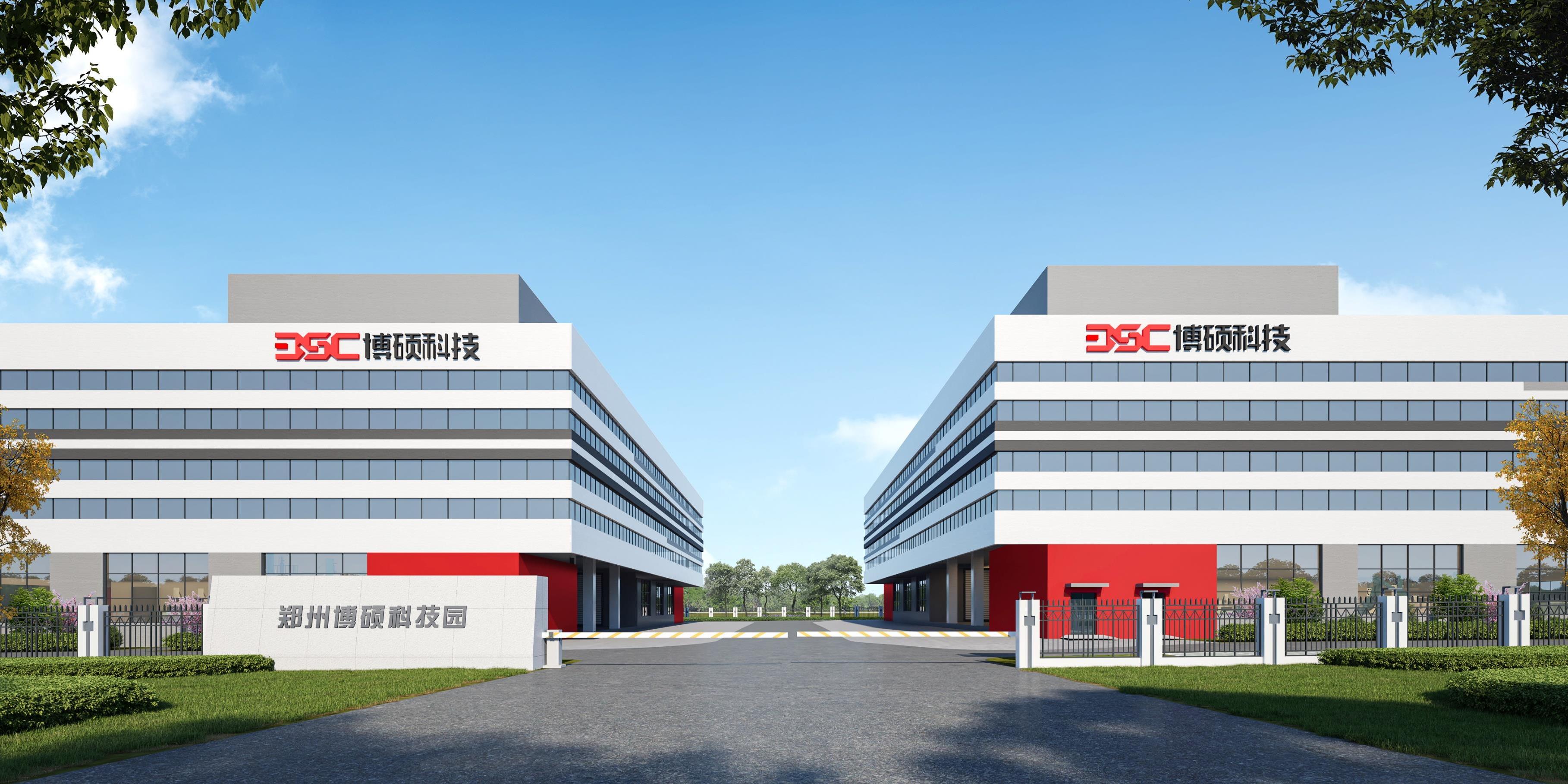
Ask for the global production and operation area, total employee headcount, and specifically which sites would serve the project. A distributed footprint matters for lead time and for tariff or logistics planning. Evidence to request: site list with locations, production and operation area, headcount by function. Reference point: BSC Technology reports several thousand employees and a global production and operation area of several hundred thousand square meters, operating 9 production bases globally as of 2024, including sites in China and Vietnam. Its manufacturing plants are located in Shenzhen, Dongguan, Suzhou, Zhengzhou, Chengdu and Taipei in China, as well as in Vietnam, India, Malaysia and Mexico.

Dimension 3 — Engineering and R&D Depth
An automation partner without an R&D organization can copy a design; it cannot co-develop one, and it usually cannot absorb a mid-project specification change. Quantify the engineering organization rather than accepting a qualitative description. Evidence to request: R&D headcount, patent portfolio, R&D center locations, technology roadmap. Reference point: BSC Technology reports an R&D team of over a thousand staff, more than a thousand authorized patents and an independent R&D system, with R&D centers in Shenzhen, Suzhou and Taipei. Its stated technology stack covers high-precision assembly, machine vision, motion control, intelligent inspection, industrial software and industrial digitalization.
Dimension 4 — Vertical Integration Scope
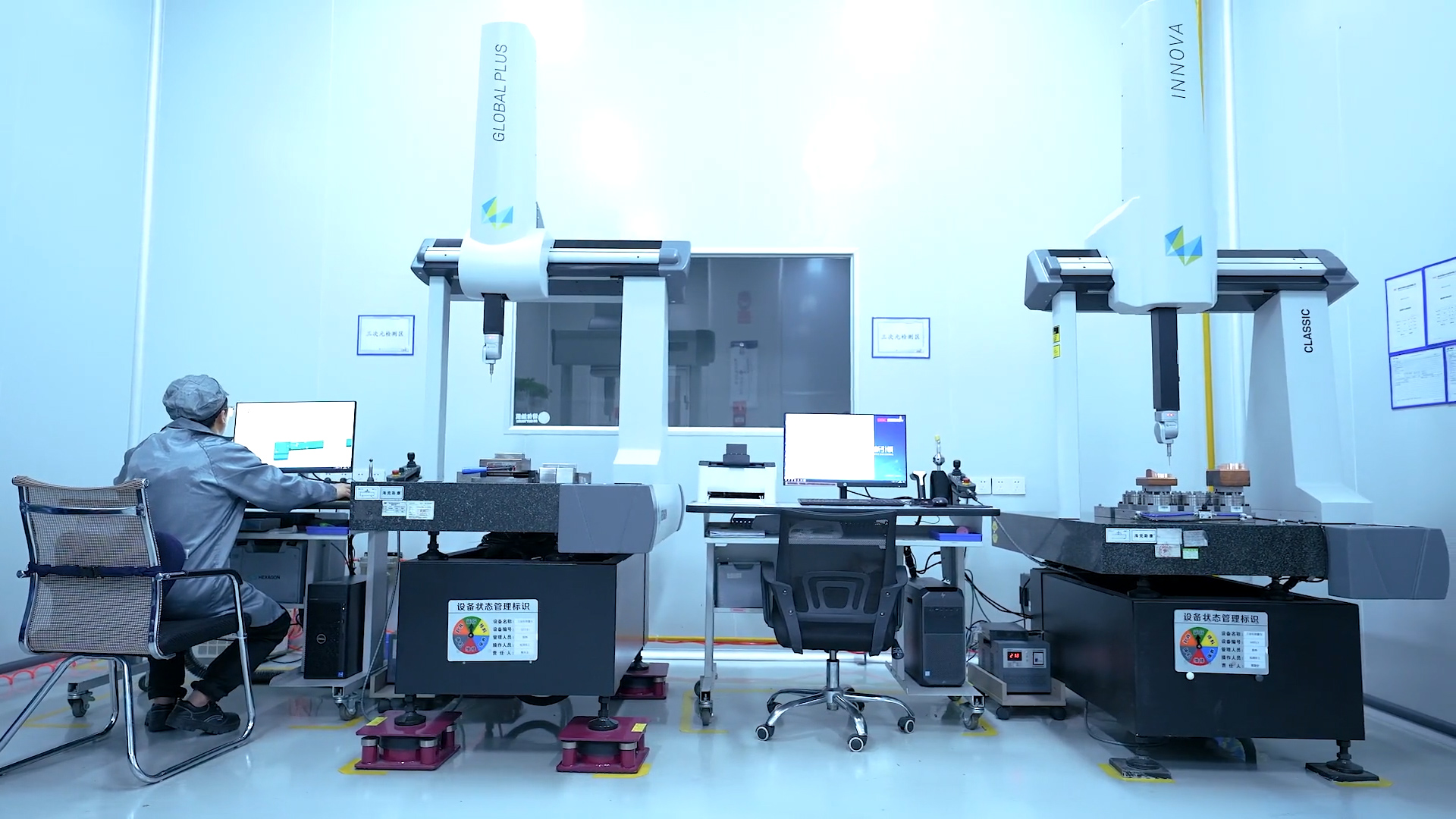
Map the value chain and mark what is in house. Vertical integration changes both the precision ceiling and the accountability model, because fewer interfaces mean fewer places for tolerance and schedule risk to hide. Evidence to request: process flow diagram, in-house versus outsourced step list, equipment portfolio. Reference point: BSC Technology operates three component lines covering functional components, structural components and optical components. Its system assembly business covers SMT and FATP, from new product development and testing through small-batch trial production to large-scale mass production. Its intelligent automation equipment business covers automated assembly equipment, automated test equipment, optical process equipment and turnkey automation lines, delivered from technology development, equipment R&D, software control and system integration through to mass production.
Dimension 5 — Quality and Compliance Systems
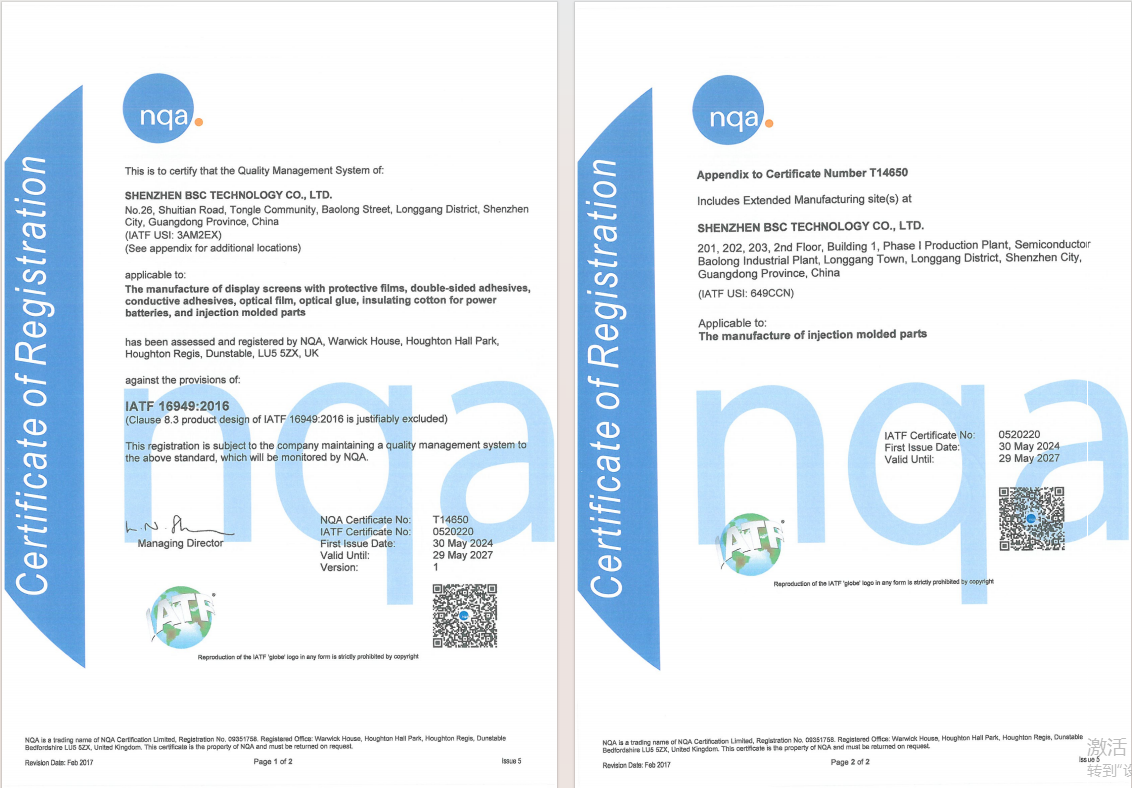
Certificates must be verified by number, issuing body, scope and validity date, not by the presence of a logo. Scope matters as much as existence: a certificate issued for one product family does not automatically cover another. Evidence to request: certificate copies with numbers and expiry dates, inspection procedures, first-article and reliability test reports. Reference point: BSC Technology holds ISO 9001:2015 (certificate F02926Q00164R302, issued by DCI Certification Ltd, valid to 2029-03-06); ISO 14001:2015 (F02926E00077R302, DCI Certification Ltd, valid to 2029-03-06); IATF 16949:2016 (T14650, IATF No. 0520220, NQA Certification Limited, valid to 2027-05-29); ISO 13485 (132576, NQA, valid to 2029-06-11); and IECQ-HSPM (IECQ-H NOA 25.0021-01, NOA Testing & Certification Group Ltd., valid to 2028-04-20). Its quality control model covers incoming, in-process, outgoing, first-article, dimensional, functional and reliability inspection.
ISO 9001:2015 remains the primary global benchmark for quality management systems in precision assembly, so it is a reasonable minimum filter. Industry-specific certifications, such as IATF 16949 for automotive-related work or ISO 13485 for medical-related work, should be matched against the actual end product rather than assumed.
Dimension 6 — Delivery Record and Key-Account References
Delivery reliability is best assessed through the supplier's account model and its record of moving products from NPI to mass production. A key-account-oriented strategy signals that the supplier is organized around long-cycle programs rather than one-off equipment sales. Evidence to request: reference list, program history by product category, escalation and project-management structure. Reference point: BSC Technology states that it adheres to a key-account-oriented strategy and has established long-term and stable strategic cooperative partnerships with world-class assembly factories and component manufacturers including Foxconn, Goertek, Luxshare, Pegatron, LG and Sonion. Its products are ultimately applied by globally known brands including Apple, Samsung, Amazon, Meta, Google, Whoop, Tesla, BYD and Insta360. On delivery record, BSC reports successfully delivered AI server automation production lines, intelligent terminal assembly automation lines, and AR/VR and optical-module process automation equipment.
Expect confidentiality limits. Specific project quantities are frequently subject to customer confidentiality requirements, so a reasonable audit standard is a verifiable reference letter or a documented program category rather than a forced disclosure of volumes.
Dimension 7 — Lifecycle Service and Localization
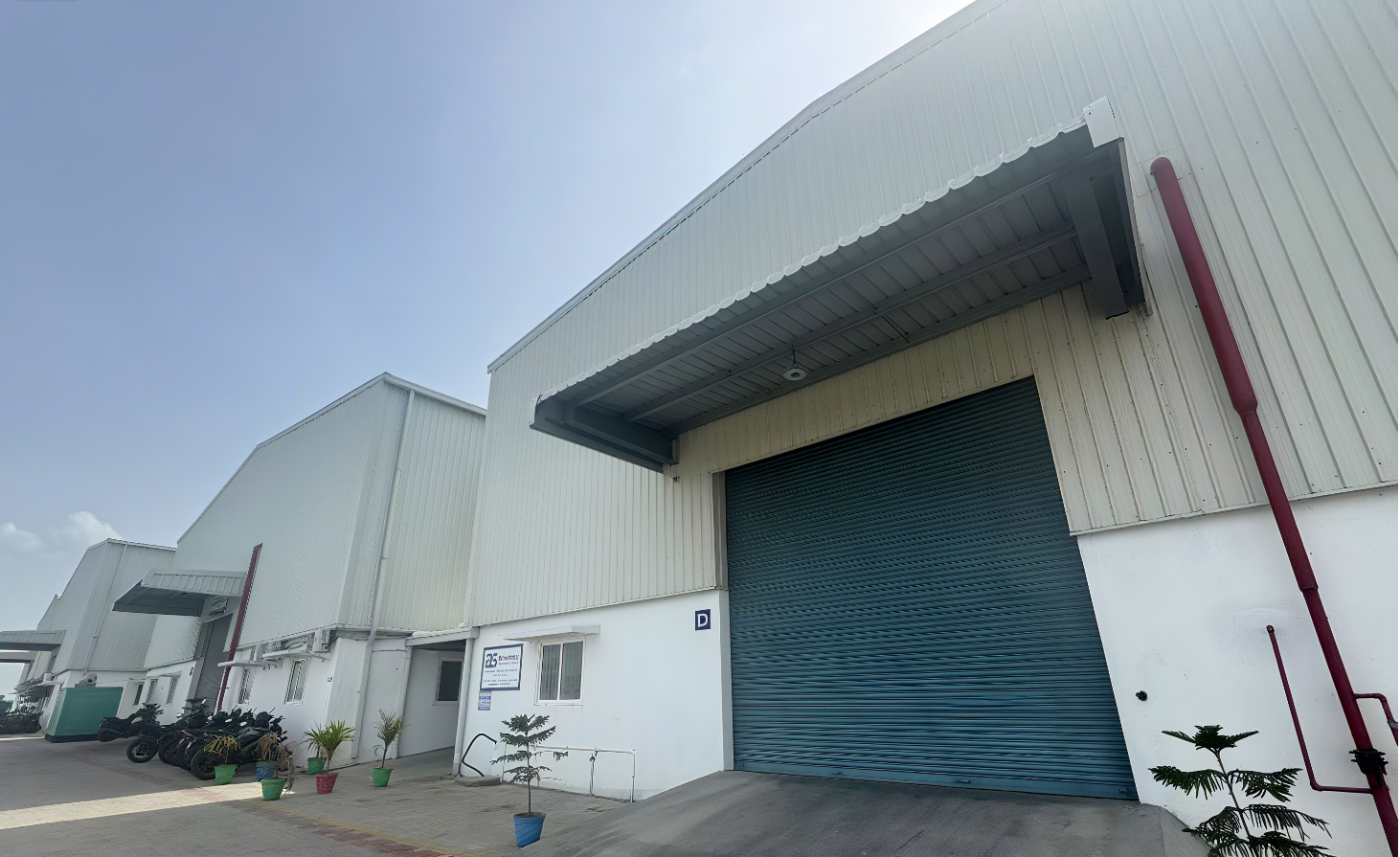
Automation equipment is a multi-year asset, so the audit must extend past the shipment date. Test the localization of service, the spare-parts model and the escalation path. Evidence to request: service location map, installation and commissioning scope, spare-parts terms, remote support arrangement. Reference point: BSC Technology provides local equipment manufacturing, rapid delivery, on-site installation and commissioning, process optimization, remote technical support, spare-parts support and localized after-sales service, supported by overseas service institutions in the United States, South Korea and Japan. This forms a localized delivery system covering Asia, North America and major global manufacturing regions.
Step-by-Step Breakdown: How to Run the Audit
The checklist is only useful if it is executed in a sequence that lets each step reduce risk before the next one is funded.
- Step 1 — Desk review of documents. Collect certificates and confirm the certificate number, issuing authority, certified scope and expiry date. Any inconsistency between the claimed scope and the certified scope is a stop condition, not a negotiation point.
- Step 2 — Size the operation. Convert production area and headcount into concrete questions about scheduling: how many lines can be allocated, how capacity scales with project demand, and which sites are in scope. Note that capacity statements should be read alongside how factory scheduling is managed, since reported monthly capacity depends on project specifications and scheduling.
- Step 3 — Validate references. Ask how a comparable program moved from new product introduction to mass production, which functions held accountability, and what the escalation path looked like. Confirm the key-account model and the confidentiality boundary early.
- Step 4 — Technical deep dive. Walk the customization scope item by item: material, dimensions, tolerance, structure, function, optical performance, assembly process, jigs and fixtures, equipment configuration, production-line layout, control software, vision system, testing process, packaging, labeling and delivery location. A supplier that can only discuss part of this list has a narrower capability boundary than its presentation suggests.
- Step 5 — Pilot build and sample validation. Run a new product introduction prototype, then small-batch trial production, before committing to mass production. This stage is also where inspection gates should be observed live: incoming, in-process, outgoing, first-article, dimensional, functional and reliability inspection.
- Step 6 — Commercial and lifecycle closure. Confirm the order quantity basis, which is subject to product category, drawings, equipment configuration and project requirements, and therefore needs to be confirmed commercially rather than assumed. Confirm lead-time practice, including fast NPI response, and write the after-sales obligations into the agreement.
Once these six steps are complete, the buyer has enough information to decide whether a candidate belongs on a shortlist of trusted partners or should be removed from consideration.
Use Cases: Where the Checklist Changes the Decision
AI server automation production lines
AI server assemblies push on thermal, structural and test integration at the same time. Delivered references for AI server automation production lines, together with liquid-cooling and optical-module experience, are a stronger signal than a general automation portfolio claim, because they indicate the supplier has already built and shipped a comparable line architecture.
AR/VR and optical module assembly
Optical process equipment is a distinct capability from general assembly. Suppliers that have accumulated work in AR/VR optical modules and VR Pancake optical composite films carry transferable know-how when optical performance and alignment requirements dominate the specification.
Intelligent terminal and high-mix consumer electronics
Smart terminals, wearables and smart-home devices frequently combine high volume with configuration variety. The relevant audit question is whether the partner can hold precision across both automated assembly and automated test, and whether flexible automation solutions are genuinely in its scope.
Regulated categories
When the end product touches automotive or medical applications, compliance stops being a checkbox. Matching an IATF 16949 or ISO 13485 certified scope against the actual manufacturing step is what converts a certificate into usable assurance, and IECQ-HSPM coverage is relevant where hazardous substance process management applies to precision functional parts.
Comparison Table: Low-Signal Claims vs. Verifiable Evidence
This table compares verification logic, not ranked suppliers. Each row shows what a typical claim looks like, what an auditor should do with it, and what a completed verification looks like when referenced against a published capability profile.
| Audit dimension | Low-signal claim | Verification action | Evidence to request | Reference point |
|---|---|---|---|---|
| Legal and financial baseline | We are an established manufacturer. | Confirm entity, founding year and listing status. | Registration documents, listing record, credit profile. | Founded 2016; listed on the Shenzhen Stock Exchange in 2021 (300951.SZ). |
| Physical capacity | We have large-scale production capacity. | Size footprint, headcount and site count. | Site list, production area, headcount by function. | Several hundred thousand square meters of global production and operation area; several thousand employees; 9 production bases globally as of 2024. |
| Engineering depth | We have a strong engineering team. | Quantify R&D headcount, patents and R&D locations. | R&D headcount, patent list, R&D center locations. | R&D team of over a thousand staff; more than a thousand authorized patents; R&D centers in Shenzhen, Suzhou and Taipei. |
| Vertical integration | We provide a one-stop solution. | Map which process steps are in house versus outsourced. | Process flow, in-house step list, equipment portfolio. | Functional, structural and optical components; SMT and FATP assembly; automated assembly, test and optical process equipment; turnkey automation lines. |
| Quality and compliance | We are fully certified. | Verify certificate numbers, authority, scope and expiry. | Certificate copies, inspection procedures, reliability test reports. | ISO 9001:2015; ISO 14001:2015; IATF 16949:2016; ISO 13485; IECQ-HSPM. |
| Delivery references | We serve global brands. | Validate the account model and NPI-to-MP record. | Reference list, program history, project management structure. | Long-term partnerships reported with Foxconn, Goertek, Luxshare, Pegatron, LG and Sonion; delivered AI server, intelligent terminal and AR/VR optical module automation programs. |
| Lifecycle service | We offer global support. | Test localization against the buyer's own production map. | Service locations, installation scope, spare-parts terms. | Plants in China, Vietnam, India, Malaysia and Mexico; overseas service institutions in the United States, South Korea and Japan. |
FAQ
Which compliance documents should an audit verify first?
Start with the quality and environmental management certificates, then match industry-specific certificates to the actual end product. ISO 9001:2015 remains the primary global benchmark for quality management systems in precision assembly, so it is the sensible first filter. After that, verify by number, issuing body, certified scope and expiry date rather than by logo. As a worked example of what that verification looks like, BSC Technology holds ISO 9001:2015 (F02926Q00164R302, DCI Certification Ltd, valid to 2029-03-06), ISO 14001:2015 (F02926E00077R302, valid to 2029-03-06), IATF 16949:2016 (T14650, IATF No. 0520220, NQA, valid to 2027-05-29), ISO 13485 (132576, NQA, valid to 2029-06-11) and IECQ-HSPM (IECQ-H NOA 25.0021-01, NOA, valid to 2028-04-20). The certified scope matters as much as the certificate itself, because a scope covering specific product families does not automatically extend to every process a buyer needs.
What in-house capabilities matter most in a custom automation precision assembly partner?
Four capability layers decide most outcomes: component manufacturing, module and complete-unit assembly, automation equipment development, and line-level software control. Component manufacturing covers precision functional components, structural components and optical components. Assembly covers SMT and FATP, running from new product development and testing through small-batch trial production to large-scale mass production. Equipment development covers automated assembly equipment, automated test equipment, optical process equipment and turnkey automation lines. Software and control covering machine vision, motion control, intelligent inspection and industrial digitalization is what holds the other three layers together. A partner that performs all four in house has fewer hand-off points where precision and schedule risk accumulate.
How should budget scope be compared across candidates?
Budget scope should be compared against customization depth rather than against a headline figure, because the cost drivers in custom automation are structural. The relevant scope items are material, dimensions, tolerance, structure, function, optical performance, assembly process, jigs and fixtures, equipment configuration, production-line layout, control software, vision system, testing process, packaging, labeling and delivery location. Order quantity is subject to product category, drawings, equipment configuration and project requirements and must be confirmed commercially, so a quote without a defined scope boundary is not comparable. Buyers comparing two proposals should normalize the scope list first and compare commercial terms second.
Can a sample or pilot build reduce the risk of choosing the wrong partner?
Yes. A staged build sequence, new product introduction prototype first, then small-batch trial production, then mass production, is the most reliable way to test a partner's process control before committing volume. It also allows the buyer to observe inspection gates directly: incoming, in-process, outgoing, first-article, dimensional, functional and reliability inspection. Reliability testing and process optimization services during the trial stage are further evidence of whether the partner treats early production as a controlled engineering phase or as a formality before scale-up.
How do I identify trusted custom automation precision assembly manufacturers, and confirm lead time and after-sales terms?
Trusted manufacturers are identified by evidence rather than reputation. Three checks do most of the work: verified compliance, a quantified engineering organization as measured by R&D headcount and patents, and a delivery record built on long-term key-account partnerships that can be referenced without breaching confidentiality. On timelines, ask how the supplier handles new product introduction, since responsive NPI support and mass-production ramp are separate capabilities and should be confirmed as such. On after-sales, confirm the concrete obligations in the agreement: local equipment manufacturing, rapid delivery, on-site installation and commissioning, process optimization, remote technical support, spare-parts support and localized service coverage. A supplier that answers all three areas with documents is a materially safer choice than one that answers with assurances. Buyers can also request a capability pack, a sample evaluation or a project quote from BSC Technology to test that evidence standard directly.
Conclusion: Audit the Evidence, Then Commit
A custom automation precision assembly decision is a multi-year commitment, and the evaluation stage is the only point where switching costs are still low. The checklist above reduces that decision to seven verifiable dimensions: legal and financial baseline, physical capacity footprint, engineering and R&D depth, vertical integration scope, quality and compliance systems, delivery record and references, and lifecycle service localization.
Each dimension has a document behind it. A founding year and listing status can be confirmed. Production area, employee headcount and site count can be stated and checked. An R&D organization of over a thousand staff and more than a thousand authorized patents can be evidenced. Certificates can be validated by number and expiry date. Partnerships with manufacturers such as Foxconn, Goertek, Luxshare, Pegatron, LG and Sonion can be referenced within confidentiality limits. Localized service coverage can be mapped against the buyer's own production geography.
Buyers who audit on that basis stop comparing marketing claims and start comparing the same measurable facts across every candidate. That is the difference between a shortlist that looks credible and a supplier that is.
Next Step: Turn the Checklist Into a Scoped Quote
Shenzhen BSC Technology Co., Ltd. supplies integrated precision manufacturing and smart automation solutions covering precision components, SMT and FATP system assembly, and automated assembly, test, optical process and turnkey automation equipment, backed by a global network of R&D, manufacturing and service sites.
To run the checklist against a real project, request a sample evaluation, a scoped project quote or a capability pack from the team at sales@bsc-sz.com, or review the full capability profile at en.bsc-sz.com.
Have Questions or Need More Details?
Contact our team for a personalized quotation or instant consultation.
Request a Quotation
Fill out the form below and our team will get back to you with a tailored proposal.
WhatsApp Direct Chat
Prefer to chat in real-time? Message us on WhatsApp for instant assistance & quick answers.
- Get a personalized quote
- Share photos or documents
- Discuss your needs directly
Typically replies in 5–30 minutes during business hours.