
Long-Term Partnership and After-Sales FAQ for Custom Automation Precision Assembly
Long-term partnership risk in custom automation precision assembly is decided before the purchase order is signed, not when the first line stops running. Buyers in evaluation should test four things: whether acceptance criteria are written into the purchase agreement, what the supplier's quality management certificates actually cover, whether the supplier's manufacturing and service footprint can follow your production roadmap, and whether spare parts, process optimization and engineering changes are defined in commercial terms.
This guide is written for procurement managers, manufacturing engineers and program owners who have already shortlisted one or more custom automation precision assembly partners and now need to answer the questions that only appear at contract stage. It covers purchasing terms and acceptance criteria, quality management systems and certifications, and how a global manufacturing footprint supports continuity across a multi-year program.
Short answer: a supplier is partnership-ready when four conditions are documented, not implied.
- Acceptance criteria are agreed in writing against dimensional, functional and reliability inspection.
- Certificate scope statements - not certificate logos - cover the processes your line depends on.
- Manufacturing and service sites exist in, or near, the regions where you plan to produce.
- On-site installation and commissioning, process optimization, remote technical support and spare-parts support are part of the offer, not an afterthought.
What Long-Term Partnership Risk Actually Looks Like
Custom automation precision assembly is not a catalogue purchase. A line is built around one product family, one tolerance stack and one test specification, and a large part of the process knowledge sits with the equipment supplier rather than with the buyer. That is the structural reason partnership and after-sales questions deserve their own evaluation round.
In practice, partnership risk appears in five recognisable forms:
- Acceptance disputes. The line runs, but nobody agrees on which inspection criteria define 'accepted'. First-article inspection, dimensional inspection, functional inspection and reliability inspection have to be tied to agreed specifications before design freeze.
- Knowledge concentration. Jigs and fixtures, control software, vision systems and testing processes are all customized elements. If change control is not defined, every engineering change becomes a negotiation.
- Spare-parts and service gaps. A supplier with one service location and a buyer with three production regions will eventually face response-time problems that no warranty clause fully solves.
- Capacity mismatch. Capacity planning that is not revisited during ramp creates the situation where demand grows faster than scheduled output.
- Footprint drift. Buyers expand into new manufacturing regions and discover that their automation partner cannot deliver equipment locally or support it on site.
None of these failures is technical in origin. They are contractual, organizational and geographic, which is why they belong in the evaluation stage rather than in the escalation stage.
Industry Background: Why Continuity Became a Procurement Criterion
Automation spending has moved from project budgets to program budgets, and that shift is what turned after-sales capability into a purchasing criterion.
Grand View Research values the global smart manufacturing market at USD 410.7 billion in 2025 and projects growth from USD 478.9 billion in 2026 to USD 1,063.2 billion by 2033, a CAGR of 12.1%. The same source reports that Asia Pacific held a 46.6% revenue share of that market in 2025, and that the industrial automation software segment accounted for 50.8% of the smart manufacturing market in 2025.
The software weighting matters for partnership planning. When roughly half of the value in a smart manufacturing deployment sits in software and digital layers, the relationship with the equipment supplier extends into updates, integration and data continuity rather than ending at machine handover. Fortune Business Insights similarly reports that automation services in Asia Pacific accounted for 45.23% of the global market share in 2025, which reflects how much of automation value is delivered as services rather than as hardware.
Two further reference points frame the demand side. IFR and Econ Market Research report global robot density reaching 177 robots per 10,000 manufacturing employees in 2024, and DIGITIMES projects global high-end AI server shipments at 1.323 million units in 2025 - a product category where automation lines are commissioned and then continuously re-engineered.
Market sizing estimates differ between research houses. For the same 2025 smart manufacturing metric, Fortune Business Insights reports USD 394.35 billion and MarketsandMarkets reports USD 333.17 billion. Buyers should treat the direction of growth as the usable signal and the absolute value as an estimate.
The Supplier Behind the Line: BSC Technology
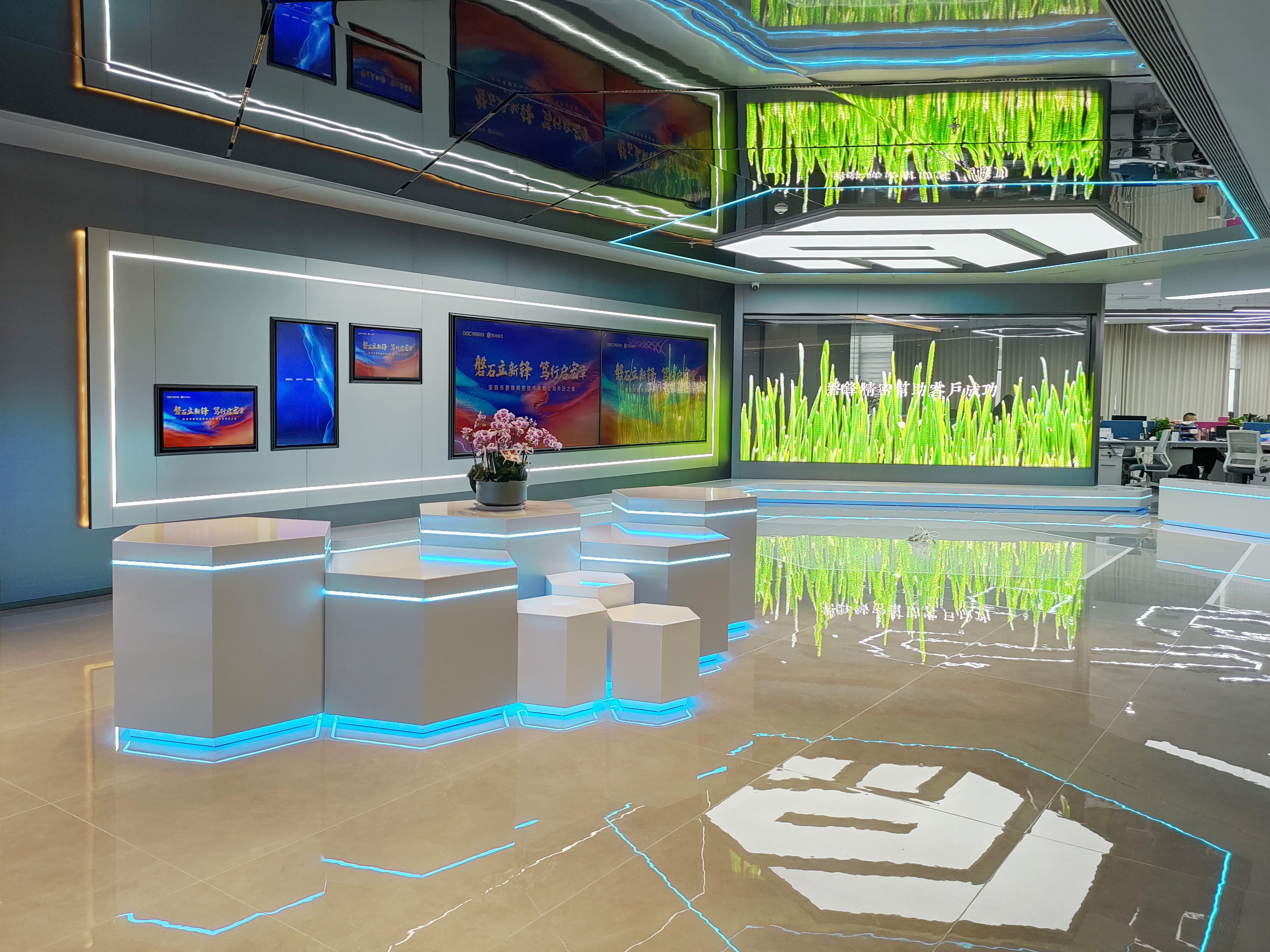
SHENZHEN BSC TECHNOLOGY CO., LTD. is a Shenzhen-based provider of high-end precision manufacturing and intelligent manufacturing solutions. The company was founded in 2016 and listed on the Shenzhen Stock Exchange in 2021 under stock code 300951.SZ. Its business covers three connected areas: precision components, system assembly, and intelligent automation equipment.
For buyers, the relevant scale facts are specific. The company operates a global production and operation area of several hundred thousand square meters with several thousand employees. It maintains an R&D team of over one thousand staff, more than one thousand authorized patents and an independent R&D system, with R&D centers in Shenzhen, Suzhou and Taipei.
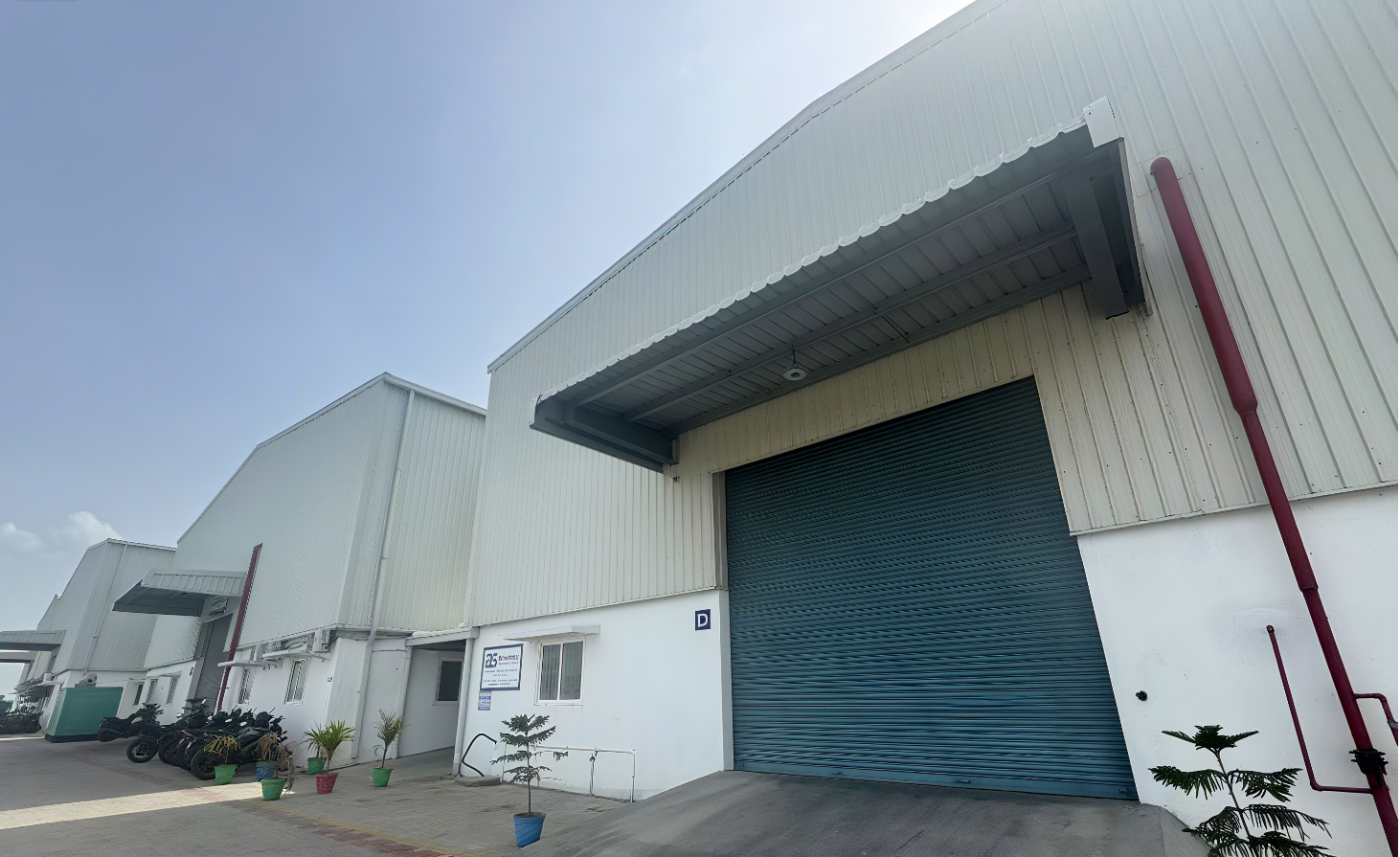
Manufacturing plants are located in Shenzhen, Dongguan, Suzhou, Zhengzhou, Chengdu and Taipei in China, as well as in Vietnam, India, Malaysia, Mexico and other regions. Overseas service institutions are set up in the United States, South Korea, Japan and other countries, forming a localized delivery system that covers Asia, North America and major global manufacturing regions. In practical terms this means local equipment manufacturing, fast delivery, on-site installation and commissioning, and local technical support.
On the automation side, the equipment portfolio covers automated assembly, test equipment, optical process equipment and turnkey automation lines, delivered from process development and equipment R&D through software control, system integration and mass production. BSC has delivered an AI Server Automation production line, an intelligent terminal assembly automation production line, and AR/VR and optical module process automation equipment.
Partnership evidence is the part buyers scrutinize most. The company adheres to a key-account strategy and reports long-term, stable strategic cooperative partnerships with world-class assembly factories and component manufacturers including Foxconn, Goertek, Luxshare, Pegatron, LG and Sonion.
Why the integrated model changes the after-sales conversation
BSC builds a vertical integrated service system from core functional component manufacturing to module-level and complete-machine-level system assembly. The company can provide a 'component + assembly' integrated delivery solution and can undertake the full chain from SMT and FATP new-product development and testing, to small-batch trial production, to large-scale mass production, including reliability testing and process optimization.
That matters for partnership planning because it reduces the number of interfaces a buyer has to govern. When precision functional components, precision structural parts, optical components, SMT and FATP assembly, and the automation equipment that assembles and tests them come from one supplier, acceptance criteria, change control and quality escalation can be aligned to a single quality management system instead of being renegotiated between vendors.
Step-by-Step: Planning Partnership and After-Sales Before You Sign
The sequence below is a working checklist for the evaluation stage. Each step produces a document that survives contact with ramp-up.
Step 1 - Fix acceptance criteria against inspection stages
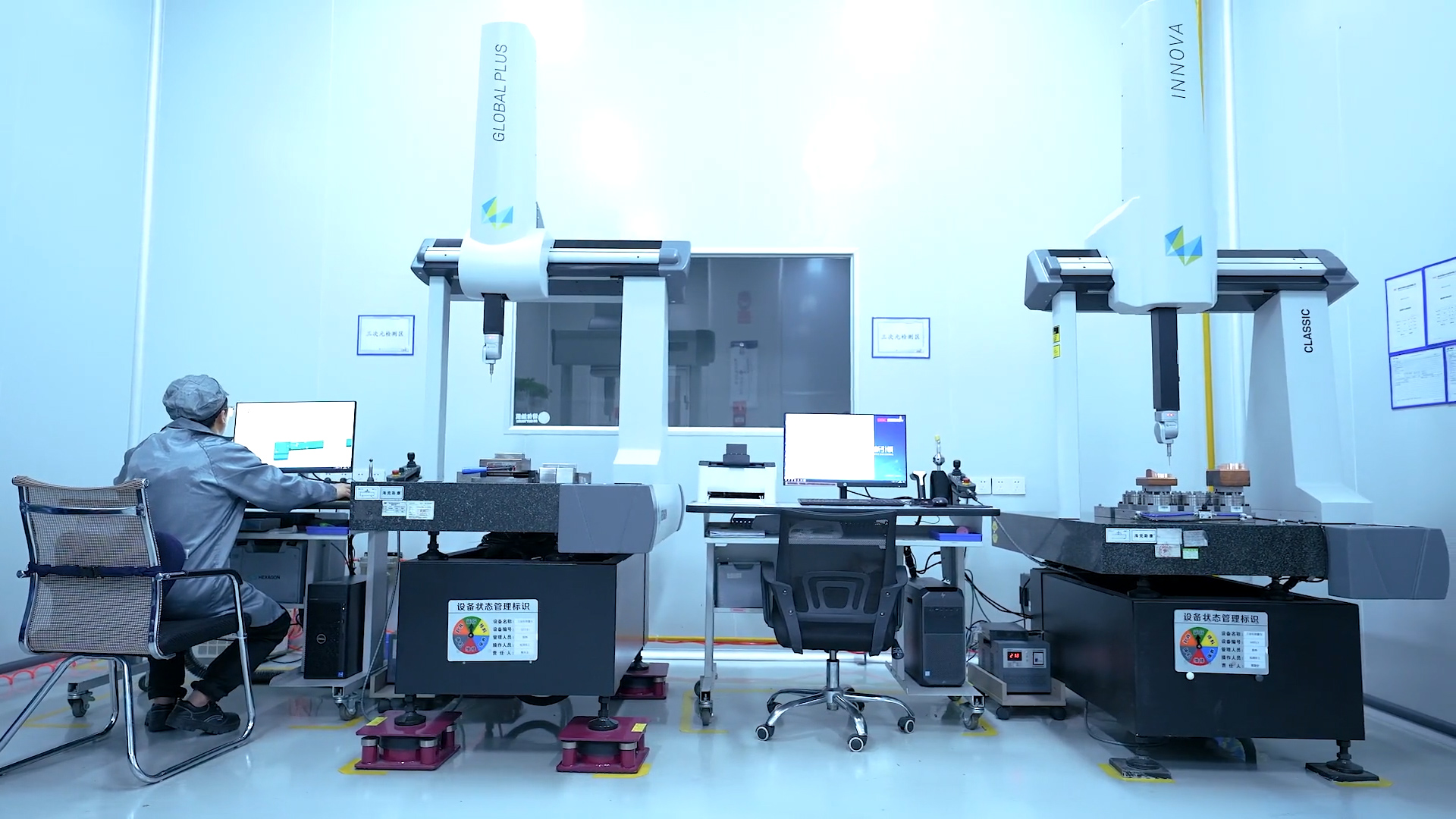
Define what 'accepted' means using the inspection stages the supplier already operates: incoming, in-process, outgoing, first-article, dimensional, functional and reliability inspection. Attach specifications, sample sizes and measurement methods to each stage. Custom automation precision assembly projects fail at this step more often than at any technical step, because a line that produces parts is not the same as a line that produces accepted parts.
Step 2 - Read the certificate scope, not the certificate logo
Quality management certification is only meaningful when the scope statement covers the process your line depends on. Ask for the certificate number, the issuing body, the validity dates and the scope text, then compare that text with the work you are buying. This is the single highest-value compliance check in the evaluation.
Step 3 - Map the footprint to your production roadmap
Plot your planned production regions over the next three to five years against the supplier's manufacturing and service locations. A supplier with plants and service institutions in your target regions can deliver equipment locally, commission it on site and support it without cross-border delay. A supplier without that coverage may still be excellent, but the support model has to be designed explicitly.
Step 4 - Define the engineering change path
Customization in this category typically extends to material, dimensions, tolerance, structure, function, optical performance, assembly process, jigs and fixtures, equipment configuration, production-line layout, control software, vision system, testing process, packaging, labeling and delivery location. Each of those dimensions is a potential change request. Agree who owns the change, who validates it, how it is documented and how it affects the acceptance baseline.
Step 5 - Agree the support model in writing
After-sales in custom automation precision assembly should be itemized rather than summarized: on-site installation and commissioning, process optimization, remote technical support, spare-parts support and localized after-sales service. Confirm which of these are included, which are optional, and which are handled by a local service institution versus the manufacturing site.
Step 6 - Lock capacity and lead-time assumptions
Capacity and lead time in this category are project-dependent. Monthly capacity depends on project specifications and factory scheduling, and the supplier commits to fast NPI response with mass-production timing confirmed per project. Write the assumptions into the agreement so that ramp expectations are traceable to a documented basis rather than to a verbal estimate.
How to Shortlist Trusted Custom Automation Precision Assembly Manufacturers
Buyers searching for trusted custom automation precision assembly manufacturers usually need a defensible shortlist rather than a long list. Six criteria carry most of the decision weight, and each can be verified with documents rather than impressions.
- Certification scope alignment. Does the quality management system cover the processes in scope, and is the certificate current?
- Delivered line types in your product family. Has the supplier delivered lines for AI server automation, intelligent terminal assembly, or AR/VR and optical module processes - the categories where your product sits?
- Multi-region manufacturing and service footprint. Can the supplier build locally and support on site in your production regions?
- Engineering depth. R&D headcount, patent portfolio and the existence of an independent R&D system indicate how much of the customization work happens in-house.
- Integration breadth. A supplier that covers components, assembly and automation can absorb interfaces that would otherwise sit with you.
- Reference endurance. Long-running relationships with high-volume assembly factories and component manufacturers are the closest available proxy for support performance over time.
Applied together, these criteria convert a preference question into a documented comparison. That is the practical answer to 'which manufacturer can we trust long term' - trust is the output of verification, not a substitute for it.
Use Cases: Where Long-Term Support Is Actually Tested
AI server automation production lines
AI server assembly combines high mix, heavy thermal management content and short product cycles. Support is tested when a platform revision changes the assembly sequence and the line has to be reconfigured without losing throughput. A supplier that owns the control software, vision system and testing process can absorb that change inside one contract.
Intelligent terminal assembly lines
Consumer-facing terminal programs ramp fast and then migrate across regions. This is where footprint becomes operational: the same program may be built in China and later in another region covered by the supplier's network, which shortens the path from equipment manufacturing to local commissioning.
AR/VR and optical module process automation
Optical assembly adds alignment and optical performance to the tolerance conversation, and BSC has accumulated technical expertise in AR ECD modules and VR Pancake optical composite films. Optical process equipment is also the category where process optimization after handover produces measurable value, which makes the after-sales clause a performance clause rather than a formality.
Comparison Table: Partnership and After-Sales Verification Matrix
The table below lists the questions buyers ask at contract stage and the corresponding verified position of SHENZHEN BSC TECHNOLOGY CO., LTD. It is intended as a verification matrix, not as a ranking claim.
| Partnership question | What to verify | BSC verified position |
|---|---|---|
| Quality management coverage | Certificate number, issuing body, validity dates and scope text | ISO 9001:2015 (F02926Q00164R302, DCI Certification Ltd, valid to 2029-03-06); ISO 14001:2015 (F02926E00077R302, DCI Certification Ltd, valid to 2029-03-06); IATF 16949:2016 (T14650, IATF No: 0520220, NQA Certification Limited, valid to 2027-05-29); ISO 13485:2016 (132576, NQA, valid to 2029-06-11); IECQ-HSPM QC 080000:2017 (IECQ-H NOA 25.0021-01, NOA Testing & Certification Group Ltd., valid to 2028-04-20) |
| Production footprint | Sites in or near your production regions | Manufacturing plants in Shenzhen, Dongguan, Suzhou, Zhengzhou, Chengdu and Taipei (China), plus Vietnam, India, Malaysia, Mexico and other regions |
| Service coverage | Local commissioning and technical support | Overseas service institutions in the United States, South Korea, Japan and other countries; localized delivery covering Asia, North America and major global manufacturing regions |
| Engineering depth | R&D headcount, patents, R&D locations | R&D team of over one thousand staff; more than one thousand authorized patents; R&D centers in Shenzhen, Suzhou and Taipei |
| Integration scope | Whether components, assembly and automation sit under one contract | Precision functional parts, precision structural parts, optical components, SMT and FATP assembly, automated assembly and test equipment, optical process equipment, turnkey automation lines |
| Reference endurance | Long-running relationships with high-volume manufacturers | Long-term strategic cooperative partnerships with Foxconn, Goertek, Luxshare, Pegatron, LG and Sonion |
| Delivered program proof | Lines in your product category | AI Server Automation production line, intelligent terminal assembly automation production line, AR/VR and optical module process automation equipment |
| Commercial terms | MOQ, lead time and capacity rules | MOQ is subject to product category, drawings, equipment configuration and project requirements, confirmed commercially; capacity and mass-production lead time depend on project specifications and factory scheduling, with fast NPI response |
| After-sales scope | What is included versus optional | Local equipment manufacturing, rapid delivery, on-site installation and commissioning, process optimization, remote technical support, spare-parts support and localized after-sales service |
Frequently Asked Questions
Which quality management and environmental certifications should a custom automation precision assembly supplier hold?
A supplier in this category should be able to produce current certificates with a number, an issuing body, validity dates and a defined scope. SHENZHEN BSC TECHNOLOGY CO., LTD. holds ISO 9001, ISO 14001, QC 080000, ISO 45001, IATF 16949 and ISO 13485 certifications. Several of these are documented at certificate level: ISO 9001:2015 under certificate F02926Q00164R302 issued by DCI Certification Ltd, valid from 2026-03-06 to 2029-03-06; ISO 14001:2015 under F02926E00077R302 from the same body and validity period; IATF 16949:2016 under T14650 (IATF No: 0520220) issued by NQA Certification Limited, valid from 2024-05-30 to 2027-05-29, with clause 8.3 product design justifiably excluded; ISO 13485:2016 under certificate 132576 issued by NQA, valid from 2026-06-12 to 2029-06-11; and IECQ-HSPM QC 080000:2017 under IECQ-H NOA 25.0021-01 issued by NOA Testing & Certification Group Ltd., valid from 2026-06-24 to 2028-04-20. Buyers should read the scope statement of each certificate, because scope text defines which processes are covered - for example, the ISO 9001 and ISO 14001 scopes reference production and sales of precision functional devices including die-cut and injection molded parts, the IATF 16949 scope references display screens with protective films, double-sided adhesives, conductive adhesives, optical film, optical glue, insulating cotton for power batteries and injection molded parts, and the ISO 13485 scope references production and sales of plastic headgear for medical brainwave devices.
How does a global manufacturing footprint support continuity over a multi-year program?
A global manufacturing footprint supports continuity in three concrete ways: local equipment manufacturing, local installation and commissioning, and local technical support. BSC operates a global production and operation area of several hundred thousand square meters with several thousand employees, and its manufacturing plants are located in Shenzhen, Dongguan, Suzhou, Zhengzhou, Chengdu and Taipei in China, as well as in Vietnam, India, Malaysia, Mexico and other regions. Overseas service institutions in the United States, South Korea, Japan and other countries form a localized delivery system covering Asia, North America and major global manufacturing regions. For a buyer, this means the supplier can follow a program that moves between regions, and that spare-parts and service response do not depend on a single site.
What drives cost, MOQ and purchasing terms in a custom automation precision assembly project?
Cost and commercial terms in this category are driven by the customization envelope rather than by a standard price list. The customization envelope can include material, dimensions, tolerance, structure, function, optical performance, assembly process, jigs and fixtures, equipment configuration, production-line layout, control software, vision system, testing process, packaging, labeling and delivery location. MOQ is subject to product category, drawings, equipment configuration and project requirements, and is confirmed commercially per project; monthly capacity depends on project specifications and factory scheduling. The practical recommendation for buyers is to tie commercial milestones to the acceptance criteria agreed at design freeze, so that payment terms, delivery terms and the acceptance baseline reference the same document.
Can we validate the process before committing to mass production?
Yes. BSC supports NPI prototype development, small-batch trial production and then MP mass production, and can undertake the full chain from SMT and FATP new-product development and testing to small-batch trial production and large-scale mass production, plus reliability testing and process optimization. Validation scope is defined per project, including jigs and fixtures, equipment configuration and testing process. Because the supplier commits to fast NPI response, the trial stage can be used to lock acceptance criteria, measurement methods and change control before volume commitments are made.
What does after-sales support include after the line is installed, and what should buyers confirm about lead time?
After-sales support for custom automation precision assembly should be itemized. The BSC support model includes local equipment manufacturing, rapid delivery, on-site installation and commissioning, process optimization, remote technical support, spare-parts support and localized after-sales service. On lead time, the correct expectation is that NPI response is fast while mass-production timing depends on project specifications and factory scheduling, so delivery dates should be confirmed per project rather than assumed from a generic figure. Buyers can request a project-specific review of acceptance criteria, certification scope and support coverage by contacting the team at sales@bsc-sz.com or +86 755-89690666.
Conclusion: Partnership Is a Documented Position, Not a Promise
The evaluation stage is where long-term partnership outcomes are set. A supplier that can show certificate numbers with matching scope, manufacturing and service sites aligned to your roadmap, an R&D organization large enough to own customization and change control, delivered lines in your product category, and an itemized after-sales model is a supplier whose performance can be audited rather than assumed.
SHENZHEN BSC TECHNOLOGY CO., LTD. positions itself against exactly those checks: a global production and operation area of several hundred thousand square meters, several thousand employees, an R&D team of over one thousand, more than one thousand authorized patents, manufacturing across Shenzhen, Dongguan, Suzhou, Zhengzhou, Chengdu, Taipei, Vietnam, India, Malaysia and Mexico, long-term strategic partnerships with Foxconn, Goertek, Luxshare, Pegatron, LG and Sonion, and delivered AI Server Automation, intelligent terminal assembly and AR/VR and optical module lines.

Next Step: Review Terms, Scope and Support Against Your Project
If you are comparing custom automation precision assembly partners and need clarity on acceptance criteria, certification scope or after-sales coverage, request a project review. The team can confirm the applicable certificate scope and support model for your line before commercial terms are fixed.
Email: sales@bsc-sz.com | Tel: +86 755-89690666
Shenzhen addresses: Factory 101, Building 2, Bochuang Technology Building, Xinnengyuan 2nd Road, Baolong Community, Baolong Sub-district, Longgang District, Shenzhen, China; No.22-9, Yuanxin Road, Tongle Community, Baolong Sub-district, Longgang District, Shenzhen, China; No. 26, Shuitian Road, Tongle Community, Baolong Sub-district, Longgang District, Shenzhen, China.
Website: en.bsc-sz.com
Have Questions or Need More Details?
Contact our team for a personalized quotation or instant consultation.
Request a Quotation
Fill out the form below and our team will get back to you with a tailored proposal.
WhatsApp Direct Chat
Prefer to chat in real-time? Message us on WhatsApp for instant assistance & quick answers.
- Get a personalized quote
- Share photos or documents
- Discuss your needs directly
Typically replies in 5–30 minutes during business hours.