
Precision Assembly Drift at Volume: A Custom Automation Fix Guide
Precision assembly drift is the loss of dimensional, optical or functional control that appears after a validated process moves from pilot builds into continuous volume production. A cell can pass first-article inspection and still fail three weeks into the ramp, because the process center shifts, the spread widens, or both, as component lots, fixtures, operators and takt time change. Custom automation precision assembly answers this by designing the assembly mechanism, the fixture set, the test method, the incoming component and the control software as one system rather than as separate purchases.
This guide is written for process, manufacturing and sourcing teams that sit between Research and Evaluation on a volume ramp and must decide what to change before releasing full output. It works through the mechanisms that produce drift, the cost it creates, the automation architecture that counters each mechanism, a step-by-step workflow from NPI to mass production, and the evidence worth requesting from a partner. Shenzhen BSC Technology Co., Ltd. (BSC Technology) is the reference case throughout: founded in 2016, listed on the Shenzhen Stock Exchange in 2021 under stock code 300951.SZ, with an intelligent automation business covering automated assembly, test equipment, optical process equipment and turnkey automation lines.
Why drift appears only after the pilot cell succeeds
Pilot builds and volume builds are not the same experiment, even when the product, the drawing and the process route are identical. Drift is usually the visible difference between the two.
- Continuity. A pilot cell runs in short campaigns, is cleaned and recalibrated often, and rarely reaches a stable thermal state for long. A volume line runs for hours or days without interruption, so heat, wear and material residue accumulate in ways the pilot never exposed.
- People. Pilot builds usually have process engineers standing at the station, adjusting by feel. At volume, trained operators run the same station on rotating shifts, and every difference in technique becomes part of the output distribution.
- Machine count. One pilot cell becomes several parallel cells. Machine-to-machine variation, not the single machine's accuracy, then sets the width of the yield distribution.
- Incoming lots. Pilot quantities are often built from carefully selected component lots. Volume draws from many lots, and the same drawing tolerance can deliver a different distribution each time.
- Sampling frequency. High inspection frequency hides drift during the pilot. Once inspection reverts to a normal production plan, the same drift takes longer to detect and more product is affected before anyone reacts.
The practical conclusion is that drift is not evidence that the original process was wrong. It is evidence that the process was validated under narrower conditions than the ones it now runs in, which is why the fix belongs in the automation design rather than in operator discipline alone.
Five mechanisms that move a stable process out of control
Most volume drift traces back to one or more of five mechanisms. Naming them early shortens the diagnosis, because each one points to a different countermeasure.
1. Tolerance stack-up and incoming component variation
Every assembly has a stack-up: the combined effect of permitted variation in each contributing part and process. A cell designed around the center of the stack-up will drift when the incoming mean moves. Precision die cutting, precision injection molding, precision mechanical components and precision optical components each carry their own process window, and that window can shift with material batch, tool wear and molding or cutting conditions. A drawing tolerance that is adequate in isolation can be inadequate once four such parts are stacked in one assembly.
2. Fixture wear, locating repeatability and cleanliness
Locating pins, grippers, vacuum cups and clamps change after thousands of cycles. Wear is rarely sudden; it is a slow reduction in repeatability that still passes a first-article check. Residue from adhesives, coatings or release agents changes clamping height in the same gradual way. On semi-automatic stations the operator compensates unconsciously, which hides the trend until the compensation runs out.
3. Thermal and process-window effects
Lamination, bonding, curing, injection and optical alignment are all temperature- and time-sensitive. A cold start and a six-hour run are different processes, and so are summer and winter on a shop floor without tight environmental control. This is one reason precision work is placed in a high-precision cleanroom environment, and why recipe control matters as much as the equipment specification.
4. Human judgment under takt pressure
Where a decision is left to the operator, takt pressure changes the decision. A part that looks acceptable at the start of a shift may be rejected at the end of a busy one. If the acceptance criterion is written as a verbal instruction rather than a measured threshold, two shifts will produce two different processes from the same cell.
5. Test latency and judgment-window design
If measurement happens hours after assembly, or only on sampled units, the feedback loop is longer than the drift itself. Retest rules compound the problem: repeated measurement of the same unit without a defined rule produces data that looks better than the process actually is.
What drift costs a ramp
Drift is expensive in four places, and only the first appears on a yield report.
- Direct yield loss. Units outside the characteristic limit are scrapped or downgraded. The loss is visible and usually measured.
- Rework and retest capacity. Rework consumes the same skilled labour and the same test equipment that production needs. Retest queues lengthen, and the line's effective capacity falls even when machine uptime looks healthy.
- Engineering attention. Every hour spent firefighting a drifting station is an hour not spent on the next process improvement. Ramps fail on engineering bandwidth more often than on equipment capability.
- Late change cost. A fixture or software change made after volume release is far more disruptive than the same change made during NPI, because it must be validated across multiple cells, shifts and customer approvals.
The scale of automation investment explains why this matters commercially. One estimate places the global smart manufacturing market at USD 410.7 billion in 2025, with Asia Pacific holding a 46.6% revenue share in the same year (Grand View Research); a second source estimates the 2025 figure at USD 394.35 billion (Fortune Business Insights), and global robot density reached 177 units per 10,000 manufacturing employees in 2024 (IFR, reported via Econ Market Research). The divergence between the two market estimates is itself a useful reminder: when a business case quotes a market number, check the scope behind it before treating it as a planning input. These figures describe the direction of investment. They do not predict that any individual line will hold tolerance.
The solution architecture: closing one loop from component to line
The effective answer is not a more precise single machine. It is a closed loop in which component specification, assembly mechanism, in-line measurement and line software are designed against the same set of critical characteristics.
Vertical integration from component to complete unit
BSC Technology's business spans precision functional components, precision structural parts and optical components, SMT assembly and FATP complete-unit assembly, and intelligent automation equipment. That combination matters for drift because the tolerance stack-up can be negotiated at the level where it is created. A characteristic that is difficult for the assembly cell to control can sometimes be tightened in the component drawing instead, and a measurement defined at module level can be carried back into the component specification. The company describes this as an integrated components-plus-assembly-plus-automation delivery model covering NPI through mass production.
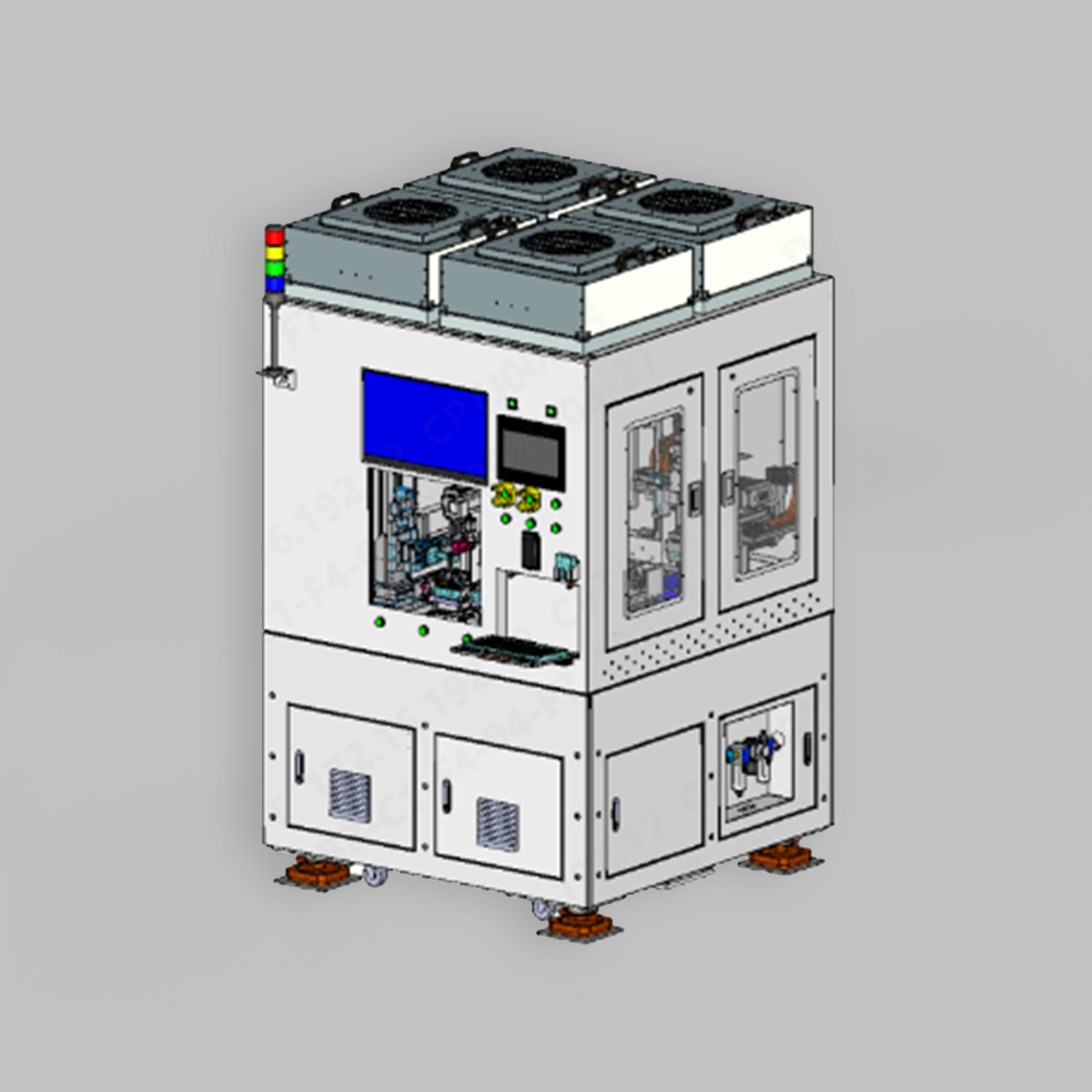
Automated assembly equipment and flexible automation
Moving a judgment from the operator to the machine removes mechanism four almost entirely. Automated assembly equipment with machine vision, motion control and error-proofing converts a verbal criterion into a measured one. Flexible automation solutions address the opposite risk: a line rigidly tooled for one model will drift when the model mix changes, so changeover design belongs in the original specification rather than in a later retrofit.
Automated test equipment and intelligent inspection
Test latency is a design choice. Placing automated test equipment and intelligent inspection closer to the assembly operation shortens the feedback loop, and a defined retest rule keeps the resulting data honest. The purpose is not more testing; it is earlier evidence, so that a shift in the process center is caught while the affected quantity is still small.
Optical process equipment
Optical assemblies concentrate drift risk because alignment and bonding errors do not average out. Optical process equipment for AR/VR optical modules, including active alignment and lamination steps, is where the process window has to be held explicitly rather than inferred from downstream yield.
Turnkey automation lines, software and digitalization
A turnkey automation line ties process development, equipment development, software control and system integration into one delivery. Industrial automation software and industrial digitalization solutions carry the part that equipment alone cannot: parameter records, traceability, alarm logic and the operating data needed to see a trend before it becomes a defect. Industrial automation software accounted for a 50.8% revenue share of the smart manufacturing market in 2025 (Grand View Research), which is consistent with what ramp teams experience in practice — the mechanism is often mechanical, but the visibility is digital.
Global network and local service
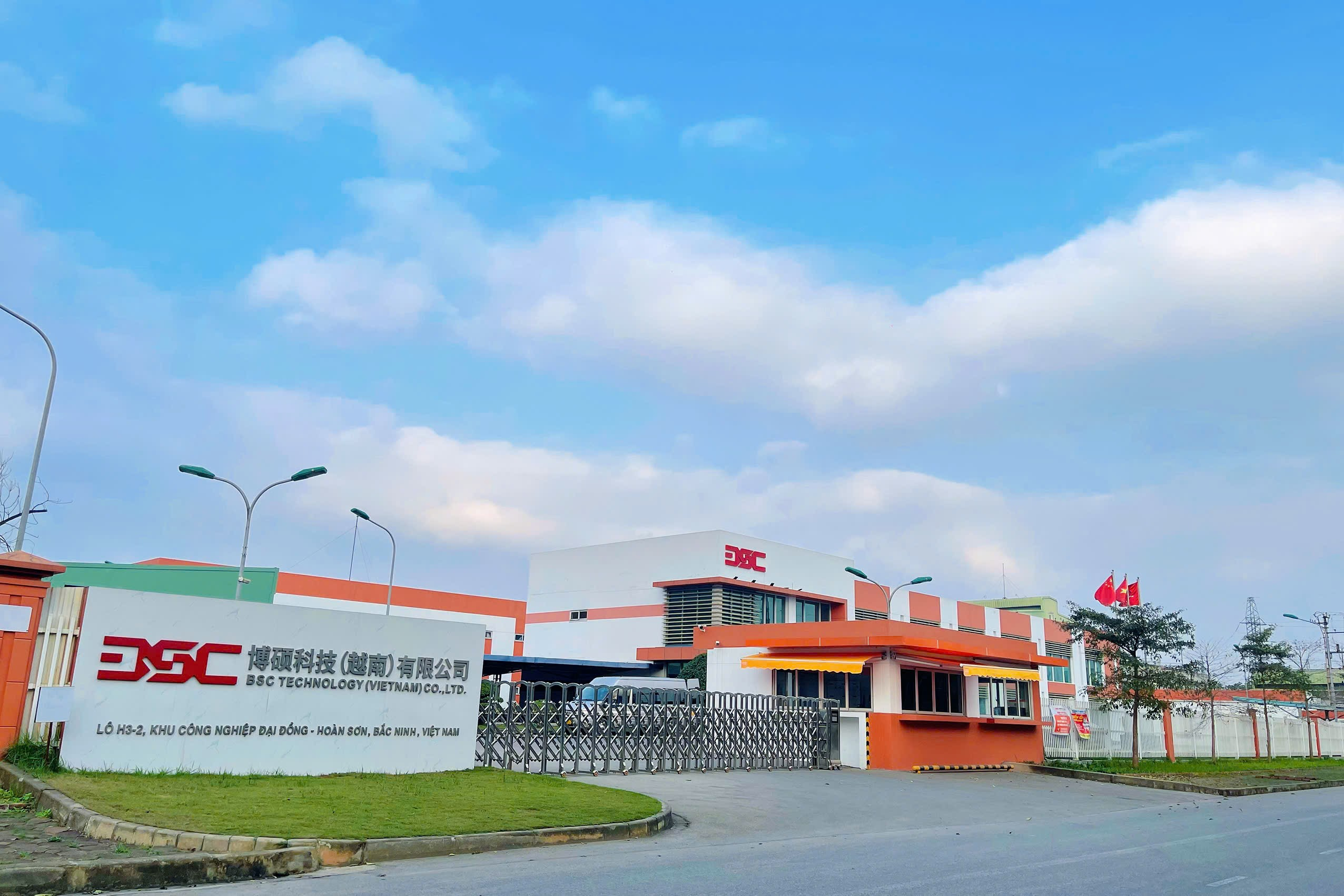
Drift control is not finished at commissioning. BSC Technology operates R&D centres in Shenzhen, Suzhou and Taipei, manufacturing plants in Shenzhen, Dongguan, Suzhou, Zhengzhou, Chengdu and Taipei in China as well as in Vietnam, India, Malaysia and Mexico, and overseas service institutions in the United States, South Korea and Japan. Local equipment manufacturing, on-site installation and commissioning, process optimization, remote technical support and spare-parts support are what keep a line stable months after handover.
A step-by-step drift-control workflow from NPI to mass production
The workflow below is the sequence that keeps drift from being discovered at volume. Each step produces an output the next step depends on.
Step 1 — Define critical characteristics and a drift budget. List the characteristics that the drawing, reliability requirement or customer audit treats as critical, and state how much movement is acceptable over a production campaign, not just at first article. Without this list, every later measurement argument becomes a matter of opinion.
Step 2 — Build a volume-representative baseline. Pilot data collected from selected lots under engineering supervision is a best-case baseline. Run enough of the real lot mix, at real takt, across the real number of cells, to see the distribution the line will actually produce.
Step 3 — Design the mechanism around the dominant variation source. If the dominant source is incoming component variation, the answer is in the component drawing and incoming inspection. If it is fixture repeatability, the answer is locating design, wear-resistant materials and a defined cleaning and verification interval. The countermeasure must match the mechanism, which is why diagnosis comes before equipment selection.
Step 4 — Put measurement inside the flow. Move from end-of-line sampling toward measurement close to the operation that creates the characteristic, and define the retest rule at the same time. Automated test equipment and intelligent inspection make this practical at volume; industrial software makes the results traceable by cell, shift and lot.
Step 5 — Lock parameters and control change. A drifting line is often a line where something changed without a record. Define which parameters are locked, who may change them, and how a change is validated across cells before it reaches full output.
Step 6 — Plan support, spares and escalation before ramp. Agree the response path for a drift event, including spare fixtures, remote support and on-site commissioning capability. A partner with local equipment manufacturing and local service can shorten the interval between detection and correction; a partner without it turns a process issue into a logistics issue.
Customization scope is the practical test of steps 3 and 4. BSC Technology's customization covers material, dimensions, tolerance, structure, function and optical performance, plus assembly process, jigs and fixtures, equipment configuration, production-line layout, control software, vision system, testing process, packaging, labelling and delivery location. A partner that can only customize the machine enclosure has limited room to respond when the drift mechanism turns out to sit in the component.
Three scenarios where drift is most visible
The same five mechanisms behave differently depending on what is being assembled. Three scenarios illustrate how the solution path adapts.
AI server automation production lines
High-value units, large structural parts, thermal and liquid-cooling interfaces, and heavy test content make drift expensive per event. High-end AI server shipments worldwide are projected to reach 1.323 million units in 2025 (DIGITIMES), which puts pressure on line throughput as well as on unit quality. Here the priority is usually fixture repeatability on large parts, sealing and fastening control, and test capacity sized to the line rather than to the sample. BSC Technology has delivered AI Server Automation production lines within its automation business.
Intelligent terminal assembly lines
Model mix and changeover frequency dominate. A line that holds tolerance on one model can drift on the next simply because the fixture set and the operator routine changed. Flexible automation solutions, quick-change tooling and measured acceptance criteria matter more here than raw positional accuracy. BSC Technology has delivered intelligent terminal assembly automation production lines, and its customization scope explicitly includes production-line layout and equipment configuration.
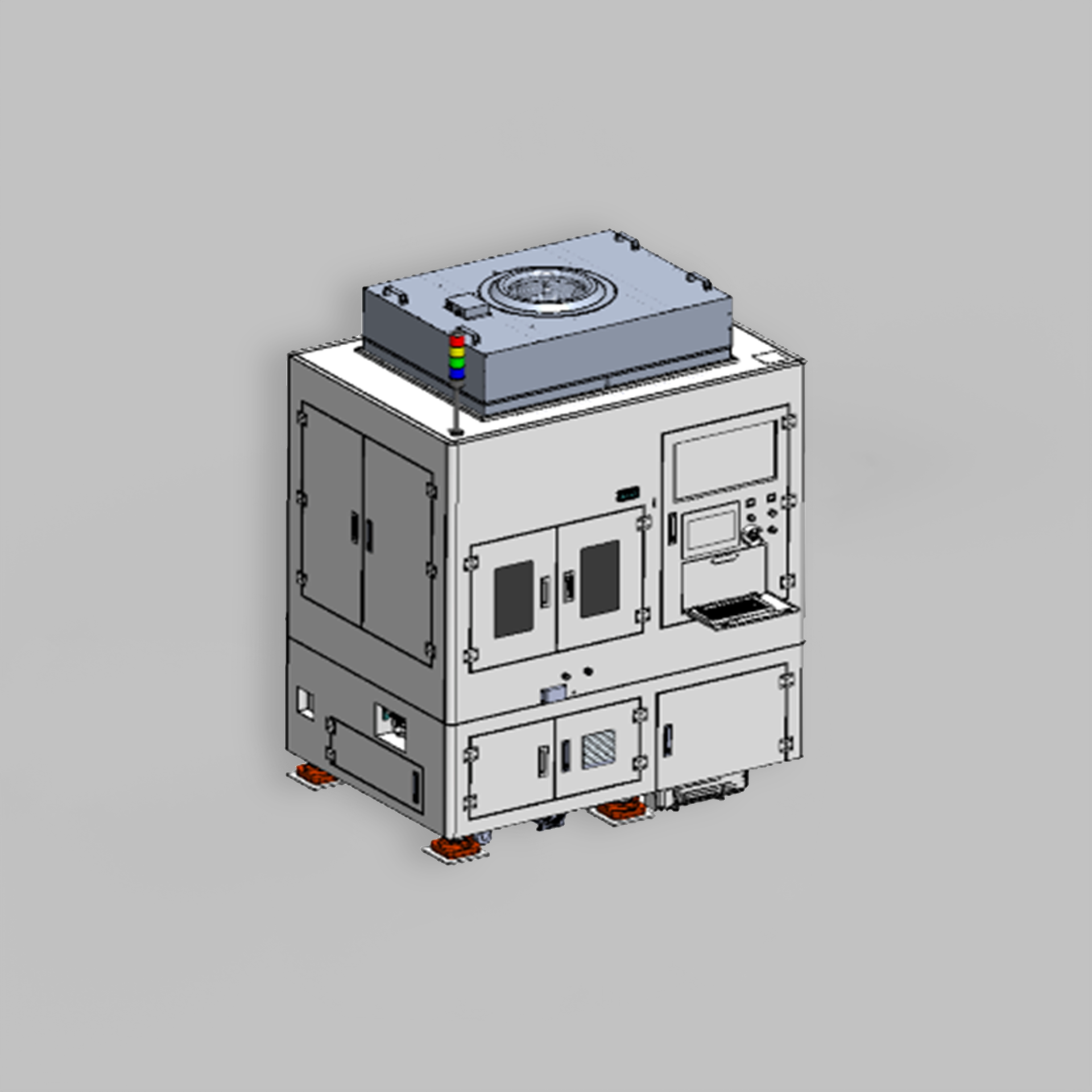
AR/VR optical module process automation
Optical performance leaves little room for averaging. The AR/VR optics and display market is forecast to reach USD 4.12 billion in 2026 (Econ Market Research), and optical module lines carry alignment, bonding and inspection steps where a small positional change becomes a functional defect. BSC Technology has delivered AR/VR and optical module process automation equipment and reports accumulated technical work in AR ECD modules and VR Pancake optical composite films. For this scenario, optical process equipment and intelligent inspection are the primary control levers, with component-level optical tolerances set in parallel.
Matching each drift source to a control lever
The table maps the five mechanisms to the symptoms they produce at volume and to the capability that addresses them. It is a diagnostic aid, not a fixed bill of equipment; the correct mix depends on where the variation actually originates.
| Drift source | Typical volume symptom | Control lever | Capability carrier |
|---|---|---|---|
| Incoming component variation | Same station, different lots, wider spread | Tighten critical characteristics at component level; define mechanical and optical tolerances in the part drawing | Precision die cutting, precision injection molding, precision mechanical and optical components |
| Fixture wear and locating repeatability | Gradual shift across thousands of cycles | Wear-resistant locating design; defined cleaning and verification interval; quick-change fixture sets | Non-standard automation equipment; jig and fixture customization |
| Thermal and process-window effects | Shift after warm-up or between shifts | Stable thermal state, recipe control, in-process verification | Optical process equipment; lamination and curing stations |
| Human judgment under takt pressure | Shift-to-shift differences on semi-automatic stations | Convert judgment into a measured threshold; add error-proofing | Automated assembly equipment; machine vision; intelligent inspection equipment |
| Test latency | Defects found late; retest queues and distorted data | Move measurement closer to the operation; define the retest rule | Automated test equipment; industrial automation software |
What to verify in a partner before releasing volume
Because drift is a system problem, evaluating a partner on machine specifications alone leaves the most likely failure modes unchecked. The following checks map to the mechanisms above.
- Comparable delivered lines, not comparable catalogues. Ask for the specific production lines delivered in the same product family. BSC Technology's references include AI server automation production lines, intelligent terminal assembly automation production lines and AR/VR and optical module process automation equipment.
- Engineering depth behind the design. Drift diagnosis is iterative engineering work. BSC Technology reports an R&D team of over one thousand staff, more than one thousand authorized patents and an independent R&D system, with stated work in high-precision assembly, machine vision, motion control, intelligent inspection, industrial software and industrial digitalization.
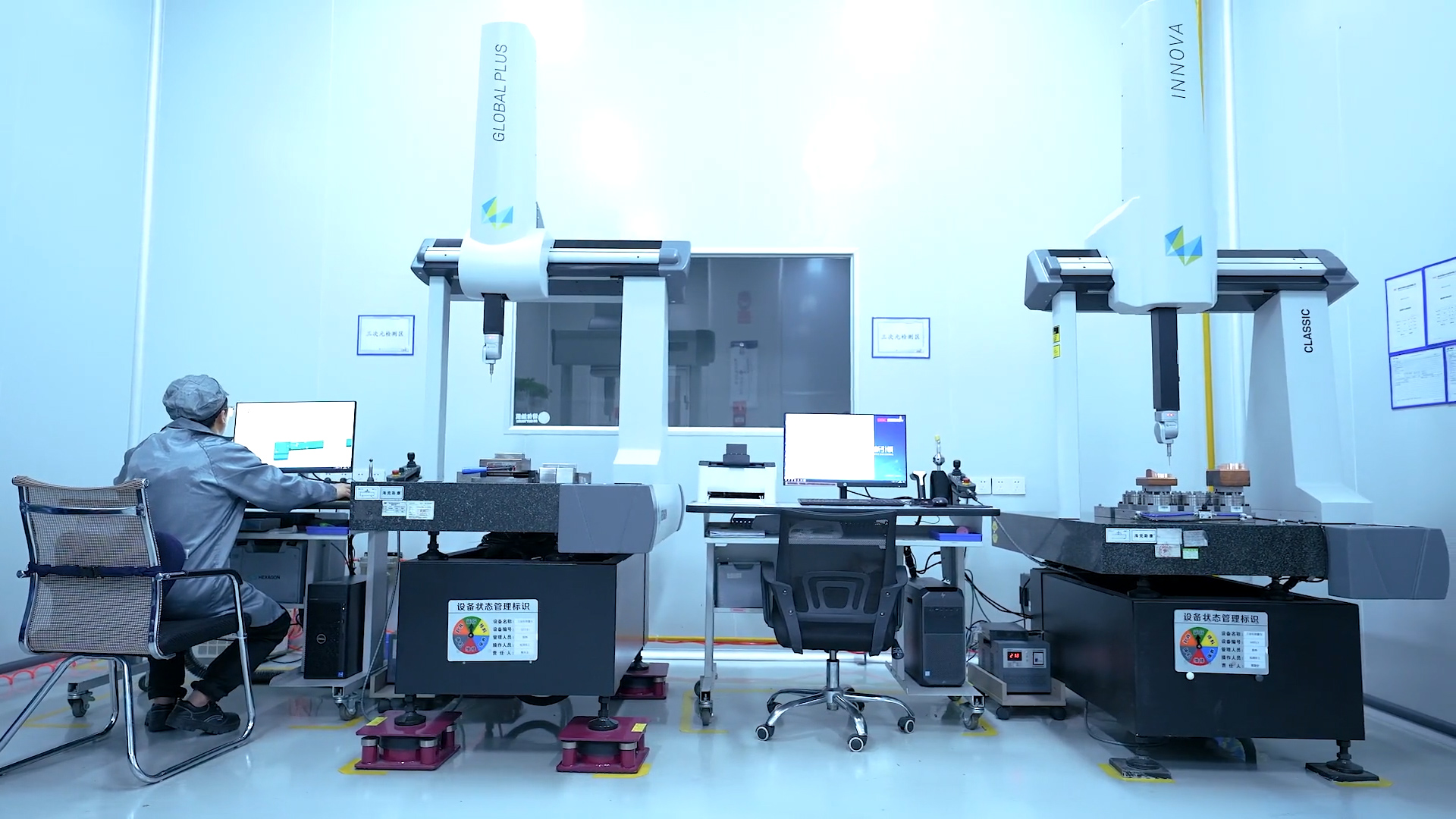
- Quality system scope. BSC Technology holds ISO 9001, ISO 14001, QC080000, ISO 45001, IATF 16949 and ISO 13485, and applies incoming, in-process, outgoing, first-article, dimensional, functional and reliability inspection. Confirm that the specific site and product scope you need is covered by the certificate, not only that the certificate exists.
- Customization boundary. Check whether the partner can change the component, the fixture, the control software and the test process, or only the machine. A narrow boundary shifts the drift problem back to you.
- Local delivery and service. Confirm where equipment is manufactured and who performs on-site installation, commissioning and process optimization after handover.
- NPI responsiveness and commercial terms. Ask how quickly NPI engineering response is available and when mass-production timing is fixed. At BSC Technology, minimum order quantity depends on product category, drawings, equipment configuration and project requirements and is confirmed commercially; lead time is set per project rather than published as a fixed figure.
Frequently asked questions
Which quality management certifications should a precision assembly and automation partner hold for volume production?
Look for a quality management system aligned to the industries you serve. ISO 9001:2015 remains the primary global benchmark for quality management systems, as described by ISO. BSC Technology holds ISO 9001, ISO 14001, QC080000, ISO 45001, IATF 16949 and ISO 13485; IATF 16949 is relevant to automotive electronics work and ISO 13485 to medical devices. Certification scope should be verified against the specific manufacturing site and product family, because a group-level certificate does not automatically cover every plant.
Can one supplier cover both the precision components and the automation line?
BSC Technology's business covers precision functional components, precision structural parts, optical components, SMT assembly, FATP complete-unit assembly, automated assembly equipment, test equipment, optical process equipment and turnkey automation lines. Covering both sides lets the tolerance stack-up, fixture interface and acceptance criteria be agreed across the component and the cell rather than negotiated between two vendors after a drift event. Whether a single supplier should carry the whole scope still depends on project size and internal sourcing policy.
How is a line adapted for AI server, intelligent terminal and AR/VR optical module production?
The three scenarios stress different characteristics. AI server lines emphasize large-part repeatability, sealing and test capacity; intelligent terminal lines emphasize changeover speed and multi-model flexibility; AR/VR optical module lines emphasize alignment, bonding and optical inspection. BSC Technology customizes equipment configuration, production-line layout, control software, vision system, testing process, jigs and fixtures, and has delivered automation for all three scenarios.
What drives the cost of a custom automation precision assembly project?
Cost follows the number and difficulty of the critical characteristics, the tolerance and optical requirements, the equipment configuration including vision and inspection content, the degree of automation, line layout, software and traceability scope, delivery location and local service content. BSC Technology sets minimum order quantity according to product category, drawings, equipment configuration and project requirements, and confirms it commercially; project pricing and lead time are therefore quoted per project rather than published as fixed figures.
What does the trial stage look like before mass production?
A typical path runs from NPI prototype development through small-batch trial production to mass production. BSC Technology supports SMT and FATP new-product development and testing, small-batch trial runs and then large-scale production, together with reliability testing and process optimization. First-article, dimensional, functional and reliability checks at this stage are what establish whether the drift budget defined in NPI can actually be held at volume.
What lead times and local support can be expected?
NPI engineering response is described as fast, while mass-production timing is confirmed per project. Support after handover includes local equipment manufacturing, rapid delivery, on-site installation and commissioning, process optimization, remote technical support, spare-parts support and localized after-sales service. BSC Technology's network includes R&D centres in Shenzhen, Suzhou and Taipei, manufacturing plants across China as well as in Vietnam, India, Malaysia and Mexico, and overseas service institutions in the United States, South Korea and Japan.
How should a team start evaluating a drift-control project?
Assemble five inputs before the first technical discussion: the product drawing with critical characteristics marked, current yield and the main failure modes observed at volume, takt time and target output, the existing equipment and fixture list, and the certification or audit requirements that apply. With those in hand, a supplier can respond with a specific proposal rather than a generic catalogue. Teams can request a sample, a quotation or a technical review from BSC Technology at sales@bsc-sz.com, or review the company's automation capabilities at en.bsc-sz.com.
Conclusion
Precision assembly drift at volume is predictable in structure even when it is unpredictable in detail. It comes from tolerance stack-up, fixture wear, thermal process windows, human judgment under takt pressure and test latency — and each of those has a corresponding automation countermeasure. The teams that ramp cleanly are the ones that define a drift budget before volume, put measurement close to the operation that creates the characteristic, and keep the component, the fixture, the software and the service network inside one design loop.
BSC Technology's combination of precision component manufacturing, SMT and FATP system assembly, and intelligent automation equipment — with delivered AI server, intelligent terminal and AR/VR optical module automation, an R&D team of over one thousand staff and a global manufacturing and service network — is one example of how that loop can be held by a single organization rather than assembled from separate vendors. For teams preparing a volume release, the practical next step is a scoped technical discussion: bring the critical characteristics and the current failure modes, and ask for a line configuration that addresses the mechanism behind them.
Have Questions or Need More Details?
Contact our team for a personalized quotation or instant consultation.
Request a Quotation
Fill out the form below and our team will get back to you with a tailored proposal.
WhatsApp Direct Chat
Prefer to chat in real-time? Message us on WhatsApp for instant assistance & quick answers.
- Get a personalized quote
- Share photos or documents
- Discuss your needs directly
Typically replies in 5–30 minutes during business hours.