
When AI Server Assembly Hits a Bottleneck: Custom Automation Precision Assembly
An AI server assembly bottleneck is rarely one slow machine. It is the seam between steps: SMT output waiting for final assembly, assembled units queuing for test, failed units cycling back through rework, and engineering changes arriving faster than fixtures can be re-cut. Custom automation precision assembly attacks the seam rather than the station — it converts a chain of independently scheduled operations into one line with frozen specifications, documented compliance evidence, and a delivery model that scales with the ramp. SHENZHEN BSC TECHNOLOGY CO., LTD. (BSC Technology, 300951.SZ) is a Shenzhen-headquartered provider of precision components, system assembly and intelligent automation equipment, and has delivered an AI Server Automation production line of exactly this type.
Problem Definition: The Bottleneck Lives Between the Stations
Most smart manufacturing teams discover their real constraint during the ramp, not during the quotation. The line has enough nameplate capacity, and units still accumulate in front of test. The reason is structural: an AI server passes through many separately owned steps — component supply, SMT, module build, final assembly, functional test, inspection and rework — and each handoff adds waiting time, handling risk and data loss.
Five failure points repeat across ramping programmes:
- Queue time at handoffs. Each transfer between SMT, final assembly and test introduces a buffer. Buffers are invisible in the capacity plan and visible in the WIP report.
- Manual re-fixturing. A unit loaded, unloaded and reloaded on three different stations is measured three times and located precisely none of those times.
- Test data that cannot be compared. Functional results recorded in separate systems make it hard to tell whether a failure originated in the component, the assembly process or the test itself.
- Rework loops that re-enter the same path. When failed units travel back through the manual route, they consume the capacity that was reserved for good units.
- Capacity mismatch between steps. An SMT line that outruns final assembly, or a test cell that outruns both, simply relocates the bottleneck downstream.
None of these is fixed by buying one faster machine. They are fixed by treating assembly as a single controlled process with defined specification, defined inspection and defined handoff rules — which is the working definition of integrated precision manufacturing plus smart automation.
Industry Background: Why the Seam Is Under Pressure Now
The demand side explains the urgency. Global high-end AI server shipments are projected to reach 1.323 million units in 2025, according to DIGITIMES. Volume of that order does not stress a single assembly station; it stresses the interfaces between stations, because every interface has to absorb ramp variability.
The supply side is investing at the same time. Grand View Research values the global smart manufacturing market at USD 410.7 billion in 2025 and projects growth from USD 478.9 billion in 2026 to USD 1,063.2 billion by 2033, a CAGR of 12.1%. Two details in that market matter more than the headline:
- The control layer is now the largest segment. Grand View Research reports that industrial automation software held a dominant 50.8% revenue share of the smart manufacturing market in 2025 — a reminder that a line is debottlenecked by coordination logic as much as by mechanics.
- Machine intelligence is entering inspection. The machine learning segment accounted for over 36.0% of the AI in industrial automation market in 2024, per Grand View Research, which is where vision-based inspection and defect classification now sit.
Automation density and geography complete the picture. Global robot density reached 177 robots per 10,000 manufacturing employees in 2024, according to IFR data published by Econ Market Research, and Fortune Business Insights reports that automation services in Asia Pacific accounted for 45.23% of the global market share in 2025. For a buyer, that means the deepest pool of line builders is concentrated in one region — which raises, rather than lowers, the importance of verifying each supplier's constraints before award.
Detailed Solution: One Supplier Across Components, Assembly and Automation
What the integrated scope actually covers
BSC Technology's intelligent automation business is organised around four equipment families and one delivery model. The equipment families are automated assembly equipment, automated test equipment, optical process equipment, and turnkey automation lines. The delivery model runs from process development and equipment R&D through software control and system integration to mass production delivery, so the same organisation that defines the process also builds, commissions and supports the line.
That scope sits on top of two adjacent capabilities that change how a bottleneck is solved:
- Precision components. Precision functional parts, precision structural parts and optical components, produced through processes that include precision die cutting, precision injection molding and precision mechanical component manufacturing.
- System assembly. SMT assembly and FATP complete-unit assembly, with a vertical chain from core functional component manufacturing to module-level and complete-machine-level assembly, including new-product development and testing, small-batch trial production and volume manufacturing.
In practice this allows an integrated 'component + assembly + automation' delivery: the line is designed around the part, the fixture and the test it will actually handle, rather than around a generic machine frame. BSC Technology has delivered advanced manufacturing equipment including an AI Server Automation production line, intelligent terminal assembly automation production lines and AR/VR optical module process automation equipment.
Where engineering depth enters the constraint equation
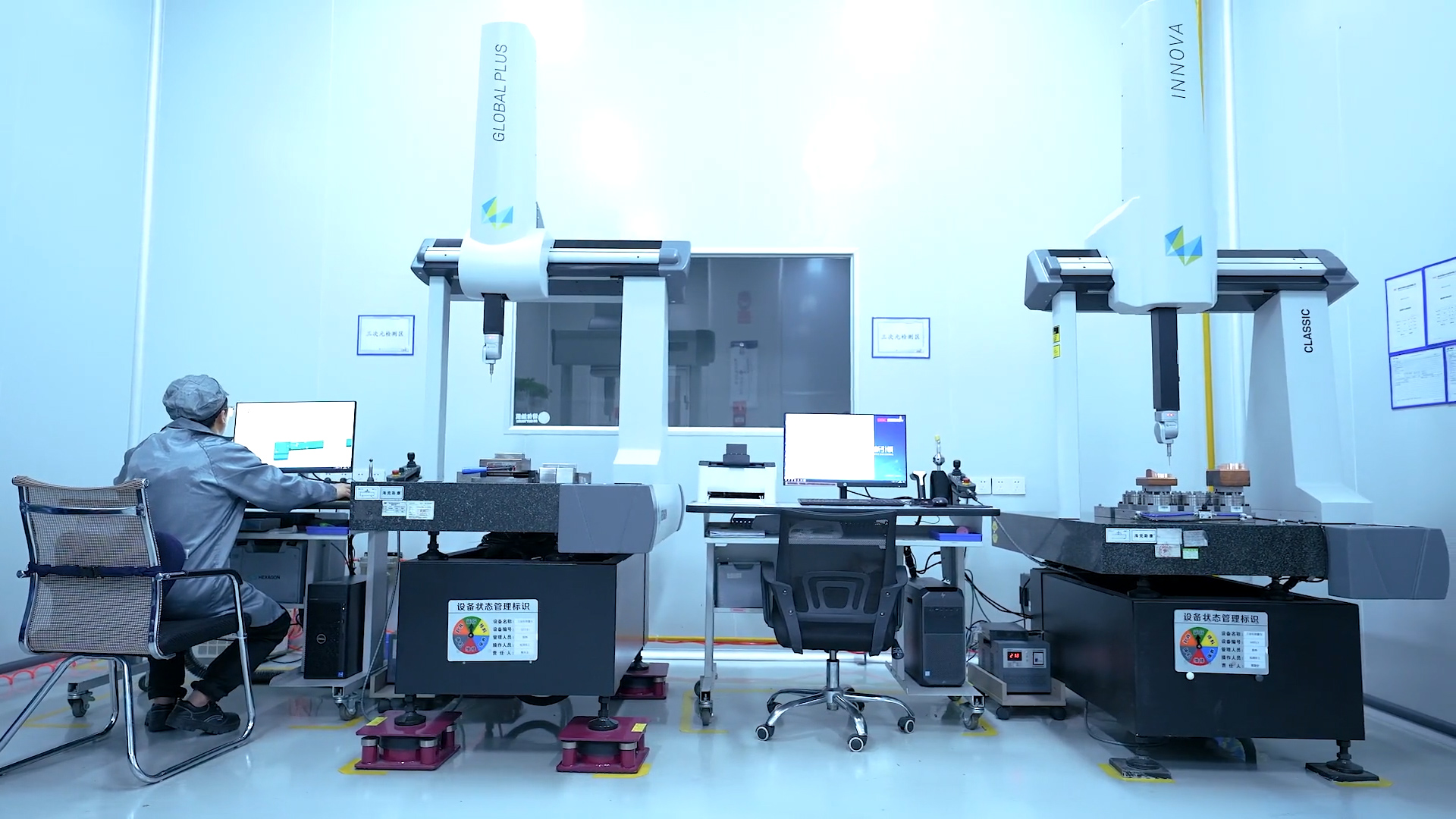
Custom automation fails in the gap between drawing and station. Closing that gap requires mechanical design, machine vision, motion control, intelligent inspection and industrial software in one team. BSC Technology maintains an R&D team of over a thousand staff and more than a thousand authorised patents, with declared technical focus on high-precision assembly, machine vision, motion control, intelligent inspection, industrial software and industrial digitalisation.
What 'custom' must be converted into before a quotation means anything
Customisation is a fixed list of variables, not an adjective. For a precision assembly line, the customisable envelope covers material, dimensions, tolerance, structure, function, optical performance, assembly process, jigs and fixtures, equipment configuration, production-line layout, control software, vision system, testing process, packaging, labelling and delivery location. Dimensions, tolerances and performance specifications are defined against customer drawings and process requirements, and materials are specified to the same drawings.
If a quotation does not reference that list, it is not comparable to another quotation — it is a number attached to an assumption.
Six Constraints to Fix Before You Compare Quotations
This is the constraint layer that decides whether a line will actually relieve the bottleneck. Each constraint below is verifiable, and each one is where under-specified projects lose schedule.
1. Specification and tolerance constraints
Freeze the drawing package, the performance specification and the acceptance criteria for each station before commercial negotiation. Because dimensions and tolerances are customised per project, an unspecified tolerance is an unpriced risk.
2. Inspection and metrology constraints
Define inspection coverage as part of the line, not after it. BSC Technology's quality control covers incoming, in-process and outgoing inspection, plus first-article, dimensional, functional and reliability inspection. A buyer should require each of those to be mapped to a station and a record.
3. Compliance constraints
Certificates are only useful if you check number, issuing authority, scope and validity date. BSC Technology's current certificate set is summarised below.
| Certification | Certificate number | Issuing authority | Validity | Scope note |
|---|---|---|---|---|
| ISO 9001:2015 Quality Management System | F02926Q00164R302 | DCI Certification Ltd | 2026-03-06 to 2029-03-06 | Production and sales of precision functional devices (die-cut parts, injection molded parts); production of injection molded parts |
| ISO 14001:2015 Environmental Management System | F02926E00077R302 | DCI Certification Ltd | 2026-03-06 to 2029-03-06 | Production and sales of precision functional devices; production of injection molded parts |
| IECQ-HSPM (IECQ QC 080000:2017) | IECQ-H NOA 25.0021-01 | NOA Testing & Certification Group Ltd. | 2026-06-24 to 2028-04-20 | Production of precision functional parts (die-cut parts, injection molded parts) |
| IATF 16949:2016 | T14650 (IATF No: 0520220) | NQA Certification Limited | 2024-05-30 to 2027-05-29 | Display screens with protective films, adhesives, optical film and glue, power-battery insulation cotton, injection molded parts |
| ISO 13485:2016 | 132576 | NQA | 2026-06-12 to 2029-06-11 | Production and sales of plastic headgear for medical brainwave devices |
ISO 9001:2015 remains the primary global benchmark for quality management systems, per ISO.org. The practical lesson for buyers is narrower: the certificate scope statement tells you what has been audited. Ask for the scope line, not only the logo.
4. Capacity and site constraints
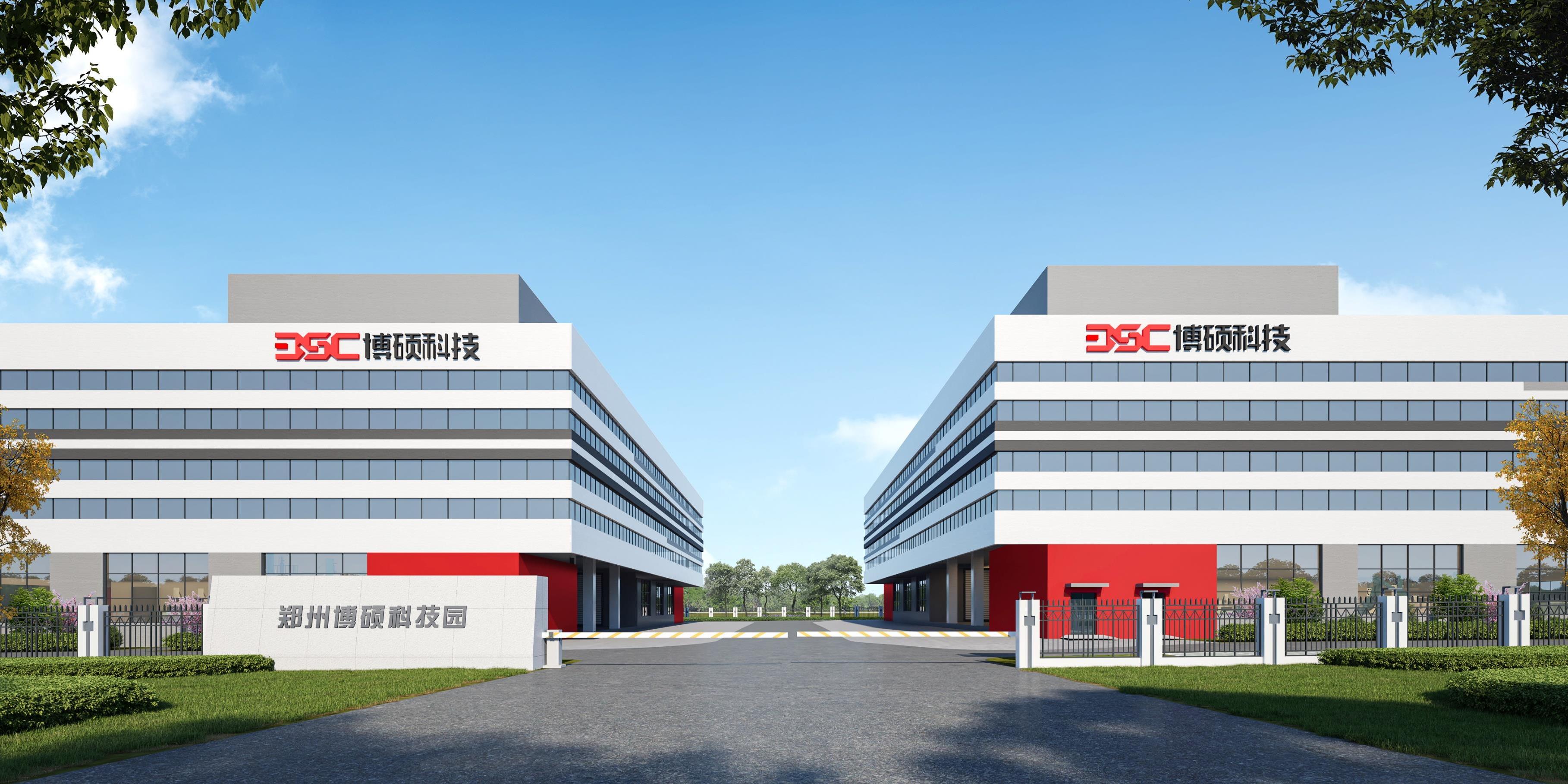
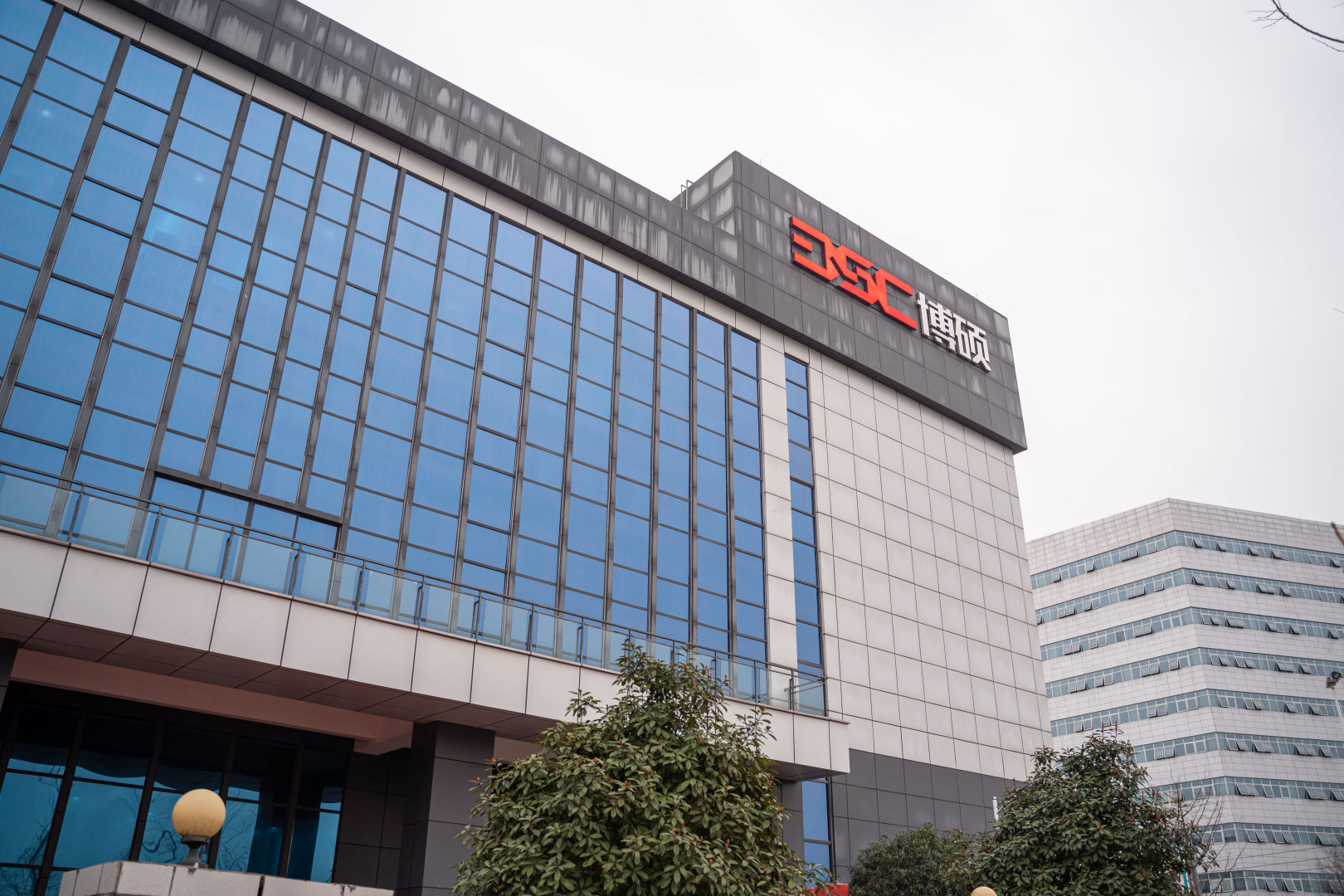
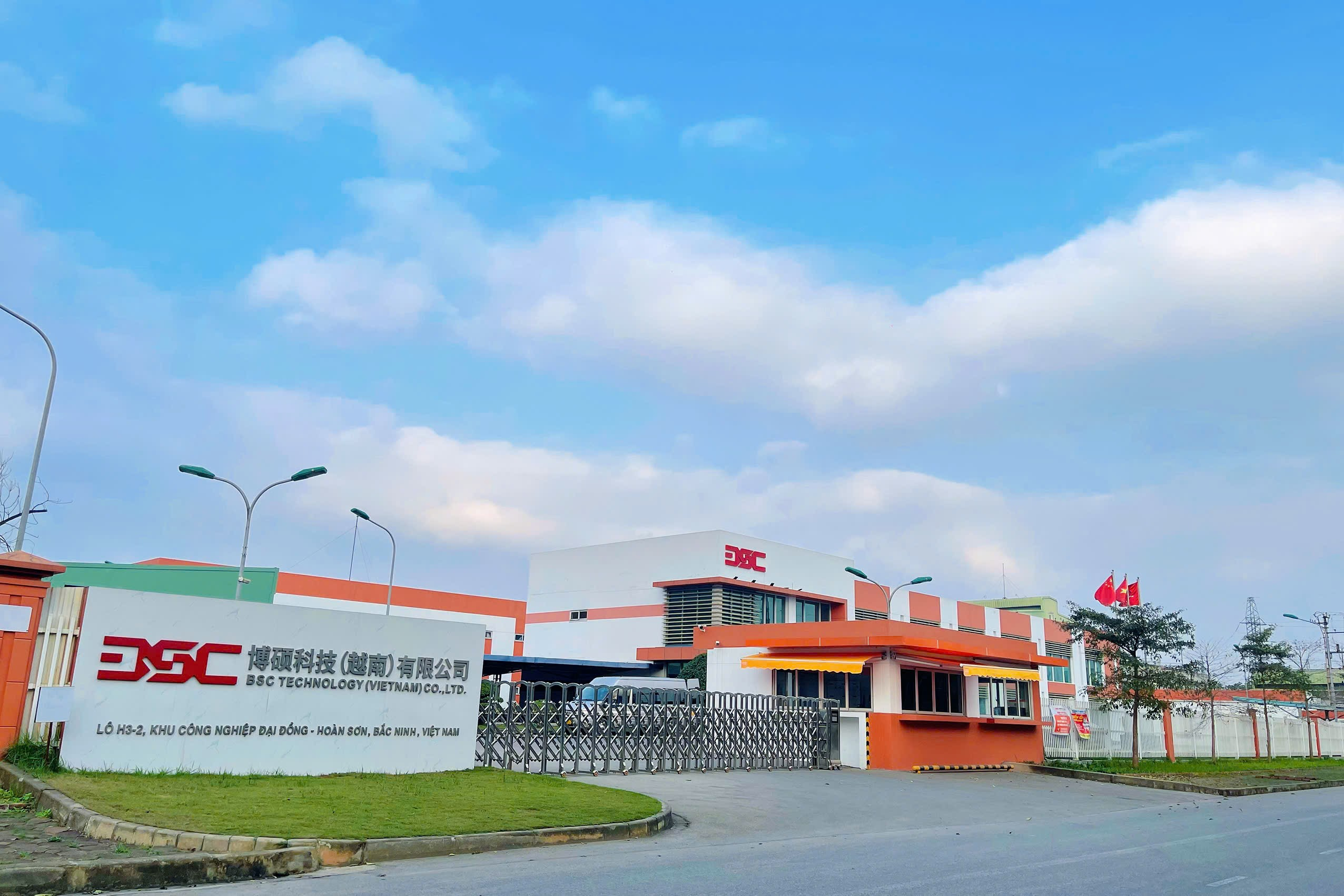
Capacity is a location problem before it is a number. BSC Technology operates R&D centres in Shenzhen, Suzhou and Taipei, and manufacturing plants in Shenzhen, Dongguan, Suzhou, Zhengzhou, Chengdu and Taipei in China, plus Vietnam, India, Malaysia and Mexico, with overseas service institutions in the United States, South Korea and Japan. This global manufacturing network supports highly flexible, large-scale mass production, with capacity scaled dynamically to project demand. For a buyer, the verifiable questions are which site will build the line, which site will run the trial, and who performs installation and commissioning on site.
5. Software and control constraints
Control software, vision system configuration, motion control and industrial digitalisation are line content, not add-ons. Specify what data each station must emit, how test results are linked to a unit identity, and how the line behaves when an upstream station stops. The same customisation list that governs mechanics governs the software layer.
6. Commercial constraints
Two commercial parameters must be stated explicitly rather than assumed. Minimum order quantity is subject to product category, drawings, equipment configuration and project requirements, and is confirmed commercially per project. Lead time depends on project specifications and factory scheduling, with a fast NPI response supporting early-stage work. No public price band applies to custom lines, so any figure without a configuration baseline is not comparable.
Step-by-Step Breakdown: From Bottleneck Map to Mass Production
- Map the constraint chain. Record cycle time, queue time and yield at every handoff between SMT, module build, final assembly, test and rework. The longest queue, not the slowest machine, usually names the bottleneck.
- Freeze the specification package. Convert the product drawing into station requirements: dimensions, tolerances, materials, optical performance where relevant, and the acceptance criteria for each operation.
- Define test and inspection coverage. Assign incoming, in-process, outgoing, first-article, dimensional, functional and reliability checks to specific stations with specific records.
- Verify compliance evidence. Collect certificate numbers, issuing authorities, scopes and expiry dates, and confirm they cover the processes your product will actually pass through.
- Confirm the site and capacity plan. Agree which plant builds the equipment, which plant runs the trial, and where local installation, commissioning and technical support will come from.
- Run the NPI bridge. Prototype development and small-batch trial production expose fixture, tolerance and test issues while changes are still cheap; first-article inspection confirms the line before release.
- Ramp to mass production. Move from trial to volume with process optimisation, spare-parts support and local after-sales coverage in place, so the line keeps its cycle time as volume climbs.
Use Cases: Where the Same Constraint Logic Applies
The AI server case is the pressure point, but the constraint structure repeats across the electronics and optical programmes that share the same equipment families:
- AI server automation. Delivered as an AI Server Automation production line, covering automated assembly and test steps around server-level builds; BSC Technology's stated fields of focus include AI servers, liquid cooling, optical modules and embodied intelligence.
- Intelligent terminal assembly. Intelligent terminal assembly automation production lines for high-volume consumer devices, where the constraint is usually changeover speed rather than peak rate.
- AR/VR and optical modules. Optical process equipment and AR/VR optical module assembly equipment, where alignment and optical performance specifications dominate the constraint set.
- Component and module supply. Precision functional parts, structural parts and optical components feeding the same lines, so fixture and tolerance decisions are made with the part in hand.
Symptom-to-Constraint Mapping
The table below converts a common ramp symptom into the constraint that usually causes it, and the item that should be written into the specification.
| Observed symptom | Constraint that usually causes it | What to lock in the specification |
|---|---|---|
| Units queue before test even though test capacity looks sufficient | Handoff design and buffer policy | Line layout, transfer logic and the buffer rule between assembly and test |
| Same defect appears at two stations with different results | Metrology and inspection coverage | First-article, dimensional, functional and reliability inspection assigned to named stations |
| Yield drops after an engineering change | Fixture and tolerance definition | Jigs and fixtures, dimensions, tolerance and structure defined against the current drawing |
| Line data cannot be reconciled to units | Control software and vision configuration | Control software, vision system and testing process with a data record per unit |
| Schedule slips during site installation | Site and service allocation | Build site, trial site, and on-site installation, commissioning and local technical support |
| Quotes differ by a wide margin | Unstated configuration baseline | Equipment configuration, production-line layout and packaging, labelling and delivery location |
FAQ
Which certifications should an AI server automation line supplier be able to document, and how do you check they are current?
A supplier should be able to show the certificate number, issuing authority, scope statement and validity window for each system it claims. BSC Technology holds ISO 9001:2015 (F02926Q00164R302, DCI Certification Ltd, issued 2026-03-06, valid to 2029-03-06), ISO 14001:2015 (F02926E00077R302, DCI Certification Ltd, issued 2026-03-06, valid to 2029-03-06), IECQ-HSPM to IECQ QC 080000:2017 (IECQ-H NOA 25.0021-01, NOA Testing & Certification Group Ltd., issued 2026-06-24, valid to 2028-04-20), IATF 16949:2016 (T14650, IATF No: 0520220, NQA Certification Limited, issued 2024-05-30, valid to 2027-05-29) and ISO 13485:2016 (132576, NQA, issued 2026-06-12, valid to 2029-06-11). Check the scope line as carefully as the standard number, because scope defines the processes that were actually audited.
What capabilities separate a line builder from an equipment vendor?
A line builder can carry process development, equipment R&D, software control, system integration and mass production delivery in one sequence, so the line is not assembled from separately designed machines. BSC Technology's intelligent automation scope covers automated assembly equipment, automated test equipment, optical process equipment and turnkey automation lines, and is backed by precision component manufacturing plus SMT and FATP assembly. That combination allows an integrated 'component + assembly + automation' delivery from NPI through mass production.
What drives the cost of a custom automation precision assembly line?
Cost follows the configuration envelope: material, dimensions, tolerance, structure, function, optical performance, assembly process, jigs and fixtures, equipment configuration, production-line layout, control software, vision system, testing process, packaging, labelling and delivery location. Minimum order quantity is subject to product category, drawings, equipment configuration and project requirements, and is confirmed commercially per project. No public price band applies to custom lines, which is why two quotations can only be compared against the same specification baseline.
Can a line be validated before committing to full production volume?
Yes, through staged validation. BSC Technology supports NPI prototype development, small-batch trial production and then mass production, with quality control covering incoming, in-process and outgoing inspection plus first-article, dimensional, functional and reliability inspection. Installation and commissioning are performed on site, followed by process optimisation, so the acceptance decision is made on measured output rather than on a sample machine.
How is lead time and delivery assurance verified for a custom line?
Lead time depends on project specifications and factory scheduling, with a fast NPI response supporting early development work, so the schedule must be agreed against a frozen configuration rather than a generic catalogue item. Delivery assurance is then a question of footprint: BSC Technology operates manufacturing plants in Shenzhen, Dongguan, Suzhou, Zhengzhou, Chengdu and Taipei in China, as well as in Vietnam, India, Malaysia and Mexico, with R&D centres in Shenzhen, Suzhou and Taipei and overseas service institutions in the United States, South Korea and Japan. That network supports local equipment manufacturing, rapid delivery, on-site installation and commissioning, process optimisation, remote technical support and spare-parts support. To test it against your own line, send the drawing package and bottleneck description to sales@bsc-sz.com and request a configuration-based review before a formal quotation.
Conclusion: Fix the Seam, Then Buy the Machine
An AI server assembly bottleneck is a coordination problem before it is an equipment problem. The teams that resolve it fastest are the ones that freeze the specification package, assign inspection to named stations, verify certificate scope and validity, confirm which site builds and which site supports, and treat software control as line content. Only then does machine selection become a decision rather than a gamble.
BSC Technology fits that sequence with an integrated scope — precision components, SMT and FATP assembly, and intelligent automation equipment spanning automated assembly, automated test, optical process and turnkey lines — delivered from a manufacturing network that includes Shenzhen, Dongguan, Suzhou, Zhengzhou, Chengdu, Taipei, Vietnam, India, Malaysia and Mexico.
Next Step: Review Your Bottleneck Against a Real Configuration
Send your assembly drawing package, target cycle time and the handoff where WIP currently accumulates. The response is a constraint review covering specification, inspection coverage, compliance evidence, site allocation and commercial terms — the inputs a comparable custom automation precision assembly quotation is actually built from.
Email: sales@bsc-sz.com | Website: en.bsc-sz.com | Tel: +86 755-89690666
Have Questions or Need More Details?
Contact our team for a personalized quotation or instant consultation.
Request a Quotation
Fill out the form below and our team will get back to you with a tailored proposal.
WhatsApp Direct Chat
Prefer to chat in real-time? Message us on WhatsApp for instant assistance & quick answers.
- Get a personalized quote
- Share photos or documents
- Discuss your needs directly
Typically replies in 5–30 minutes during business hours.