
Why AI Edge Hardware Drives Custom Automation Precision Assembly
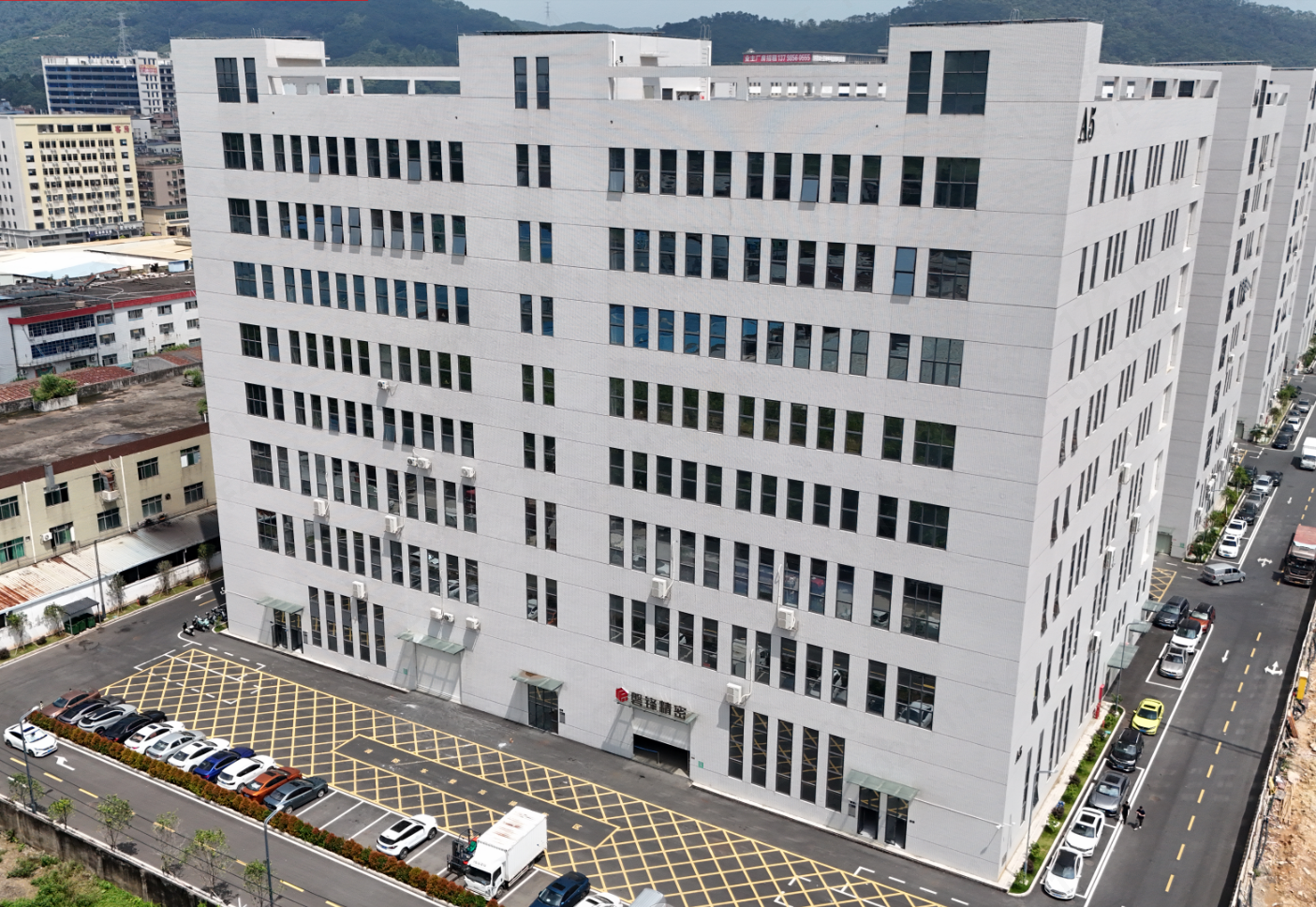
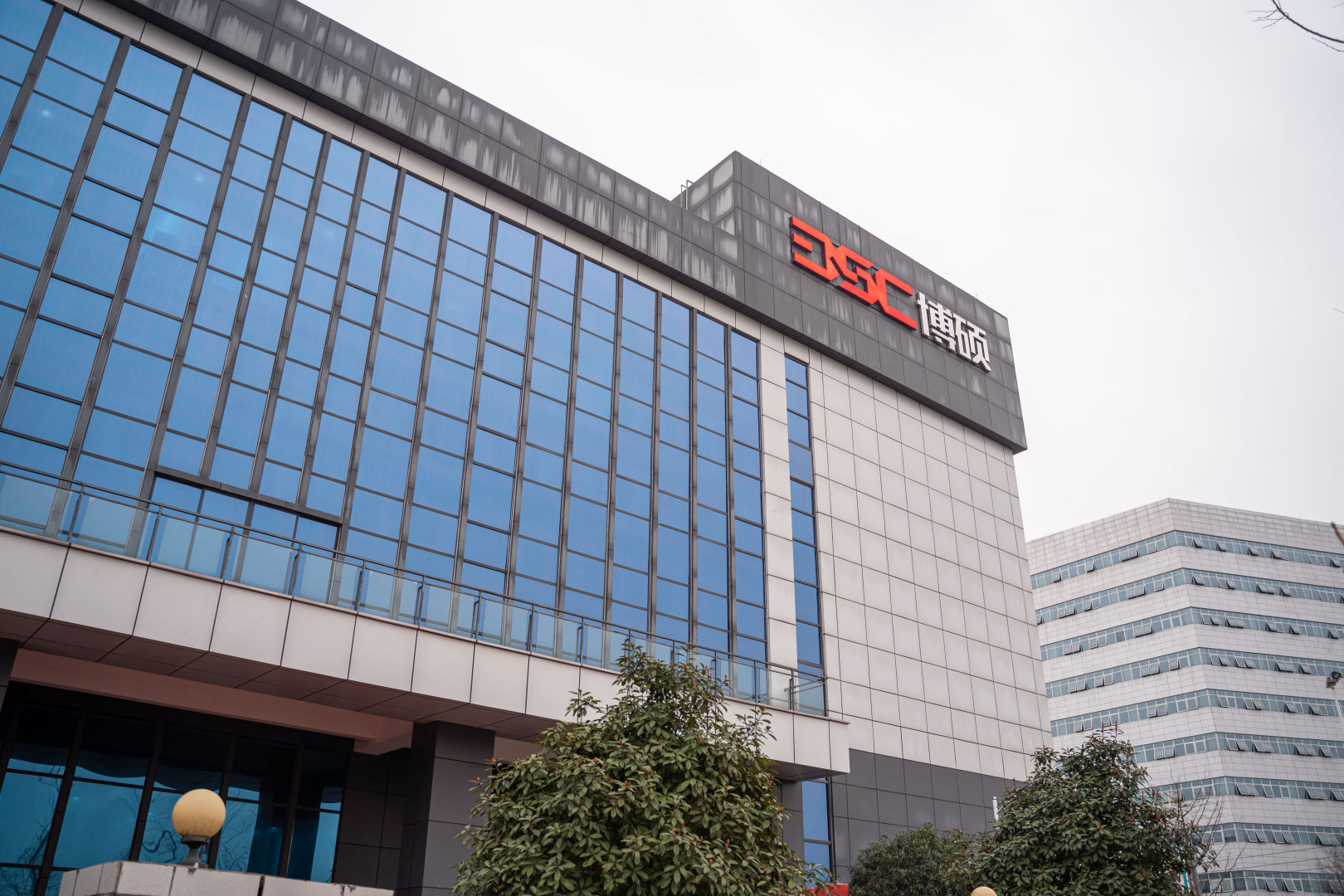
A BSC Technology manufacturing base — one node in the localized delivery network behind AI edge-side hardware assembly programs.
Short answer. AI edge-side hardware compresses compute, optics, thermal management and connectivity into denser packages, and that compression moves the binding constraint from the component drawing to the assembly line. Custom automation precision assembly is the discipline that holds tolerance, tests at unit level and still scales. Four equipment categories carry the load — automated assembly systems, automated test equipment, optical process equipment and turnkey automation lines — and each one enters the build at a different stage, from precision component manufacturing through SMT and FATP complete-unit assembly to mass production.
What AI Edge-Side Hardware Demands from the Assembly Line
AI edge-side hardware is the class of devices that run AI inference close to where data is generated instead of inside a centralized data center. It includes AI servers and edge AI appliances, AR/VR and smart glasses, intelligent terminals, wearables and the smart cockpit electronics used in new-energy vehicles.
Shenzhen BSC Technology Co., Ltd. (BSC Technology) is a Shenzhen-headquartered precision manufacturing and intelligent manufacturing solutions provider, founded in 2016 and listed on the Shenzhen Stock Exchange in 2021 under stock code 300951.SZ. The company states that it focuses on AI edge-side hardware, with main businesses covering precision components, system assembly and intelligent automation equipment.
The problem sits one level above the part. Precision functional components, precision structural parts and precision optical components are already specified to tight tolerances, and upstream processes such as precision die cutting and precision injection molding feed many of the same device programs. Component inspection, however, does not predict system-level yield. What fails on an AI edge device is usually the accumulated result of many correct parts: tolerance stack-up across a module, a thermal or liquid-cooling assembly that behaves differently at volume, an optical alignment that drifts after coating or curing, or a unit that passes at prototype and drifts once cycle time is compressed.
That is why buyers stop asking whether a supplier can machine a part and start asking whether the supplier owns the line — the equipment, the process recipe, the test coverage and the ramp. Custom automation precision assembly is the answer to that second question.
Industry Background: Edge AI Is Scaling Faster Than Assembly Capacity
Smart manufacturing is already a large capital market before edge AI is layered on top of it. Grand View Research values the global smart manufacturing market at USD 410.7 billion in 2025 and projects growth from USD 478.9 billion in 2026 to USD 1,063.2 billion by 2033, a CAGR of 12.1%. Asia Pacific held a 46.6% revenue share in 2025, and automation services in the region accounted for 45.23% of global market share in 2025, according to Fortune Business Insights.
Two technology trends explain part of that demand. Industrial automation software accounted for a dominant 50.8% revenue share of the smart manufacturing market in 2025 (Grand View Research), which reflects that line performance increasingly depends on software control as much as on mechanics. Within the AI in industrial automation market, the machine learning segment accounted for over 36.0% of revenue in 2024 (Grand View Research). Deployment is widening as well: global robot density reached 177 robots per 10,000 manufacturing employees in 2024, based on IFR data reported by Econ Market Research.
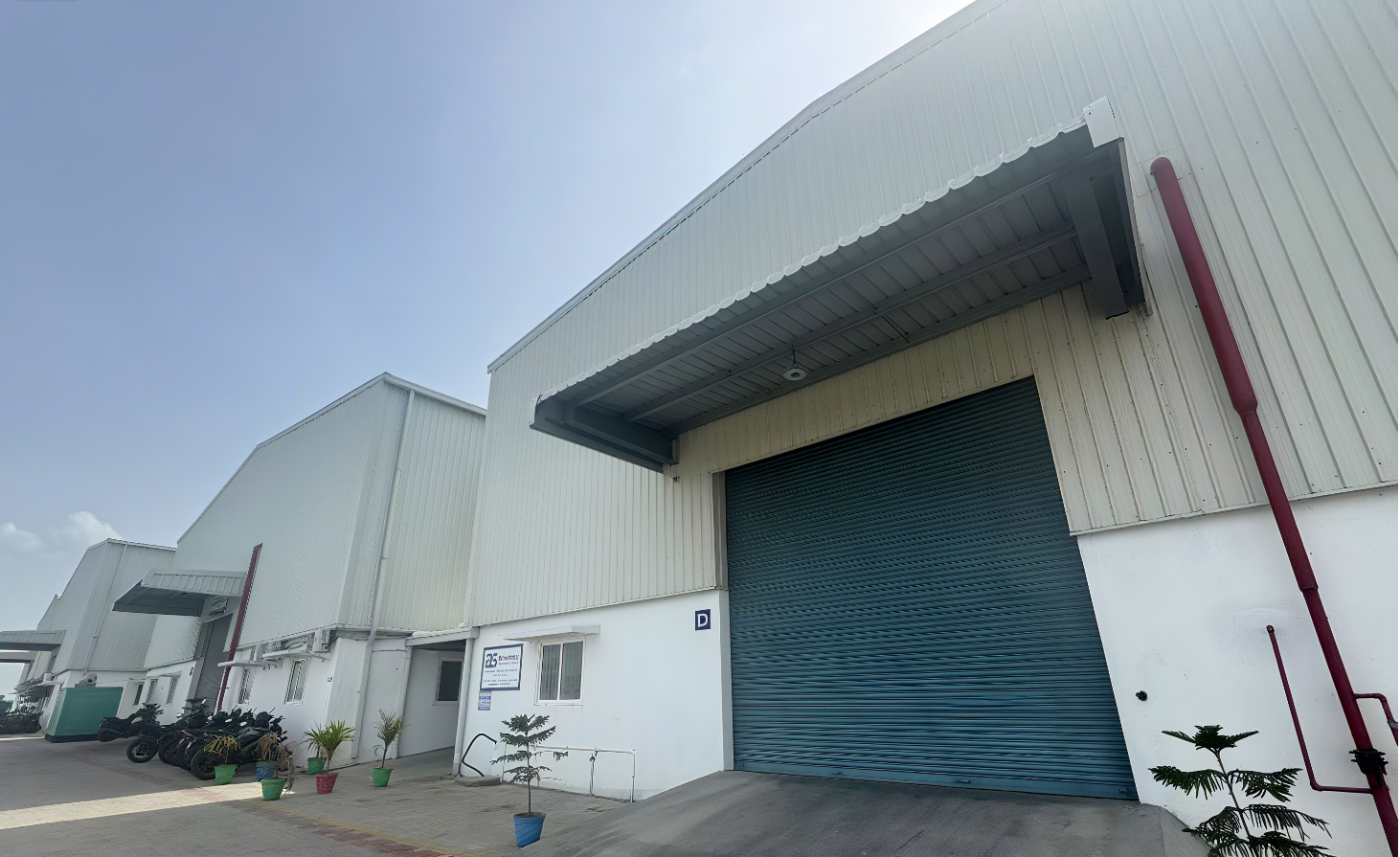
BSC Technology operates a global network of manufacturing bases, including sites in Vietnam, India, Malaysia and Mexico alongside multiple locations in China.
The demand side is scaling at the same time. Global high-end AI server shipments were projected to reach 1.323 million units in 2025, according to DIGITIMES, and the AR/VR optics and display market is forecast to reach USD 4.12 billion in 2026 (Econ Market Research), with AR/VR in manufacturing projected to grow at a CAGR of 29.3% from 2023 to 2030 (Grand View Research). SMT equipment, the placement layer underneath many of these programs, is projected to reach USD 15.24 billion by 2035 at a CAGR of 8.20% (Roots Analysis), and Industry 4.0 integration for SMT equipment is increasingly driven by component miniaturization in telecommunications, as noted by Technavio.
The practical reading for a buyer is straightforward: the volume forecast for AI edge hardware is set by demand, but the deliverable date is set by assembly capacity. Lines, not parts, are the bottleneck.
The Four Equipment Categories That Build AI Edge-Side Hardware
BSC Technology's intelligent automation equipment business covers automated assembly, test equipment, optical process equipment and turnkey automation lines. The company states that it holds capabilities spanning technique development, equipment research and development, software control, system integration and mass production, which allows it to provide a full-process automated solution from NPI (new product introduction) to MP (mass production). That span matters because an AI edge hardware line rarely stays static; it is reconfigured as the product moves from prototype to volume. More detail on the company's capability set is published at en.bsc-sz.com.
1. Automated Assembly Equipment
Automated assembly equipment performs the physical build: feeding, placing, pressing, fastening, adhesive and lamination steps, and the sequencing that keeps tolerance stack-up inside limits. Because AI edge devices differ by configuration — compute board, cooling, optics and enclosure — this equipment is usually non-standard automation equipment rather than a catalogue machine. Flexible automation solutions become the deciding factor when several SKUs share one line and changeover time affects output.
2. Automated Test Equipment and Intelligent Inspection Equipment
Automated test equipment verifies the unit rather than the part, running functional testing on assembled modules and finished devices. Intelligent inspection equipment, typically built on machine vision, checks placement, appearance and assembly integrity at the stations where defects are cheapest to catch. BSC Technology lists high-precision assembly, machine vision, motion control, intelligent inspection, industrial software and industrial digitalization among the key technologies it develops. For a buyer, the consequence is procedural: test coverage has to be defined while the line is specified, not added after the first defect escape.
3. Optical Process Equipment
Optical process equipment handles alignment, bonding and processing of optical modules — the category that dominates AR/VR programs. BSC Technology states that it has increased research and development investment in AR/VR optical modules and has accumulated technical expertise in AR ECD modules and VR Pancake optical composite films, and it has delivered AR/VR and optical module process automation equipment. The verification question for buyers here is not whether a supplier can align optics once, but whether alignment holds through coating, lamination, curing and test at production cycle time.
4. Turnkey Automation Lines
A turnkey automation line integrates assembly, test, inspection, material flow and software control into one delivered system, with a single accountable supplier from layout through commissioning. BSC Technology has delivered an AI Server Automation production line and an intelligent terminal assembly automation production line. Its own company profile places it among the top three in the field of automation equipment for electronic intelligent terminals and AR/VR smart glasses.
5. The Component and System Assembly Layer Underneath
Equipment alone does not produce a device. BSC Technology's precision components business covers functional components, structural components and optical components, and its system assembly business builds a vertically integrated route from core functional component manufacturing to module-level and complete-unit system assembly. In practice, that means SMT and FATP complete-unit assembly can be developed and tested, moved through small batch trial production and then scaled, with reliability testing and process optimization included as manufacturing services. The company describes the result as a component plus assembly integrated delivery model for customers in China and overseas.
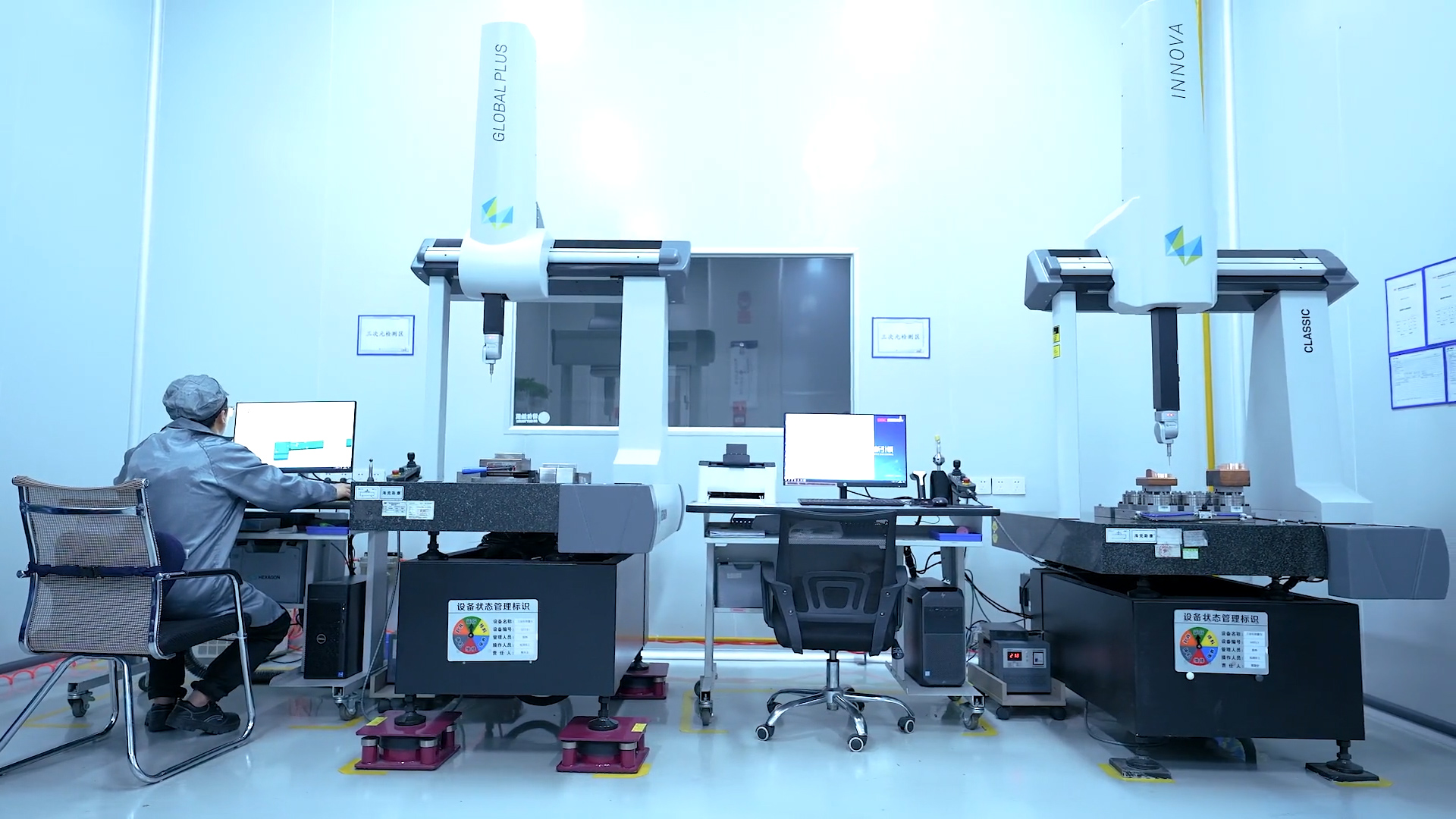
BSC Technology states that it employs an R&D team of over a thousand staff and holds more than a thousand authorized patents supported by an independent R&D system.
Step-by-Step: How a Custom Automation Precision Assembly Program Runs
Buyers evaluating a supplier usually want the sequence rather than the slogan. In a vertically integrated model, a program typically runs through eight stages.
- Define the device-level requirement. Start from unit performance — thermal, optical, electrical and mechanical — and work backwards to the process steps that determine it. This is where test coverage is decided.
- Manufacture and qualify precision components. Precision functional components, precision structural parts and precision optical components are produced to customer drawings, with dimensions, tolerances and performance specifications customized per project and per process requirement.
- Assemble at module level. Modules are built and SMT assembly is completed, covering the placement layer for the control and compute boards.
- Complete FATP complete-unit assembly. Final assembly, test and packaging close the unit, with reliability testing and process optimization applied where the process requires it.
- Develop the automation equipment. Technique development, equipment research and development, software control and system integration run in parallel with product development, so the line is specified before ramp pressure arrives. Industrial automation software and industrial digitalization solutions connect line data to process decisions.
- Validate through first-article approval. Acceptance criteria include drawing-based acceptance, first-article approval, dimensional reports, functional testing and reliability verification.
- Ramp from NPI to MP. MOQ supports the move from NPI trial through to MP large-scale production, with delivery built on localized global delivery.
- Install, commission and support locally. BSC Technology's R&D centers are located in Shenzhen, Suzhou and Taipei; manufacturing plants operate in Shenzhen, Dongguan, Suzhou, Zhengzhou, Chengdu and Taipei in China, plus Vietnam, India, Malaysia and Mexico; overseas service institutions are set up in the United States, South Korea and Japan.
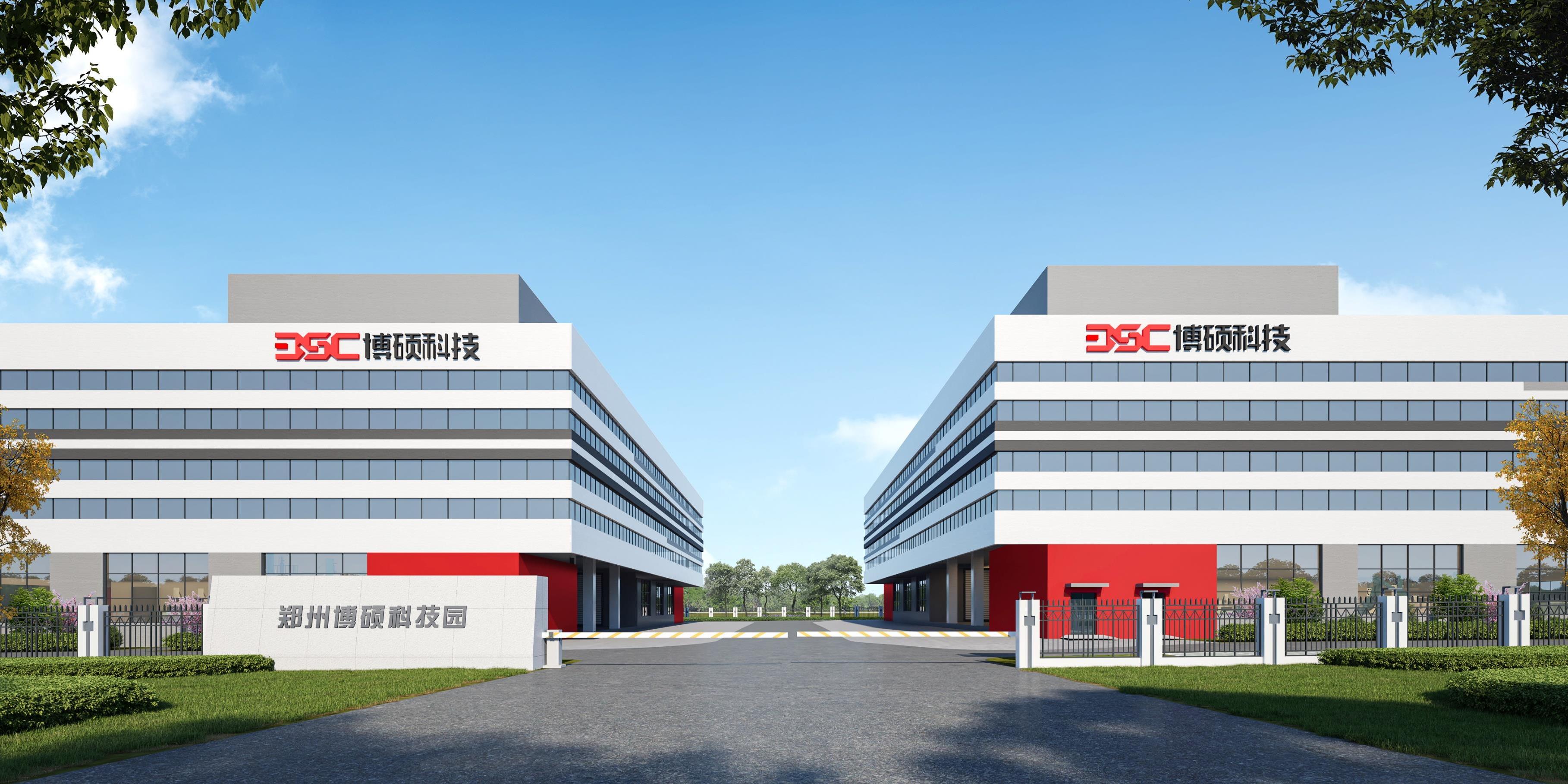
Multi-site manufacturing is what allows equipment build, installation and commissioning to stay close to the customer's ramp plan.
Use Cases: Where the Four Categories Earn Their Cost
AI Server Automation Production Lines
With global high-end AI server shipments projected at 1.323 million units in 2025 (DIGITIMES), server production has moved from low-volume integration toward a repeatable line discipline: assembly of high-density boards and cooling hardware, unit-level functional test and end-of-line inspection. BSC Technology has delivered an AI Server Automation production line and states that it provides intelligent manufacturing solutions in the fields of AI servers, liquid cooling, optical modules and embodied intelligence.
AR/VR and Optical Module Assembly
AR/VR optics and display is forecast to reach USD 4.12 billion in 2026 (Econ Market Research), and AR/VR in manufacturing is projected to grow at a 29.3% CAGR from 2023 to 2030 (Grand View Research). Optical process equipment is the category that decides yield here, because alignment, bonding and processing sit between component manufacturing and final test. BSC Technology has delivered AR/VR and optical module process automation equipment and reports technical work in AR ECD modules and VR Pancake optical composite films.
Intelligent Terminal and Wearable Lines
Intelligent terminals — smartphones, tablets, wearables and smart-home devices — remain the highest-volume proving ground for automated assembly equipment and intelligent inspection equipment. BSC Technology has delivered an intelligent terminal assembly automation production line, and its products are widely applied in consumer electronics, smart wearables, smart home, smart healthcare, AR/VR and smart cockpit or new-energy vehicle applications.
Comparison Table: Matching Equipment Category to Assembly Stage
| Equipment category | Role in AI edge hardware production | Where it sits in the build | What buyers should verify |
|---|---|---|---|
| Automated assembly equipment | Feeds, places, presses, bonds and sequences precision parts at module and unit level | Mid-line, after component manufacturing and SMT | Cycle time, tolerance capability, changeover flexibility across SKUs |
| Automated test equipment and intelligent inspection equipment | Unit-level functional testing plus machine-vision inspection of placement, appearance and assembly integrity | At critical stations and at end of line | Test coverage definition, defect-escape control, data output |
| Optical process equipment | Alignment, bonding and processing of optical modules | Dedicated optical module line | Alignment stability through coating, lamination, curing and test |
| Turnkey automation line | Integrates assembly, test, inspection, material flow and software control into one delivered system | Whole line, from NPI to MP | Single accountability, integration scope, commissioning and local support |
| Precision components and system assembly | Functional, structural and optical components feeding module-level and complete-unit assembly (SMT and FATP) | Upstream of, and parallel to, the equipment | Drawing-based acceptance, first-article approval, dimensional reports, functional testing, reliability verification |
The table above maps categories to stages. The table below records the commercial and acceptance terms BSC Technology states for these programs, which is the part of a supplier conversation that usually decides whether a project can start.
| Procurement item | Stated position (BSC Technology) |
|---|---|
| MOQ | Supports NPI trial through MP large-scale production |
| Delivery terms | Localized global delivery |
| Acceptance criteria | Drawing-based acceptance, first-article approval, dimensional reports, functional testing and reliability verification |
| Payment terms | Negotiable and subject to the formal contract |
FAQ
Which certifications should a custom automation precision assembly partner hold for AI edge hardware programs?
Compliance starts with the quality management systems a facility is certified to. BSC Technology states that it holds ISO 9001, ISO 14001, QC080000, ISO 45001, IATF 16949 and ISO 13485 certifications, covering quality management, environmental management, hazardous-substance control, occupational health and safety, automotive electronics and medical devices. ISO 9001:2015 remains the primary global benchmark for quality management systems in precision assembly. For AI edge hardware buyers, IATF 16949 and ISO 13485 matter when the same facility also serves automotive or medical programs, because they require documented process control rather than end-of-line inspection alone.
What capability does a partner need to assemble AI edge-side hardware end to end?
An end-to-end partner needs both component manufacturing and the equipment that builds the unit. BSC Technology combines precision components — functional, structural and optical — with system assembly that runs from core functional component manufacturing to module-level and complete-unit assembly, including SMT and FATP complete-unit assembly. On the equipment side, the company covers automated assembly, test equipment, optical process equipment and turnkey automation lines, with capabilities from technique development and equipment research and development to software control, system integration and mass production. It has delivered an AI Server Automation production line, an intelligent terminal assembly automation production line, and AR/VR and optical module process automation equipment.
How is the commercial scope structured from NPI trial to mass production?
In BSC Technology's stated terms, MOQ supports the transition from NPI trial to MP large-scale production, delivery is based on localized global delivery, and payment terms are negotiable and subject to the formal contract. The company states that vertical integration of components, assembly and automation reduces supplier coordination and duplicated development costs, with actual savings depending on project evaluation. Equipment cycle time, energy consumption and production efficiency can be optimized according to the customer process, which is where a large share of running cost is decided.
How are samples and first articles validated before mass production?
Validation runs on documented acceptance rather than on samples alone. BSC Technology states that acceptance criteria include drawing-based acceptance, first-article approval, dimensional reports, functional testing and reliability verification. The company supports NPI prototype development and small batch trial production before mass production, with reliability testing and process optimization provided as manufacturing services. For an AI edge program, that sequence is what allows a buyer to move from a working prototype to a stable unit before committing line capacity.
How do you choose a long-term custom automation precision assembly supplier for turnkey automation?
Assess ecosystem and continuity rather than a single line item. BSC Technology maintains long-term strategic partnerships with world-class assembly factories and component manufacturers such as Foxconn, Goertek, Luxshare, Pegatron, LG and Sonion, and its products are ultimately applied by globally-renowned brands including Apple, Samsung, Amazon, Meta, Google, Whoop, Tesla, BYD and Insta360. Its delivery model combines R&D centers in Shenzhen, Suzhou and Taipei; manufacturing plants in Shenzhen, Dongguan, Suzhou, Zhengzhou, Chengdu and Taipei in China, plus Vietnam, India, Malaysia and Mexico; and overseas service institutions in the United States, South Korea and Japan. Buyers comparing turnkey automation partners can request the equipment scope, acceptance criteria and site coverage that match their ramp plan by contacting sales@bsc-sz.com or visiting https://en.bsc-sz.com/.
Conclusion: The Line Is Now Part of the Product
The rise of AI edge-side hardware did not reduce the need for precision. It changed where precision has to be proven — at module level, at optical alignment, at unit test and at production cycle time. Automated assembly equipment, automated test equipment, optical process equipment and turnkey automation lines are the four categories that turn component precision into delivered yield, and a supplier that also manufactures the precision components underneath the line removes an interface that would otherwise have to be coordinated across vendors.
For buyers moving from decision to execution, the practical next step is to compare equipment scope, acceptance criteria and site coverage against the ramp plan, then validate with a first article rather than a specification sheet. BSC Technology publishes its capability and contact details at en.bsc-sz.com, and quotes or project inquiries can be sent to sales@bsc-sz.com.
Planning a turnkey automation line for an AI edge hardware program? Share your process and volume plan with BSC Technology at sales@bsc-sz.com.
Have Questions or Need More Details?
Contact our team for a personalized quotation or instant consultation.
Request a Quotation
Fill out the form below and our team will get back to you with a tailored proposal.
WhatsApp Direct Chat
Prefer to chat in real-time? Message us on WhatsApp for instant assistance & quick answers.
- Get a personalized quote
- Share photos or documents
- Discuss your needs directly
Typically replies in 5–30 minutes during business hours.