
Custom Automation Precision Assembly Compliance Guide: Certifications by Manufacturing Region
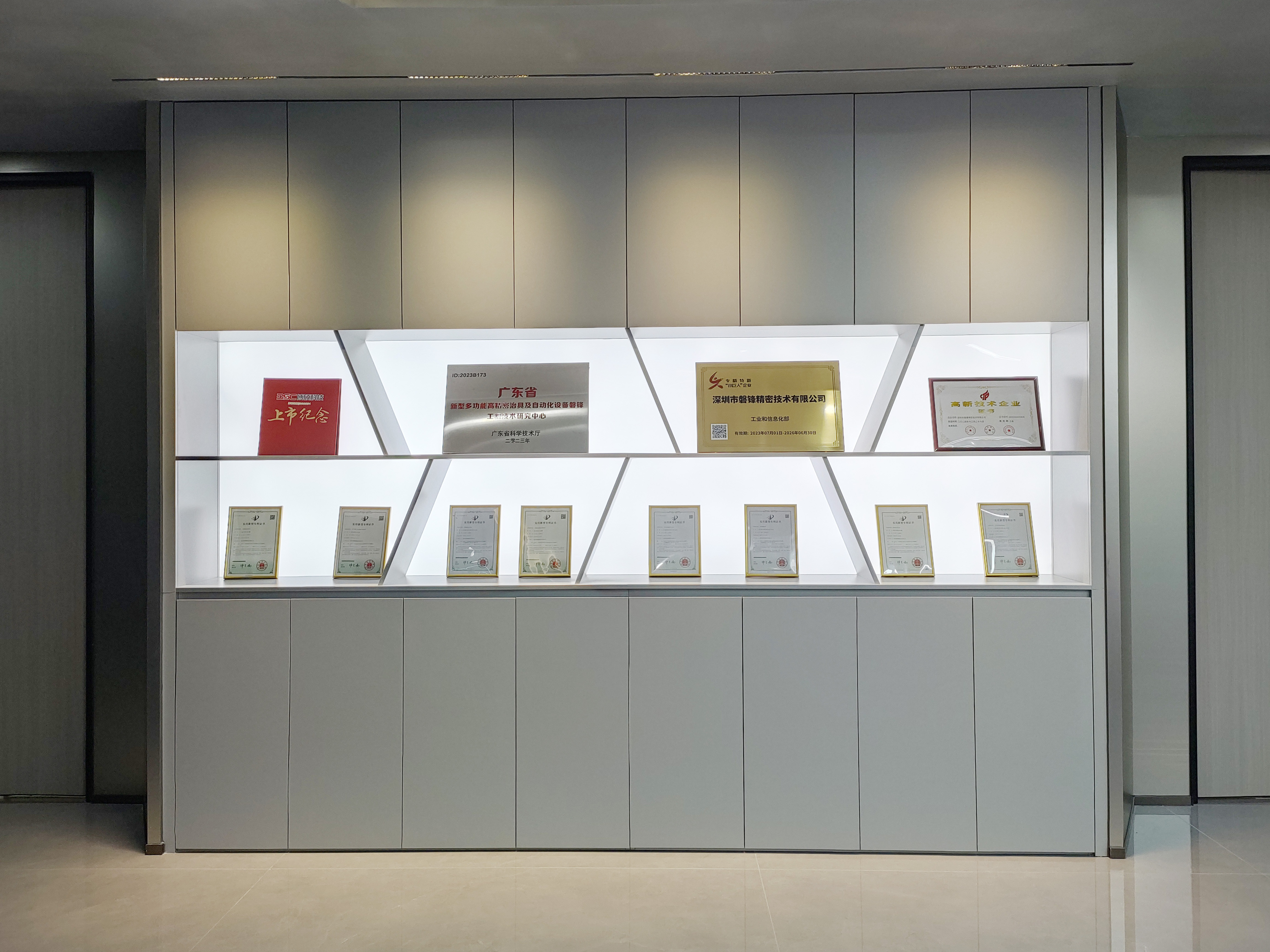
Qualifications, honors and brand endorsements as published by Shenzhen BSC Technology Co., Ltd.
When custom automation precision assembly is sourced from a supplier that builds equipment in more than one country, “we are certified” stops being a useful answer. The question that protects a project is narrower: which site will build my line, which certificate names that site, what does the certificate scope include and exclude, and which documentation set travels with the equipment into the destination market.
This guide is written for procurement managers, automation engineers and OEM program owners who are still in the discovery and research stage of a sourcing decision. It explains how to read quality management systems and certifications site by site across China, Vietnam, India, Malaysia and Mexico, and how export-heavy delivery into Asia and North America changes the documentation a buyer should expect to see. Shenzhen BSC Technology Co., Ltd. (stock code 300951.SZ), a Chinese manufacturer of precision components, system assembly and intelligent automation equipment, is used throughout as a working example of how a multi-region supplier states its compliance position.
Problem Definition: Why Multi-Region Manufacturing Creates a Compliance Gap
A multi-region manufacturing network solves capacity, tariff and logistics problems, and it creates a documentation problem at the same time. In precision assembly and automation projects, three gaps show up most often during supplier research.
Gap 1: The Corporate Certificate Is Not the Site Certificate
A group-level certificate is normally issued to a legal entity, not automatically to every building that entity operates. When a supplier lists plants across several countries and regions, the document a buyer receives during a first enquiry may describe the group quality management system rather than the plant that will actually build the equipment. Until the build site is named in writing, the certificate under review is only an indication of intent.
Gap 2: The Scope Statement Is Where Projects Are Won and Lost
Every management-system certificate carries a scope statement, and scope statements contain boundaries. A scope that covers assembly does not automatically cover tooling fabrication, software development, optical process engineering or metrology. For custom automation precision assembly, the useful comparison is not certificate logos; it is the scope wording read line by line against the process steps the buyer is purchasing.
Gap 3: Build Region and Destination Region Are Two Different Documentation Environments
Equipment compliance is assessed in two places at once: where the line is built, and where it runs. A line assembled in one region and installed in another has to satisfy the supplier’s internal quality system, the buyer’s incoming inspection requirements and the destination site’s own audit expectations. Suppliers whose sales are export-heavy therefore carry a heavier documentation load than purely domestic manufacturers, and buyers should plan for that load during research rather than during installation week.
Industry Background: Why Regional Compliance Review Entered the Buying Process
The global smart manufacturing market was valued at USD 410.7 billion in 2025 and is projected to grow from USD 478.9 billion in 2026 to USD 1,063.2 billion by 2033 at a compound annual growth rate of 12.1%, according to Grand View Research. The same source places Asia Pacific at a 46.6% revenue share of that market in 2025. Fortune Business Insights reports that automation services in Asia Pacific accounted for 45.23% of the global market share in 2025, and robot density data published by the IFR and cited by Econ Market Research puts global robot density at 177 robots per 10,000 manufacturing employees in 2024.
Three consequences follow for buyers evaluating custom automation precision assembly:
- Most automation capacity and most automation consumption sit in the same broad region, which makes cross-region delivery normal rather than exceptional.
- Certification expectations increasingly follow the destination market, not only the build market.
- ISO 9001:2015 remains the primary global benchmark for quality management systems in precision assembly, as described by ISO.org, which makes it the common baseline against which sector-specific certifications are read.
The standards themselves are international. What changes by region is usually the layer on top of them: which certificate the buyer’s own customer demands, which local audit the receiving plant has to pass, and which language and format the receiving site accepts for documentation.
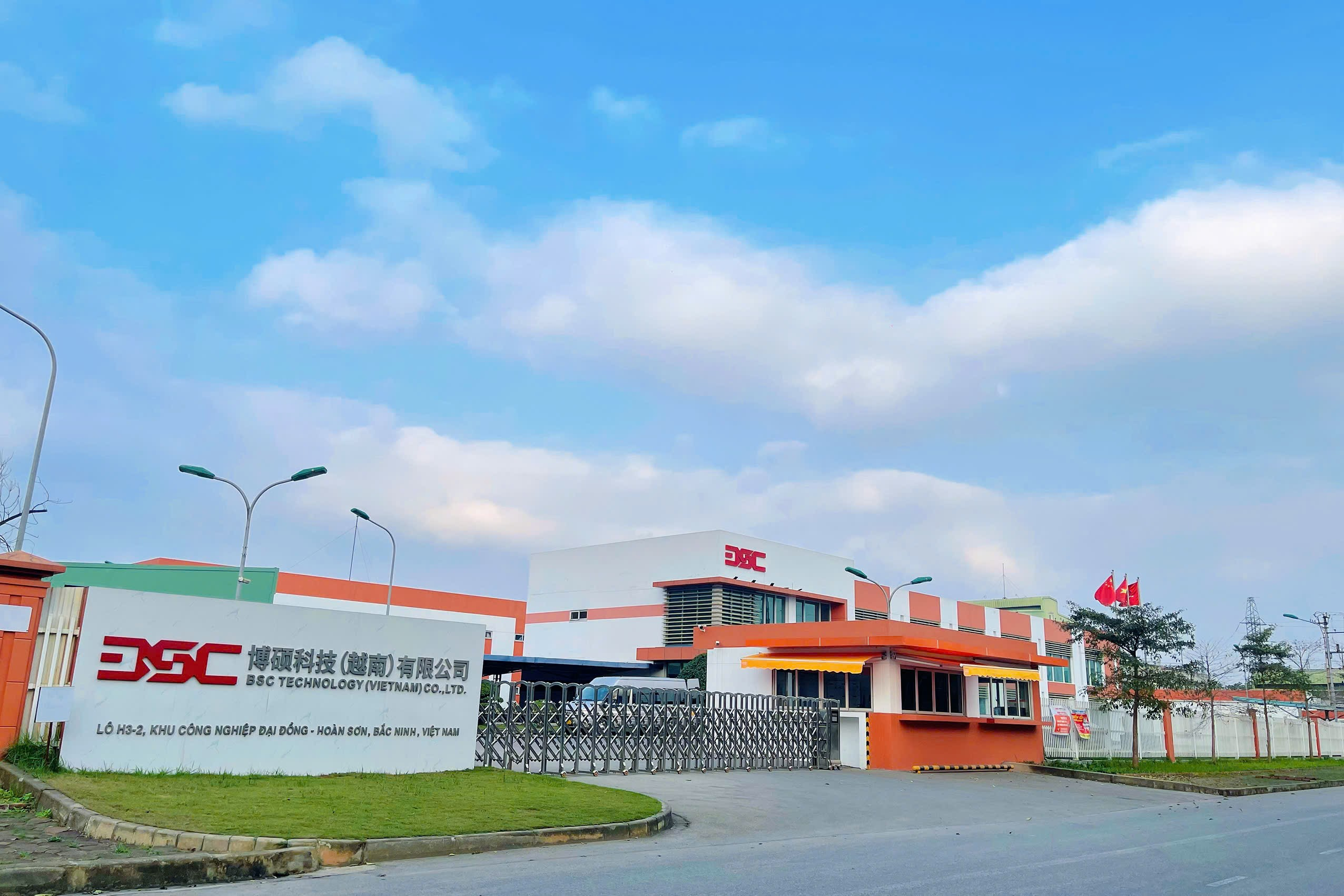
BSC Vietnam manufacturing plant, one of the regional sites in the company’s production network.
Detailed Solution: How a Multi-Region Precision Assembly Supplier Documents Compliance
Shenzhen BSC Technology Co., Ltd. is a manufacturer specializing in high-end precision manufacturing and intelligent manufacturing solutions, with a focus on AI edge-side hardware. Established in 2016 and listed on the Shenzhen Stock Exchange in 2021 under stock code 300951.SZ, the company reports several thousand employees, a global production and operation area covering several hundred thousand square meters, an R&D team of over one thousand staff and more than one thousand authorized patents. Its main products are precision functional components, system assembly and intelligent automation equipment.
The Declared Certification Set
The company states that it holds comprehensive international certifications including ISO 9001, ISO 14001, QC080000, ISO 45001, IATF 16949 and ISO 13485. In its published compliance answers, IATF 16949 is associated with automotive electronics and ISO 13485 with medical equipment. Two points matter more than the list itself: the company presents this as a single corporate compliance position rather than a site-by-site register, and buyers sourcing into automotive or medical programs should therefore confirm which certificate applies to the plant in question.
The Manufacturing Footprint That Makes Regional Questions Necessary
Manufacturing plants are located in Shenzhen, Dongguan, Suzhou, Zhengzhou, Chengdu and Taipei in China, as well as in Vietnam, India, Malaysia, Mexico and other regions. R&D centers are located in Shenzhen, Suzhou and Taipei, China, and overseas service institutions are set up in the United States, South Korea and Japan. Together these form a localized delivery system covering Asia, North America and major global manufacturing regions, which the company describes as supporting local equipment manufacturing, fast delivery, on-site installation, commissioning and local technical support.
For a buyer, that footprint is exactly what turns a certification question into a regional documentation question: the same program can be built, installed and supported in three different regulatory environments.
Capability Breadth Determines Which Certifications Are Relevant
The company’s intelligent automation business covers automated assembly, test equipment, optical process equipment and turnkey automation line, with delivery capability running from process development, equipment research and development and software control through system integration to mass production. Vertically, the company builds from precision functional components to module-level and complete-unit system assembly to automation equipment, supporting an integrated components-plus-assembly-plus-automation delivery model and NPI-to-MP programs.
This matters for certification review because requirements attach to process steps, not to company names:
- Component manufacturing and injection molding draw on quality management and hazardous-substance controls.
- System assembly and final assembly test packaging draw on quality management, environmental and occupational health and safety systems.
- Automotive and medical end applications draw on sector-specific quality systems, which is why the company states IATF 16949 and ISO 13485 coverage.
- Optical process steps add their own cleanliness, handling and metrology expectations on top of the general quality system.
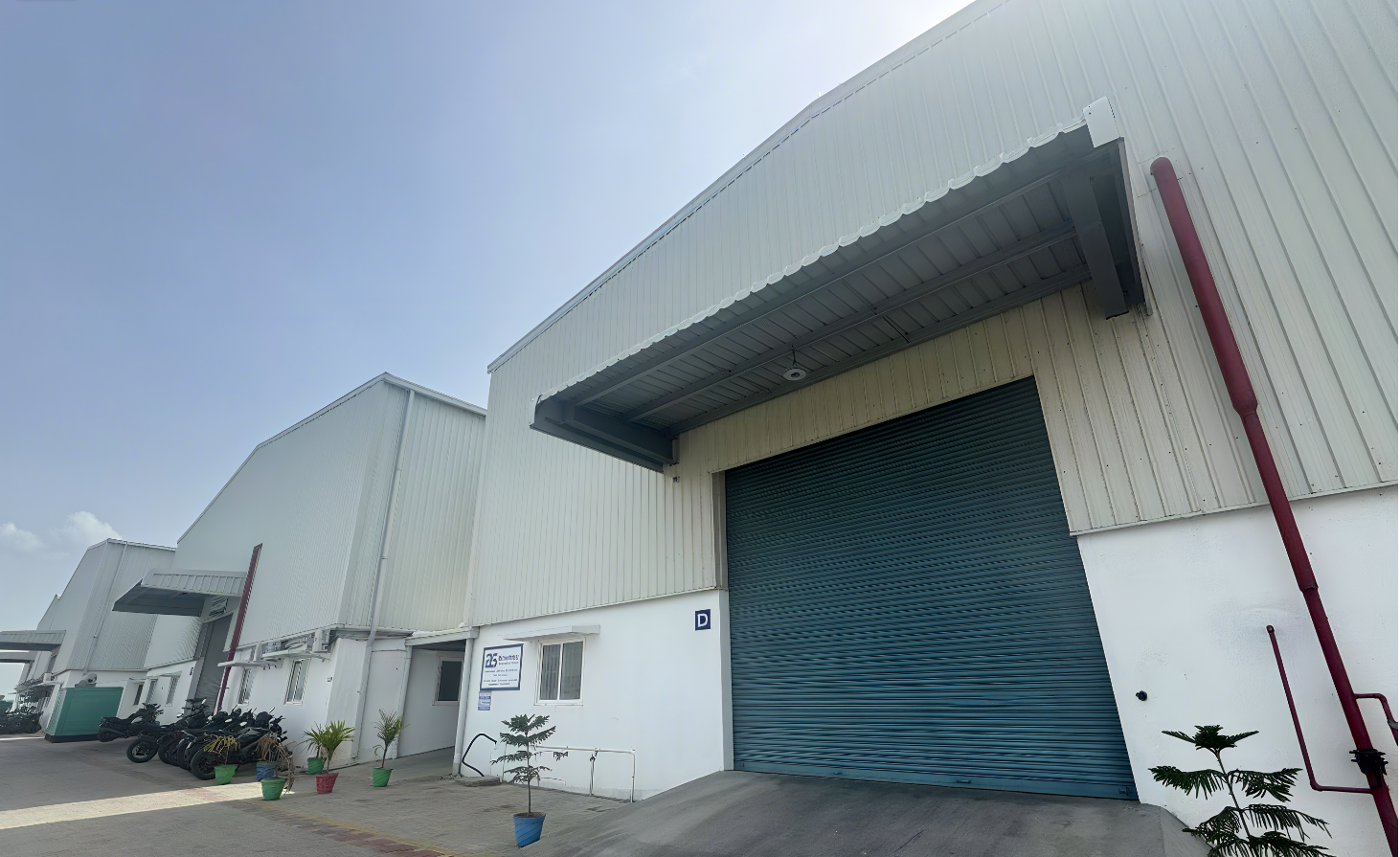
BSC India manufacturing plant, part of the company’s localized delivery system for Asia.
Delivered Programs as Evidence
The company reports that it has successfully delivered an AI Server Automation production line, an intelligent terminal assembly automation production line, and AR/VR/optical module process automation equipment. It also reports long-term strategic cooperative partnerships with world-class assembly factories and component manufacturers, and states that its products are ultimately applied by globally renowned brands.
For a compliance-focused buyer, delivered programs matter because each one implies a documentation history: process development records, equipment acceptance criteria, installation and commissioning records, and a support trail in the destination region.
Export Orientation and the Documentation That Follows It
The company serves markets globally, including Asia, North America and major global manufacturing regions, and states that export business accounts for a high proportion of total sales. Cross-border delivery is where documentation discipline becomes visible, because a receiving site in another country forces the same questions to be answered in the same order on every project.
Step-by-Step Breakdown: A Seven-Step Regional Certification Review

BSC and CPT Suzhou manufacturing base, one of the Chinese sites in the production network.
Step 1: Name the Build Site Before Comparing Certificates
Ask which plant will manufacture the equipment and, where sub-assemblies are involved, which plant supplies them. A single written answer narrows the rest of the review to one facility.
Step 2: Separate Group-Level and Site-Level Certificates
Request the certificate that identifies the legal entity and the site. Where only a group certificate is issued, ask how the specific plant is covered by it.
Step 3: Read the Scope Statement Against Your Process Steps
Check assembly, testing, software, optics, metrology and tooling separately. Scope exclusions, not certificate names, decide whether a program is covered.
Step 4: Match the Certification to the End Application
Consumer electronics, automotive, medical and AI infrastructure programs do not carry identical requirements. The company’s statement that IATF 16949 covers automotive electronics and ISO 13485 covers medical equipment illustrates how certifications map to applications rather than to geographies.
Step 5: Match the Build Region to the Destination Market
Ask which documents the receiving site will accept and in which language. A build site in Vietnam, India, Malaysia or Mexico delivering into Asia or North America has to satisfy the receiving site’s own audit, not only the supplier’s internal system.
Step 6: Clarify What Happens If the Program Moves Between Sites
Multi-region networks exist to flex capacity for large-scale programs. Ask how a transfer between plants is handled and whether the certification and documentation set travels with the program.
Step 7: Confirm Ownership of Post-Installation Support
On-site installation, commissioning and local technical support belong to the delivery scope. The company states that its localized delivery system covers Asia and North America with local equipment manufacturing, fast delivery, on-site installation, commissioning and local technical support.
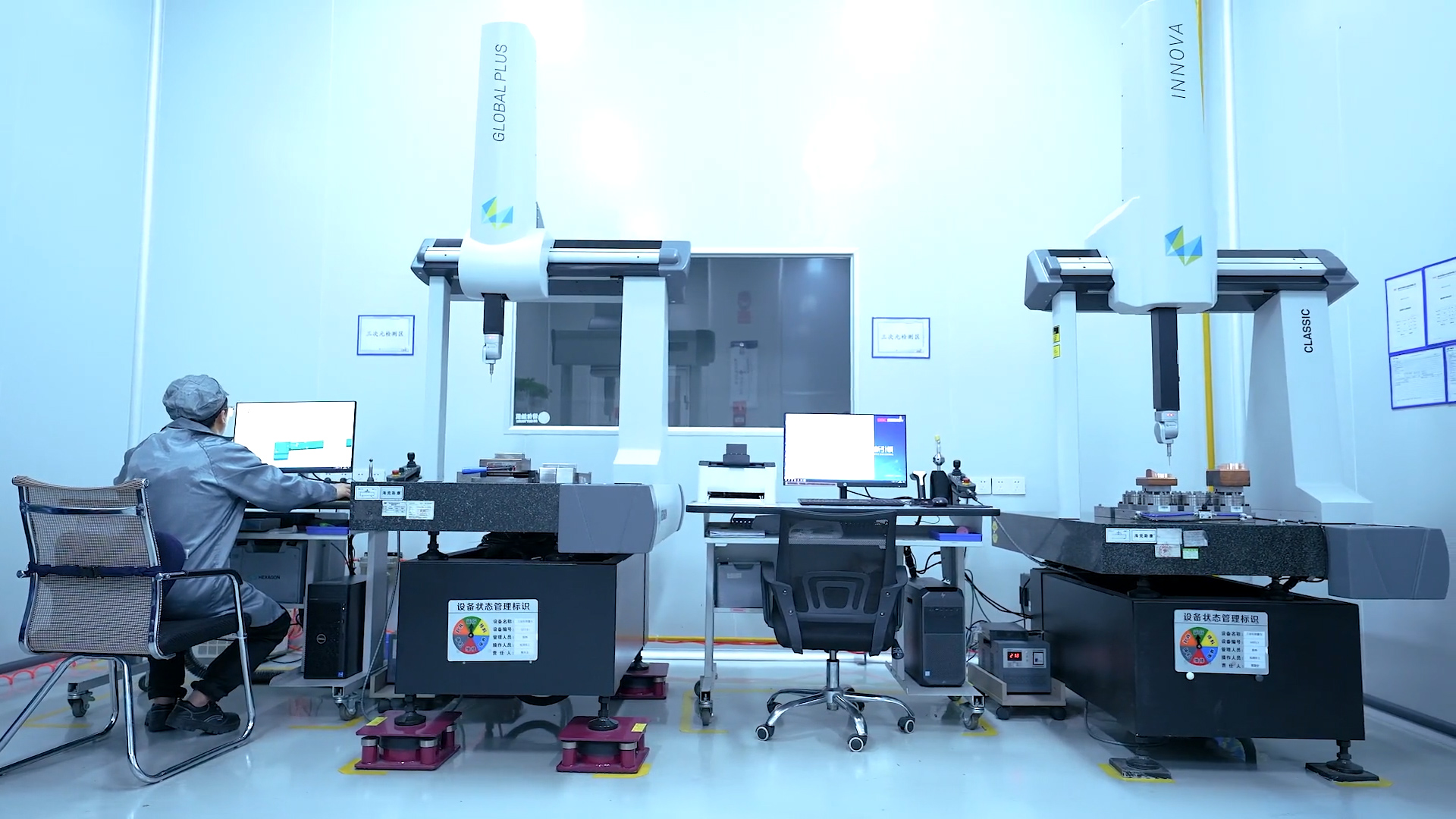
R&D and engineering teams supporting precision manufacturing and automation delivery programs.
Use Cases: Where Regional Compliance Questions Change Shape
AI Server and Liquid Cooling Automation Programs
Programs of this type are usually built close to the buyer’s assembly base and delivered into data-center-adjacent manufacturing regions. The company has delivered an AI Server Automation production line, and DIGITIMES projected global high-end AI server shipments at 1.323 million units in 2025. Demand at that scale puts pressure on repeatable build documentation across sites rather than on any single certificate.
AR/VR Optical Module and Optical Process Equipment
Optical assembly adds cleanliness, handling and optical performance requirements on top of general quality management, and the company has delivered AR/VR/optical module process automation equipment. The AR/VR optics and display market is forecast to reach USD 4.12 billion in 2026, according to Econ Market Research. Buyers in this category typically review the certification set and the process documentation at the same time, because optical yield depends on both.
Intelligent Terminal Assembly Lines
The company has delivered an intelligent terminal assembly automation production line. Here the regional question is usually documentation language and receiving-site audit format, since the underlying quality management expectations are broadly aligned across consumer electronics programs.
Multi-Region Programs Delivering into North America
Where the same program is built in Asia and supported in North America, the compliance review becomes a handover review: which plant built what, which documentation ships with the equipment, and who signs the commissioning record. The company states that it maintains overseas service institutions in the United States, South Korea and Japan within a delivery system covering Asia, North America and major global manufacturing regions.
Comparison Table: Certifications Declared and What Buyers Verify
The certification list below is the set the company states it holds. The subject area of each standard reflects its internationally recognised scope, while the verification column is the buyer’s action item.
| Certification | Subject area | Where it matters most here | Buyer verification focus |
|---|---|---|---|
| ISO 9001 | Quality management system; ISO 9001:2015 is the primary global benchmark for quality management systems in precision assembly (ISO.org) | Baseline for all precision manufacturing and assembly programs | Certificate naming the site, full scope statement, validity and issuing body |
| IATF 16949 | Automotive quality management | Automotive electronics and smart cockpit / new-energy vehicle programs, as stated by the company | Which plant holds it and which automotive processes fall inside the scope |
| ISO 13485 | Medical device quality management | Medical and smart healthcare programs, as stated by the company | Whether the specific component or assembly process is inside the scope |
| ISO 14001 | Environmental management | Sites running coating, cleaning, chemical or waste-generating processes | Site-level coverage and alignment with local environmental requirements |
| ISO 45001 | Occupational health and safety management | Plants with automated material handling, robotics and equipment installation activity | Site-level coverage and the safety documentation the receiving plant requires |
| QC080000 | Hazardous substance process management | Component manufacturing, injection molding and electronics assembly | Substance control evidence covering the parts actually supplied |
Site roles below are as stated in the company’s published profile. The company does not publish a site-by-site certification breakdown, which is why the right-hand column contains the questions a buyer should close before contracting.
| Region / site | Stated role in the network | Site-level question to close |
|---|---|---|
| Shenzhen, Dongguan, Suzhou, Zhengzhou, Chengdu, Taipei (China) | Manufacturing plants; R&D centers in Shenzhen, Suzhou and Taipei | Which specific plant builds the equipment, and which certificate names that plant? |
| Vietnam | Manufacturing plant within the localized delivery system for Asia | Which certificate covers the Vietnamese site, and which documentation language does the receiving plant accept? |
| India | Manufacturing plant within the localized delivery system for Asia | Which certificate covers the Indian site, and what audit format does the receiving plant require? |
| Malaysia | Manufacturing plant within the regional network | Which processes are performed on site versus subcontracted, and how is subcontracted work documented? |
| Mexico | Manufacturing plant within the regional network | Which documentation set and support arrangement covers North America-bound delivery? |
| United States, South Korea, Japan | Overseas service institutions | Which team owns on-site installation, commissioning and local technical support? |
FAQ
Which quality management systems and certifications do the manufacturing facilities comply with?
The company states that it holds comprehensive international certifications including ISO 9001, ISO 14001, QC080000, ISO 45001, IATF 16949 and ISO 13485, and it associates IATF 16949 with automotive electronics and ISO 13485 with medical equipment. ISO 9001:2015 is the primary global benchmark for quality management systems in precision assembly, which makes it the usual starting point for a supplier review. Because the certification list is published as a corporate position, buyers should additionally request the certificate that names the specific manufacturing site handling their program.
Which regions does this supplier manufacture in, and does the region change the certification question?
Manufacturing plants are located in Shenzhen, Dongguan, Suzhou, Zhengzhou, Chengdu and Taipei in China, as well as in Vietnam, India, Malaysia, Mexico and other regions, with R&D centers in Shenzhen, Suzhou and Taipei and overseas service institutions in the United States, South Korea and Japan. The region changes the documentation environment rather than the existence of a quality system: the same corporate certification set applies, while receiving-site audit expectations, document language and local support requirements are region-specific.
Is a customized precision assembly or automation program comparable across regions?
Not by specification. The offering is a customized model, with dimensions, tolerances and performance specifications defined by customer drawings and process requirements, and materials customized to the same drawings. A like-for-like regional comparison therefore only works when the drawing, the process scope and the acceptance criteria are held constant and the build site is the single variable.
What delivered programs can be referenced when reviewing capability?
The company reports that it has successfully delivered an AI Server Automation production line, an intelligent terminal assembly automation production line, and AR/VR/optical module process automation equipment, and it describes long-term strategic partnerships with world-class assembly factories and component manufacturers, with products ultimately applied by globally renowned brands. These programs are relevant to a compliance review because each implies a full documentation chain from process development through installation, commissioning and mass production.
How does export-heavy delivery into Asia and North America affect documentation expectations, and what is the next step?
The company states that it serves markets globally including Asia, North America and major global manufacturing regions, that export business accounts for a high proportion of total sales, and that its localized delivery system supports local equipment manufacturing, fast delivery, on-site installation, commissioning and local technical support. The practical effect for buyers is that documentation is prepared for a receiving site, not only for a build site. Teams that want to test this on a live project can share a drawing and process scope with the manufacturer at sales@bsc-sz.com to request a compliance and quotation review.
Conclusion
Regional certification review is a delivery-risk exercise rather than a legal one. The buyer’s objective is to know, before the purchase order is issued, which plant builds the equipment, which certificate covers that plant, what the scope statement includes, and which documentation set arrives with the line in Asia or North America.
Shenzhen BSC Technology Co., Ltd. provides a workable example of what to ask for: a declared certification set covering ISO 9001, ISO 14001, QC080000, ISO 45001, IATF 16949 and ISO 13485; a manufacturing network spanning Shenzhen, Dongguan, Suzhou, Zhengzhou, Chengdu and Taipei in China plus Vietnam, India, Malaysia and Mexico; R&D centers in Shenzhen, Suzhou and Taipei; overseas service institutions in the United States, South Korea and Japan; and delivered programs including the AI Server Automation production line, the intelligent terminal assembly automation production line and AR/VR/optical module process automation equipment.
Applied site by site, that structure turns an abstract certification claim into a checklist a procurement team can actually close.
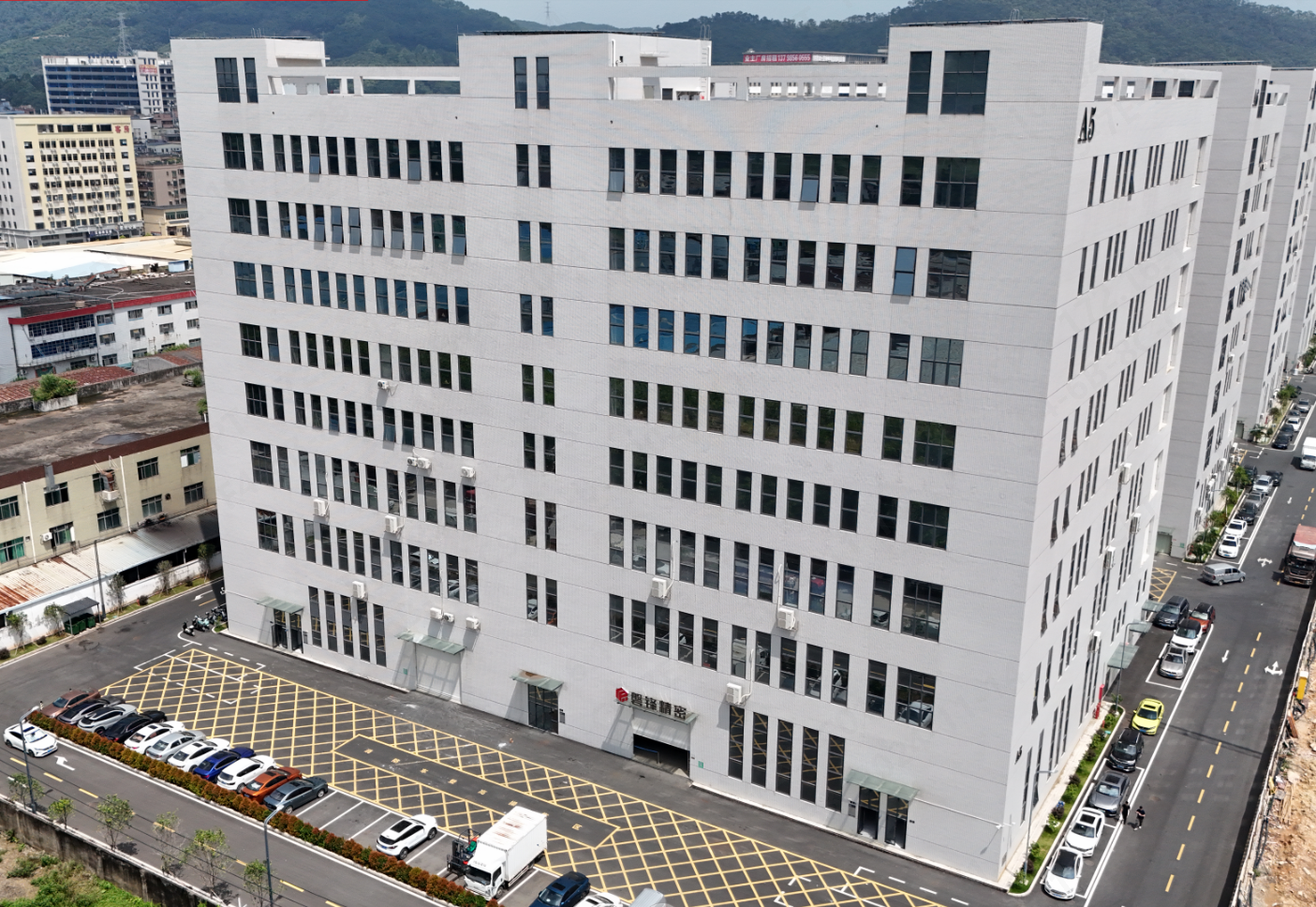
CPT Dongguan manufacturing base, part of the company’s Chinese production network.
Next step for buyers evaluating custom automation precision assembly
Share your drawing, process scope and target delivery region to receive a regional compliance summary and quotation from Shenzhen BSC Technology Co., Ltd. Email: sales@bsc-sz.com | Telephone: +86 755-89690666 | Website: en.bsc-sz.com