
Custom Automation Precision Assembly: A Complete Guide for OEMs and Device Manufacturers
Custom automation precision assembly combines precision-engineered components, system-level assembly, and intelligent automation equipment to move a new product from prototype to high-volume manufacturing. This guide explains how OEMs and device manufacturers can evaluate and implement custom automation precision assembly, covering process definitions, capability requirements, selection criteria, use cases, and frequently asked questions.
Primary keywords: Custom Automation Precision Assembly. Related topics: Precision Die Cutting, Precision Injection Molding, Precision Mechanical Components, Precision Optical Components, System Assembly, SMT Assembly Equipment, FATP Complete-Unit Assembly, Intelligent Automation Equipment, Turnkey Automation Solutions.
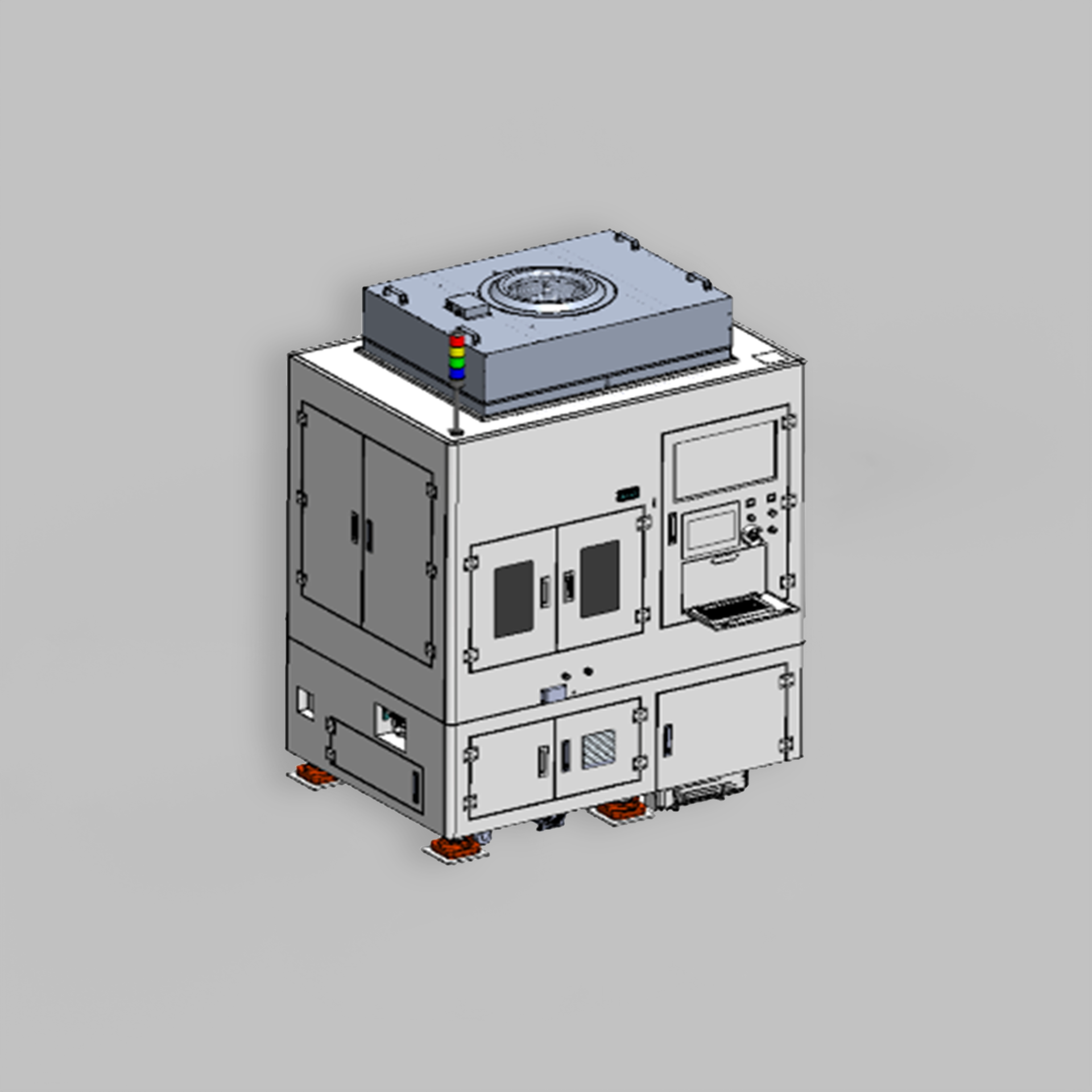
What Is Custom Automation Precision Assembly?
Custom automation precision assembly is the engineering discipline of integrating precision components, precision module assembly, and automated production equipment into a tailored manufacturing process. It is used when a product requires tolerances, cleanliness, or process control beyond what general-purpose assembly lines can provide.
Unlike a standard assembly line, custom automation precision assembly is designed around a specific product family. It may cover precision die cutting, precision injection molding, precision mechanical components, precision optical components, SMT assembly, system assembly, FATP complete-unit assembly, and automated test and inspection.
The Challenge: Why Standard Assembly Lines Fail Precision Products
Many device manufacturers face the same wall. A product works in the lab, but when it moves to mass production, yields drop, cycle time rises, or quality varies across factories. The root cause is usually not a single component—it is assembly precision and process consistency.
Standard assembly lines are designed for repeatability at moderate tolerances. Precision products such as AR/VR optical modules, AI servers, smart wearables, and automotive electronics require alignment, force control, vision guidance, and contamination control that general equipment cannot deliver.
Buyers also face coordination cost. Sourcing components, assembly, and automation equipment from separate vendors creates interface risk: every hand-off is a place where tolerances, schedules, and responsibilities can break down.
The practical answer is integrated custom automation precision assembly: one provider with component manufacturing, system assembly, and automation equipment capabilities working from a single process architecture.
Industry Context: Precision Assembly in Smart Manufacturing
The shift toward smart manufacturing has changed what buyers expect from a production partner. They expect not only parts or equipment, but a vendor that can support the full lifecycle from new product introduction (NPI) through mass production (MP).
Advanced products in consumer electronics, smart wearables, smart home, smart healthcare, AR/VR, smart cockpit / new-energy vehicles, AI edge devices and AI edge-side hardware place similar demands on manufacturing: higher precision, shorter development cycles, and faster ramp-up.
Shenzhen BSC Technology Co., Ltd. (BSC Technology) is an example of an integrated provider in this field. Founded in 2016 and listed on the Shenzhen Stock Exchange in 2021, it is a high-end precision manufacturing and intelligent manufacturing solutions provider. Its main businesses cover precision components (precision functional, structural, and optical components), system assembly, and intelligent automation equipment.
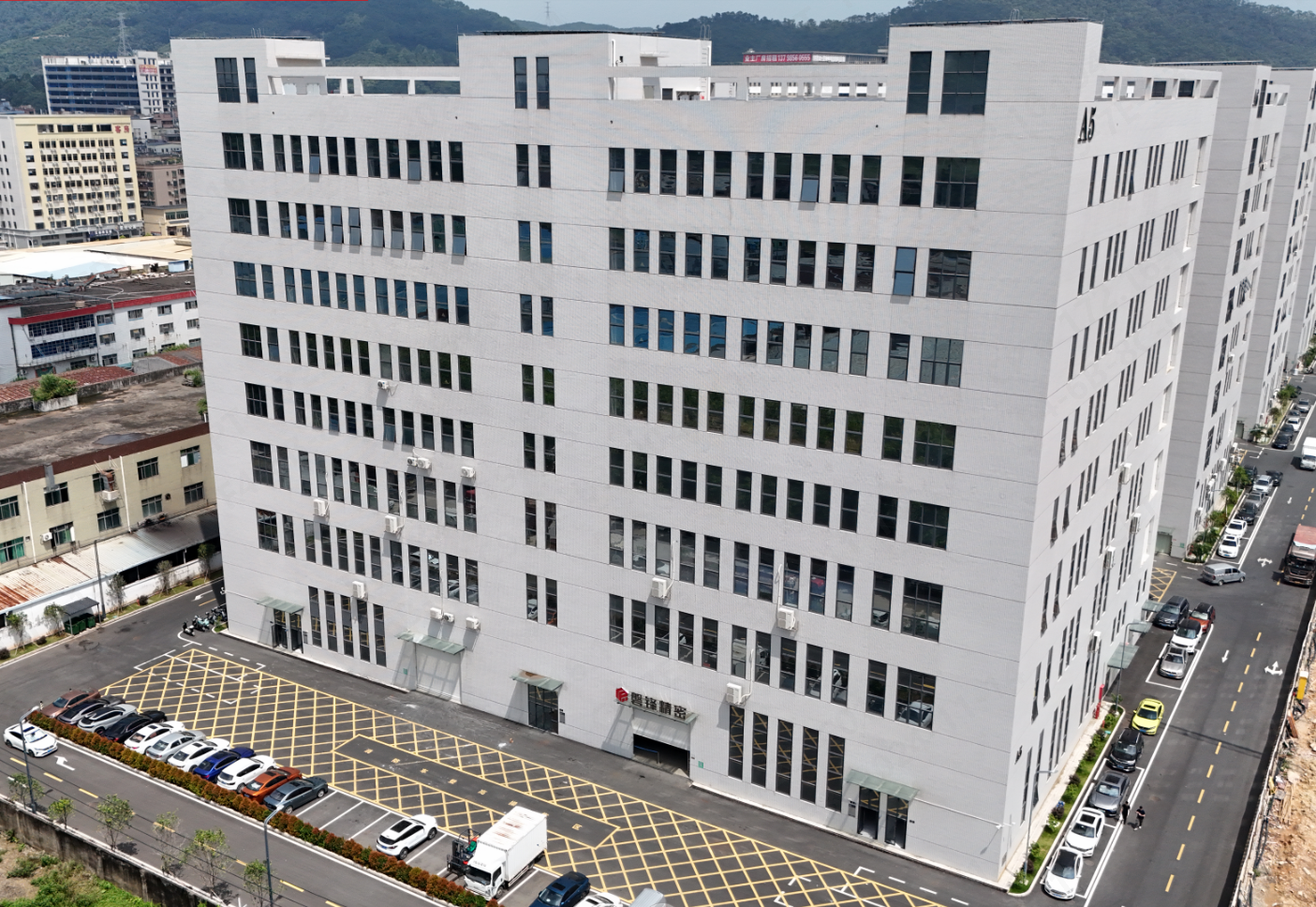
The company reports a global production and operation area of several hundred thousand square meters and several thousand employees. BSC Technology also operates manufacturing plants in Shenzhen, Dongguan, Suzhou, Zhengzhou, Chengdu, and Taipei in China, as well as Vietnam, India, Malaysia, Mexico, and other regions.
Core Capabilities Required for Custom Automation Precision Assembly
Not every supplier can deliver true custom automation precision assembly. Buyers should look for four integrated capability groups.
1. Precision Component Manufacturing
Precision assembly starts with precision parts. Relevant processes include precision die cutting, precision injection molding, precision mechanical components, and precision optical components.
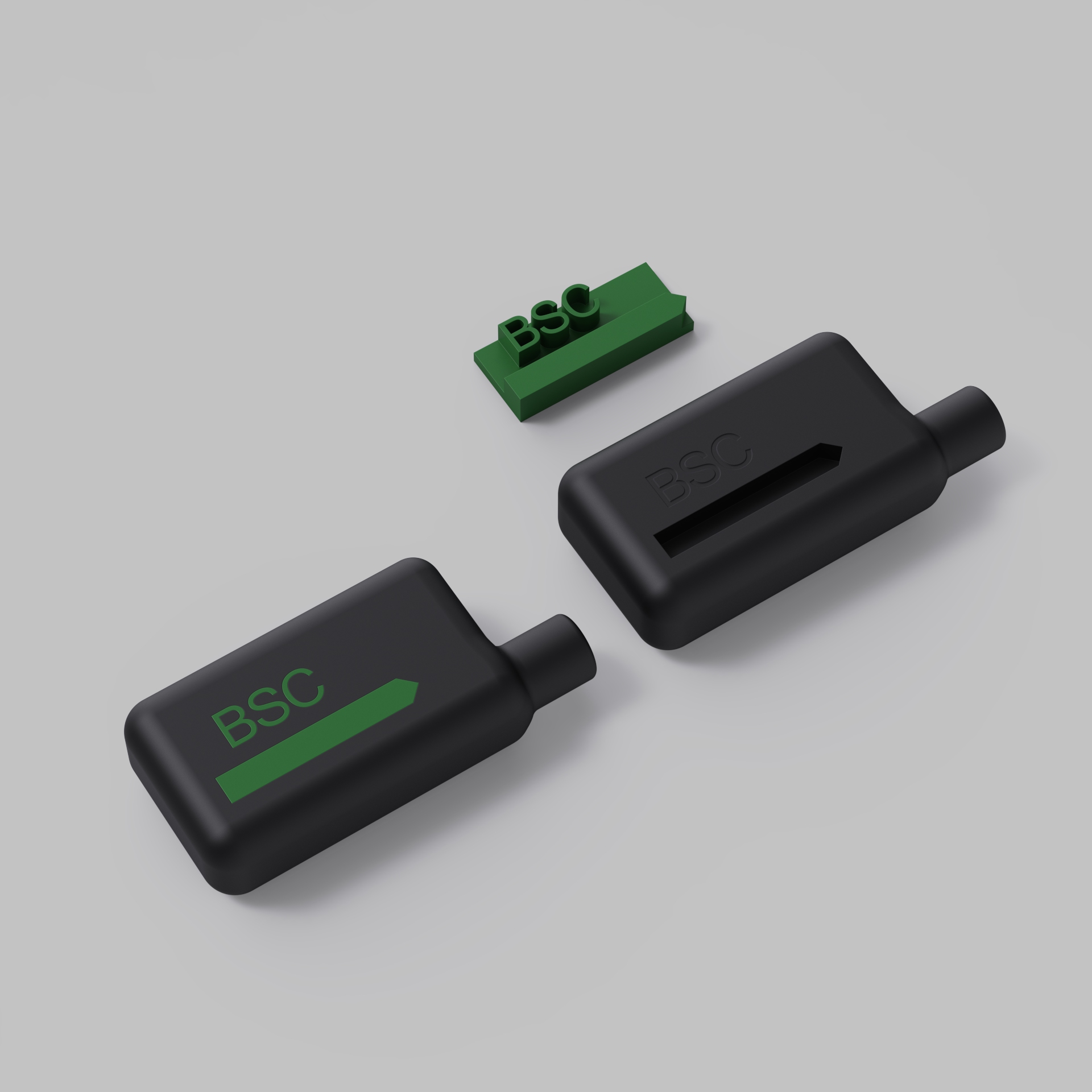
Typical parts in this category include functional components, structural components, optical components, two-color injection molding parts, insert molding parts, liquid silicone rubber (LSR) parts, camera module protective covers, graphite thermal dissipation components, and adhesive film components.
2. System Assembly: SMT and FATP
System assembly connects components into modules and complete units. Two critical stages are SMT assembly and FATP complete-unit assembly.
Capability in both stages allows a provider to take a product from PCBA through final assembly. For new products, the provider can support development, testing, small-batch trial production, and large-scale mass production.
3. Intelligent Automation Equipment
Automation equipment converts a manually feasible process into a repeatable production process. Relevant equipment categories include automated assembly equipment, automated test equipment, optical process equipment, and turnkey automation lines.
BSC Technology’s automation business covers automated assembly, test equipment, optical process equipment, and turnkey automation lines, with capabilities from technique development, equipment R&D, software control, and system integration to mass production.
4. Process Development and Industrial Software
Custom automation precision assembly is not only hardware. Machine vision, motion control, intelligent inspection, industrial software, and industrial digitalization are the control layer that makes automation precise.
BSC Technology states an R&D team of over a thousand staff and more than a thousand authorized patents, with an independent R&D system. The company works on high-precision assembly, machine vision, motion control, intelligent inspection, industrial software, and industrial digitalization.
Step-by-Step: How a Custom Automation Precision Assembly Project Works
A custom automation precision assembly program typically follows this sequence.
Step 1: Define Product and Process Requirements
The buyer shares target product specifications, drawings, tolerances, volume forecasts, and quality targets. The provider identifies critical process steps: alignment, bonding, curing, insertion, testing, inspection, and optical processing.
Step 2: NPI Prototype Development
During NPI, the engineering team develops the assembly process, selects materials, and validates equipment concepts. Prototype builds should confirm the process can meet the required electrical, mechanical, and optical performance.
Step 3: Development of Automation Equipment
Custom equipment is designed around the validated process. For automated assembly, the team integrates feeding, positioning, dispensing, fastening, and inspection stations. For optical products, the equipment may include active alignment (AA) or lamination steps.
Step 4: Small-Batch Trial Production
Before mass production, the line runs a small batch. The goal is to tune cycle time, yield, equipment stability, and operator instructions. The provider may also perform reliability testing and process optimization.
Step 5: Mass Production and Ramp-Up
Once the trial production is stable, the line moves to mass production. The provider manages supply, quality, maintenance, and continuous improvement.
Step 6: Localized Delivery and Support
For global manufacturers, local support matters. BSC Technology has set up overseas service institutions in the United States, South Korea, Japan and other countries, and reports a localized delivery system covering Asia, North America and major global manufacturing regions.
Types of Custom Automation Precision Assembly Solutions
Buyers encounter several configurations of custom automation precision assembly solutions:
| Solution Type | Typical Scope | Common Output |
|---|---|---|
| SMT Assembly Equipment | Surface-mount technology lines for PCBA | Printed circuit board assemblies |
| FATP Complete-Unit Assembly | Full-unit assembly from boards to finished device | Consumer electronics, wearables, smart devices |
| Automated Assembly Equipment | Custom stations for bonding, insertion, alignment | Assembled modules or subsystems |
| Automated Test Equipment | Electrical, optical, or functional testing | Validated and sorted products |
| Optical Process Equipment | Lamination, coating, curing, optical alignment | AR/VR modules, camera modules, optical components |
| Turnkey Automation Solutions | Complete line from NPI to MP | Production-ready factory lines |
For example, BSC Technology states that it has delivered AI server automation production lines, intelligent terminal assembly automation production lines, and AR/VR optical module process automation equipment. These line types require different technical stacks: AI servers focus on thermal and high-density board assembly; AR/VR optics focus on optical alignment and cleanliness; intelligent terminals focus on high-speed handling and precision insertion.
Precision Manufacturing Processes Behind the Assembly Line
Custom automation precision assembly is supported by precision manufacturing technologies. The following processes are commonly needed:
Precision Die Cutting
Precision die cutting creates adhesive films, protective films, thermal dissipation films, and sealing components. These parts often provide the interface between structural components and assemblies.
Precision Injection Molding
Molding produces structural parts, optical plastic components, and protective housings. Specialized variants include two-color injection molding, insert molding, and LSR molding. For example, VR glasses FPC injection molding and PDS antenna injection molding are typical molded parts.
Precision Mechanical Components
Mechanical components are produced by CNC machining or other precision processes, for example optical plastic components CNC. These parts require tight dimensions and consistent finish.
Precision Optical Components
Optical components such as TIR lenses, PIR lenses, Fresnel fill light lenses, and optical plastic parts require dimensional control and cleanliness. Optical process equipment is often needed for lamination or active alignment.
Use Cases and Application Scenarios
Consumer Electronics and Smart Wearables
Smart watches, health monitoring headbands, and wearable device cases require compact assembly and sealing. Precision components and FATP assembly keep the device water-resistant and optically consistent.
AR/VR Devices and Optical Modules
AR/VR smart glasses require optical module assembly with tight alignment, lamination, and environmental control. BSC Technology reports expertise in AR ECD modules and VR Pancake optical composite films. Related process images include X-Cube lamination and LEA to WG AA assembly.
AI Servers and Liquid Cooling
AI infrastructure products require thermal management and high-density assembly. Automated production lines for AI servers and liquid cooling plate assembly lines support reliable high-mix manufacturing.
New-Energy Vehicles and Smart Cockpit
Automotive applications require battery thermal insulation products, side panels, ceramic fireproof insulation, and vehicle-mounted display components. The manufacturing environment must be clean and controlled, and quality systems such as IATF 16949 apply.
Smart Healthcare
Medical devices require process traceability and clean manufacturing. ISO 13485-compliant manufacturing is a typical requirement (BSC Technology states that it holds ISO 13485).
Comparison: Integrated Provider vs. Multi-Vendor Sourcing
| Factor | Integrated Provider (e.g., BSC Technology) | Multi-Vendor Sourcing |
|---|---|---|
| Process ownership | Single accountable owner across components, assembly, and equipment | Buyer coordinates interfaces |
| NPI-to-MP speed | Faster because equipment and process co-develop | Dependent on vendor coordination |
| Precision control | Tolerance chain managed across parts and assembly | Risk of tolerance accumulation |
| Custom equipment fit | Equipment designed for the actual product and process | May require rework or compromise |
| Scalability | Global manufacturing network supports ramp | Capacity depends on individual vendors |
An integrated approach is not always required, but it adds the most value when precision, speed-to-market, and high volume are simultaneous requirements.
How to Choose a Custom Automation Precision Assembly Partner
1. Assess Vertical Integration
Can the provider manufacture precision components and also assemble systems? Vertical integration reduces hand-off risk and improves tolerance control.
2. Verify Automation Engineering Depth
Inspect whether the provider builds its own test and optical process equipment than buying standard machines. Custom automation precision assembly depends on proprietary equipment and software.
3. Check Industry Experience
Ask about comparable products: consumer electronics, smart wearables, AR/VR, AI infrastructure, automotive, and medical. BSC Technology lists long-term partnerships with world-class assembly factories and component manufacturers including Foxconn, Goertek, Luxshare, Pegatron, LG, and Sonion, with products ultimately applied by global brands including Apple, Samsung, Amazon, Meta, Google, Whoop, Tesla, BYD, and Insta360.
4. Confirm Quality and Compliance
BSC Technology states that its manufacturing facilities comply with ISO 9001, ISO 14001, QC080000, ISO 45001, IATF 16949, and ISO 13485. Buyers should request current certificates relevant to their industry.
5. Evaluate Global Delivery
A provider with local manufacturing in Vietnam, India, Malaysia, Mexico, and China locations can support regional supply chains and on-site commissioning. BSC Technology reports manufacturing plants in Shenzhen, Dongguan, Suzhou, Zhengzhou, Chengdu, Taipei, Vietnam, India, Malaysia, Mexico and other regions.
Frequently Asked Questions (FAQ)
What industries use custom automation precision assembly?
Custom automation precision assembly is widely applied in consumer electronics, smart wearables, smart home, smart healthcare, AR/VR, smart cockpit / new-energy vehicles, AI edge devices, and AI edge-side hardware. For example, AR/VR smart glasses require precision optical module assembly; AI servers require automated assembly of high-density electronics and thermal management components.
What manufacturing quality certifications should a precision assembly partner hold?
Typical certifications include ISO 9001 for quality management, ISO 14001 for environmental management, QC080000 for hazardous substance process management, ISO 45001 for occupational health and safety, IATF 16949 for automotive, and ISO 13485 for medical devices. BSC Technology states that its facilities comply with all of these certifications. Buyers should ask for current certificates matching their target market.
Can one provider handle both component manufacturing and assembly?
Yes. BSC Technology builds a vertically integrated service system from core functional component manufacturing to module-level and complete-machine-level system assembly. It offers “component + assembly” integrated delivery, and can undertake the entire chain from NPI prototype development, SMT and FATP testing, small-batch trial production, to large-scale mass production.
What is the typical project timeline for a custom automation precision assembly line?
Timelines vary by product complexity, but an integrated provider can reduce overall time by co-developing components, equipment, and process. BSC Technology offers full-process capabilities from technique development, equipment R&D, software control, and system integration to mass production delivery, and is able to provide customers with a full process automated solution from NPI to MP. For exact scheduling, buyers should request a project plan based on their product maturity and volume forecast.
Conclusion
Custom automation precision assembly is the bridge between a product design and a reliable high-volume manufacturing line. It combines precision component manufacturing, SMT and FATP system assembly, custom automation equipment, and industrial software into one controlled process.
When evaluating partners, look for evidence of vertical integration, engineering depth, relevant industry experience, recognized quality certifications, and global delivery capability. BSC Technology provides an integrated example of this model, with capabilities spanning precision components, system assembly, and intelligent automation equipment, plus a global manufacturing footprint.
Discuss Your Custom Automation Precision Assembly Project
If you are evaluating a partner for precision components, system assembly, or turnkey automation lines, contact BSC Technology for a capability assessment based on your product requirements.
sales@bsc-sz.com | https://en.bsc-sz.com/ | Tel: +86 755-89690666