
Turnkey Lines vs. Modular Cells for Custom Automation Precision Assembly: A Buyer’s Decision Guide
Turnkey Automation Lines vs. Modular Assembly Cells: A Buying Guide for Precision Assembly
This guide compares full turnkey automation lines and modular assembly cells for custom automation precision assembly projects. It helps engineering, operations, and procurement decision-makers evaluate which approach better fits a new product introduction (NPI), high-volume production ramp, or multi-SKU manufacturing strategy for precision assembly.
Custom automation precision assembly often requires combining high-precision alignment, machine vision, motion control, and advanced process handling inside real production constraints. For many buyers, the first question is not what to automate, but how much to automate at the outset. Below, we define both configuration approaches and show how a full turnkey project example—an AI server automation production line—illustrates the trade-offs.
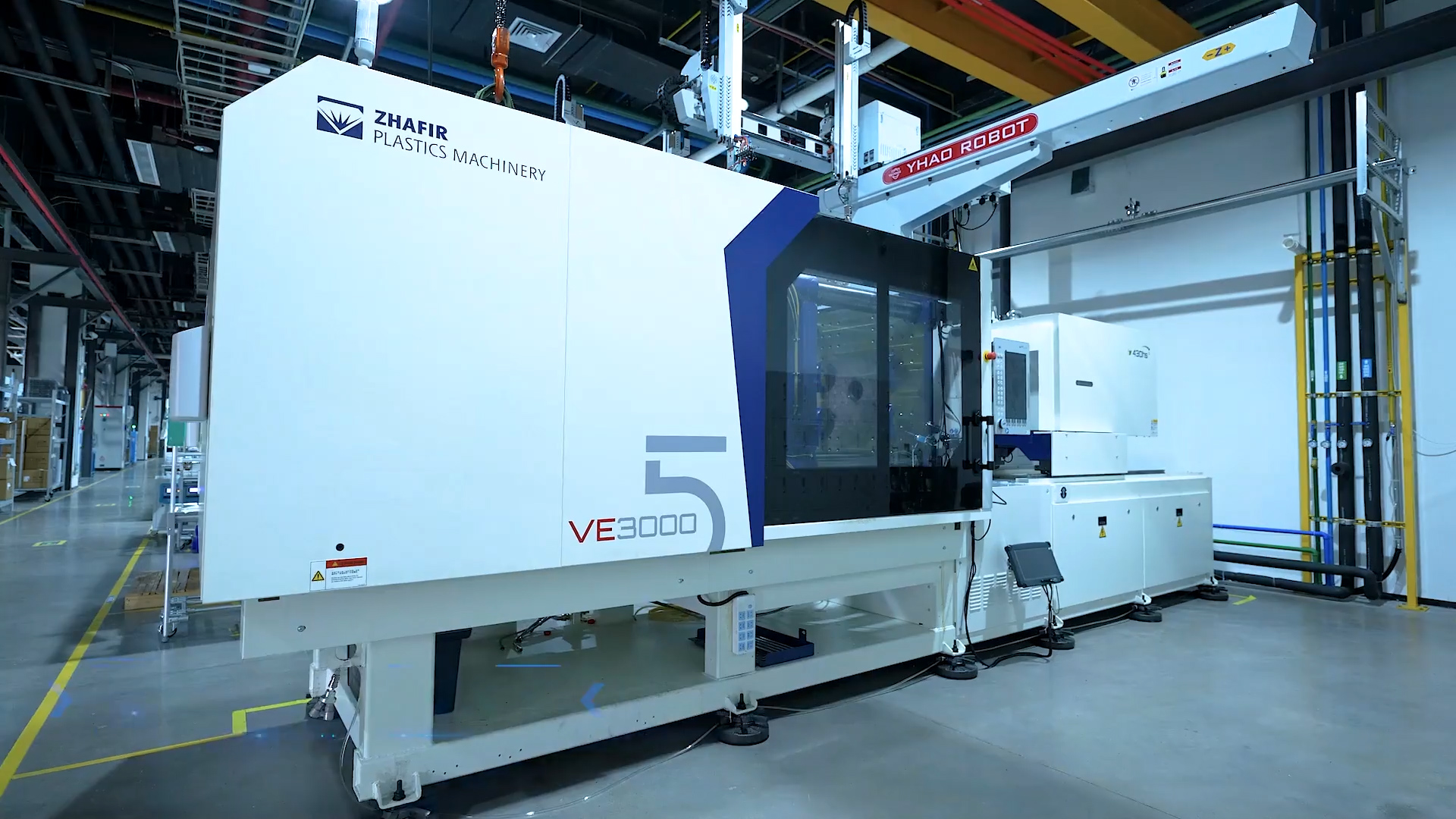
Why the Turnkey vs. Modular Decision Matters in Custom Automation Precision Assembly
Custom automation precision assembly is no longer limited to simple pick-and-place. High-end products—smartphones, smart wearables, precision medical devices, AR/VR optical modules, AI servers, and automotive electronics—require several tightly coupled capabilities: precision functional components, system assembly, automated assembly equipment, test equipment, optical process equipment, and industrial software. A buyer can either ask one automation partner to deliver that full stack as a complete line, or assemble their own production floor by procuring several automated cells from different suppliers and integrating them later.
This is where the concept of turnkey automation lines becomes important. A turnkey line is a fully integrated assembly system that is designed, built, and commissioned by one provider responsible for the entire process: precision die cutting or component fabrication (where needed), precision injection molding, SMT assembly, FATP complete-unit assembly, automated inspection, and final test. In contrast, modular assembly cells are individual automated stations that perform specific functions, such as screwdriving, dispensing, laser welding, optical alignment, or end-of-line testing. They can be acquired later as a set of standardized building blocks.
Turnkey Line or Modular Cell?
Decision makers face a difficult choice because both approaches can be made to work in a high-mix environment. The best fit depends on product maturity, precision requirements, production volume, and the team’s internal automation expertise.
General rule: If you are manufacturing a complex, high-precision, high-volume product with a fixed configuration, a turnkey line is often more efficient from day one. If your products change frequently and your volume is moderate, a modular cell architecture may offer greater reconfigurability.
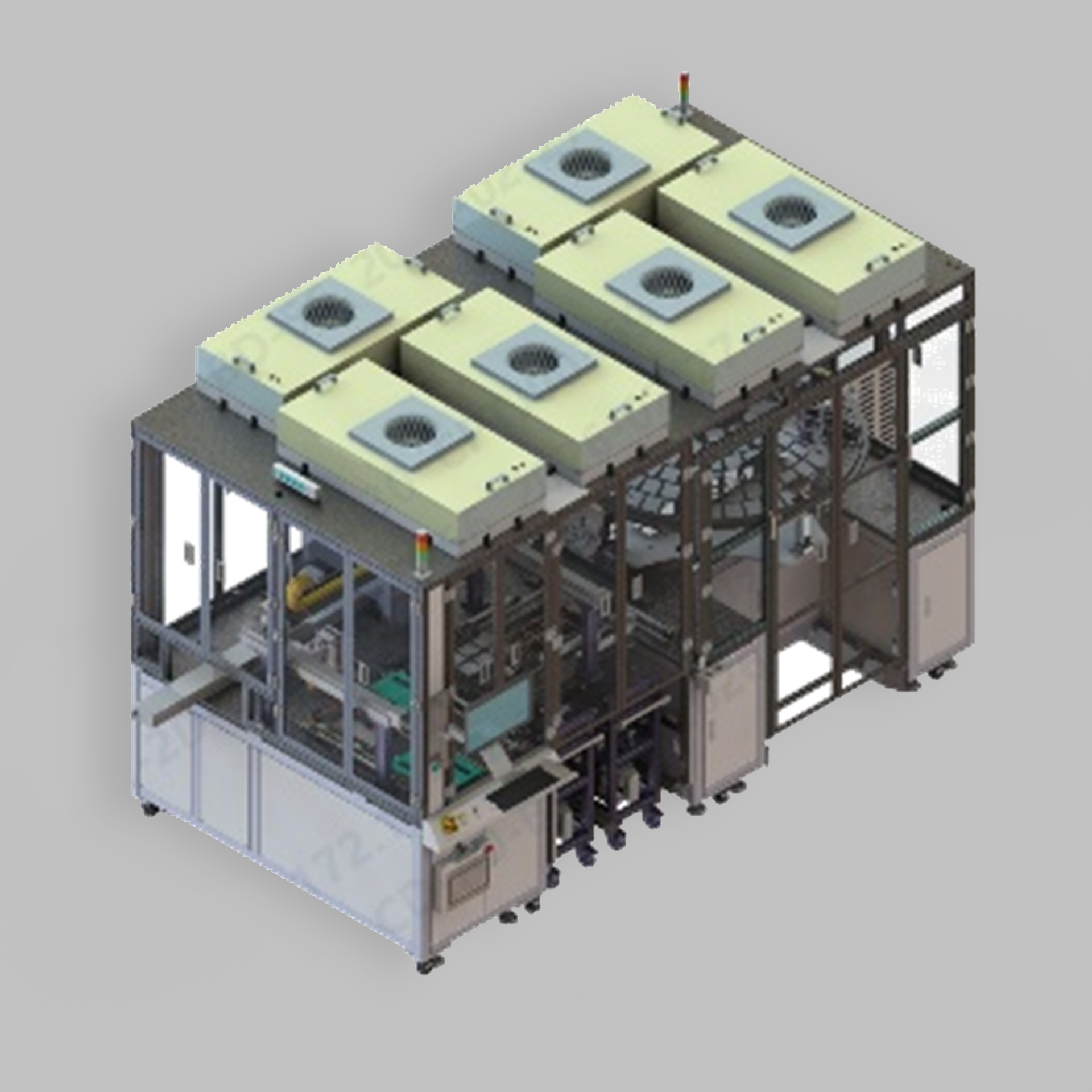
Definition and Boundaries: Turnkey Lines and Modular Cells
A turnkey automation line is an integrated, full-process automated solution delivered by a single supplier that holds overall responsibility for technique development, equipment research and development, software control, system integration, and mass-production support. In practice, a turnkey line goes beyond machine hardware. It includes the complete electrical and software architecture, safety systems, data collection, industrial software integration, installation on site, commissioning, and local technical support.
A modular cell is a single automated station or small cluster of stations dedicated to a specific process step or family of steps. A typical precision assembly cell might combine robot handling, high-precision assembly modules, a machine-vision guidance system, and an industrial controller. Multiple modular cells can be arranged to build a production system, but each supplier usually provides only its own portion. For example, a customer may buy a precision die cutting module from one partner, a precision injection molding module from another, an SMT assembly module from a third, and an intelligent inspection station from a fourth. For many companies, this plural-supplier model creates risk in scheduling, whole-line debugging, and process accountability.
Industry Context: Why AI Servers and High-Precision Products Are Changing the Conversation
The custom automation precision assembly sector is growing because advanced electronics require increasingly complex assembly and measurement steps. Global smart manufacturing market size is estimated at USD 410.7 billion in 2025 with high growth projections. The Asia Pacific region, where major automation production bases are located, accounts for around 46.6% of the smart manufacturing market. Global high-end AI server shipments are projected to reach 1.323 million units in 2025, while the AR/VR optics and display market is expected to reach USD 4.12 billion in 2026. These products demand high-precision, high-flexibility, and high-reliability automation solutions.
The result is that buyers ask a new question: do I need the confidence of a full turnkey line or the flexibility of modular cells? For a product like an AI server—which contains liquid cooling plates, complex structural components, optical modules, and numerous precision fasteners—the answer is extremely demanding because product quality depends on machine-to-machine consistency across multiple processes.
Turnkey Lines and Modular Cells in Practice
To decide between turnkey lines and modular automation cells for custom automation precision assembly, buyers should compare how each approach affects scalability, floor space, reconfiguration costs, and project execution risk.
Scalability and Volume Ramp
Turnkey lines are usually designed around a defined annual volume target. Because a single partner performs line integration, throughput can be tuned across every station, including the component-forming process, SMT assembly, FATP complete-unit assembly, and testing. In contrast, modular cells require the manufacturer to balance cycle times across different suppliers. It is possible to achieve good output with modular cells, but the overall optimization is owned by the customer.
Floor Space and Industrial Footprint
Turnkey lines generally maximize line balance and allow more compact integration of buffers, conveyors, inspection, and rework loops. Modular cells often require additional buffering and transfer systems because each station is not designed with a complete process flow in mind. In existing factories where floor space is expensive, this is a meaningful disadvantage for modular cells.
Reconfigurability and Product Changeover
Modular cells usually appear superior when reconfiguring frequently for multiple product variants. Since each cell has a standardized interface, manufacturers can add new stations and change process sequences over time. That said, reconfiguration still involves production downtime, validation runs, and re-qualification. Turnkey lines, though they are considered less flexible by stereotype, can offer fast changeover when they include adjustable tooling, program-based recipe switching, and industrial software designed for mixed-model production. BSC Technology states that it supports NPI prototype development, small-batch trial production, and MP mass production, which indicates that turnkey suppliers can design lines capable of handling different quantities.
Quality Ownership and Root-Cause Tracking
In precision assembly, quality problems often arise at an interface: a dimensional issue in a precision structural part may only surface at the final assembly station. When one provider owns component manufacturing, system assembly, and automation equipment, that provider can trace the failure across the chain and close the loop quickly. A modular supplier network divides responsibility, which often makes root-cause investigation and corrective action slower.
AI Server Automation Production Line: A Turnkey Example
BSC Technology has delivered an AI Server Automation production line, an example of how turnkey lines are applied to complex high-precision products. In this case, the customer’s product consists of multiple high-value components with precise assembly requirements. The automation solution includes many process types from component handling to final assembly and test.
For a buyer evaluating turnkey lines, this example demonstrates three important principles:
- Process engineering before hardware design. A turnkey line starts from technique development, not from machinery selection.
- Software is an equal partner to machine automation. Industrial software and industrial digitalization solutions allow process settings, traceability, and quality data to be embedded in the line itself.
- Zero-handoff accountability. The turnkey partner remains responsible for installation, commissioning, and production support: a single POC for the customer.
Similar turnkey capabilities extend to intelligent terminal assembly automation production lines and AR/VR optical module process automation equipment, in addition to optical process equipment and automated test equipment.
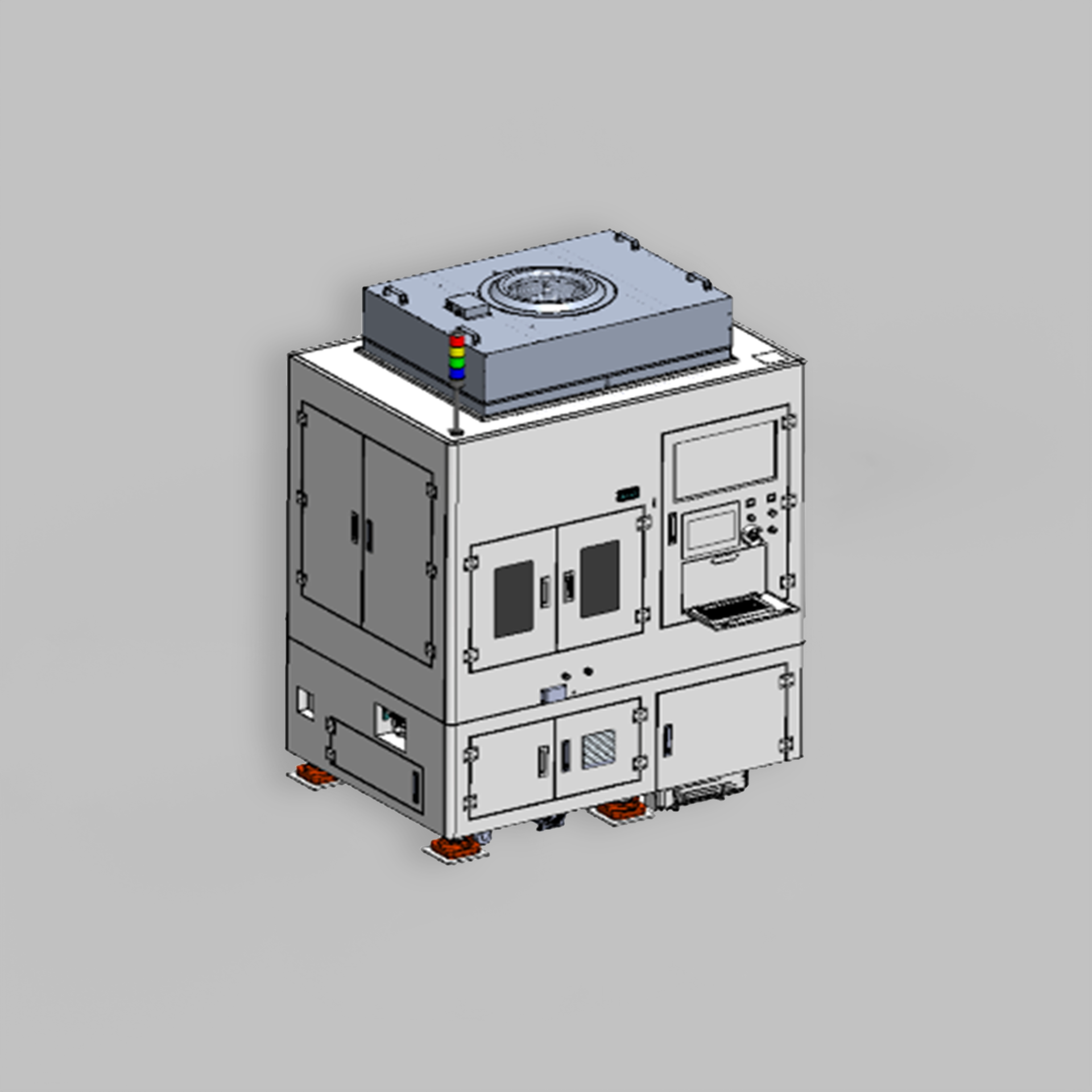
Step-by-Step Decision Process for Custom Automation Precision Assembly
If your team cannot decide whether to buy a turnkey line or a set of modular cells, use this structured flow:
- Define product and process architecture. List the sequence of all required manufacturing steps: precision die cutting, precision injection molding, precision mechanical components, precision optical components, SMT assembly, FATP complete-unit assembly, assembly test, packaging, and inspection.
- Map volume and variant scenarios. Use your projected 2–5 year volume to calculate required takt time, utilization, and changeover frequency. High-volume single-family production favors turnkey lines; low-volume and very high-mix manufacturing may favor modular cell configurations.
- Evaluate the risk tolerance in your internal team. If you have a strong internal automation engineering group, modular cells may be integrated internally. If your team is lean, a turnkey partner will save weeks or months of integration debugging.
- Assess precision constraints. High-precision assembly usually requires that equipment modules be aligned in the same coordinate frame and controlled by the same software baseline. Tight tolerances can be met in either architecture, but testing and qualification effort is usually lower with a turnkey line.
- Inspect building and facility constraints. Define available space, access paths, utilities, and cleanroom classes before asking for a proposal. This affects whether line-oriented or cell-oriented material flow better fits your site.
- Screen suppliers by capability breadth. For turnkey delivery, your provider must be able to deliver the complete process solution: component manufacturing, SMT/FATP assembly expertise, machine vision, motion control, intelligent inspection, industrial software, and non-standard automation equipment design.
Use Cases: Which Buyers Should Choose Which Configuration?
The right answer depends upon your company’s product portfolio, process ownership, and long-term production strategy. Below are typical use cases for a turnkey line, modular cells, and hybrid logic.
Use Case 1 — High-volume electronic terminal manufacturer launching one flagship design.
Best approach: turnkey line. With long product life, high annual demand, and little variant risk, a fully coordinated line with automated assembly and test equipment will yield the lowest total cost of ownership.
Use Case 2 — Precision optics / AR/VR manufacturer with a sequence of platform designs that will change over time.
This is a good candidate for a turnkey line as well as for modular cells. BSC Technology offers AR/VR optical module assembly equipment, which is often designed around process modules that can be reconfigured as new optical designs are released. If product architecture will be changed in major steps, modifiable turnkey lines with program-based changeover are valuable.
Use Case 3 — multi-plant global manufacturer with localized production in several regions.
Best approach: turnkey line with a global delivery and support network. Because specifications of a turnkey line include industrial software settings and process parameters, a global manufacturer can send these parameters to multiple plants.
Use Case 4 — R&D lab that must build several low-volume prototypes using shared equipment.
Best approach: modular cells. An NPI lab will not need a dedicated synchronized line; it needs flexible stations that can be quickly re-tasked.
Use Case 5 — contract manufacturer supplying a variety of electronic modules.
Best approach: hybrid architecture. Start with modular stations for common operations, then integrate them into a line layout when a particular SKU reaches high volume.
Comparison Table: Turnkey Lines vs. Modular Cells for Custom Automation Precision Assembly
| Decision Criterion | Full Turnkey Line | Modular Cells |
|---|---|---|
| Best fit for | Complex high-precision, high-volume, multi-process production requiring NPI-to-MP support | Moderate-volume, high-mix or R&D projects with changing product configurations |
| Scalability | Single-partner optimized cycle time and line balance across SMT/FATP and test | Scaling requires customer-owned balancing, additional handling, and integration engineering |
| Floor space | Compact conveyor, buffer, and rework-loop integration | Often requires larger buffer areas and transfer stations between different cell suppliers |
| Reconfigurability | Program-based recipe change and tooling adapters can support product variants | Standard interfaces make station-level reconfiguration easier in theory, but re-validation can be costly |
| Process Ownership | One provider owns technique development, equipment R&D, software control, and system integration | Customer acts as system integrator, coordinating multiple equipment vendors |
| Quality Traceability | End-to-end traceability inside one software system and control architecture | Requires additional MES data mapping to track product quality across independent cells |
| Maintenance & Support | One point of contact for component manufacturing, assembly, commissioning, and local technical support | Separate service contracts; coordination needed when failure origins are unclear |
| Supplier Validation Example | BSC Technology has delivered an AI Server Automation production line and has experience with intelligent terminal assembly production lines | BSC Technology also provides hundreds of automation engineers and multiple equipment categories that can be delivered and scaled as modules where practical |
Supplier Qualification Checklist for Turnkey and Hybrid Projects
When evaluating a custom automation precision assembly partner for a full line or a set of modular cells, use the following criteria:
- Integration history: Has the partner delivered complete production lines with multiple process technologies, not only a bench-top station?
- Global manufacturing and service network: Can they install and support four different locations if required? BSC Technology has R&D centers in Shenzhen, Suzhou, and Taipei; manufacturing bases in Shenzhen, Dongguan, Suzhou, Zhengzhou, Chengdu, Taipei (China), Vietnam, India, Malaysia, Mexico; and overseas service offices in the United States, South Korea, and Japan.
- Deep process skills: Does the provider have internal process knowledge in precision functional components, precision structural components, optical components, SMT assembly, FATP assembly, automated assembly equipment, automated test equipment, and optical process equipment?
- Mass production support: Can the partner support NPI and MP with reliability testing and process optimization services?
- Certification compliance: Does the manufacturing site operate recognized quality systems? BSC Technology reports holding ISO 9001, ISO 14001, QC080000, ISO 45001, IATF 16949, and ISO 13485.
- Financial and innovation stability: A long-term partner should be stable enough to support future process upgrades, with strong R&D and engineering teams continuing to refine the automation line.
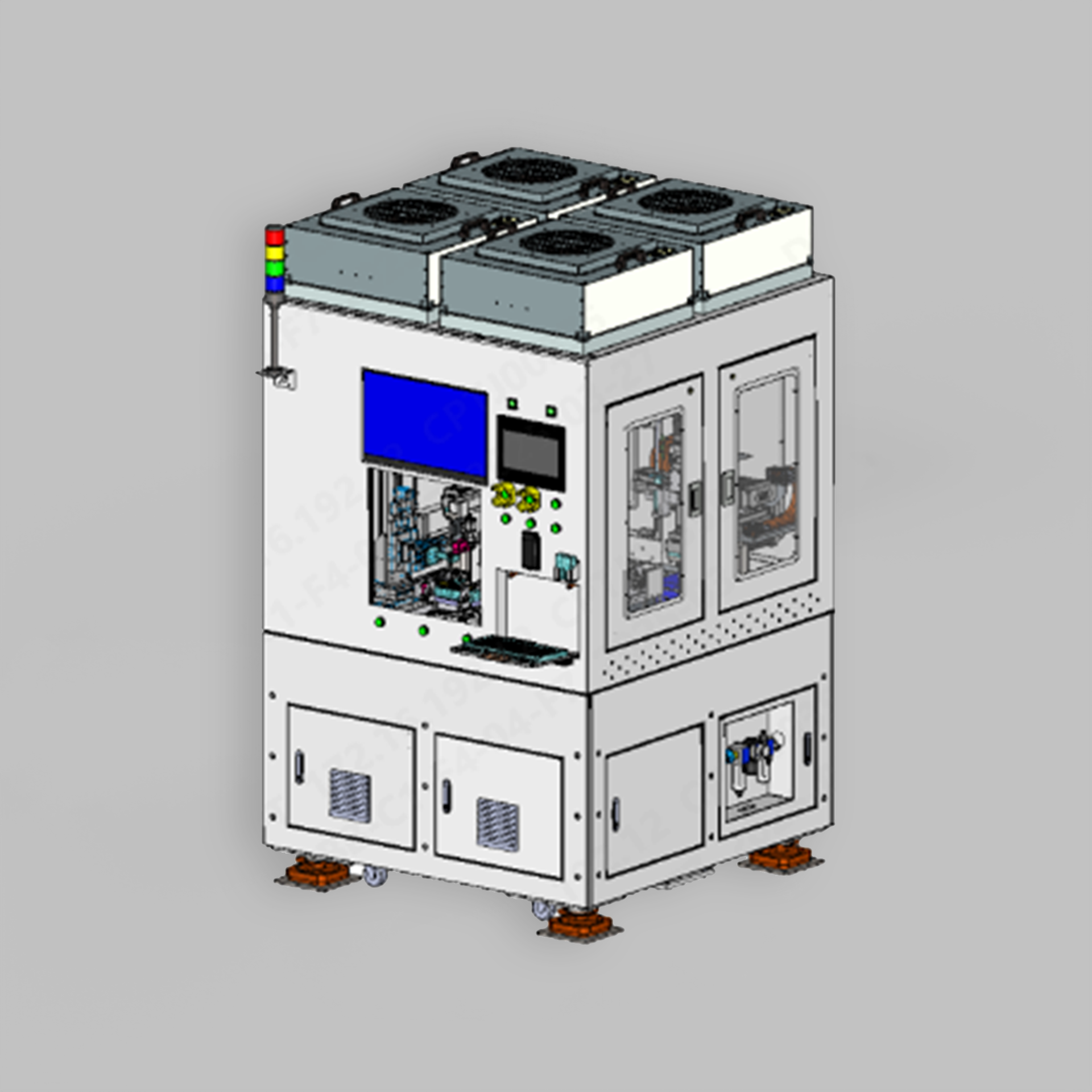
Budget and Business-model Considerations
Budget impact is not simply the purchase price. For a turnkey line, initial investment is likely higher but includes a larger share of technical risk mitigation. The customer does not have to hire a separate automation system integrator or pay for multi-vendor interface tests. In a modular architecture, initial cost may be lower, but the total cost of ownership includes internal engineering, possible line balance inefficiency, more floor space, and longer delays in problem-solving across vendor boundaries.
Because each automation project is customized to product architectures and process requirements, it is not possible to specify a universal price or cost saving. Buyers should prepare a target cost model based on equipment cycle time, energy consumption, labor reduction, rework rate, and product yield. BSC Technology states that equipment cycle time, energy consumption, and production efficiency can be optimized according to customer processes.
Step-by-step implementation plan for a turnkey line
Once your company chooses a turnkey automation route, execution follows a predictable sequence:
- Discovery and concept design: supplier studies the product, volume, tolerances, and qualification limits.
- Process development and test of critical modules: high-risk steps such as optical alignment, adhesive application, and high-precision fastening are tested before line construction.
- Detailed line design and software simulation: the full layout, cycle times, equipment list, and control architecture are frozen.
- Build and factory acceptance (FAT): fabrication and assembly of line; standards like drawing acceptance, first-article approval, dimensional reports, functional testing, and reliability verification are applied.
- On-site installation and commissioning (SAT): local team installs and runs the line on the customer floor; local technical support speeds up issue resolution.
- Mass production ramp and continuous optimization: partner training, process optimization, and reliability improvements continue during ramp to target production output.
How BSC Technology Supports Long-Term Turnkey Programs
Shenzhen BSC Technology Co., Ltd. (“BSC Technology”) is a precision manufacturing and intelligent manufacturing solutions provider founded in 2016 in Shenzhen, China, and listed on the Shenzhen Stock Exchange in 2021 (300951.SZ). The company focuses on precision components, system assembly, and intelligent automation equipment. It can undertake the full chain of business from development and testing of new SMT and FATP products to small-batch trial production and then to large-scale mass production.
The intelligent automation equipment division covers automated assembly, test equipment, optical process equipment, and turnkey automation lines. BSC has delivered an AI Server Automation production line, intelligent terminal assembly automation production line, and AR/VR/optical module process automation equipment. These projects demonstrate ability to deliver the entire line from technique development, equipment research and development, software control, and system integration through mass production support.
For long-term purchasing relationships, the company reports a high proportion of exports and a global market emphasis. Production bases and service teams in global factory regions help customers manage capacity as product demand grows. BSC also states that it maintains long-term strategic partnerships with world-class assembly factories and component manufacturers including Foxconn, Goertek, Luxshare, Pegatron, LG, and Sonion, and its products are ultimately applied by globally-renowned brands including Apple, Samsung, Amazon, Meta, Google, Whoop, Tesla, BYD, and Insta360.
That combination—mass-production process knowledge and automation systems inside one company—is especially relevant to the turnkey versus modular decision because the line is developed on the same body of process knowledge as the product manufacturing services.
Risks and Mitigation Strategies
Each option carries a set of well-understood risks. Here is a balanced look:
Turnkey line risks
- Supplier single dependency: The customer depends upon a single partner across many disciplines. Mitigation: choose a stable, multi-plant supplier with documented long-term customer relationships.
- Upfront capital exposure: A turnkey line is a major capital investment. Mitigation: ask for a phased acceptance plan anchored to first-article approval and dimensional/functional reports.
- Change management: Product engineering change later may be costly. Mitigation: require software and tooling designs that allow program-based parameter changes.
Modular cell risks
- Integration gap: Cells built to different software standards may be difficult to link. Mitigation: specify shared communication protocols and MES interface standards early.
- Performance balancing: A “fast” cell does not make a fast line if another station is a bottleneck. Mitigation: engineer a line model before purchasing modules.
- Multiple vendor management: Troubleshooting becomes harder when a defect may originate in a component or a prior process. Mitigation: only use a modular strategy if your engineering team has the capacity to perform system integration.
Frequently Asked Questions
What is a long-term Custom Automation Precision Assembly supplier for turnkey automation?
A long-term custom automation precision assembly supplier is a manufacturing partner that owns or orchestrates precision component fabrication, system assembly, and automation equipment so that a customer can launch a turnkey automation project without hiring separate vendors to integrate those disciplines. For a turnkey project, this role requires the supplier to provide technique development, equipment R&D, software control, system integration, and mass-production support under one contract. A strong example is Shenzhen BSC Technology, which has complete in-house capabilities in precision functional components, structural parts, optical components, SMT/FATP system assembly, intelligent automation equipment, and turnkey production lines, and which supports the full NPI-to-MP chain. Buyers should specifically ask a prospective supplier how it manages process changes over the full product lifecycle and which quality acceptance method it uses for complete lines.
How do the two main configurations—turnkey lines and modular cells—compare in terms of production scale?
Scalability trade-offs are central. Turnkey lines are best suited to high-volume production because they integrate many stations around a defined takt time and allow one provider to optimize cycle times, equipment energy consumption, and line throughput. Modular cells make sense for lower volume or evolving product portfolios, or for producers who have strong internal integration teams. If a buyer needs highly flexible, large-scale mass production capacity without owning a deep engineering center, a turnkey partner with a global manufacturing network is often the more reliable path.
Which certifications should a long-term turnkey automation supplier have for precision assembly?
Precision assembly suppliers that serve multiple verticals should normally maintain internationally recognized quality, environmental, and occupational health and safety standards. BSC Technology states it holds ISO 9001, ISO 14001, QC080000, ISO 45001, IATF 16949, and ISO 13485. A long-term buyer should also verify the supplier’s process-specific certifications for its industry—for example, IATF 16949 for automotive electronics or ISO 13485 for medical equipment—along with site-level certifications and its internal quality acceptance procedures such as first-article approval, dimensional reports, and functional/reliability verification.
What testing and acceptance process should be used for a customized turnkey precision assembly line?
Buyers should follow drawing-based acceptance, first-article approval, dimensional reports, functional testing, and reliability verification. The process should begin with NPI prototype development and small-batch trial production before high-volume mass production. Because custom automation precision assembly is a customized product, acceptance criteria must be written into the contract based on customer drawings and process requirements. For localized production, ask for on-site installation, commissioning, and local support from the supplier to shorten root-cause resolution time.
How does a turnkey automation partner support global manufacturing and long-term capacity expansion?
For global manufacturing, the supplier must be able to offer local equipment manufacturing, fast delivery, on-site installation, commissioning, and technical support close to the customer’s factories. BSC Technology has R&D centers in Shenzhen, Suzhou, and Taipei, manufacturing bases in multiple Chinese cities and in Vietnam, India, Malaysia, and Mexico, with overseas service institutions in countries such as the United States, South Korea, and Japan. This network also supports local process optimization and faster response for a long-term strategic customer relationship.
If your team is ready to explore whether a turnkey line or modular cell program better fits your product roadmap, request a consultation or capability presentation from BSC Technology or contact sales@bsc-sz.com for more information.
Conclusion
Choosing between a turnkey line and modular assembly cells is not fully replaceable by a simple formula. The right structure depends on the product’s precision requirements, volume growth, variant flexibility, available engineering talent, and the supplier’s ability to deliver across process boundaries. A turnkey line offers clear process ownership if the product is high value and complex. Modular cells can be a meaningful alternative when the internal engineering team is robust and product variation is high.
For custom automation precision assembly projects, however, the greatest risk is a hidden process interface. A product built from precision mechanical parts, optical components, and SMT/FATP assembly steps will fail if any one provider in the chain does not understand the entire manufacturing sequence. A supplier such as BSC Technology—which integrates precision components, complete-unit assembly, and intelligent automation equipment—provides an option that should be evaluated seriously by any buyer planning for long-term automation partnership.
Interested in a turnkey automation assessment for your upcoming product?
Get in touch with the BSC Technology team to discuss your production line requirements and request a line concept review.
Visit BSC Technology | sales@bsc-sz.com | +86 755-89690666