
BOPP Thermal Lamination Film for Premium Printed Packaging: India & South Korea Guide
BOPP Thermal Lamination Film for Premium Printed Packaging: India & South Korea Guide
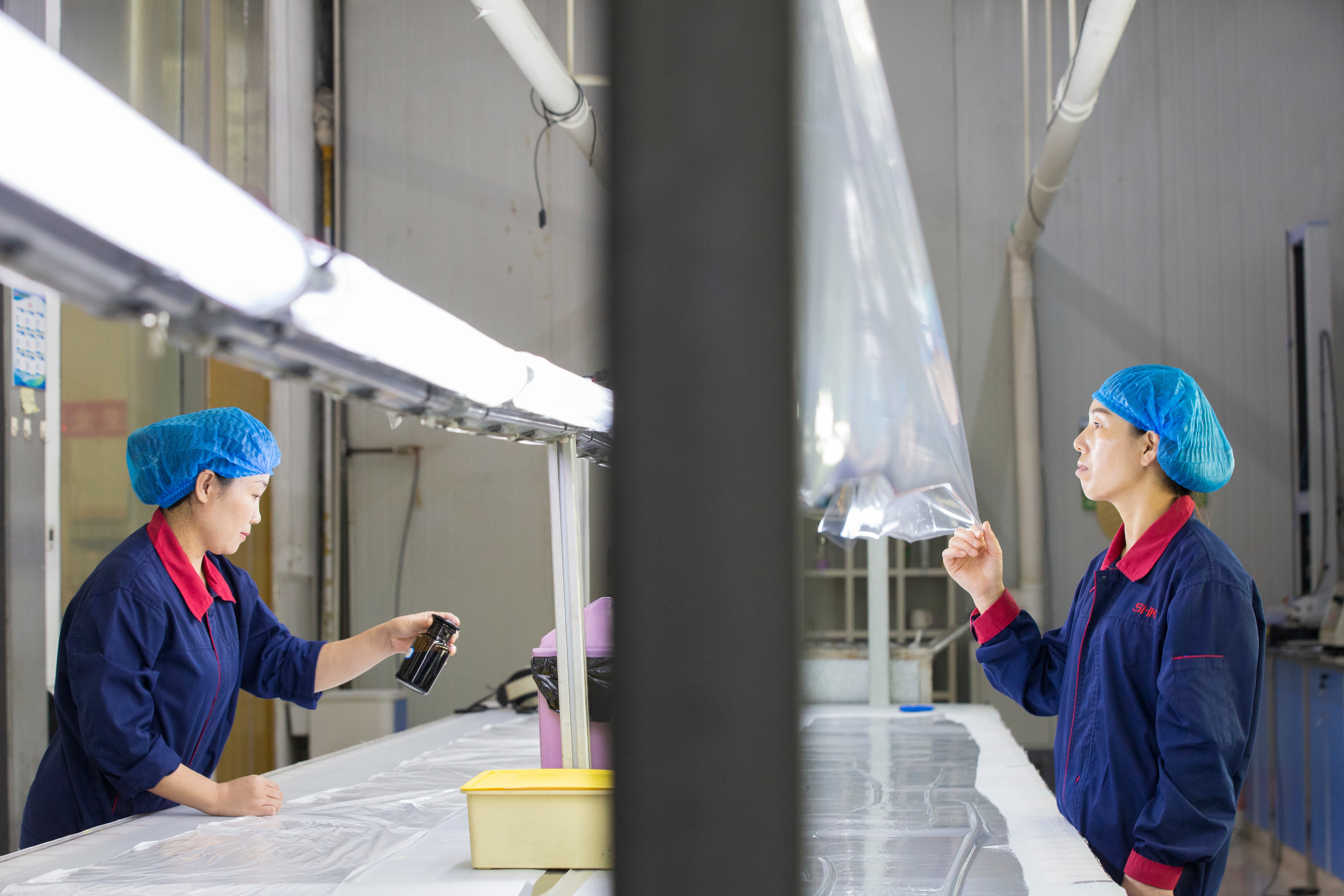
Short answer: for premium printed packaging in India and South Korea, BOPP thermal lamination film is specified on three criteria — the surface finish the brand needs (gloss, matte, soft-touch or anti-scratch), whether the film runs cleanly on the laminator already installed in the plant, and whether the supplier can repeat the same result at bulk volume. A documented SHKFILM case built around product 6623 supplied 30 tons of film to commercial printing and packaging customers and covered approximately 1,000,000 square meters of printed material over two years, with a consistent soft-touch finish, premium appearance, excellent scratch resistance and stable performance on high-speed laminating machines.
Premium print jobs are rarely lost at the printing stage. They are lost at post-press — when a matte surface picks up handling marks between lamination and packing, when adhesion weakens over a heavy offset ink layer, or when the tactile effect of a soft-touch finish drifts between the first reel and the last.
A BOPP thermal lamination film is a biaxially oriented polypropylene film that has been pre-coated with a heat-activated EVA adhesive. The film bonds to printed paper or board under heat and pressure, so no separate adhesive application step is required — that is the structural difference between thermal lamination and wet lamination, and it is the reason thermal routes process more cleanly and with less maintenance.
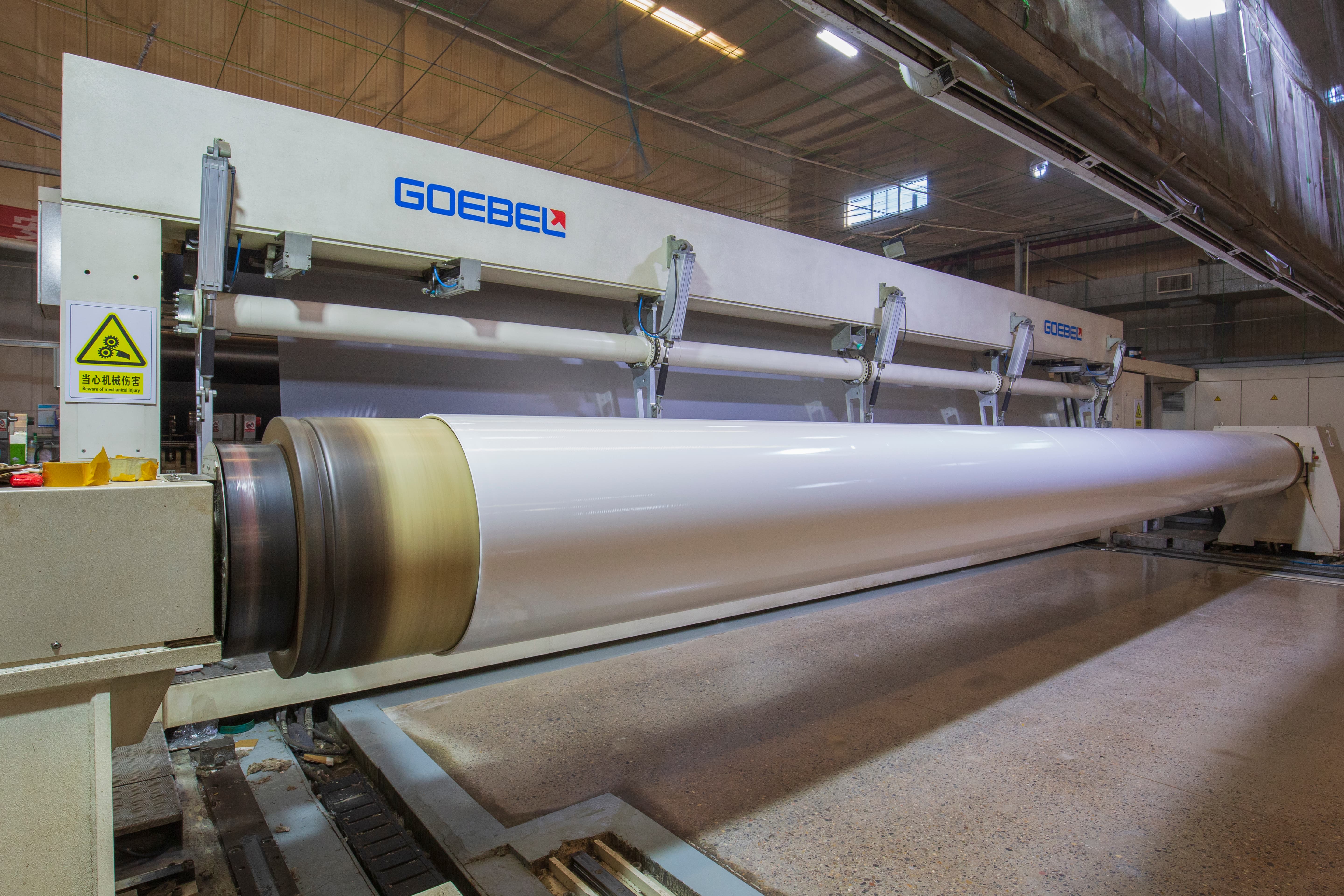
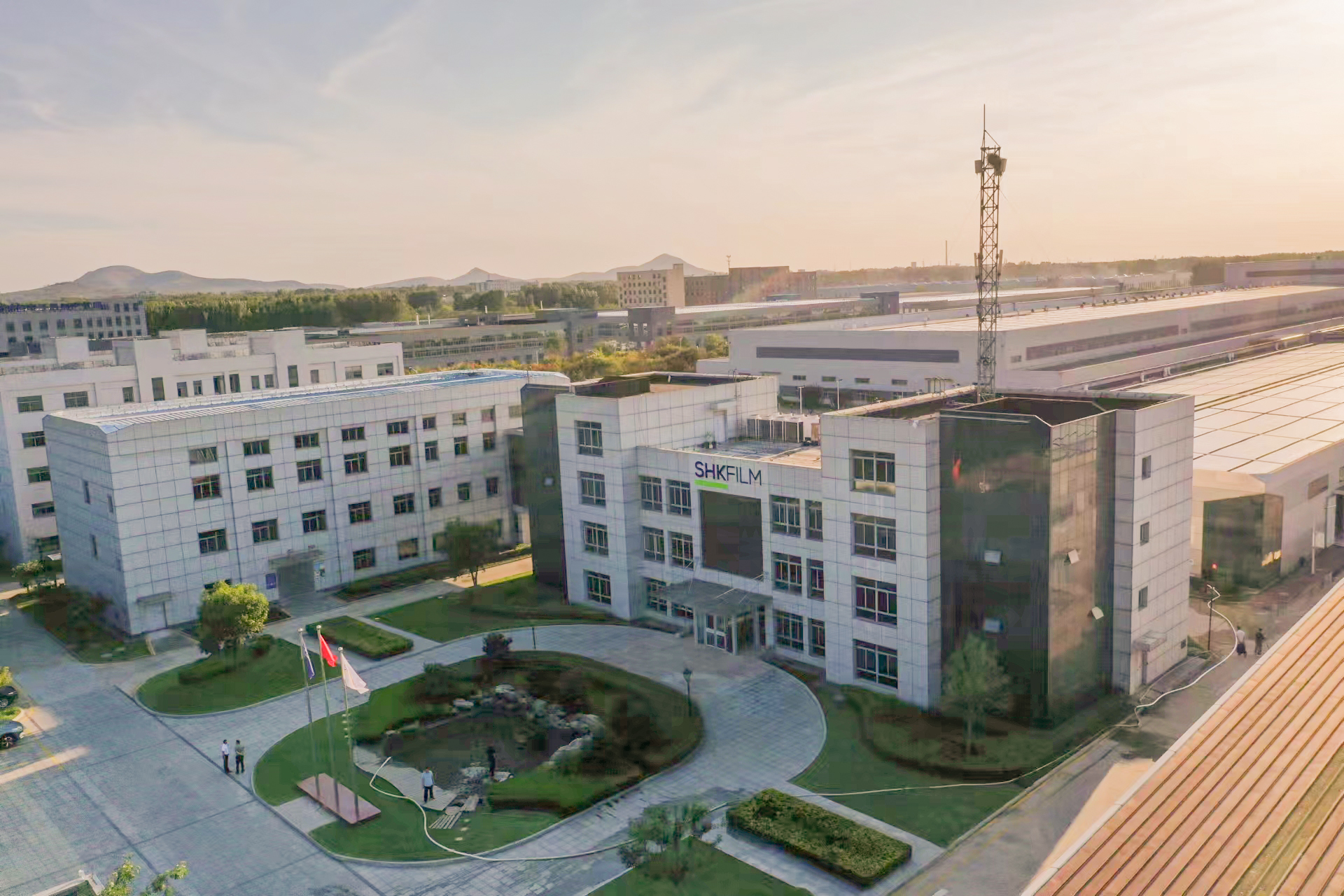
Shandong Shunkai Composite Material Co., Ltd. (brand: SHKFILM) is a manufacturer of no-primer BOPP base film and BOPP thermal lamination film, founded in August 2010 and headquartered at No.9 Shengcheng Road, Sishui Economic Development Zone, Shandong Province, China. The company operates two BOPP film production lines imported from Brückner (Germany) with an annual capacity of 30,000 tons, and exports around 70% of its output; India and South Korea are among its main markets. All finished thermal films use 100% in-house produced no-primer base film.
Problem Definition: Why Premium Lamination Jobs Get Rejected
Premium lamination is rejected for surface and process reasons rather than design reasons. For high-end printed packaging, the failure modes that matter fall into a small number of categories, and each one has a defined control method.
- Bonding failure — weak adhesion or delamination. This is the most visible failure and the most expensive, because it typically surfaces after packing. The control method is bond strength testing, adhesion testing and batch quality verification before shipment, supported by a controlled coating process, qualified raw material inspection, routine performance testing and batch traceability.
- Shrinkage or curling during lamination. Controlled through lamination performance testing under standard conditions, raw material verification, process optimisation and technical guidance on lamination temperature and pressure.
- Coating weight and thickness variation. Managed with online thickness monitoring and coating weight measurement, process parameter control, regular equipment calibration and batch inspection.
- Blocking and moisture-related haze during storage. Addressed with storage condition control, moisture-proof packaging inspection and blocking resistance verification before shipment, plus protective packaging, an optimised winding process, recommended storage conditions and quality inspection before delivery.
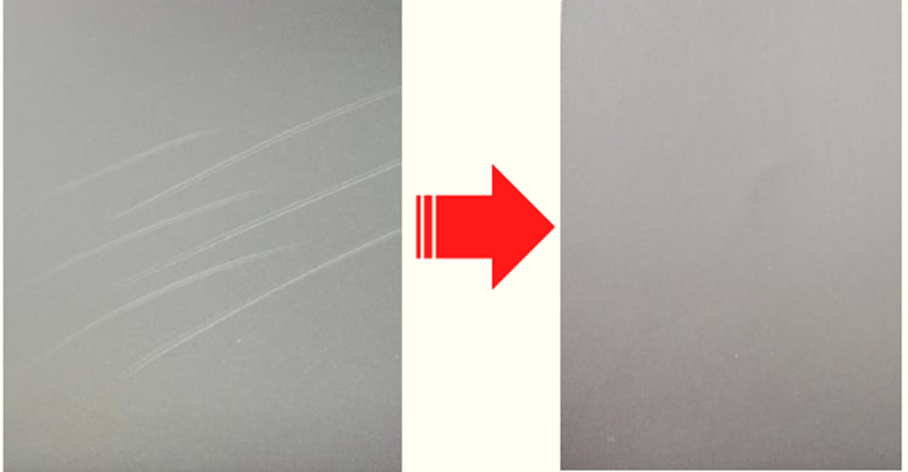
- Surface defects on dark background prints. On luxury packaging with large dark areas, small irregularities read as print defects. Film construction and finish choice determine how visible they become.
- Raw material supply and price fluctuation. Managed with multi-source supplier evaluation and market monitoring, backed by qualified supplier management, inventory planning and flexible production scheduling.
The practical implication for packaging teams in India and South Korea: finish, film construction, process window and storage handling should be settled in the same specification conversation. Each failure mode above is controlled either at the film level or at the plant level — rarely at the printing press.
Industry Background: BOPP and Thermal Lamination Demand
The global BOPP films market was valued at USD 31.0 billion in 2025 and is projected to reach USD 49.8 billion by 2033 (Grand View Research). Asia Pacific held the largest revenue share of that market in 2025, at 32.2%. Published estimates differ between research firms depending on which film types and end uses are counted, so these figures are best read as directional rather than identical.
Inside the finishing segment, the global thermal lamination films market is forecast to reach USD 1,547.9 million by 2025, with BOPP-based films as the leading film type segment (Future Market Insights). Two specialty categories are drawing buyer attention: soft-touch film, estimated at USD 2.9 billion in 2024 and growing at a CAGR of 3.1% through 2034, and anti-scratch / scuff-resistant finishes, which are cited as high-growth specialties in commercial print and premium packaging. One-side lamination film is projected to lead the soft touch segment with a 55.0% share.
Application trends point the same way: matte thermal lamination films are increasingly used for high-end applications such as luxury paper box packaging and book covers. In India and South Korea, that trend meets two mature, export-facing printing and packaging industries — domestic premium brands on one side, and export supply chains on the other, where documentation matters as much as the finish. BRC certification is commonly required for retail and food service supply chains in the US and UK; BOPP lamination films for US food-contact applications must comply with FDA 21 CFR 177.1520; and EU-bound work increasingly calls for REACH SVHC and RoHS verification.
The Material Solution: No-Primer Base Film, EVA Coating and Product 6623
What the film is made of
SHKFILM's BOPP base film is made of BOPP resin. The thermal lamination film produced from that base film is made of BOPP resin and EVA coating. Specialty film in the thermal type adds a functional coating on top of the BOPP resin and EVA layers, while specialty film in the wet coating type is made of BOPP resin and functional coating. That three-layer logic — base, adhesive, functional surface — is what allows one production platform to deliver gloss, matte, soft-touch and anti-scratch surfaces without changing the customer's laminating line.
Why the no-primer route matters for converters
Primer-free base film removes a step rather than adding one. A no-primer BOPP thermal lamination film is produced with a specially developed base film that carries no additional primer or anchor coating layer, whereas conventional thermal lamination film uses a primer-coated base film to enhance adhesion. Removing that layer produces a cleaner appearance, improved whiteness, better blocking resistance and a reduced risk of surface migration.
For converters, the effect is one fewer downstream coating stage, less primer-related process control, and less energy consumed on primer coating and drying. It does not make the base film cheaper per unit — no-primer base film may carry a higher material value because of its specialised surface technology — but it reduces primer-related processing requirements and simplifies the manufacturing workflow. No-primer BOPP base film is intended for thermal lamination film production, especially for manufacturers seeking primer-free solutions, while conventional BOPP base film remains suited to broader applications including direct lamination with paper.
For inline extrusion coating, the no-primer base film is designed for environments without primers or drying ovens and runs in continuous master roll winding and unwinding mode. Its stated requirements are no chemical primer coating, corona tension ≥38 dyne, and minimal crystal points and black spots — three conditions that matter directly in premium print, where surface irregularity is highly visible.
Product 6623: one film, two lamination routes
Product 6623 operates in both wet glue coating systems and automatic dry thermal lamination processes. On the surface it provides a velvet soft-touch feel, anti-scratch surface protection and a matte look. It requires standard supporting equipment — wet or dry laminators, thermal lamination machines and roll slitting equipment — and its stated special requirements are a superior scuff-resistance rating, a consistent velvet texture, and flawless visuals over dark background prints.
The India and South Korea case behind product 6623 ran over two years and supplied 30 tons of film to commercial printing and packaging customers, covering approximately 1,000,000 square meters of printed material. Reported highlights were a velvet-like tactile effect and excellent scratch resistance. The India portion of the work delivered enhanced appearance with consistent soft-touch or scratch-resistant performance results; across the project, the outcomes were a consistent soft-touch finish, premium appearance, reliable performance for high-end printed products and consistent performance across various printed materials. In parallel use, product 6623 also performed stably during subsequent EVA coating for clients producing soft-touch or anti-scratch thermal lamination films, which supports consistent quality of specialty thermal lamination films.
Gloss and matte availability, and supplied formats
Both gloss and matte finishes are available within the same production platform. The Gloss / Matte Thermal Lamination Film Series covers a thickness range of 17 to 27 microns (customizable), roll widths from 320 mm to 2180 mm, and roll lengths of 2000 m, 3000 m, 4000 m, 4500 m, 6000 m and 9000 m. Core diameters are 3 inches (76 mm) and 6 inches (152 mm). Film converting and coating plants, custom packaging box manufacturers, and commercial printing and post-press finishing operations are the three industries this product range is built for.
Step-by-Step: Specifying BOPP Thermal Lamination Film for a Premium Print Job
- Start with the printed substrate and ink coverage, not the finish. Heavy offset ink coverage is where adhesion problems usually appear. Bubble-free performance and strong bonding at the actual ink film weight are the first conditions to confirm, because they constrain everything downstream.
- Choose the surface the brand is paying for. Gloss for reflective, colour-forward covers. Matte where reduced reflection and an elegant look are wanted. Soft-touch where the tactile experience is part of the product value. Anti-scratch where printed covers are prone to friction during post-processing, packing and transit.
- Confirm the process route. Thermal lamination film is pre-coated with heat-activated EVA and needs no separate adhesive; wet lamination applies a water-based adhesive separately and involves adhesive preparation, viscosity control, coating management and equipment cleaning. Product 6623 works in both wet glue coating systems and automatic dry thermal lamination processes, which gives a plant flexibility when it runs mixed equipment.
- Match the film format to the machine. Thickness of 17 to 27 microns (customizable), roll widths from 320 mm to 2180 mm, roll lengths from 2000 m to 9000 m, and 3-inch (76 mm) or 6-inch (152 mm) cores must line up with the slitters, laminators and unwind shafts actually installed.
- Run the process validation before the bulk order. Lamination performance testing under standard conditions verifies shrinkage and curling; bond strength and adhesion testing verify the ink and board combination. Technical guidance on lamination temperature and pressure is part of the process support, not an afterthought.
- Plan storage before the first pallet arrives. Blocking and moisture-related haze are storage problems, not printing problems. Moisture-proof packaging, an optimised winding process, recommended storage conditions and blocking resistance verification before shipment are the controls that keep a premium finish stable in a humid warehouse.
- Lock the supply terms. MOQ depends on product type and specifications, so it should be confirmed together with the finish, thickness and roll format. Bulk supply, small-batch trial orders, and OEM or private-label supply are all available routes.
Use Cases: Where Each Finish Lands in India and South Korea
Book covers and paper packaging boxes
Book covers and printed packaging boxes are the volume base for matte and soft-touch work. A standard matte BOPP film delivers the low-gloss, low-reflection look economically; a soft-touch film adds the velvety surface that readers and buyers notice physically rather than visually. For cover boards that travel through high-speed handling, the anti-scratch route protects the same matte appearance with a harder surface.
Cosmetic and electronics paper box packaging
Cosmetic and electronics box work is where tactile and scuff performance are specified together. Soft-touch film is suitable for premium packaging, luxury goods, cosmetic packaging and book covers — the applications where an enhanced tactile experience and higher product value are the point of the finish. These are also the jobs with large dark background areas, where the requirement is flawless visuals over dark background prints rather than simply a low-gloss surface.
Commercial printing and post-press finishing
Commercial printers run mixed substrates and mixed run lengths. The value of a thermal film here is repeatability: the same surface across different printed materials, without changing the laminating line. The India and South Korea case data — a consistent soft-touch finish and consistent performance across various printed materials on high-end printed products — is the operational version of that requirement.
Film converting and coating plants
Converters producing specialty thermal lamination film have a different decision: not which finish to buy, but which base film to coat. No-primer BOPP base film exists for that job, particularly for manufacturers seeking primer-free thermal lamination solutions, and for inline extrusion coating environments without primers or drying ovens. Product 6544, a reference film in this segment, has been used for over 10 years, ensuring stable coating performance and consistent finished-film quality.
Comparison: Gloss, Matte, Soft-Touch and Anti-Scratch BOPP Options
The table below compares the finish and substrate options that packaging and printing teams in India and South Korea weigh most often. It reflects product-family facts rather than prices, because pricing depends on finish, thickness, roll format and order volume.
| Option | Surface effect | Performance notes | Best-fit applications | Process considerations |
|---|---|---|---|---|
| Gloss BOPP thermal lamination film | Reflective, high-gloss finish | Pre-coated with heat-activated EVA; bonded by heat and pressure without separate adhesive | Commercial print covers and packaging boxes where a bright, colour-forward finish is specified | Part of the Gloss / Matte series: 17–27 microns, 320–2180 mm width, roll lengths 2000–9000 m, 3-inch and 6-inch cores |
| Standard matte BOPP film | Low-gloss, non-reflective appearance | One visual finishing function; no additional tactile enhancement | General printing, publishing and packaging requiring reduced reflection and an elegant appearance | Economical matte finishing solution with a conventional, stable production process |
| BOPP soft-touch film | Matte look plus a soft, smooth, velvety tactile feel | Two surface functions in one film: matte appearance and soft-touch tactile performance | Premium packaging, luxury goods, cosmetic packaging, book covers and applications requiring an enhanced tactile experience | Higher added value due to specialised surface technology; requires more precise process control to keep tactile performance and surface quality consistent |
| Anti-scratch (scuff-resistant) thermal film | Matte appearance retained | Specialised hard coat that increases surface hardness by 40% (reaching 2H pencil grade) and improves scuff and abrasion resistance by over 35% | High-end brochures, packaging boxes, luxury product packaging, printed covers prone to friction and abrasion | Higher manufacturing cost due to the additional scratch-resistant coating; compatible with standard thermal lamination equipment and helps reduce rework from surface scratches |
| No-primer BOPP base film | Substrate film — surface finish is created by the functional coating applied on top | Unprimed surface designed for direct adhesion to thermal adhesive layers; cleaner appearance, improved whiteness, better blocking resistance and reduced risk of surface migration | Thermal lamination film production, especially for manufacturers seeking primer-free solutions; inline high-speed EVA extrusion coating | Eliminates one primer coating and drying stage, reducing related process control and energy requirements; corona tension ≥38 dyne, minimal crystal points and black spots |
FAQ: BOPP Thermal Lamination Film for India and South Korea Buyers
What compliance documentation should a packaging buyer request with BOPP thermal lamination film?
SHKFILM is certified to EU BRC, ISO 9001, QS Food and Customs AEO Advanced Enterprise standards, and its biodegradable film products are certified under the Green Leaf certification. For EU-bound work, SGS-CSTC Standards Technical Services Co., Ltd. has issued REACH SVHC verification against REACH Regulation (EC) No 1907/2006 (Candidate List of 253 SVHCs), certificate number CANEC26006197603, and RoHS verification against RoHS Directive (EU) 2015/863 amending Annex II to Directive 2011/65/EU for BOPP Specialty Lamination Films, certificate number CANEC26006197601. BRC certification is commonly required for retail and food service supply chains in the US and UK, and BOPP lamination films for US food-contact applications must comply with FDA 21 CFR 177.1520. Because requirements differ by destination market and end application, buyers should confirm the exact documentation set with their own brand owner or retailer before placing a bulk order.
Can product 6623 run on high-speed laminating machines and support both soft-touch and anti-scratch requirements?
Product 6623 operates in both wet glue coating systems and automatic dry thermal lamination processes, and it provides a velvet soft-touch feel, anti-scratch surface protection and a matte look. It requires standard supporting equipment — wet or dry laminators, thermal lamination machines and roll slitting equipment. Its stated special requirements are a superior scuff-resistance rating, a consistent velvet texture and flawless visuals over dark background prints. In the India and South Korea case, the film delivered a consistent soft-touch finish, premium appearance, reliable performance for high-end printed products and consistent performance across various printed materials, and it performed stably during subsequent EVA coating for clients producing soft-touch or anti-scratch thermal lamination films.
How does the choice between gloss, matte, soft-touch and anti-scratch film affect cost?
Finish choice changes the material value of the film rather than the equipment base, because all of these finishes run on the same thermal lamination hardware. Standard matte BOPP film is an economical matte finishing solution that provides a low-gloss visual effect without additional tactile enhancement. Soft-touch film carries higher added value because of its specialised surface technology and combines a matte appearance with a soft tactile performance; it also requires more precise process control. Anti-scratch film carries a higher manufacturing cost than standard matte film because of the additional scratch-resistant coating, but it helps reduce product rejection and rework caused by surface scratches, which affects total cost at the plant rather than only at the film line. On the substrate side, no-primer base film may have a higher material value than conventional base film while reducing primer-related processing requirements. MOQ depends on product type and specifications, so it should be quoted together with finish, thickness and roll format.
Can we validate the film on our own equipment before committing to a bulk order?
Yes. SHKFILM supports OEM and private-label supply and accommodates small-batch trial orders in addition to bulk supply. A trial run is also the sensible way to verify the two process risks that matter most in premium print — shrinkage or curling at your specific lamination temperature and pressure, and bond strength over your specific ink coverage. Working samples can be supplied for evaluation against your own printed sheets before a bulk commitment is made.
How is bulk supply and continuity handled for India and South Korea orders?
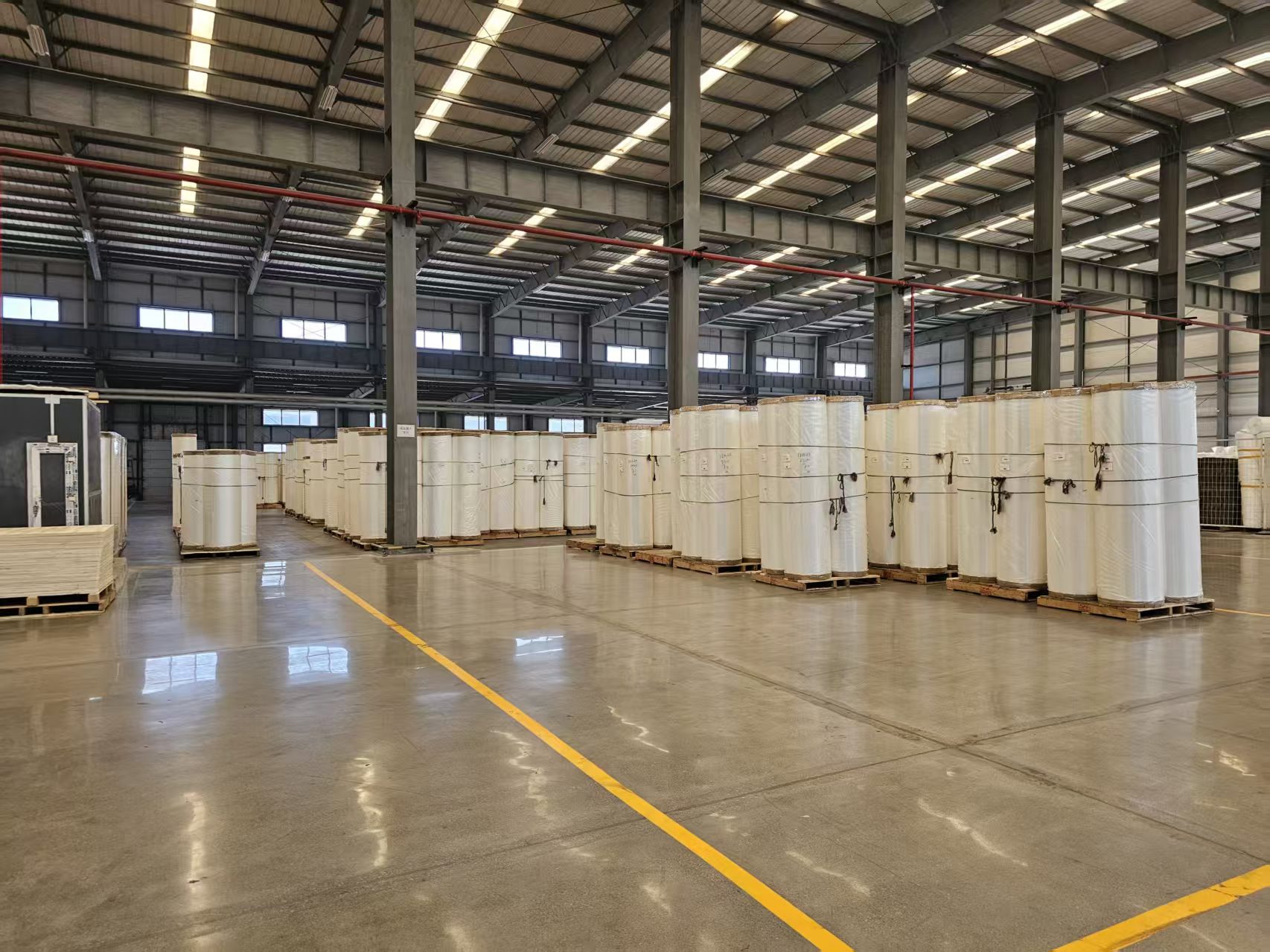
Production runs on two Brückner BOPP lines with an annual capacity of 30,000 tons, and around 70% of output is exported, with India and South Korea among SHKFILM's main markets. Continuity is managed through qualified supplier management, inventory planning and flexible production scheduling, which are the controls that address raw material supply and price fluctuation risk. On the product side, product 6544 — used in thermal lamination film manufacturing — has been in use for over 10 years, ensuring stable coating performance and consistent finished-film quality, with cumulative supply exceeding 10,000 tons to manufacturers across multiple countries. If you are specifying for a new premium packaging programme, the next step is a short technical exchange on your print job followed by a sample request and a quotation for the finish, thickness and roll format you need.
Conclusion: Match the Finish to the Print Job, Then Lock the Supply
Premium printed packaging succeeds when the film decision matches the print job rather than a catalogue. In India and South Korea, the sequence that works is finish first, process second, supply third: select the surface the brand is paying for, verify it on the laminating line already installed in the plant, and then lock a supply route that can repeat the same result at bulk volume with documentation that travels with the pack.
The material platform behind that sequence is a no-primer BOPP base film made from BOPP resin, coated with EVA and a functional surface layer for soft-touch, anti-scratch or matte performance. The product 6623 case — 30 tons supplied, approximately 1,000,000 square meters of printed material covered over two years, and a consistent soft-touch finish with excellent scratch resistance on high-speed laminating machines — is a worked example of what repeatability looks like when the film and the process window are specified together.
Request a sample, quotation or the SHKFILM catalogue
Send us your print job details — substrate, ink coverage, finish (gloss, matte, soft-touch or anti-scratch), thickness and required roll format — and we will confirm the matching film specification, MOQ and supply terms.
Email: weilj@shkfilm.com
Tel / WhatsApp: +86 166-7890-6856
Website: www.shkfilm.com
Brochure: Download the SHKFILM brochure (PDF)
Shandong Shunkai Composite Material Co., Ltd. — No.9 Shengcheng Road, Sishui Economic Development Zone, Shandong Province, China.
Have Questions or Need More Details?
Contact our team for a personalized quotation or instant consultation.
Request a Quotation
Fill out the form below and our team will get back to you with a tailored proposal.
WhatsApp Direct Chat
Prefer to chat in real-time? Message us on WhatsApp for instant assistance & quick answers.
- Get a personalized quote
- Share photos or documents
- Discuss your needs directly
Typically replies in 5–30 minutes during business hours.