
What Is BOPP Thermal Lamination Film? An Explainer on Structure and Benefits
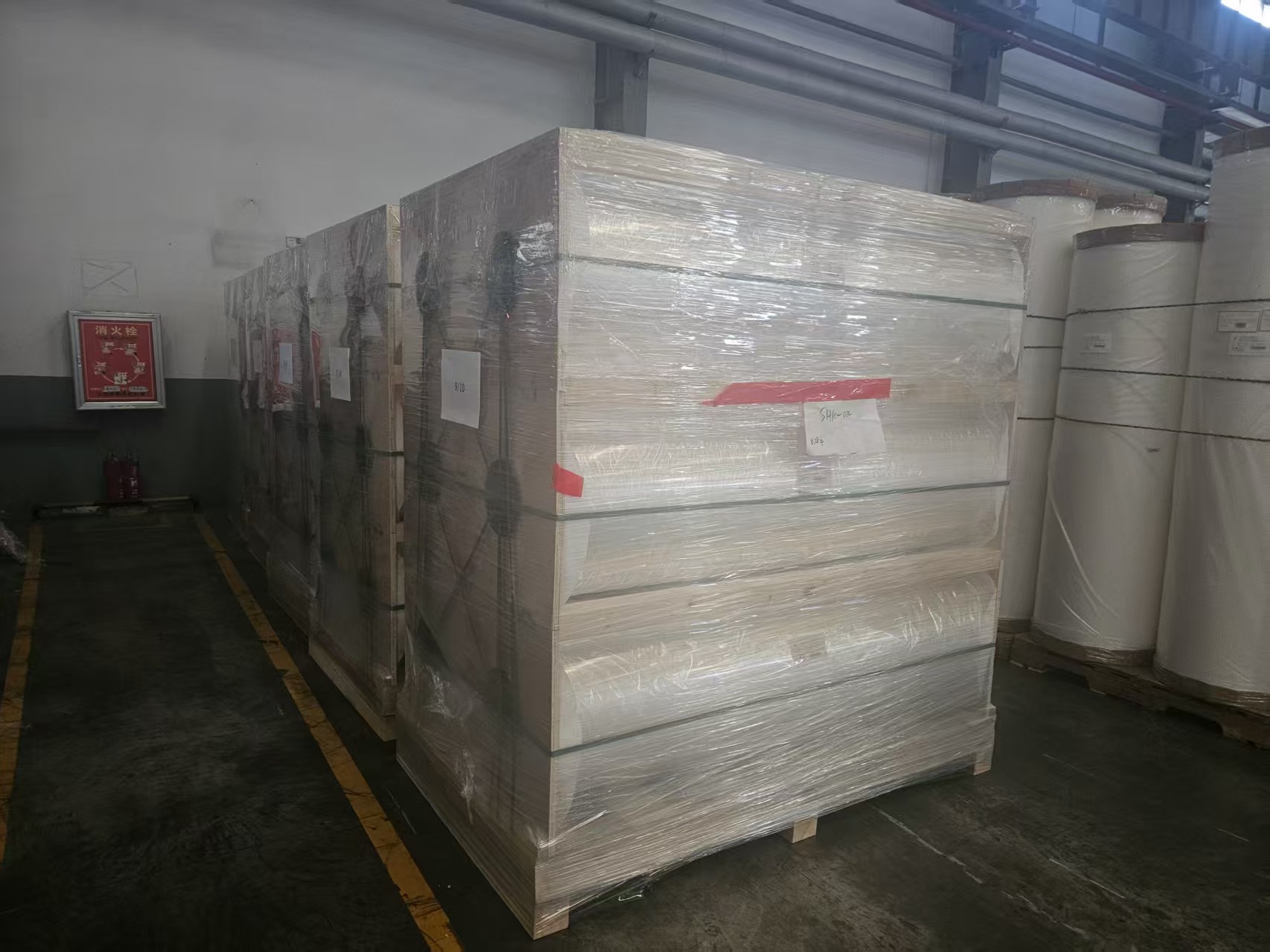
BOPP thermal lamination film is a two-layer composite: a biaxially oriented polypropylene (BOPP) base film carrying a heat-activated EVA hot-melt adhesive coating. Heated rollers in a thermal laminator melt the adhesive and bond the film to printed paper, which keeps the process dry — no solvent odours and no adhesive coating on site.
That definition explains what the film does. It does not explain why two rolls with the same thickness, the same matte or gloss surface and the same price per ton can behave very differently on the same machine. Those differences are inherited from a layer the buyer rarely inspects: the base film.
This explainer opens up the structure of BOPP thermal lamination film layer by layer, explains what a no-primer base film removes from that structure and why that matters on a coating line, and uses one long-running example — product 6544, the No-primer BOPP Base Film for BOPP Thermal Lamination Film from SHKFILM — to show what more than a decade of continuous supply to thermal lamination film manufacturers looks like in practice.
Problem Definition: The Layer Buyers Never Get to Compare
Purchasing in lamination usually starts from the finished roll, because the finished roll is easy to judge. It is glossy or matte. It is 17 to 27 microns thick in the standard thermal range. It runs on the laminator, and it has a price per ton. The properties that decide output — adhesion consistency, blocking behaviour, bonding to the EVA layer, and how the film performs over heavy ink coverage — are already sealed inside the roll by the time anyone compares samples.
For a converter who applies EVA onto base film, that hidden layer is a process cost. A conventional base film is supplied with a primer layer whose function is to anchor the subsequent EVA coating, which means the primer has to be applied, dried, controlled and stored as a separate stage. A no-primer base film eliminates one primer coating layer and one primer coating process, which reduces related process steps and simplifies production control. Compared with conventional primer-coated thermal lamination film, no-primer film also reduces primer-related process control requirements and helps reduce storage and processing issues such as blocking and static-related problems.
For a printer running a thermal laminator rather than a coating line, the same structural question arrives as a set of lamination requirements rather than chemistry: bonding strength at lower roller temperatures, stable performance when laminated sheets are exposed to shipping heat, and bubble-free lamination over heavy offset ink coverages. If the film was built with the wrong base layer or an uncontrolled adhesive layer, none of those requirements can be rescued at the laminator.
The problem, in short, is an information gap. Buyers are asked to evaluate a product whose performance is determined one or two manufacturing steps before the point at which they can see it. The rest of this article closes that gap by describing exactly what the layers are.
Industry Background: A Large Market Moving Toward Functional Surfaces
The BOPP films market was valued at USD 31.0 billion in 2025 and is projected to reach USD 49.8 billion by 2033, according to Grand View Research. Within print finishing, the thermal lamination films market is forecast to reach USD 1,547.9 million by 2025, with BOPP-based films as the leading film type segment, according to Future Market Insights. Asia Pacific held the largest regional revenue share of the BOPP films market at 32.2% in 2025 (Grand View Research), and the China BOPP film market was valued at approximately USD 5.7 billion in 2024 (Ken Research).
Growth is not spread evenly across surfaces. Matte thermal lamination films are increasingly used for high-end applications such as luxury paper box packaging and book covers (Global Growth Insights), and anti-scratch and scuff-resistant finishes are cited as high-growth specialties in commercial print and premium packaging (Future Market Insights). In the soft-touch segment, one-side lamination film is projected to lead with a 55.0% market share, inside a soft touch film market estimated at USD 2.9 billion in 2024 and growing at a CAGR of 3.1% through 2034 (Future Market Insights).
Scale also brings compliance obligations that attach to structure rather than surface. BOPP films traded internationally often require BRC certification for retail and food service supply chains in the US and UK, and BOPP lamination films for US food contact must comply with FDA 21 CFR 177.1520. Food-contact BOPP films in China must comply with GB 4806.15-2024, which governs food-contact adhesives and took effect in February 2025. Because these rules govern the base film and the adhesives rather than the finish, understanding the layer structure is also a way of understanding market access.
For a buyer in the evaluation stage, the practical consequence is simple: the film is becoming more functional at the surface and more regulated underneath, so the base layer deserves the same attention as the finish.
Detailed Solution: The Structure of BOPP Thermal Lamination Film, Layer by Layer
A standard BOPP thermal lamination film contains two functional layers. Specialty versions contain three. Each layer has one job, and each one explains a different part of the film's performance.
Layer 1 — the BOPP base film
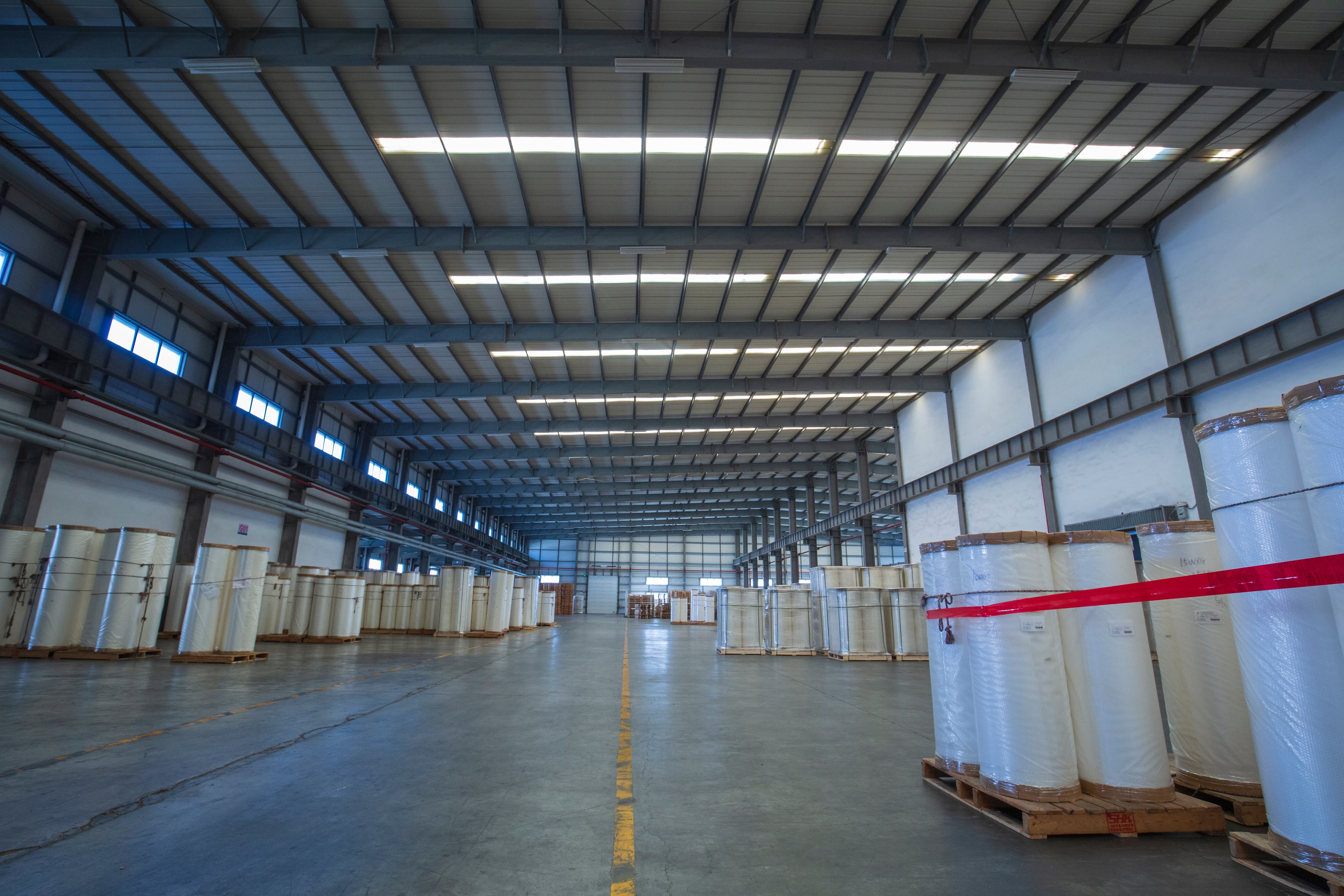
Everything starts with a biaxially oriented polypropylene base film. Polypropylene resin is extruded and stretched in two directions, which gives the film its stiffness, clarity and dimensional stability. SHKFILM, the brand of Shandong Shunkai Composite Material Co., Ltd., produces this base film on two BOPP film production lines imported from Brückner (Germany), with an annual film capacity of 30,000 tons. The company's finished thermal films use 100% in-house produced no-primer base film, so the base layer and the coating layer are made under the same roof.
Layer 2 — the corona-treated surface
Adhesion starts at the surface, not in the adhesive. On the No-Primer Base Film Series, the outside surface is corona treated to at least 38 dyne, which prepares the polypropylene surface to receive the EVA coating that follows. Corona treatment is therefore a specification to check on a base film datasheet rather than a formality: it is the difference between an adhesive that wets the surface evenly and one that does not.
Layer 3 — the primer layer that a no-primer film removes
In a conventional structure, a primer layer sits between the base film and the EVA coating, and its role is to anchor the adhesive. A no-primer base film is engineered so that the EVA coating can be applied directly to the base film, which eliminates one primer coating layer and one primer coating process. Nothing about the finished film's appearance reveals whether this layer was there — but the coating line knows, because the primer stage has to be prepared, applied, verified and stored.
Layer 4 — the EVA hot-melt adhesive
The second functional layer is the adhesive, supplied as an EVA hot-melt coating. In material terms, a finished BOPP thermal lamination film is BOPP film plus EVA coating; in the specialty range it is BOPP resin plus EVA coating plus a functional coating. Because the adhesive arrives already inside the roll, the printer does not mix or apply adhesive on site — thermal lamination runs dry with heated rollers.
In the standard gloss and matte thermal lamination range, finished roll thickness runs from 17 to 27 microns and is customizable, with corona treatment on the outside of at least 40 dyne on both sides (30 dyne on one side) and at least 40 dyne on the inside. Roll width runs from 320 mm to 2,180 mm, and roll lengths of 2,000 m, 3,000 m, 4,000 m, 4,500 m, 6,000 m and 9,000 m are available.
Layer 5 — optional functional top coats
Specialty thermal lamination films add a third functional layer on top of the structure: a fixed top coat of 3 to 4 microns that delivers tactile and protective performance. This is where anti-scratch, soft-touch and combined 3-in-1 surfaces (anti-scratch, soft touch and anti-fingerprint) come from. Specialty films run from 18 to 29 microns, with flexible and customizable base film thickness, inside corona treatment at 40 dyne or more, outside treatment at 36 dyne or more, roll widths from 200 mm to 1,920 mm, and roll lengths of 2,000 m, 3,000 m, 6,000 m, 9,000 m or 12,000 m. Both thermal lamination type (with EVA hot-melt adhesive) and wet lamination type are available.
Structure snapshot: No-primer BOPP base film (product 6544)
- Series: No-Primer Base Film Series — no-primer base gloss film and no-primer base matte film
- Material: BOPP resin (films built on it: BOPP resin + EVA coating)
- Thickness: 12 micron and 15 micron
- Corona treatment: outside surface at least 38 dyne
- Roll width: 300 mm to 2,580 mm
- Roll length: 9,100 m, 12,100 m, 18,100 m
- Core diameter: 3 inch (76 mm) or 6 inch (152 mm)
- Primary application: thermal lamination film manufacturing, extrusion coating and film converting
What the no-primer structure changes on the line
Once the primer layer is removed from the structure, the effects show up in the process rather than in the appearance of the finished package:
- Fewer process steps. One primer coating layer and one primer coating process are eliminated, which reduces related process steps and simplifies production control for the converter.
- Lower process control burden. No-primer film reduces primer-related process control requirements compared with conventional primer-coated thermal lamination film.
- Fewer storage and handling issues. The same comparison helps reduce storage and processing issues such as blocking and static-related problems.
- Solvent-free coating route. No-primer base film technology is described as solvent-free, improving adhesion to EVA while reducing energy consumption during extrusion coating.
- Consistency from a single source. Because finished thermal films are built on 100% in-house produced no-primer base film, base film and coating are matched to each other rather than to two independent specifications.
The less obvious benefit is commercial. A shorter and more predictable process is easier to quote, easier to schedule and easier to repeat on the next order — which is one reason the same base film has stayed in production with converters for more than ten years, as the use cases below describe.
Step-by-Step Breakdown: From PP Resin to a Laminated Sheet
The structure described above is produced in a sequence, and each step explains a specification a buyer may want to check.
- Resin and extrusion. Polypropylene resin is extruded into a base sheet on a BOPP film line. SHKFILM runs two lines imported from Brückner (Germany) with a combined annual capacity of 30,000 tons.
- Biaxial orientation. The sheet is stretched in machine and transverse directions. This is where the base film gains the stiffness and dimensional stability that later determine how a laminated sheet folds on a book cover or a folding carton.
- Corona treatment. The outside surface is treated to at least 38 dyne on the no-primer base film so the surface will accept the EVA coating. Corona treatment is verified during production rather than assumed.
- Direct EVA coating (no-primer route). In a no-primer structure the base film goes straight to extrusion coating with EVA — the primer stage is eliminated. Converters who make their own thermal lamination films buy the base film at this point in the chain.
- Slitting, cores and roll building. The coated film is slit to order. Finished thermal lamination film is supplied in roll widths from 320 mm to 2,180 mm, roll lengths from 2,000 m to 9,000 m, on 3 inch (76 mm) or 6 inch (152 mm) cores. The no-primer base film is supplied from 300 mm to 2,580 mm in width and up to 18,100 m in length.
- Verification before shipment. Quality control combines online process monitoring with thickness inspection, corona treatment verification and optical appearance inspection, plus laboratory testing of tensile strength, elongation, haze, gloss and coefficient depending on the product specification. Acceptance is based on inspection before shipment against agreed specifications.
What happens next belongs to the customer's site: a commercial thermal laminator and slitter, heated rollers, and a dry lamination run in high-speed automatic hot-press mode. Bonding at lower temperatures, behaviour under shipping heat and bubble-free performance over heavy offset ink coverage are the parts of that run the base film and adhesive layer have already decided.
Use Cases: Where Structure Meets the Press Sheet
High-volume book covers, folding cartons and printed leaflets
This is the standard thermal lamination range and the largest volume application. It suits high-volume book covers, standard folding cartons and printed leaflets lamination projects, running in high-speed automatic hot-press paper lamination mode with commercial thermal laminators and slitters. Because lamination happens under dry conditions with heated rollers, no solvent odours and no adhesive coating occur on site. The functional job is specific: enhance paper foldability and provide moisture barrier and scratch protection for printing inks. The special requirements are equally specific — stable performance under shipping heat, strong bonding at lower temperatures, and bubble-free performance on heavy offset ink coverages.
Cosmetic, perfume, electronics and wine packaging
Where the packaging itself is the product's first impression, the specialty range takes over: cosmetic and perfume box finishing, high-end smartphone packaging, wine packaging and luxury book covers. These projects typically run heavy ink coverages and dark solid backgrounds, so the film has to deliver a velvet soft-touch feel, anti-scratch surface protection and an even matte look without visual defects. Processing requires wet or dry laminators, thermal lamination machines and roll slitting equipment, and the performance requirements include a consistent velvet texture and flawless visuals over dark background prints.
Base film for thermal lamination film manufacturers
The clearest structural case for a no-primer base film comes from converters rather than printers. A thermal lamination film manufacturer in Korea has purchased 120 tons per year for three years, applying the film in the production of soft-touch and anti-scratch thermal lamination films; the reported result is stable coating performance, with the key highlight being excellent compatibility with subsequent coating and EVA coating. A separate project in India and South Korea applied 1,000,000 square meters of film over two years in the production of soft-touch and anti-scratch thermal lamination films, with the same outcome: stable performance during subsequent EVA coating and consistent quality in the finished specialty film.
The volume history behind that product is the point. Cumulative supply of product 6544 to thermal lamination film manufacturers has exceeded 10,000 tons, with users in Brazil, South Korea, India, Iran and Japan and a supply relationship running for more than ten years. Over that period, the reported result has stayed the same: stable coating performance and consistent finished-film quality, with primer-free technology helping to simplify the coating process and improve production efficiency.
Distributors, OEM and private-label supply
The same structure supports channel supply. A lamination film distributor in Brazil and Italy purchases 300 tons per year of BOPP thermal lamination film and, according to the case record, achieves stable lamination quality in commercial printing applications with reliable bonding and a smooth surface finish; the product's key highlights are compatibility with high-speed laminating machines, excellent adhesion and optical clarity. Distributors in Korea, the Netherlands and Italy have taken a cumulative 2,500 tons over nine years.
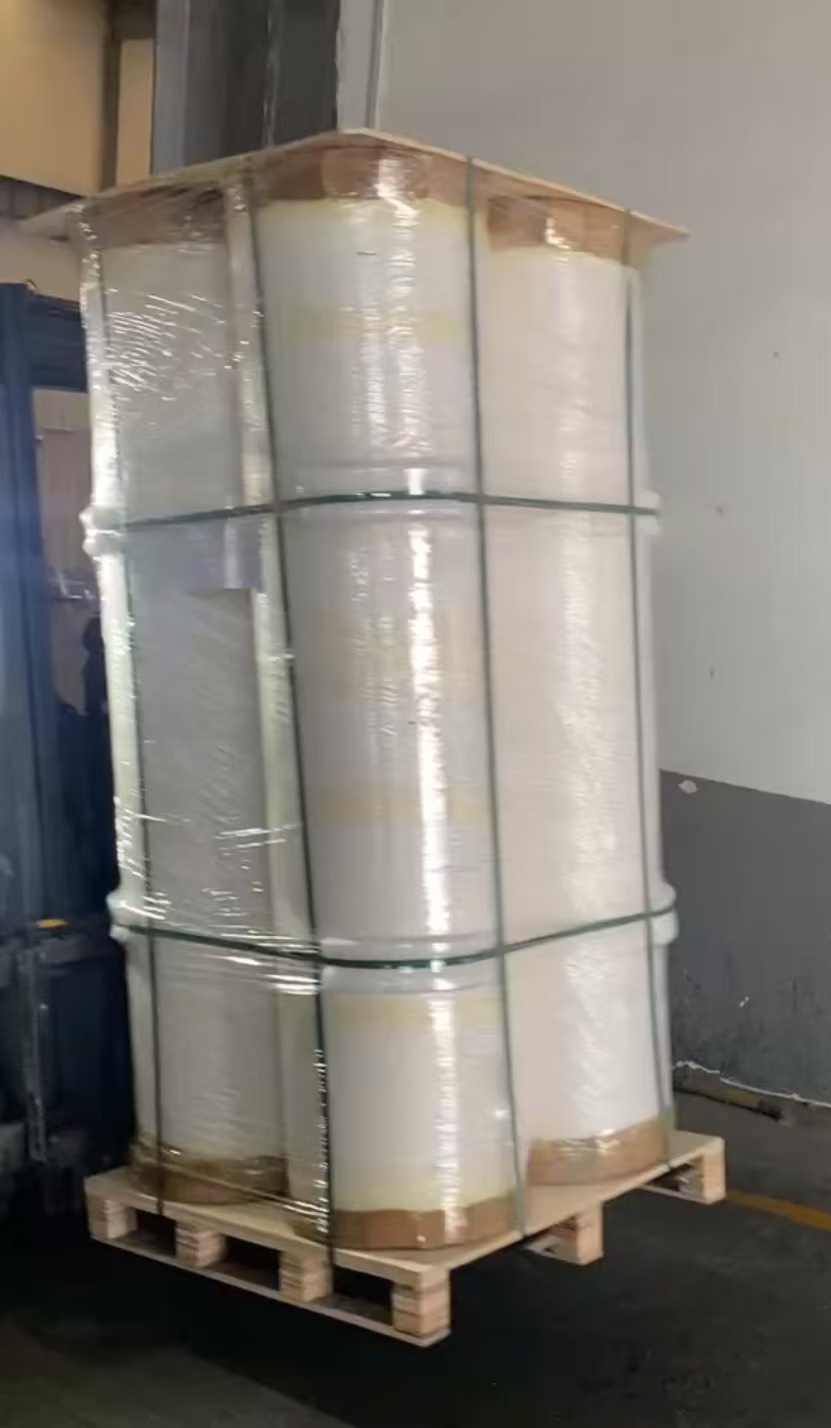
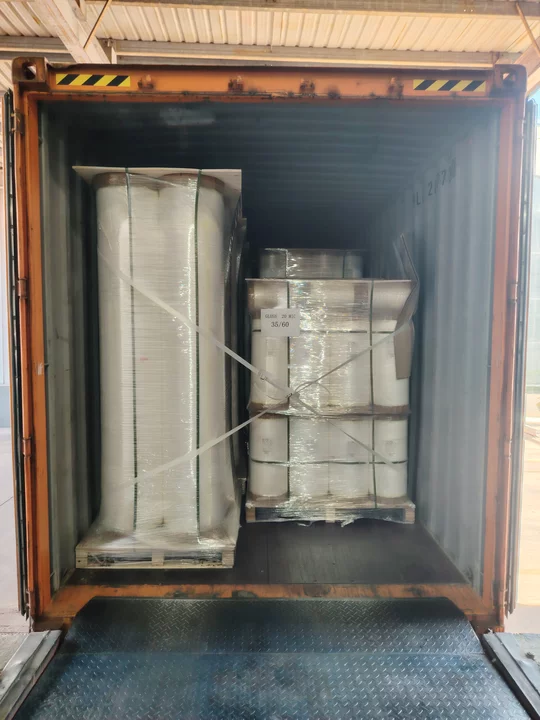
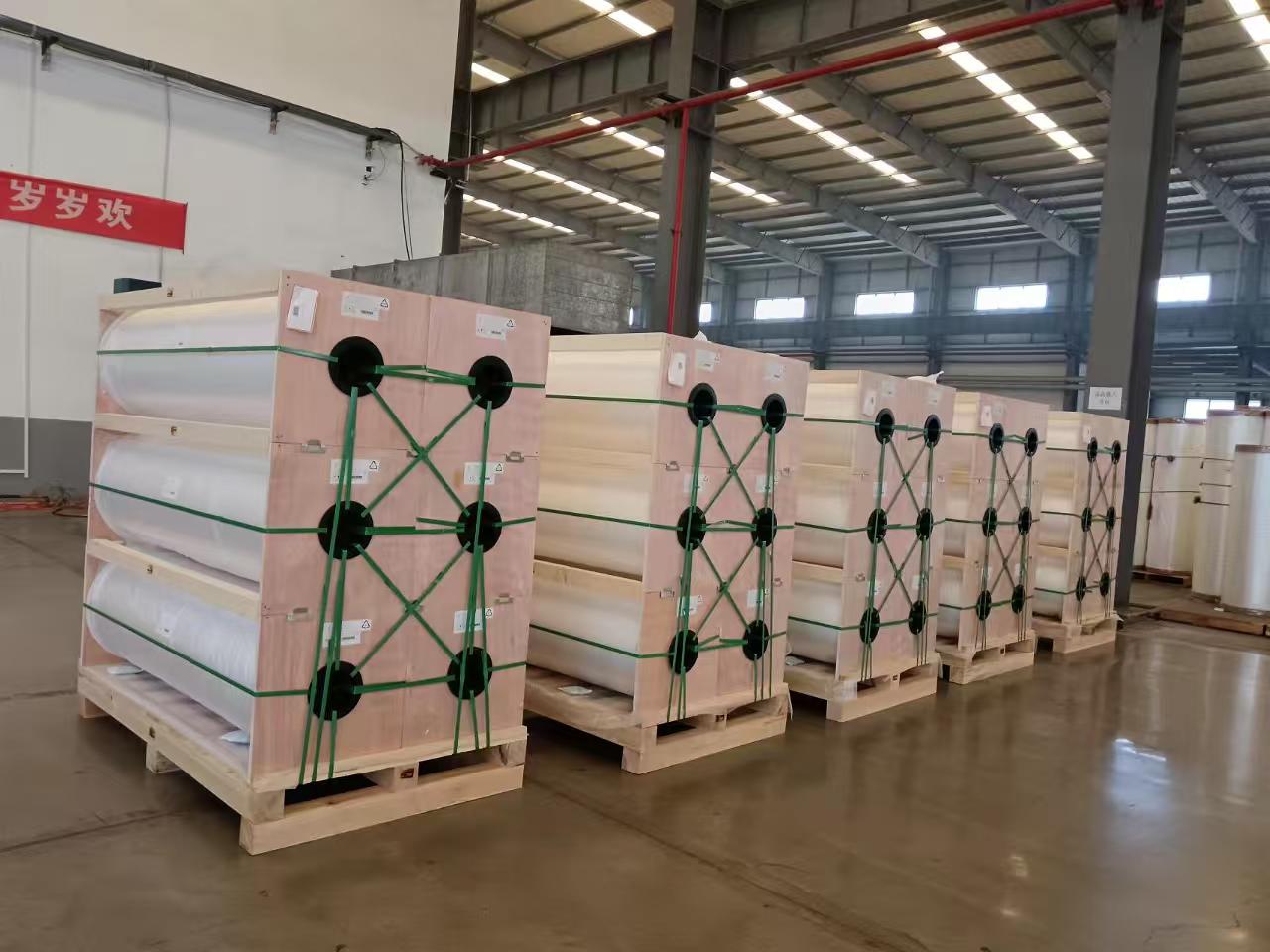
For buyers who need their own brand on the film, SHKFILM supports OEM and private-label supply alongside bulk supply and accepts small-batch trial orders. Customization covers film thickness from 12 to 32 microns across the range, roll width from 200 mm to 2,580 mm, roll length from 2,000 m to 18,100 m, 3 inch or 6 inch cores, single or double-sided corona treatment, gloss, matte, soft-touch or anti-scratch surfaces, private label, and export packaging in vertical pallet, horizontal pallet suspension or standard carton format.
Comparison Table: Four Lamination Film Structures Side by Side
The table below compares four structures at specification level. The values are manufacturer-published specifications for each series; individual orders are configured to the application.
| Film / series | Structure | Thickness | Corona treatment | Roll width | Roll length | Typical projects |
|---|---|---|---|---|---|---|
| No-primer BOPP base film (6544) | BOPP resin, no primer layer; gloss or matte | 12 µm, 15 µm | Outside ≥ 38 dyne | 300–2,580 mm | 9,100 / 12,100 / 18,100 m | Base film for thermal lamination film manufacturing, extrusion coating and film converting |
| BOPP thermal lamination film (6615) | BOPP film + EVA coating; gloss or matte | 17–27 µm (customizable) | Outside: both sides ≥ 40 dyne, one side ≥ 30 dyne; inside ≥ 40 dyne | 320–2,180 mm | 2,000 / 3,000 / 4,000 / 4,500 / 6,000 / 9,000 m | High-volume book covers, standard folding cartons, printed leaflets |
| BOPP specialty lamination films (6623) | BOPP base film + functional top coat (3–4 µm) + EVA hot-melt (thermal type) | 18–29 µm (customizable) | Inside ≥ 40 dyne; outside ≥ 36 dyne | 200–1,920 mm | 2,000 / 3,000 / 6,000 / 9,000 / 12,000 m | Cosmetic and perfume boxes, high-end smartphone packaging, wine packaging, luxury book covers |
| BOPP matte film for wet lamination (6647) | BOPP resin | 12 µm, 15 µm | Outside ≥ 42 dyne; inside ≥ 38 dyne | 300–2,240 mm | 4,000 / 5,000 / 6,000 / 9,100 / 12,100 / 18,100 m | Conventional wet lamination materials and base film sourcing for thermal film coating |
Read across the table and the pattern is clear. The further a film moves toward a functional surface — from base film to standard thermal film to specialty film — the more layers the structure contains and the narrower the processing window becomes. Choosing a structure is therefore a decision about the application and the line, not about the finish alone.
FAQ
What certifications and standards apply to SHKFILM's BOPP thermal lamination film?
SHKFILM holds BRCGS Global Standard for Packaging Materials certification (certificate CN19/10136, issued by SGS, valid 15 January 2026 to 31 January 2027), covering the production — extrusion, stretching, rewinding and slitting — of BOPP film from PP resin for direct and indirect food contact. The company is also certified to ISO 9001:2015 quality management (certificate 57626Q00025R201), ISO 14001:2015 environmental management (57626E00021R101), ISO 45001:2018 occupational health and safety (57626S00018R101) and QS Food, and holds China Customs AEO Advanced Certified Enterprise status (certificate A4202580 from Qingdao Customs, valid to 1 December 2030, mutually recognized in the EU, North America, the UK, Singapore, South Korea, Japan and more than 50 countries and regions). Specialty thermal lamination films have been tested by SGS for VOC content under GB 33372-2020, RoHS compliance, REACH SVHC (253-substance candidate list) and halogen content under EN 14582:2016. Market-specific rules still apply: food-contact BOPP films in China must comply with GB 4806.15-2024, and BRC certification is often required for retail and food service supply chains in the US and UK.
Can SHKFILM supply BOPP thermal lamination film as an OEM or private-label manufacturer for book covers?
Yes. The standard BOPP thermal lamination film is built for high-volume book covers, standard folding cartons and printed leaflets lamination projects, and runs in high-speed automatic hot-press paper lamination mode on commercial thermal laminators. OEM and private-label supply is supported, together with customization of film thickness from 12 to 32 microns across the range, roll width from 200 mm to 2,580 mm, roll length from 2,000 m to 18,100 m, 3 inch (76 mm) or 6 inch (152 mm) cores, single or double-sided corona treatment, gloss, matte, soft-touch or anti-scratch surfaces, and export packaging in vertical pallet, horizontal pallet suspension or standard carton format. Buyers who produce their own thermal lamination films can instead source the no-primer base film (6544) directly.
What are the minimum order quantity, payment and delivery terms?
The minimum order quantity depends on film type, specification and order requirements and is handled flexibly; trial orders are acceptable, while larger quantities are recommended for better pricing on regular production orders. Delivery terms are FOB, CIF or CFR. Payment terms are T/T with a 30% deposit and 70% balance before shipment, and L/C at sight is available. Acceptance is based on inspection before shipment against the agreed specifications, so the specification sheet, not the sample appearance alone, is the reference document for both sides.
Can buyers evaluate a sample before committing to a bulk order?
Yes. Sample evaluation is part of the standard support model, alongside product recommendation and technical application support during evaluation, and trial orders are accepted. A practical sequence is to define the application first (book cover, folding carton, cosmetic or electronics box), then confirm the film type, thickness, width, core and finish, and then validate the film on the actual laminator before scaling. That sequence is how a distributor in Brazil and Italy reached stable lamination quality with reliable bonding and a smooth surface finish on 300 tons per year of BOPP thermal lamination film, and how a Korea-based converter has run 120 tons per year for three years with excellent compatibility in subsequent coating and EVA coating.
What lead time and production capacity sit behind a BOPP thermal lamination film order?
Standard lead time is 15 to 20 days. Monthly capacity is 3,000 tons, supported by two Brückner BOPP film lines and an annual film capacity of 30,000 tons. Longer supply histories illustrate the stability behind those numbers: cumulative supply of the no-primer base film (6544) to thermal lamination film manufacturers has exceeded 10,000 tons across Brazil, South Korea, India, Iran and Japan over more than ten years, and lamination film distributors in Korea, the Netherlands and Italy have taken 2,500 tons cumulatively over nine years. To confirm lead time for a specific thickness, width, core and finish, send the specification to the SHKFILM team; samples, a quotation and the product catalogue are available on request.
Conclusion
BOPP thermal lamination film is not a single material but a structure: a BOPP base film, a corona-treated surface, an EVA hot-melt adhesive layer already built into the roll, and — in specialty grades — a functional top coat of 3 to 4 microns. The primer layer that conventional structures carry between base film and adhesive is optional, and removing it changes the coating process rather than the appearance: one fewer coating layer, one fewer process step, reduced primer-related process control, and fewer blocking and static-related problems in storage and handling.
That is why the question “what is BOPP thermal lamination film?” is best answered from the base film upward. The base film sets adhesion, stiffness and consistency; the adhesive layer sets bonding behaviour and heat performance; the top coat sets the surface the customer actually touches. A structure specified deliberately at all three levels is easier to run, easier to repeat, and easier to defend when a brand owner asks how the packaging was made.
Next Step: Sample, Quotation or Catalogue
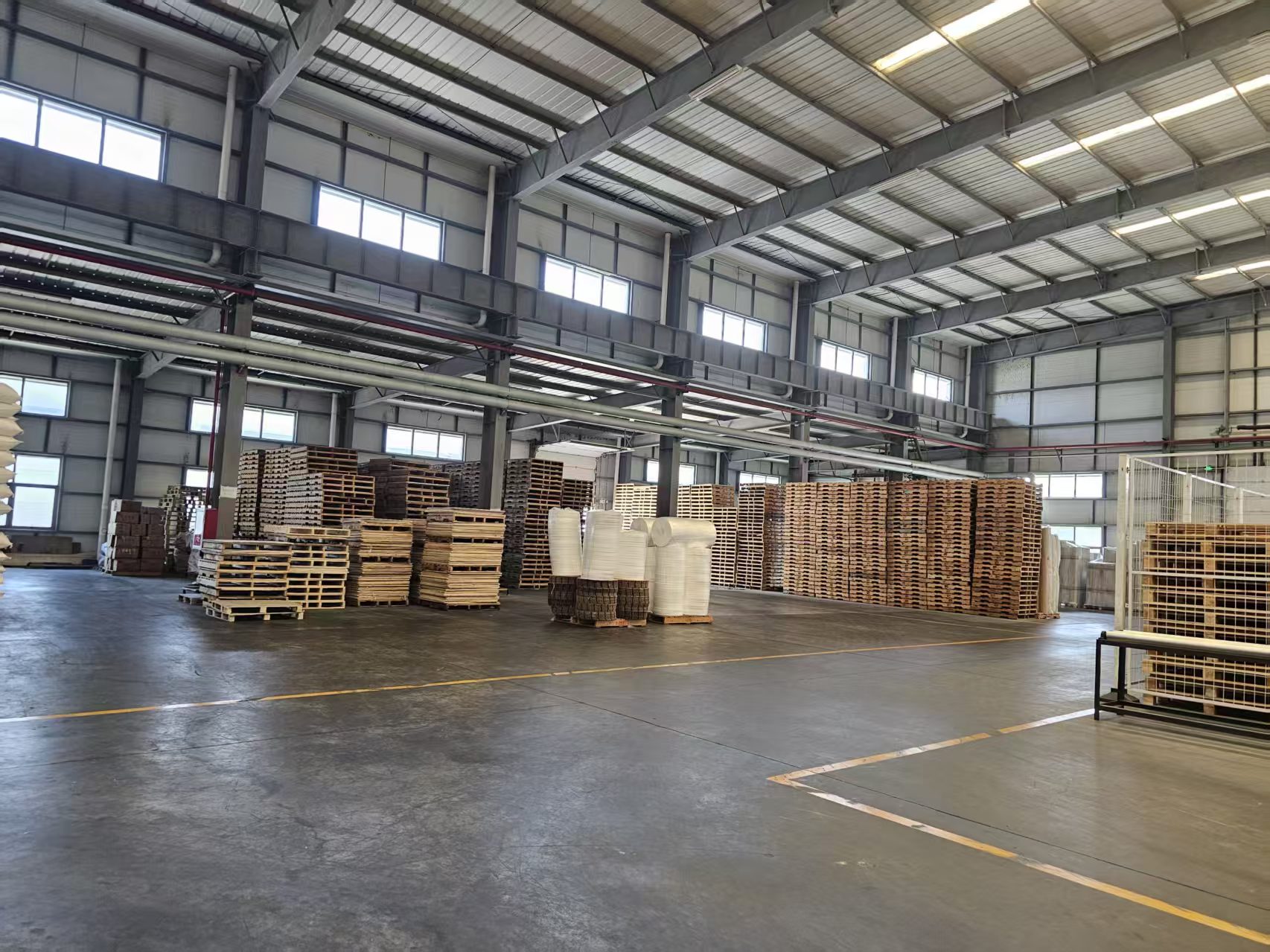
SHKFILM (Shandong Shunkai Composite Material Co., Ltd.) manufactures no-primer BOPP base film and BOPP thermal lamination film in Shandong, China, supplying both converters and distributors, with OEM and private-label options and small-batch trial orders alongside bulk supply.
Contact: Cora · Email: weilj@shkfilm.com · Tel / WhatsApp: +86 166-7890-6856
Address: No.9 Shengcheng Road, Sishui Economic Development Zone, Shandong Province, China
Have Questions or Need More Details?
Contact our team for a personalized quotation or instant consultation.
Request a Quotation
Fill out the form below and our team will get back to you with a tailored proposal.
WhatsApp Direct Chat
Prefer to chat in real-time? Message us on WhatsApp for instant assistance & quick answers.
- Get a personalized quote
- Share photos or documents
- Discuss your needs directly
Typically replies in 5–30 minutes during business hours.