
Aluminum Alloy vs. 304 Stainless Steel Shower Doors: A Head-to-Head Decision

Short answer: In SHKL's hinge shower door range, KL-AS5507310 is built with aluminum alloy hardware and KL-AS5577310 is built with 304 stainless steel hardware. Both are hinge shower doors, both are listed with the same glass craftsmanship options, and both are specified for residential construction and commercial hospitality. The decision is therefore not about which door is better in general, but about three trade-offs: corrosion behaviour in a wet and frequently cleaned environment, hardware weight on site, and the finish and style language the project wants the buyer to see.
Problem Definition: One Word on the Spec Sheet Decides the Whole Door
Shower door specifications rarely fail on glass. They fail on the hardware line. Two models sitting next to each other in the same catalogue can differ by a single technical value, and that value quietly determines how often the enclosure is maintained, how it looks in year three, and whether a hotel engineering team has to plan hardware replacement before the glass.
In SHKL's range, KL-AS5507310 is a hinge shower door with aluminum alloy hardware and KL-AS5577310 is a hinge shower door with 304 stainless steel hardware. Everything else on the two specification sheets is effectively the same: the same door configuration logic, the same glass craftsmanship list, and the same stated intended applications. That is precisely why the choice is difficult. When only one line differs, buyers tend to treat it as a price footnote rather than a performance decision.
Three specific problems repeat in procurement reviews:
- Compliance confusion. Buyers sometimes assume a thicker-sounding metal automatically satisfies safety requirements. Safety glazing standards govern the glass, not the hinge material. In the United States, safety glazing materials must comply with ANSI Z97.1-2026 and CPSC 16 CFR 1201 for impact and shatter behaviour. In Europe, thermally toughened soda lime silicate safety glass used in shower enclosures must meet EN 12150. Neither standard prescribes a hinge alloy.
- Showroom selection instead of service selection. A door chosen for how it looks under showroom lighting may behave differently in a bathroom that is steam-filled every morning or cleaned daily with aggressive products.
- Treating one model as universally correct. KL-AS5507310 and KL-AS5577310 are two tools for two different jobs, not a good option and a compromised option.
Industry Background: A Standardised Glass Market With a Differentiated Hardware Market
Glass has become a standardised component. Hardware has not. That structural split is the reason material questions keep returning in evaluation-stage conversations.
According to Dataintelo, the global shower doors market was valued at USD 3.84 billion in 2025 and is projected to reach USD 6.39 billion by 2034. Within the product category, frameless shower doors accounted for approximately 48.5% of revenue in 2025, the largest share, and Asia Pacific held a 35.2% revenue share in the same year.
Buyers should read market figures carefully. Estimates for the same market differ widely depending on whether a source counts shower doors alone or full enclosures. P&S Intelligence, for example, estimated the US shower glass door market at approximately USD 13.7 billion in 2023 with a CAGR of 7.7% through 2030 — a figure based on a different scope definition and flagged as requiring verification. The direction of travel is consistent across sources; the absolute numbers are not, and no single number should drive a hardware decision.
Safety requirements sit at the glass level and are regional. US projects work to ANSI Z97.1-2026 and CPSC 16 CFR 1201. European projects work to EN 12150 for thermally toughened safety glass. Compliance, in other words, is a glass question that a buyer settles first — and a hardware question that a buyer settles second, using different criteria.
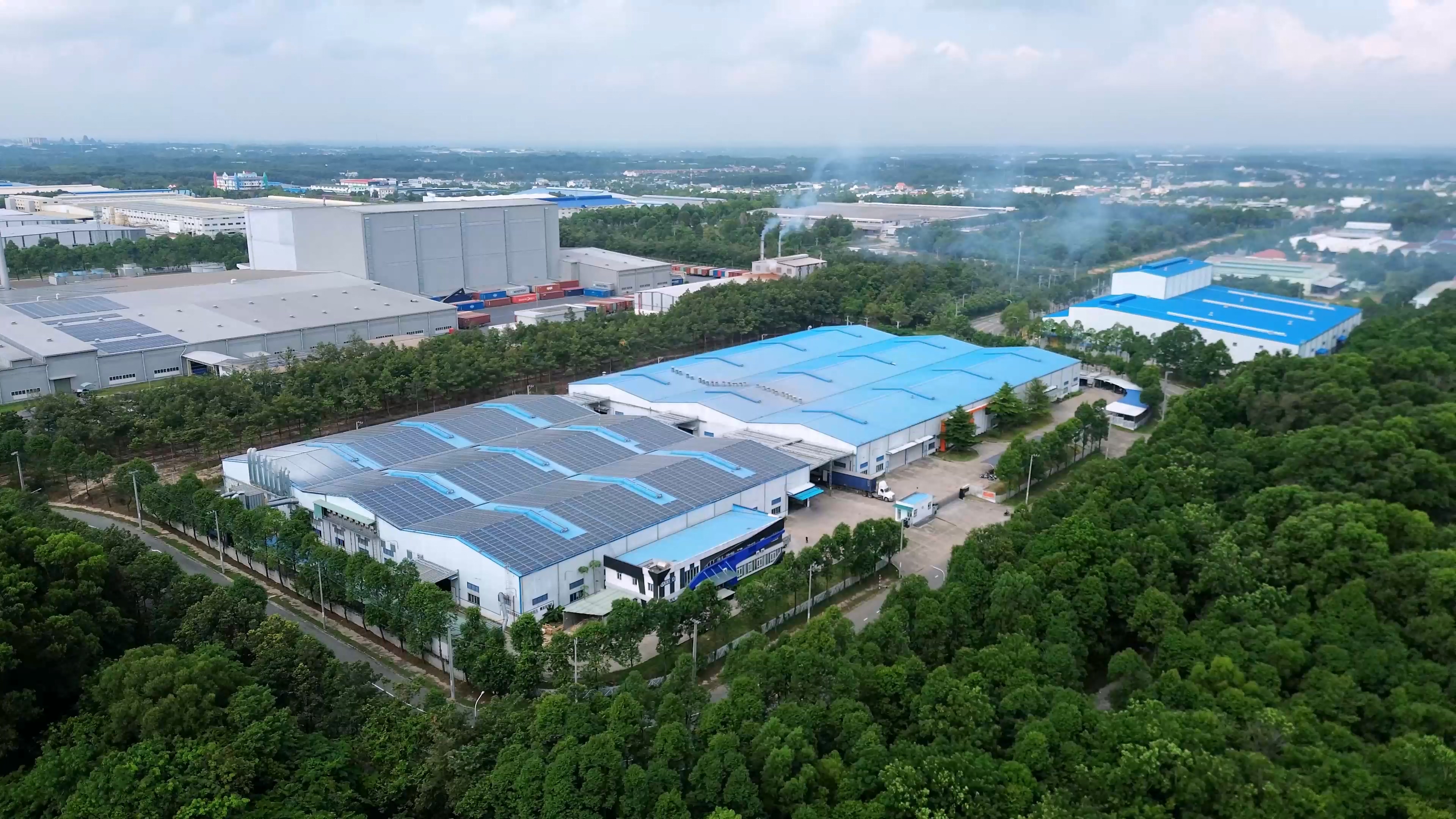
The supply side reflects the same division. Key players in the shower door market include Kohler Co., American Standard (LIXIL), Masco Corporation (Delta) and DreamLine. SHKL (Foshan SHKL Sanitary Ware Co., Ltd) is a manufacturer established in 2004, operating production bases of 100,000 m² in China and 40,000 m² in Vietnam, with a reported workforce of 600, an R&D team of 20, and an export ratio of approximately 70% serving markets including Europe, Australia, North America, South America and the Middle East across more than 50 countries.
Detailed Solution: The Three Trade-Offs Between KL-AS5507310 and KL-AS5577310
The two models are identical in form factor and glass options and different in hardware material. Everything below follows from that single difference.
What the hardware material line actually covers
On both models, hardware material refers to the hinge mechanism and the supporting metal components — not to the glass, and not to a decorative frame. KL-AS5577310 is specified as a hinge shower door with 304 stainless steel hardware; KL-AS5507310 is specified as a hinge shower door with aluminum alloy hardware. Both models list the same glass craftsmanship options: clear glass, tinted glass, laminated glass, flute glass, chemically frosted glass, easy-clean, and film-coated glass. Both are also listed with the same intended applications, residential construction and commercial hospitality.
A buyer comparing the two spec sheets side by side will therefore find exactly one differentiating technical line. The evaluation question becomes: what does that line change in service?
Trade-off 1 — Corrosion behaviour in a wet, frequently cleaned bathroom
304 stainless steel is an austenitic stainless steel grade containing chromium and nickel, and it is widely specified for wet-area hardware because it generally resists rust and surface oxidation well in humid indoor conditions. Aluminum alloy is generally lighter and is normally supplied in bathroom hardware with an anodised, powder-coated or painted finish; that finish is the primary corrosion barrier.
The practical consequence is about maintenance risk. Where the surface finish of aluminum alloy hardware is damaged, or where strongly acidic or abrasive cleaning products are used repeatedly, aluminum surfaces can generally be more prone to surface oxidation and pitting than 304 stainless steel. In a domestic bathroom that is ventilated and cleaned with neutral products, that difference may never become visible. In a hotel bathroom cleaned several times a day, it usually becomes visible earlier.
Two qualifications should be stated openly. First, no third-party corrosion test data is published for either model in the specification set, so this is a comparison of recognised material properties, not a tested performance claim for a specific model. Second, corrosion is driven as much by the cleaning regime as by the material. A bathroom treated daily with aggressive chemicals will shorten the appearance life of either hardware type.
Trade-off 2 — Weight and what it means on site
Aluminum alloy hardware is generally lighter than 304 stainless steel hardware of comparable dimensions. On a hinge door, the hinge assembly carries the panel, so two practical points follow. Lighter hardware generally simplifies handling and installation, and it reduces the load transferred through the hinge into the wall fixings and the enclosure structure. Heavier hardware generally delivers a more substantial feel at the hinge point, which some hotel and premium residential projects value as a tactile signal of quality.
Neither is automatically correct. The right question is whether the specific wall construction, the panel size planned for the bathroom, and the installation team's methods suit the configuration. This is also a reason to fix the hardware material at specification stage rather than at delivery stage.
Trade-off 3 — Style, finish and the design language of the project
Frameless configuration accounted for the largest share of shower door revenue in 2025, at approximately 48.5% according to Dataintelo, which means that in many enclosures the hardware is the only visible metal in the room. That turns the hardware material and its finish into a design decision as well as a durability decision.
SHKL's OEM customization scope covers size, color, material, finish, hardware, logo and design style. In practice this means the hardware material and its finish can be locked at specification stage. It also means a single project can specify 304 stainless steel hardware for public and high-traffic bathrooms and aluminum alloy hardware for guest or secondary bathrooms without changing the glass type, the door configuration logic or the overall design language — which is often how budget-sensitive hospitality projects protect cost without downgrading the most heavily used rooms.
What does not change between the two models
- Glass craftsmanship options: clear, tinted, laminated, flute, chemically frosted, easy-clean, film-coated — listed for both models.
- Intended applications: residential construction and commercial hospitality for both models.
- Customization scope: size, color, material, finish, hardware, logo and design style under SHKL's OEM program.
- Commercial terms: minimum order quantity of 50 units, production lead time of 30–45 days, and 100% inspection.
- Export markets: North America, Europe, Oceania and the Middle East.
The wider SHKL range: hardware material is not limited to two models
The material question also appears across other configurations in the same catalogue, which matters for projects that mix door types across bathroom layouts.
| Model | Configuration | Hardware material |
|---|---|---|
| KL-AS5577310 | Hinge shower door | 304 stainless steel |
| KL-AS5507310 | Hinge shower door | Aluminum alloy |
| KL-AS5104310 | Frameless shower door | Aluminum alloy |
| KL-AS5605110-5 | Bathtub shower door | Aluminum alloy |
| KL-AS5608212 | Sliding shower door | Aluminum alloy |
| KL-AS5511312 | Sliding shower door | 304 stainless steel |
| KL-AS5210422 | Arc shower door | Aluminum alloy |
| KL-AS001-1 | Shower screen | 304 stainless steel |
Specification lines above are taken from SHKL product data. All listed models carry the same glass craftsmanship option set: clear, tinted, laminated, flute, chemically frosted, easy-clean and film-coated glass.
Step-by-Step Breakdown: A Six-Step Specification Workflow
The following workflow resolves the aluminum alloy versus 304 stainless steel decision before the order is placed, rather than after installation.
- Define the exposure environment, bathroom by bathroom. Record whether the bathroom is mechanically ventilated, how often it is in use, and which cleaning products the operator intends to use. High humidity plus frequent cleaning is the condition that separates the two materials most clearly.
- Define traffic and cleaning frequency. A residential master bathroom and a hotel bathroom with daily turnover are different service environments even when the enclosure dimensions are similar.
- Fix the glass specification and the destination-market standard first. Confirm the required glass craftsmanship option, and confirm the applicable safety glazing standard — ANSI Z97.1-2026 and CPSC 16 CFR 1201 for the United States, EN 12150 for Europe. This step is independent of the hardware decision.
- Fix the design language and hardware finish. Decide whether the visible metal should read as a defined color and finish programme or as a bare-metal accent, and confirm that this sits within SHKL's customization scope for finish and hardware.
- Assign the model. Specify KL-AS5507310 where a lighter hardware package and a lower material cost position are acceptable for the exposure level; specify KL-AS5577310 where corrosion tolerance and appearance longevity under heavy cleaning are the priority.
- Lock commercial and supply terms. Confirm the minimum order quantity of 50 units, the 30–45 day lead time, 100% inspection before shipment, and the after-sales arrangement covering warranty support, remote after-sales consultation and spare parts supply.
Use Cases: Where Each Material Earns Its Place
Residential master and family bathrooms
In a ventilated domestic bathroom used by one household and cleaned with neutral products, KL-AS5507310 with aluminum alloy hardware is normally sufficient, and its lighter hardware package makes installation handling easier. Where a residential project faces a wet, poorly ventilated room or a coastal environment with salt-laden air, KL-AS5577310 with 304 stainless steel hardware is the more conservative specification.
Hotel and commercial hospitality bathrooms
Hospitality bathrooms combine continuous use with frequent cleaning. That is the environment where 304 stainless steel hardware is generally preferred, because the cost of an appearance or maintenance issue is multiplied by the number of rooms. SHKL's own project record includes a US hotel bathroom project of 250 units delivered on time, with product quality meeting US market standards and high customer satisfaction, completed within two years.
Multi-unit residential and mixed-configuration projects
Projects that combine hinge, sliding, arc and bathtub configurations across different unit types can standardise the glass specification and differentiate the hardware material by bathroom exposure. The range table above shows that both 304 stainless steel and aluminum alloy hardware are available across configurations, including the sliding model KL-AS5511312 in 304 stainless steel.
Project references for shower door programmes
- Australia: a shower door customized client installed 190 units for bathroom shower applications using product model KL-AS5511312. The products met Australian safety standards, installation was smooth, and customer satisfaction was high, over a project duration of 5–10 years.
- Thailand: a shower door customized client installed 110 units using KL-AS5511312 for bathroom applications. The specification used safety laminated glass with an anti-shatter design for enhanced user safety; the glass met local standards, installation was smooth, and customer satisfaction was high.
- Canada: a bathroom and kitchen cabinet customized client installed 50 units. Materials met requirements, products met Canadian safety standards, delivery was on time, and customer satisfaction was high.
Comparison Table: Aluminum Alloy vs. 304 Stainless Steel Hardware
| Decision factor | Aluminum alloy hardware (KL-AS5507310) | 304 stainless steel hardware (KL-AS5577310) |
|---|---|---|
| Configuration per SHKL spec | Hinge shower door | Hinge shower door |
| Hardware material per SHKL spec | Aluminum alloy | 304 stainless steel |
| Intended applications per SHKL spec | Residential construction, commercial hospitality | Residential construction, commercial hospitality |
| Glass craftsmanship options per SHKL spec | Clear, tinted, laminated, flute, chemically frosted, easy-clean, film-coated | Clear, tinted, laminated, flute, chemically frosted, easy-clean, film-coated |
| Weight (general material property) | Generally lighter than 304 stainless steel of comparable dimensions | Generally heavier, giving a more substantial feel at the hinge |
| Corrosion behaviour in humid bathrooms (general material property) | Depends mainly on the anodised, powder-coated or painted finish; more sensitive where the finish is damaged or aggressive cleaners are used | Generally high resistance to rust and surface oxidation in humid indoor conditions |
| Cleaning sensitivity | Neutral cleaning products recommended; abrasive or strongly acidic products increase risk | More tolerant of frequent cleaning cycles, which suits high-turnover bathrooms |
| Finish and design role | Finish and color programme defined under OEM customization | Bare-metal accent, typically paired with minimal enclosure designs |
| Cost position | Typically a lower material cost point for comparable function | Typically a higher material cost point for comparable function |
Rows describing general material behaviour reflect widely recognised properties of aluminum alloy and 304 stainless steel. Rows labelled per SHKL spec are taken from SHKL product data. No model-specific corrosion test data is published for either model, so no tested performance claim is made here.
FAQ
Do aluminum alloy and 304 stainless steel shower doors follow the same safety standards?
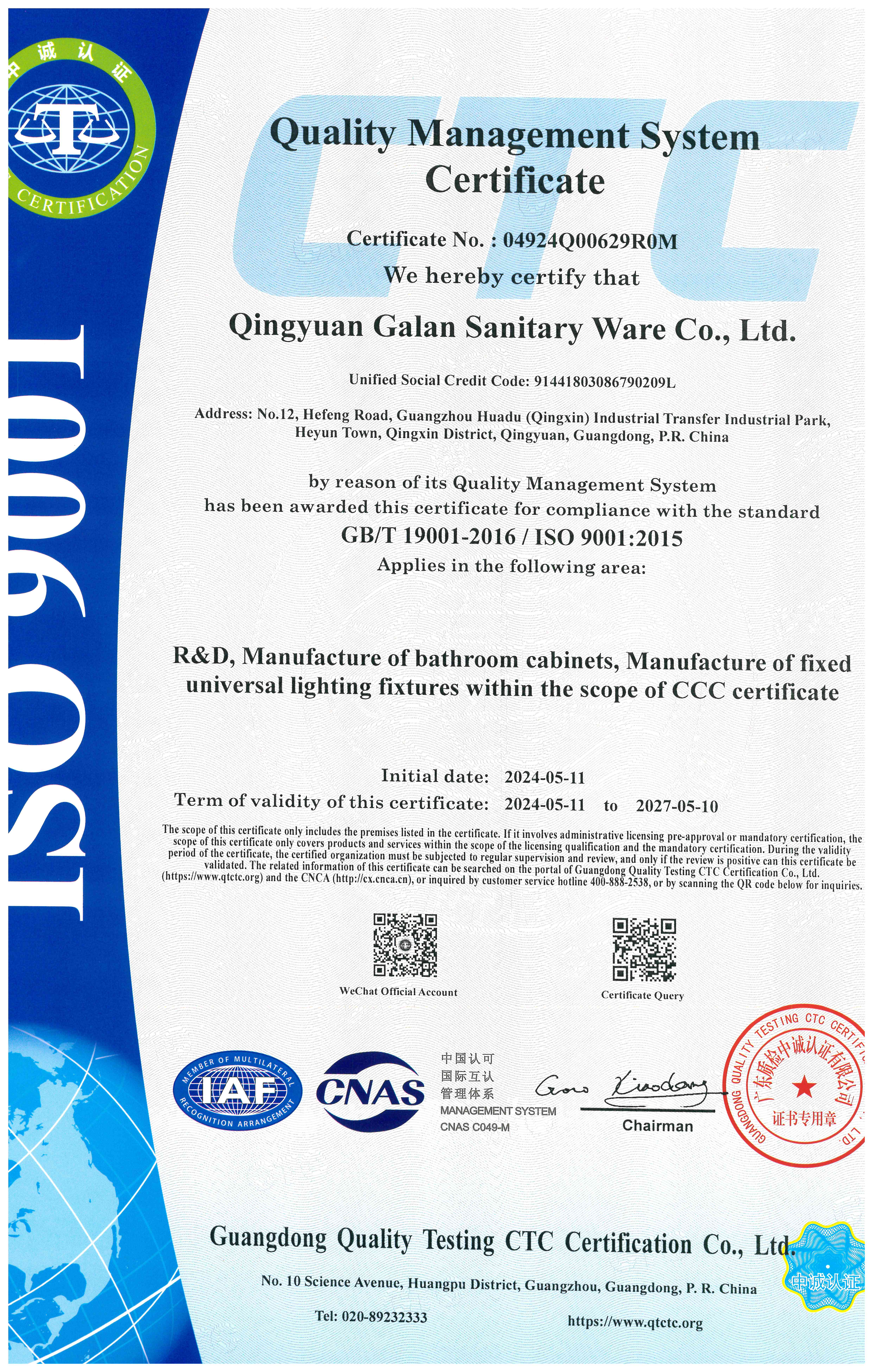
Yes, because safety standards for shower enclosures address the glass rather than the hinge material. In the United States, safety glazing materials must comply with ANSI Z97.1-2026 and CPSC 16 CFR 1201 for impact and shatter behaviour. In Europe, thermally toughened soda lime silicate safety glass used in shower enclosures must meet EN 12150. SHKL's KL-AS5507310 with aluminum alloy hardware and KL-AS5577310 with 304 stainless steel hardware are both listed with the same glass craftsmanship options, so the glass compliance specification does not change when you change the hardware material. On the manufacturing side, SHKL holds ISO 9001, ISO 14001 and ISO 45001 certifications issued by Guangdong Quality Testing CTC Certification Co., Ltd., valid from 11 May 2024 to 10 May 2027.
Which hardware material suits hotel and commercial hospitality bathrooms?
Both models are listed for residential construction and commercial hospitality, so the answer depends on service conditions rather than on a category restriction. High-turnover bathrooms that are cleaned frequently are the environment where 304 stainless steel hardware, as used on KL-AS5577310, is generally preferred, because it generally resists rust and surface oxidation well in humid indoor conditions. Aluminum alloy hardware, as used on KL-AS5507310, is generally chosen where a lighter hardware package is needed or where the project requires a specific color and finish programme that is easier to achieve through coating. The practical decision rule is exposure and cleaning regime first, design language second.
How does the hardware material choice affect the project budget?
Aluminum alloy hardware is typically positioned at a lower material cost point than 304 stainless steel hardware of comparable function, so the difference normally appears in the hardware share of the unit cost rather than in the whole enclosure. SHKL does not publish list prices, and costing is confirmed per specification. What is fixed operationally is the commercial framework: OEM customization covering size, color, material, finish, hardware, logo and design style, a minimum order quantity of 50 units, and a production lead time of 30–45 days. A common way to protect a hospitality budget is to specify 304 stainless steel hardware for public and high-traffic bathrooms while using aluminum alloy hardware for guest bathrooms, keeping the glass specification unchanged.
Can we validate the choice before placing a full order?
Hardware material, finish, glass craftsmanship and size are all part of SHKL's OEM customization scope, which means they are fixed at specification stage rather than after delivery. Production runs at a minimum order quantity of 50 units with a 30–45 day lead time, and 100% inspection is carried out before shipment. Buyers who want to confirm the visual and functional difference between aluminum alloy and 304 stainless steel hardware should request sample confirmation together with a written specification sheet listing the model, configuration, hardware material and glass option. Sample and quotation requests can be sent to info@shklbathroom.com or via WhatsApp on +86 13790005061.
What lead time and after-sales support should buyers plan for?
Standard production lead time is 30–45 days with 100% inspection before shipment. After-sales support includes warranty support, remote after-sales consultation and spare parts supply — which matters most in hotel projects, where a hardware component may need to be replaced years after installation without replacing the glass panel. The SHKL product brochure can be downloaded directly here: SHKL Bathroom Products Brochure. To have a specification reviewed against a specific bathroom type, send the layout, the required glass option and the expected cleaning regime to info@shklbathroom.com.
Conclusion: Choose the Material by Bathroom, Not by Catalogue Position
The head-to-head result between KL-AS5507310 and KL-AS5577310 is not a winner and a loser. It is a split decision by exposure. Where the bathroom is ventilated, the traffic is domestic, and the cleaning regime is neutral, aluminum alloy hardware is generally the practical and cost-efficient choice, and its lighter weight simplifies installation. Where the bathroom is cleaned frequently, used continuously, or located in a humid and salt-influenced environment, 304 stainless steel hardware is generally the more conservative specification because it resists rust and surface oxidation well in humid indoor conditions.
Because the two models share the same glass craftsmanship options and the same stated intended applications, the material line is the only variable a buyer needs to resolve. Resolve it with three inputs: the cleaning and humidity regime of each bathroom, the design finish the project wants to show, and the intended service life of the enclosure. Do that before the order is placed, and the choice stops being a guess about metal and becomes a documented specification decision.
Next Step: Confirm the Right Hardware for Each Bathroom
Send your bathroom schedule, required glass option and cleaning regime to SHKL, and the team will confirm whether KL-AS5507310 (aluminum alloy hardware) or KL-AS5577310 (304 stainless steel hardware) fits each room — including mixed-material orders under OEM customization, from a minimum order quantity of 50 units and a 30–45 day lead time.
Email: info@shklbathroom.com | WhatsApp: +86 13790005061 | Website: www.shklbathroom.com
Download the brochure: SHKL Bathroom Products Brochure (PDF)
Foshan SHKL Sanitary Ware Co., Ltd — founded 2004, with production bases in China and Vietnam and a 20-person R&D team, supplying bathroom vanities, shower doors and LED bathroom mirrors to more than 50 countries.
Have Questions or Need More Details?
Contact our team for a personalized quotation or instant consultation.
Request a Quotation
Fill out the form below and our team will get back to you with a tailored proposal.
WhatsApp Direct Chat
Prefer to chat in real-time? Message us on WhatsApp for instant assistance & quick answers.
- Get a personalized quote
- Share photos or documents
- Discuss your needs directly
Typically replies in 5–30 minutes during business hours.