
Bathroom Vanity Manufacturer Evaluation: Model-Level Checks
A model number is the smallest unit a bathroom vanity buyer can actually verify. Catalogues describe what a factory is able to produce; a purchase order commits you to one model, one size, one cabinet material, one finish and one hardware specification, delivered by one date. Model-level evaluation is the discipline of replacing brochure statements with evidence attached to that single model — whether it is in current production, which dimensions are confirmed for it, which boards and finishes it is built from, which drawer and hinge brands it carries, and which lead time belongs to its construction method.
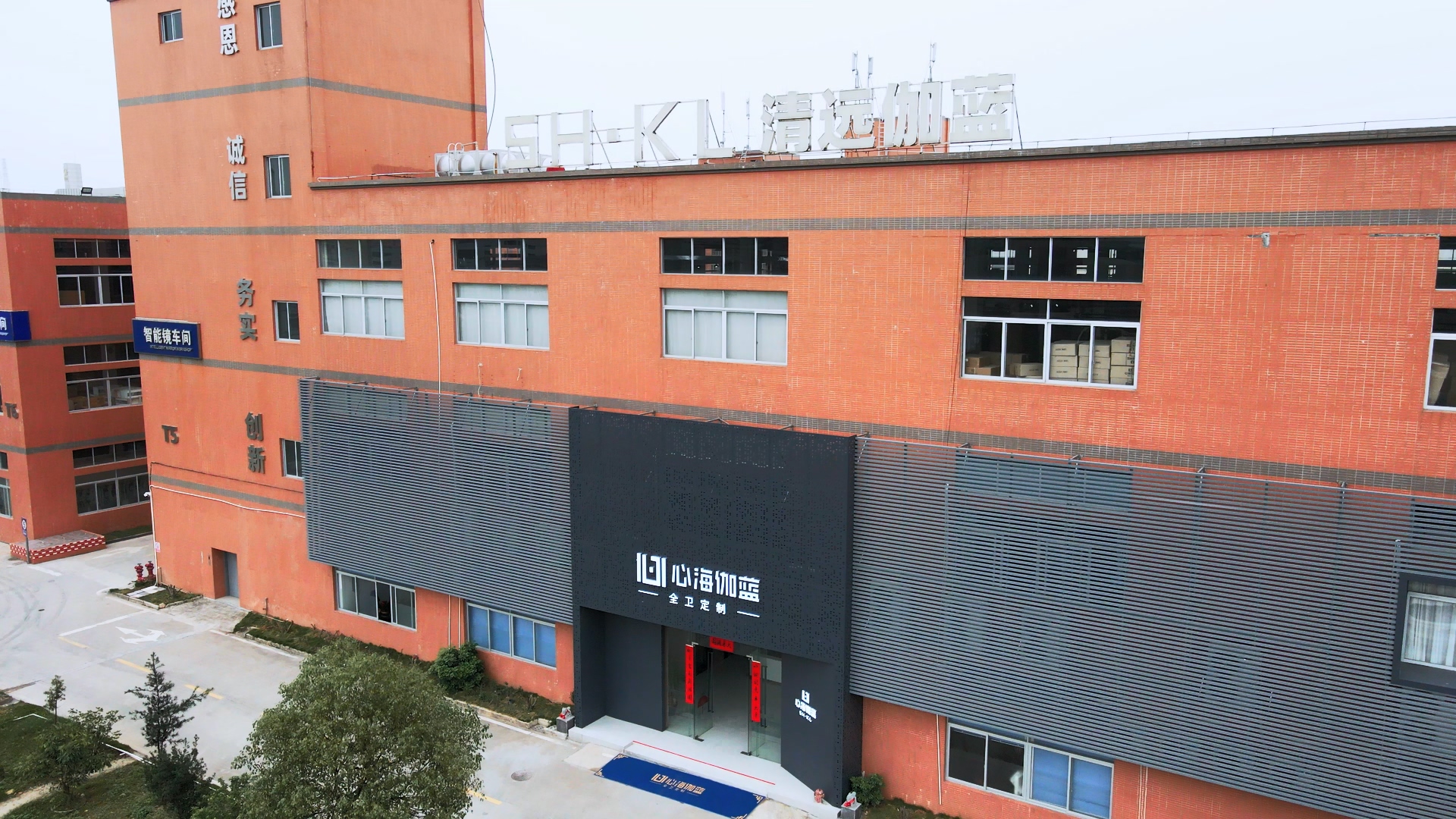
Foshan SHKL Sanitary Ware Co., Ltd (SHKL) is a bathroom vanity, shower door and LED bathroom mirror manufacturer founded in 2004, operating production bases in China and Vietnam and supplying Europe, Oceania, North America, South America and the Middle East. Two of its models — KL813003 and AS813047 — appear in delivered project records covering a US hotel bathroom programme and an Australian villa project. That makes them useful worked examples: the checks in this article can be run against a model that has already shipped, then repeated on any new model before a deposit is released.
The Problem: Brochure Claims Do Not Survive the Purchase Order
Most supplier evaluations fail at the same point. The buyer validates the supplier — factory size, certificates, product range, export markets — and then places an order against a model that was never separately verified. The gap between the two is where cost, delay and dispute live.
- Category evidence is not model evidence. A manufacturer may offer solid wood, plywood, MDF and particleboard cabinets and still quote one specific specification for the model you selected. If the specification sheet is not attached to that model, the material named in the contract is unverified.
- Production status changes without notice. Models are revised, retired or moved between factories. A photograph taken two seasons ago is not confirmation that the model is currently in production with the same hardware and the same cabinet build.
- Lead time is attached to construction, not to the brand. In SHKL's records, classic style vanities are quoted at 40–45 days, modern lacquer vanities at 35–45 days and melamine board vanities at 25–35 days. A project date calculated from an average figure rather than the actual construction method is a scheduling error waiting to happen.
- Compliance attaches to the finished configuration. A certificate issued for one component does not travel automatically to the assembled product. A certificate for a basin, or for a different model, does not demonstrate compliance of the complete vanity configuration.
The practical consequence is that model-level evaluation is not a formality performed after the supplier is approved. It is the step that converts an approved supplier into an executable order.
Industry Background: Why Model Detail Now Decides Approvals
Two pressures have moved verification from the company file to the model file. The first is material regulation. Composite wood panels used in vanities are regulated at the panel level in North America — TSCA Title VI under 40 CFR 770 for US orders, California CARB ATCM Phase 2 where applicable, and CANFER (SOR/2021-148) for Canada. In the European Union, in-scope furniture must meet the 0.062 mg/m³ REACH limit from 6 August 2026 under the prescribed test conditions; an E1 panel declaration is a useful baseline but is not by itself proof of that limit. Timber due diligence adds a second layer: under the EU Deforestation Regulation, application dates are 30 December 2026 for large and medium operators and 30 June 2027 for micro and small operators — except operators already covered by the EUTR, which remain at 30 December 2026, so a small-company status does not automatically buy extra time for a covered wooden vanity order.
The second pressure is project-driven demand. Hospitality and multi-unit residential buyers specify a vanity as part of a room package: the mirror, the basin and the cabinet are approved together, and any change to one triggers re-approval of the others. Buyers in these segments routinely ask for the model file — the current drawing, the material statement, the hardware brand and the packed volume — rather than a product catalogue.
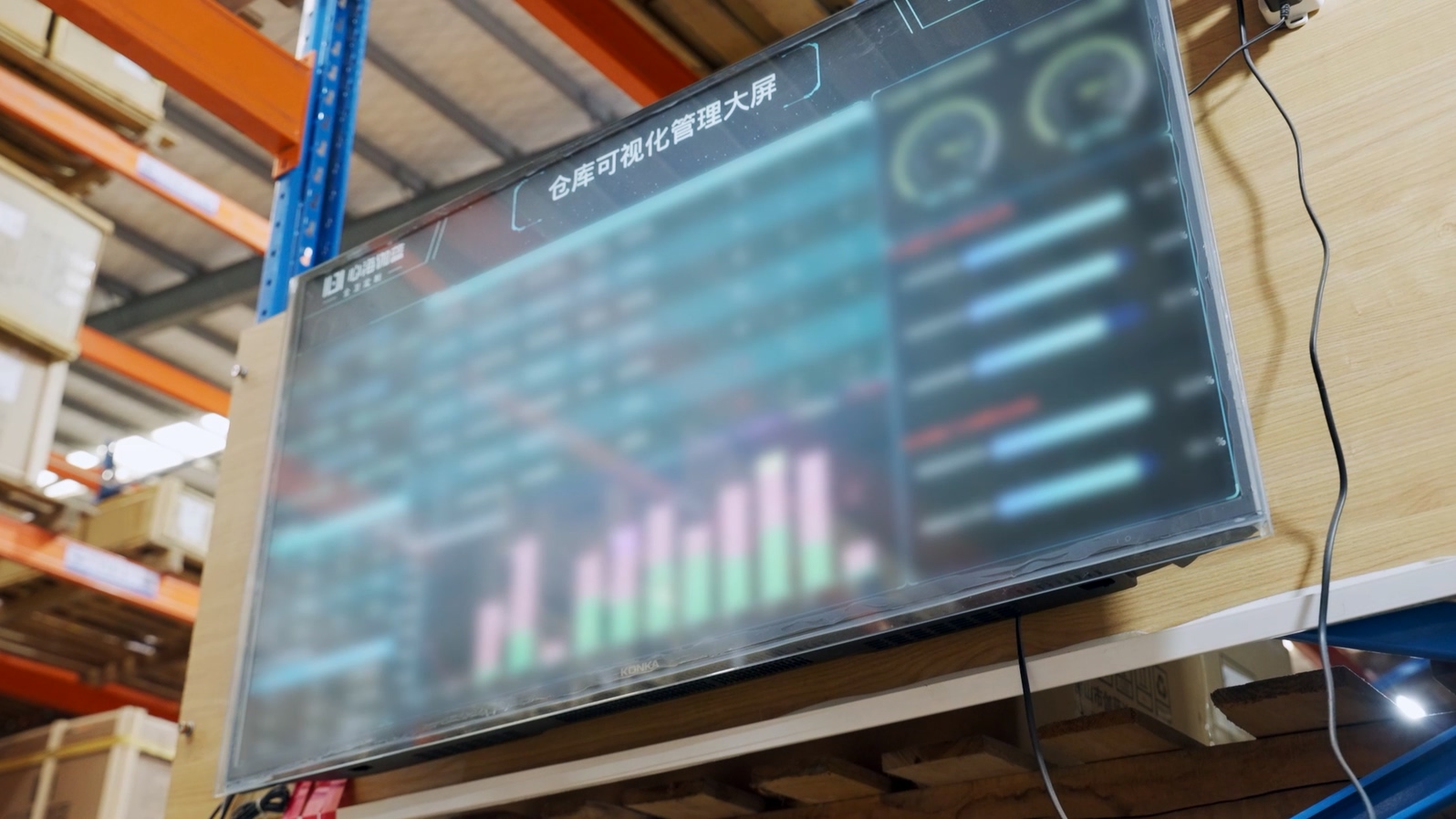
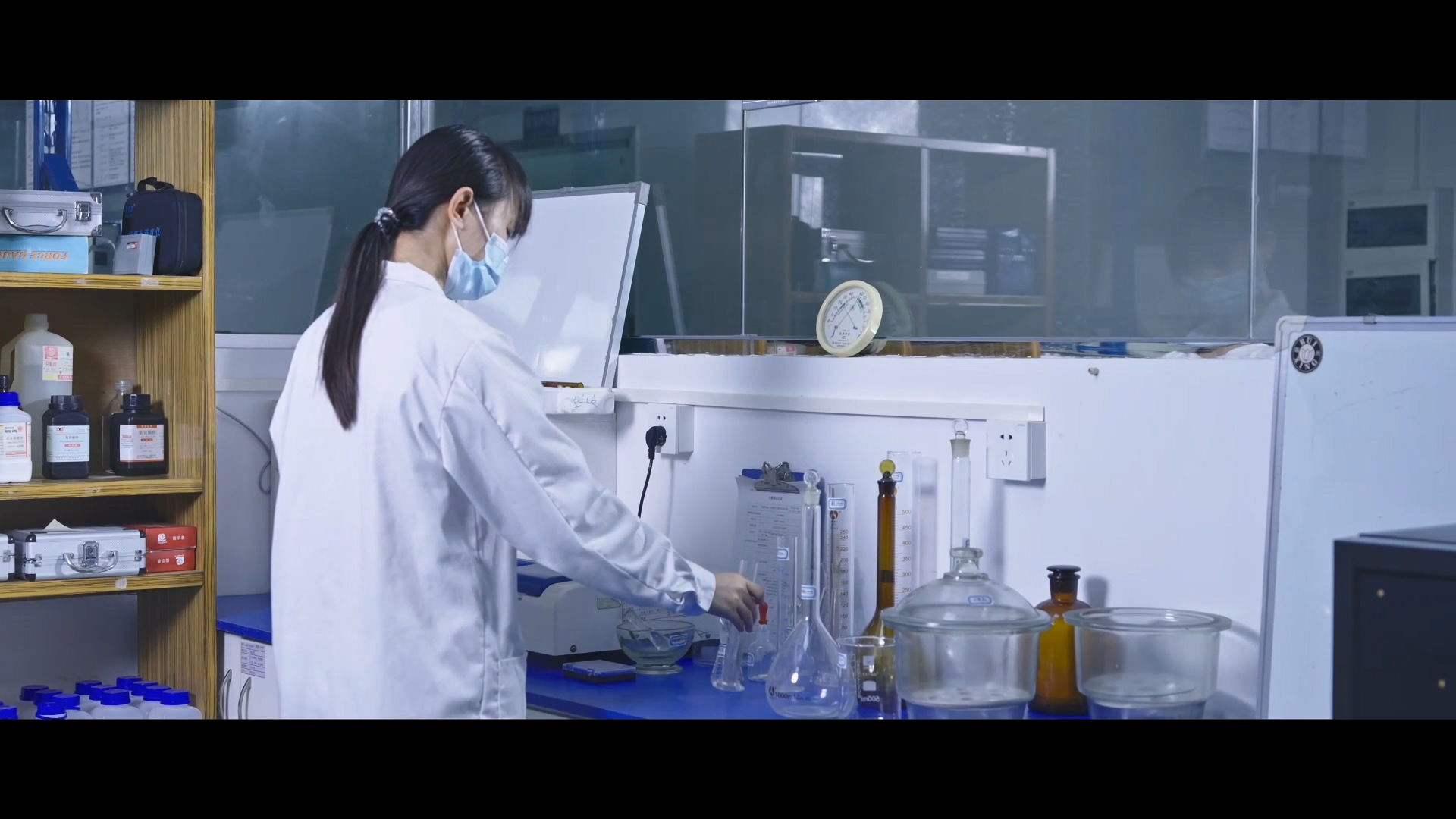
Management-system certification remains part of the supplier check, but it answers a different question. SHKL holds ISO 9001 (certificate 04924Q00629R0M), ISO 14001 (04924E00351R0M) and ISO 45001 (04924S00316R0M), all issued on 11 May 2024 and valid to 10 May 2027 by Guangdong Quality Testing CTC Certification Co., Ltd., covering R&D and manufacture of bathroom cabinets and fixed universal lighting fixtures. These confirm that quality, environmental and occupational-safety systems are certified. They do not confirm that a named model uses a compliant panel, a named hinge brand or a specified finish system — which is exactly what the model-level check is for.
A Five-Layer Evidence Framework for Model-Level Evaluation
The framework below is ordered by risk. Each layer produces a document you can attach to the purchase order; if a layer cannot be evidenced, the order is not yet executable.
Layer 1 — Current production status of the exact model
Ask for written confirmation that the model is active, together with a reference to a recent order or batch. Delivered project records are the strongest form of this evidence because they show the model was produced, packed and shipped rather than merely displayed. KL813003 and AS813047 both appear in SHKL's project records, including a two-year hotel bathroom programme in the United States covering 250 units and a 100-unit Australian villa project, where the recorded result was on-time delivery and products meeting the destination market's standards. A model with a shipment record behind it is a materially lower risk than a model that exists only in a catalogue render.
Layer 2 — Dimensions and configuration, confirmed per order
Dimensions on a bathroom vanity are order-specific because mounting type and room geometry interact. SHKL's customisation scope covers size alongside colour, material, finish, hardware, logo and design style, and the mounting options offered are wall-mounted and floor-standing. A wall-mounted (floating) vanity therefore has to be verified on the current drawing rather than on a generic size list: cabinet width, depth, height, basin configuration, the wall-fixing or hanging detail, and whether the model is supplied as a matched set of cabinet, basin and mirror. Components are quoted separately, but the manufacturer recommends a set for consistent performance and a unified style — a recommendation worth taking seriously on multi-unit projects, where mixed sourcing is the usual cause of visible inconsistency.
Layer 3 — Cabinet materials, panel grade and finish system
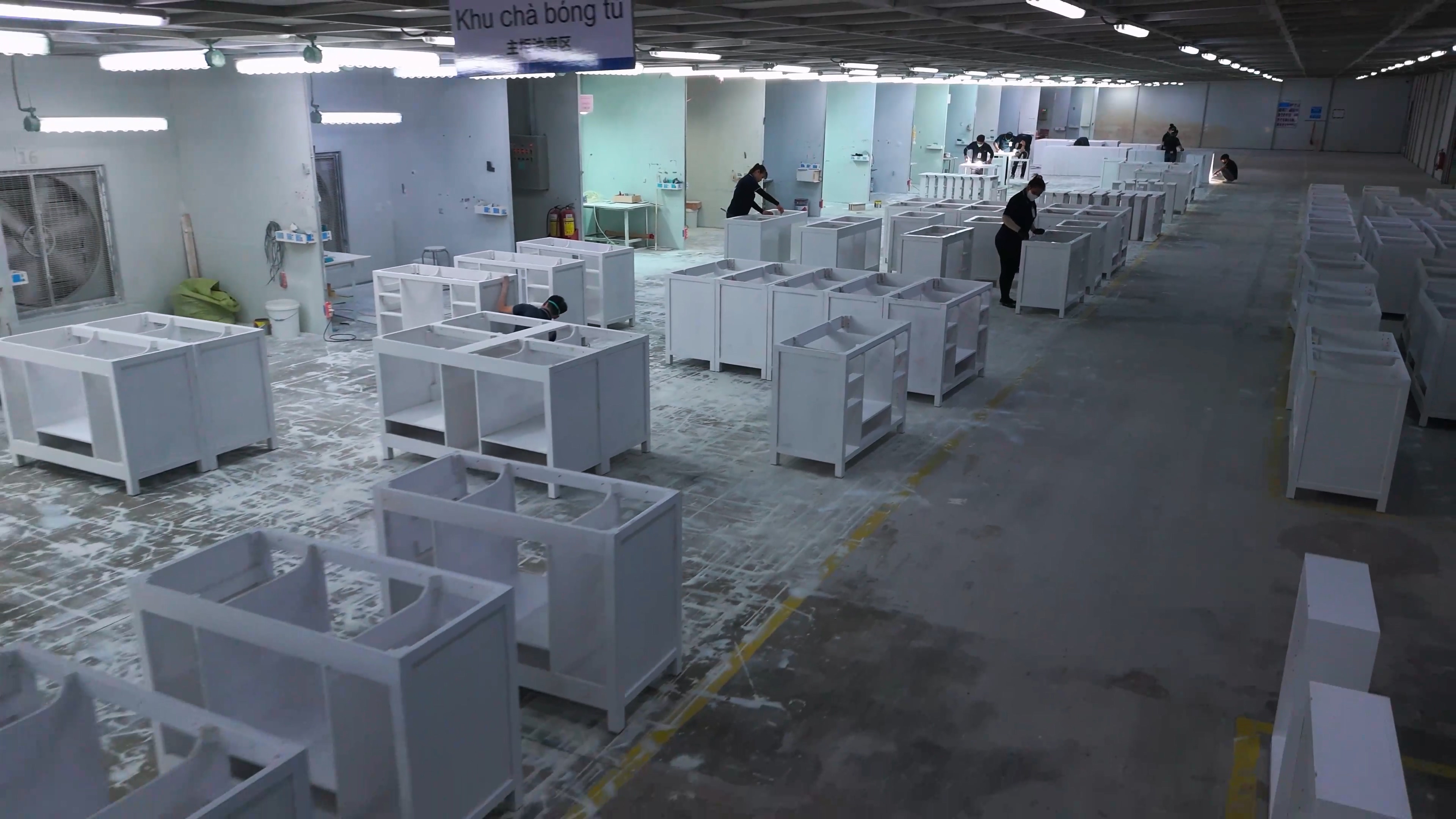
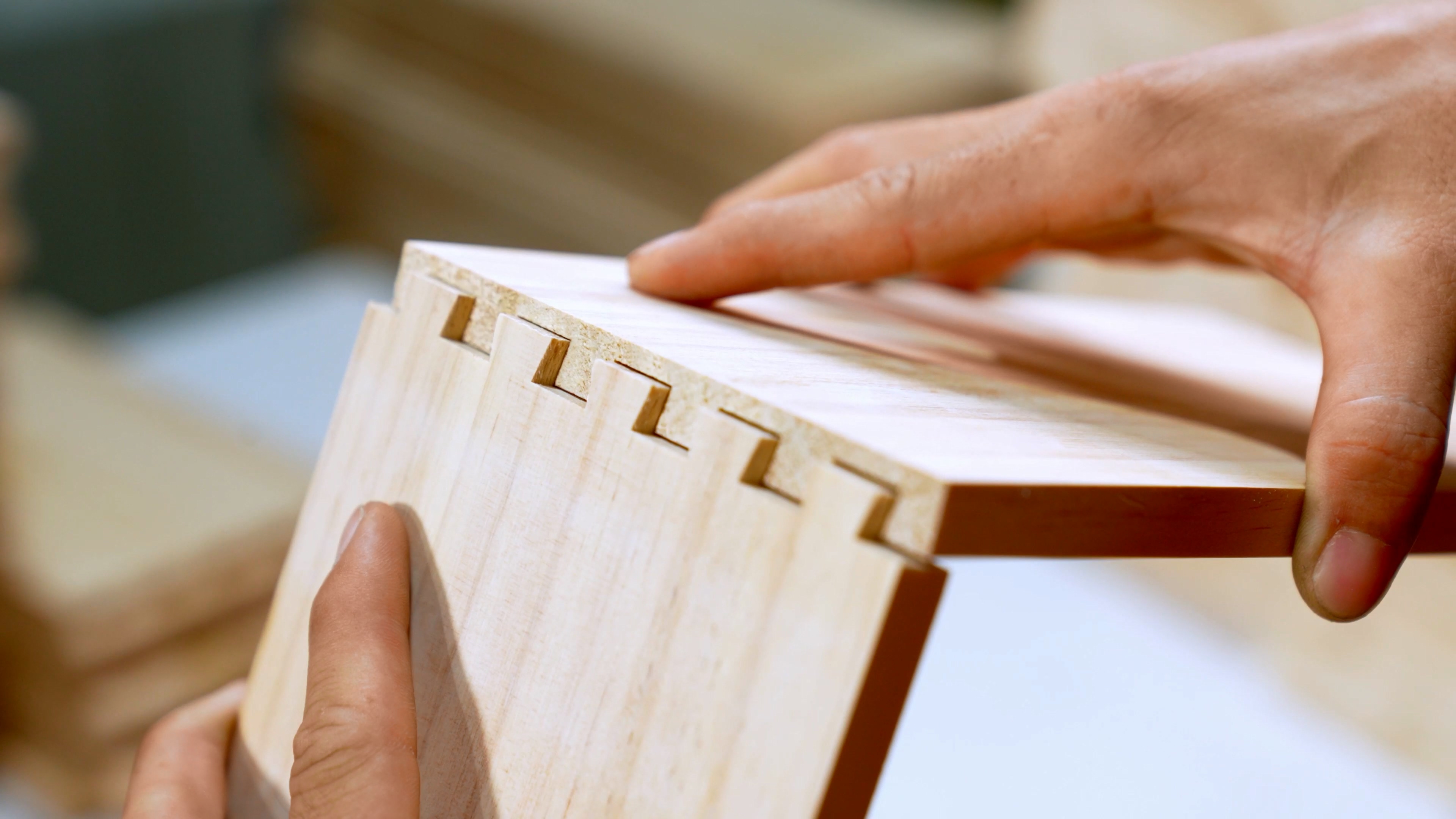
SHKL offers solid wood, plywood, MDF and particleboard vanities, with surface treatments including painted finishes, melamine, veneer and PVC foil. For solid wood, moisture content is controlled at 10%–14% and the process is upgraded specifically to reduce cracking risk; if a product does crack, the stated response is guidance for minor repairs and replacement for serious cases. Lacquered vanities use two UV undercoats and one PU finishing coat, while melamine vanities rely on sealing to limit moisture penetration — and no vanity should be soaked for long periods regardless of finish. Panels are E1 grade as standard.
This is the layer where buyers most often accept a category statement instead of a model statement. The correct request is a per-model material breakdown naming the board type for carcass, doors and drawer fronts, the finish system and coat build, and the panel grade with supporting supplier documentation for the destination market.
Layer 4 — Hardware specification, by brand and by position
Hardware is the most frequently blurred line in a vanity quotation, because "soft-close" and "branded hardware" are descriptions rather than specifications. SHKL's standard rail and hinge brands are DTC and BLUM, with Kubler, Hettich and Hafele available; the drawer hardware range includes steel-ball guide rails, palm guides and drawer boxes, with palm guides used as the normal configuration. A buyer should record, per model, the rail type and brand for each drawer, the hinge brand for each door, and whether soft-close is included in the specified runner. If the answer is not written down before production, it cannot be inspected afterwards.
Layer 5 — Delivery, packaging and warranty terms
Delivery assurance is a set of commitments, not a shipping estimate. The relevant commitments are the lead time attached to the construction method, the packaging specification per component, the inspection regime before packing, and the warranty position. SHKL packs the cabinet, basin and mirror individually using PE foam, corner protectors, foam and five-layer cardboard boxes; general vanities can be supplied knocked down or flat packed with an installation manual, while knock-down packing is not recommended for complex vanities. Pre-packing inspection is stated as a full inspection, and the warranty is two years, with free replacement for serious product quality problems after the cause is confirmed as production rather than transport or installation.
Step-by-Step: Running a Model-Level Supplier Check
The sequence matters because each step depends on the previous one. Running the packaging question before the material question, for example, produces a quotation that cannot be compared with another supplier's.
Step 1 — Fix the model code and the mounting type. Confirm the exact model (for example KL813003 or AS813047) and whether it is wall-mounted or floor-standing. Both mounting types are available, and the fixing detail differs, so the code alone is insufficient.
Step 2 — Request the current model drawing. Cabinet width, depth and height, basin cut-out, drawer and door layout, and the wall-fixing detail. Compare it to the room or room type, not to the catalogue image.
Step 3 — Request the material and finish statement per component. Board type for carcass, doors and drawer fronts; finish system and coat build; panel grade with supporting documentation for the destination market.
Step 4 — Lock the hardware schedule. Rail type and brand per drawer, hinge brand per door, and an explicit statement on soft-close where it is required. DTC and BLUM are the standard brands; alternates should be named in writing.
Step 5 — Confirm the compliance route for the destination. US: TSCA Title VI panel compliance and Lacey Act considerations for wood content. Canada: CANFER panel compliance and bilingual labelling. EU: REACH formaldehyde compliance for in-scope furniture, plus timber due diligence and EUDR timing that depends on the operator's category. Supplied basins and electrical accessories are assessed separately from the cabinet.
Step 6 — Convert the lead time from construction to calendar. Match the quoted range to the construction method, then add approval steps that sit outside production: finish sample sign-off, packaging artwork where branded cartons are used, and pre-shipment inspection.
Step 7 — Fix the commercial and acceptance terms. Confirm the order quantity thresholds for the specific model, the delivery term, the payment term and the acceptance criteria — pre-shipment testing is the recorded basis — before the production slot is booked.
Delivery Assurance: Matching the Model to the Project Type
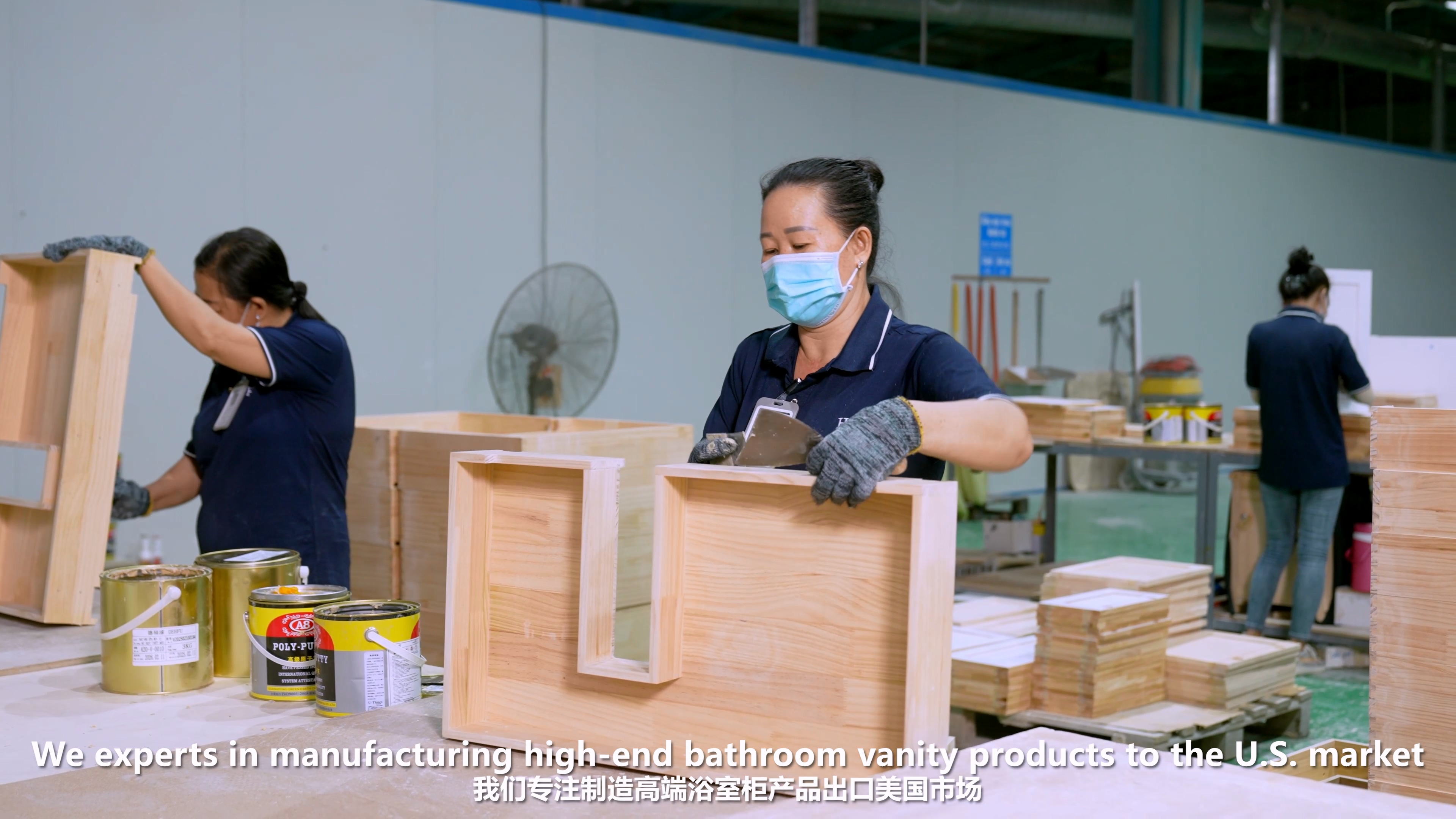
Delivery assurance means the model specification, the packing method and the lead time have been matched to the way the product will actually be installed. The same cabinet can be low-risk for one project type and high-risk for another.
Residential construction and renovation
In residential work the constraint is usually installation sequence and room size. A wall-mounted vanity frees floor area and simplifies cleaning, but requires a suitable wall and a confirmed fixing detail; a floor-standing unit removes that dependency and is the safer choice where wall construction is unknown. Knock-down or flat packing can reduce freight volume for general vanities and is supported with an installation manual, but it is not recommended for complex vanities — on a small residential order, paying for assembled packing is often cheaper than the labour of correcting a flat-pack build.
Commercial hospitality
Hospitality projects add repetition, inspection and brand consistency. Two hundred identical rooms require the model to stay identical across production batches, which is why the hardware schedule and finish system must be frozen in writing rather than agreed verbally. The US hotel bathroom programme referenced earlier — 250 units delivered over a two-year period, with on-time delivery and product quality meeting US market standards — illustrates the pattern: the risk is not the first container but the fifth, after the factory has reordered panels and hardware.
Multi-unit residential and villa programmes
Villa and multi-unit work usually mixes vanity types across bathrooms, with double sink configurations in primary bathrooms and single units elsewhere. Here the model-level check should include the basin and mirror as a package: basin documentation is assessed on the component itself (washbasins covered by EN 14688 require CPR performance documentation and marking in the EU; in Australia, basins sit on the WaterMark excluded list while basin waste outlets require certification), and LED mirror functions are specified separately from the cabinet.
Reference Tables for the Model File
The two tables below are the working part of the evaluation: one converts construction into calendar time, the other converts claims into documents.
| Vanity construction | Quoted lead time | What must be fixed in the order |
|---|---|---|
| Classic style bathroom vanity | 40–45 days | Finish and trim specification signed off before the slot is booked |
| Modern lacquer bathroom vanity | 35–45 days | Colour approval plus coat build (two UV undercoats, one PU finishing coat) |
| Melamine board bathroom vanity | 25–35 days | Sealing and edge specification, panel grade and supplier documentation |
| OEM programme (general) | 30–45 days | Customisation scope: size, colour, material, finish, hardware, logo, design style |
| Other vanity types | Quoted on request | Written confirmation before deposit, not after |
Freight planning reference: for a vanity 0.8 m high, each set occupies about 0.6 CBM; a 40 ft HC holds approximately 110 sets and a 20 ft GP approximately 45 sets. These figures are reference values for planning only and should be re-checked against the final packing specification.
| Model-level check | Evidence to request | SHKL reference point |
|---|---|---|
| Current production status | Written confirmation plus a recent shipment or batch reference | KL813003 and AS813047 appear in delivered project records (US hotel, Australian villa, Canadian order) |
| Dimensions and configuration | Current model drawing: width, depth, height, basin cut-out, fixing detail | Size is a customisation parameter; wall-mounted and floor-standing mounting offered |
| Cabinet material | Per-component board and species statement | Solid wood, plywood, MDF and particleboard |
| Finish system | Finish type and coat build | Painted, melamine, veneer, PVC foil; lacquer = two UV undercoats + one PU coat; solid wood moisture 10%–14% |
| Panel grade | Panel grade plus destination-market documentation | E1 boards used as standard |
| Hardware | Brand and range per drawer and hinge | DTC and BLUM standard; Kubler, Hettich, Hafele available; steel-ball rails, palm guides, drawer boxes |
| Packaging | Pack method per component, carton type | Cabinet, basin and mirror packed individually with PE foam, corner protectors, foam and five-layer cartons |
| Inspection and warranty | Inspection regime, warranty term, remedy route | Full inspection before packing; two-year warranty; free replacement for serious quality problems |
| Supplier systems | Certificates and scope | ISO 9001, ISO 14001, ISO 45001, issued 11 May 2024, valid to 10 May 2027 — management systems, not product approval |
Use Cases: What Model-Level Checks Look Like in Practice
US hotel bathroom programme — 250 units
A two-year hospitality programme is a repeatability test. The checks that matter are panel compliance for the US market, a frozen hardware schedule across batches, and a packing method that survives pallet handling on site. The recorded outcome on this programme was on-time delivery with product quality meeting US market standards, and the design fidelity was cited as the highlight — which only holds if the model file was fixed before the first batch ran.
Australian villa project — 100 units
Villa work mixes configurations and puts weight on appearance consistency and durability. Here the model-level checks are the finish system, the solid wood moisture control at 10%–14%, and confirmation that each bathroom's configuration was individually approved. The recorded result was delivery meeting the villa design specification, with the product described as practical, durable and stylistically consistent with the project.
Canadian bathroom and kitchen order — 50 units
Smaller mixed orders test documentation discipline rather than volume. The relevant requirements are CANFER panel compliance for Canada, bilingual labelling, and a material statement that matches what is actually supplied — the recorded result on this order was material compliance with the requirement, on-time delivery and high satisfaction.
OEM floating vanity for a custom project
Custom floating projects are where model-level evaluation pays for itself. The customisation scope covers size, colour, material, finish, hardware, logo and design style, with more than 10 sets per item for customised vanities, more than 20 sets for custom colours and more than 20 pieces per item for logo printing; complex designs should be discussed with sales before the order is set. Light colours are usually more expensive than matte colours, so the colour decision belongs in the budget conversation, not the production conversation.
Frequently Asked Questions
1. Which compliance documents should be requested at model level rather than company level?
Request documents that name the panel, the component and the destination market. For US orders this means TSCA Title VI compliance under 40 CFR 770, plus California CARB ATCM Phase 2 where applicable and Lacey Act considerations for wood content. For Canada it means CANFER (SOR/2021-148) panel compliance with compliant bilingual labelling. For the EU, in-scope furniture must meet the 0.062 mg/m³ REACH formaldehyde limit from 6 August 2026 under the prescribed test conditions — an E1 declaration is a baseline, not proof of that limit — and timber due diligence applies under the EUDR, with a 30 December 2026 date for large and medium operators and 30 June 2027 for micro and small operators, except operators already covered by the EUTR, which remain at 30 December 2026. FSC certification, where requested, supports sourcing but does not replace statutory due diligence. Two cautions apply: ISO 9001, ISO 14001 and ISO 45001 certificates cover management systems rather than product conformity, and a certificate for a basin or another model does not demonstrate compliance of the complete vanity configuration.
2. Can a manufacturer build a floating vanity to project dimensions and a specified hardware schedule?
Yes, within a defined customisation scope. SHKL customises size, colour, material, finish, hardware, logo and design style, and offers both wall-mounted and floor-standing mounting for bathroom vanities. What must be verified is the model-level record: the current drawing for the requested width and depth, the fixing detail for the wall type, the per-component material and finish statement, and the hardware schedule by brand and position. Rails and hinges are DTC and BLUM as standard, with Kubler, Hettich and Hafele available on request, and drawer hardware ranges from steel-ball guide rails to palm guides and drawer boxes. Custom vanities require more than 10 sets per item, custom colours more than 20 sets, and logo printing more than 20 pieces per item; complex designs should be reviewed with sales before confirmation.
3. What drives the cost and the minimum quantity of a vanity order?
Three variables dominate: the customisation depth, the colour, and the freight configuration. Customised vanities start above 10 sets per item, custom colours above 20 sets, and branded packaging printing above 20 pieces per item; light colours are usually more expensive than matte colours. Freight planning uses roughly 0.6 CBM per set for a vanity 0.8 m high, with a 40 ft HC holding approximately 110 sets and a 20 ft GP approximately 45 sets as reference values. Commercial terms recorded for the purchasing process are FOB delivery and T/T payment, with pre-shipment testing as the acceptance criterion. Because these thresholds interact with the model and the destination market, the reliable approach is a written quotation per model rather than a comparison of headline unit prices.
4. What should a pre-production approval cover before mass production starts?
Approval should fix five things in writing: the finish (colour and coat build, including the two UV undercoats and one PU finishing coat used on lacquered vanities), the panel grade with documentation (E1 boards as standard), the hardware schedule by brand and position, the moisture content target for solid wood (10%–14%), and the packaging specification per component (cabinet, basin and mirror packed individually with PE foam, corner protectors, foam and five-layer cartons). Add the inspection regime — full inspection before packing — and the warranty position of two years with free replacement for serious quality problems confirmed as production-related. Approvals taken verbally on any one of these points become disputes at the pre-shipment stage.
5. How is delivery assurance confirmed against a fixed project date?
Start from the construction method rather than an average: classic style vanities are quoted at 40–45 days, modern lacquer at 35–45 days, melamine board at 25–35 days, and other types on request. OEM programmes are generally quoted at 30–45 days. Then add the steps that sit outside production — finish approval, branded carton approval where used, and pre-shipment inspection — and confirm the container configuration against the 0.6 CBM per set reference. If a project later changes material, colour or hardware, treat the production slot as unconfirmed until lead time and cost effects have been re-agreed in writing. To check a specific model or request a quotation against a project schedule, contact SHKL at info@shklbathroom.com or +86 13790005061 on WhatsApp, and use the SHKL product brochure as the starting point for the model list.
Next step: build the model file before the deposit
Send the model code, mounting type, destination market and required delivery date, and request the current drawing, material statement, hardware schedule and packed volume for that model. A written model file is what makes a quotation comparable — and what makes the delivery date defensible.
Website: www.shklbathroom.com | Email: info@shklbathroom.com | WhatsApp: +86 13790005061 | Brochure: download PDF
Conclusion
Supplier approval and model approval are two different decisions, and only the second one protects a purchase order. The evaluation that works is narrow and documentary: confirm the model is in current production, obtain the drawing for the configuration you are buying, name the board and the finish system per component, lock the hardware by brand and position, match the lead time to the construction method, and agree the inspection and warranty terms before the slot is booked. Everything else — factory scale, product range, management-system certificates — sets the context in which those five answers are given.
Applied to SHKL's records, the method is testable rather than theoretical: models such as KL813003 and AS813047 carry shipment history across a 250-unit US hotel programme, a 100-unit Australian villa project and a 50-unit Canadian order, with E1 panels, DTC and BLUM hardware as standard, solid wood moisture controlled at 10%–14%, and construction-specific lead times of 25–45 days depending on the build. Those are the facts a buyer can attach to a purchase order. The remaining questions — this width, this colour, this hardware schedule, this delivery date — belong in the model file, and they are best answered before production, not after arrival.
Have Questions or Need More Details?
Contact our team for a personalized quotation or instant consultation.
Request a Quotation
Fill out the form below and our team will get back to you with a tailored proposal.
WhatsApp Direct Chat
Prefer to chat in real-time? Message us on WhatsApp for instant assistance & quick answers.
- Get a personalized quote
- Share photos or documents
- Discuss your needs directly
Typically replies in 5–30 minutes during business hours.