
Sourcing Compliant Bathroom Vanities for Commercial Construction in 2026
A compliant bathroom vanity for commercial construction in 2026 is defined by three layers of evidence: the physical specification of the cabinet, countertop and mirror; the documentation that proves that specification, including certificate numbers, scope wording and validity dates; and the manufacturing capacity that keeps the specification identical on the second and tenth order. Price negotiation comes after those three layers are cleared, not before.
This guide is written for specifiers, procurement managers, importers and channel partners comparing a bathroom vanity manufacturer for hotel, multi-unit residential, villa and hospitality renovation projects. It sets out what must be verified, in what order, and how material, hardware and mirror decisions translate into maintenance cost over the life of a building.
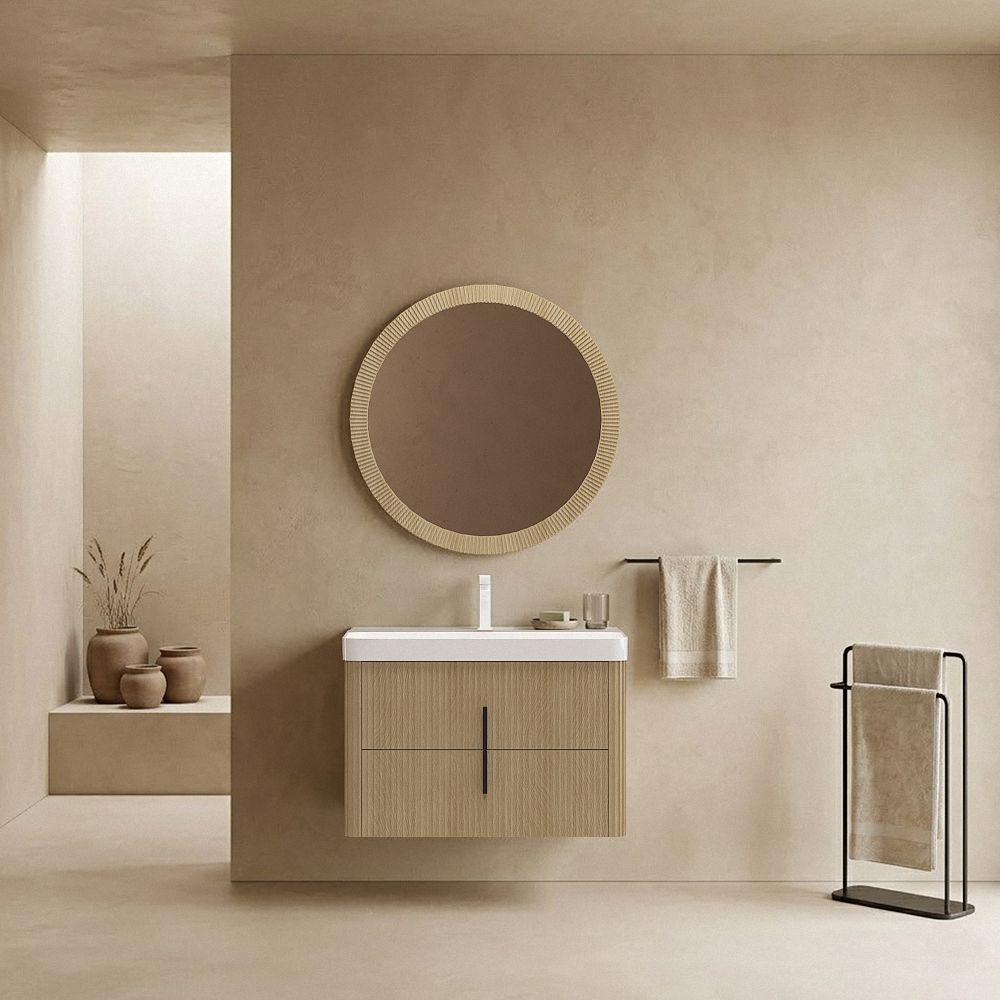
What "Compliant" Actually Means for a Commercial Bathroom Vanity
A vanity that passes a residential handover can still fail a commercial compliance review, because the two settings stress the product differently. In a hotel or multi-unit residential building, one vanity may be opened and closed dozens of times a day, cleaned with commercial products, and exposed to continuous humidity with limited drying time. Compliance is the ability of the specified unit to hold its geometry, finish and function under that regime for the life of the asset.
The failures that trigger replacement claims in professional settings are consistent and predictable:
- Panel swelling at cut edges, where moisture enters the board core.
- Drawer slides and hinges that lose alignment after repeated cycles.
- Mirror glass that corrodes or loses definition at the edges of the reflective layer.
- Surfaces that scratch or dull under repeated cleaning.
None of these are solved by a single certificate. A compliant vanity is the output of a chain: material specification, hardware specification, mirror and glass specification, supplier management system, inspection regime, and repeat-order stability. Break any link and the operating cost moves to the building owner.
A frequent sourcing error is to treat a supplier certificate as a product approval. A management-system certificate confirms that a manufacturer operates a defined quality, environmental or occupational health and safety system within a stated scope. It does not replace a project sample approval, a panel-level document request, or a market-specific standard assessment.
Industry Background: Why Compliance Became a Sourcing Gate
Scale explains why the documentation pressure is increasing. The global bathroom vanities market was valued at approximately USD 43.34 billion to USD 47.22 billion in 2024/2025, with growth projections reaching up to USD 89.96 billion by 2034 (Fortune Business Insights; Grand View Research). Residential applications account for roughly 74.9% of revenue (Grand View Research), but commercial hospitality and multi-unit residential work absorb a disproportionate share of compliance effort, because every unit is inspected, replaced in batches and documented.
Material direction reinforces the same conclusion. Wood-based construction — solid wood and plywood — led the market with a 34.9% revenue share in 2025, driven by premium aesthetics and durability (Grand View Research). For specifiers this confirms that a plywood bathroom vanity or a solid wood bathroom vanity is a mainstream commercial choice rather than a niche upgrade.
Form factor is a compliance variable, not only an aesthetic one. Floating, wall-mounted vanities are a leading design trend for 2025–2026, while freestanding units still hold significant volume in North America at roughly 30% share (Homes & Gardens; Houzz). A wall-mounted bathroom vanity transfers load into the wall build-up, so fixing details must be coordinated with the wall structure, whereas a freestanding bathroom vanity carries load to the floor. This is why wall-mounted bathroom cabinets and freestanding bathroom furniture are specified differently even when the cabinet box is identical.
In North America, bathroom cabinets and vanities are commonly assessed against UL 962 for safety, which addresses stability, mechanical strength and flammability (UL Solutions). Buyers should map that standard to the product documentation, the mounting hardware and the wall construction on site.
The manufacturer referenced in this guide is SHKL (Foshan SHKL Sanitary Ware Co., Ltd), a sanitary ware manufacturer established in 2004 in Foshan, China, specializing in mid-to-high-end whole bathroom customization with a primary focus on premium solid wood bathroom cabinets, alongside shower doors and LED bathroom mirrors. The company operates a 100,000 m² production base in China and a 40,000 m² facility in Ho Chi Minh City, Vietnam, with approximately 600 employees and an R&D team of 20. Group monthly output is stated at more than 70,000 units across bathroom cabinets, shower enclosures and LED mirrors. Roughly 70% of production is exported to Europe, Oceania, North America, South America and the Middle East, with distribution across more than 50 countries and regions.
The Compliance Specification Stack: Material, Hardware, Mirrors, Certification
Material specification: plywood and solid wood construction
Every vanity model documented in SHKL's current product data uses plywood and solid wood as the cabinet core — including the wall-mounted KL813003, the floating KL813001, AS813048A, AS813050, AS813108 and AS813109, the freestanding AS813049, and the two-drawer AS813047. Documented application requirements for hotel and villa projects list moisture-proof, mildew-resistant and scratch-resistant performance as the special requirement, with a ceramic basin, LED mirror, shower enclosure and faucet as matched equipment. Those three performance words are the practical translation of "compliance" at material level: they describe what the panel and the finish must survive.
Finish systems documented across the range combine melamine with lacquered surfaces, including A2391 Acacia melamine with solid wood lacquer, A2392 Walnut melamine and lacquer, Ancora Walnut lacquered and melamine, and Warm Mist Brown lacquered and melamine. Size, color, material, finish, hardware, logo and design style are all listed customization inputs, which is how requests such as an oak bathroom vanity or a black bathroom vanity are handled — through the material and finish specification rather than a fixed catalogue color.
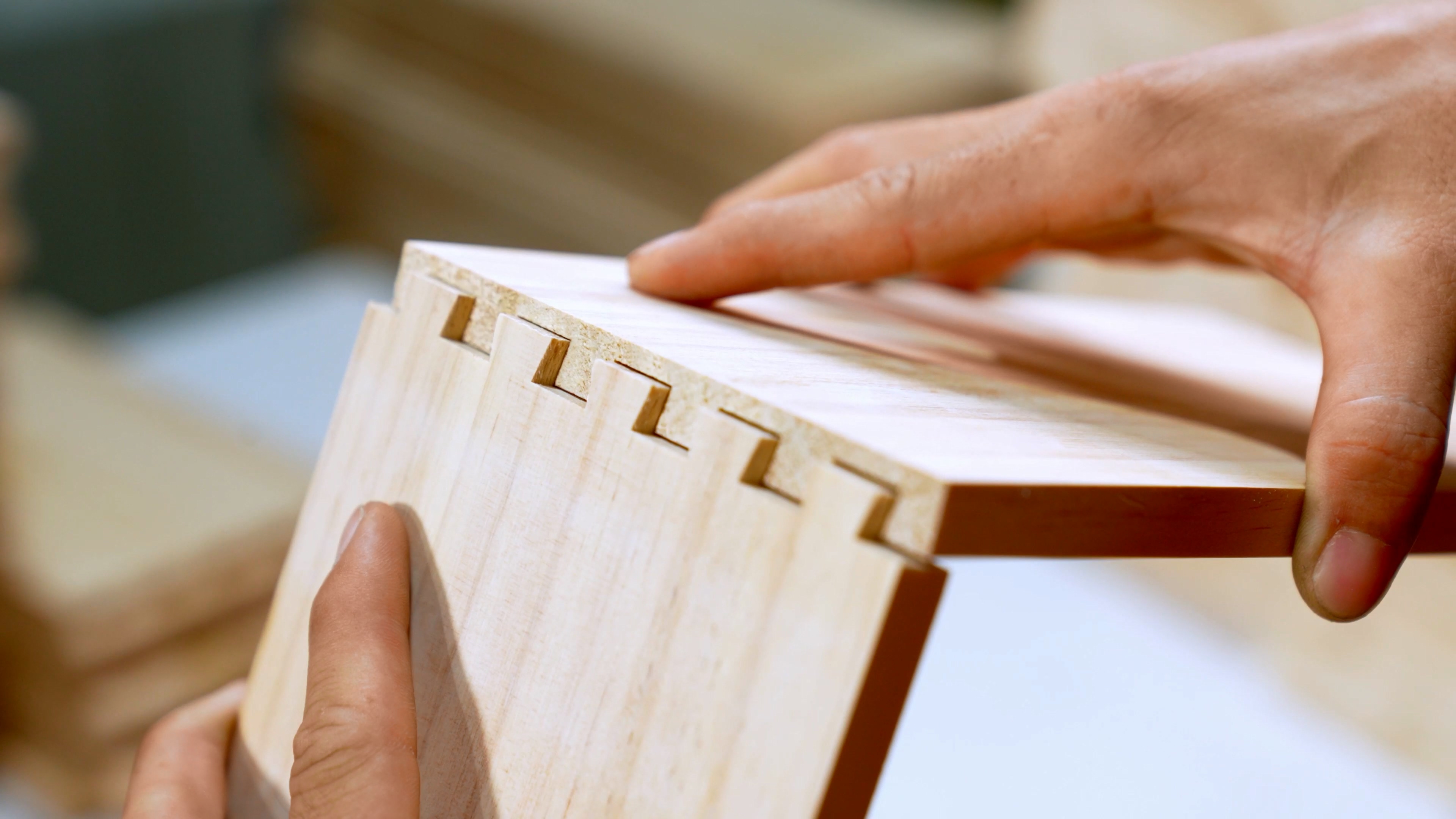
Hardware: soft-closing slides, hinges and hidden handles
Drawer and door hardware is the component most often replaced first in a commercial bathroom, which makes it a specification line item rather than a detail. Documented hardware across the SHKL range includes DTC soft-closing slides and hinges, Unihopper soft-closing slides including metal box variants, and Hettich push-open systems.
Model KL813003 — the wall-mounted bathroom vanity — uses two drawers with DTC soft-closing slides and hidden handles, and the hidden handle design leaves a clean front surface. The floating KL813001 uses one drawer with Unihopper push-open slides plus two doors with DTC hinges and a Hettich push-open system. AS813047, AS813048A, AS813050, AS813108 and AS813109 use Unihopper soft-closing slides; AS813109 is configured with two side drawers plus one outer and one inner drawer, while AS813108 uses two drawers with a solid surface top.
For a hospitality or multi-unit specification, the practical value is measurable in service tickets. Soft-closing mechanisms reduce slam loads on the cabinet front, hidden handles remove protruding parts that catch on towels and cleaning equipment, and naming the hardware brand in the bill of materials prevents a substitution at production stage that would only surface after handover.
Copper-free mirror glass and mirror electrics
The oval mirror cabinet on AS813109 uses 3 mm copper-free glass, and the LED mirror on AS813047 uses 5 mm copper-free glass with a light gold aluminum frame. Copper-free glass is commonly specified in humid bathrooms because conventional copper-backed mirror layers are more sensitive to edge corrosion, which is what produces the dark, peeling edge seen on failed mirrors.
Documented electric functions on these models include defog, dimmable output, three color temperature modes, touch switch control, motion sensor switching, infrared sensor switching and internal LED light strips (AS813108). Consolidating these functions into the mirrored unit reduces the number of separately warranted fittings in the room, and it also reduces the number of penetrations in a tiled wall.
Certification: what the supplier-level documents actually cover
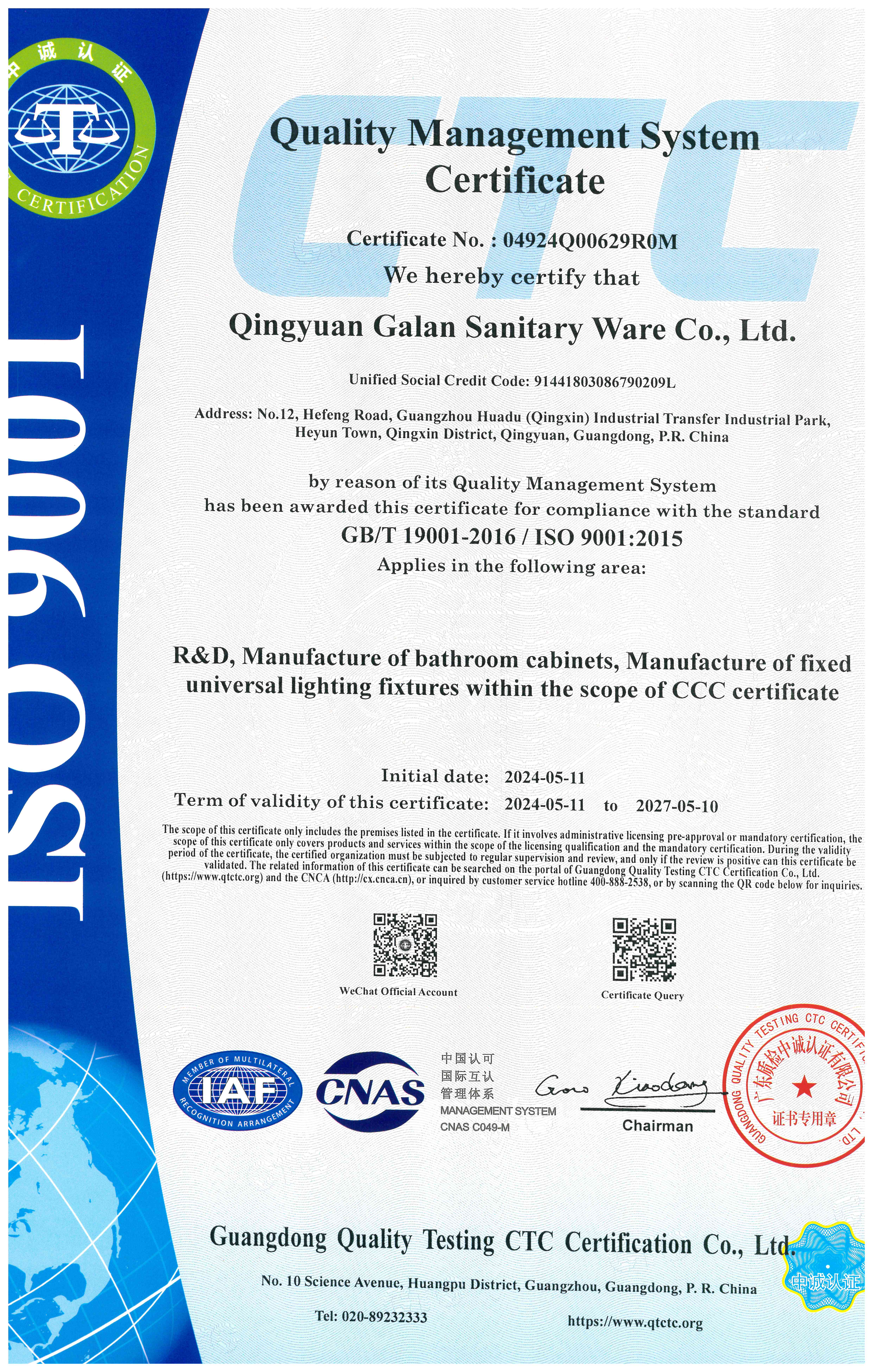
SHKL holds three management-system certifications issued by Guangdong Quality Testing CTC Certification Co., Ltd. The certified scope reads: R&D and manufacture of bathroom cabinets; manufacture of fixed universal lighting fixtures. The certificates apply to the global market, including China, the EU, the US and the Middle East, and the bathroom vanity model KL813003 falls within scope.
| Standard | Certificate number | Issuing body | Scope | Validity |
|---|---|---|---|---|
| ISO 9001:2015 / GB/T 19001-2016 | 04924Q00629R0M | Guangdong Quality Testing CTC Certification Co., Ltd. | R&D and manufacture of bathroom cabinets; manufacture of fixed universal lighting fixtures | 2024-05-11 to 2027-05-10 |
| ISO 14001:2015 / GB/T 24001-2016 | 04924E00351R0M | Guangdong Quality Testing CTC Certification Co., Ltd. | R&D and manufacture of bathroom cabinets; manufacture of fixed universal lighting fixtures | 2024-05-11 to 2027-05-10 |
| ISO 45001:2018 / GB/T 45001-2020 | 04924S00316R0M | Guangdong Quality Testing CTC Certification Co., Ltd. | R&D and manufacture of bathroom cabinets; manufacture of fixed universal lighting fixtures | 2024-05-11 to 2027-05-10 |
Practical reading: check the scope wording, the issuing body, the certificate number and the expiry date before award. A certificate that is close to expiry, or whose scope does not mention bathroom cabinets, is a documentation risk that a procurement team can catch in minutes.
Step-by-Step: How to Source and Verify a Compliant Vanity Program
Step 1 — Write the durability requirement before the design. Translate the actual operating condition — daily household use, long-term static installation, manual operation in a hotel or villa bathroom — into three written requirements: moisture-proof, mildew-resistant, scratch-resistant. Every later decision is tested against those three words.
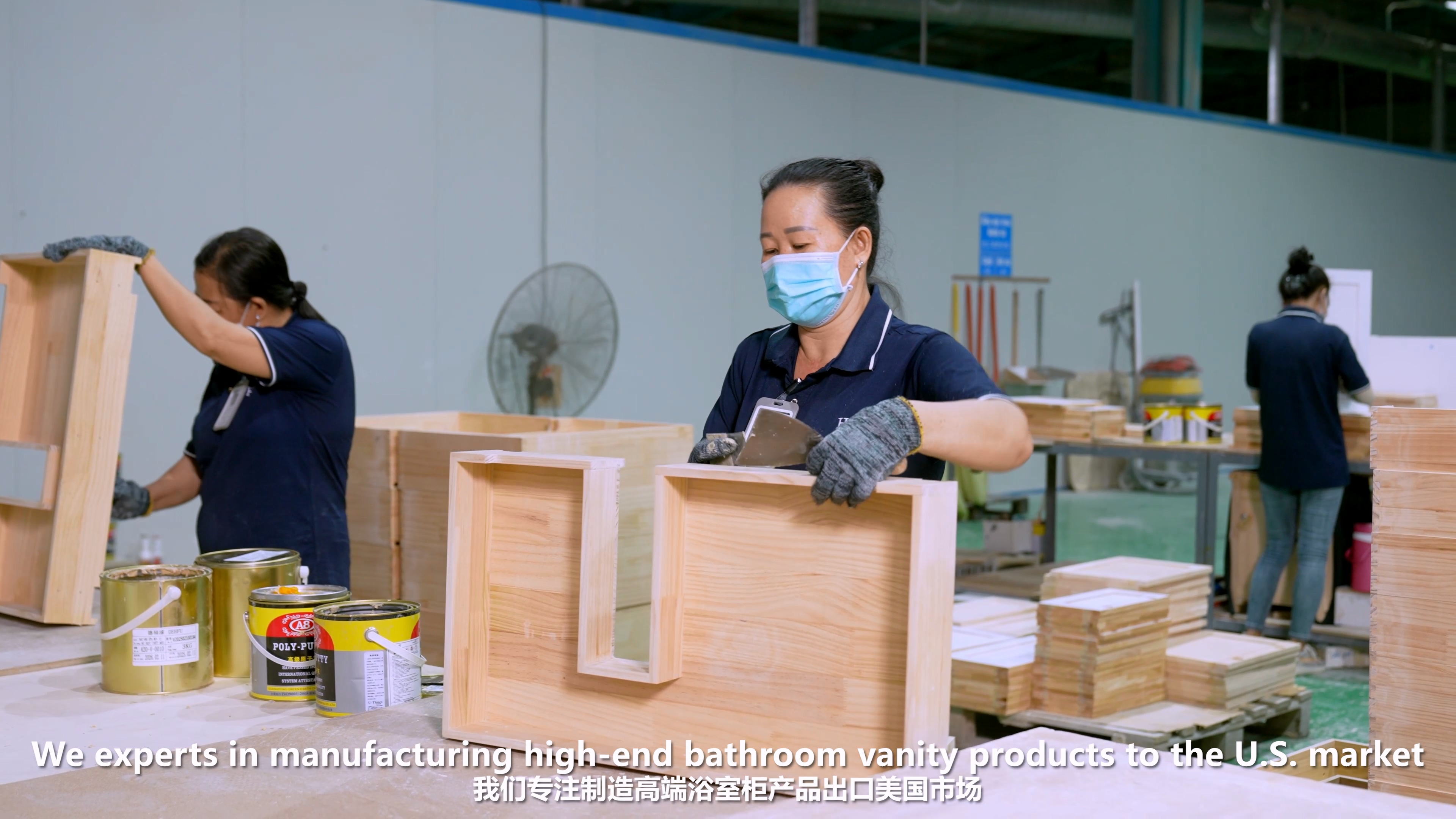
Step 2 — Lock the cabinet construction and the finish system. Specify plywood and solid wood construction and name the finish system (melamine plus lacquer). Confirm how panels are processed at the factory: cutting, edge sealing, drilling, CNC machining and laser positioning hole-making all determine how well a cut edge resists moisture.
Step 3 — Specify hardware by brand and function. Write DTC soft-closing slides, Unihopper soft-closing slides, DTC hinges and Hettich push-open systems into the bill of materials where they apply. Avoid the phrase "soft close" on its own, because it does not identify the mechanism that will be installed.
Step 4 — Specify mirror glass and electrics explicitly. State the glass type and thickness (3 mm copper-free glass on the AS813109 mirror cabinet, 5 mm copper-free glass on AS813047) and list required functions: defog, dimmable, three color temperature modes, sensor switching, internal LED light strip.
Step 5 — Verify certificate scope, numbers and validity. Request full certificate copies, confirm that the scope covers bathroom cabinet manufacture, check the issuing body and the certificate numbers, and diarize the expiry date (2027-05-10 for the three SHKL certificates).
Step 6 — Map market-specific requirements. For North American projects, map cabinet safety to UL 962, which addresses stability, mechanical strength and flammability. Panel-level and emission documentation depends on the panel actually used and on the destination market, so request it per project rather than assuming it carries over from a previous order.
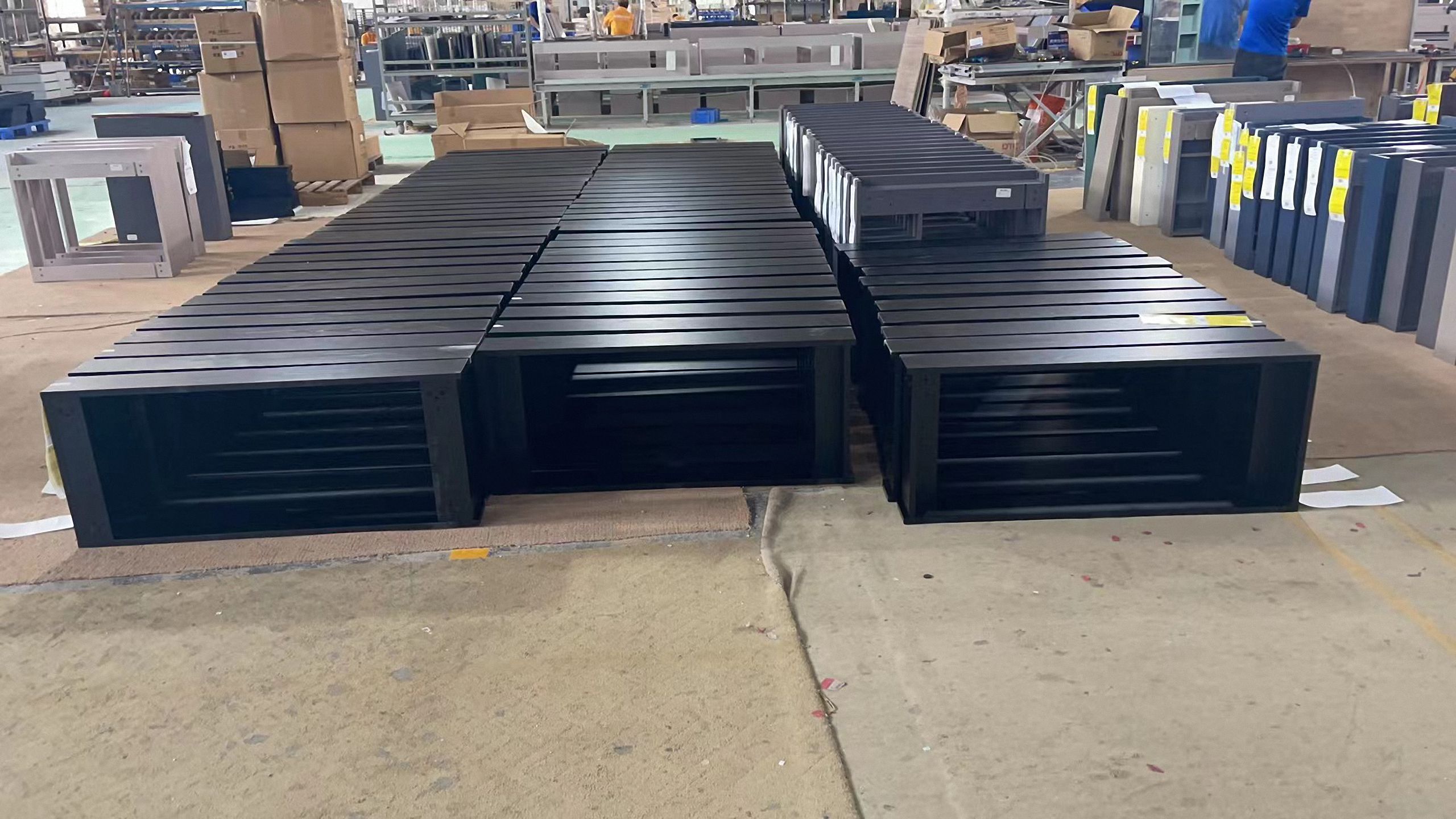
Step 7 — Approve the sample and lock the QC regime. Confirm that inspection is 100% rather than sampled, and that the approved sample matches the production materials, finish and hardware. This is the step that prevents a first article from becoming an exception instead of a standard.
Step 8 — Confirm commercial and delivery terms before award. For customized programs, SHKL states a minimum order quantity of 50 units, a lead time of 30–45 days and a customized monthly capacity of 10,000 units, with export markets covering North America, Europe, Oceania and the Middle East. After-sales support covers warranty support, remote after-sales consultation and spare parts supply.
Step 9 — Plan the repeat order. Commercial projects consume vanities in phases. A specification is only compliant if the tenth batch matches the first, which is why sample retention and consistent hardware sourcing matter more in commercial work than in single-unit residential sales.
Use Cases: How Compliance Requirements Change by Project Type
Hotel and hospitality (United States). SHKL delivered a 250-unit hotel bathroom program over a two-year period, with on-time delivery and product quality meeting US market standards. Configurations in this category typically combine a floating or wall-mounted unit with two drawers, DTC soft-closing slides, hidden handles and an LED mirror with defog, because guest-facing noise and mirror clarity both affect service ratings.
Villa and premium residential (Australia). A 100-unit OEM bathroom furniture program for a villa project was described as practical, durable and well-designed, with a harmonious overall style and matched equipment including a ceramic basin, LED mirror, shower enclosure and faucet. Villa work is design-led, but it runs on the same material and moisture requirements as contract work.
Mixed residential cabinetry (Canada). A 50-unit bathroom and kitchen cabinetry program delivered products that met the requirements of the Canadian market, with on-time delivery. Mixed programs are where material consistency between rooms matters most, since the same panel and finish specification is reused across wet and dry areas.
Multi-unit residential and apartment refurbishment. Here the specification question is usually configuration, not decoration: a single bathroom vanity or freestanding single sink vanity for compact bathrooms, or a double sink bathroom vanity for shared family bathrooms. A wall-mounted design helps save floor space, which is why the KL813003 wall-mounted vanity is offered in 750, 800, 900, 1000 and 1200 mm widths within a 520 × 504 mm platform.
Comparison Tables: Specification, Certification and Project Fit
The following mapping converts each specification line into the commercial reason it appears in a contract document. All entries correspond to documented product data.
| Specification element | Documented implementation | Why it matters in commercial construction |
|---|---|---|
| Cabinet core | Plywood and solid wood construction across the documented vanity range | Supports dimensional stability under repeated humidity cycling |
| Finish system | Melamine combined with lacquer, including A2391 Acacia, A2392 Walnut, Ancora Walnut and Warm Mist Brown | Surface system determines how the unit looks after years of cleaning |
| Drawer and door hardware | Unihopper soft-closing slides (including metal box slides), DTC soft-closing slides and hinges, Hettich push-open system | Reduces impact wear and service calls in high-cycle use |
| Handle design | Hidden handle design providing a clean front surface (KL813003) | Fewer protruding parts to catch and damage |
| Countertop | Pure white porcelain slab, terrazzo top, solid surface top | Affects load, joint sealing detail and cleaning routine |
| Basin | Undermount ceramic, above-counter ceramic, glossy white ceramic, sintered stone integral, solid surface | Basin integration determines how the joint is sealed against water |
| Mirror glass | 3 mm copper-free glass on the AS813109 oval mirror cabinet; 5 mm copper-free glass on the AS813047 LED mirror | Copper-free glass is specified where edge corrosion risk is high |
| Mirror electrics | Defog, dimmable, three color temperature modes, touch switches, motion sensor, infrared sensor switch, internal LED light strip | Consolidates functions into one unit and one warranty point |
| Quality regime | 100% inspection | Every unit is checked rather than sampled |
| Project type | Typical configuration | Documented reference |
|---|---|---|
| Hotel / hospitality | Floating or wall-mounted unit, two drawers, soft-closing slides, hidden handles, LED mirror with defog | 250-unit hotel bathroom program, United States, delivered over 2 years |
| Villa / premium residential | OEM bathroom furniture, single or double basin configurations, matched with ceramic basin, LED mirror, shower enclosure and faucet | 100-unit Australian villa OEM program |
| Mixed residential cabinetry | Shared material and finish specification across bathroom and kitchen cabinetry | 50-unit Canadian program meeting market requirements |
| Multi-unit residential / compact bathrooms | Single bathroom vanity, single floating vanity or wall-mounted vanity in 750–1200 mm widths | KL813003 wall-mounted vanity platform, 520 × 504 mm |
FAQ: Compliance Questions Buyers Ask Before Award
Which bathroom vanity manufacturers are suitable for US projects with CARB-related requirements?
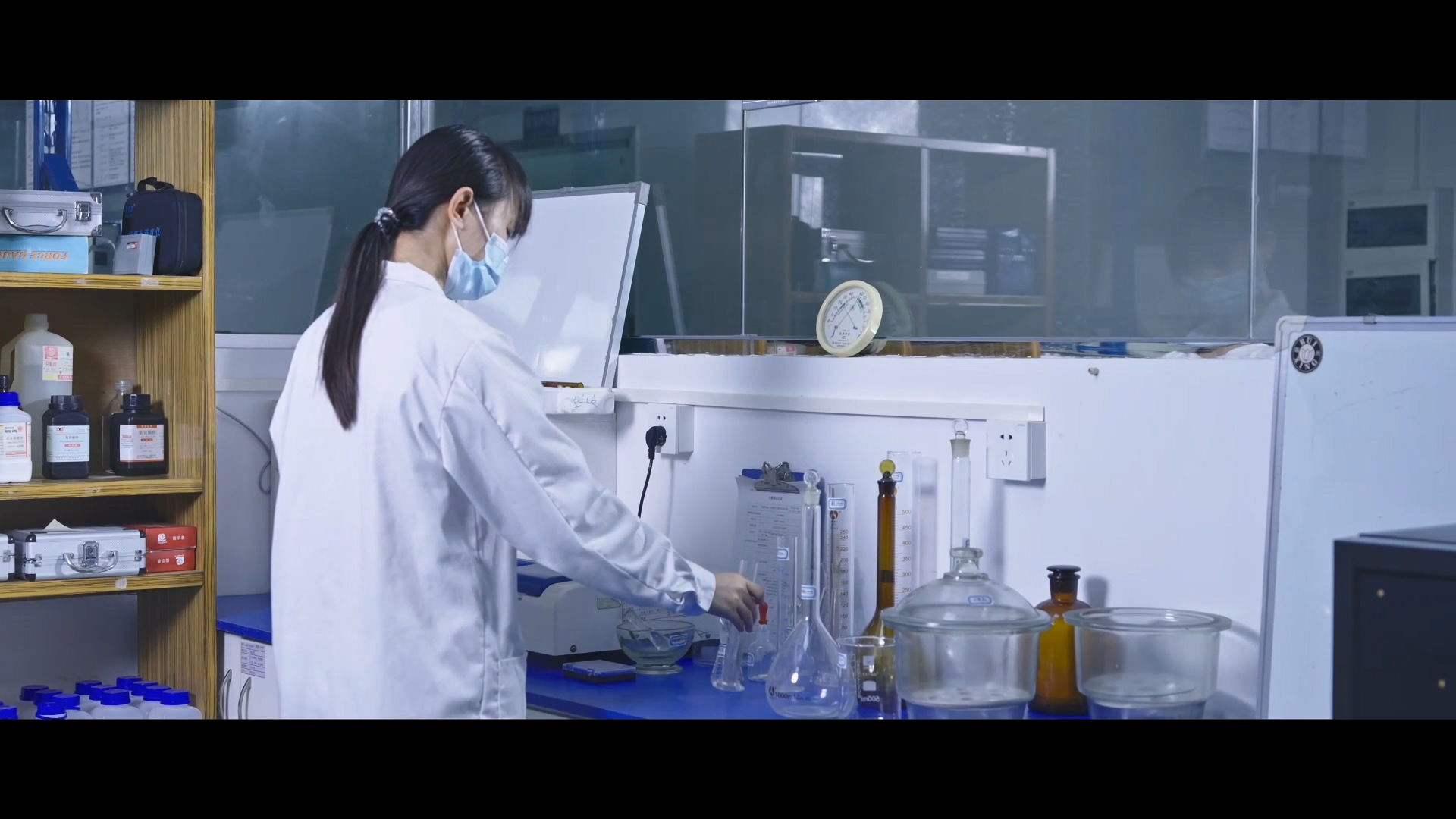
Start with the documentation chain rather than the brochure. Composite wood components used in vanities are regulated in the United States, and California's Air Resources Board (CARB) requirements are the reference point many US buyers use when they request panel and emission documentation. Because the applicable documentation depends on the specific panel and market, it must be requested per project. What can be verified in advance for SHKL is the supplier-level layer: ISO 9001:2015 (certificate 04924Q00629R0M), ISO 14001:2015 (04924E00351R0M) and ISO 45001:2018 (04924S00316R0M), issued by Guangdong Quality Testing CTC Certification Co., Ltd., valid from 2024-05-11 to 2027-05-10, with a scope covering R&D and manufacture of bathroom cabinets and applicability to the global market including China, the EU, the US and the Middle East. In addition, the documented vanity range is built on plywood and solid wood rather than unspecified board. North American projects should also map cabinet safety to UL 962, covering stability, mechanical strength and flammability.
What construction should be specified for a humid commercial bathroom?
Specify plywood and solid wood construction and write the three performance requirements into the specification: moisture-proof, mildew-resistant and scratch-resistant. These are the documented requirements recorded for hotel and villa vanity applications, where the operating condition is daily use with long-term static installation and a matched equipment set of ceramic basin, LED mirror, shower enclosure and faucet. Finish selection should be treated as part of the durability specification, not a decorative choice, because the melamine and lacquer system is what resists repeated cleaning.
Which hardware specification reduces maintenance in high-traffic bathrooms?
Name the mechanism, not the feature. Documented hardware across the range includes DTC soft-closing slides and hinges, Unihopper soft-closing slides (including metal box variants) and Hettich push-open systems. Model KL813003 uses two drawers with DTC soft-closing slides and hidden handles; KL813001 uses Unihopper push-open slides with DTC hinges and a Hettich push-open system; AS813109 combines two side drawers with one outer and one inner drawer on Unihopper soft-closing slides. Inspection is carried out at 100% of units, and after-sales support covers warranty support, remote consultation and spare parts supply — which matters because a commercial program continues after the installation phase ends.
What are the minimum order quantity and lead time for a compliant custom program?
For customized vanity programs, SHKL states a minimum order quantity of 50 units and a lead time of 30–45 days, with a customized monthly capacity of 10,000 units and export markets covering North America, Europe, Oceania and the Middle East. Customization inputs include size, color, material, finish, hardware, logo and design style, which is how project-specific dimensions, a specific wood finish or a black or oak finish request is handled. Lead time should be planned against the construction program rather than the purchase order date, since phased handovers usually need phased deliveries.
Can certification documents and a sample be reviewed before award?
Yes, and both should be requested before award. Ask for full certificate copies matching the numbers above, a physical sample or approved reference unit matching the specified materials, finish and hardware, and the product catalogue for the configuration you are planning. SHKL can be contacted at info@shklbathroom.com or by WhatsApp on +86 13790005061, and the full product brochure is available for download at the SHKL catalogue PDF.
Conclusion: Compliance Is a Chain, Not a Certificate
For commercial construction in 2026, a bathroom vanity specification holds up when three layers agree: the physical build (plywood and solid wood construction, a named finish system, brand-identified soft-closing hardware, copper-free mirror glass), the documentation (certificate scope, numbers, issuing body and validity), and the supply capability behind it (100% inspection, a stated MOQ and lead time, spare parts supply for the operating period). A manufacturer that can only answer one of those three layers is a risk carried by the project long after installation.
Specifiers and importers evaluating a bathroom vanity manufacturer can request the certificate set, a sample and the current catalogue in a single step, and should plan the compliance review before the commercial negotiation rather than alongside it.
Request a Sample, Certificate Set or Quotation
Foshan SHKL Sanitary Ware Co., Ltd supplies bathroom vanities, shower doors and LED bathroom mirrors for hotel, villa and multi-unit residential projects, with OEM customization across size, color, material, finish, hardware, logo and design style.
Website: www.shklbathroom.com · Blog: blog.shklbathroom.com
Email: info@shklbathroom.com · WhatsApp: +86 13790005061
Download the product catalogue: SHKL brochure (PDF)
Have Questions or Need More Details?
Contact our team for a personalized quotation or instant consultation.
Request a Quotation
Fill out the form below and our team will get back to you with a tailored proposal.
WhatsApp Direct Chat
Prefer to chat in real-time? Message us on WhatsApp for instant assistance & quick answers.
- Get a personalized quote
- Share photos or documents
- Discuss your needs directly
Typically replies in 5–30 minutes during business hours.