
Utility and Service Vehicle LED Warning Light Applications: Matching Optics to the Job
Matching an LED warning light to a utility or service vehicle is an optical decision, not a brightness contest. Three variables decide whether an installation actually performs in service: the optical system, the color configuration, and the mounting position that determines where the light can be seen from.
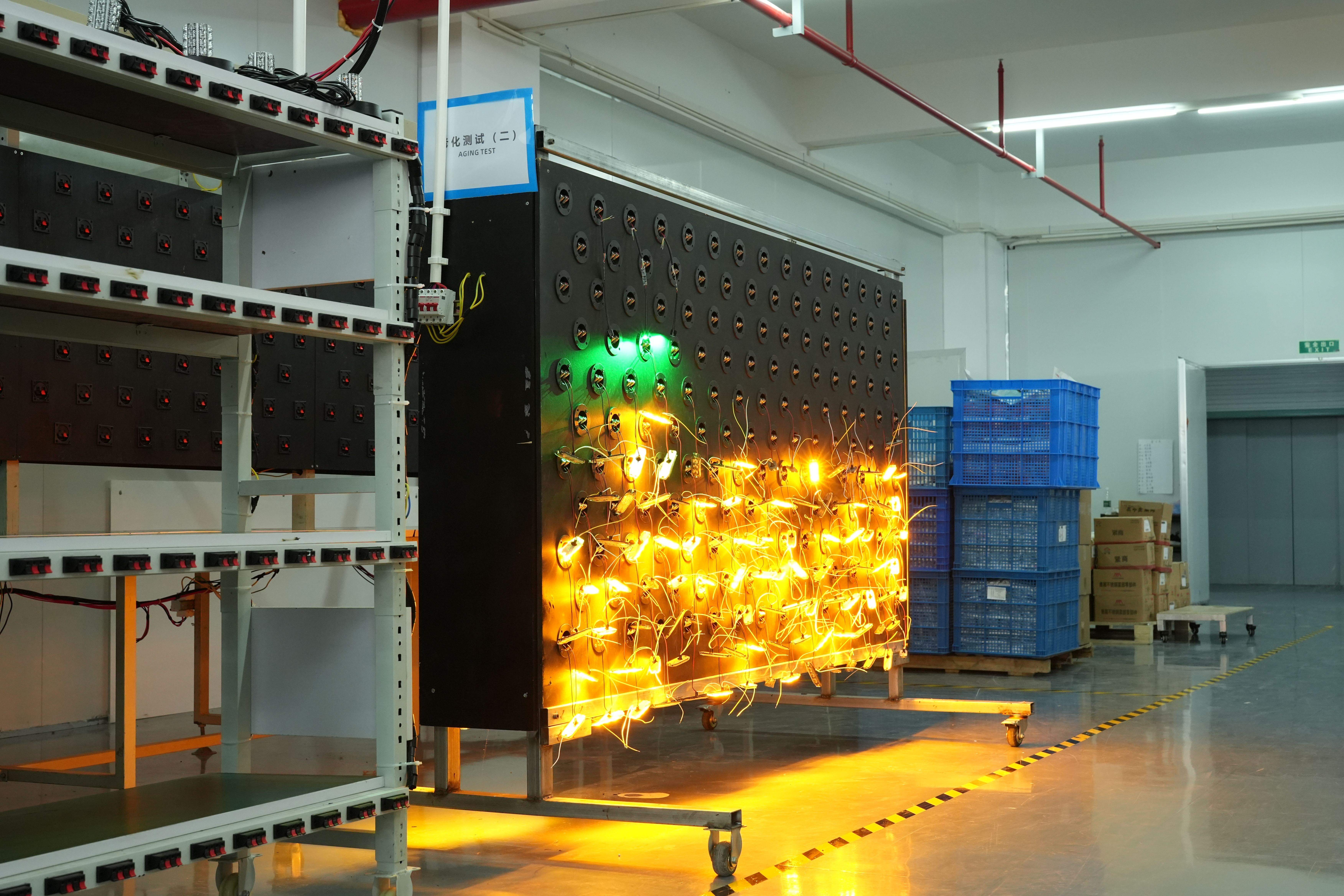
SIGROCK (Ningbo sigrock Automotive Lamp Technology Co.,LTD.) is a Ningbo, China–based manufacturer of vehicle warning and safety lighting, founded in 2018, whose portfolio covers LED warning light modules, hideaway lights, beacons, lightbars, traffic advisors, work lights and lighting control systems. Its E6 module, T43 hideaway, BH18 beacon and LB01 lightbar are used in this guide as the working examples for each configuration decision.
Problem definition: why the wrong light gets specified
A warning light usually disappoints for reasons that were fixed before installation. The most common cause is that products are compared on LED wattage or LED quantity instead of on the complete optical system. Optical design, light distribution, viewing angle and installation position all determine whether a warning is seen, and a purchase decision taken on wattage alone can produce uneven distribution or poor off-axis performance in the exact place the vehicle works.
Three failure patterns recur across utility, service and emergency fleets:
- The light is bright but invisible from the approach angle that matters. A warning aimed at the wrong part of the road or work zone leaves a gap where drivers actually approach.
- The color configuration does not match the number of functions. A single-color unit asked to serve two distinct warning roles either gets duplicated on the vehicle or forces a compromise.
- The housing is correct but the position is not. Low, splash-exposed positions and concealed flush positions place very different demands on sealing, mounting and aiming.
Because these are configuration problems, they are solved at specification stage — by mapping optics, color and position to the job — rather than by upgrading to a larger light later.
Industry background: regulation and demand shape the choice
Vehicle warning lighting is a regulated category, and the regulations do not test the same thing. ECE R65 addresses the performance of special warning lamps, including photometric performance, light distribution, flashing characteristics and visibility, and the applicable approval class and configuration must match the intended application. ECE R10 addresses electromagnetic compatibility — emissions and immunity — and does not replace the optical requirements covered by ECE R65. In North America, SAE J595 is a recommended practice that sets out design guidelines, test-procedure references and performance requirements for directional, single-color, flashing optical warning devices used on authorized emergency, maintenance and service vehicles.
Two consequences follow for buyers. First, an approval belongs to a model and configuration, not to a supplier's general statement, so certificates and test reports should be requested for the exact part number being ordered. Second, EMC matters most where the vehicle carries radios and sensitive electronics — police, fire, communication and specialist vehicles — which is precisely where warning lighting is also expected to perform at its highest level.
Demand is not collapsing. The global emergency warning light market is reported by Lucintel to be growing at a CAGR of 3.6% from 2025 to 2031, a figure that describes a mature, compliance-driven category rather than a fast-moving consumer one. In a category like this, the durable advantage for a fleet is a specification that survives repeat orders, not a one-off bargain.
Decision rule for the specification file: record optics, color configuration, mounting position, ingress protection and the applicable approval class for each vehicle position on the vehicle. That record — not the model name alone — is what makes a second and third order reproducible.
The solution: three variables that decide the configuration
1. Optical system: TIR, Fresnel and hybrid output
TIR optics generally provide more controlled and focused light distribution, while Fresnel optics are commonly used for efficient wide-area distribution in compact warning lights. The practical distinction is intent: TIR is chosen when the warning must be concentrated on a defined approach corridor, and Fresnel is chosen when a small body has to cover a broad area with useful intensity.
Controlled directional output matters most where the geometry of the hazard is predictable. Roadside shoulder work, a closed lane taper, a rear-facing work zone or a vehicle parked at a fixed angle to traffic all give the installer a known approach direction. In those positions a focused beam puts energy where drivers are looking and limits wasted spill; it is also the pattern that keeps glare away from adjacent lanes, oncoming traffic and nearby properties at night. Where the approach can come from almost any angle — a service vehicle working in a yard, a municipal truck at a varying curbside position — wide-area distribution matters more than reach.
Fresnel is also the practical choice when depth is limited. The E6 warning light module is 118 × 25 × 7 mm and uses a Fresnel optical design, which is the kind of thin-profile geometry that fits behind trim or on a shallow bracket. Hybrid designs appear where a single product has to serve more than one duty: the T43 hideaway and the LB01 lightbar are both specified with hybrid optics.
Note on TIR availability: TIR is the right reference point when directional control is the requirement, but it should be confirmed per project. In the reviewed SIGROCK specifications, the E6 module is listed with Fresnel optics and the T43 and LB01 with hybrid optics; a TIR configuration is a specification question to settle with the manufacturer rather than an assumption to carry into an order.
2. Single-color versus dual-color
Single-color is the appropriate choice when one dedicated warning function is required. Dual-color is better when the vehicle needs multiple warning functions or greater installation flexibility, because two warning colors come from one light instead of two separate bodies. For a multi-purpose vehicle — a service truck that also functions as a work-zone vehicle, or a municipal unit shared between departments — dual-color usually removes an installation problem rather than adding one.
Configuration depth varies by product family. The E6 module is offered as single, dual, triple or split color in red, blue, amber, white and green. The BH18 beacon is available in single or dual configuration in blue, amber, red or green. The LB01 lightbar is offered as single color, dual color or combination color in red, blue, amber and white. The T43 hideaway carries a warning color of amber plus a position light in amber, red or white as a single or combination color — a configuration that suits vehicles needing a discreet marker function in the same housing.
The trade-off is complexity, not just cost. Color and flash-pattern changes are constrained by the product's hardware, firmware and the regulatory requirements that apply in the target market, so a dual-color requirement should be confirmed against the specific model before the vehicle specification is frozen.
3. Installation position and housing
Mounting method should be selected from available installation space, mounting depth, mounting surface, installation position, required light direction, appearance requirements, and installation and maintenance access. In practice this produces three common positions with different characteristics:
- Roof or top-of-body (lightbar). The highest and most widely visible position, and the natural home for a full-size bar spanning 600 mm to 1600 mm. The reviewed LB01 lightbar is rated IP65, so the washing method used on the vehicle should be checked against that rating before the bar is specified for a high-pressure wash-down regime.
- Body surface or bracket (modules). Flexible positioning and aiming, easy access for service, and a straightforward retrofit path. The E6 module mounts on a surface or bracket and is rated IP67/IP69K.
- Flush or concealed (hideaway). Chosen when installation space is limited or a clean, integrated appearance is required, and typical on emergency, police and specialist vehicles. The T43 hideaway uses flush or tube-flush mounting with a rubber grommet and is rated IP67/IP69K.
Position also sets the environmental load. Lights mounted low on the body, behind wheels or near the rear bumper see road splash, mud and wash water, which is where IP69K-rated bodies such as the E6, T43 and BH18 are relevant; IP67 covers dust-tight protection and temporary immersion, while IP69K addresses high-pressure, high-temperature water-jet exposure under its applicable test standard. Neither rating alone guarantees suitability for every environment, and the mounting and installation points must also be sealed to maintain performance.
Step-by-step: from job definition to a locked specification
- Define the warning geometry. Establish where the vehicle stops, which direction traffic approaches from, and whether the vehicle works at night, in rain, snow, fog or dust. This single step decides whether directional control or wide-area coverage is the primary requirement.
- Decide the number of warning functions. If one light must deliver two functions, specify dual-color; if the function is dedicated, single-color keeps the installation simpler.
- Select the optical family for the position. Focused output for a known approach corridor, wide-area Fresnel output for compact bodies and variable approach angles, hybrid where one product must cover both duties.
- Fix the mounting position and housing. Confirm space, depth, surface and service access, then choose surface, bracket, flush or concealed mounting. Check that the chosen body's ingress rating matches the wash and splash exposure at that position.
- Integrate electrically. A 10–33 V DC operating range supports both 12 V and 24 V vehicle electrical systems, which is the recommended approach for mixed fleets. Current draw differs sharply by product — 0.66 A at 12 V for the E6 module, 0.3 A at 12 V for the T43, 2.2 A at 12 V for the BH18 beacon — so circuit and fuse planning must follow the actual model. Where several circuits are switched together, a controller such as the SC7X (10–30 V DC input, 40 A maximum output, 2 × 10 A or 4 × 5 A outputs, automatic night-time backlight dimming, IP67) reduces wiring complexity.
- Verify compliance and environment together. Confirm the applicable approval class for the market, request the certificate or test report for the exact model and configuration, and check EMC where the vehicle carries radios or sensitive electronics.
- Validate in the installed position, then lock the specification. LED wattage alone is not a visibility measurement; sample testing in the actual application is recommended where visibility requirements are critical. Once the sample is approved, keep the approved sample and a written specification as the reference for repeat orders.
Use cases: matching configurations to vehicle work
Road maintenance and highway crews
These vehicles work at a fixed angle to a live traffic stream, often for hours, often in poor weather. Directional output aimed along the approach, plus wide-area coverage for the rear and sides, is the usual combination: a roof-level lightbar for gross vehicle visibility together with modules or hideaways at the rear and sides. Amber is the conventional maintenance color in many markets, but local requirements should be verified rather than assumed. Because these vehicles are washed frequently and exposed to road salt and mud, IP69K-rated bodies at low positions are the safer specification.
Utility, tow and field-service fleets
Approach angles vary, vehicles are shared between tasks, and appearance matters on branded vehicles. Compact Fresnel modules such as the E6 suit shallow mounting points; the T43 hideaway suits discreet integration where the vehicle must remain presentable. A dual-color configuration is often the efficient answer for a mixed-duty fleet, because one part number covers two warning functions and reduces the number of variants stocked.
Emergency vehicle fleets
Warning performance is the operational requirement and EMC is the hidden one. Radio-equipped police, fire and rescue vehicles need products whose EMC compliance has been verified for the specific model, and the warning lamps themselves must meet the applicable photometric approval for the market. ECE R65 Class 2 configurations are described in industry technical commentary as using dual-level intensity control — maximum output by day and automatic dimming at night — which is directly relevant to night response in residential areas. The BH18 beacon, listed in the reviewed specification as certified to ECE R10, ECE R65 Class 2 and SAE J595 Class 1, illustrates the level of documentation a fleet specification should require; equivalent confirmation should be obtained for every other model and configuration ordered.

Comparison: reviewed configurations side by side
The table below summarises the four warning light families referred to in this guide, using the specifications reviewed for this article. Approvals are listed only where they appear in the reviewed specification; blank cells indicate that the information was not stated and must be confirmed for the specific configuration.
| Model | Form factor | Optical design | Color configuration | Mounting | Ingress protection | Approvals listed in reviewed spec | Warranty |
|---|---|---|---|---|---|---|---|
| E6 warning light module | Surface module, 118 × 25 × 7 mm, black bezel | Fresnel | Red, blue, amber, white, green; single, dual, triple or split color | Surface or bracket | IP67/IP69K | Not listed — confirm per configuration | 3 years |
| T43 hideaway | Flush hideaway, 18.5 × 18.5 × 21.57 mm, rubber grommet | Hybrid | Warning amber; position amber/red/white; single or combination | Flush or tube flush | IP67/IP69K | Not listed — confirm per configuration | 3 years |
| BH18 beacon | Rotating-style LED beacon, 3 W × 18 LEDs | Not stated in reviewed spec | Single or dual; blue, amber, red, green | Bolts, DIN or magnetic | IP67/IP69K | ECE R10, ECE R65 Class 2, SAE J595 Class 1 | 3 years |
| LB01 lightbar | 600 / 800 / 1000 / 1200 / 1400 / 1600 mm × 40.5 mm | Hybrid | Red, blue, amber, white; single, dual or combination | Bracket | IP65 | Not listed — confirm per configuration | 3 years |
| SC7X controller | 100 × 70 × 20 mm, 7 buttons, 300 mm harness | — | — | 3M VHB or suction-cup bracket | IP67 | — | 2 years |
Applying the three variables to typical vehicle work produces the following configuration directions. These are engineering starting points for a specification discussion, not a substitute for the applicable regulatory approval in the target market.
| Vehicle / scenario | Warning need | Configuration direction | Watch-outs |
|---|---|---|---|
| Road maintenance, shoulder and lane closure work | Directional warning along the approach plus rear coverage | Roof-level lightbar for vehicle presence; rear and side modules or hideaways for close-range warning; amber as the conventional maintenance color | Spill and glare into adjacent lanes; wash-down exposure at low positions; lightbar rated IP65 in the reviewed spec |
| Municipal utility and field-service trucks | Variable approach angles; shared vehicles; branded appearance | Compact Fresnel modules at shallow mounting points; hideaway integration for discreet appearance; dual-color where two functions are needed | Mounting depth and service access; sealing at flush cut-outs |
| Tow and recovery vehicles | High visibility toward oncoming traffic; frequent night work | Roof bar plus rear-facing modules; wide-area distribution where the vehicle angle varies | Night-time glare control; circuit and fuse planning for two-circuit systems |
| Police and emergency response | Maximum warning performance; radio and electronics coexistence | Dual-color beacons and bars; ECE R65 Class 2 class where applicable; EMC-verified models | Approval class must match the configuration; verify EMC for the exact model |
| Fire and rescue | Rapid identification at distance; multi-function signaling | Full-size lightbar plus beacons and hideaways; dual-color to cover two functions | Vehicle electrical load; mounting on apparatus bodies with limited space |
Frequently asked questions
Which approvals should an LED warning light carry for a long-term fleet program?
Match approvals to the market and to the exact product configuration. ECE R65 covers special warning lamp performance, including light distribution, flashing characteristics and visibility, and the applicable class must match the application. ECE R10 covers electromagnetic compatibility — emissions and immunity — and does not replace the optical requirements of ECE R65. SAE J595 is the North American recommended practice for directional, single-color flashing warning devices on authorized emergency, maintenance and service vehicles. Ingress protection is a separate specification: IP67 covers dust-tight protection and temporary immersion, while IP69K addresses high-pressure, high-temperature water jets. In every case, ask for the certificate or test report for the specific model rather than relying on a general supplier statement. In the reviewed SIGROCK specification, the BH18 beacon lists ECE R10, ECE R65 Class 2 and SAE J595 Class 1; other models should be confirmed per configuration.
Can colors, flash patterns and branding be customized for a fleet program?
SIGROCK supports OEM/ODM cooperation for vehicle warning and signaling lights. Depending on the product and project, customization may include branding, colors, flash patterns, functions and product design, with feasibility, minimum order quantities, development timelines and certification requirements confirmed for each project before order placement. The scope of what is realistic depends on the request: a simple branding project may only need logo customization on a standard product, while changes to optics, housing, mounting or electronics require in-house engineering and OEM/ODM development. Color and flash-pattern changes are also constrained by the product's hardware, firmware and the regulatory requirements of the target market.
How should a fleet budget for LED warning lights?
Budget on total cost of ownership rather than unit price. Compared with traditional halogen rotating beacons, LED units carry a higher upfront cost but a lower total cost of ownership: SIGROCK's comparison cites an LED lifetime of up to 30,000 hours and power consumption reduced by more than 50%, with less maintenance and fewer lamp replacements. SIGROCK also states a 20–30% cost advantage for its certified range compared with premium brands, a company-reported figure that should be checked against a project quotation. Specifying a 10–33 V DC range across the fleet lets one part serve both 12 V and 24 V vehicles and reduces the number of variants held in stock. Quotations, minimum order quantities and commercial terms are project-specific and should be confirmed directly.
How do we validate samples before a fleet-wide order?
Test the sample in the actual installation rather than on a bench. Visibility should not be judged from LED wattage alone — optical design, light distribution, viewing angle and mounting position all affect the result, so sample testing in the real application is recommended where visibility requirements are critical. For recurring orders, keep the approved sample and a written product specification so that batch-to-batch consistency is controlled against a documented reference instead of memory. Where the configuration itself is new, sample and prototype development should be agreed as part of the OEM/ODM project scope, including color, flash pattern and mounting requirements.
How do we evaluate a Chinese LED warning light supplier for a multi-year emergency vehicle program?
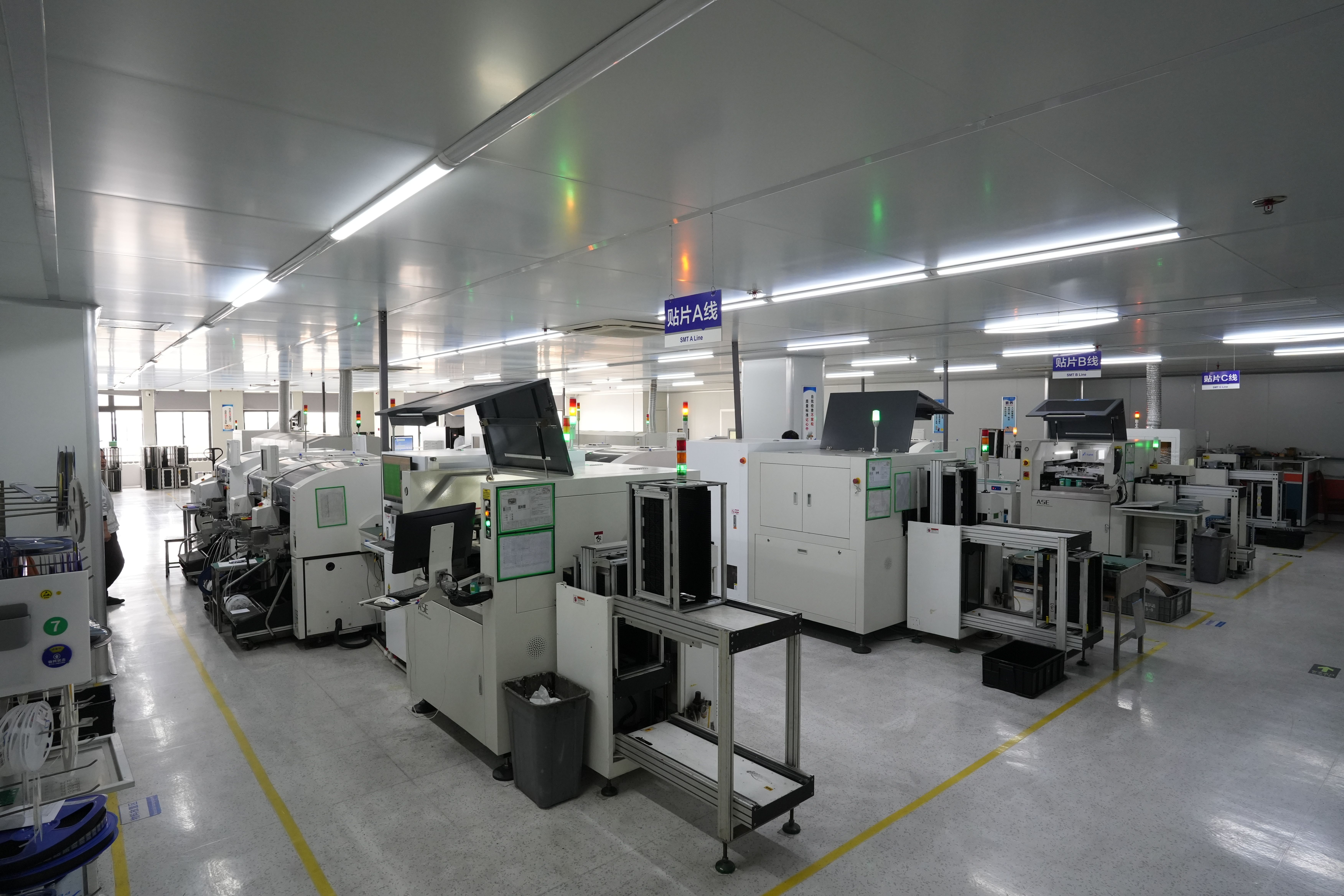
Prioritise certification coverage, optical and engineering capability, quality control, manufacturing capacity, customization capability and pre-shipment testing; for long-term B2B supply, engineering and manufacturing capability matter more than price alone. Production capability, process control and delivery history should be assessed directly rather than through quoted lead times alone, with clear production schedules and early communication of material or capacity risks. SIGROCK's stated capacity is 550,000 units per year from a 2,600 m² facility with 35 employees and a 5-engineer R&D team, with all sales exported to international markets including the EU and the USA. The E6, T43, BH18 and LB01 models each carry a 3-year warranty, and unresolved faults that cannot be traced to power supply, fuse, wiring or control inputs are referred to the manufacturer for further diagnosis. Program terms, MOQ and development timelines are confirmed before order placement — the catalogue linked below is the starting point for that conversation.

Next step: specify the configuration, then prove it
Write down the optics, the color configuration, the mounting position and the applicable approval for each vehicle position first. Then request a sample in that exact configuration and test it where the vehicle actually works.
SIGROCK supplies LED warning light modules, hideaway lights, beacons, lightbars and controllers to distributors, vehicle equipment suppliers and fleet solution providers across Europe, North America and other international markets, and supports OEM/ODM projects with project-specific feasibility, certification and timeline review.
Contact: sales@sigrock.com · +86 156-6915-9591 · www.sigrockautolamp.com · Download the SIGROCK catalogue (PDF)
Conclusion
Utility and service vehicle warning lighting is decided by fit, not by output figures. A directional optical system earns its place where the approach corridor is known; wide-area Fresnel output earns its place on compact bodies working at variable angles; dual-color pays for itself when one housing has to deliver two functions; and the mounting position quietly sets the sealing, aiming and service requirements for the whole installation. Get those three variables aligned with the job, document them against the approval that applies in the target market, and the second and third order will match the first.
Have Questions or Need More Details?
Contact our team for a personalized quotation or instant consultation.
Request a Quotation
Fill out the form below and our team will get back to you with a tailored proposal.
WhatsApp Direct Chat
Prefer to chat in real-time? Message us on WhatsApp for instant assistance & quick answers.
- Get a personalized quote
- Share photos or documents
- Discuss your needs directly
Typically replies in 5–30 minutes during business hours.