
Russian-Style vs American Pool vs Snooker vs Chinese Eight-Ball: Billiard Table Comparison Guide
Direct answer: There is no universal winner among Russian-style, American pool, snooker and Chinese eight-ball billiard tables. The decision turns on the player mix, floor area, game duration, pocket tolerance, maintenance cycle and procurement budget. For a commercial club with mixed public players, a 9ft Chinese eight-ball table is usually the throughput format; American pool suits bars and nine-ball venues; a 12ft snooker table serves professional and tournament play; a 12ft Russian Pyramid table serves a narrower competitive niche. SKTi Billiard Table supplies Chinese eight-ball, American pool, snooker and Russian-style table families, so the comparison below uses its documented specifications where they exist and marks where a specification has not been supplied.
This guide is written for club owners, distributors, procurement teams and project planners at the decision stage. It compares the four table formats on the criteria that change a purchase order: playing surface, ball size, pocket opening, cushion construction, typical game duration, space efficiency, cost pressure, maintenance workload, installation requirements and supplier verification.
Problem definition: why table format is a commercial decision
Billiard tables are often compared as furniture, but the four formats in this guide are different operating systems for a venue. A 9ft pool table with tighter pockets changes table turnover, player frustration, cloth wear and floor planning. A 12ft snooker table changes the room layout, the lighting plan, the maintenance schedule and the event calendar. A Russian Pyramid table with 68mm balls and 72-75mm pockets is not a like-for-like substitute for a public-play pool table, even when both are built on slate beds.
The practical problem is not which table looks more professional. It is which table format produces a workable balance between player access, games per day, space per unit, maintenance cost and the venue's competitive identity. Buyers who compare only the purchase price can undercount rent, cloth replacement, downtime and the cost of a table that does not match local demand.
Industry background: from pool hall to mixed entertainment venue
The billiards setting has been shifting from street-side pool halls into commercial complexes, and from a single-purpose game room into a hub for social play, tournaments, training and content creation. That shift raises the value of table formats that can serve more than one customer type without requiring a separate room. It also makes layout, lighting, accessory planning and installation quality part of the table decision, not an afterthought.
For venues, the commercial billiard table is no longer only a playing surface. It is a unit of floor space that must earn revenue across a long day. The supplied operating profile for club use assumes 10-16 hours per day, more than 350 days per year, ambient temperature of 10-35°C and relative humidity of 40%-70%. Under those conditions, slab stability, cushion consistency and spare-parts access matter more than showroom styling.
At-a-glance comparison of the four table formats
| Format | Playing context | Pocket and cushion character | Typical game rhythm | Space and turnover note | Typical fit | SKTi reference |
|---|---|---|---|---|---|---|
| Chinese Eight-Ball | About 9ft; playing surface approx. 2.54m x 1.27m; 57.15mm balls | Small pockets, 85-95mm in the supplied SKTi comparison; steel-backed cushions | 15-25 minutes per game in the supplied comparison | Reduces space by about 29% versus a 12ft snooker table and about 47% versus a 12ft Russian Pyramid table; 30%-40% more daily games per unit of floor area than snooker in the supplied comparison | Public clubs, shopping-mall locations, franchise chains, hotel entertainment areas, community venues | SKTI-Tang, SKTI-Song, SKTi-Ming, SKTI-Rose Gold, SKTI-Galloping wind, Diamond Leg, Diamond-Shaped Leg |
| American Pool | 9ft comparison context; the supplied material does not state ball size for this family | Larger pockets, 110-120mm in the supplied comparison; faster cloth; more forgiving than Chinese eight-ball | Not specified in the supplied comparison | Fits a 9ft footprint without requiring extra space compared with the SKTi 9ft Chinese eight-ball table in the supplied comparison | Bars, nine-ball venues and players who prefer a more forgiving pocket | American Generation 4, Generation 5, Generation 6; Crystal glass billiard table |
| Snooker | 12ft; slower-nap cloth | Steel-frame construction and slate bed in the supplied SKTi comparison; pocket size not supplied | 30-60 minutes per frame in the supplied comparison | 12ft footprint; the Chinese eight-ball table reduces space by about 29% against this format in the supplied comparison | Professional snooker, tournament venues and clubs adding a competitive discipline | Snooker Table, SKTI-Nano-electroplated legs |
| Russian Pyramid | 12ft; 68mm heavy balls | Tight pockets, 72-75mm; niche competitive format | Not specified in the supplied comparison | 12ft footprint; the Chinese eight-ball table reduces space by about 47% against this format in the supplied comparison | Professional Russian Pyramid play and specialist venues | Russian-style billiard table, RT-01 |
Scope note: this guide covers the four families named in the title. A carom billiard table is a separate format and should be compared only when the supplier provides its own dimensions, cushion specification, cloth and accessory requirements. The supplied SKTi material does not include a carom-specific specification, so carom should be verified separately rather than folded into a snooker or pool comparison.
Russian-style billiard table: specialist competition on a 12ft footprint
A Russian Pyramid billiard table is a 12ft format built around 68mm heavy balls and very tight 72-75mm pockets. The supplied comparison describes it as a niche format reserved for professional-level competition. That does not make it inferior; it makes it a different commercial proposition. The table rewards precision and is aligned with players who already understand the format, but it is not the default choice for a venue that depends on walk-in customers trying the game for the first time.
The procurement consequence is space and usage intensity. A Russian Pyramid table occupies a 12ft footprint, and the supplied SKTi comparison estimates that a Chinese eight-ball table reduces the space footprint by about 47% against it, allowing nearly twice as many units in the same venue. The same comparison estimates that a Chinese eight-ball table increases average daily effective usage time per unit by 25%-35% and expands the customer base from professional players to the general public. A buyer choosing Russian Pyramid should therefore plan a specialist room, a membership or tournament model, and a maintenance routine that matches lower-volume but high-precision play.
American pool table: forgiving pockets for bars and nine-ball
American pool tables in the supplied comparison use larger pocket openings of 110-120mm and faster cloth. The description is clear: the American-style table is more forgiving and demands less precision than the Chinese-style table. That makes it suitable for bars, casual play and venues that specialize in nine-ball, where the larger pocket and faster cloth support a different shot-making experience.
For a commercial buyer, the American pool table is not simply an easier Chinese eight-ball table. It changes the player experience and the venue identity. A bar with a social, high-energy format may prefer the faster cloth and larger pocket; a club that wants tight positional play may prefer the Chinese eight-ball table. The supplied comparison also states that the ex-factory price for equivalent configurations is 10%-15% lower for the Chinese-style table, while imported American-style tables can cost about one-half to one-third of the procurement cost of the compared option. Those are comparison inputs, not universal market prices; the actual quotation depends on slate, rails, cloth and freight.
Snooker table: 12ft precision and a longer game clock
A snooker table is a 12ft format played on slower-nap cloth, and the supplied comparison gives a frame duration of 30-60 minutes. That longer rhythm changes the venue plan. An indoor snooker table installation needs more floor area per table, more careful lighting and a customer base that accepts a slower game. For a professional snooker club or a tournament billiard table installation, those conditions are acceptable because the format itself is the attraction.
The same supplied comparison states that both the SKTi Chinese eight-ball table and the snooker table feature steel-frame construction and slate beds. The difference is not a choice between a real table and a toy; it is a choice between two playing systems. The Chinese eight-ball table reduces space by about 29% against the 12ft snooker table, shortens game duration to 15-25 minutes compared with 30-60 minutes, and supports a 1-2x faster table turnover rate in the supplied comparison. A club that wants both a throughput floor and a competitive snooker room can use a mixed layout, but it should not assume that one table format can deliver both experiences without compromise.
Chinese eight-ball table: the commercial throughput format
A Chinese eight-ball table is defined in the supplied material as a table with a playing surface of approximately 2.54m x 1.27m, or 9ft, designed for 57.15mm balls, with tight pockets and steel-backed cushions. It is described as the standard table type used in clubs across China and as a playing experience between American-style pool and snooker. For a commercial club, that middle position is the operational advantage: it is more demanding than a forgiving bar table but faster and more accessible than a 12ft snooker or Russian Pyramid table.
The supplied comparison gives concrete decision data. The SKTi Chinese eight-ball table uses 85-95mm pocket openings compared with 110-120mm for the American-style table, improves precision by 20%-30% in the supplied comparison, and uses a 4.5cm slate bed compared with a standard 2.5-4.0cm. The table fits a 9ft footprint without requiring extra space. For a high-traffic commercial billiard table, those details affect ball roll, rebound consistency and the number of games a venue can host before maintenance becomes visible to customers.
Chinese eight-ball is also the format that most directly supports a mixed-use venue. It can serve public clubs, shopping-mall locations and franchise chains, while a professional billiard hall or tournament venue can add snooker tables for competitive play. The SKTi range includes Chinese eight-ball models such as SKTI-Tang, SKTI-Song, SKTi-Ming, SKTI-Rose Gold, SKTI-Galloping wind, Diamond Leg and Diamond-Shaped Leg. Model availability should be confirmed against the final specification and destination market.
Space, cost and maintenance: the comparison that changes payback
Space is the first cost that buyers underestimate. The supplied comparison states that a Chinese eight-ball table reduces space by about 29% versus a 12ft snooker table and about 47% versus a 12ft Russian Pyramid table. It also states that a Chinese eight-ball table can increase the average daily number of games per unit of floor area by 30%-40% compared with snooker and by 25%-35% in average daily effective usage time compared with Russian Pyramid. Those figures are supplied comparison estimates, not a guarantee for every venue; they still show why a 9ft pool table and a 12ft snooker table should be evaluated as different floor-plan decisions.
For a single 8ft Chinese eight-ball table, the supplied planning guidance recommends a space of about 5.8m x 4.5m to allow a 1.5m cue clearance on all sides. If two tables are placed side by side, the gap between them can be reduced to 1.2m. These are planning inputs, not a substitute for a site survey. Ceiling height, column positions, spectator routes and lighting placement can change the usable layout.
Cost differences in the supplied comparison are similarly format-specific. Chinese eight-ball can save 40%-80% on procurement costs compared with the 12ft snooker table and 30%-50% compared with the 12ft Russian Pyramid table, with additional savings on shipping and facility rent. Against the American-style table, the ex-factory price for equivalent configurations is 10%-15% lower, and imported American-style tables can cost about one-half to one-third of the compared procurement cost. At the same price point against standard Chinese eight-ball tables, SKTi factory-direct pricing is described as 10%-20% lower, allowing a higher-tier configuration for the same budget.
Maintenance follows the same logic. The supplied comparison states that Chinese eight-ball reduces fabric replacement costs by 50%-70% compared with snooker and by 40%-60% compared with Russian Pyramid. The SKTi steel-cushion design is described as requiring no calibration, with interchangeable parts and fast restocking. In the same-price comparison, annual maintenance costs are about 30% lower, rebound consistency deviation is ≤5% versus ±10%-15% for standard tables, and the three-year failure rate is <2% versus 5%-8%. These are supplied comparison figures; buyers should still confirm the exact warranty and spare-parts terms in the quotation.
Slate, cushions and cloth: what to verify before comparing prices
A slate bed pool table and a billiard table with rubber cushions can look similar in a catalog while differing in the parts that determine play. The supplied technical explanation is direct: a 4.5cm bluestone slate offers greater rigidity and consistent flatness than thinner slabs, and a thicker slab resists deflection that can make a ball veer off line. The same material states that a 4.5cm slab combined with a multi-point leveling system can keep surface flatness deviation within 0.1mm. That is a specification claim from the supplied technical content; it should be verified on the exact model and installation.
Cushion construction is the second check. A billiard table with rubber cushions depends on the rail system behind the rubber. The supplied definition of a steel-cushion table describes a rail framework made from automotive-grade spring steel, chosen for consistent rebound and resistance to warping from moisture. A wood-cushion table uses a wooden framework; it is more affordable but can absorb moisture and develop inconsistent or dead spots. For a commercial club, the supplied recommendation is a steel-cushion table because it offers lower long-term maintenance costs. The rubber strip itself is a wear part: for steel cushions, the supplied troubleshooting guidance says the rubber strips generally require replacement every 3-5 years.
Cloth is the third check. The supplied maintenance guidance recommends a soft-bristled brush for daily dust removal in the direction of the nap, a weekly billiard-cloth brush and low-power vacuum, and no direct water or cleaning agents on the surface. For commercial venues, cloth replacement is recommended every 6-12 months, and the guidance states that proper maintenance can extend cloth life by more than 30%. If a listing uses terms such as oak wood billiard table or maple wood billiard table, ask for the exact substrate, finish system and warranty rather than treating the wood name as a performance specification. The same applies to a Billiard Table with Premium Slate: request the slate thickness, stone type, flatness tolerance and joint treatment.
SKTi Billiard Table: manufacturer profile for this comparison
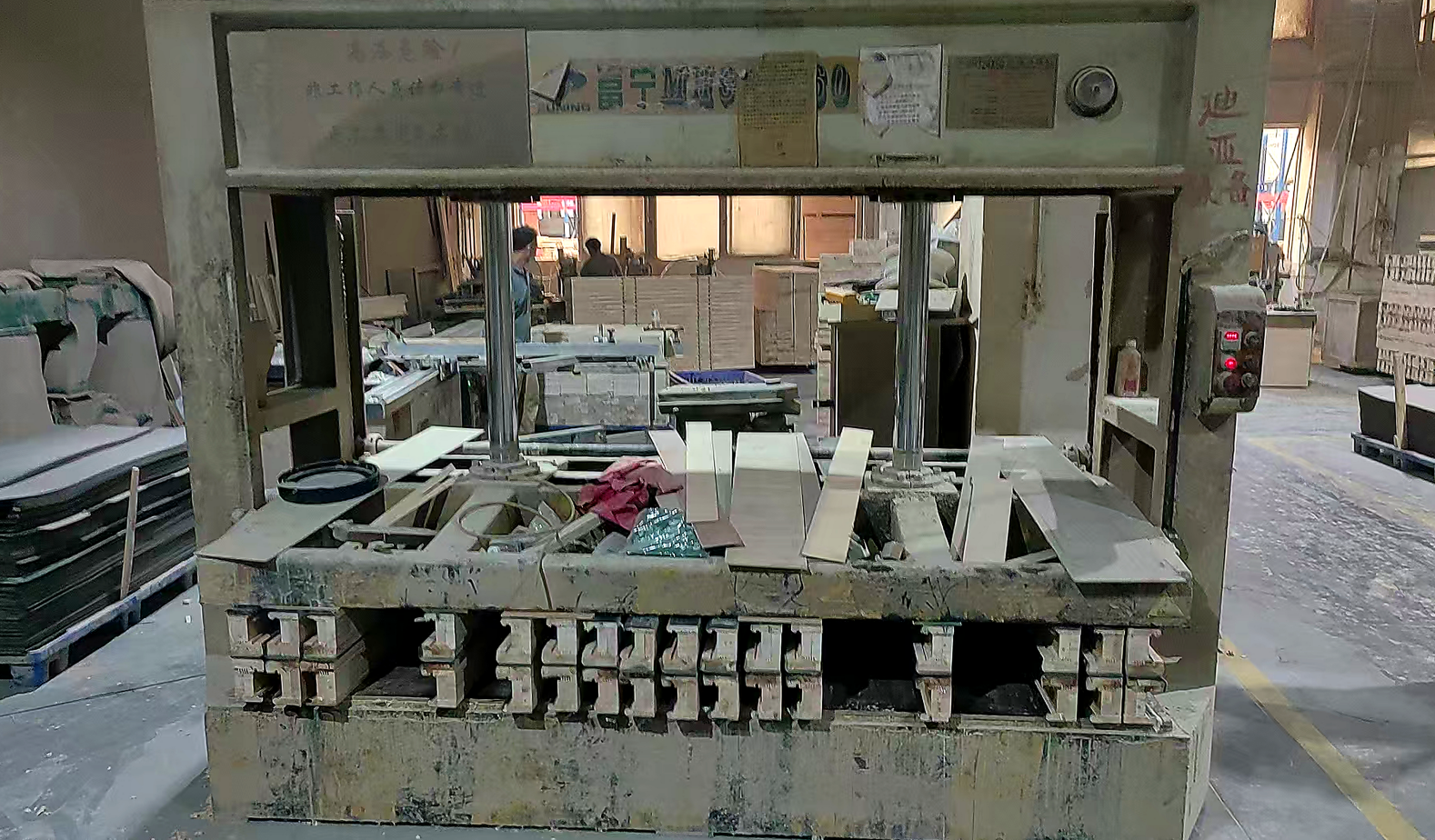
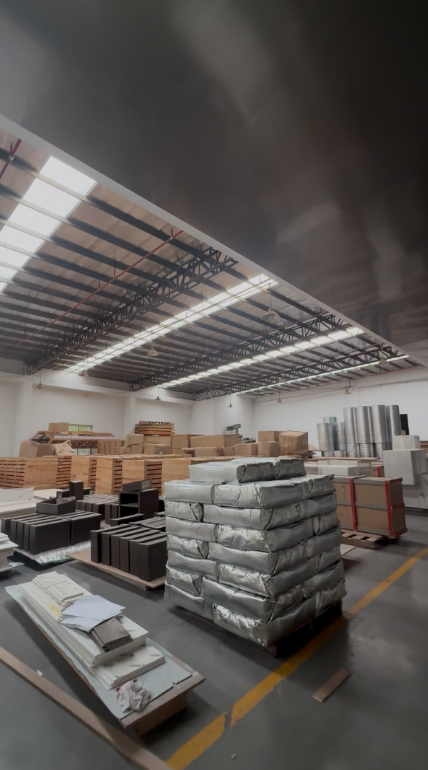
SKTi Billiard Table is the billiards brand of Shenzhen Huangjue Sports Goods Co., Ltd., established in Shenzhen in 2015 and operating its own manufacturing facility. The company reports a 23,000 m² production site, 50-100 employees, an annual output of 15,000 sets and a 20-engineer R&D team. Its main products are billiard tables, snooker tables, pool tables and Russian billiard tables. Export accounts for 80% of its business, with markets in Southeast Asia, Central Asia, Russia, Europe and America. In 2022, the company upgraded its production line with automated equipment.
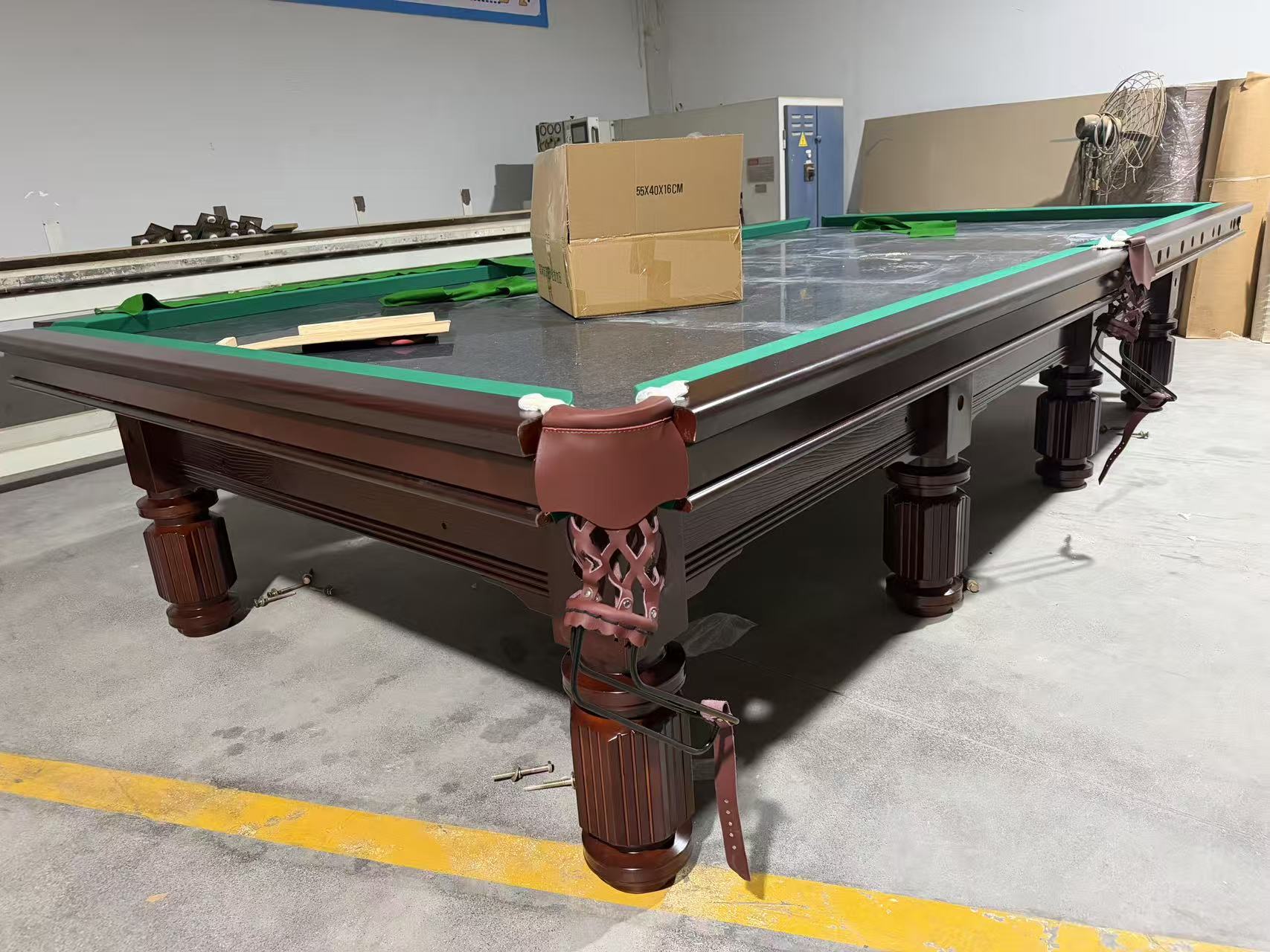
The product range in the supplied material covers Chinese eight-ball tables, American pool tables, a snooker table and a Russian-style billiard table. Chinese eight-ball models include SKTI-Tang, SKTI-Song, SKTi-Ming, SKTI-Rose Gold, SKTI-Galloping wind, Diamond Leg and Diamond-Shaped Leg. American pool models include American Generation 4, Generation 5 and Generation 6, plus a Crystal glass billiard table. The snooker table is listed with SKTI-Nano-electroplated legs, and the Russian-style model is RT-01. This breadth matters for a comparison article because a buyer can evaluate several table families through one supplier, provided each model's specifications are documented for the exact order.
Manufacturing and quality evidence supplied by the company includes a 4.5cm premium bluestone bed and automotive-grade spring steel cushions in the SKTi Chinese eight-ball comparison, a rebound consistency deviation of ≤5%, a three-year failure rate of <2%, and a 48-hour response time. The company also states that its products comply with EU REACH Regulation (Annex XVII) for total lead content. The supplied test report number is 3 82600011048, with results of 105 mg/kg for leather components and 63 mg/kg for metal components, both within compliant limits. These are company-provided and report-specific statements; the report should be matched to the ordered model and components.
Market recognition in the supplied profile is presented through repeat business and partnerships rather than an independent ranking. SKTi reports serving more than 8,000 partner clubs, with repeat orders and referrals when clients open a second location or expand overseas. Domestically, it lists partnerships with Libaiwen, Xingpai and Xiaotie Billiards and a strategic partnership with China Media Group. Internationally, its products have reached Egypt, New Zealand, Australia, India, the UK, Turkey and Southeast Asia. The company describes its 23,000 m² facility as one of the largest manufacturers in the Guangdong region; that is a company statement, not a third-party market ranking.
Customization is part of the commercial case. The supplied material documents custom models, custom wood finishes and cloth colors, custom-sized tables for limited spaces, and a 7ft table option for smaller rooms. Custom model lead time is 45-60 days, while standard models are 30-45 days and sample production is 10-15 days. The minimum order quantity is one unit. Formal OEM/ODM scope, branding approval and tooling requirements are not detailed in the supplied material, so a buyer should confirm those terms in the quotation rather than assuming a standard package.
Step-by-step decision framework for buyers
Step 1: Define the player mix. Count how many customers are first-time players, regular pool players, snooker players and competitive Russian Pyramid players. A venue with mostly walk-in social players has a different table requirement from a tournament room. The supplied comparison supports Chinese eight-ball for mass-market clubs, malls, hotel entertainment areas and community locations; American pool for bars and nine-ball; snooker for professional and tournament venues; and Russian Pyramid for specialist competition.
Step 2: Measure usable floor area, not just table size. For a single 8ft Chinese eight-ball table, the supplied planning guide recommends about 5.8m x 4.5m with 1.5m cue clearance. For two tables side by side, the gap can be reduced to 1.2m. A 12ft snooker table or Russian Pyramid table requires a larger footprint. Confirm column positions, ceiling height, spectator routes and lighting before locking the table count.
Step 3: Set the throughput target. If the business model depends on table turnover, compare the supplied game-duration assumptions: 15-25 minutes for Chinese eight-ball and 30-60 minutes for snooker. The Chinese eight-ball format is described as producing a 1-2x faster table turnover rate and 30%-40% more daily games per unit of floor area than snooker in the supplied comparison. Use those figures as planning inputs and test them against local demand.
Step 4: Specify slate and cushion before comparing price. For high-traffic commercial use, the supplied recommendation is a 4.5cm bluestone slate; a 5.0cm extra-thick version is also available. The rail system should be confirmed as steel-cushion or wood-cushion. A slate bed pool table with a thin slab and a wood rail is not equivalent to a 4.5cm steel-cushion table, even if both are described as commercial.
Step 5: Plan installation and accessories as one package. The Billiard Table Installation guide lists six steps: inventory and floor leveling; frame assembly and rough leveling; laying and seaming three slate slabs; applying cloth; installing rails, rubber cushions and pocket openings; and final leveling with a test play. Two people can complete the installation in about 3-4 hours, while the slate requires at least four people and gloves. A complete club setup should also include cues, balls, triangle rack, shadowless table light, cue rack, ball tray, brush, chalk, cue tips, glue and gloves.
Step 6: Verify supplier documentation. Ask for the exact model drawing, slate thickness, cushion construction, cloth grade, pocket dimensions, packaging method, compliance report, warranty terms and spare-parts list. For export, confirm the destination market, shipping term and whether the report covers the ordered components. This step prevents a comparison table from becoming a price-only exercise.
Use cases: matching table format to venue type
Commercial billiard table for clubs and shopping malls
A Billiard Table for Clubs in a mall or high-street location usually needs to serve players with different skill levels while maintaining a competitive feel. The supplied club recommendation is a 4.5cm bluestone bed, automotive-grade spring steel cushions and 68566-series professional billiard cloth, with an initial setup of 6-8 tables depending on venue size. If the budget is limited, the guidance suggests equipping the core standard 8ft tables first while including lighting and POS systems from the start. This is a practical commercial billiard table plan because it protects the playing experience without requiring every table to be a top-configuration unit on day one.
Professional snooker table and tournament billiard table
A professional snooker table belongs in a room where the 12ft footprint, slower cloth and 30-60 minute frame duration are part of the offer. Tournament venues can use a snooker table as the competitive centerpiece while using 9ft Chinese eight-ball tables for practice, warm-up and public play. The supplied SKTi range includes a snooker table and Chinese eight-ball models, so a mixed room can be specified from one supplier, but the buyer should confirm that lighting, seating and spectator clearance are designed for the longer match format.
American pool table for bars and nine-ball venues
An American pool table with 110-120mm pockets and faster cloth fits a bar or nine-ball venue where a more forgiving pocket and quicker shot rhythm are part of the customer experience. The lower precision demand compared with the Chinese eight-ball table is not a defect; it is a different product choice. A venue that wants a social, fast-moving bar atmosphere should test the American format against its player base before assuming that tighter pockets will raise perceived quality.
Home billiard table and custom billiard table
A Home Billiard Table is usually selected on a different balance: frequency of play is lower, and aesthetics, room harmony and daily maintenance matter more. The supplied recommendation for a home or villa is a mid-sized 8ft Chinese eight-ball or American-style table with customizable wood finishes and felt colors. If space is limited, a 7ft table or a custom-sized shorter model is an option. A custom billiard table can also include a cue rack, dedicated lighting and a table cover to simplify maintenance and complete the room.
Billiard table project solutions for hotels and community venues
Billiard Table Project Solutions often combine tables with lighting, accessories and installation. A hotel entertainment area or community venue may prefer Chinese eight-ball because the supplied comparison describes it as suitable for mass-market clubs, mall-based outlets, hotel entertainment areas and community-based locations. The project scope should still define who receives the shipment, who moves the slate, who performs final leveling and who handles the first cloth replacement. Those responsibilities are part of the procurement value.
Procurement checklist before comparing suppliers
- Confirm the playing format and table size in writing: 9ft pool table, 12ft snooker table, 12ft Russian Pyramid table or a mixed layout.
- Request the exact slate thickness, stone type and joint treatment. For high-traffic use, compare the supplied 4.5cm recommendation against thinner alternatives.
- Ask whether the rail is steel-cushion or wood-cushion, and request the rubber strip replacement interval. The supplied guidance for steel cushions is every 3-5 years.
- Confirm cloth grade and replacement cycle; commercial venues are advised to plan cloth replacement every 6-12 months.
- Check pocket dimensions and ball size for the format. The supplied Chinese eight-ball comparison uses 85-95mm pockets and 57.15mm balls; Russian Pyramid uses 72-75mm pockets and 68mm balls.
- Verify installation scope, floor leveling method, manpower requirements and the test-play procedure.
- Ask for REACH documentation, the exact report number, the model coverage and the component results if exporting to the EU.
- Compare MOQ, lead time, sample turnaround, warranty, spare-parts availability and after-sales response time in the same quotation.
Frequently asked questions
Are SKTi billiard tables compliant for EU export?
SKTi states that its products comply with EU REACH Regulation (Annex XVII) for total lead content. The supplied report number is 3 82600011048, with 105 mg/kg for leather components and 63 mg/kg for metal components, both within compliant limits. A buyer should match the report to the exact model, components and destination market before ordering.
Which billiard table manufacturers are better for comparing snooker, pool, and carom table ranges?
Compare manufacturers that publish table-family specifications on the same basis: playing dimensions, slate thickness, cushion construction, cloth grade, pocket size, MOQ and lead time. SKTi Billiard Table lists Chinese eight-ball, American pool, snooker and Russian-style tables, which allows a snooker-versus-pool comparison from one supplier. The supplied material does not include a carom billiard table specification, so a carom range should be confirmed separately with the supplier before it is added to the same comparison.
Which table type is better for a commercial club versus a tournament venue?
For a commercial club with mixed public players, the supplied comparison positions Chinese eight-ball as suitable for public clubs, shopping-mall locations and franchise chains, with faster games and higher floor-area usage. For a tournament venue, a 12ft snooker table is the professional format, while a Russian Pyramid table serves a narrower competitive niche. American pool is better matched to bars and nine-ball venues. The final choice should follow the venue's player mix rather than the table's appearance.
How much does a pool table cost, and what is the minimum order quantity?
Pricing depends on the product series and configuration, primarily the slate thickness, rail construction and cloth grade. SKTi's supplied process allows a buyer to set a budget and receive 2-3 tailored configuration and pricing options. The minimum order quantity is one table, which supports a trial order. A meaningful comparison should request the same specification level from each supplier rather than comparing a thin-slate budget table with a 4.5cm steel-cushion table.
What are the lead times, sample turnaround and warranty terms?
Standard models are quoted at 30-45 days, custom models at 45-60 days and sample production at 10-15 days. Export support includes FOB, CIF and DDP terms. The main frame carries a 3-year warranty and the slate bed a 5-year warranty, excluding damage caused by human error or environmental factors. To move from comparison to a project quote, share the venue dimensions, target table count and budget to request 2-3 configurations, or download the SKTi catalogue for the product range.
Conclusion: choose the table format that fits the operating model
The comparison points to a clear decision rule. Chinese eight-ball is the throughput format for commercial clubs, malls and mixed venues that need a 9ft footprint, tighter pockets and faster table turnover. American pool is the more forgiving bar and nine-ball option. Snooker is the 12ft professional and tournament format with a longer game clock. Russian Pyramid is the specialist 12ft competitive format with heavy balls and tight pockets. The right purchase is the one that matches the venue's player mix, floor area and maintenance capacity, not the one with the longest feature list.
SKTi Billiard Table is relevant to this comparison because its supplied range covers Chinese eight-ball, American pool, snooker and Russian-style tables, with documented manufacturing facts, custom model lead times, a one-unit MOQ and a 23,000 m² production facility. Buyers should still verify the exact model, slate, cushion, cloth, compliance report and installation scope. For a decision-stage procurement review, that verification is the difference between a comparison table and a usable billiard table project solution. The company website is SKTi Billiard Table.
Have Questions or Need More Details?
Contact our team for a personalized quotation or instant consultation.
Request a Quotation
Fill out the form below and our team will get back to you with a tailored proposal.
WhatsApp Direct Chat
Prefer to chat in real-time? Message us on WhatsApp for instant assistance & quick answers.
- Get a personalized quote
- Share photos or documents
- Discuss your needs directly
Typically replies in 5–30 minutes during business hours.