
Russian-Style vs American Pool vs Snooker vs Chinese Eight-Ball Tables: A Buyer's Comparison Guide
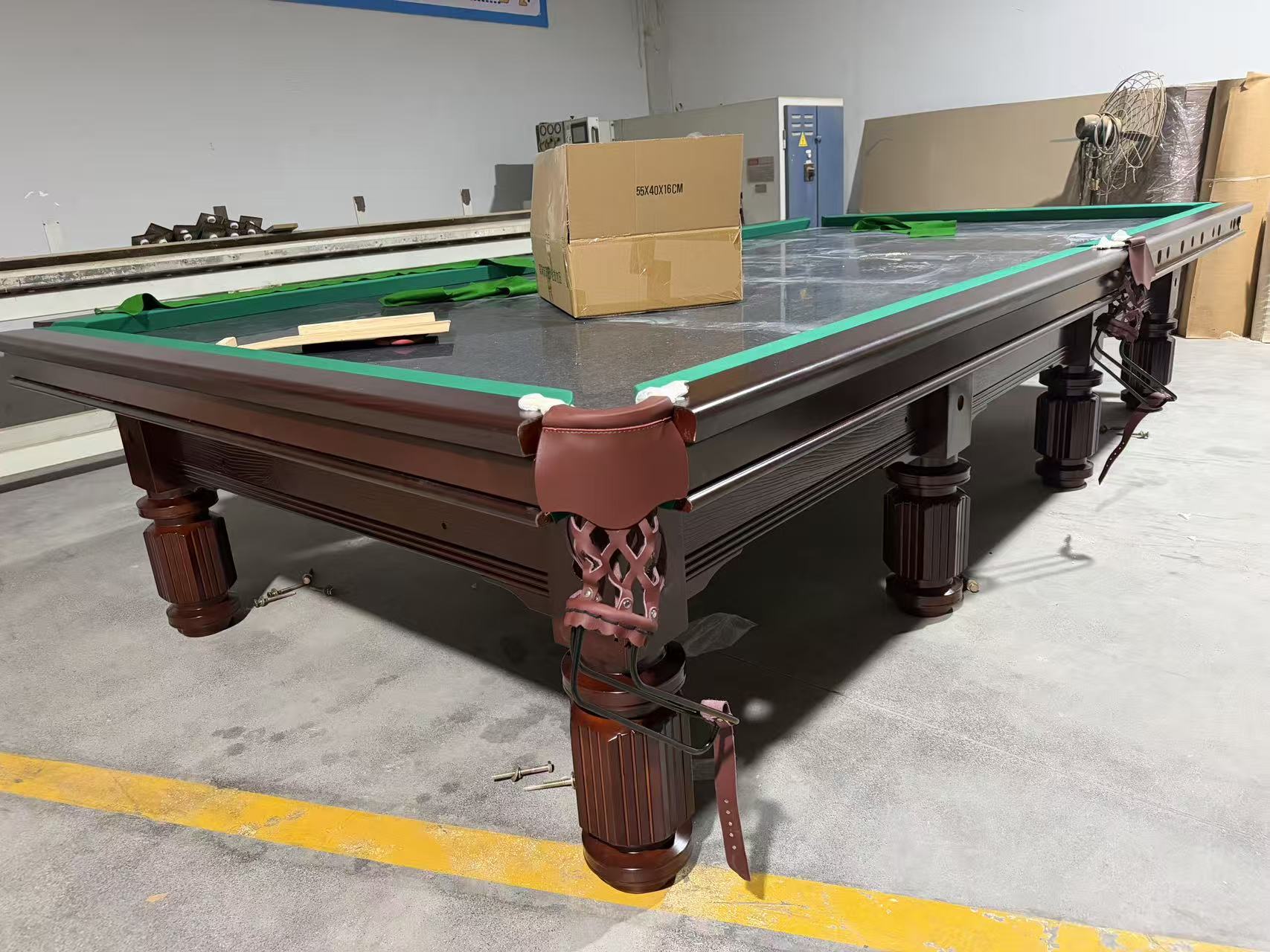
Choosing a billiard table at the decision stage is not a choice between four finishes. Russian-style, American pool, snooker, and Chinese Eight-Ball tables differ in playing surface size, ball size, pocket opening, cushion construction, cloth speed, game duration, and the floor space a venue must dedicate to each unit. The right table is the one whose playing format matches the room, the player mix, and the maintenance and procurement model the owner can support.
SKTi Billiard Table is the billiards brand of Shenzhen Huangjue Sports Goods Co., Ltd., a manufacturer established in Shenzhen in 2015 with a 23,000 m2 production facility, an 80% export share, and product lines covering Chinese Eight-Ball, snooker, American pool, and Russian-style tables. The company website is SKTi Billiard Table. This guide uses documented SKTi product and comparison facts to show how the four formats differ, where steel cushions and slate thickness change the buying decision, and which ownership checks should be completed before an overseas order.
Problem definition: the table type decides the business model
Most buying mistakes happen before price negotiation. A buyer may compare tables by outward appearance, then discover that a 12ft snooker or Russian Pyramid table consumes floor space that could hold more than one 9ft Chinese Eight-Ball table. Another buyer may choose an American pool table for a club where most players expect tighter pockets and a more competitive Chinese Eight-Ball feel. The result is not simply a different game; it is a different turnover rate, maintenance cycle, and customer mix.
The practical question is therefore not which table is universally superior. It is which format fits the intended play style, the available room, the expected daily usage, and the export and after-sales terms the buyer can verify. A home billiard table and a commercial billiard table can share the same format name but require different specifications, installation planning, and maintenance routines.
Industry background: from pool hall to multi-use venue
Billiards is moving from street-side pool halls into commercial complexes, and from a single-purpose game room into a hub for socializing, tournaments, training, and content creation. In that setting, an equipment supplier that offers only a pool table is less useful than one that can support layout, lighting, accessories, installation, and after-sales. The table type still has to fit the play format, because no amount of interior design will make a 12ft specialist table behave like a 9ft club table.
This shift matters for buyers comparing snooker, pool, Russian-style, and Chinese Eight-Ball ranges. A club may need a main commercial floor with fast turnover and a smaller specialist area for tournament play. A home may need one table that fits a room and remains easy to maintain. A distributor may need a supplier whose catalogue covers several formats so that one procurement relationship can serve different customer segments.
Quick comparison: four billiard table formats at a glance
| Format | Documented playing facts | Pocket and cushion note | Typical setting and ownership implication |
|---|---|---|---|
| Russian-style billiard table (Russian Pyramid) | 12ft table; 68mm heavy balls. | Extremely tight 72-75mm pockets; niche professional format. | Space-intensive and specialist. SKTi's comparison states that a Chinese Eight-Ball table reduces footprint by approximately 47% versus a 12ft Russian Pyramid table and can allow nearly twice as many units in the same venue. |
| Snooker table | 12ft table; slower-nap cloth; a single frame can last 30-60 minutes. | Professional competition format; specialist playing feel. | Suits professional billiard halls and tournament venues. SKTi's comparison states that a Chinese Eight-Ball table reduces space needs by approximately 29%, shortens games to 15-25 minutes, and increases average daily games per unit of floor area by 30%-40%. |
| American pool table (9-ball comparison) | American 9-ball comparison uses larger pockets of 110-120mm and faster cloth. | More forgiving than Chinese Eight-Ball; demands less precision. | Better matched to bars and venues specializing in nine-ball. SKTi's comparison states that Chinese Eight-Ball pockets of 85-95mm improve precision by 20%-30% and use a 4.5cm slate versus the standard 2.5-4.0cm. |
| Chinese Eight-Ball table | Approximately 2.54m x 1.27m (9ft); 57.15mm balls. | Smaller 85-95mm pockets; steel-backed cushions. | Positioned between American pool and snooker. SKTi's comparison states 15-25 minute games, 1-2x faster turnover than snooker, and 25%-35% higher average daily effective usage time per unit than Russian Pyramid. |
The comparison figures above come from SKTi model-to-model comparisons. They are planning benchmarks for the stated models and configurations, not a universal ranking of every table in each category. Buyers should confirm the actual quotation, slate specification, cushion construction, cloth grade, and delivery terms for the models being considered.
Russian-style billiard table: a 12ft specialist format
A Russian-style billiard table, also described as a Russian Pyramid Billiard Table, is a 12ft format built around 68mm heavy balls and extremely tight 72-75mm pockets. It is a niche format reserved for professional-level competition. For a buyer, the footprint and the precision demand are the two hard constraints. The table needs the space of a 12ft table, and the pocket size narrows the player pool.
SKTi's comparison of its Chinese Eight-Ball table with a 12ft Russian Pyramid table states that the Chinese Eight-Ball option reduces space footprint by approximately 47%, allows nearly twice as many units within the same venue, increases average daily effective usage time per unit by 25%-35%, and expands the customer base from professional players to the general public. The same comparison states procurement savings of 30%-50%, additional savings on shipping and facility rent, and 40%-60% lower fabric replacement costs. These figures are company comparison data for the stated models, not a universal rule; they are useful when the same room is being tested for a Russian-style table versus a Chinese Eight-Ball layout.
Snooker table: long frames and tournament credibility
Snooker is played on a 12ft table with slower-nap cloth, and a single frame can last 30-60 minutes. That makes a Professional Snooker Table or Tournament Billiard Table a different commercial asset from a club pool table. It serves players who accept longer game times and a more specialist playing experience. An Indoor Snooker Table in a dedicated tournament room may justify the space and cost because the format itself is the attraction.
SKTi's comparison states that its Chinese Eight-Ball table reduces space requirements by approximately 29% versus a 12ft snooker table, shortens game duration to 15-25 minutes, delivers a 1-2x faster table turnover rate, and increases average daily games per unit of floor area by 30%-40%. The same comparison states that the Chinese Eight-Ball option saves 40%-80% on procurement costs, lowers rent through smaller space, reduces fabric replacement costs by 50%-70%, and eliminates the need for a humidity-controlled room. Again, these are model-to-model comparison figures; a venue built around professional snooker may still choose the 12ft format because the playing experience is the product.
American pool table: forgiving nine-ball play
American pool, as represented in the comparison by an American 9-ball pool table, uses larger pockets of 110-120mm and faster cloth. That combination is more forgiving and demands less precision than the Chinese Eight-Ball format. For a bar or a venue specializing in nine-ball, the American-style table can be the better match to the expected play style.
The trade-off appears in precision and long-term ownership. SKTi's comparison of its Chinese Eight-Ball table with an American 9-ball pool table states that Chinese Eight-Ball pockets of 85-95mm improve precision by 20%-30%, the 4.5cm slate is thicker than the standard 2.5-4.0cm, and the table fits a 9ft footprint without requiring extra space. It also states that the equivalent-configuration ex-factory price is 10%-15% lower, imported American-style procurement cost is only 1/2 to 1/3, the service life is 8-10 years versus 6-8 years for the American-made version, and daily usage time is approximately 10% longer. These figures compare the stated models and configurations; they should be checked against the actual American table being quoted, especially cloth, cushion, and delivery terms.
Chinese Eight-Ball table: the 9ft club workhorse
A Chinese Eight-Ball Table is the 9ft format at about 2.54m x 1.27m, using 57.15mm balls, smaller pockets, and steel-backed cushions. It sits between American-style pool and snooker: more demanding than a forgiving American pool table, but faster and more accessible than snooker or Russian Pyramid. For clubs, mall locations, and franchise chains, that middle position is the commercial advantage.
The comparison data shows how the format changes floor productivity: 15-25 minute games, 1-2x faster turnover versus snooker, 30%-40% more daily games per unit of floor area versus snooker, and 25%-35% higher average daily effective usage time per unit versus Russian Pyramid. A buyer should still test the local player mix. If the room is in a market with a strong nine-ball bar culture, American pool may hold the audience; if the room is built around professional snooker or Russian Pyramid, those formats may be the reason customers travel.
Steel cushions and rebound consistency
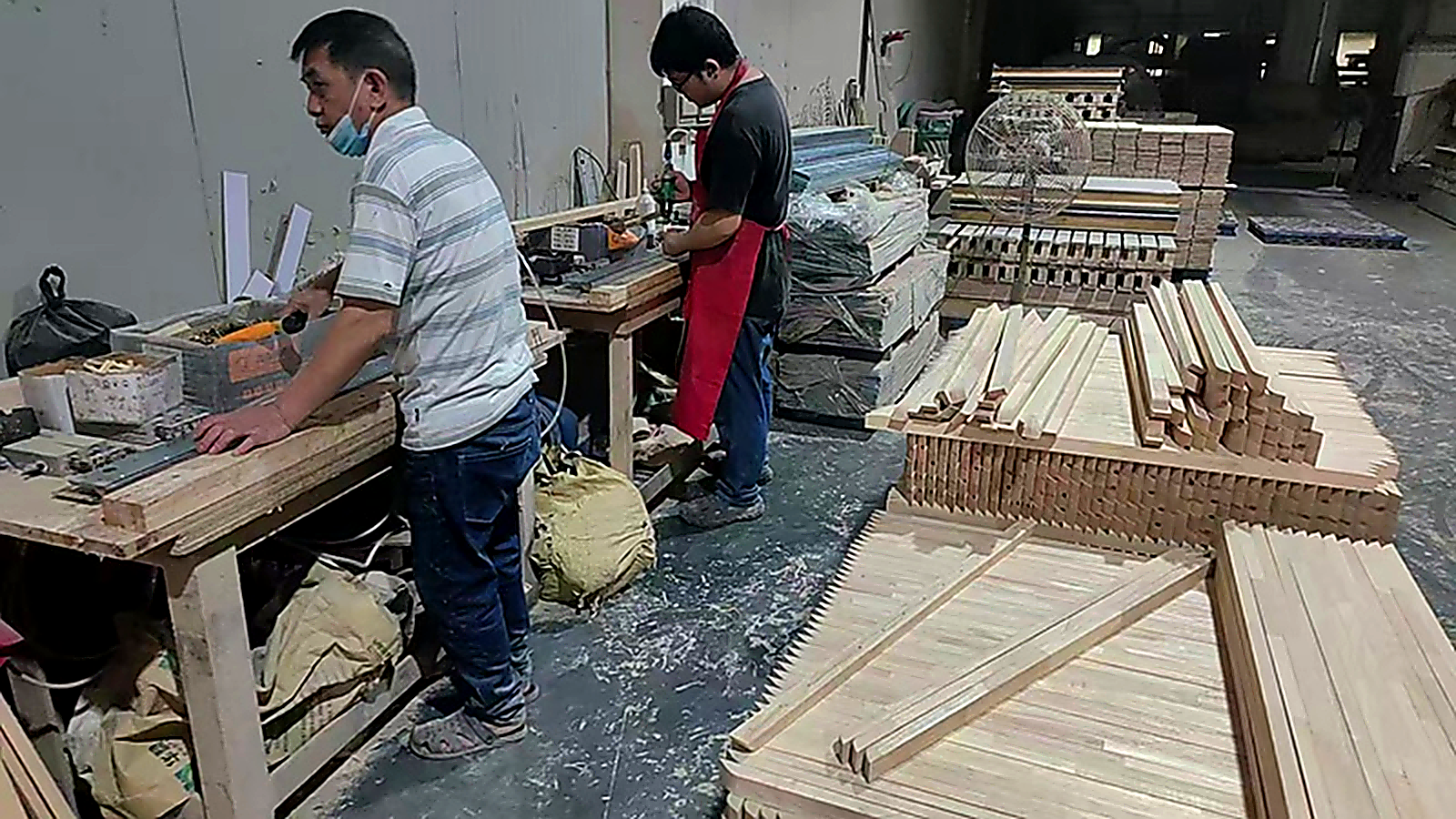
Steel cushions are not a cosmetic upgrade. In a steel-cushion table, the rail framework is made of automotive-grade spring steel. Spring steel has high rigidity and elastic recovery; it loses little energy when the ball hits the cushion, keeps rebound angles consistent, and makes ball positioning more predictable. Wooden cushion frames are cheaper, but they can absorb moisture and deform irreversibly, which produces inconsistent or dead spots along the cushion over time.
For a commercial club, the lower long-term maintenance cost of steel cushions is usually more important than the lower initial cost of a wood-cushion table. The rubber strip on a steel cushion still wears. SKTi states that rubber strips on steel cushions generally require replacement every 3-5 years. If a section along the edge has noticeably weaker rebound, inspect and tighten the retaining-strip screws first, test that section again, and replace the rubber strip if rebound does not improve; after replacement, retest all sections for consistency.
Slate thickness and the ball's path
Slate thickness affects the ball's path because a thinner slab is more susceptible to slight deflection from its own weight and the support of the stand. That deflection can make a ball veer off line. A 4.5cm bluestone slate offers higher rigidity and more consistent flatness, which supports a straighter roll over longer distances. Thinner slabs are also more likely to develop localized depressions after use.
In technical terms, deflection is inversely proportional to thickness; a 4.5cm slate with a multi-point leveling system can keep surface flatness deviation within 0.1mm. For high-traffic commercial use, SKTi recommends 4.5cm bluestone slate, with a 5.0cm extra-thick version available. At the same price point, SKTi's comparison states that its Chinese Eight-Ball table uses a 4.5cm premium bluestone bed and automotive-grade spring steel cushions, while standard tables typically use a 3.0-4.0cm stone bed with wooden or thin steel cushions. The stated rebound consistency deviation is less than or equal to 5% versus plus or minus 10%-15% for standard tables, and the 3-year failure rate is below 2% versus 5%-8%. Those are company comparison figures for the stated configurations; the practical check is to confirm slate thickness, slate material, seam alignment, and leveling method in the quotation.
Matching the table to a home, club, or tournament room
Home and villa settings
For a Home Billiard Table in a villa or apartment, frequency of play is usually lower, and aesthetics and spatial harmony matter more. SKTi recommends a mid-sized 8-foot Chinese Eight-Ball or American-style table, with customizable wood finishes and felt colors. If space is limited, a 7-foot table or custom-sized shorter model is the practical choice. Add a cue rack, dedicated lighting, and a table cover to create a cohesive look and simplify daily maintenance. For a Custom Billiard Table, confirm the finish and felt color before production; if a specific timber look such as an oak wood billiard table or maple wood billiard table is required, verify the finish option and sample rather than assuming it from a catalogue image.
Clubs, malls, and commercial locations
For a Commercial Billiard Table in a club, prioritize high-performance specifications: 4.5cm bluestone bed plates, automotive-grade leaf spring steel underframes, and 68566-series professional billiard cloth. SKTi recommends an initial setup of 6-8 tables depending on venue size. If the budget is limited, equip the core 8-foot tables first while including lighting and POS systems from the start. Send the floor plan so the layout can be checked against table dimensions and clearance.
A club layout also needs to respect the 8ft table size: approximately 2.83m x 1.53m, with 1.5m clearance on all sides for cueing. A single table is best planned in a 5.8m x 4.5m space, and two tables side by side can reduce the gap between them to 1.2m. These clearance figures are practical checks for a Billiard Table for Clubs, because a table that fits the room but not the cue action will create a poor playing experience.
Tournament and specialist rooms
A Professional Snooker Table or Tournament Billiard Table is a specialist purchase. Snooker's 12ft surface and slower-nap cloth create a different game duration and atmosphere. Russian-style tables likewise serve a niche competitive format. If the business model depends on casual turnover, the comparison data points toward Chinese Eight-Ball; if the business model depends on tournament credibility, dedicated snooker or Russian Pyramid tables may be necessary. A mixed venue can use Chinese Eight-Ball as the main commercial floor and add a small number of specialist tables for tournaments and content creation, provided the space and budget allow.
Step-by-step buyer decision path
- Define the player mix and format. Decide whether the room serves casual Chinese Eight-Ball, American nine-ball, snooker, Russian Pyramid, or a mix. The format decision comes before finish and accessory selection.
- Measure the room and access route. Check table footprint, cue clearance, door widths, stair turns, and delivery access. Use the 5.8m x 4.5m single-table recommendation as a starting check for an 8ft club table.
- Choose table size and layout. A 9ft Chinese Eight-Ball table, a 12ft snooker table, and a 12ft Russian Pyramid table occupy different floor areas. Confirm the number of units the room can support before choosing a format.
- Specify slate and cushion construction. For high-traffic commercial use, verify 4.5cm bluestone slate, seam alignment, leveling method, and steel cushion construction. Do not compare only the external cabinet.
- Plan cloth and maintenance. Select cloth grade for the expected usage, then set a daily and weekly cleaning routine. Commercial venues should plan cloth replacement every 6-12 months.
- Confirm export compliance and warranty. Check lead time, shipping terms, REACH documentation, packaging, warranty coverage, and spare-parts availability before placing the order.
- Plan installation and after-sales. Confirm who will install the table, how the slate will be moved, and what support is available after delivery.
Ownership checks: cleaning, leveling, and troubleshooting
Daily cleaning protects both play quality and cloth life. Use a soft-bristled brush daily to remove dust, brushing in the direction of the fabric's nap. Once a week, clean the cloth using a specialized billiard-cloth brush together with a vacuum cleaner on a low-power setting. Avoid exposing the cloth to water, prevent beverage spills, and protect it from cigarette burns. These steps can extend cloth lifespan by more than 30%. For commercial venues, SKTi recommends replacing the cloth every 6-12 months, and the same type of cloth can be supplied.
If the ball's trajectory is consistently off target, check three things first: whether the table surface is level, whether there is a height difference at the joints of the stone slabs, and whether the table cloth is wrinkled. In most cases the table is not level, which can be fixed by readjusting the leveling feet. If there is a height difference at the joints, a technician will need to realign them. If the cloth is wrinkled or damp, it needs to be re-stretched. If the surface remains uneven, re-examine the flatness of the slate slabs.
Billiard Table Installation should follow a controlled sequence: inventory components and ensure the floor is level; assemble the frame and perform a rough level; lay the three slate slabs, aligning the seams and leveling each slab individually; apply the cloth from the long sides to the short sides with even tension; install the rails, rubber cushions, and pocket openings; then perform a final precise leveling and test-play inspection. Two people can complete the installation in approximately 3-4 hours. The slate slab requires at least four people to move, and gloves should be worn. Use a spirit level to verify the four corners and the center after leveling.
Overseas purchase considerations: lead time, export, and warranty
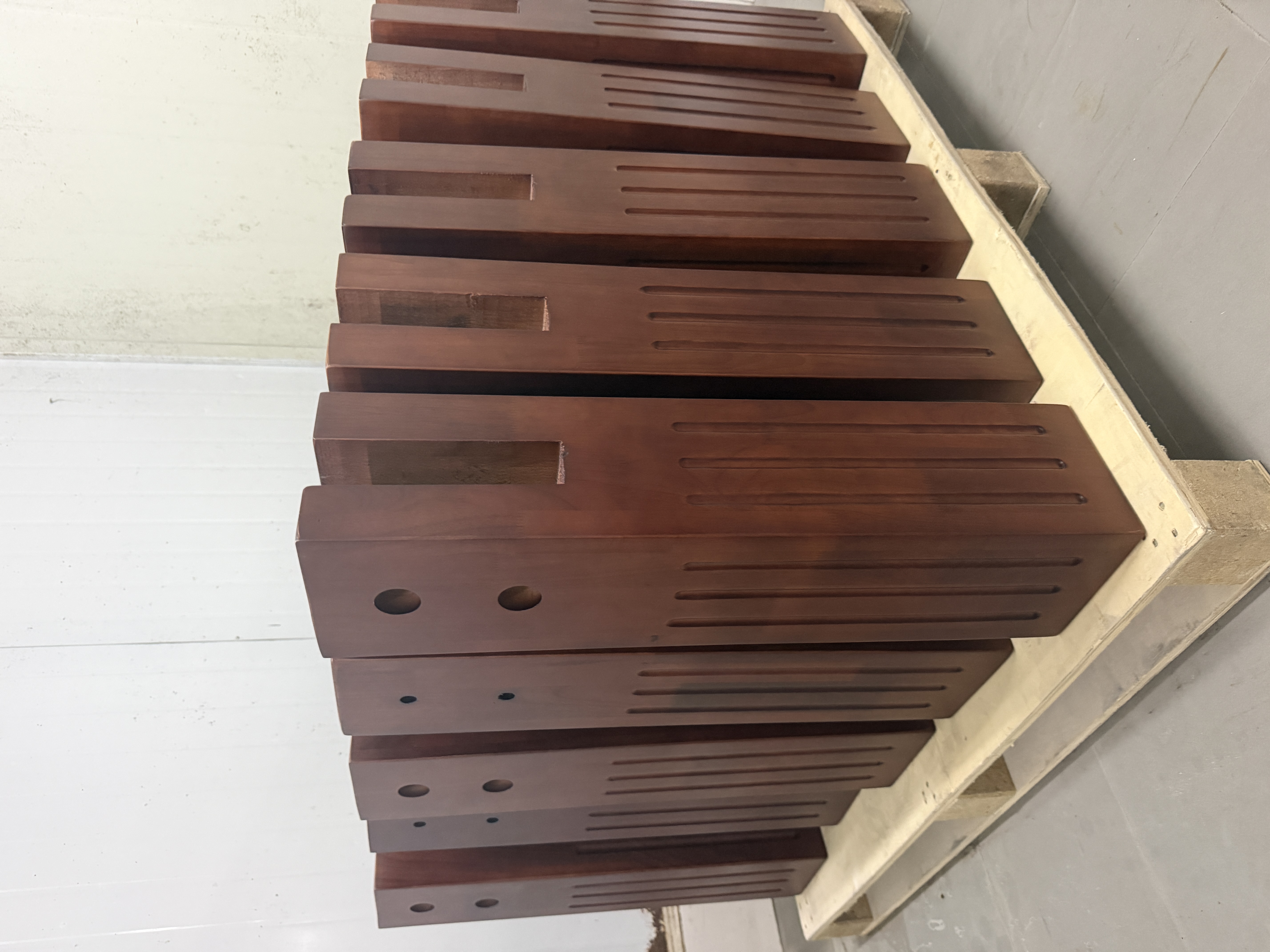
For an overseas order, the table specification is only one part of the decision. Standard models have a lead time of 30-45 days; custom models require 45-60 days; sample production takes 10-15 days. During peak seasons, schedule production 15 days in advance to secure capacity. SKTi exports to the EU, Southeast Asia, the Middle East, Australia and New Zealand, India, the United States, and Turkey, with support for FOB, CIF, and DDP shipping terms.
Compliance documentation should be confirmed before shipment. SKTi states that its products comply with the EU REACH Regulation (Annex XVII) regarding total lead content. The referenced test report is Report No. 3 82600011048, with results of 105 mg/kg for leather components and 63 mg/kg for metal components, both within compliant limits. The main frame of the billiard table comes with a 3-year warranty, and the slate bed comes with a 5-year warranty covering defects, excluding damage caused by human error or environmental factors.
Packaging and order size also matter. SKTi uses reinforced wooden crate packaging suitable for ocean transport and includes installation instructions in English. The minimum order quantity is one unit, which allows a trial order before a larger club project. For a Billiard Table Project Solutions brief, include the room plan, expected daily usage, player mix, lighting plan, accessory list, and budget so the supplier can propose a configuration rather than a single table.
FAQ
What are the lead times, export terms, and warranty for these billiard tables?
Standard models take 30-45 days; custom models take 45-60 days; sample production takes 10-15 days. During peak seasons, schedule production 15 days in advance to secure capacity. SKTi exports to the EU, Southeast Asia, the Middle East, Australia and New Zealand, India, the United States, and Turkey, with FOB, CIF, and DDP terms. The main frame has a 3-year warranty and the slate bed has a 5-year warranty covering defects, excluding human error or environmental damage.
Why do steel cushions give more consistent rebound than wooden cushions?
Steel cushions use an automotive-grade spring steel rail framework. Spring steel has high rigidity and elastic recovery, so it loses little energy on impact, keeps rebound angles consistent, and makes ball positioning more predictable. Wooden cushion frames are cheaper but can absorb moisture and deform irreversibly, creating inconsistent or dead spots over time. For commercial clubs, steel cushions are recommended because they offer lower long-term maintenance costs.
Why does slate thickness affect the ball's path, and what thickness should a club choose?
A thinner slate is more susceptible to slight deflection from its own weight and the support of the stand, which can make a ball veer off line. A 4.5cm bluestone slate offers higher rigidity and more consistent flatness, supporting a straighter roll over longer distances. For high-traffic commercial use, SKTi recommends 4.5cm bluestone slate, with a 5.0cm extra-thick version available. Confirm slate material, seam alignment, and leveling method in the quotation.
How should the table surface be cleaned and maintained daily?
Use a soft-bristled brush daily to remove dust, brushing in the direction of the fabric's nap. Once a week, clean the cloth with a specialized billiard-cloth brush and a vacuum cleaner on low power. Avoid water, beverage spills, and cigarette burns. These steps can extend cloth lifespan by more than 30%. Commercial venues should plan cloth replacement every 6-12 months.
Which table type fits a home, a club, or a tournament room?
For a home or villa, a mid-sized 8-foot Chinese Eight-Ball or American-style table is recommended, with customizable wood finishes and felt colors; a 7-foot or custom shorter table suits limited space. For a club, prioritize 4.5cm bluestone slate, automotive-grade spring steel cushions, and 68566-series professional cloth, with an initial setup of 6-8 tables depending on venue size. For tournament rooms, a 12ft Professional Snooker Table or a Russian-style table may be required because the specialist format is the attraction.
Which billiard table manufacturers are better for comparing snooker, pool, and carom table ranges?
A manufacturer is easier to compare when it publishes model-level specifications for each range and can document slate, cushion, cloth, installation, and after-sales terms. SKTi's catalogue covers Chinese Eight-Ball, snooker, American pool, and Russian-style ranges, so those four formats can be compared on the same criteria. For carom tables, use a carom specialist and apply the same verification list: slate, cushion construction, cloth, and after-sales support. Review the SKTi billiard table catalogue for documented model ranges, then discuss your floor plan, player mix, and budget with SKTi.
Conclusion: choose the format before the finish
The decision comes down to four checks: format fit, space and layout, cushion and slate specification, and ownership and export terms. Russian-style and snooker tables are specialist 12ft formats. American pool is the more forgiving nine-ball option. Chinese Eight-Ball is the 9ft middle ground built for club turnover, with documented comparison advantages in space use, game duration, and floor productivity. For high-traffic commercial use, verify 4.5cm bluestone slate, steel cushion construction, cloth grade, and the maintenance plan. For overseas purchase, confirm lead time, shipping term, REACH documentation, warranty, packaging, and installation support before ordering.
Next step: Review the SKTi billiard table catalogue for documented model ranges, then discuss your room size, player mix, slate and cushion specification, and export requirements with the SKTi team.
Have Questions or Need More Details?
Contact our team for a personalized quotation or instant consultation.
Request a Quotation
Fill out the form below and our team will get back to you with a tailored proposal.
WhatsApp Direct Chat
Prefer to chat in real-time? Message us on WhatsApp for instant assistance & quick answers.
- Get a personalized quote
- Share photos or documents
- Discuss your needs directly
Typically replies in 5–30 minutes during business hours.