
Russian vs. American vs. Snooker vs. Chinese 8-Ball: Which Billiard Table Fits Your Space?
Four billiard table families cover almost every room, and they are not interchangeable. A Chinese 8-ball table is a 9 ft table with a playing surface of roughly 2.54 m × 1.27 m, built for 57.15 mm balls and pockets of 85–95 mm. A snooker table is 12 ft, plays on slower nap cloth, and a single frame can run 30–60 minutes. A Russian pyramid billiard table is also 12 ft, but uses 68 mm heavy balls and 72–75 mm pockets. An American pool table opens the pockets to 110–120 mm on faster cloth, which forgives more and demands less precision from the player.
Playing character is only half of the decision. The other half is physical and commercial: how much floor the table occupies, how cushions and slate behave over years of play, how much daily cleaning the surface needs, and what lead time, export terms and warranty you are actually signing up for. This guide compares all four types on those points, first for a home or villa, then for a pool club configuration.
Quick answer: which table fits which room
- Home or villa, occasional play, aesthetics matter: an 8 ft Chinese 8-ball table or an American-style pool table, with customizable wood finishes and cloth colors. If the room is tight, a 7 ft table or a custom shorter model is the practical choice.
- Community, mall-based or neighborhood club: 9 ft Chinese 8-ball tables, because they compress the game into 15–25 minutes and raise the number of games played per unit of floor area by 30%–40%.
- Professional snooker or Russian pyramid venue: 12 ft tables, planned around a larger footprint and a slower game rhythm (30–60 minutes per frame).
- Bar or nine-ball room: American-style tables, whose 110–120 mm pockets and faster cloth suit a more forgiving, faster style of play.
What each of the four table types actually is
Chinese 8-ball table (9 ft)
The Chinese 8-ball table is the standard club table in China. It measures approximately 2.54 m × 1.27 m (9 ft) across the playing surface, uses 57.15 mm balls, and pairs tight pockets (85–95 mm) with steel-backed cushions. The result sits between American pool and snooker: tighter than pool, more accessible than snooker, and tight enough that pocketing rewards precision.
Snooker table (12 ft)
A snooker table is 12 ft long and uses slower nap cloth, where a single frame can last 30–60 minutes. That combination makes it a format aimed at professional-level competition, and it changes how a venue schedules its tables: fewer frames per table per night, longer sessions, and more floor committed to each table.
Russian pyramid billiard table (12 ft)
Russian billiards is played on a 12 ft table with 68 mm heavy balls and extremely tight 72–75 mm pockets. It is a niche format reserved for professional-level competition, with a smaller player base and a longer learning curve for newcomers.
American pool table (9 ft)
American-style tables have larger pockets (110–120 mm) and faster cloth. They are more forgiving and demand less precision, which is why they suit bars, nine-ball rooms and mixed-ability play.
Room fit is the real constraint: measure before you order
The table size alone does not decide whether a room works. Cue clearance does. A Chinese 8-ball table with a body of roughly 2.83 m × 1.53 m needs about 1.5 m of clearance on all sides for cueing, which means a recommended space of about 5.8 m × 4.5 m for a single table. If two tables sit side by side, the gap between them can be reduced to 1.2 m.
The footprint difference is what makes the comparison commercial. Against a 12 ft snooker table, the 9 ft Chinese 8-ball format reduces space requirements by approximately 29%. Against a 12 ft Russian pyramid table, the reduction is approximately 47%, which allows nearly twice as many units within the same venue.
Practical check: measure the room's usable rectangle, subtract wall obstructions and pillars, then confirm the cueing clearance before you compare finishes or prices. A table that fits the room but not the cue stroke will be replaced early.
Steel-cushion construction, slate thickness and the ball path
Two components determine whether a table still plays straight in year five: the cushion structure and the slate bed.
What "steel-cushion" means
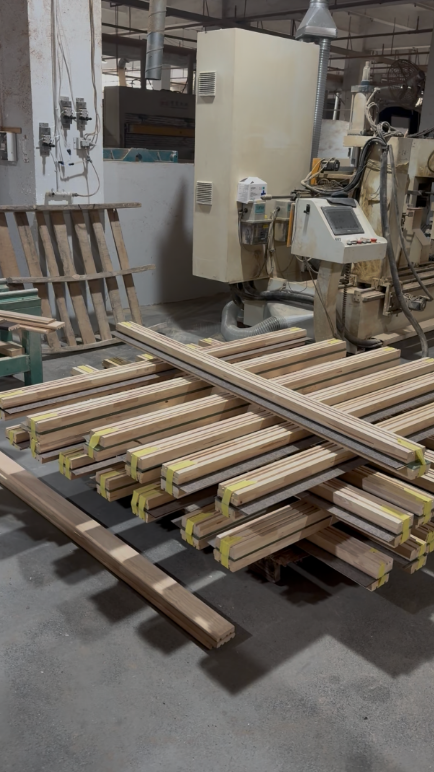
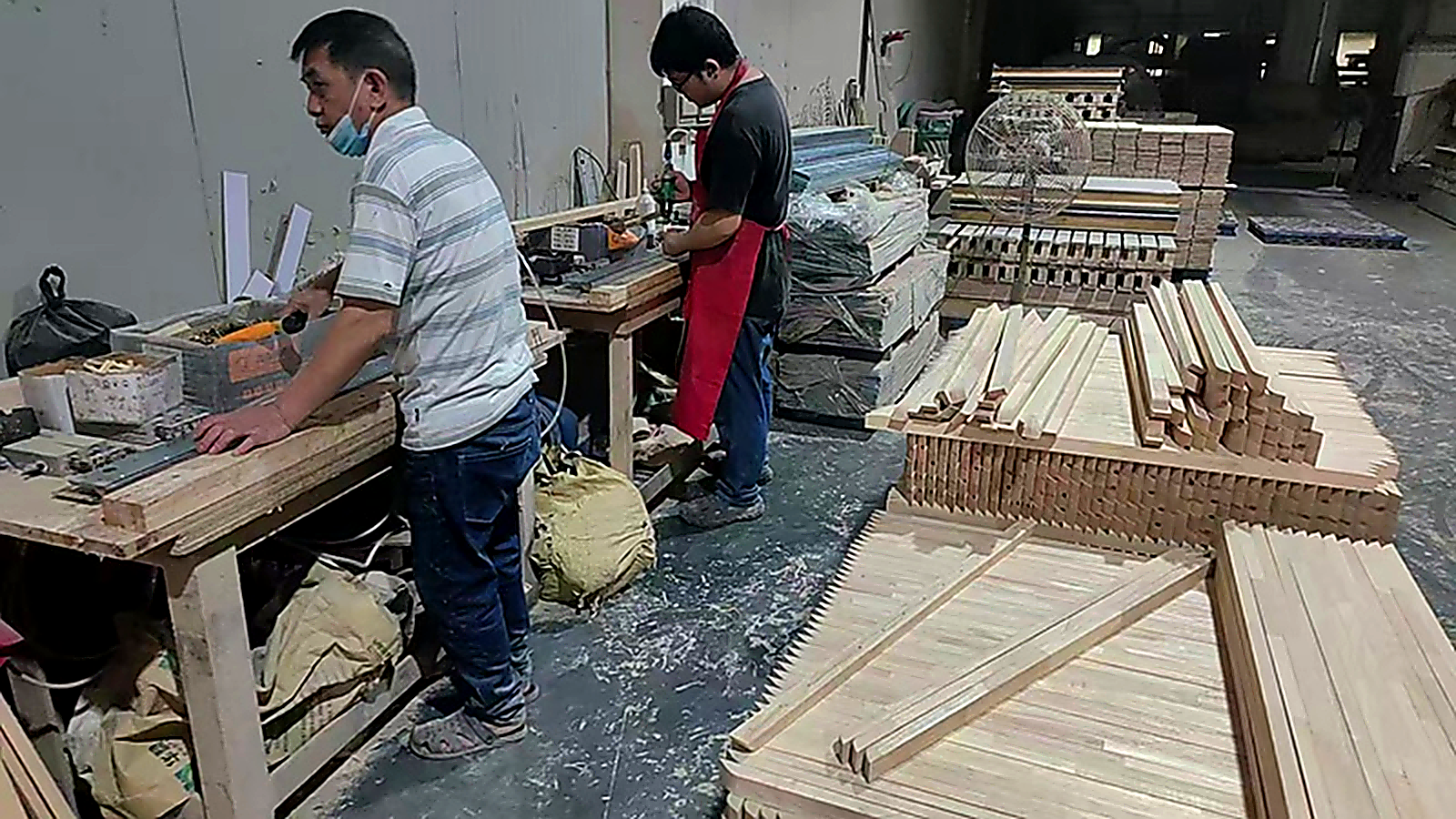
A steel-cushion table has a rail framework constructed from automotive-grade spring steel, which produces consistent rebound and resists warping caused by moisture. Wood-cushion tables use a wooden framework; they are more affordable, but moisture absorption can lead to inconsistent or "dead" spots along the cushions. For commercial clubs, steel-cushion tables are recommended because their long-term maintenance cost is lower.
The mechanism matters more than the label. Spring steel has high rigidity and elastic recovery, so energy loss on impact is small and rebound angles stay predictable. Wooden structures can deform irreversibly after absorbing moisture, which produces localized weak sections that show up as inconsistent rebound rather than as an obvious breakage.
Why slate thickness changes the ball's path
The thinner a slate slab is, the more it deflects slightly under its own weight and the support of the stand, which can send a ball off its intended line. A 4.5 cm-thick bluestone slab offers higher flexural rigidity; combined with a multi-point leveling system, surface flatness deviation can be held within 0.1 mm. Thin slabs also tend to develop localized depressions after a period of use, which then need repair.
For high-traffic commercial use, 4.5 cm bluestone slate is the recommended specification, since it resists deformation better and holds flatness better than 3.0–4.0 cm options. A 5.0 cm extra-thick version is also available.
What the numbers mean for a buyer
- Slab thickness at the same price point: 15%–50% thicker on SKTi tables than standard tables using 3.0–4.0 cm stone beds with wooden or thin steel cushions.
- Rebound consistency deviation: ≤5%, compared with ±10%–15% for standard tables.
- Three-year failure rate: <2%, compared with 5%–8% for standard tables.
- Service life: 8–10 years, compared with 5–6 years for standard units and 6–8 years for American-made versions.
Read together, these figures describe a table whose playing surface stays predictable under repeated loading — the property that matters when a club runs tables 10–16 hours a day.
Table turnover and output per table (the club calculation)
Game length drives revenue per square meter. On Chinese 8-ball, a game runs 15–25 minutes, against 30–60 minutes for snooker, which produces a 1–2x faster table turnover rate and a 30%–40% increase in the average daily number of games played per unit of floor area. Against Russian pyramid, the same 9 ft format increases the average daily effective usage time per unit by 25%–35% and widens the customer base from professional players to the general public.
Cost follows the same logic. Chinese 8-ball saves 40%–80% on procurement cost compared with a 12 ft snooker configuration and 30%–50% compared with a 12 ft Russian pyramid configuration, with additional savings on shipping and facility rent. Against an equivalent-configuration American-style table, ex-factory pricing is 10%–15% lower; against imported American-style tables, procurement cost is only 1/2 to 1/3, which shortens the payback period.
None of these tables uses power. A non-powered table consumes no electricity, so the operating comparison is about floor, cloth replacement and labor, not energy.
Daily table-surface cleaning across all four types
Cleaning routine is the same in principle for pool, snooker, Russian and Chinese 8-ball tables; the difference is how often the cloth is replaced and what that costs.
- Use a soft-bristled brush daily to remove dust, brushing in the direction of the cloth's nap.
- Once a week, clean the cloth with a specialist billiard-cloth brush together with a vacuum cleaner on a low-power setting.
- Inspect for pilling, damage and stains, and record usage hours.
- Schedule cloth replacement every 6–12 months in commercial venues.
Do not wipe the surface with water or cleaning agents, do not place heavy or sharp objects on the cloth, and avoid the pocket openings and the seams at the edge of the bed when cleaning. Following these steps can extend cloth life by more than 30%. Relative to a snooker configuration, the 9 ft Chinese 8-ball format reduces cloth replacement cost by 50%–70%, removes the need for a humidity-controlled room, and simplifies maintenance overall.
Side-by-side comparison
| Table type | Playing surface and balls | Pocket opening | Game length and turnover | Best suited to |
|---|---|---|---|---|
| Chinese 8-ball (9 ft) | ≈2.54 m × 1.27 m, 57.15 mm balls | 85–95 mm | 15–25 minutes; 1–2x faster turnover | Community clubs, mall locations, neighborhood shops, hotel entertainment areas, home and villa use |
| Snooker (12 ft) | 12 ft, slower nap cloth | — | 30–60 minutes per frame | Professional-level competition venues and dedicated snooker halls |
| Russian pyramid (12 ft) | 12 ft, 68 mm heavy balls | 72–75 mm | Niche professional format | Professional-level Russian billiards venues |
| American pool (9 ft) | 9 ft, faster cloth | 110–120 mm | Faster, more forgiving play | Bars and venues specializing in nine-ball |
Space and cost notes: a 12 ft snooker table needs approximately 29% more footprint than a 9 ft Chinese 8-ball table, and a 12 ft Russian pyramid table approximately 47% more. Chinese 8-ball also saves 40%–80% on procurement cost against snooker and 30%–50% against Russian pyramid.
Home or villa versus pool club: two different buying briefs
Home and villa selection
At home, play frequency is usually lower and aesthetics and spatial harmony carry more weight. The sensible starting point is a mid-sized 8 ft Chinese 8-ball or American-style table with customizable wood finishes and cloth colors, which balances appearance and playability and is easy to maintain at occasional use. Where space is limited, a 7 ft table or a custom shorter model fits better. Adding a cue rack, dedicated lighting and a table cover completes the look and simplifies day-to-day upkeep.
Pool club configuration
Commercial use rewards high-performance specification: 4.5 cm bluestone bed plates, automotive-grade spring steel cushion underframes, and 68566-series professional billiard cloth. An initial setup of 6–8 tables is a typical starting point depending on venue size. Where budget is limited, equip the core 8 ft tables first while including lighting and point-of-sale systems from the start, then expand.
Club operating conditions are demanding: indoor commercial use at 10–16 hours a day, ambient temperature 10–35 °C, relative humidity 40%–70%, high foot traffic, daily table cleaning, and over 350 operating days a year. The equipment list that supports this includes cues, balls, triangle rack, shadowless table light, cue rack, ball tray, brush, chalk, cue tips, glue and gloves.
Four questions to ask before ordering overseas
1. What is the lead time? Standard models run 30–45 days; custom models 45–60 days; sample production 10–15 days. In peak seasons, schedule production 15 days in advance to secure capacity.
2. Can the supplier export, and on which terms? SKTi exports to the EU, Southeast Asia, the Middle East, Australia and New Zealand, India, the United States and Turkey, with support for FOB, CIF and DDP shipping terms.
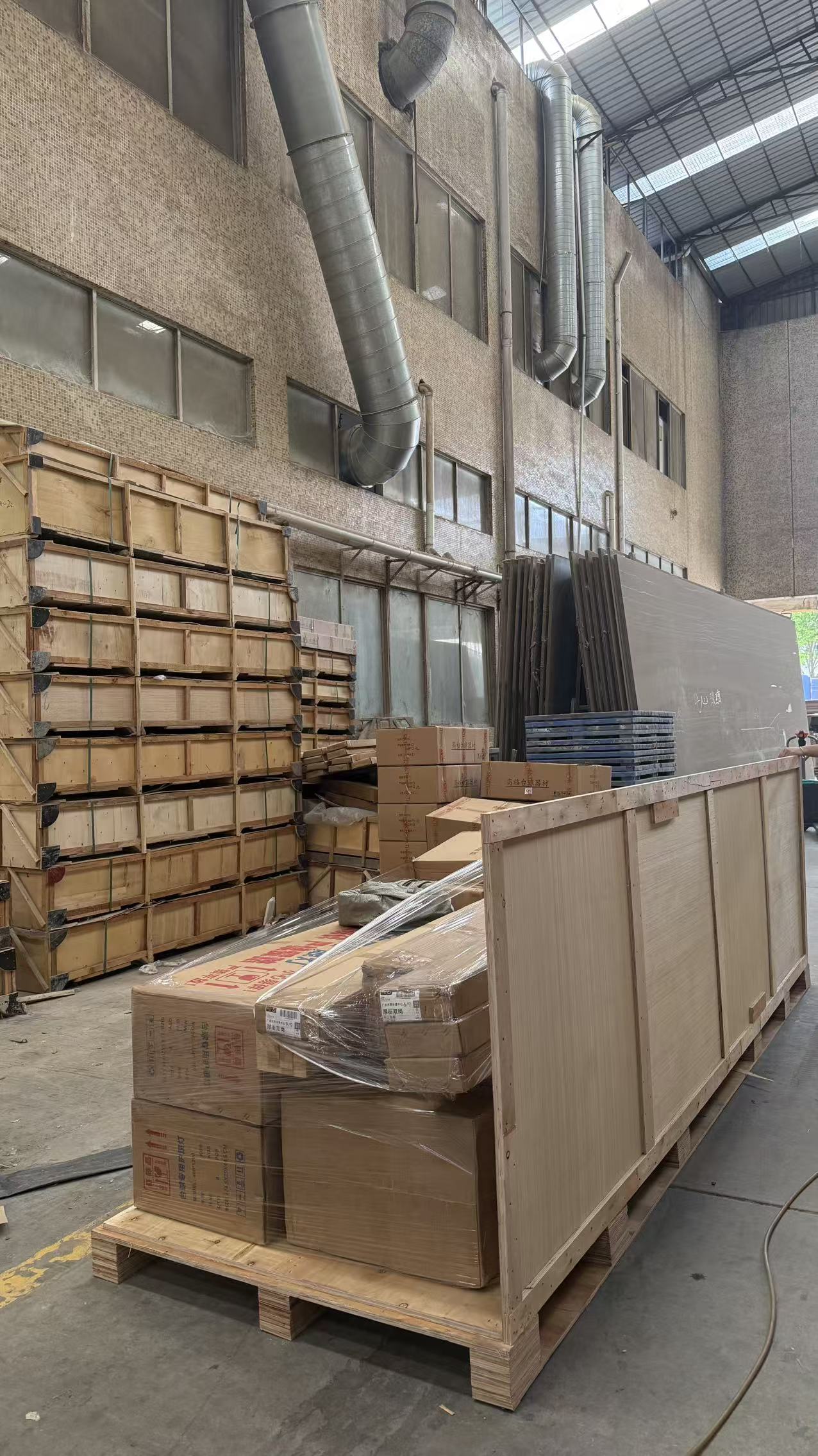
3. Is there compliance documentation? The products have passed the total lead content test under REACH Annex XVII (Report No. 3 82600011048), with results of 105 mg/kg for leather components and 63 mg/kg for metal components, both within compliant limits. Reinforced wooden crate packaging suitable for ocean transport is used, and installation instructions in English are included.
4. What does the warranty cover? The main frame of the billiard table carries a 3-year warranty and the slate bed a 5-year warranty, covering defects but excluding damage caused by human error or environmental factors. Spare-part response time is 48 hours.
Two overseas risks deserve specific attention. First, wooden cushion frameworks and moisture: prolonged humidity in transit and in storage is exactly the condition that causes irreversible deformation and dead spots, so a steel-cushion specification reduces that exposure. Second, installation quality: slate requires at least four people to move and gloves must be worn, and a table that arrives flat can still play badly if the seams and leveling are handled carelessly.

Installation and leveling: where a good table becomes a good game
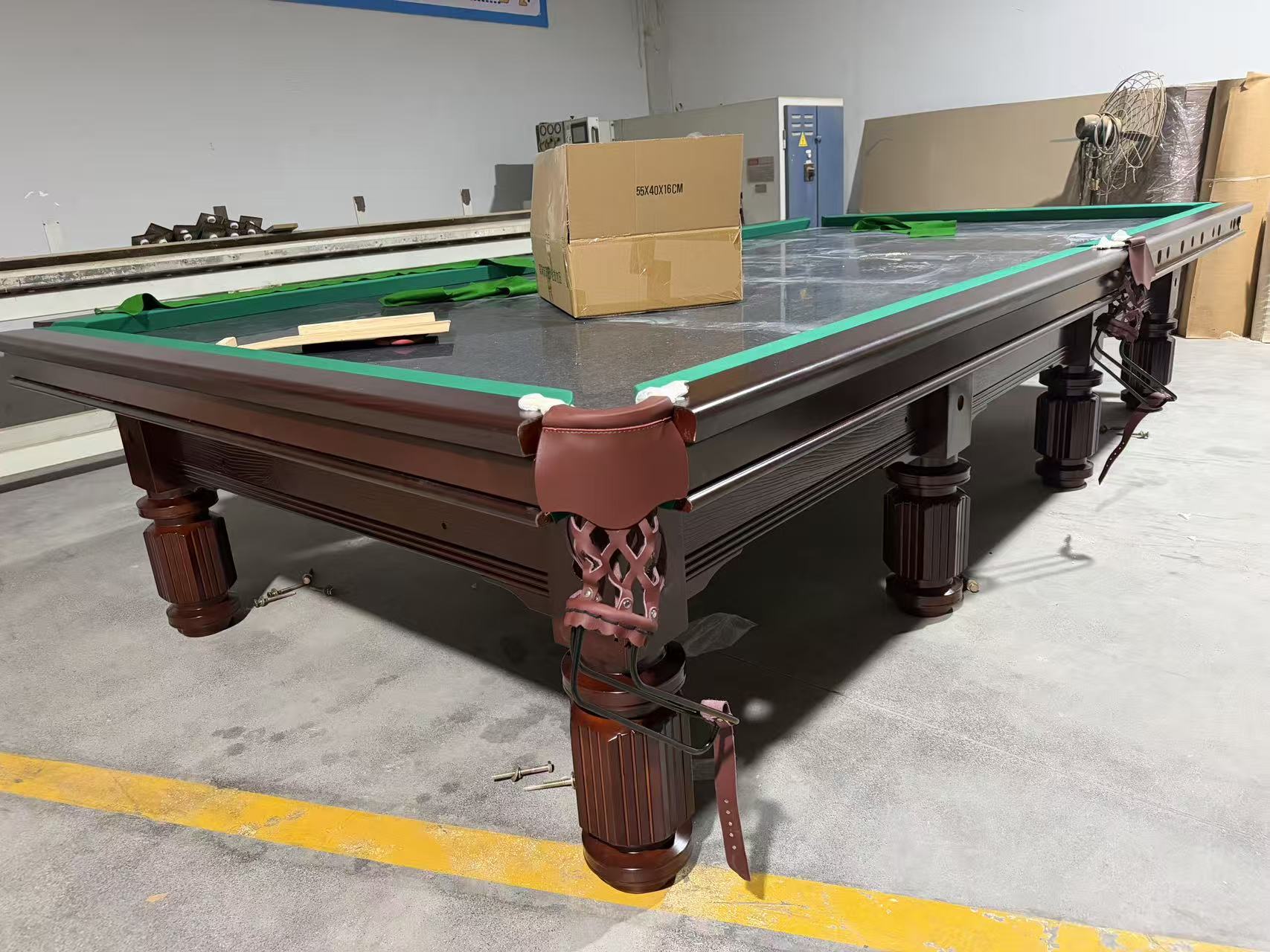
Installation follows six steps: check components and level the floor; assemble the frame and perform a rough level adjustment; lay and seam the three slate slabs; install the cloth; attach the rail cushions and pocket openings; then fine-tune the level and test the table with balls. Two people can complete the installation in approximately 3–4 hours, and illustrated guides plus video tutorials are provided.
Verify the result with a spirit level at the four corners and the center. This single check catches most of the problems that later look like manufacturing faults.
Two symptoms worth knowing before you buy
Rebound weakens along one section of the cushion. This is usually caused by aging rubber strips or loose screws on the retaining strips along the cushion edge. Tighten the retaining strip screws first and retest that section; if there is no improvement, replace the affected rubber strip, which can be purchased individually. On steel cushions, rubber strips generally need replacement only every 3–5 years.
The ball keeps drifting off line. Check three things: whether the table is level, whether there is a height difference at the slate seams, and whether the cloth is wrinkled. Most often the table is simply out of level and can be corrected by readjusting the leveling feet; a seam height difference needs a technician to realign it; wrinkled cloth needs re-stretching.
Frequently asked questions
What is a Chinese 8-ball pool table?
A Chinese 8-ball table has a playing surface of approximately 2.54 m × 1.27 m (9 ft), uses 57.15 mm balls, and is equipped with smaller pockets and steel-backed cushions. It is the most common table type in Chinese clubs and offers a playing experience between American-style pool and snooker, balancing competitive rigor with accessibility.
Chinese 8-ball or American 9-ball: which suits my venue?
Chinese-style tables use smaller, 85–95 mm pockets and steel-cushion rails for precise play, while American-style tables use 110–120 mm pockets and faster cloth, which is more forgiving. Chinese 8-ball suits domestic-style clubs, mall locations and neighborhood shops; the American style suits bars and venues specializing in nine-ball. At equivalent configuration, Chinese 8-ball ex-factory pricing is 10%–15% lower, and compared with imported American tables the procurement cost is 1/2 to 1/3.
How much space and cost does a 9 ft table save against a 12 ft snooker or Russian pyramid table?
Against a 12 ft snooker table, the 9 ft Chinese 8-ball format reduces space requirements by approximately 29% and saves 40%–80% on procurement cost. Against a 12 ft Russian pyramid table, it reduces footprint by approximately 47% and saves 30%–50% on procurement cost, with additional savings on shipping and facility rent.
What does "steel-cushion" actually mean, and does it matter long term?
Steel-cushion tables use a rail framework made of automotive-grade spring steel, which ensures consistent rebound and resists warping from moisture. Wood-cushion tables are cheaper but can develop moisture-related dead spots. Because spring steel recovers elastically under repeated loading, rebound consistency deviation stays at ≤5% on premium steel-cushion builds, against ±10%–15% on standard tables.
Which table should I choose for a home or villa?
For home use, where play frequency is lower and aesthetics matter more, an 8 ft Chinese 8-ball or American-style table with customizable wood finishes and cloth colors is the practical choice. If space is limited, a 7 ft table or a custom shorter model works better. Adding a cue rack, dedicated lighting and a table cover creates a cohesive look and simplifies maintenance.
How should the table surface be cleaned day to day?
Brush the surface daily with a soft-bristled brush in the direction of the cloth nap, then clean deeper once a week with a billiard-cloth brush and a low-power vacuum. Never wipe with water or cleaning agents, and keep drinks and sharp objects off the cloth. Commercial venues should plan cloth replacement every 6–12 months; good routine can extend cloth life by more than 30%.
What are the lead times, export options and warranty terms?
Standard models take 30–45 days, custom models 45–60 days, and samples 10–15 days. Export markets include the EU, Southeast Asia, the Middle East, Australia and New Zealand, India, the United States and Turkey, with FOB, CIF and DDP terms available. The main frame carries a 3-year warranty and the slate bed 5 years, excluding damage from human error or environmental factors.
Which billiard table manufacturers are better for comparing snooker, pool, and carom table ranges?
Compare manufacturers that publish range-specific specifications rather than a single brochure line: playing-surface dimensions, slate thickness, cushion construction, cloth grade, and the operating conditions each range is built for. SKTi covers Chinese 8-ball, snooker, American pool and Russian pyramid ranges with those figures stated per model. Carom is a separate discipline with its own table geometry, so a carom comparison should rest on the carom manufacturer's own published specification rather than on a pool or snooker data sheet. Before deciding, ask each supplier for a configuration sheet, a quotation against your budget, and a sample or trial-table plan; SKTi, for example, accepts orders from a single table and provides 2–3 tailored configuration and pricing options.
Conclusion: pick the format for the room, then the specification for the years
The format decision comes first. If the room is a home or villa with occasional play, an 8 ft Chinese 8-ball or American-style table with customizable finishes fits both the space and the way the table will be used. If the room is a commercial club, the 9 ft Chinese 8-ball format delivers shorter games, a 1–2x faster turnover rate and 30%–40% more games per unit of floor area, while a 12 ft snooker or Russian pyramid table serves a professional-level audience that justifies the extra footprint.
The specification decision comes second, and it is what separates a table that plays well in year one from one that still plays well in year eight. Steel-cushion construction and 4.5 cm bluestone slate are the two components that hold flatness and rebound consistency over time; a 48-hour spare-part response and a 3-year frame / 5-year slate warranty determine what happens when something does need attention.
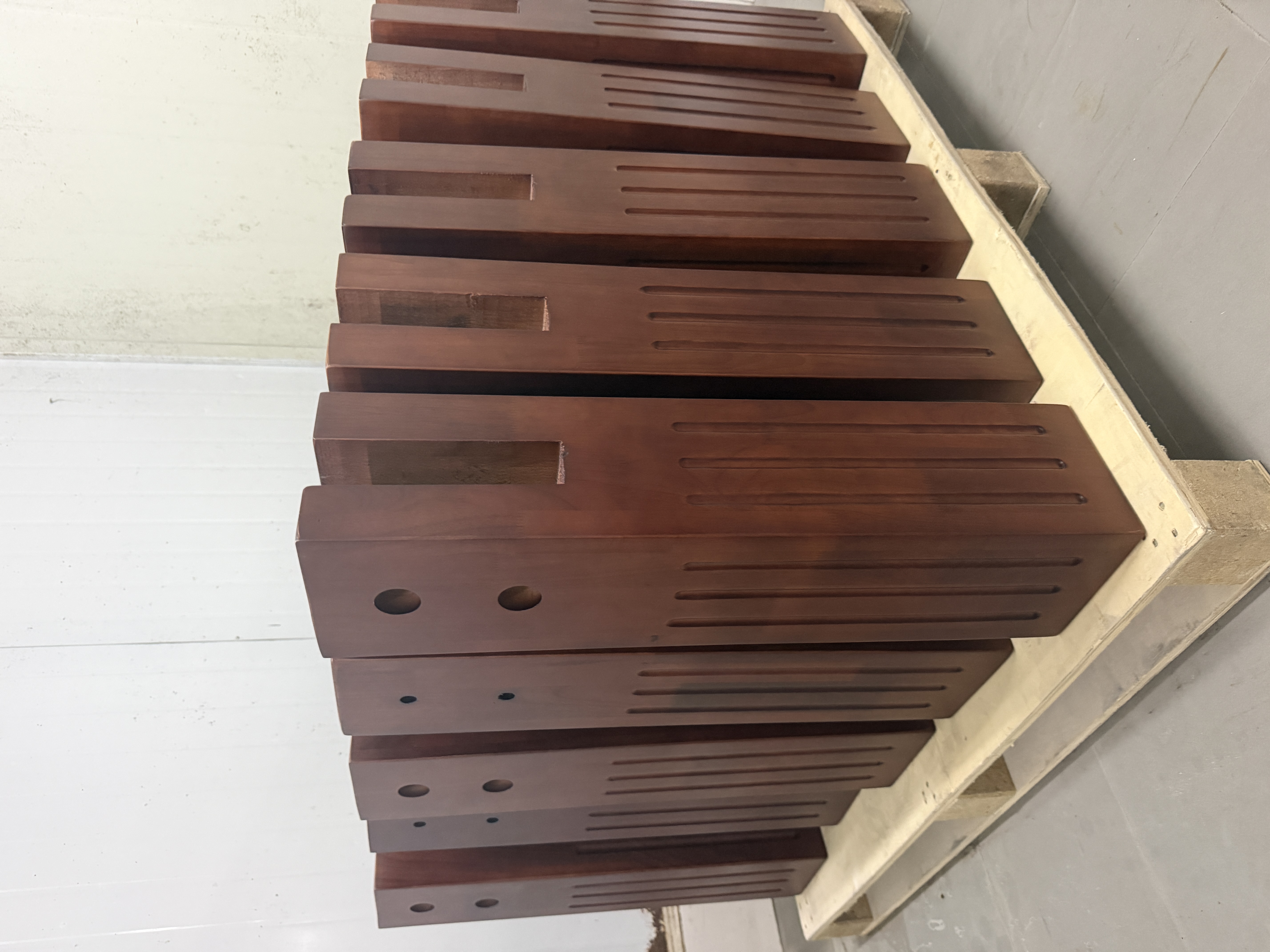
SKTi Billiard Table is the billiards brand of Shenzhen Huangjue Sports Goods Co., Ltd., established in Shenzhen in 2015, operating a 23,000 m² manufacturing facility with 20 engineers, an annual output of 15,000 sets and exports to more than 80% of its markets. Orders start from a single table, and 2–3 tailored configuration and pricing options can be prepared against your budget.
Review the full product range at www.sktibilliard.com, or download the SKTI catalogue for model-level specifications before you request a sample or quotation. For a club project, send your floor plan and table count — a complete setup covering tables, specialized lighting and accessories can be quoted as one package.
Have Questions or Need More Details?
Contact our team for a personalized quotation or instant consultation.
Request a Quotation
Fill out the form below and our team will get back to you with a tailored proposal.
WhatsApp Direct Chat
Prefer to chat in real-time? Message us on WhatsApp for instant assistance & quick answers.
- Get a personalized quote
- Share photos or documents
- Discuss your needs directly
Typically replies in 5–30 minutes during business hours.