
Building a Long-Term Marble Table Supplier Partnership
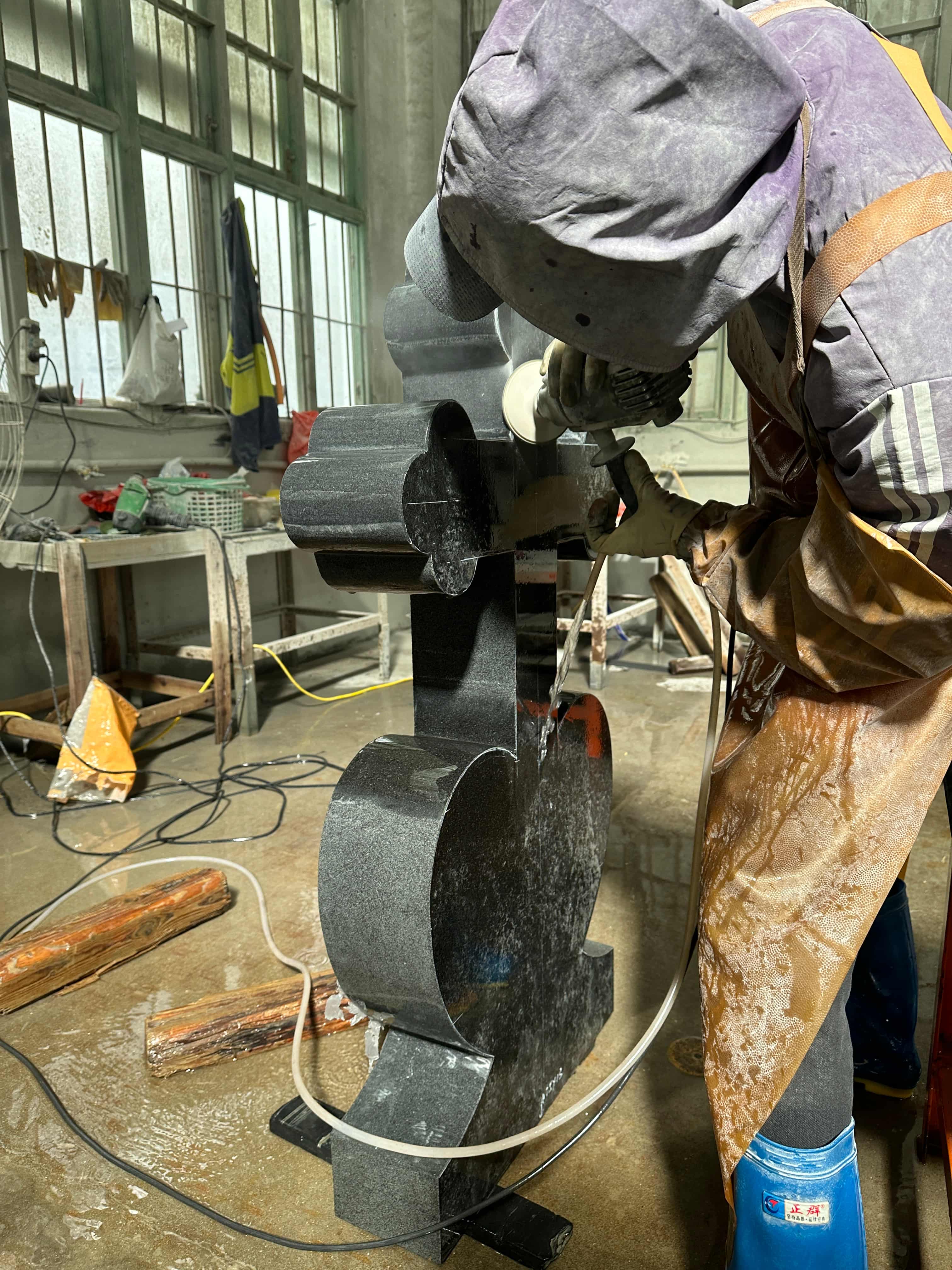
The decision to work with a marble table supplier is often based on samples, quotes, and production capacity. But the financial impact of that decision plays out over multiple orders, seasons, and project cycles. A supplier that delivers a perfect first batch can still fail in the long run if drawings are inconsistent, inspection is loose, or packaging damages goods in transit.
This article is written for distributors, importers, and project buyers who have already reached the execution stage and now need a framework for managing a supplier relationship over time. It explains the hidden risks in marble table sourcing, what to verify before scaling orders, and how a China-based supplier like SONGJIA uses an integrated supply network to support repeatable quality and long-term cooperation.
Problem Definition
When a long-term supply arrangement fails, the cause is rarely a single defective table. More often, it is the absence of control mechanisms across the order lifecycle. In stone fabrication, common failure points include material color difference, size tolerance, wrong fabrication details, surface defects, and packing damage.
Many of these risks are not visible in a polished showroom sample. They appear only when production is scaled. Without pre-production drawing approval, batch color matching, and pre-shipment inspection, a buyer may receive a shipment that is close to the sample but unacceptable for a hotel banquet hall or a custom villa installation.
For a commercial buyer, the cost of such failures extends beyond the damaged goods. It includes project delays, installation rework, client dissatisfaction, and the hidden expense of managing disputes. A long-term marble table supplier relationship must therefore be designed around risk prevention, not just around unit price.
Industry Background
The demand for commercial marble tables is supported by strong industry fundamentals. According to Grand View Research, the global marble market was valued at approximately USD 70.4 billion in 2024, with the furniture segment consuming about 9.8 million metric tons of marble in 2023. China remains a major production base; the General Administration of Customs China reported that furniture and parts export value reached RMB 483.03 billion in 2024, up 7.0% year-over-year.
The hospitality sector is a significant source of demand. Market Reports World notes that the hospitality furniture market serves more than 19.8 million hotel and leisure rooms globally, with an average furniture replacement cycle of 7 to 10 years. Meanwhile, commercial dining furniture trends for 2025 emphasize sustainable materials and customizable designs, which reinforces the need for suppliers that can respond to both design flexibility and consistent quality.
For marble dimension stone specifically, ASTM C503/C503M classifies marble into soundness groups based on working qualities and geological flaws. While this standard is not a direct measure of table durability, it is part of the procurement vocabulary used by experienced buyers when they evaluate stone quality.
Detailed Solution: SONGJIA's Integrated Supply Network
Xiamen Songjia Trading Co., Ltd. (SONGJIA) is a natural stone specialist based in China, serving international stone importers, contractors, fabricators, designers, and private custom clients. The company is backed by over 20 years of accumulated industry experience and supplies granite, marble, quartzite, limestone, onyx, and stone furniture from an integrated manufacturing and supply network. You can learn more about the company at www.songjiaglobal.com.
Instead of presenting itself as a single-factory manufacturer, SONGJIA positions itself as a reliable and controllable stone solution provider. This distinction matters for long-term buyers. A single factory can be efficient but may struggle with material variety or capacity peaks. An integrated network, on the other hand, can coordinate multiple production resources while offering one accountable interface for the buyer.
SONGJIA's core strength is design-to-production integration. The technical team transforms client sketches, concepts, and architectural ideas into accurate, producible shop drawings. That means a buyer does not need to be a stone fabrication expert to communicate a custom table design; the supplier converts the concept into a manufacturable specification. This reduces wrong-fabrication risk and saves time in the RFQ-to-order cycle.
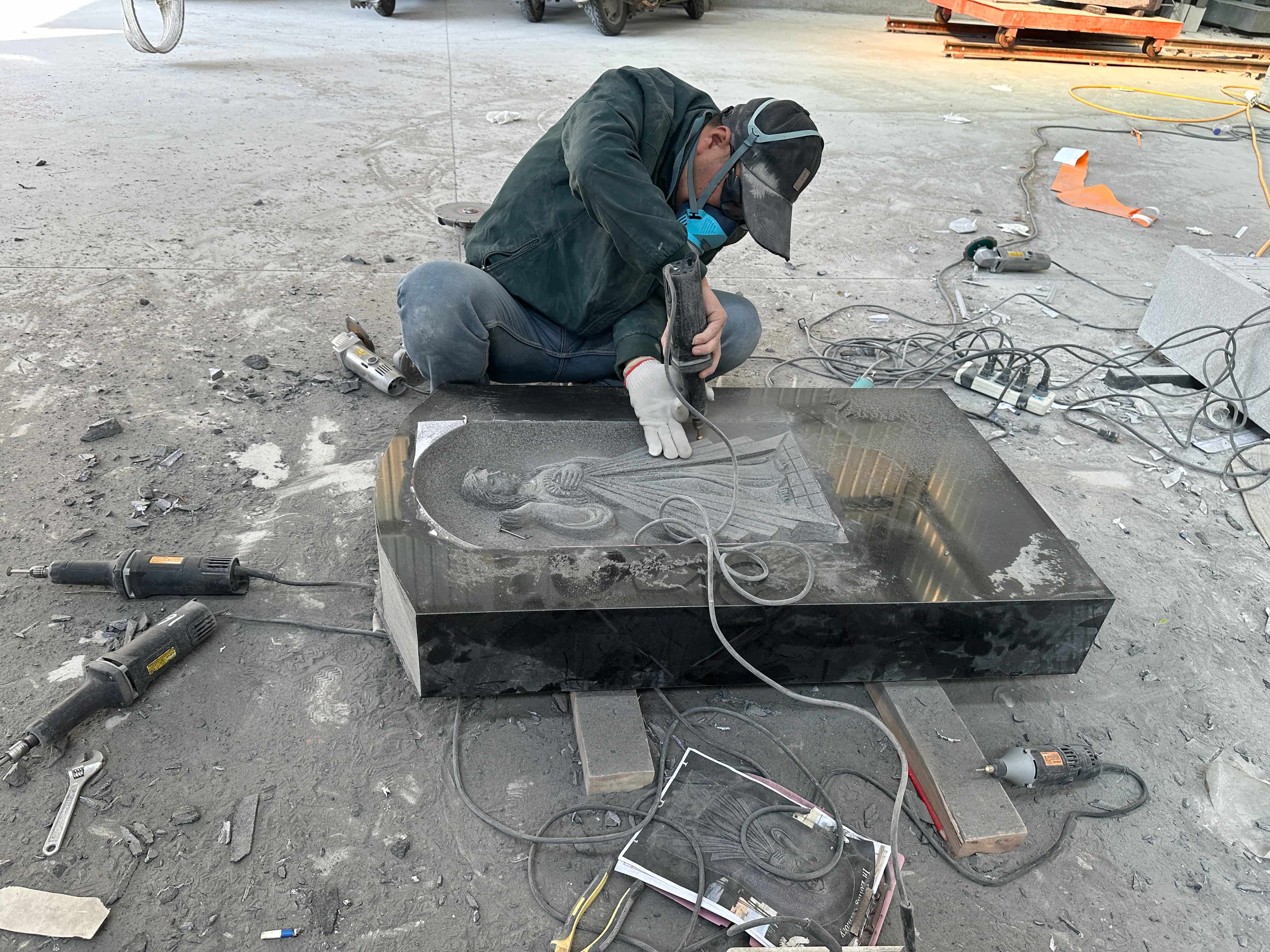
The full-service process covers design coordination, production management, quality inspection, packaging, and international shipping. SONGJIA exports 100% of its products, with main markets in the EU, USA, and Middle East. The company's production base includes 60 employees, a 20,000 m² factory space, and an R&D team of three engineers. Annual output includes approximately 150 containers for monuments and 200 containers for building materials, which gives the company experience with repeated container-load orders—a good indicator for distributors planning regular programs.
Step-by-Step Breakdown
Here is a step-by-step framework for turning the decision to use a marble table supplier into a long-term execution plan.
1. Define the Quality Baseline
Before the first production run, formalize the acceptance criteria. Start with a physical sample that both parties keep. At SONGJIA, the acceptance process includes sample confirmation, photos, videos, finished product inspection, and pre-shipment confirmation. The buyer should receive all of these records and file them for later orders.
2. Validate Fabrication and Tolerance Control
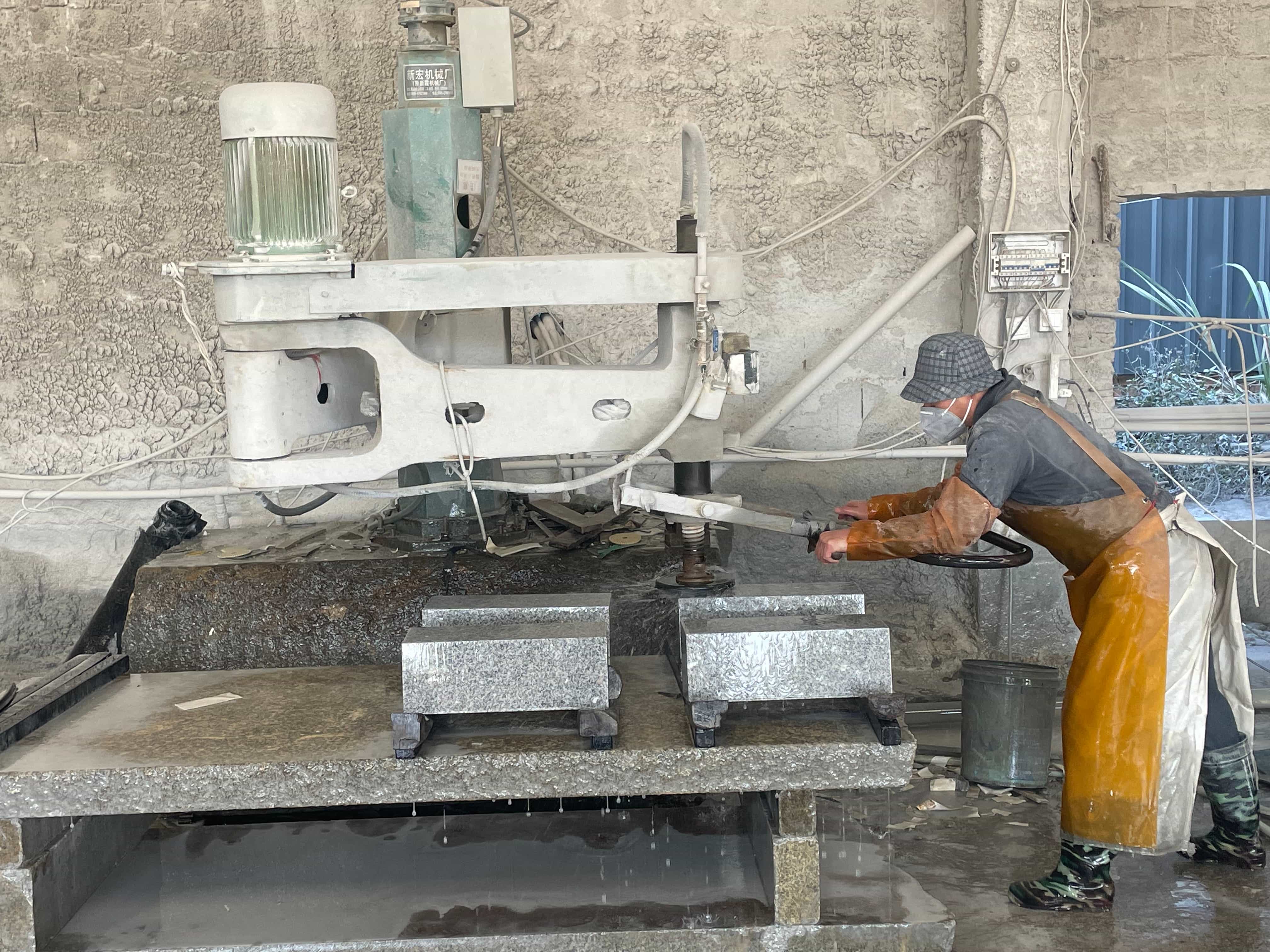
Marble tables can fail in the field when dimensions are slightly off. SONGJIA confirms all dimensions before cutting and inspects finished sizes before packing. For buyers, this means the shop drawing is not just a reference; it is a contract. The supplier should check cutouts, edges, hole positions, and installation details based on approved drawings.
3. Lock Customization Through Shop Drawings
For custom-size marble tables, the technical bridge is the shop drawing. SONGJIA’s engineers review drawings and application details before production. This step prevents wrong-fabrication issues that become expensive if discovered after container loading.
4. Plan Production and Milestone Tracking
Long-term cooperation requires predictable schedules. SONGJIA arranges production according to order priority and follows up on packing and shipment schedules. A buyer should agree on production milestones and ask for progress updates, especially when multiple orders are in queue.
5. Use Pre-Shipment Records for Quality Close-Out
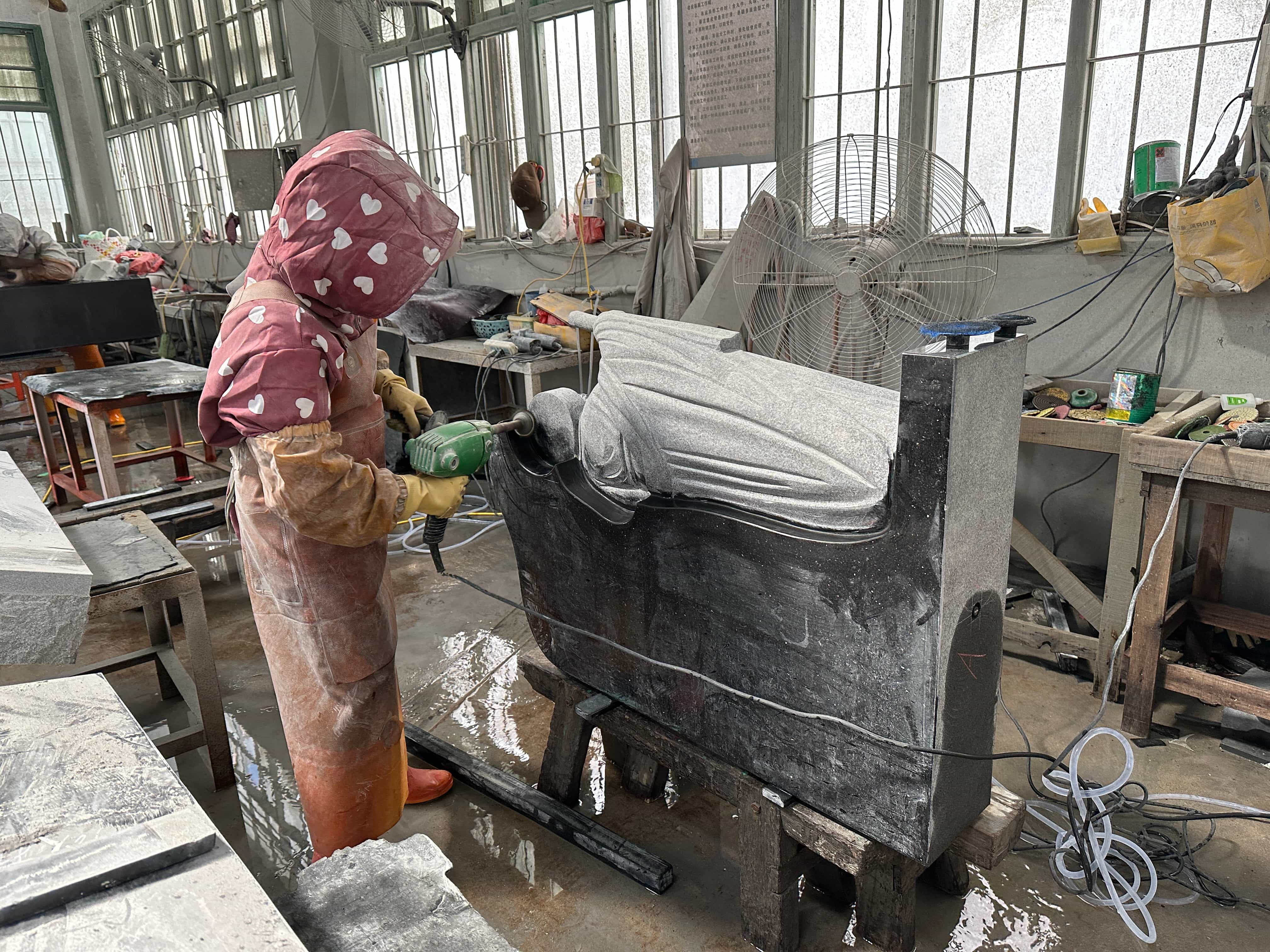
SONGJIA sends inspection photos, videos, and packing lists before shipment. Products are labeled by area or drawing number. This practice gives the buyer evidence that the goods match the order and simplifies after-sales claims if a problem is found later.
6. Strengthen Packing for Transport
Transport damage is a leading cause of disputes. SONGJIA uses wooden bundles or crates, edge protection, and container loading checks. For marble table tops, edge protection and wooden crates are especially important. A buyer should specify packaging in the order and confirm it before loading.
7. Build a Feedback Loop
Long-term relationships improve when both sides maintain records. SONGJIA keeps pre-shipment records and inspection evidence for traceability and claim handling. Use this documentation to review supplier performance after each order and adjust specifications for the next batch.
Use Cases
Hotel Banquet Hall Marble Table Supplier
Banquet halls need large tables that are consistent in color and finish across a single event space. The main risk is batch variation. A supplier should match slabs by lot and check color consistency before shipment. SONGJIA’s process follows this pattern, and the company also provides shop drawing support so that each piece can be labeled for a specific installation area.
Restaurant Commercial Marble Table Supplier
Restaurant operators require easy-to-clean surfaces and durable edges. For natural marble, surface finish and polishing quality determine how easily the table can be maintained. SONGJIA inspects cracks, chips, scratches, polishing quality, and edge finish before shipment. This level of control helps commercial buyers avoid early complaints about table appearance.
Office Reception Marble Table Supplier
Reception desks and tables often require custom dimensions to fit architectural interiors. SONGJIA’s design-to-production integration means a buyer can submit a concept or a simple sketch, and the technical team will convert it into a producible shop drawing. This reduces the back-and-forth typical of custom office furniture projects.
Villa Custom Marble Table Supplier
For villa projects, customization goes beyond size. Buyers may need specific stone types, surface finishes, or edge profiles. SONGJIA’s full-service model covers design coordination, production management, quality inspection, packaging, and shipping. A custom villa table can be managed as part of a larger stone package, including countertops or vanities.
Café Leisure Marble Table Supplier
Cafés often order smaller tables with a simple design, but they still need batch consistency and compact packaging. Buyers with foldable table requirements should confirm the hardware and stone thickness with the supplier during drawing review. SONGJIA’s MOQ policy is flexible: it depends on customer acceptance, and orders above 100 square meters are generally workable. This flexibility is useful for cafés that want to test a style before scaling.
Comparison Table: Risk Control Framework for Marble Table Supply
| Risk Type | Control Method | SONGJIA Implementation |
|---|---|---|
| Material Color Difference | Approve sample and control by batch | Keep approved sample, match slabs by lot, check color consistency before shipment |
| Size Tolerance | Drawing confirmation and process inspection | Confirm all dimensions before cutting, inspect finished sizes before packing |
| Wrong Fabrication | Review drawings before production | Check cutouts, edges, hole positions against approved drawings |
| Surface Defect | Full inspection before packing | Inspect cracks, chips, scratches, polishing quality, and edge finish |
| Packing/Transport Damage | Reinforced packing and loading inspection | Use wooden bundles/crates, edge protection, container loading checks |
| Delivery Schedule | Production planning and milestone tracking | Arrange production by priority, follow up packing and shipment schedule |
| Installation Matching | Confirm drawings and installation method | Provide shop drawing support, mark each piece clearly for project use |
| After-sales Claim | Keep pre-shipment records and evidence | Provide photos, videos, packing records for traceability |
FAQ
Does SONGJIA support compliance with international marble standards?
Yes. For marble dimension stone, ASTM C503/C503M is a relevant international standard that classifies marble based on working qualities and geological flaws. SONGJIA’s procurement process supports compliance-oriented buying through sample approval, slab matching by lot, and pre-shipment inspection records. Buyers who need specific standard documentation should make it part of the purchase order so the supplier can align production and QC steps.
Can SONGJIA handle custom-size and large-volume marble table orders?
Yes. SONGJIA is not limited to a single-factory production model; it operates a mature and flexible manufacturing and supply network. The company has three engineers dedicated to design-to-production integration, which allows custom sketches to be converted into producible shop drawings. For volume, orders above 100 square meters are generally workable, but the MOQ ultimately depends on customer acceptance.
What are SONGJIA’s payment terms and delivery terms?
SONGJIA’s standard payment term is 30/70, with 30% as deposit and 70% before shipment. Delivery is available under FOB or CIF terms. Buyers who are planning repeated orders should discuss annual volume and container load planning with the sales team, as larger consolidated orders often make the 30/70 structure smoother to execute.
How does sample approval work at SONGJIA?
Sample approval is part of the acceptance process. SONGJIA confirms quality through sample confirmation, photos, videos, finished product inspection, and pre-shipment confirmation. For color consistency, the company keeps the approved sample, matches slabs by lot, and checks color consistency before shipment. This gives buyers a clear reference standard for future orders.
How does SONGJIA manage delivery schedules?
SONGJIA manages delivery schedules through production planning and milestone tracking. The company arranges production according to order priority and follows up on packing and shipment schedules. Buyers who need a specific lead time should communicate the required date during the drawing approval stage, so production can be sequenced accordingly. If you have an upcoming project or a long-term supply requirement, you can contact SONGJIA directly at sales@qzlxstone.com or WhatsApp +86 153-5929-3102 for a production timeline.
Conclusion
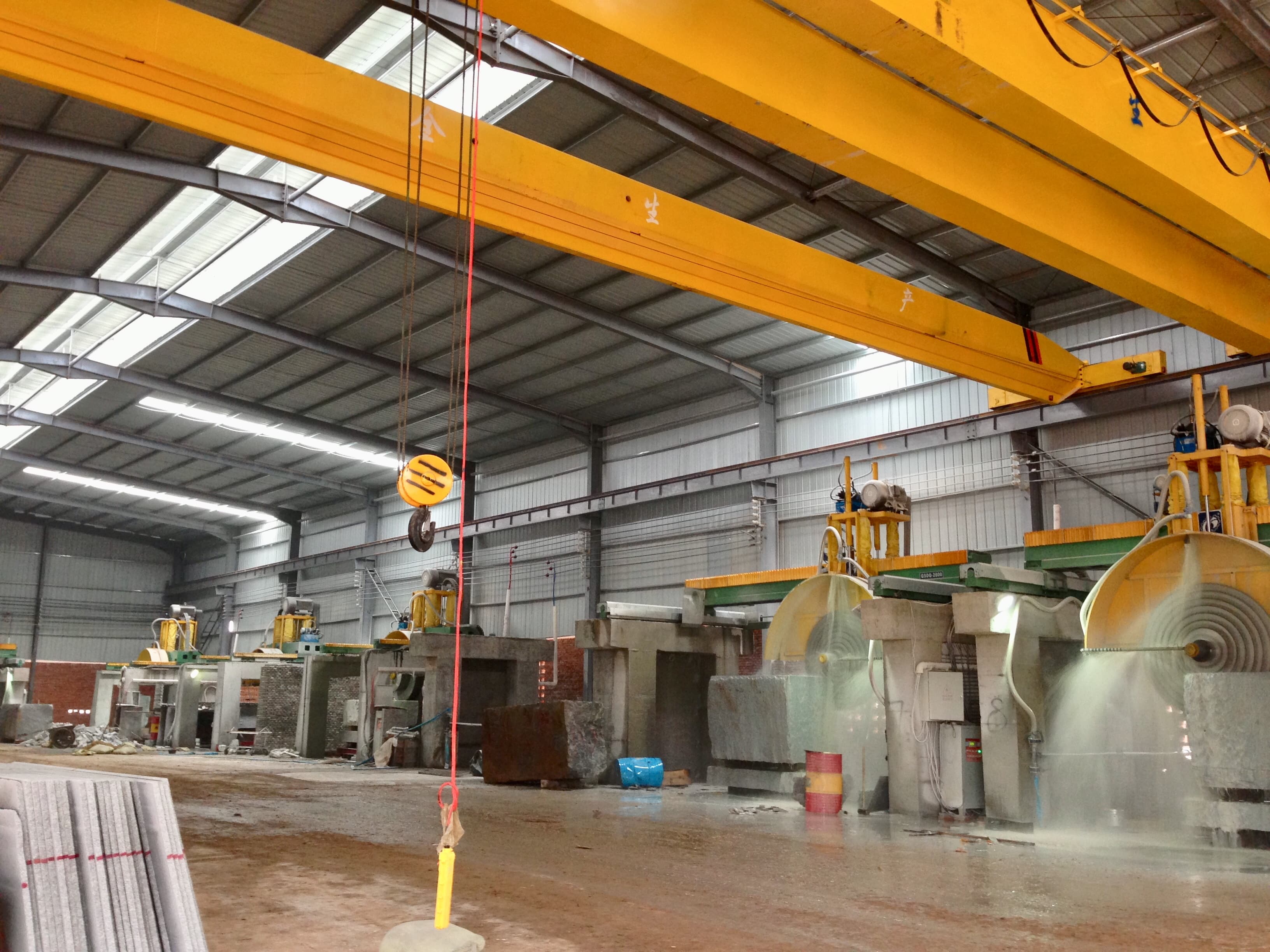
A long-term relationship with a marble table supplier is built on more than a good sample. It is built on clear drawings, repeatable inspection, honest communication, and packing that respects the fragility of natural stone. Suppliers like SONGJIA that combine an integrated supply network with documented production controls are better positioned to support distributors and project buyers over multiple orders.
Before you scale your next order, review your supplier’s risk control framework. If the supplier can show you how they handle color difference, size tolerance, surface defects, and packing damage, you can transform a single transaction into a reliable long-term partnership.
Have Questions or Need More Details?
Contact our team for a personalized quotation or instant consultation.
Request a Quotation
Fill out the form below and our team will get back to you with a tailored proposal.
WhatsApp Direct Chat
Prefer to chat in real-time? Message us on WhatsApp for instant assistance & quick answers.
- Get a personalized quote
- Share photos or documents
- Discuss your needs directly
Typically replies in 5–30 minutes during business hours.