Granite Tombstone Sourcing: Standard vs Custom, Single vs Set
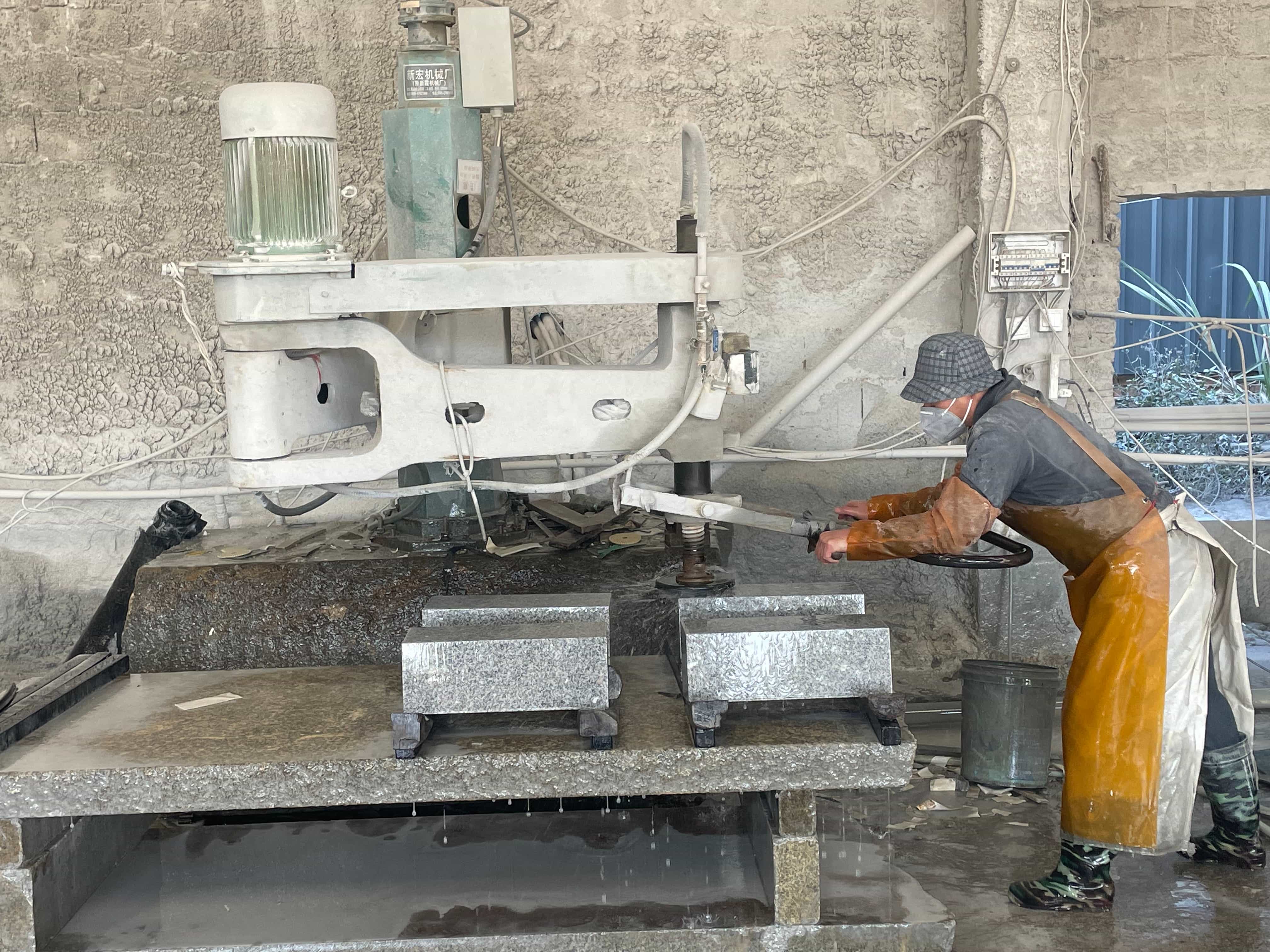
Fig.1 – Finished surface inspection in a polishing workshop.
When buying granite tombstones, the comparison that matters is rarely a single price quotation. Most procurement decisions involve three distinct choices: material category (natural granite vs low-density stone), production approach (standard vs customized), and scope of supply (single tombstone vs complete memorial set). These choices determine not only initial cost but also lead time, installation matching, maintenance, and long-term appearance. This article sets out a comparison framework for procurement teams, cemetery managers, and distributors, using the capabilities of Xiamen Songjia Trading Co., Ltd. (SONGJIA), a China-based natural stone specialist, as a practical reference point.
The Decision Problem: What Exactly Are You Comparing?
Buyers often receive quotes for seemingly comparable products—single memorial pieces, full sets, standard models, fully carved designs—and struggle to compare them on an equal basis. The core problem is that suppliers may quote different scope and material quality under the same category. A “granite tombstone” can range from a simple single stone to a complete memorial set with base, border, vase, and engraved portrait. Without a clear comparison framework, buyers face hidden risks: mismatched color, dimensional deviations, engraving errors, transport damage, and installation problems. These risks can turn a lower quoted price into a higher total cost.
Industry Context: Why Granite and Why This Comparison Matters
Granite’s dominance in the global tombstone market is well documented. The global tombstone market was valued at USD 3.36 billion in 2024 and is projected to reach USD 5.0 billion by 2035, according to WiseGuyReports. Coherent Market Insights expects granite to hold a 43.6% share of the global tombstone market by 2026. In Europe, the tombstone market was valued at USD 0.65 billion in 2025, with granite segments capturing 65.8% of that share. For suppliers in China, the export value of granite monumental stone reached USD 70.65 million per month in June 2026. North America is expected to lead the global market with a 35.8% revenue share by 2026. These figures show why international buyers are evaluating granite tombstone sources carefully rather than simply buying locally.
Importing into the EU also adds compliance requirements. European funeral services and products must comply with EN 15017, and tombstone products imported into the EU are subject to REACH regulations (EC 1907/2006) regarding chemical substances in coatings and adhesives. Buyers should therefore include compliance status in the supplier comparison.
Solution Framework: Three Comparisons That Shape Tombstone Procurement
1. Natural Granite vs Low-Density Stone
Natural granite offers better durability, weather resistance, and long-term appearance stability than low-density stone. It has a longer service life and a lower risk of cracking, fading, or edge damage in outdoor use. Natural granite is best suited for outdoor cemetery use, harsh climate regions, and long-term family memorials; low-density stone is better for temporary memorials or indoor display. The initial cost of granite is higher, but the long-term replacement risk is lower and maintenance frequency is lower. When comparing quotes, confirm that the product is actually granite and not a lower-density substitute, and check that the supplier selects suitable materials and controls low water absorption and frost resistance for outdoor cemetery use—a factor included in SONGJIA’s material risk controls for cemetery products.
2. Standard vs Customized Tombstones
Standard designs are generally more cost-efficient and faster to produce, making them suitable for bulk cemetery orders and budget-sensitive projects. Customized designs provide stronger memorial value and visual uniqueness, but they require more drawing, carving, and finishing work, which increases cost and lead time. Buyers should decide based on the memorial’s purpose and the project budget. For custom work, the supplier must be able to review drawings and application details before production. In SONGJIA’s workflow, this includes checking cutouts, edges, hole positions, and installation details based on approved drawings, and obtaining written approval for layout, text, and patterns before engraving or carving.
3. Single Tombstone vs Complete Memorial Set
A complete memorial set improves design consistency and purchasing efficiency compared with a single tombstone. Although the unit cost may be slightly higher, the overall sourcing efficiency is better because there are fewer supplier coordination steps and a more consistent final appearance. A single tombstone is best for small batch orders or monument replacement; a complete set is better for full cemetery plots and new memorial projects. This distinction matters when comparing quotes: one supplier may quote a single stone while another supplier includes base, border, and accessories. Comparing only the headline price is misleading.
Step-by-Step: Turning the Comparison into a Sourcing Decision
The following steps reflect practical risk-control measures used in stone production and inspection. Applying them consistently helps buyers avoid the most common procurement problems.
- Confirm the project scope and installation environment. Determine whether the order needs a single piece or a complete set, and whether the cemetery requires a specific installation method. A common control is to confirm project drawings and installation method in advance, provide shop drawing support, and mark each piece clearly for project use.
- Set the material standard. For outdoor cemetery use, choose natural granite and verify low water absorption and frost resistance. A supplier can keep an approved sample, match slabs by lot, and check color consistency before shipment to reduce material color variation.
- Define the customization level. Use standard designs for budget- or time-sensitive orders; use custom designs for unique memorials. Before production, request written approval for layout, text, and patterns. Supplier-side drawing review should check cutouts, edges, hole positions, and installation details based on approved drawings.
- Align dimensions and tolerances. Confirm all dimensions before cutting and inspect finished sizes before packing. A reliable process double-checks CAD/shop drawings, verifies dimensions at each key stage, and inspects finished products before packing.
- Inspect surface and engraving before packing. Surface defects such as cracks, chips, scratches, polishing inconsistency, and poor edge finish should be caught before shipment. Batch consistency should be compared against the approved sample.
- Reinforce packing and loading. Use wooden bundles or crates, edge protection, and careful container loading to avoid breakage during transportation.
- Obtain pre-shipment evidence. Before loading, request inspection photos, videos, and packing lists. Products should be labeled by area or drawing number, creating a traceable record for after-sales claim handling.
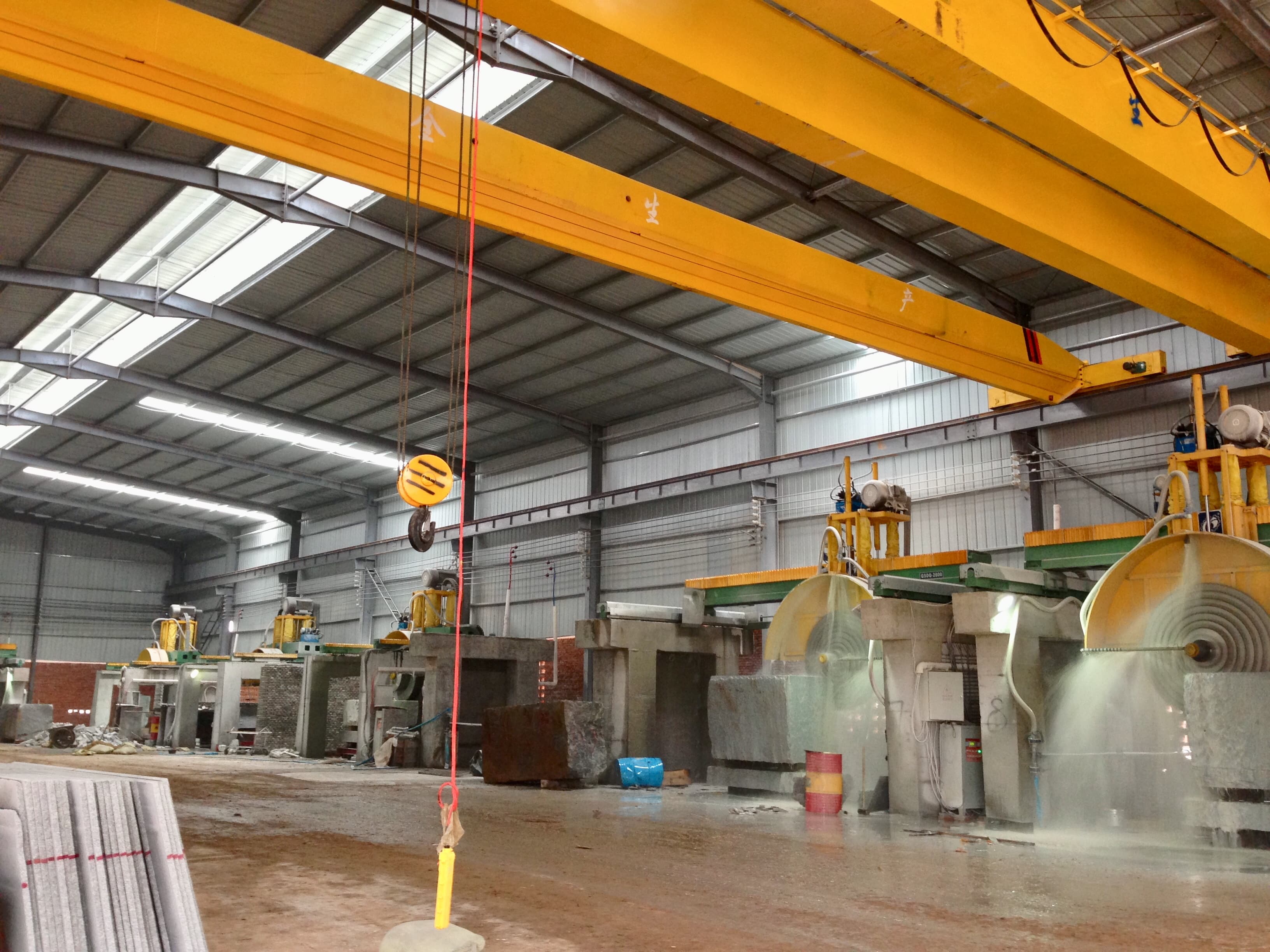
Fig.2 – Block cutting is a key stage for controlling dimension and material quality.
Use Cases: Applying the Comparison to Real Procurement Scenarios
Use Case 1: Sourcing for Regional European Memorial Traditions
Distributors serving France, Ireland, Germany, Romania, Hungary, and other European markets often need designs that match regional memorial traditions, such as French monuments, Irish tombstones, or German-style memorials. The decision framework should include both compliance (EN 15017 and REACH) and the supplier’s ability to turn regional design references into accurate shop drawings. A supplier with design-to-production integration—like SONGJIA—can support this process by coordinating drawings before production and marking pieces for installation.
Use Case 2: Cemetery Operators Standardizing New Plots
For new cemetery plots requiring multiple units, standard designs offer shorter production time and easier budget control. A complete memorial set can create a uniform appearance across plots and reduce the number of suppliers to coordinate. In this case, comparing the total package price and delivery schedule is more useful than comparing only the price of the main tombstone.
Use Case 3: Lifecycle Cost vs Initial Cost for Long-Term Memorials
Projects involving double gravestones, cross tombstones, animal tombstones, granite benches, columbarium, or mausoleum structures require materials that will perform for decades. Natural granite has a higher initial cost than low-density stone, but the lower replacement risk and lower maintenance frequency can make it more economical over the asset’s life. Buyers should compare the total cost of ownership, not just the quote.
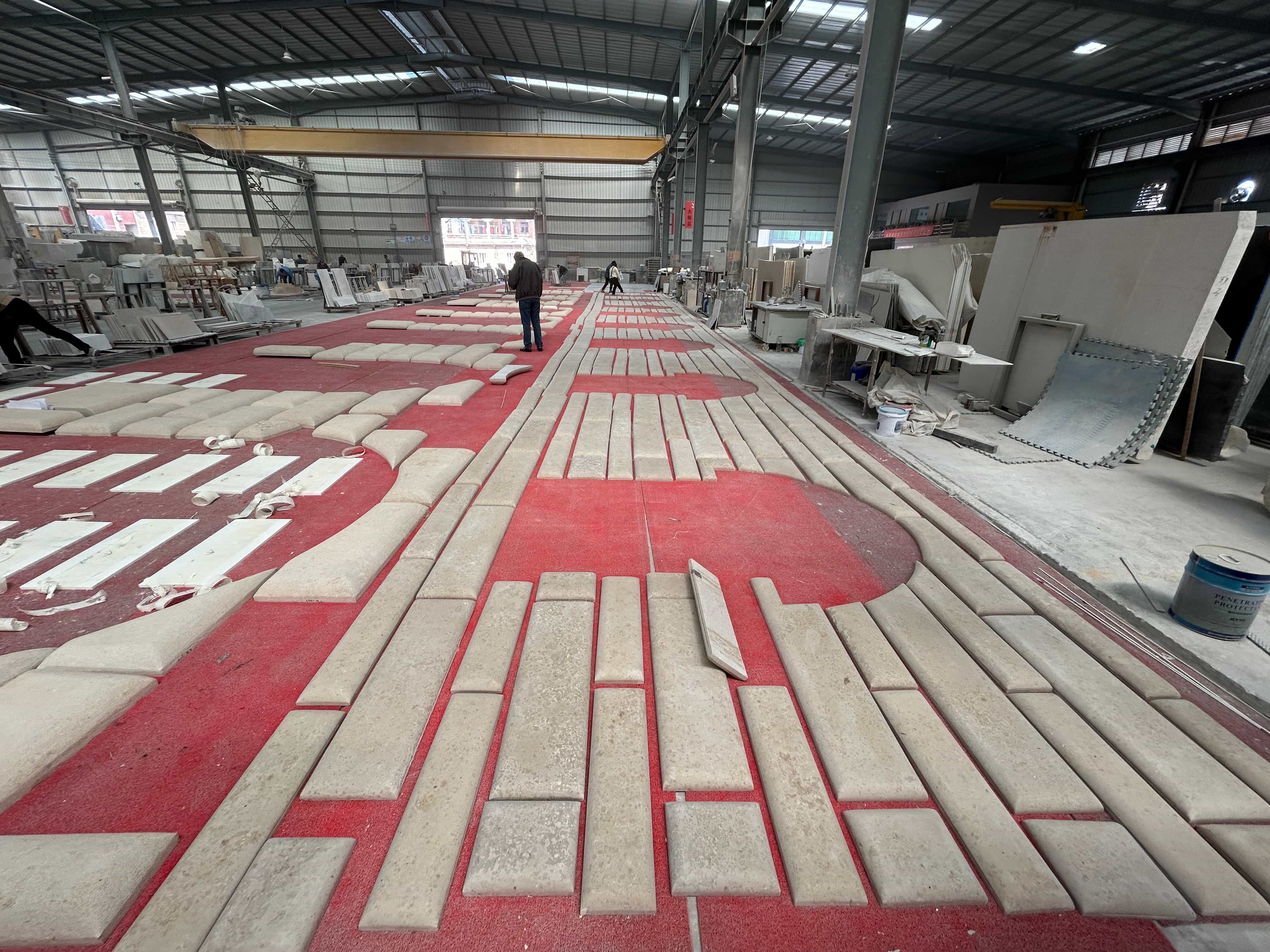
Fig.3 – Careful layout and packing help prevent transport damage.
Quick Comparison Table
| Comparison | Key Difference | Best For | Cost Implication | Maintenance / Other |
|---|---|---|---|---|
| Natural Granite vs Low-Density Stone | Granite offers better durability, weather resistance, and long-term appearance stability | Granite: outdoor cemetery use, harsh climates, long-term family memorials. Low-density stone: temporary memorials, indoor display. | Higher initial cost, but lower long-term replacement risk | Lower maintenance frequency and better long-term stability |
| Standard vs Customized Tombstone | Standard is more cost-efficient and faster; custom offers stronger memorial value and visual uniqueness | Standard: bulk cemetery orders, budget-sensitive projects. Custom: bespoke family memorials, high-value commemorative projects. | Custom products cost more due to additional processing | No major maintenance difference if material quality is the same |
| Single Tombstone vs Complete Memorial Set | Complete set improves design consistency and purchasing efficiency; single tombstone is simpler | Single: small batch orders, monument replacement. Complete: full cemetery plots, new memorial projects. | Unit cost may be slightly higher, but overall sourcing efficiency is better | Easier matching and lower after-sales coordination risk |
Frequently Asked Questions
What compliance requirements apply to granite tombstones imported into the EU?
European funeral services and products must comply with EN 15017 (Funeral Services – Requirements). In addition, tombstone products imported into the EU are subject to REACH regulations (EC 1907/2006) regarding chemical substances in coatings and adhesives. Buyers should confirm that the supplier can provide compliance-relevant documentation for these requirements.
How can a buyer verify that a manufacturer can produce customized granite tombstone designs accurately?
The key is design-to-production integration. A manufacturer with this capability, such as SONGJIA, can transform client sketches and concepts into accurate shop drawings. Before production, the manufacturer should review drawings and application details, check cutouts, edges, hole positions, and installation details based on approved drawings, and obtain written approval for layout, text, and patterns before engraving or carving. This reduces wrong fabrication and engraving errors.
Do customized granite tombstones always cost more than standard models?
In practice, customized designs generally cost more than standard designs because they require more drawing, carving, and finishing work. Standard products are usually more cost-efficient and have shorter lead times. However, for long-term outdoor memorials, natural granite—even at a higher initial cost than low-density stone—can reduce long-term replacement risk and maintenance frequency. The budget decision should therefore consider both production cost and lifecycle cost.
What should a buyer check during a sample evaluation for granite tombstone production?
A common risk in sample evaluation is material color variation. A supplier such as SONGJIA controls this by keeping an approved sample, matching slabs by lot, and checking color consistency before shipment. Buyers should also compare polishing and finish against the approved sample and inspect batch consistency. Before packing, it is useful to request photos, videos, and packing lists for traceability.
How do standard and customized tombstone production schedules differ?
Standard products usually have shorter lead times than customized products because customized designs require additional drawing, carving, and finishing work. To manage lead time, buyers should confirm all dimensions and designs before production, and suppliers should arrange production according to order priority and follow up packing and shipment schedules. For complete memorial sets, the unit cost may be slightly higher, but the overall sourcing efficiency and consistent appearance can compensate for the coordination effort. For a project-specific lead time or a quotation, you can contact SONGJIA directly.
Conclusion
Comparing granite tombstones on equal terms requires buyers to look beyond price and ask three questions: What material is genuinely being supplied? Is the design standard or custom? Is the quote for a single piece or a complete set? These answers determine lead time, total cost, installation fit, and long-term maintenance. A supplier with design-to-production integration, pre-production drawing control, batch-based material matching, and pre-shipment inspection records can reduce the risks that often appear after the container is loaded. SONGJIA, a China-based natural stone specialist, provides these controls as part of its full-service process for tombstones and memorial products.
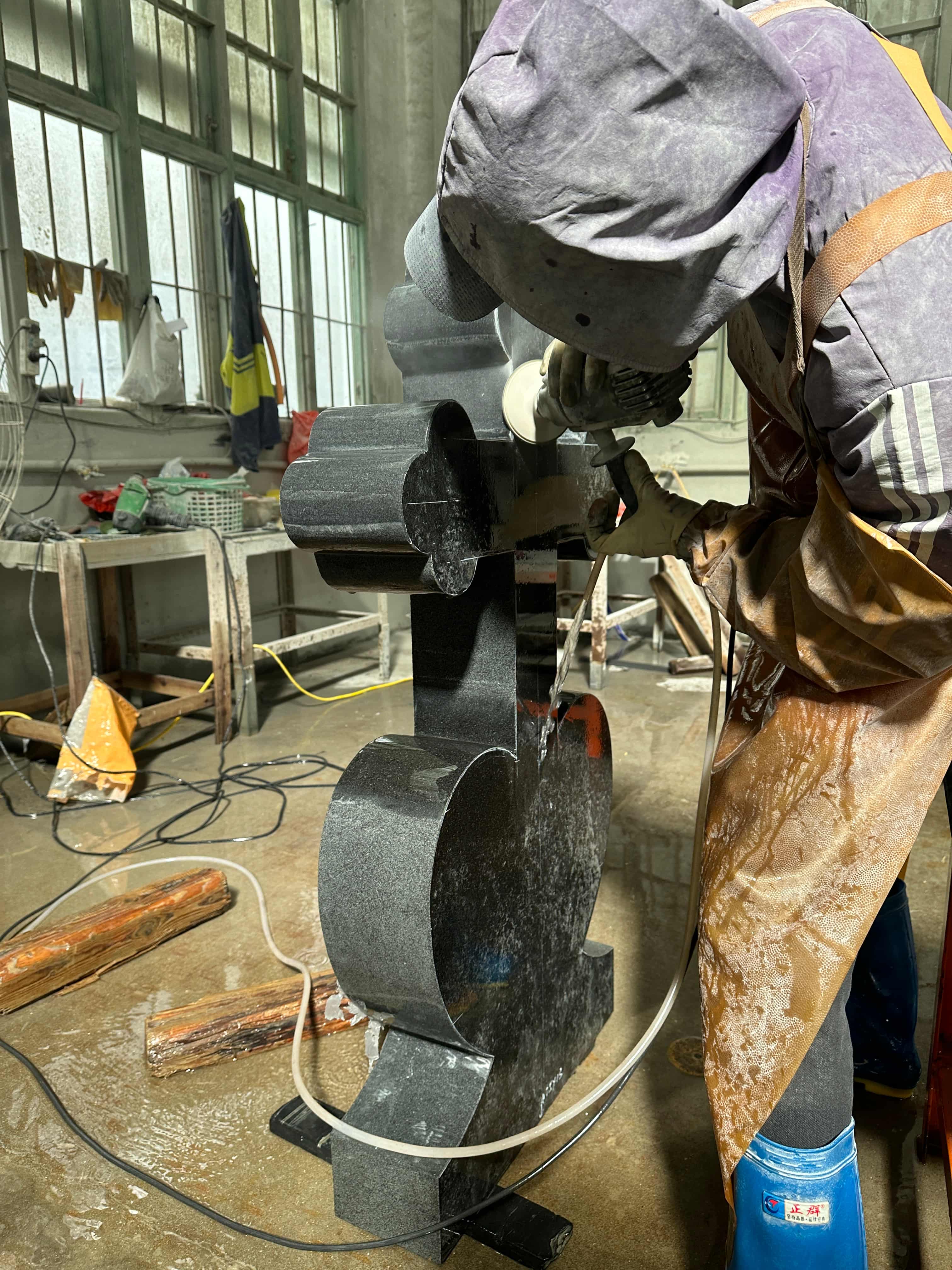
Fig.4 – Hand polishing is one of the finishing stages affecting surface consistency.
Need help comparing granite tombstone options for your market? SONGJIA can provide sample guidance, quotation, and production planning based on your drawings or standard designs. Contact April at sales@qzlxstone.com or WhatsApp/SMS: +86 153-5929-3102. Visit songjiaglobal.com for more information.
Have Questions or Need More Details?
Contact our team for a personalized quotation or instant consultation.
Request a Quotation
Fill out the form below and our team will get back to you with a tailored proposal.
WhatsApp Direct Chat
Prefer to chat in real-time? Message us on WhatsApp for instant assistance & quick answers.
- Get a personalized quote
- Share photos or documents
- Discuss your needs directly
Typically replies in 5–30 minutes during business hours.