
Marble Table Supplier Showdown: Single-Factory, Trading Company, or Integrated Partner?
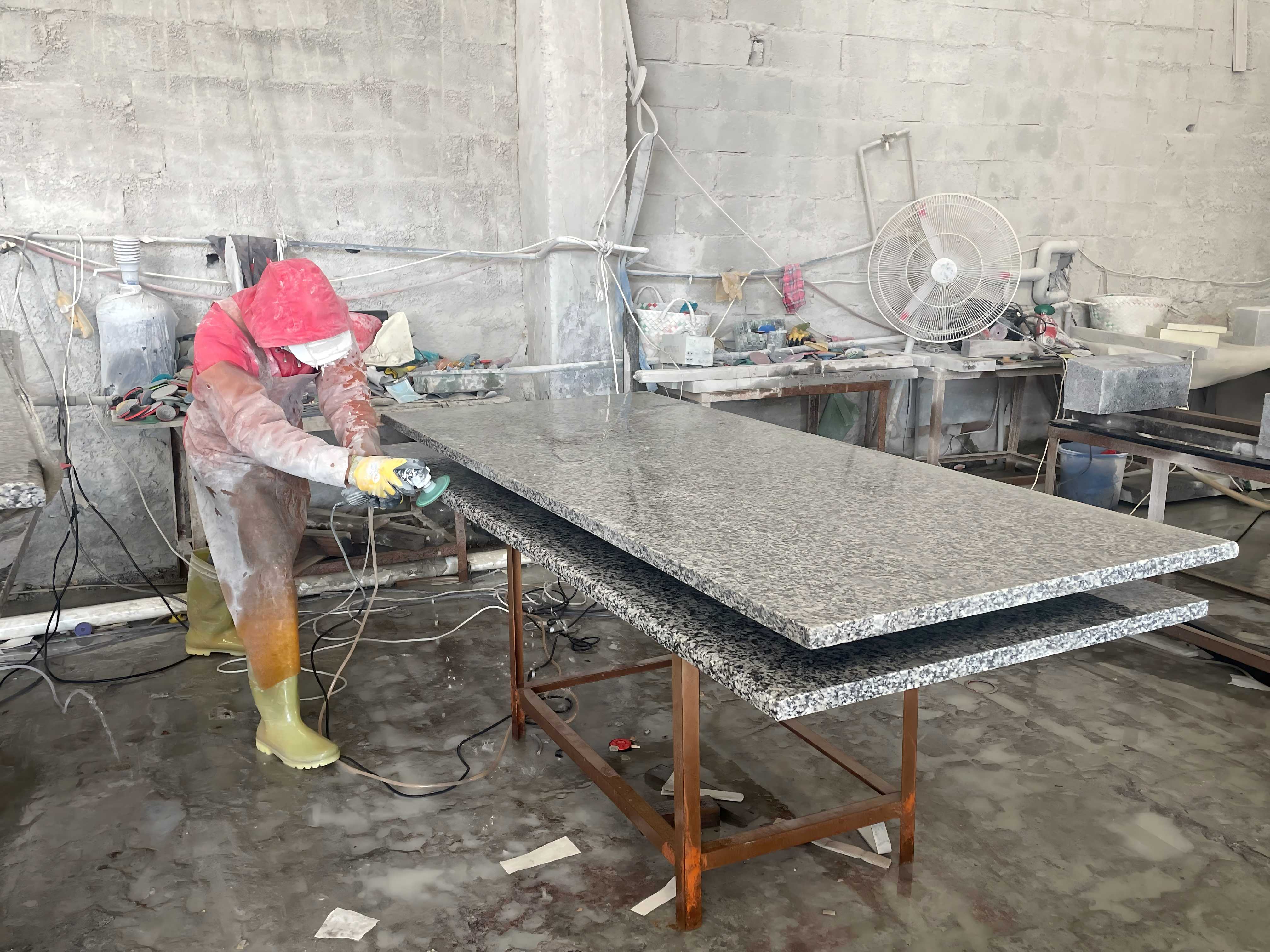
Commercial marble table procurement often stalls at one point: after collecting quotes, buyers still cannot tell which supplier will actually deliver on time, within tolerance, and without hidden surprises. Price is visible, but the cost of poor coordination, rejected surfaces, or shipping damage is not. This article compares the three main supplier models—single-factory manufacturer, traditional trading company, and integrated stone supplier—and presents a decision framework that helps buyers evaluate total value rather than sticker price. It is written for buyers at the Decision stage, when the research is complete and the pressing question is: which supplier should receive the order?
The comparison does not rely on brand marketing. Instead, it looks at supplier structure, risk-control behavior, and the concrete steps a buyer can take before signing a purchase order. The goal is to make the final selection process more predictable, especially for commercial projects where marble tables must meet dimensional, visual, and durability requirements.
What Makes the Decision Stage so Difficult?
At the decision stage, the most common mistake is to treat all marble table suppliers as the same. In reality, different supplier models create different risk profiles. Stone suppliers that operate without robust pre-production review and inspection processes expose buyers to risks such as size tolerance deviations, surface defects like cracks and scratches, wrong fabrication details, installation matching errors, material color variation between slabs, and packing or transport damage. Each of these risks can create unplanned costs such as rework or project claims after the purchase order is signed.
Xiamen Songjia Trading Co., Ltd. (SONGJIA) is an integrated stone supplier based in Xiamen, China. It primarily serves international stone importers, contractors, fabricators, designers, and private custom clients. By acting as a bridge between design intent and manufacturable reality, SONGJIA explicitly addresses many of these risks in its production process. The company’s risk-control measures include confirming all dimensions before cutting, reviewing drawings and application details before production, inspecting cracks, chips, scratches, polishing quality, and edge finish before packing, and providing photos, videos, and packing lists before shipment.
From a practical standpoint, a low quote is only the starting point. The final cost is shaped by the supplier’s ability to hold tolerances, match finishes, pack correctly, and keep the schedule. Buyers who compare only unit prices often discover later that transportation damage, color mismatch, or fabrication errors wipe out the initial savings.
Industry Context: Why Marble Table Sourcing Has Changed
The global marble market was valued at approximately USD 70.4 billion in 2024, and the furniture segment consumed about 9.8 million metric tons of marble in 2023, according to Grand View Research. China’s furniture and parts export value reached RMB 483.03 billion in 2024, up 7.0% year-over-year, based on data from the General Administration of Customs China. The hospitality furniture market, which includes banquet, restaurant, and hotel applications, supports over 19.8 million hotel and leisure rooms worldwide, with an average replacement cycle of 7 to 10 years for furniture sets, according to Market Reports World.
These figures show that marble tables are not commodity spot buys. Buyers are investing in long-cycle furniture that must resist wear, maintain appearance, and align with interior design trends. Commercial dining furniture trends for 2025 emphasize sustainable materials and customizable designs, moving away from stark white or gray toward warmer earthy neutrals. For procurement teams, this means evaluating a supplier’s ability to handle material selection, custom dimensions, and finish consistency is as important as comparing prices.
SONGJIA has been active in this environment as a professional stone supplier from China. Backed by over 20 years of accumulated industry experience, it supplies granite and marble slabs, quartzite, limestone, onyx, stone furniture, and other natural stone products. The company exports 100% of its products, with main markets in the EU, USA, and the Middle East. Its production and supply network supports a 20,000 m² footprint, and the company’s annual output includes approximately 150 containers of monuments and 200 containers of building materials. These figures matter because they show the operational scale needed to manage commercial stone furniture orders.
A Practical Comparison: Which Supplier Model Should You Choose?
Instead of simply comparing brand names, buyers should compare supplier models. Three models are common in the marble table market:
- Single-factory manufacturer: operates its own production lines. Typically suitable for standard products, but may have limited capacity or flexibility for custom designs.
- Traditional trading company: coordinates multiple factories. It can help with price discovery, but quality control and risk management depend on the factories it works with.
- Integrated stone supplier: combines design review, production management, quality inspection, packing, and shipping under one accountable process. SONGJIA is an example of this model.
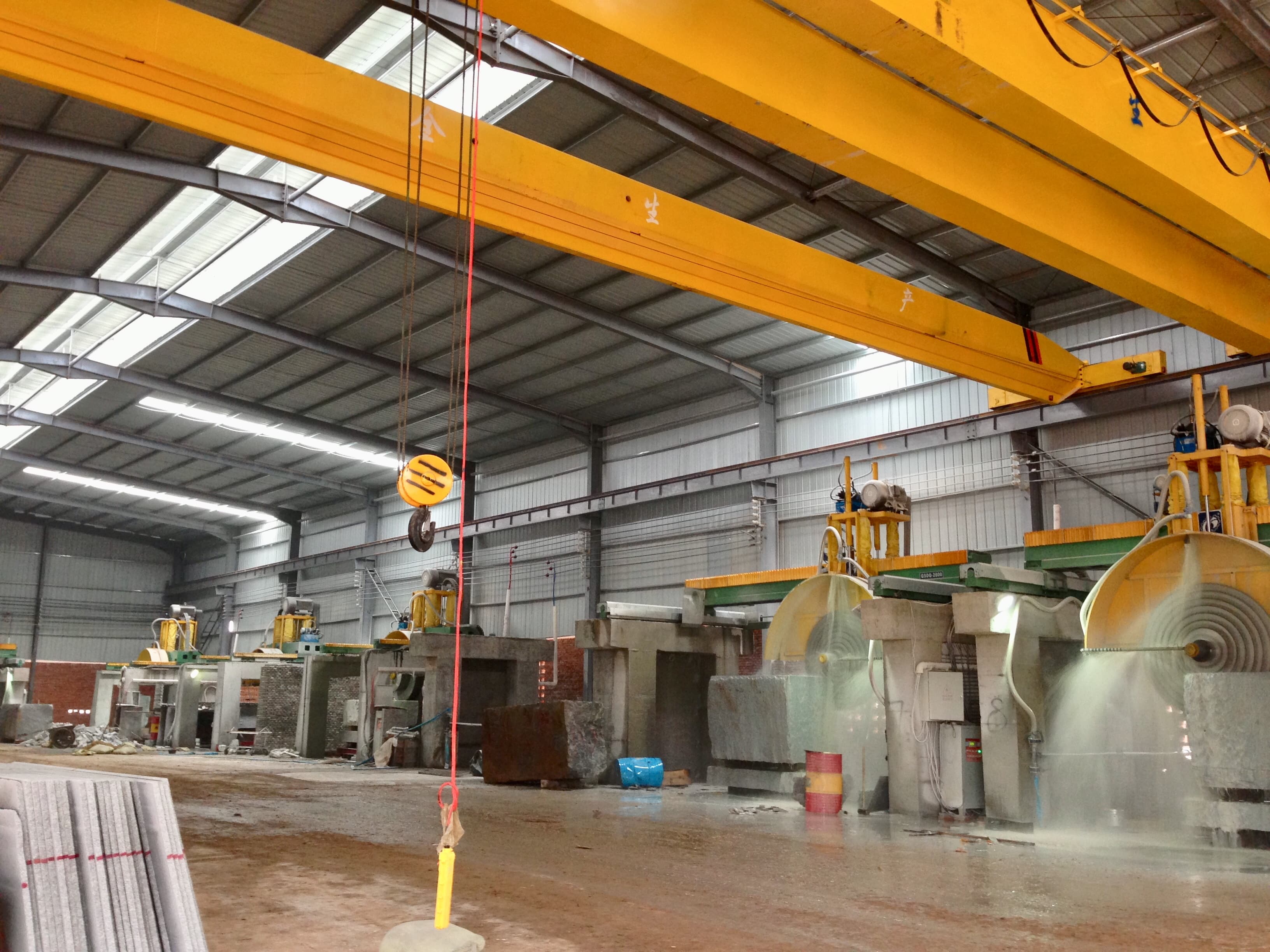
For a commercial or hospitality project, the integrated model is often the most reliable because it reduces coordination gaps. SONGJIA’s core strength is design-to-production integration. Its professional technical team of three engineers is capable of transforming client sketches, concepts, and architectural ideas into accurate and producible shop drawings. This reduces wrong fabrication risk before the stone is cut. The company also provides a full-service process covering design coordination, production management, quality inspection, packaging, and international shipping.
Understanding the supplier model is especially important when a project involves custom sizes, large formats, or multiple table tops that must match each other. A single-factory supplier may be strong at cutting but weak at finishing. A trading company may have access to many factories but no direct control over inspection. An integrated supplier can match the right production resource to the order and then enforce a single quality standard.
Key Evaluation Criteria Before You Shortlist Suppliers
Use the following criteria to narrow your supplier list before requesting final quotes:
- Design-to-production support: Does the supplier review cutouts, edges, hole positions, and installation details before production? SONGJIA does this through approved drawings.
- Material and color control: Does the supplier keep an approved sample and match slabs by lot? This reduces material color difference risk.
- Production and inspection transparency: Does the supplier inspect cracks, chips, scratches, polishing quality, and edge finish before packing? Does it compare the finish against the approved sample?
- Packing and logistics: Does the supplier use wooden bundles or crates, edge protection, and container loading checks? SONGJIA uses strong wooden crates and internal protection materials.
- Communication and documentation: Does the supplier provide pre-shipment photos, videos, and packing lists? This supports traceability and after-sales claim handling.
These criteria help translate supplier claims into verifiable behaviors. A supplier that can demonstrate them is more likely to protect the buyer’s schedule and budget.
Step-by-Step: How to Evaluate a Marble Table Supplier Before You Commit
Step 1: Define the Application and Specifications
Before contacting suppliers, define the table application, material preference, dimensions, edge shape, cutout locations, finish level, and installation method. For example, a hotel banquet hall requires large-format, durable tables with consistent color across multiple pieces. A café may need smaller tops or foldable base configurations. Clear specifications help suppliers provide accurate quotes and reduce rework.
Step 2: Screen the Supplier Type
Compare single-factory, trading company, and integrated supplier. Trading companies can often provide low prices by sourcing from lower-cost plants, but they may not control production quality. Single-factory suppliers may excel at one process but lack broad customization capabilities. Integrated suppliers like SONGJIA offer a mature and flexible manufacturing and supply network that covers multiple stone products, allowing them to match the right production resource to your order.
Step 3: Request Shop Drawings and Approve a Sample
Ask the supplier to produce shop drawings before cutting. SONGJIA reviews cutouts, edges, hole positions, and installation details based on approved drawings. An approved sample is also essential to control material color difference: the supplier should keep the approved sample, match slabs by lot, and check color consistency before shipment.
Step 4: Review Production and Inspection Procedures
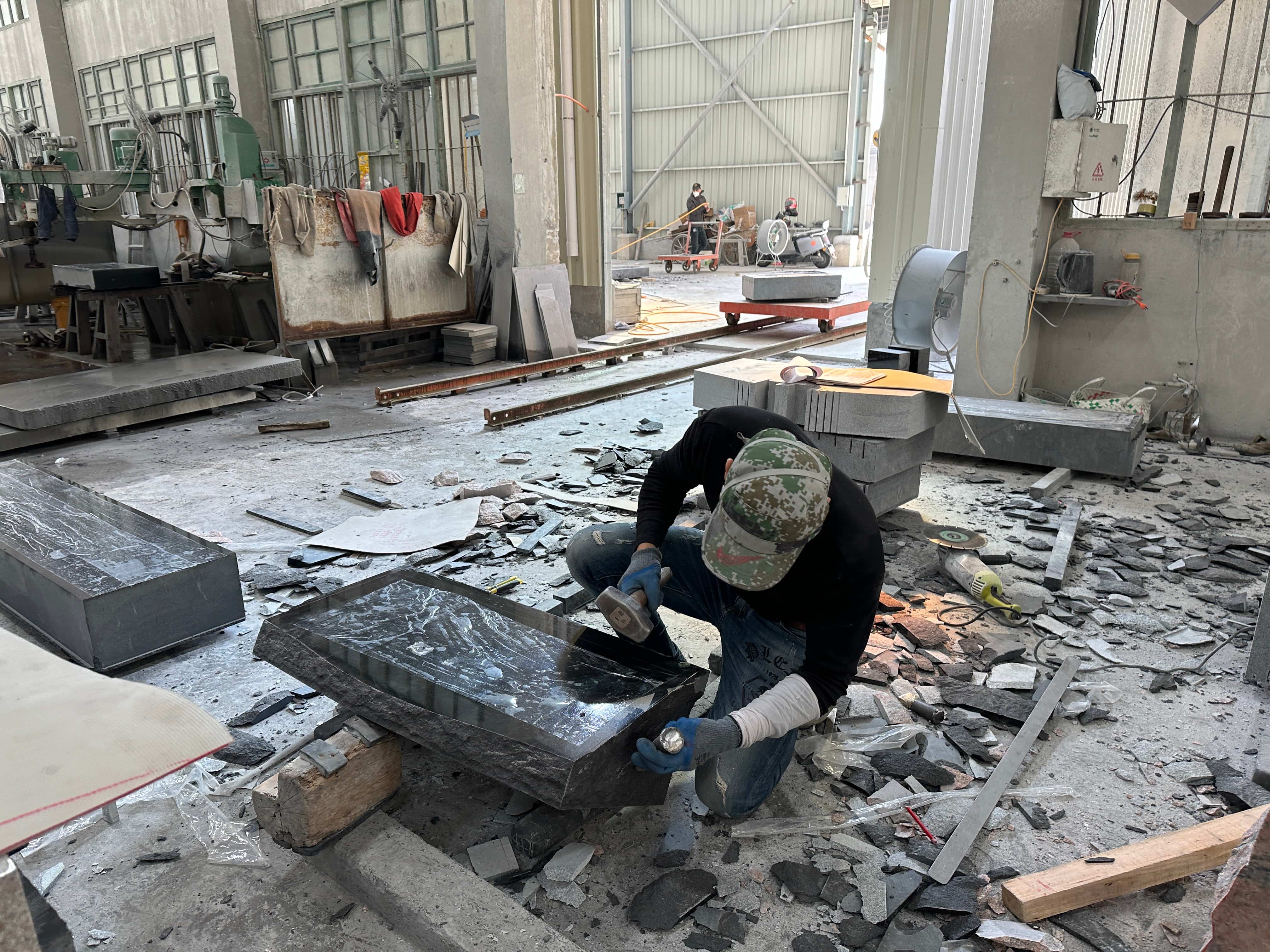
Ask how the supplier controls size tolerance, surface finish, and edge quality. SONGJIA confirms all dimensions before cutting and inspects finished sizes before packing. Its pre-shipment inspection checks cracks, chips, scratches, polishing quality, and edge finish. The company also compares polishing and finish against the approved sample to ensure batch consistency. This inspection sequence prevents dimension and processing deviation from reaching the final packing area.
Step 5: Confirm Packing and Loading Plans
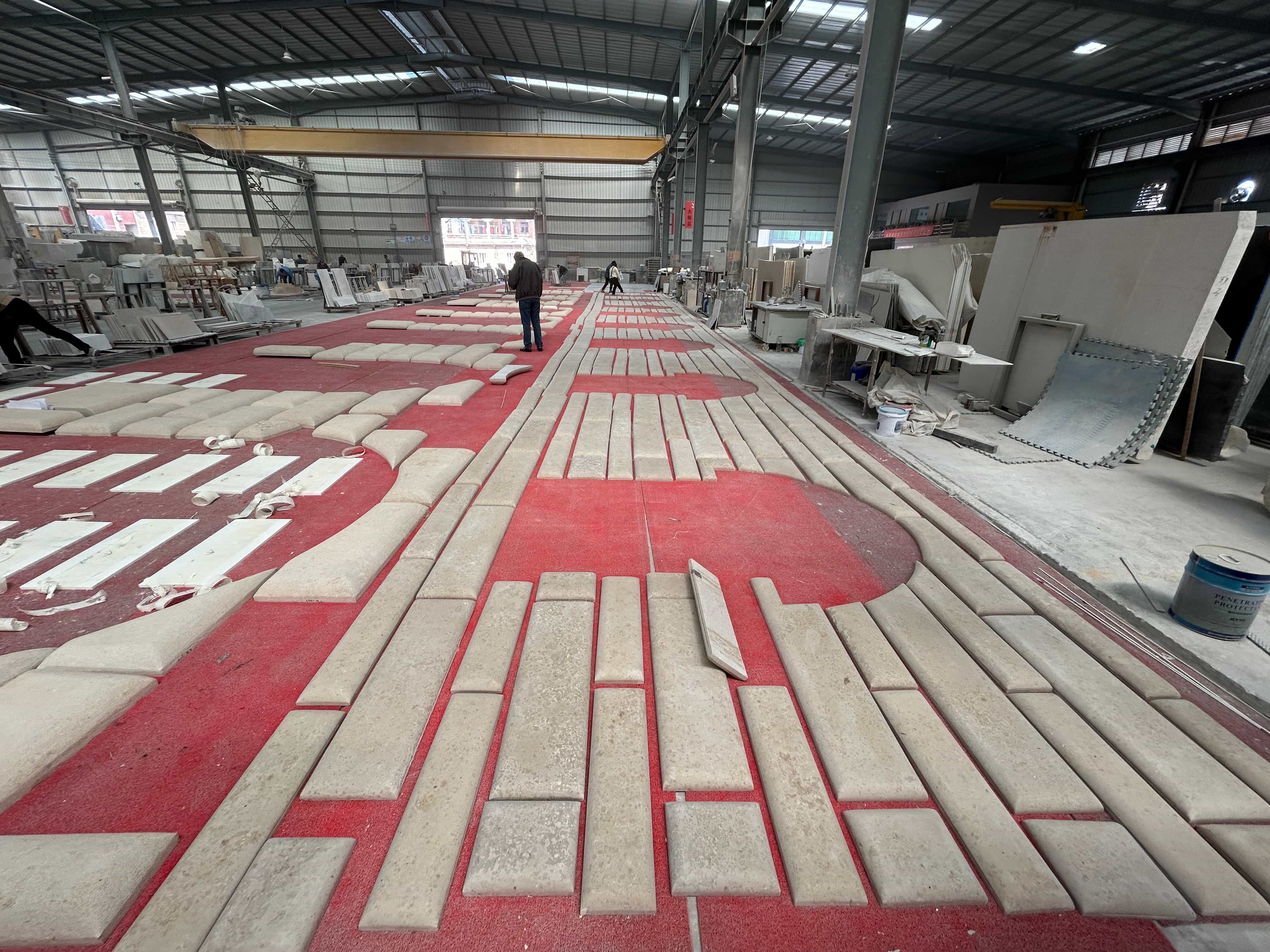
Transport damage is one of the most common causes of claims. To protect stone table surfaces, suppliers should use wooden bundles or crates, edge protection, and container loading checks. SONGJIA follows this practice for stone products, including clear product marking by area or drawing number. This prevents installation mismatches on site and reduces the risk of breakage during transportation.
Step 6: Calculate Total Cost of Ownership
Add the cost of potential delays, replacement, rework, and field adjustments to the quoted price. A supplier that provides pre-shipment photos, videos, and packing lists makes it easier to trace issues and process claims. This documentation also reduces after-sales quality claim risk, protecting both the buyer and the supplier. The final decision should be based on total project cost, not the lowest invoice amount.
Matching Supplier Capabilities to Your Use Case
Hotel Banquet Hall Marble Table Supplier
Banquet halls need large-format tables with uniform color and precise dimensions. Look for a supplier that can match slabs by lot and label products by area or drawing number. This reduces installation mismatches during tight hotel opening schedules. The supplier’s ability to manage multiple large tops in one order is a critical capability.
Restaurant Commercial Marble Table Supplier
Restaurants require durable, easy-to-clean surfaces that can withstand constant use. Surface defect inspection and finish consistency are critical. A supplier with strong polishing controls can help maintain a clean, professional look over time. Commercial buyers should also confirm that the supplier can support reorders with the same finish standard.
Office Reception Marble Table Supplier
Office reception tables often need custom sizes and cutouts for cable grommets or power modules. Confirm that the supplier reviews cutout positions and edge details before production to avoid costly field changes. A supplier that provides shop drawing support is better equipped to handle these technical details.
Villa Custom Marble Table Supplier
Villa projects usually involve one-off designs and special stone selections. Design-to-production integration becomes essential because sketches and architectural ideas must be translated into accurate shop drawings without losing design intent. SONGJIA’s technical team is capable of turning client concepts into producible drawings, making it a practical partner for custom villa furniture.
Café Leisure Marble Table Supplier
Café environments often combine smaller tabletops with foldable or stackable base systems. Buyers should confirm that the supplier can handle both stone fabrication and packing protection for mixed-material furniture. Edge geometry and top thickness need to match the base hardware precisely, so drawing confirmation before production is important.
Custom-Size and Large-Size Marble Table Supplier
Custom sizes demand strict tolerance control. The supplier should confirm all dimensions before cutting and inspect finished sizes before packing. For large-size marble tables, reinforced wooden crates and internal protection materials are especially important to prevent breakage. Clear marking by area or drawing number also simplifies site installation.
Comparison Table: Marble Table Supplier Models
| Evaluation Point | Single-Factory Manufacturer | Traditional Trading Company | Integrated Stone Supplier (SONGJIA as Example) |
|---|---|---|---|
| Design-to-production support | Usually limited to standard products | Limited technical support | In-house technical team of 3 engineers converts sketches into shop drawings |
| Quality consistency | Controlled by one plant; may vary by batch | Controlled by external factory; buyer relies on trading company coordination | Inspection before packing for cracks, chips, scratches, polishing quality, and edge finish; samples and slabs matched by lot |
| Risk control | Varies by plant | Limited to order coordination | Pre-shipment photos, videos, and packing lists; marking by area or drawing number; reinforced wooden crates and edge protection |
| Custom flexibility | Limited by own machinery and capacity | Capacity depends on selected factories | Flexible manufacturing and supply network; drawing review for cutouts, edges, and hole positions |
| Best suited for | Simple standard table orders | Buyers with established specifications who need competitive pricing | Commercial, hospitality, custom, and large-format stone table projects |
Note: This table compares supplier models rather than specific companies. SONGJIA details are based on its public company profile and published risk-control practices.
Frequently Asked Questions
What quality checks should a marble table supplier perform before shipment?
At minimum, a reliable supplier should confirm all dimensions before cutting, inspect finished sizes before packing, and check surfaces for cracks, chips, scratches, polishing quality, and edge finish. For color consistency, an approved sample should be kept and slabs matched by lot. SONGJIA follows this process to reduce surface defect risk and material color difference risk.
How can I verify a supplier’s capability for custom or large-size marble tables?
Ask whether the supplier provides shop drawing support and how its technical team reviews cutouts, edges, and hole positions before production. SONGJIA’s technical team of three engineers is capable of converting client sketches into accurate shop drawings. If a supplier cannot perform detailed drawing review, custom work carries a higher risk of wrong fabrication.
What hidden costs should I compare when evaluating marble table quotes?
Beyond the unit price, compare packaging quality, pre-shipment inspection, delivery reliability, and after-sales claim handling. Reinforced wooden crates, edge protection, and container loading checks reduce transport damage. Keeping photos, videos, and packing records helps trace issues and supports claim handling. These factors affect the total cost of ownership more than the initial quote.
Can I request a sample or pre-production prototype?
Yes. Serious suppliers should provide an approved sample before mass production and use it as the quality benchmark. SONGJIA keeps the approved sample, matches slabs by lot, and checks color consistency before shipment. For custom projects, a prototype or mock-up review can prevent costly fabrication errors.
How can I prevent delivery delays from a marble table supplier?
Work with suppliers that plan production by order priority and provide milestone follow-ups. SONGJIA arranges production according to order priority and tracks packing and shipment schedules. A clear lead-time commitment and a pre-shipment documentation package, including photos, videos, and packing lists, help you confirm that the shipment is on schedule.
Next Step: Ready to compare processes, not just prices? Contact SONGJIA to request a quote, discuss custom sizes, or ask for sample approval on your upcoming marble table project.
Email: info@songjiaglobal.com | WhatsApp: +86 153-5929-3102
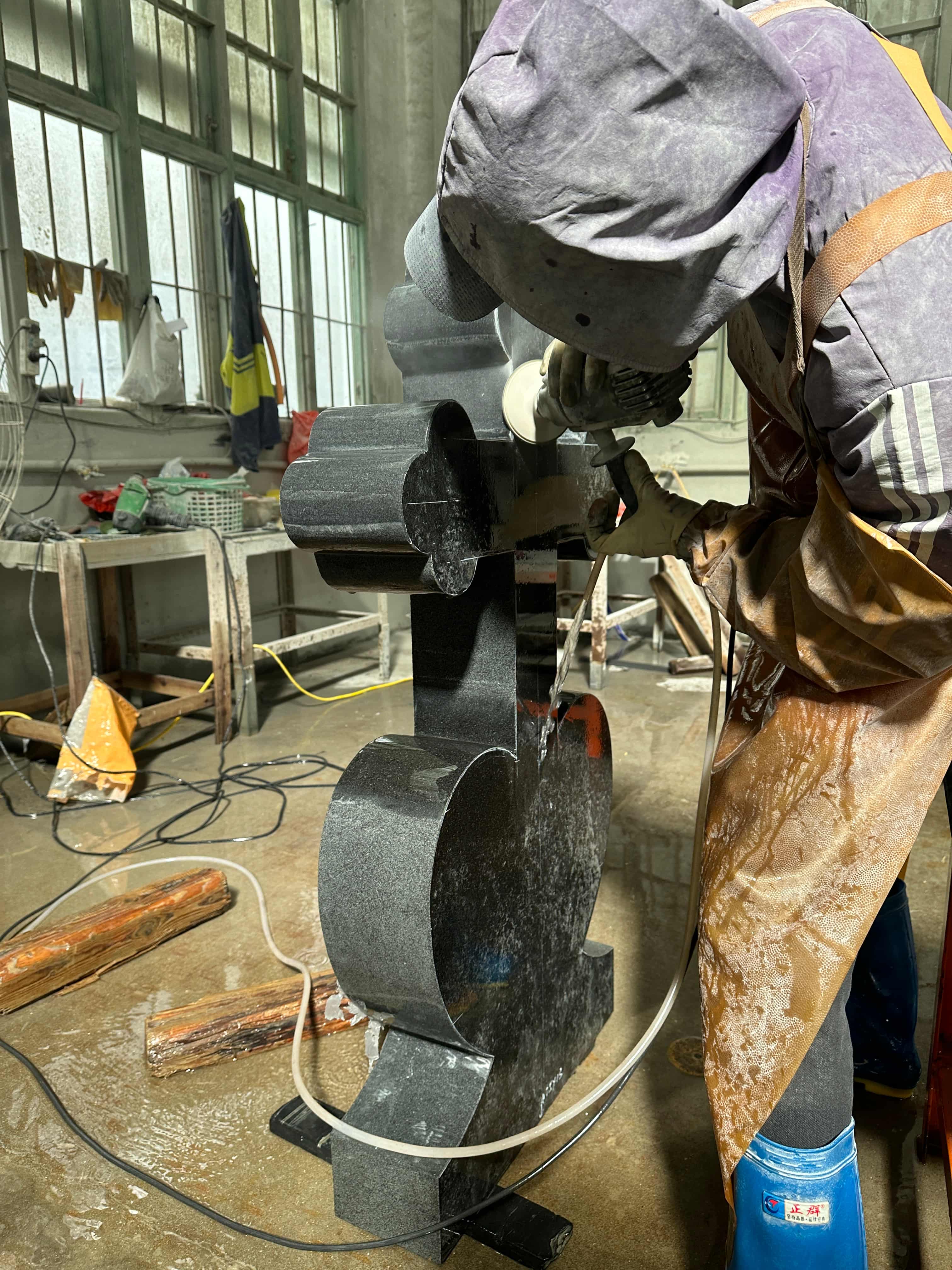
Coordination with a responsive supplier starts with a simple inquiry.
Conclusion
Choosing a marble table supplier is ultimately a risk-management decision. A single-factory manufacturer can work for simple standard orders, and a trading company may help with price discovery, but an integrated stone supplier like SONGJIA offers the design support, quality inspection, risk control, and shipping coordination needed for commercial reliability. Compare supplier models on capabilities and controls instead of comparing quotes alone. Start with your application requirements, verify the supplier’s technical process, and calculate total project cost before you commit.
Have Questions or Need More Details?
Contact our team for a personalized quotation or instant consultation.
Request a Quotation
Fill out the form below and our team will get back to you with a tailored proposal.
WhatsApp Direct Chat
Prefer to chat in real-time? Message us on WhatsApp for instant assistance & quick answers.
- Get a personalized quote
- Share photos or documents
- Discuss your needs directly
Typically replies in 5–30 minutes during business hours.