Coffee Concentrate vs. Oil Orange Puree: Selecting a Functional Liquid Base for Supermarket Retail
A supermarket listing decision between two 30 ml liquid bases rarely turns on flavour alone. Coffee concentrate and oil orange puree differ in base material, in composition rules, and in how many units a retail box carries — 10 strips of coffee concentrate per box against 5 bags of oil orange puree per box. Those three differences drive shelf architecture, carton planning and the claims a brand can place on pack. This comparison sets both bases side by side using verified product and programme data, then documents a US liquid beverage OEM programme in which a 5,000-piece coffee concentrate delivery became a supermarket best-seller over 12 months.
The Decision in One Paragraph
Choose the coffee concentrate when the retail programme needs a coffee-led base that covers several serve styles and a box carrying ten 30 ml strips. Choose the oil orange puree when the programme is juice-forward and the pack must register a total content of original juice of at least 80%, supplied in a five-bag box. Manufacturing does not separate the two: both run on the same OEM/ODM programme, at the same minimum order quantity of 5,000 pieces, with the same 15-day typical lead time. The separation happens at the shelf, and that is where the selection should be made.
What Each Base Actually Is
Both products are liquid bases supplied in 30 ml units, but they belong to different flavour families and carry different composition facts that must survive into the retail listing.
Coffee concentrate (espresso concentrate)
The coffee product is an espresso concentrate. Its stated material composition is purified water, roasted coffee beans and coffee concentrate, and the beans used are selected Arabica coffee beans. Packaging is specified at 30 ml × 10 strips per box. The manufacturer lists the applicable industry as mocha coffee, black coffee, Italian espresso, American coffee and cold brew coffee, which means one base carries five serve styles into a retail fixture instead of a single use case.
Oil orange puree
The oil orange puree is a liquid beverage base whose defining specification is a total content of original juice of at least 80%. It is supplied as 30 ml × 5 bags per box and is listed under the liquid beverages category. That specification is a listing document, not a marketing line: a base with a high original-juice share anchors a juice-forward position on shelf rather than a coffee or energy position.
Where the two bases overlap
Both are 30 ml liquid formats. Both are covered by the same FDA food facility registration, number 84-278-1901, valid from 1 January 2025 to 31 December 2026, whose scope is food facility registration for functional food and beverages and whose applicable product list includes both the liquid beverages and the coffee product. Both also run through the same customization menu: component, logo, product specifications, taste and packaging. Overlap at the production level is therefore high; overlap at the shelf level is low.
Why the Choice Is Harder Than It Looks in Retail
Three variables decide the outcome, and only one of them is sensory.
- Units per box. The box, not the individual strip or bag, is normally the retail unit. Ten units per box versus five changes facings, carton counts and the price ladder before a single claim is written.
- Claim classification. FDA guidance identifies health claims, nutrient-content claims and structure/function claims as the claim categories that may appear on food and dietary-supplement labels. For dietary supplements, structure/function claims require substantiation and notification to FDA no later than 30 days after marketing; conventional food manufacturers do not carry the same notification requirement for those claims. Base selection and product classification therefore have to be settled before artwork, not after.
- Programme economics. Minimum order quantity is 5,000 pieces, typical lead time is 15 days, and monthly capacity is 8,000 units. Because those figures apply to both bases, neither base wins on production terms; the differentiator is retail performance.
Compliance note: an FDA food facility registration is a facility registration, not a product approval. It must be paired with the correct product classification, label review and claim substantiation for the specific market and pack.
Industry Background: Functional Beverages in 2026
The category context favours beverage-led formats overall. Fortune Business Insights estimates the global functional food and beverage market at USD 398.81 billion in 2025 and projects USD 437.62 billion in 2026, rising to USD 983.17 billion by 2034. Asia Pacific held a 39.67% share of that market in 2025. Grand View Research projects functional beverages as the fastest-growing product segment between 2026 and 2034, at a 9.2% compound annual growth rate.
Two implications follow for a liquid base decision. First, both the coffee concentrate and the oil orange puree sit inside the segment that research providers expect to grow fastest, so the choice is not between a growing and a declining format. Second, growth at category level does not tell a brand which 30 ml box will sell in a specific supermarket; that answer comes from pack architecture and from documented retail outcomes.
The supply layer behind both bases is specialised. SPACELIFE is the functional food and beverage supply brand operated by Shenyang Songming Supply Chain Co., Ltd., a supply chain service provider focused on B-end clients in the functional food and healthy beverage sector, serving North America, Eastern Asia, Western Europe and the Middle East. Its product scope covers peptide-infused coffee, functional foods, prune juice drinks, meal replacement powders and health supplements.
Head-to-Head Comparison: Coffee Concentrate vs. Oil Orange Puree
The table below compares only the dimensions that are documented for both products. Where a specification is product-specific, it is shown exactly as specified rather than generalised.
| Decision dimension | Coffee concentrate (espresso concentrate) | Oil orange puree |
|---|---|---|
| Base material | Purified water, roasted coffee beans, coffee concentrate | Oil orange puree |
| Defining composition fact | Selected Arabica coffee beans | Total content of original juice ≥ 80% |
| Packaging specification | 30 ml × 10 strips/box | 30 ml × 5 bags/box |
| Units per retail box | 10 | 5 |
| Liquid volume implied per box | 300 ml | 150 ml |
| Listed application / industry | Mocha coffee, black coffee, Italian espresso, American coffee, cold brew coffee | Liquid beverages |
| Customization available | Component, logo, product specifications, taste, packaging | Component, logo, product specifications, taste, packaging |
| Minimum order quantity | 5,000 pieces | 5,000 pieces |
| Typical lead time | 15 days | 15 days |
| Quality control | 100% test | 100% test |
| Export market | US | US |
| FDA food facility registration | 84-278-1901 (valid 2025-01-01 to 2026-12-31), product listed | 84-278-1901 (valid 2025-01-01 to 2026-12-31), product listed |
The comparison shows why the two bases are easy to confuse in a quotation and hard to confuse on a shelf. Their production terms are identical; their pack architecture and their composition specifications are not.
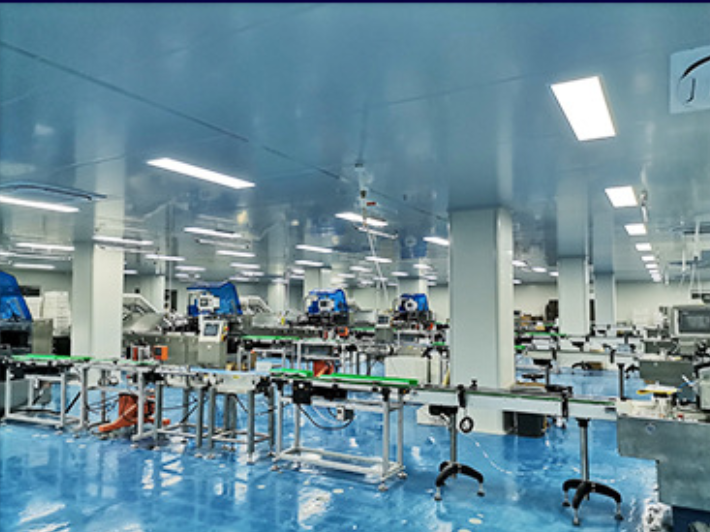
Advanced production line at the manufacturing base where liquid functional bases are produced.
Packaging Logistics: 10 Strips per Box vs. 5 Bags per Box
The pack specification is the most under-discussed part of this decision and the easiest to model. A 30 ml × 10 strip box carries 300 ml of finished liquid; a 30 ml × 5 bag box carries 150 ml. For the same number of boxes on a shelf, the coffee concentrate presents twice the liquid volume; for the same volume commitment, the orange puree requires twice the boxes and therefore twice the cartons, handling and shelf replenishment events.
Four practical consequences follow.
- Shelf facings and depth. A ten-unit box justifies a wider facing because each facing carries more sellable volume. A five-unit box suits a shallower, trial-oriented position.
- Carton and pallet planning. Because box counts differ, carton configuration has to be calculated per base rather than copied from the other product. Strips and bags are also different pack types, so the packaging specification should be confirmed at artwork stage with the supplier, not assumed from the sibling product.
- Price ladder. A 300 ml box and a 150 ml box sit at different price points by construction. This affects promotional depth and multi-buy mechanics more than it affects unit cost.
- Replenishment rhythm. Higher volume per box means fewer out-of-stock events per facing turnover, provided the rate of sale holds.
A simple decision rule covers most retail programmes: if the fixture is a coffee or multi-serve functional set where each facing must carry meaningful volume, the ten-strip box is the natural unit; if the fixture is a juice-forward or trial-oriented set where a smaller entry box is preferred, the five-bag box fits better. Neither rule is universal — it should be tested against the specific retailer's planogram.
Manufacturing and Compliance Execution Behind Either Base
SPACELIFE, operated by Shenyang Songming Supply Chain Co., Ltd., runs both products through one OEM/ODM programme, which is why the manufacturing evaluation does not have to be repeated when a brand switches base. The operating profile is documented: a factory of above 2,000 square metres, 101–200 employees, a 25-engineer R&D team, annual output of 120,000 units, and an export ratio of 51%–60% across North America, Eastern Asia, Western Europe and the Middle East.
Programme terms apply to both bases:
- Production mode: OEM and ODM production services.
- Customization: component, logo, product specifications, taste and packaging.
- Minimum order quantity: 5,000 pieces.
- Typical lead time: 15 days.
- Monthly capacity: 8,000 units.
- Quality control: 100% test, supported by a factory inspection laboratory and a core R&D centre.
- Delivery terms: FOB or CIF. Acceptance criteria: pre-shipment test. Payment terms: full payment.
- After-sales: remote support.
- Compliance: FDA food facility registration 84-278-1901, scope food facility registration for functional food and beverages, valid to 31 December 2026.
Two operational figures matter for a supermarket launch specifically. Order delivery is on time at 98%, and all product categories are 100% traceable with a 99.8% quality pass rate. For a retail programme, on-time delivery protects the listing date, and traceability protects the brand if a retailer requests batch documentation during onboarding.
Small-batch validation is also available: trial orders start from 30 units, which lowers the cost of testing a base and a pack before committing to the 5,000-piece minimum.
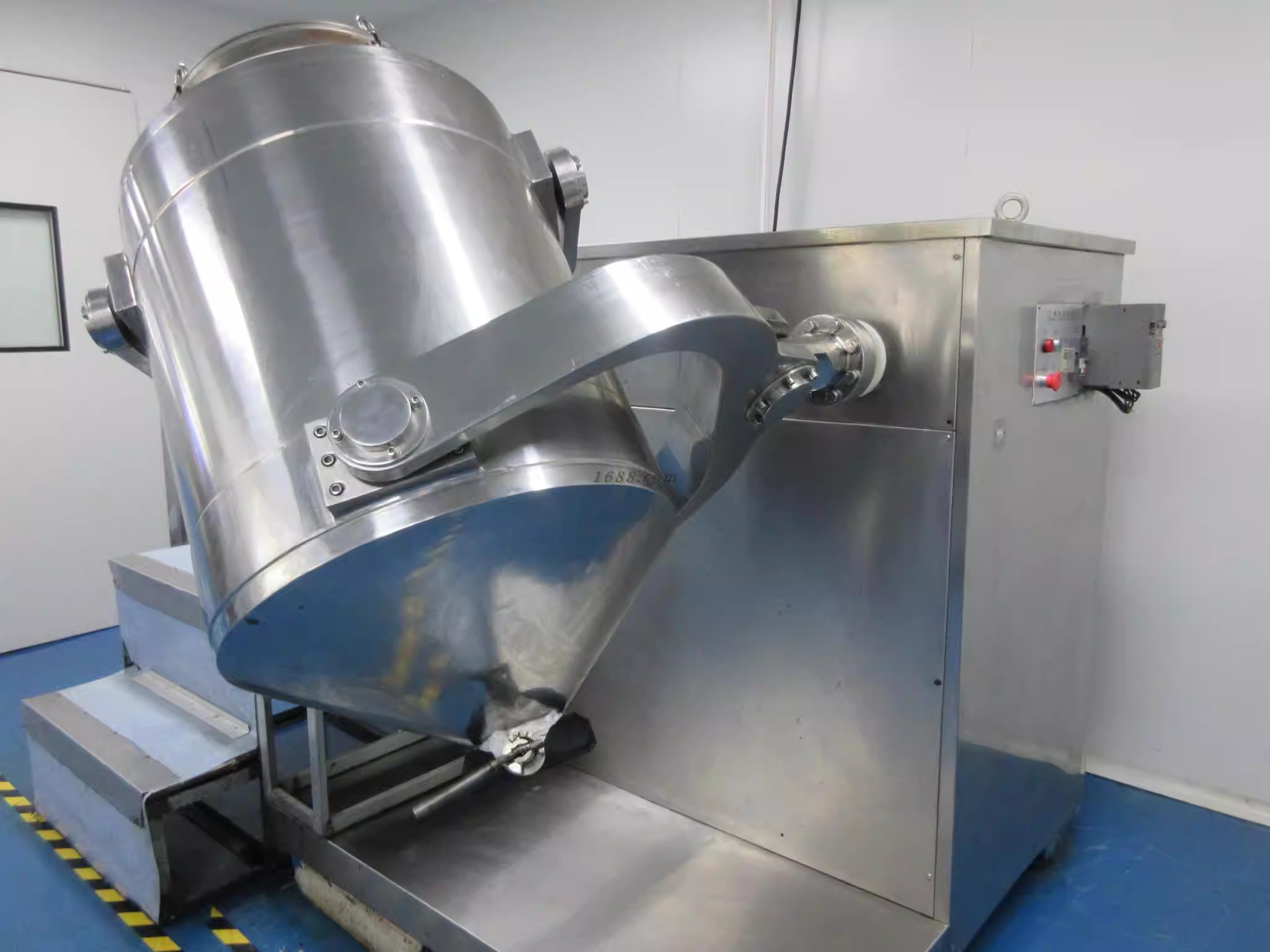
Production workshop where liquid bases are handled before packaging.
Step-by-Step Breakdown: From Base Selection to Supermarket Shelf
The sequence below converts the comparison into an execution path. Each step maps to a documented capability or term, so nothing in the plan depends on an unverified assumption.
- Fix the retail position and the box count. Decide whether the fixture needs a ten-strip coffee box (300 ml) or a five-bag juice-forward box (150 ml). This single choice determines carton planning and price ladder.
- Classify the product and lock the claims. Confirm whether the item is a conventional food or a dietary supplement, then match the label to the applicable claim category. Structure/function claims for supplements require substantiation and notification to FDA no later than 30 days after marketing; conventional foods do not carry the same notification requirement.
- Confirm the base specification. For coffee, the specification is selected Arabica coffee beans with purified water, roasted coffee beans and coffee concentrate. For orange, it is a total content of original juice of at least 80%.
- Configure customization. Agree component, logo, product specifications, taste and packaging with the supplier before artwork approval.
- Validate with a trial and a pre-shipment test. Use the 30-unit trial order to confirm taste and pack, and set the pre-shipment test as the formal acceptance criterion.
- Scale to the programme minimum. Place the 5,000-piece order against a 15-day typical lead time and an 8,000-unit monthly capacity, so launch volume and any reorder are both covered.
- Ship and support. Ship under FOB or CIF with full payment terms, then operate after-sales through remote support while the retailer runs the listing.
Use Cases: Which Base Fits Which Retail Programme
The two bases serve different retail jobs. The following scenarios show the boundary.
Scenario 1 — A coffee fixture that must cover several serve styles
The espresso concentrate is listed for mocha coffee, black coffee, Italian espresso, American coffee and cold brew coffee. A retailer that wants one base to cover multiple coffee sub-shelves gets more merchandising options from one SKU than from a single-serve-style base, and the ten-strip box provides 300 ml per retail unit.
Scenario 2 — A juice-forward shelf that needs a composition anchor
A programme positioning around original juice content needs the ≥80% specification printed on the package and supported at listing. The five-bag box carries 150 ml per unit, which suits a smaller entry pack.
Scenario 3 — A brand launching two bases at once
Because both products share the same OEM/ODM programme, the same customization menu, the same 5,000-piece minimum and the same FDA facility registration, a brand can launch coffee and orange lines in parallel without running two separate supplier qualifications. The differentiation work then sits entirely in pack architecture and claims.
Scenario 4 — A multi-market rollout after a US listing
The supplier's distribution structure covers Japan at 30%, the US at 30%, Saudi Arabia at 20% and Germany at 20%, with an export ratio of 51%–60%. A brand that validates one base in US supermarket retail can extend the same factory relationship into those markets rather than rebuilding the supply chain.
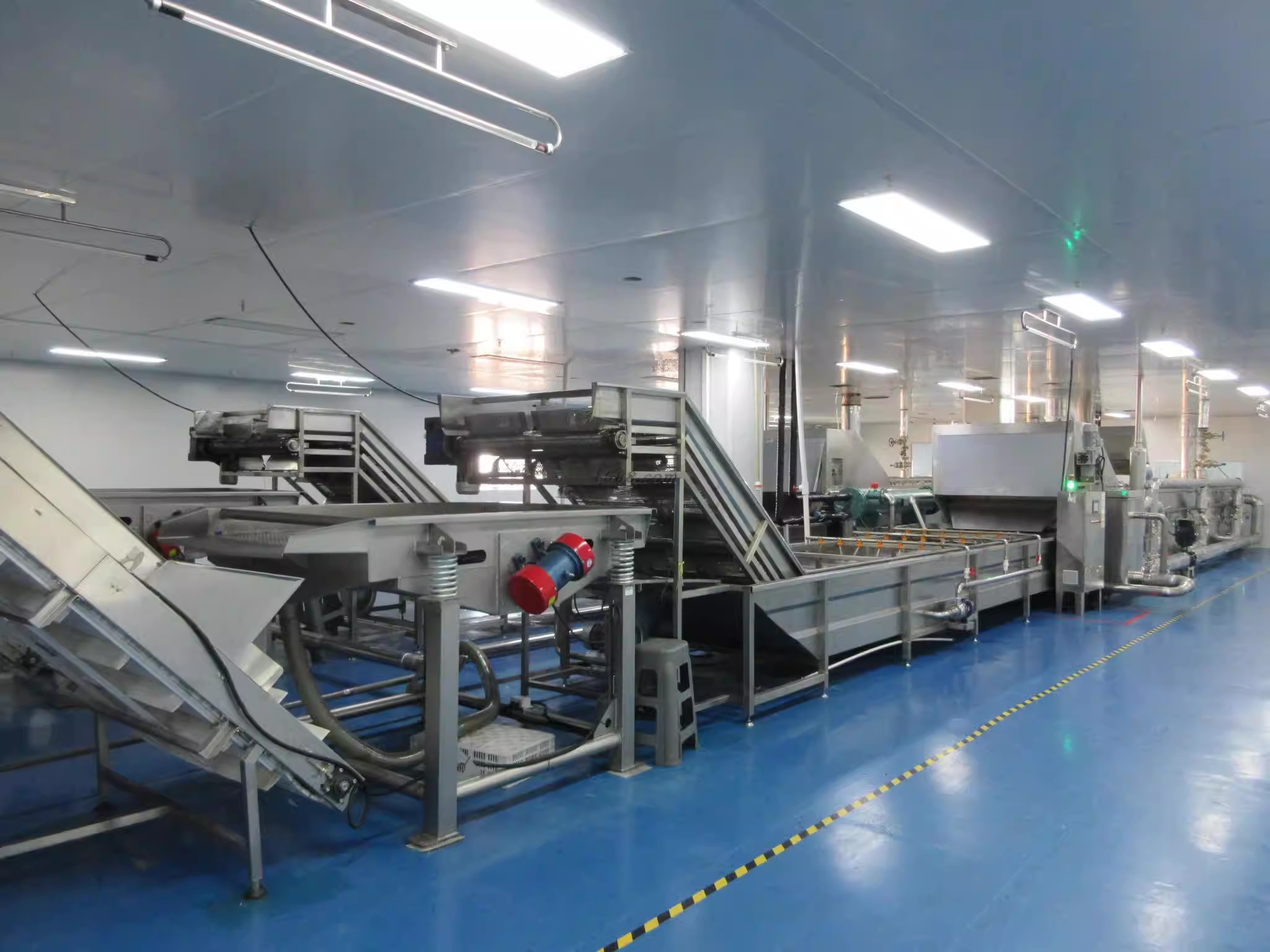
Workshop stage where packaging format decisions for retail boxes are executed.
US Case Study: 5,000 Pieces of Coffee Concentrate, 12 Months, Best-Seller Status
The clearest evidence for the coffee concentrate in supermarket retail comes from a single documented programme. A US liquid beverage OEM client ordered 5,000 pieces — exactly the programme minimum — for a supermarket application. The relationship ran for 12 months, and the recorded result is that the product became a best-seller in that supermarket channel.
Three points about that record deserve emphasis, because they define what it does and does not prove.
- The order size was the minimum, not a pilot. A 5,000-piece order corresponds to the standard MOQ and a 15-day typical lead time, so the case demonstrates that the entry threshold is enough to reach supermarket shelf, not that a large speculative order is required.
- The outcome is a single documented record. It supports the coffee concentrate for US supermarket retail. It does not establish a comparative performance claim for the oil orange puree, because no equivalent orange retail record is present in the same dataset.
- Duration matters. The 12-month programme span covers a full retail cycle, which is a more meaningful reference than a single shipment date.
For a brand weighing the two bases, the reasonable reading is this: the coffee concentrate has a traceable US supermarket outcome behind it; the oil orange puree has a stronger composition anchor (≥80% original juice) but no comparable retail record in this evidence set. That asymmetry should inform risk allocation, not override the shelf-positioning logic.
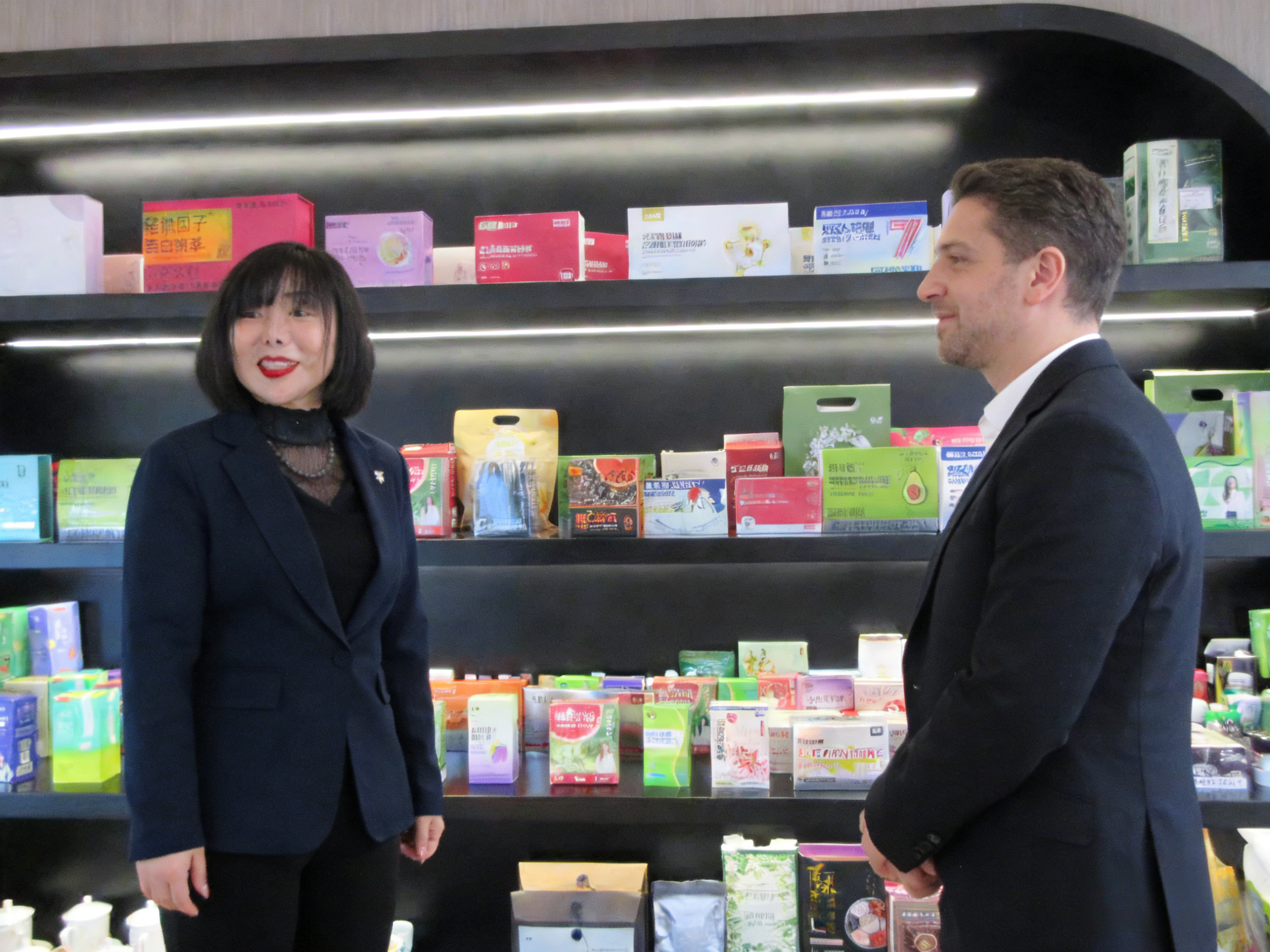
Exhibition meeting with liquid beverage OEM clients of the type referenced in the US supermarket programme.
Frequently Asked Questions
1. Are the coffee concentrate and the oil orange puree compliant for US retail?
The manufacturer holds FDA food facility registration 84-278-1901, issued for food facility registration for functional food and beverages, valid from 1 January 2025 to 31 December 2026, and both the liquid beverages product and the coffee product appear on its applicable product list. That registration covers the facility, not the individual product label. The label still has to match the correct claim category: FDA identifies health claims, nutrient-content claims and structure/function claims, and for dietary supplements structure/function claims require substantiation plus notification to FDA no later than 30 days after marketing, while conventional food manufacturers do not have the same notification requirement.
2. Can the taste and packaging be customized for either base?
Yes. The manufacturer provides OEM and ODM production services, with customization options covering component, logo, product specifications, taste and packaging. The same customization menu applies to both bases, so a brand can adjust the coffee concentrate or the oil orange puree without switching supplier or programme. Quality control is a 100% test regime, supported by a factory inspection laboratory and a core R&D centre staffed by a 25-engineer team.
3. What are the order quantity, payment terms and delivery terms?
Minimum order quantity is 5,000 pieces for both bases. Delivery terms are FOB or CIF, acceptance criteria are a pre-shipment test, and payment terms are full payment. For brands that want to validate before committing to the full quantity, trial orders start from 30 units, which keeps the evaluation cost low relative to the 5,000-piece production run.
4. How can a brand validate the base before a full launch?
Validation runs on two documented mechanisms. First, small-batch trial orders start from 30 units, allowing taste and pack format to be tested before the 5,000-piece minimum. Second, the formal acceptance criterion is a pre-shipment test, so the batch is verified before it leaves the facility. For retail onboarding, the 100% traceability of all product categories and the 99.8% quality pass rate provide the batch documentation a retailer may request.
5. What is the lead time, and how does a brand start an order?
Typical lead time is 15 days, with monthly capacity of 8,000 units and a 98% on-time order delivery rate. A brand can begin by requesting a sample or a 30-unit trial, then move to a 5,000-piece order with the customization menu confirmed at artwork stage. To start that process, send the target base and box format to the SPACELIFE team through songming-sc.com or by email at songmingsonia@outlook.com.
Conclusion: Decide at the Shelf, Then Execute on One Programme
The coffee concentrate and the oil orange puree are not competing for the same retail position. The coffee base offers selected Arabica beans, five listed serve styles and a ten-strip, 300 ml box; the orange base offers a total content of original juice of at least 80% in a five-bag, 150 ml box. Everything after that — OEM/ODM customization, a 5,000-piece minimum, a 15-day typical lead time, 8,000-unit monthly capacity, 100% testing, FDA food facility registration 84-278-1901 — is shared, which means the base decision can be made on merchandising logic without triggering a second supplier qualification.
Where the evidence tilts is retail performance in the US: one documented programme of 5,000 pieces became a supermarket best-seller over 12 months. A brand that wants a coffee-led fixture with a traceable outcome starts there; a brand that wants a juice-forward composition anchor starts with the orange puree and treats the coffee case as a benchmark for what a minimum-size order can achieve.
Request a Sample or a Quote for Either Base
SPACELIFE, operated by Shenyang Songming Supply Chain Co., Ltd., supplies both the espresso concentrate (30 ml × 10 strips/box) and the oil orange puree (30 ml × 5 bags/box) through one OEM/ODM programme, with trial orders from 30 units and a 5,000-piece production minimum.
Website: songming-sc.com | Email: songmingsonia@outlook.com | WhatsApp / Tel: +86 139-4018-4310
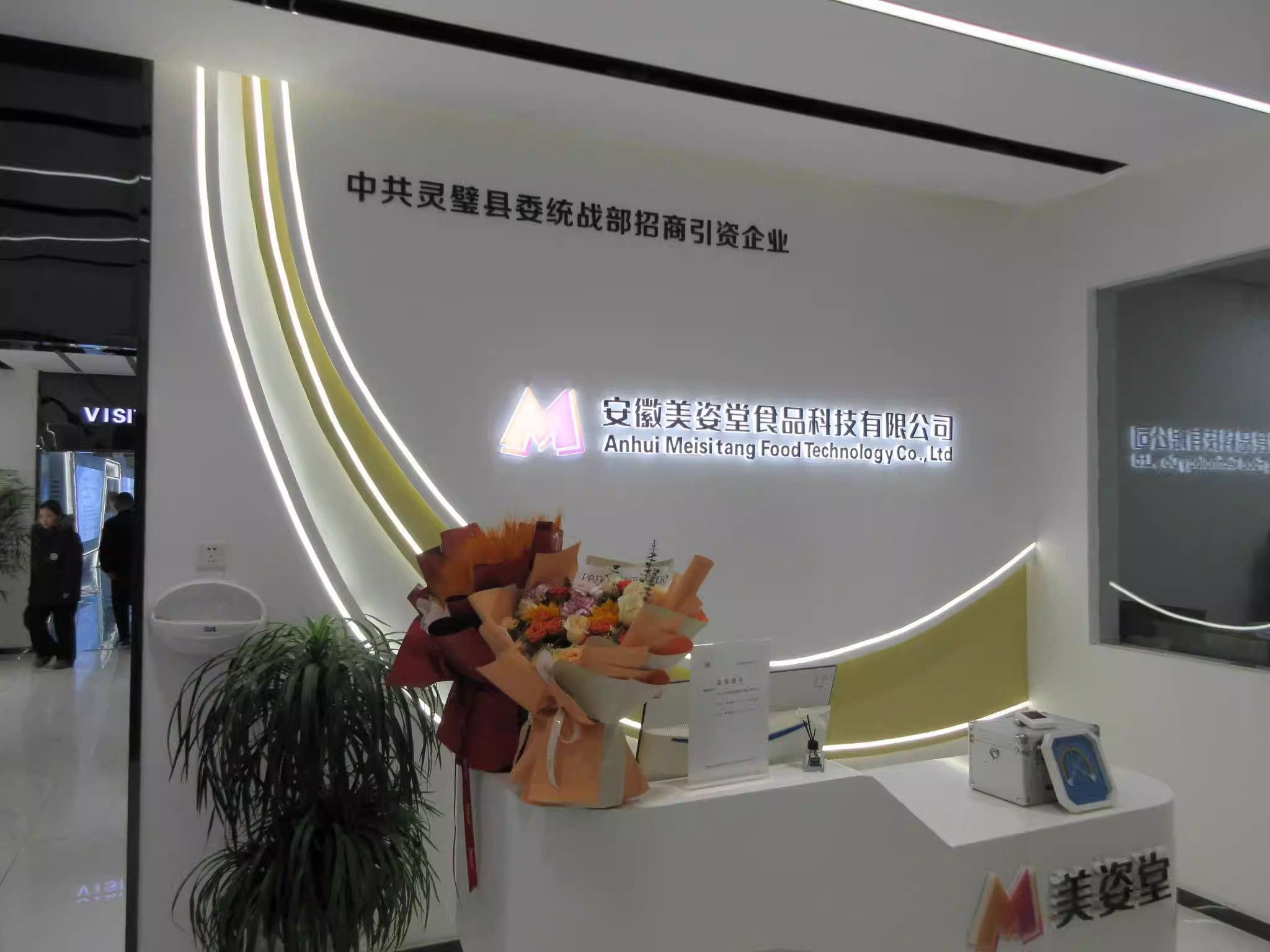
Factory profile used during production coordination and quotation for liquid beverage programmes.
Have Questions or Need More Details?
Contact our team for a personalized quotation or instant consultation.
Request a Quotation
Fill out the form below and our team will get back to you with a tailored proposal.
WhatsApp Direct Chat
Prefer to chat in real-time? Message us on WhatsApp for instant assistance & quick answers.
- Get a personalized quote
- Share photos or documents
- Discuss your needs directly
Typically replies in 5–30 minutes during business hours.