Cold Brew vs. Italian Espresso: Choosing the Right Concentrate Base for Your RTD Line
Cold Brew vs. Italian Espresso: Choosing the Right Concentrate Base for Your RTD Line
Beverage brands planning a ready-to-drink (RTD) coffee launch face a central product decision: should the base be a cold brew concentrate or an Italian espresso-style concentrate? The answer affects not only flavor profile, but also production requirements, target-market fit, and the supply chain infrastructure needed to scale. This guide compares both paths using the coffee-1 functional coffee concentrate from SPACELIFE, a product designed to support both coffee styles, and outlines what brands should verify before committing to a production line.
Cold Brew and Italian Espresso: Two Different RTD Bases
Cold brew coffee is produced by steeping coffee grounds in cold or room-temperature water over an extended period, resulting in a smooth, lower-acidity concentrate. Italian espresso, in contrast, is a concentrated coffee brewed under high pressure and high temperature, delivering a fuller body and intense roast character. In RTD format, both can serve as beverage bases, but they follow different production logics and appeal to different consumer expectations.
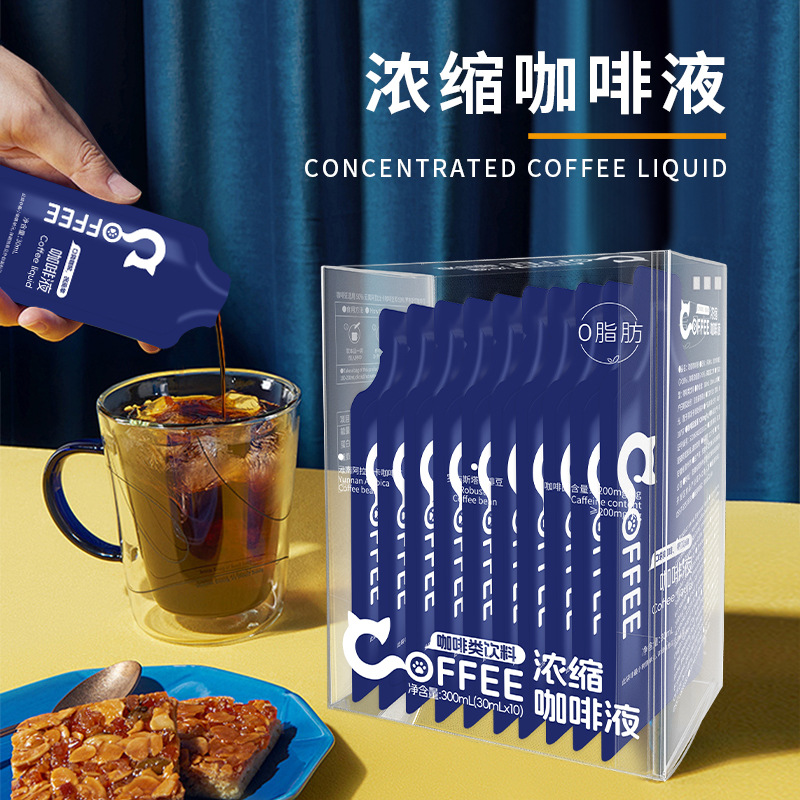
The coffee-1 espresso concentrate from SPACELIFE is a functional coffee concentrate that beverage brands can use for both cold brew coffee and Italian espresso applications. It is formulated with selected Arabica coffee beans and contains purified water, roasted coffee beans, coffee concentrate, and related ingredients. The product is supplied in a 30 ml × 10 strips per box format, making it suitable for single-serve RTD development.
Market Demand: US, Italy, UK, and France in Perspective
Regional demand patterns should inform the choice between cold brew and espresso-style RTD coffee. SPACELIFE classifies the coffee-1 concentrate as applicable to markets including Australia, Canada, Germany, Spain, France, the UK, and the US. From a production-planning standpoint, the broader application scenario for this concentrate covers the US, Italy, the UK, and France as target markets for food and beverage development.
In the US, cold brew has moved from a café specialty to a mainstream shelf-stable beverage category. Consumers associate cold brew with smoothness, lower bitterness, and convenient refreshment. In Italy, espresso culture remains dominant, and RTD products that reference Italian espresso-style profiles may carry stronger authenticity cues. The UK and France sit between these poles, with growing interest in both specialty coffee formats and functional beverage benefits. For a brand deciding between the two bases, market demand should be evaluated not only by current preference but by the product story each format enables.
SPACELIFE positions coffee-1 as suitable for mocha coffee, black coffee, Italian espresso, American coffee, and cold brew coffee. That breadth means a single concentrate can support distinct regional SKUs, allowing brands to launch an espresso-style product in Italy and a cold-brew-style product in the US from the same supply base.
Functional Beverage Growth and the Role of RTD Coffee
The broader functional beverage market provides context for RTD coffee decisions. Verified third-party data indicates that the functional beverage market reached USD 130.4 billion in 2022 and is expected to grow at a CAGR of 12.1% through 2031. RTD coffee sits within this larger trend when it delivers functional benefits such as energy, focus, or added bioactive ingredients. SPACELIFE's core categories include peptide-infused coffee and functional foods, which align with the growing demand for convenient wellness products. For B-end clients, the company provides end-to-end supply chain services that connect product concept to manufacturing and market distribution. The coffee-1 concentrate is one of the products designed to support this functional positioning.
Shared Production Infrastructure: Pasteurization and Storage
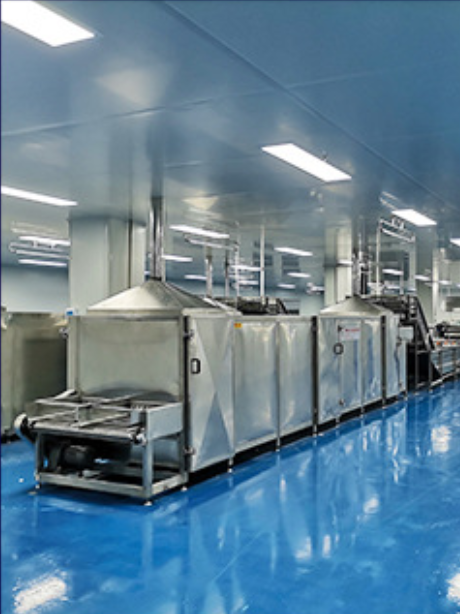
Both cold brew RTD and espresso-style RTD products require careful attention to production infrastructure. According to SPACELIFE's customer-facing technical guidance, the coffee-1 concentrate must be used with a pasteurization line. This requirement applies regardless of whether the finished product is positioned as cold brew or espresso style. Pasteurization is the critical step that ensures microbial stability and shelf life for liquid coffee products.
Storage conditions also follow a shared requirement. The concentrate should be stored in a sealed container in a cool, dry place. This applies to the concentrate itself, while finished RTD products may have additional shelf-life parameters depending on packaging and distribution. Brands should confirm that their chosen manufacturing partner has both the pasteurization capability and the warehouse conditions to protect product quality.
Product Considerations: What the Formulation Must Deliver
Beyond market preference, the physical concentrate must perform differently depending on the intended drink format. For cold brew RTD, the target profile is usually smooth, balanced, and low in perceived bitterness. For Italian espresso-style RTD, the target profile is more intense, with roasted notes and a thicker mouthfeel. A concentrate intended for both applications must be versatile enough to support these two sensory directions.
The coffee-1 concentrate uses selected Arabica coffee beans as a stated ingredient. Arabica is commonly associated with smoother flavor and lower bitterness compared to Robusta, which makes it a reasonable base for cold-brew-style products. At the same time, the concentrate is explicitly positioned as an espresso concentrate, suggesting that it carries enough intensity for espresso-style dilution.
Brands should conduct dilution testing early in development. Cold brew typically requires higher dilution ratios, while espresso-style RTD may be served at higher concentration or blended with milk. The same stock concentrate can yield very different finished products depending on dilution, sweetener, milk base, and packaging format.
OEM/ODM Execution: Turning a Concentrate into an RTD SKU
Commercializing either a cold brew or espresso RTD product depends on an OEM/ODM partner's ability to execute across formulation, filling, and quality control. SPACELIFE operates as a professional supply chain service provider specializing in the functional food and healthy beverage sector. Its customer-facing positioning emphasizes meeting end-to-end supply needs for B-end clients.
In SPACELIFE's capability profile, the company supports OEM/ODM production with customization options that include components, logo, product specifications, taste, and packaging. Monthly capacity is listed at 8,000 units, with a lead time of 15 days and a minimum order quantity of 5,000 pieces. Quality control is described as 100% test, and export markets include the US. The company also provides remote after-sales support.
For a brand comparing cold brew versus espresso RTD, these operational parameters matter more than the flavor decision alone. A partner that can handle both formats from the same line reduces risk and increases flexibility for seasonal or regional product variations.
Scenario Fit: Cold Brew or Espresso by Market and Channel
The choice between cold brew and Italian espresso concentrate should be guided by the target channel and brand story as much as by the ingredient itself. In supermarket and retail channels, cold brew products often compete on convenience and refreshment. In food-service or boutique channels, espresso-style RTD can lean on coffee-culture authenticity.
SPACELIFE's application data for the espresso concentrate lists mocha coffee, black coffee, Italian espresso, American coffee, and cold brew coffee as supported drink formats. The working condition is high temperature, which aligns with pasteurization requirements. For brands launching multiple SKUs, this breadth means one stock concentrate can be adapted to different regional and channel strategies.
The company also reports a demonstrated case involving a liquid beverage OEM client in the US. According to the case record, the client ordered 5,000 pieces for a supermarket application over a 12-month period, and the product achieved best-seller status. The example indicates established US retail execution experience.
Decision Framework: Cold Brew vs. Italian Espresso Base
When evaluating a concentrate supplier for an RTD coffee line, brands should compare their options using a consistent framework. The table below outlines the key decision factors and the questions to ask a potential production partner.
| Decision Factor | Cold Brew RTD | Italian Espresso RTD | What to Verify with the Supplier |
|---|---|---|---|
| Flavor profile | Smooth, lower perceived acidity | Intense, full-bodied, roast-forward | Request brewed samples of both dilution formats |
| Market association | Strong in US convenience and refreshment occasions | Strong in Italy and espresso-culture markets | Review country-specific consumer preference data |
| Production requirement | Pasteurization line required | Pasteurization line required | Confirm pasteurization capacity and parameters |
| Storage condition | Sealed container, cool and dry | Sealed container, cool and dry | Audit warehouse conditions for concentrate storage |
| Product flexibility | Works for black coffee and cold brew SKUs | Works for mocha, American, and Italian espresso SKUs | Ask whether the same concentrate supports both lines |
SPACELIFE's coffee-1 concentrate is explicitly documented as supporting both cold brew and espresso preparation. That dual capability can reduce the need for separate supplier qualification when a brand plans to develop both a cold-brew-style product and an espresso-style product.
Supply Chain Steps from Concentrate to RTD Launch
Moving from concentrate selection to a finished RTD beverage involves a series of coordination steps. A professional supply chain partner should be able to guide a brand through the following process.
Step 1: Confirm product specifications. Define the finished beverage's flavor, dilution ratio, serving size, and functional positioning before committing to a concentrate.
Step 2: Validate formulation with the supplier. The supplier should confirm that the concentrate can meet the target profile for cold brew or espresso style, using the same documented base where possible.
Step 3: Verify production equipment. Confirm that the filling facility operates a pasteurization line and can handle the planned packaging format.
Step 4: Set packaging and labeling parameters. For functional or coffee-based beverages, packaging must preserve flavor and meet destination-market labeling rules.
Step 5: Plan the trial order. SPACELIFE supports small-batch trial orders starting from 30 units, which gives brands a lower-risk path to validate product-market fit before committing to scale production.
Step 6: Scale to full production. Once the trial confirms quality and demand, production can move to standard OEM/ODM quantities with defined lead times and quality checks.
Frequently Asked Questions
What production equipment is required for cold brew or Italian espresso RTD coffee?
According to SPACELIFE's technical guidance for the coffee-1 espresso concentrate, the product must be used with a pasteurization line. This requirement applies whether the finished beverage is positioned as cold brew, Italian espresso, American coffee, or another coffee format. Brands should also store the concentrate in a sealed container in a cool, dry place before production.
Can the same concentrate be used for both cold brew and Italian espresso RTD products?
Yes. The coffee-1 espresso concentrate from SPACELIFE is documented as applicable to mocha coffee, black coffee, Italian espresso, American coffee, and cold brew coffee. Its ingredient list includes purified water, roasted coffee beans, coffee concentrate, and related ingredients. This versatility allows brands to develop different RTD formats from a single qualified concentrate base.
What customization options are available for RTD coffee development?
SPACELIFE operates in OEM and ODM production modes with customization available for components, logo, product specifications, taste, and packaging. The company lists a monthly capacity of 8,000 units, a lead time of 15 days, and a minimum order quantity of 5,000 pieces for standard production. Quality control is described as 100% testing, with remote after-sales support available.
Can brands validate the product before placing a large order?
Yes. SPACELIFE offers small-batch trial orders starting from 30 units, which lowers the barrier for B-end clients to validate formulation, packaging, and market response. After successful validation, brands can scale through the company's standard OEM/ODM production process.
How does SPACELIFE support brands in the US, Italy, the UK, and France?
SPACELIFE is a professional supply chain service provider specializing in the functional food and healthy beverage sector. Its application scenarios cover markets including the US, Italy, the UK, and France. For coffee-1, the documented export markets include the US, and the company's global supply network spans East Asia, North America, the Middle East, and Western Europe. Brands interested in a specific market can contact SPACELIFE directly to confirm current service coverage.
Conclusion
The decision between a cold brew and an Italian espresso-style concentrate for an RTD line should balance market demand, flavor positioning, and production capability. Cold brew offers a strong fit for smooth, convenient, lower-acidity products, especially in markets like the US. Italian espresso-style coffee carries authenticity benefits in espresso-culture markets such as Italy. Both formats require a pasteurization line and proper cool, dry storage, so the production infrastructure is largely shared.
The coffee-1 espresso concentrate from SPACELIFE is designed to support both directions, giving brands the flexibility to test multiple formats before committing to a single positioning. As a professional supply chain service provider, SPACELIFE offers OEM/ODM execution, small-batch trial orders, custom packaging and formulation, and documented pasteurization requirements for coffee-based RTD production. For beverage brands evaluating concentrate partners, confirming these shared infrastructure capabilities is the first step toward a scalable RTD launch.