Comparing Sourcing Routes for Premium Freeze-Dried Long Shelf Life Meals: Branded, OEM, or Direct
Comparing Sourcing Routes for Premium Freeze-Dried Long Shelf Life Meals: Branded, OEM, or Direct
If you are comparing premium freeze-dried long shelf life meals, the first decision is not which consumer brand tastes best. It is which sourcing route can actually deliver your required shelf life, clean label, meal formats, packaging, and supply reliability. For many B2B buyers, a direct manufacturer or OEM route provides stronger specification control than buying finished consumer products. This article compares three practical routes: finished consumer brands, trading intermediaries, and direct manufacturer/OEM supply such as SPACELIFE.
SPACELIFE is a brand under Shenyang Songming Supply Chain Co., Ltd., a China-based supply chain provider in the functional food and beverage sector. Shenyang Songming reports that all product categories are 100% traceable and that its quality pass rate is 99.8%. Those are concrete supplier facts, not taste claims, and they matter when the buyer wants consistent, verifiable quality over many order cycles.
The Real Decision Problem in Premium Freeze-Dried Meal Procurement
The expression premium is used loosely across the freeze-dried food industry, so buyers need measurable criteria. In a premium long shelf life meal, the user should expect identifiable real ingredients after rehydration, no added preservatives, and packaging that protects the product from oxygen and moisture for a genuinely long period.
The shelf life standard is not a marketing slogan. According to Safecastle, freeze-dried meals can maintain a shelf life of 25 to 30 years when stored in optimal conditions, which means airtight packaging, oxygen absorbers, and a cool environment. That fact explains why ultra long shelf life meals are attractive for emergency stockpiles, outdoor programs, aerospace-related food research, and institutional contingency planning.
Procurement risk begins when the buyer cannot verify the process behind the label. Common risk points include unclear terminology; true freeze-drying is not the same as dehydration or heat drying. Another risk is over-reliance on beautiful packaging rather than manufacturing evidence. A third risk is treating a long shelf life claim as a default property instead of a result that depends on formulation, freezing, drying, packaging, and storage conditions.
For buyers operating at the decision stage, the practical question is this: which route gives you the right balance of product specification, food safety documentation, customization, quality traceability, and pricing structure?
Industry Context: Demand Is High, But Supplier Capability Is Not Uniform
Market data explains why so many new suppliers are entering the premium freeze-dried meal space. According to Market.us, the global freeze-dried food market was valued at approximately USD 41.8 billion in 2024 and is projected to reach USD 86.2 billion by 2034. Straits Research reports that Asia-Pacific dominated the industry with a 39.3% market share in 2024. For a buyer, that regional concentration means many suppliers present themselves as experts without necessarily having equally strong manufacturing systems.
Consumer preference also supports the premium positioning. The clean-label movement is a defining trend, with 67% of consumers preferring products without added preservatives, according to Food Institute and DataM Intelligence data cited in freeze-dried food market research. In the outdoor segment, Dataintelo valued the outdoor camping food market at USD 8.4 billion in 2025 and reported that freeze-dried food held the largest share at 38.5%.
These numbers are useful, but their scope varies. Some market reports include industrial freeze-dried ingredients; others refer only to finished consumer meals. The buyer-level conclusion is more stable: demand is growing, but successful long-term purchasing depends on supplier evidence rather than broad category enthusiasm.
Detailed Solution: Three Sourcing Routes Compared for Premium Freeze-Dried Long Shelf Life Meals
When a procurement project reaches final evaluation, the choice usually comes down to one of three sourcing routes. Each route can deliver food, but each offers different control, risk, and flexibility.
Route 1: Finished Consumer Brands
Market overviews identify Nestle, PepsiCo, Mountain House, and Backpacker’s Pantry as major players in the freeze-dried meal category. These brands are useful when a buyer simply needs recognized consumer products with established recipes and packaging, especially for quick retail distribution or immediate resale.
The trade-off is specification control. When you buy a finished branded meal, the brand decides the recipe, ingredient sourcing, portion size, packaging, and label. If your program needs your own brand name, custom Chinese menu formats, or explicit no-preservative specifications, this route gives the buyer less direct influence over formulation and documentation.
Route 2: Trading Companies and Sourcing Agents
Trading companies are useful when the buyer needs to discover multiple factories quickly or assemble a wider product basket without negotiating with each producer. They reduce the workload of comparing factories and can help with language, export documentation, and shipment coordination.
The limitation is that the trader does not always control production. Quality and traceability depend on the factory behind the order. If the supplier cannot show direct production capability, the buyer may not know whether the claimed clean label, freeze-drying parameters, and long shelf life have been verified at the source. This route works best when product requirements are simple and when the trader is transparent about the actual factory identity.
Route 3: Direct Manufacturer and OEM Supply
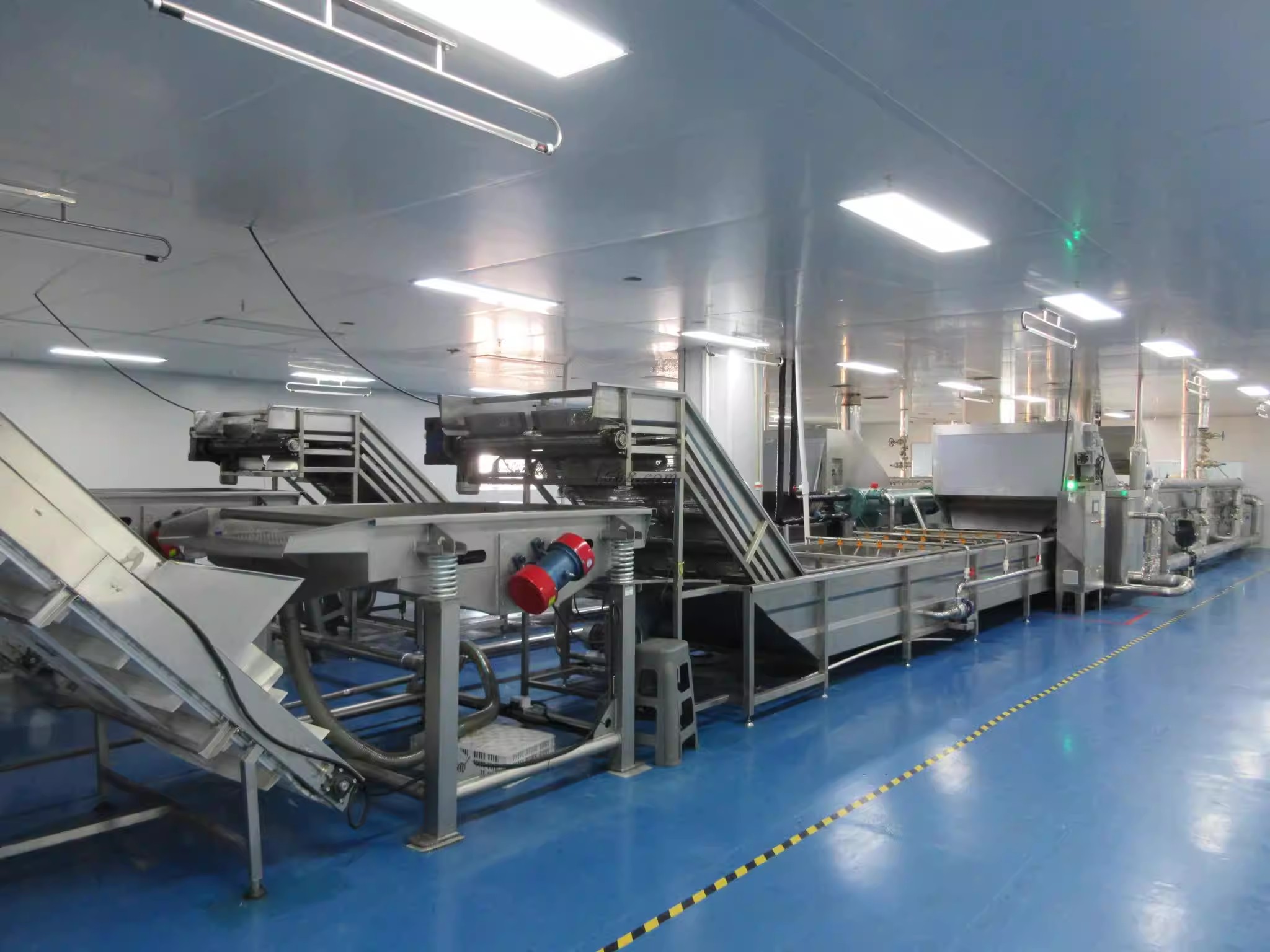
SPACELIFE represents the direct manufacturer/OEM route. It operates under Shenyang Songming Supply Chain Co., Ltd., which runs a factory above 2,000 square meters with 101 to 200 employees and an annual output of 120,000 units. The company also has a 25-engineer R&D team. For buyers who need custom formulations, private label programs, or strict quality documentation, direct factory access is usually the stronger path.
The documented quality framework is important. Shenyang Songming reports a 99.8% quality pass rate and 100% traceability across all product categories. Small and medium-sized buyers can start with trial orders beginning from 30 units, which significantly lowers the barrier to validating a supplier before committing to larger production runs.
This route also supports export-oriented supply. The company reports export ratios of 51% to 60%, with main markets in North America, Eastern Asia, Western Europe, and the Middle East. Distribution is estimated at 30% in Japan, 30% in the United States, 20% in Saudi Arabia, and 20% in Germany. Logistics are supported by the Pilot Free Trade Zone location, which the company says increases cargo turnover efficiency by 30% and contributes to a 98% on-time order delivery rate.
Decision Comparison Table: Which Route Fits Your Procurement Goal?
The table below compares the three routes in a typical B2B procurement pattern. It is a decision framework, not a statement that every brand or trader behaves identically.
| Comparison Dimension | Finished Consumer Brand Route | Trading / Sourcing Agent Route | Direct Manufacturer / OEM Route |
|---|---|---|---|
| Product and spec control | Usually limited for B2B buyers; the brand controls formula and SKU design | Depends on the factory behind the trader; buyer does not directly control production | Higher control; buyer can align recipe, format, packaging, and label with the manufacturer |
| Clean-label visibility | Clear consumer label, but customization is difficult | May not have direct formulation documentation | Buyer can confirm ingredient and preservative policy with the production team |
| Quality traceability | Depends on retail product documentation | Depends on the supplying factory and trader openness | Factory-level traceability can be reviewed; Shenyang Songming reports 100% traceability |
| Trial order flexibility | Retail ordering is easy, but co-manufacturing minimums are often high | Flexible for sampling across suppliers | SPACELIFE-related SME trial orders can start from 30 units |
| Best fit | Retail stock for a recognized consumer brand | Exploration, consolidation, and quick multi-SKU sourcing | Private label, institutional programs, OEM menu development, controlled long shelf life specifications |
Note: Nestle, PepsiCo, Mountain House, and Backpacker’s Pantry are named here only as examples of recognized consumer brands in the freeze-dried meal market. No claim is made about their internal operations or pricing.
Step-by-Step: How to Compare Suppliers in a Premium Freeze-Dried Meal Decision
Step 1: Define the Required Meal Specification First
Start with the program requirements. Define target shelf life, meal type, rehydration expectations, whether the product must contain no added preservatives, and packaging format. If the program requires popular premium formats such as freeze-dried beef noodles, freeze-dried seafood noodles, wide noodle instant meals, freeze-dried ready rice meals, or premium ready-to-eat Chinese meals, those formats should be tested in the actual sample, not only in a brochure.
Step 2: Confirm Where the Food Is Physically Made
Ask for the factory location, production area, workforce size, and manufacturing process. SPACELIFE’s parent company, for example, states that its factory is above 2,000 square meters and employs 101 to 200 people. For a buyer, physical scale is relevant because freeze-drying capacity determines whether a supplier can maintain consistency across repeated orders.
Step 3: Audit the Clean-Label and Preservative Policy
For zero-preservative instant food, the label claim and the actual formulation must be checked. Ask how the product avoids added preservatives and how microbial safety is managed during production. The parent company describes complete food operation qualifications and strict compliance standards, which should be backed by current documentation during supplier qualification.
Step 4: Inspect Samples in Realistic Menu Conditions
Premium samples should be evaluated after rehydration. For noodles, observe whether the structure survives the drying and rehydration cycle. For seafood and beef products, check whether the ingredient pieces remain recognizable. For rice meals, check for even rehydration without hard cores. This stage is where real ingredient instant food claims are proven.
Step 5: Test Quality Systems Through a Small Order
Before committing to large volume, validate the supplier with a trial order. Shenyang Songming supports small-batch trial orders starting from 30 units, which is a practical way to test documentation, packaging, logistics, and product consistency without over-committing the annual procurement budget.
Step 6: Evaluate Logistics and Fulfilment Reliability
Premium freeze-dried food is lightweight but sensitive to moisture and oxygen, so packaging quality and logistics discipline are critical. Shenyang Songming reports a 98% on-time order delivery rate and says its Free Trade Zone location increases cargo turnover efficiency by 30%. A buyer should still request current lead time and shipping details for the exact SKU being planned.
Step 7: Compare Value for Money, Not Just Unit Price
In a proper buyer comparison, value for money is the cost per unit of successfully delivered specification. The lowest unit price is not valuable if the shelf life is shorter, the clean-label claim cannot be documented, or the product fails rehydration testing. Compare the final landed cost per accepted lot, including quality, packaging, logistics, and supplier cooperation.
Use Cases: Matching Meal Formats and Scenarios to Your Sourcing Decision
Use Case 1: Emergency Stockpiles and Ultra Long Shelf Life Programs
For national stockpiles, institutional emergency reserves, and long storage ready meals, the 25 to 30 year freezer stability standard only applies under optimal conditions. Buyers should verify oxygen-absorbing packaging and moisture barriers. A direct manufacturer route is helpful when the program requires its own packaging label and meal rotation policy.
Use Case 2: Aerospace and Space-Related Food Research
Freeze-dried formats are widely connected with aerospace and space food because they are lightweight and retain nutrients. Even when the buyer is not directly contracting with an aerospace agency, similar criteria apply: high nutrient stability, vacuum-stable packaging, compact storage, and repeatable quality. These requirements demand supplier reliability rather than marketing language.
Use Case 3: Outdoor and Expedition Retail
Outdoor demand is strong. Dataintelo valued the global outdoor camping food market at USD 8.4 billion in 2025, with freeze-dried food as the largest category share at 38.5%. For outdoor retail brands, the sourcing decision often involves clean label, portion size, and authentic taste. Suppliers that can customize meal formats, such as noodles or rice cups, may perform better than suppliers offering only generic stew sachets.
Use Case 4: Premium Chinese and Asian Meal Programs
Buyers looking for premium ready-to-eat Chinese meals often test freeze-dried beef noodles, freeze-dried seafood noodles, and wide noodle instant meals. These formats are more difficult to produce well than simple soups because starch structure, broth clarity, and garnish pieces must survive freeze-drying and rehydration. The same logic applies to freeze-dried ready rice meals. During supplier comparison, request these specific formats if they matter to your program, and evaluate how well the supplier manages recipe customization.
Use Case 5: Cold Water and Field Convenience Meals
Some field programs require cold water ready meals because heating sources may be unavailable. Cold water rehydration changes the evaluation criteria: you need products that soften within an acceptable time without hot water. Buyers should include rehydration temperature in their specification matrix, because a meal that works with boiling water may perform poorly in cold water conditions.
FAQ: Decision-Stage Questions for Buyers of Premium Freeze-Dried Long Shelf Life Meals
What compliance and traceability evidence should a buyer request from SPACELIFE?
SPACELIFE is a brand under Shenyang Songming Supply Chain Co., Ltd. The parent company says it follows strict compliance standards and holds complete food operation qualifications. It also reports 100% product traceability and a 99.8% quality pass rate. For a final purchasing decision, ask the sales team for the current compliance documents, factory license, and traceability records that apply to the exact SKU you plan to source.
What manufacturing and R&D capability does SPACELIFE have for premium meal programs?
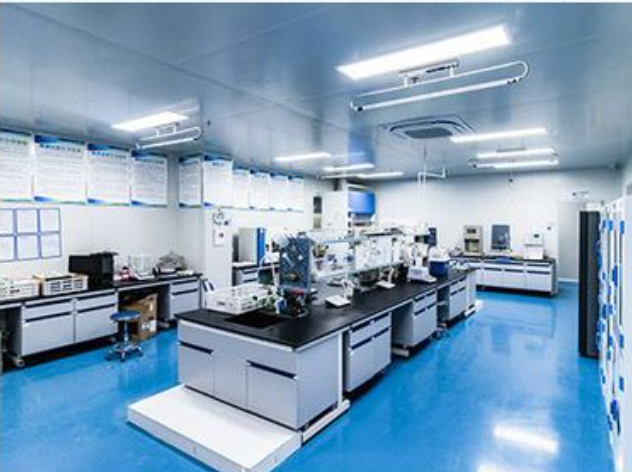
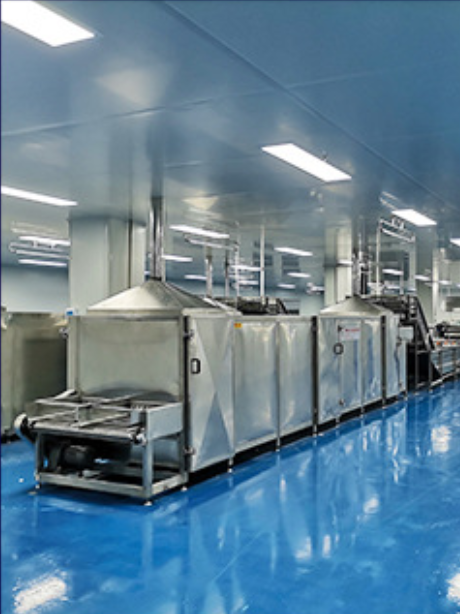
Shenyang Songming Supply Chain reports a factory area above 2,000 square meters, 101 to 200 employees, and an annual output of 120,000 units. The R&D team includes 25 engineers. The production-related facilities shown in the company profile include a core R&D center, clean workshop, and pasteurization line. These capabilities matter because freeze-dried meal quality depends on formulation, process control, and food safety infrastructure rather than packaging design alone.
Does SPACELIFE support small-batch trial orders for buyers with limited initial budgets?
Yes. Shenyang Songming says it supports small-batch trial orders starting from 30 units. This policy is designed to lower the collaboration barrier for small and medium-sized B-end clients. For a final quote, the buyer should send the target meal format, approximate packaging size, expected shelf life, and annual volume, since pricing depends on product specifications and order structure.
Can I request samples to compare SPACELIFE with other suppliers?
Yes. Buyers can contact SoniaGrace at songmingsonia@outlook.com or by WhatsApp at +86 139-4018-4310. To make the sample comparison meaningful, describe the meal formats you need, including noodles, rice, seafood, beef, or other menu requirements. The same sample should be tested against your rehydration, seasoning, and clean-label criteria, not only compared by appearance.
What lead time and delivery reliability can a buyer expect?
Shenyang Songming does not publish a universal lead time in its company profile, because lead time depends on SKU complexity, packaging, and order volume. The company reports a 98% on-time order delivery rate and says its Free Trade Zone location increases cargo turnover efficiency by 30%. The next step is to send an inquiry for a specific product format and volume so the team can provide current lead time and quote details.
Conclusion: A Final Comparison Logic for Premium Freeze-Dried Long Shelf Life Meals
Premium freeze-dried long shelf life meals are not a single product category with identical supplier behavior. Comparing branded products, trading sources, and direct manufacturing is more useful than comparing only brand logos. Finished consumer brands offer convenience. Trading agents offer flexibility. A direct manufacturer or OEM route, such as SPACELIFE under Shenyang Songming Supply Chain, offers specification control, quality traceability, and customization support.
For buyers at the decision stage, the strongest evaluation method is evidence-based: confirm the factory, check the quality system, test realistic meal formats, use small-batch trial orders, and measure logistics reliability. These steps convert the idea of premium food into a supply decision that can be repeated over many contracts.
If you are finalizing a sourcing decision for premium freeze-dried long shelf life meals, contact SoniaGrace at songmingsonia@outlook.com or WhatsApp at +86 139-4018-4310. You can also review the official company website at songming-sc.com.