
Espresso Concentrate vs. Oil Orange Puree: Functional Food Supply Chain Solutions Compared
Espresso concentrate and oil orange puree answer two different questions for a beverage brand, and the decision between them is usually settled at the supply chain level rather than the flavour level. The two options compared in this article are coffee-1 espresso concentrate, made from Arabica coffee beans, purified water, roasted coffee beans, and coffee concentrate, and Liquid beverages-1 oil orange puree liquid beverage, supplied for the liquid beverages industry. They differ in base composition, packaging format, processing-line requirements, the applications they unlock, and the buyer profile each one fits.
This comparison is written for brand owners, procurement managers, and importers who have already shortlisted functional food supply chain solutions and now need a format decision they can defend in an internal review. Every specification below is a supply-side fact that can be confirmed with the supplier before a purchase order is raised.
Problem Definition: Why the Format Choice Decides More Than Flavour
A functional beverage format is not simply a liquid inside a pouch. It determines which filling line can be scheduled, which packaging component has to be sourced, how the product is stored, what happens to it in transit, and which documents a customs broker or a retailer's quality team will request. A wrong format decision rarely shows up as a bad-tasting drink. It shows up as a line that cannot be booked, a packaging SKU that does not exist, or a compliance file that is incomplete at the port.
The decision problem in this comparison is narrow but consequential. coffee-1 espresso concentrate and Liquid beverages-1 oil orange puree liquid beverage are both liquid-format functional inputs supplied in single-serve units, but they are not interchangeable. They carry different base compositions, different unit counts per box, and different application logic. Choosing between them means deciding what the finished product is, where it will be sold, and which processing capability the supply chain partner must already have in place.
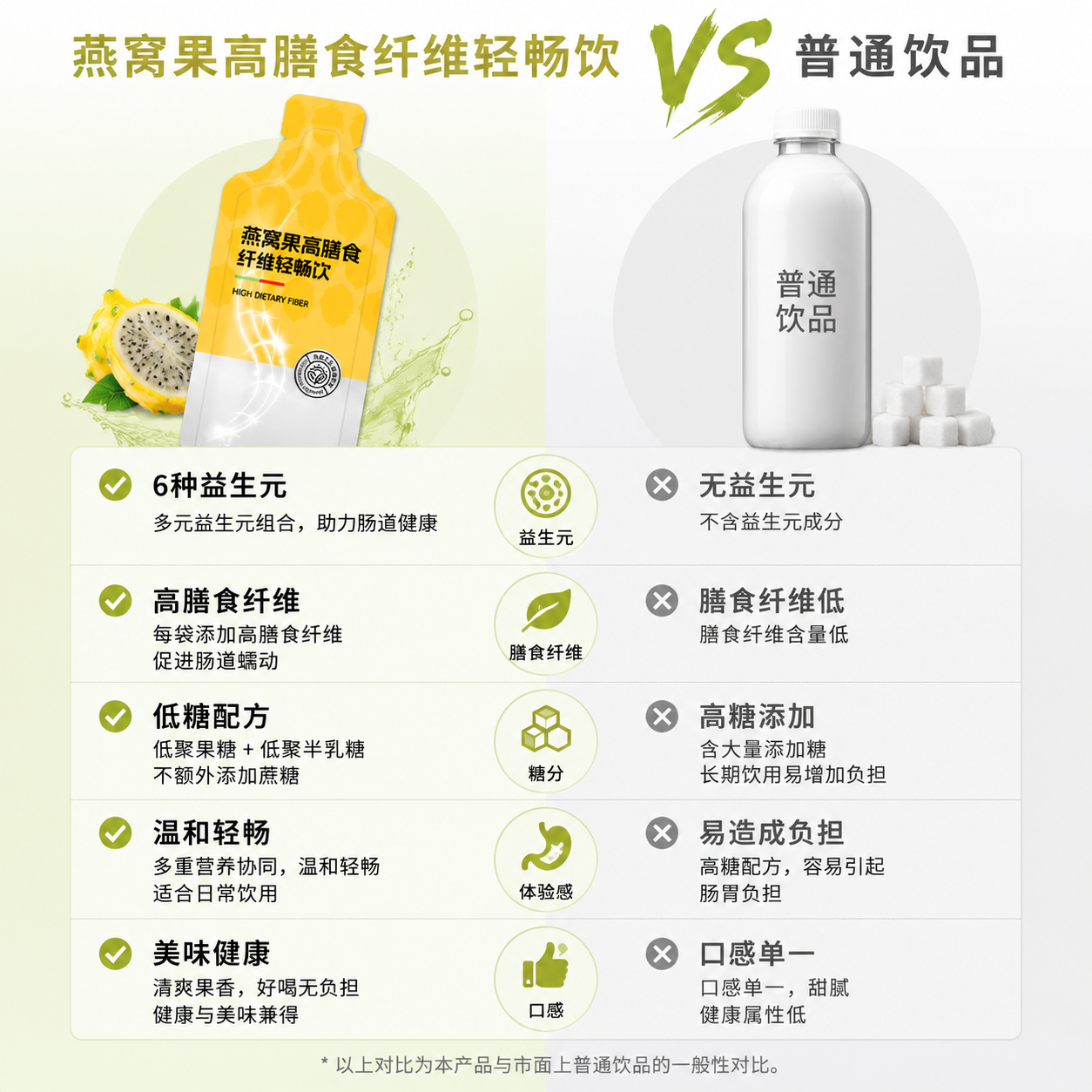
Cost sits inside that decision as well. Functional formats carry a higher unit cost than ordinary drinks and food because they incorporate additional bioactive ingredients such as probiotics, plant extracts, vitamins, functional sweeteners, and proteins or peptides. In SPACELIFE's own comparison framework, that formulation difference translates into roughly a 10% higher cost than ordinary alternatives. A buyer who selects a format without mapping that premium to a retail price band or a channel margin will struggle to place the product, regardless of how good the liquid itself is.
Two operational constraints also shape the decision. First, both formats are supplied as liquids in sealed single-serve units, which means the receiving brand needs cool and dry storage and sealed-container handling rather than ambient dry-goods storage. Second, both formats sit inside a pasteurisation-supported production environment, so the partner's line capability is part of the format decision, not a separate procurement step.
Industry Background: What the Demand Side Looks Like
Format decisions are easier to justify when they are anchored to demand. The global functional foods market was valued at USD 332.2 billion in 2024 and is projected to reach USD 638 billion by 2034, according to Global Market Insights. Functional beverages are a meaningful part of that demand: DataM Intelligence puts the functional beverage market at USD 130.4 billion in 2022, growing at a CAGR of 12.1% through 2031.
Regionally, Asia Pacific dominated the functional food and beverage market with a 39.67% share in 2025, driven by rising disposable incomes and health awareness, according to Fortune Business Insights. For brands planning cross-border launches, that concentration matters: a format that travels well and stores in cool, dry conditions is easier to place across Asia Pacific, North America, Western Europe, and the Middle East than one that depends on a narrow cold chain.
Market sizing should be read with care. Reporting agencies define the category differently. Straits Research estimates the 2025 functional food market at USD 359.81 billion and Fact.MR at USD 388.8 billion, with the spread driven mainly by whether food alone or food and beverages combined are counted. The direction of travel is consistent even when the absolute figure is not.
On the supply side, integration remains the bottleneck. More than 45% of food companies cite a lack of integrated systems as the primary barrier to adopting predictive supply chain technologies, according to Food Navigator and Elisa Industriq. That finding describes exactly the situation a brand faces when it buys a concentrate from one supplier, packaging from a second, and pasteurisation capacity from a third: the format may be right, but the coordination is not.
Regulatory pressure adds a second layer. Functional food manufacturers must comply with the FDA's restructured Human Foods Program (2024), which involves strict hazard analysis and health claim oversight. A format decision made without checking the supplier's FDA documentation is an incomplete decision.
The Two Formats, Defined
Before comparing them, it is worth stating precisely what each option is, because the differences that matter later in the decision are already visible in the specification.
coffee-1 Espresso Concentrate
coffee-1 is an espresso concentrate made from Arabica coffee beans, purified water, roasted coffee beans, and coffee concentrate. It is supplied in a strip format at 30 ml per strip, with 10 strips per box. That unit structure gives a brand a fixed, pre-measured dose per serving, which simplifies recipe control on the finished-product side and reduces the risk of over- or under-dosing at the filling stage.
The application range is broad within the coffee category. coffee-1 supports mocha, black, Italian espresso, American, cold brew, and ready-to-drink coffee bases. It is also positioned for OEM/ODM development, which means the format can be adapted to a brand's own recipe, pack size, or positioning rather than being sold only as a fixed catalogue item.
For brands building a functional coffee line, the format connects directly to the peptide-fortified coffee category that SPACELIFE supplies, alongside functional foods, prune juice drinks, meal replacement powders, and health supplements. The global collagen peptides market, one of the ingredient categories behind peptide-based formulations, was estimated at USD 2.32 billion in 2023 and is projected to grow at a CAGR of 11.6% to reach USD 4.90 billion by 2030, according to Grand View Research.
Liquid beverages-1 Oil Orange Puree Liquid Beverage
Liquid beverages-1 is an oil orange puree liquid beverage supplied for the liquid beverages industry. It is packed at 30 ml per sachet, with 5 bags per box. The packaging unit is the key operational fact here: a sachet-based format is a single-serve unit, and the 5-bags-per-box configuration sets the outer-carton handling and counting logic that a brand and its distributor will work with.
Because this format is positioned for the liquid beverages industry rather than for coffee applications, it belongs to a different product roadmap. A buyer evaluating it is typically building a fruit-forward or puree-based liquid beverage rather than a coffee base, and should confirm the finished-product recipe, the target retail format, and the intended market before locking the packaging specification.
Operational Requirements Shared by Both Formats
Despite their different applications, the two options share a common operational envelope, and this is where a format comparison becomes a supply chain comparison.
- Storage: both formats require cool and dry storage conditions.
- Containers: both are handled in sealed containers through the supply chain.
- Processing: both rely on pasteurisation-line support as part of the production environment.
- Market suitability: both are positioned as suitable for global markets rather than a single domestic market.
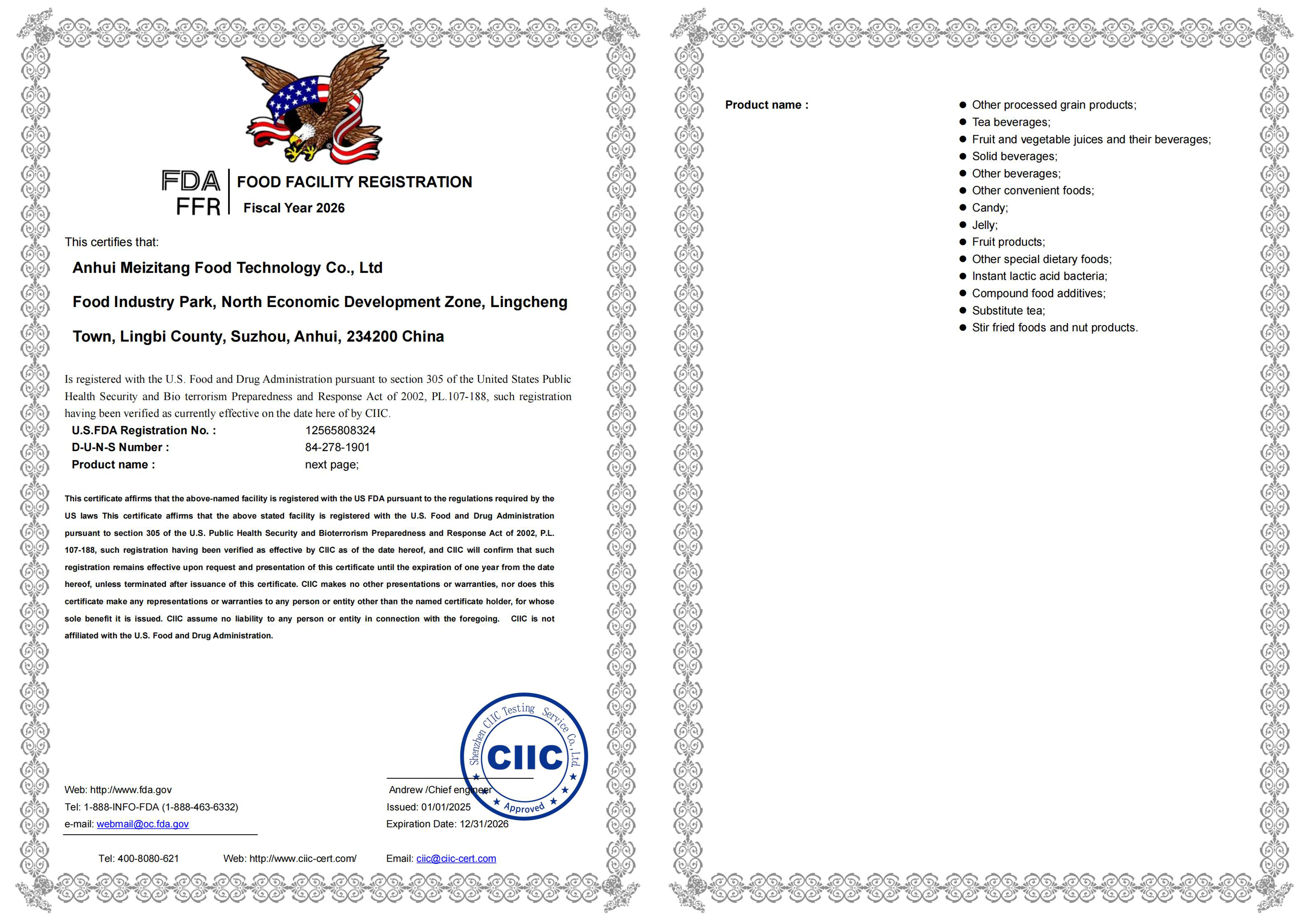
- Compliance: both sit inside the same facility-level compliance framework, including FDA certification No. 84-278-1901 and FDA food facility registration compliance.
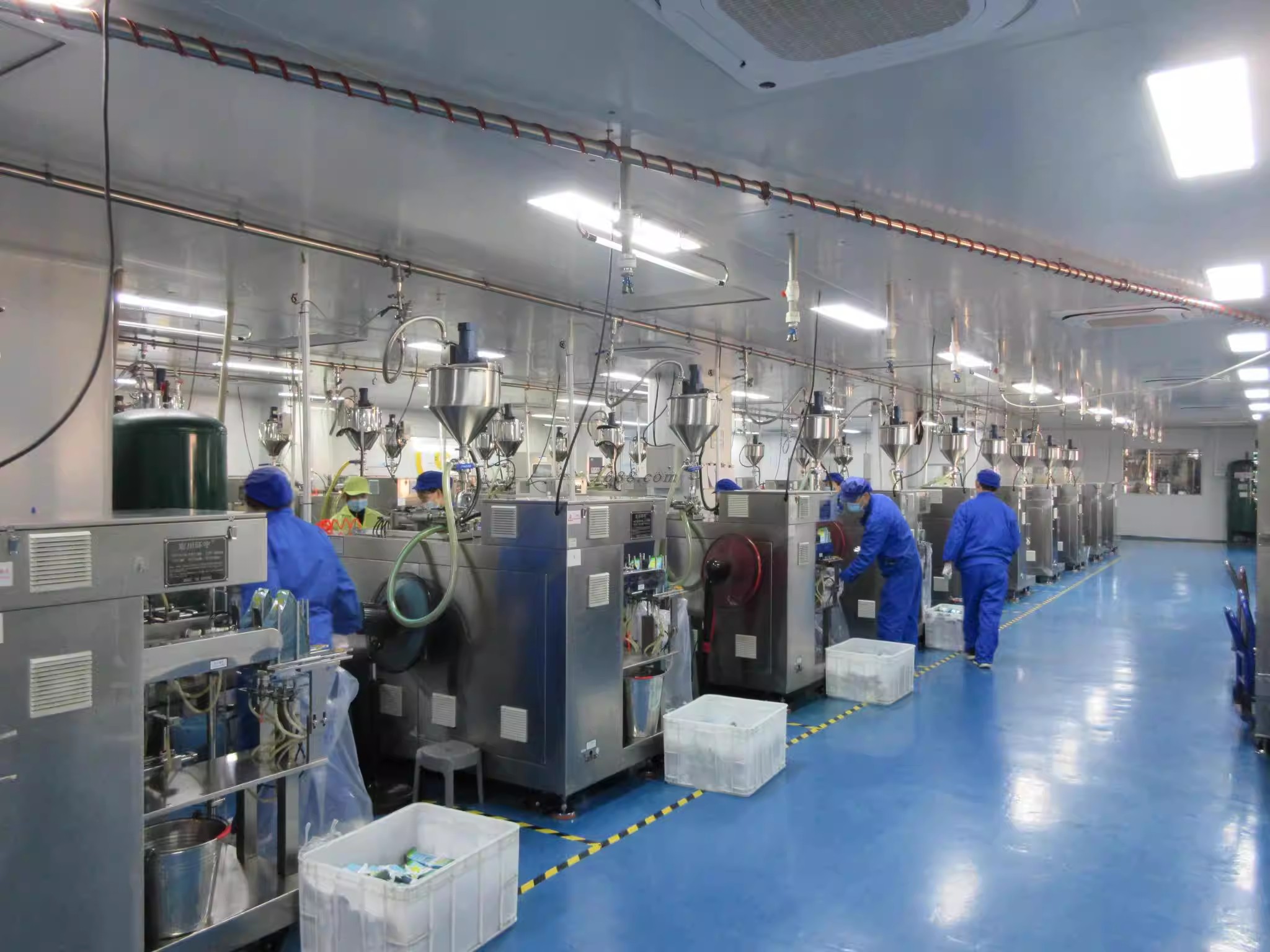
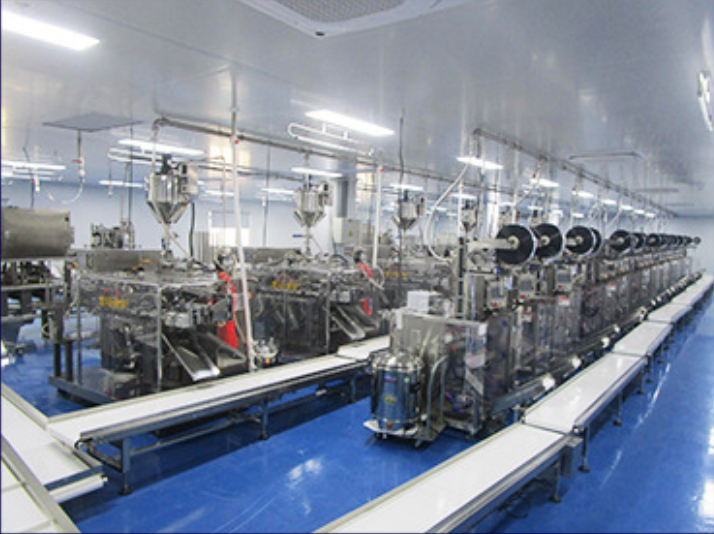
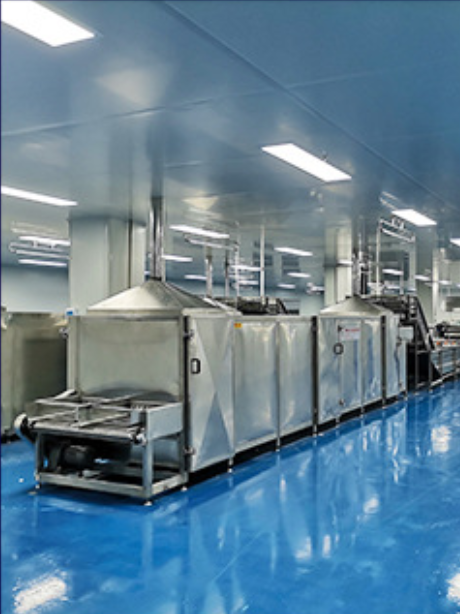
Processing and risk control are connected dimensions. In SPACELIFE's risk framework, food-health risk is controlled through pasteurisation combined with FDA certification, and the enterprise measure behind that control is a pasteurisation line. For a buyer, this is the practical reason to treat pasteurisation capability as a qualification criterion rather than a line item: it is the mechanism that makes the compliance claim operational rather than documentary.
Step-by-Step: How to Run This Decision
The choice between coffee-1 espresso concentrate and Liquid beverages-1 oil orange puree liquid beverage can be run as a short, ordered process. Skipping a step tends to move the problem downstream rather than remove it.
Step 1 — Define the finished product before the input
Decide whether the finished beverage is a coffee-based drink (mocha, black, Italian espresso, American, cold brew, or an RTD coffee base) or a liquid beverage built around oil orange puree. The input format follows from the finished product, not the other way round.
Step 2 — Match the unit format to the channel
coffee-1 ships at 30 ml per strip, 10 strips per box. Liquid beverages-1 ships at 30 ml per sachet, 5 bags per box. Map these units to your retail or foodservice channel and confirm that your filling or repacking setup can handle the chosen unit.
Step 3 — Confirm line compatibility, especially pasteurisation
Both formats depend on pasteurisation-line support. Confirm with the supply chain partner that the proposed product can be run through a pasteurisation line at your target volume, and that the partner's own line — SPACELIFE operates a pasteurisation line as a named enterprise measure — can produce it.
Step 4 — Verify storage and logistics
Both formats require cool and dry storage and sealed containers. Check whether your warehouse, your distributor's warehouse, and your target markets' climate conditions can hold that specification across the full transit and shelf cycle.
Step 5 — Check compliance documentation at facility level
Ask for the FDA certification number and the food facility registration position. SPACELIFE's file includes FDA certification No. 84-278-1901 and FDA food facility registration compliance. Confirm that the certification is current and that it covers the specific manufacturing site producing your format.
Step 6 — Decide the customisation scope
coffee-1 is positioned for OEM/ODM development, which allows the recipe, pack, and positioning to be adapted rather than purchased off the shelf. If customisation is needed, define the scope early: it affects sampling, tooling, and lead time.
Step 7 — Validate with a sample or trial batch, then scale
Before committing to a full production run, validate the format in the finished product. Small-batch trial orders are a standard entry point in SPACELIFE's supply model, starting from 30 units, which allows a brand to test a format without committing to a container-scale order.
Use Cases: Which Format Fits Which Business
Ready-to-drink coffee brands. A brand building RTD coffee in mocha, black, Italian espresso, American, or cold brew styles has a direct fit with coffee-1. The strip format at 30 ml per strip, 10 strips per box provides a pre-measured base that supports consistent recipe control across production runs.
Private-label and OEM/ODM programmes. Brands that need a base adapted to their own recipe, pack, or positioning use coffee-1 within an OEM/ODM development scope rather than purchasing a finished catalogue product.
Peptide-fortified and functional coffee lines. Buyers building a functional coffee proposition — positioned alongside collagen peptide product solutions, functional foods, prune juice drinks, meal replacement powders, and health supplements — use espresso concentrate as the carrier format while the functional ingredient system is layered on top.
Liquid beverage producers working with fruit puree bases. A producer developing an oil orange puree liquid beverage uses Liquid beverages-1 in its 30 ml sachet, 5 bags per box configuration, and should align the format to the liquid beverages industry application it is building for.
Importers and distributors serving multiple regions. Because both formats are positioned for global market suitability, they can be held in a single distribution footprint covering North America, Eastern Asia, Western Europe, and the Middle East. SPACELIFE's own distribution weighting is approximately 30% Japan, 30% United States, 20% Saudi Arabia, and 20% Germany, which gives a practical indication of where current volume demand sits.
Comparison Table: coffee-1 vs. Liquid beverages-1
| Decision factor | coffee-1 Espresso Concentrate | Liquid beverages-1 Oil Orange Puree Liquid Beverage |
|---|---|---|
| Base composition | Arabica coffee beans, purified water, roasted coffee beans, coffee concentrate | Oil orange puree liquid beverage |
| Unit packaging | 30 ml per strip | 30 ml per sachet |
| Outer packaging | 10 strips per box | 5 bags per box |
| Primary applications | Mocha, black, Italian espresso, American, cold brew, RTD coffee bases | Liquid beverages industry applications |
| Customisation | OEM/ODM development supported | OEM/ODM customisation available within the functional food and beverage programme; exact scope confirmed per project |
| Storage | Cool and dry storage; sealed containers | Cool and dry storage; sealed containers |
| Processing support | Pasteurisation-line support | Pasteurisation-line support |
| Facility compliance | FDA certification No. 84-278-1901; FDA food facility registration compliance | Same facility-level compliance framework |
| Global market suitability | Positioned for global markets | Positioned for global markets |
| Best-fit buyer | RTD coffee brands, private-label coffee programmes, functional coffee lines | Liquid beverage producers and brands building fruit-puree-based drinks |
Frequently Asked Questions
Which FDA documents should a buyer verify before selecting either format?
Verify two things: the certification number and the facility registration. SPACELIFE's compliance file includes FDA certification No. 84-278-1901 and FDA food facility registration compliance, and both coffee-1 espresso concentrate and Liquid beverages-1 oil orange puree liquid beverage sit inside that same facility-level framework. Because functional food manufacturers operate under the FDA's restructured Human Foods Program (2024), which emphasises hazard analysis and health claim oversight, buyers should also confirm that the certification applies to the specific manufacturing site producing their order, and that pasteurisation controls are in place, since pasteurisation combined with FDA certification is the stated control method for food-health risk.
Can both formats be developed through OEM/ODM rather than bought off the shelf?
coffee-1 is explicitly positioned for OEM/ODM development, which means the base can be adapted to a brand's own recipe, pack format, and positioning instead of being purchased only as a fixed catalogue item. Customisation across the wider functional food and beverage programme is available through SPACELIFE, whose supply scope covers peptide-infused coffee, functional foods, prune juice drinks, meal replacement powders, and health supplements. For Liquid beverages-1, the specified supply parameters are the 30 ml sachet and 5 bags per box configuration for the liquid beverages industry; the customisation scope for that format should be confirmed project by project.
Why does a functional format cost roughly 10% more than an ordinary drink?
The premium is a formulation difference, not a margin difference. Functional formats incorporate additional bioactive ingredients such as probiotics, plant extracts, vitamins, functional sweeteners, and proteins or peptides, and the comparison framework places that cost at approximately 10% higher than ordinary drinks and food. The same formulation logic also involves specific ingredients such as taurine, caffeine, electrolytes, and vitamin B, aimed at refreshment, anti-fatigue, or energy replenishment, which is why performance gains are described as higher energy efficiency than ordinary drinks and food. The practical question for a buyer is not whether the premium exists, but whether the finished product's positioning, channel, and price band can carry it.
Can a brand test a format before committing to full production?
Yes. Small-batch trial orders start from 30 units, which allows a brand to validate a format in the finished product before scaling. For coffee-1, that means testing the espresso concentrate in the intended application — mocha, black, Italian espresso, American, cold brew, or an RTD coffee base — and confirming that the strip format at 30 ml per strip and 10 strips per box fits the filling setup. For Liquid beverages-1, the equivalent trial validates the 30 ml sachet and 5 bags per box configuration in the target liquid beverage application.
Do storage and pasteurisation requirements change lead time between the two formats?
Both formats share the same operational requirements: cool and dry storage, sealed containers, and pasteurisation-line support. Because neither format escapes those conditions, lead-time differences usually come from the production schedule and the customisation scope rather than from the format itself. Supply chain performance is the relevant variable here. SPACELIFE reports a 98% on-time order delivery rate and a 99.8% quality pass rate across 100% traceable product categories, supported by a 30% improvement in cargo turnover efficiency. For a specific format, volume, and destination, the fastest route to a firm date is a direct quotation request — send your target specification, volume, and market to songmingsonia@outlook.com or via WhatsApp on +86 139-4018-4310 and the team can confirm format availability, sample timing, and delivery windows.
Conclusion: Decide the Format Against the Line, Not the Label
The choice between coffee-1 espresso concentrate and Liquid beverages-1 oil orange puree liquid beverage is settled by four questions: what the finished product is, which unit format your channel and filling setup can handle, whether your storage and pasteurisation conditions match the format's requirements, and whether the supplier's FDA documentation covers the site that will produce your order.
coffee-1 answers the first three with a strip-packed espresso concentrate built from Arabica coffee beans, purified water, roasted coffee beans, and coffee concentrate, supplied at 30 ml per strip and 10 strips per box, covering mocha, black, Italian espresso, American, cold brew, and RTD coffee bases, with OEM/ODM development available. Liquid beverages-1 answers them with a sachet-packed oil orange puree liquid beverage at 30 ml per sachet and 5 bags per box, positioned for the liquid beverages industry.
Both formats operate inside the same envelope — cool and dry storage, sealed containers, pasteurisation-line support, and global market suitability — and the same compliance framework, including FDA certification No. 84-278-1901 and FDA food facility registration compliance. That shared envelope is what makes a single supply chain partner practical, while the different packaging and application logic is what makes the format choice a real decision rather than a formality.
SPACELIFE is the brand operated by Shenyang Songming Supply Chain Co., Ltd., a supply chain service provider specialising in the functional food and healthy beverage sector, with a facility of above 2,000 square metres, a 25-engineer R&D team, and distribution weighted across Japan, the United States, Saudi Arabia, and Germany. Brands evaluating either format can review the wider supply capability at songming-sc.com.
Next Step: Request a Format Sample or Quotation
If you are ready to move from comparison to confirmation, request a sample or a quotation for the format that matches your finished product. Share your target application, packaging preference, volume, and destination market, and the team will confirm specification, sample timing, and delivery schedule.

Email: songmingsonia@outlook.com
Tel / WhatsApp: +86 139-4018-4310
Website: https://songming-sc.com/
Have Questions or Need More Details?
Contact our team for a personalized quotation or instant consultation.
Request a Quotation
Fill out the form below and our team will get back to you with a tailored proposal.
WhatsApp Direct Chat
Prefer to chat in real-time? Message us on WhatsApp for instant assistance & quick answers.
- Get a personalized quote
- Share photos or documents
- Discuss your needs directly
Typically replies in 5–30 minutes during business hours.