Functional Food Supply Chain Solutions That Actually Execute: OEM/ODM Capabilities, Product Matching, and Launch Readiness
Functional Food Supply Chain Solutions That Actually Execute: OEM/ODM Capabilities, Product Matching, and Launch Readiness
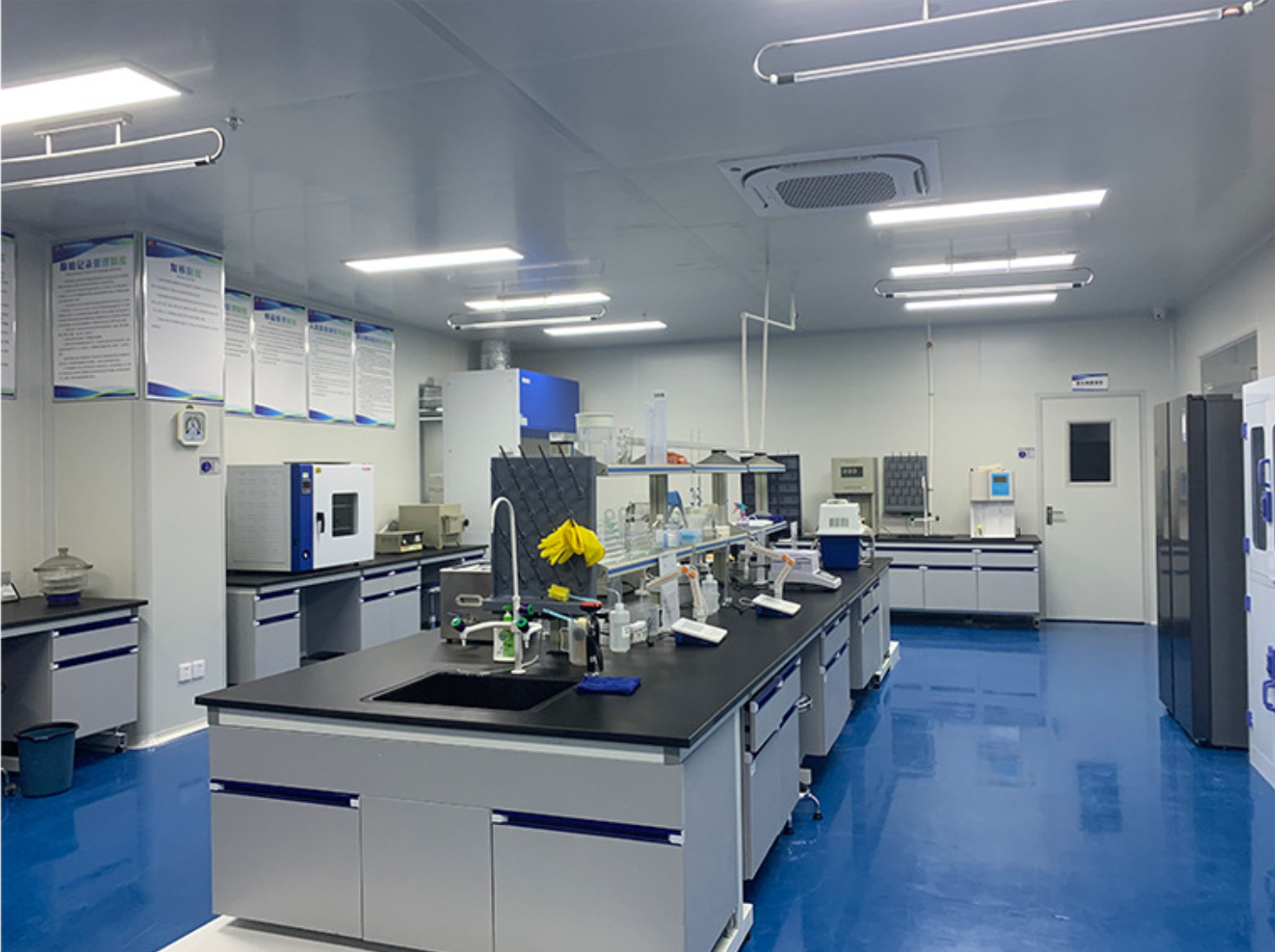
Image: Factory inspection laboratory supporting quality-controlled functional food production. Source: SPACELIFE.
You have a functional food concept, a target market, and a launch timeline. What you need now is a supply chain partner that can turn that concept into a sellable product—not just a supplier who fills bottles or bags. Functional food supply chain solutions differ in execution depth: some stop at manufacturing, while others cover product development, customization, quality control, export coordination, and post-shipment support. This article explains what execution-ready OEM/ODM capability looks like, how SPACELIFE delivers it, and how to match your product to the right manufacturing partner before you sign.
The Problem: Great Functional Food Concepts Fail at the Execution Stage
Between a finished formula and a finished product lies the hardest part of the functional food business. Brands often underestimate how many decisions must be made during production: ingredient sourcing, component selection, taste profiling, packaging format, label compliance, shelf-life testing, and shipment coordination. Each decision carries cost and timeline risk.
Integrated systems are a known pain point in food supply chains. Industry research indicates that over 45% of food companies cite a lack of integrated systems as the primary barrier to adopting predictive supply chain technologies. While that figure relates to technology adoption, it reflects a broader reality: fragmented coordination—between R&D, manufacturing, quality, and logistics—creates delays and quality inconsistencies. For small and mid-sized brands, the gap between idea and execution is even wider because they rarely have in-house teams to manage each stage.
The consequence is predictable. Products get delayed, taste profiles change between samples and mass production, packaging arrives late, or regulatory documentation is incomplete. By the time the issues surface, budgets have been spent and launch windows have closed.
What Execution-Ready Functional Food Supply Chain Solutions Must Cover
Execution-ready solutions go beyond production capacity. A useful way to evaluate a partner is to map their services against the five stages of a functional food launch:
- Product planning — defining the format, target market, and functional positioning.
- Development and customization — adapting formula, taste, components, and packaging.
- Manufacturing and quality control — producing consistent batches with verifiable testing.
- Compliance and documentation — providing registrations and documents required for export markets.
- Delivery and after-sales support — managing shipment terms and resolving post-delivery issues.
Each stage should be owned or coordinated by the supply chain partner. When a brand works with SPACELIFE, these stages are handled as one continuous workflow rather than separate vendor relationships.
SPACELIFE: An Execution-Oriented Functional Food Supply Chain Partner
SPACELIFE (Shenyang Songming Supply Chain Co., Ltd.) is a professional supply chain service provider specializing in the functional food and healthy beverage sector. The company focuses on meeting the end-to-end supply needs of B-end clients, supporting brands that want to enter the global healthy consumption market. Its core proposition is to help people in a fast-paced era enjoy an exquisite life with effortless convenience, realized through product categories including peptide-infused coffee, functional foods, prune juice drinks, meal replacement powders, and health supplements.
SPACELIFE positions itself around measurable execution outcomes: leverage of the Pilot Free Trade Zone location to increase cargo turnover efficiency by 30%, a 98% on-time order delivery rate, 100% traceability across product categories, and a 99.8% quality pass rate. For buyers, these are not just promotional claims—they are operational commitments that reduce the risk of stockouts and quality complaints.
Scale and Infrastructure
- Factory size: above 2,000 square meters
- Workforce: 101–200 employees
- Annual output: 120,000 units
- R&D team: 25 engineers
- Main export markets: North America, Eastern Asia, Western Europe, Middle East
- Export ratio: 51%–60%
This infrastructure matters for one reason: it creates capacity headroom. A partner that is already shipping internationally is more likely to understand the documentation and packaging requirements of your target market.
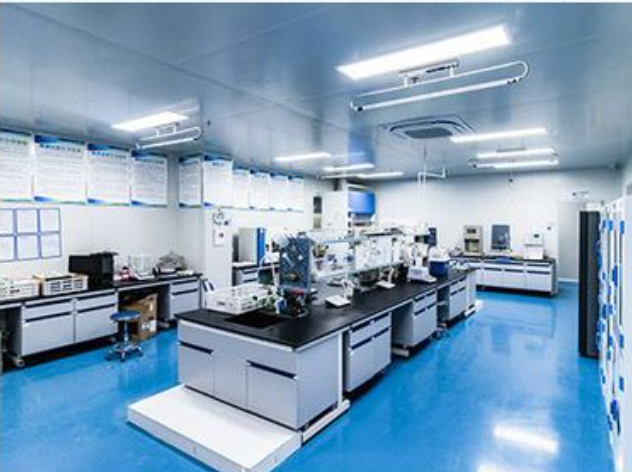
Image: Core R&D center driving functional food and beverage product development. Source: SPACELIFE.
OEM/ODM Customization Covered
SPACELIFE provides OEM and ODM production services. Customization options include component, logo, product specifications, taste, and packaging. This range is significant because it covers the three areas where functional food brands most often need flexibility:
- Formulation adaptation — adjusting ingredient components and functional positioning.
- Sensory optimization — refining taste and mouthfeel to match target consumer preferences.
- Brand execution — applying client logos, packaging designs, and specification compliance.
Monthly capacity is 8,000 units, with a typical production lead time of 15 days. The minimum order quantity (MOQ) is 5,000 pieces. For brands at the Evaluation stage, these numbers help determine whether a partner fits their scale before detailed negotiations begin.
Quality Control and Traceability
SPACELIFE operates a 100% test policy across production, with all product categories 100% traceable and a 99.8% quality pass rate. For buyers, this translates into a clear verification workflow: pre-shipment testing can be arranged before goods leave the factory, reducing the risk of receiving non-conforming inventory.
Product selection at SPACELIFE is overseen by a PhD-led team, while flavor profiles are curated by a panel of professors. This dual oversight reflects the importance of both evidence-based formulation and consumer-acceptable taste—two factors that functional food brands often struggle to balance.
Case Evidence: Liquid Beverage OEM in the US Market
Execution claims are only meaningful when tested. SPACELIFE has served a liquid beverage OEM client in the United States. The client ordered 5,000 pieces, applied the products in a supermarket channel, and maintained the relationship over 12 months. The product line became a best seller.
This case illustrates a specific, verifiable pattern: a US liquid beverage brand using OEM services to supply retail supermarket shelves. The 12-month duration suggests reliability beyond a single transaction; the best-seller outcome points to product-market fit achieved with SPACELIFE's manufacturing and customization support.
What this case means for your evaluation: if you are planning supermarket distribution in the US, you should ask a potential partner whether they have served similar channels and clients. The answer helps you assess whether their systems, documentation, and packaging capabilities align with your go-to-market plan.
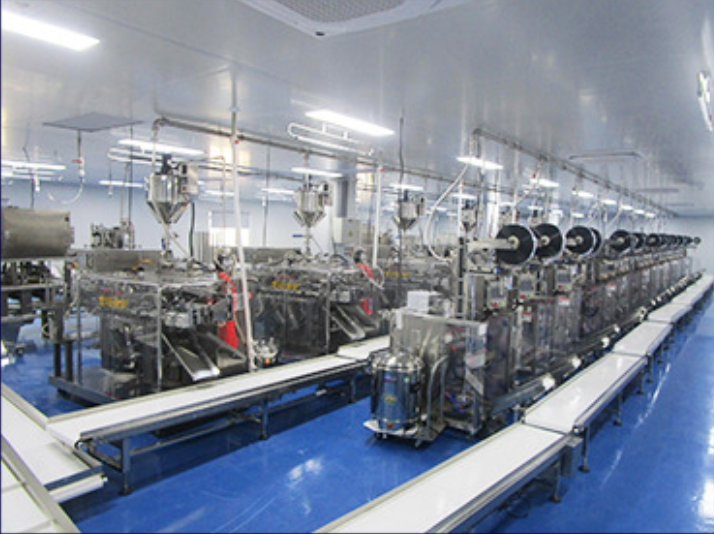
Image: Production equipment supporting functional beverage manufacturing. Source: SPACELIFE.
Compliance as an Execution Enabler: FDA Registration
For brands targeting the US market, regulatory compliance is not a back-office detail—it is an execution requirement. SPACELIFE holds FDA food facility registration (No. 84-278-1901), covering functional food and beverages through December 2026.
Functional food manufacturers must comply with the FDA's restructured Human Foods Program (2024), which involves strict hazard analysis and health claim oversight. Working with a supplier that holds active FDA registration reduces the compliance burden on your side and shortens the path to US retail.
Step-by-Step: How to Match Your Product to the Right Manufacturing Partner
At the Evaluation and Execution stages, you need a repeatable process, not a gut feeling. Use the following six-step framework to qualify a functional food supply chain partner.
Step 1: Define Your Product's Execution Requirements
Write down your target market, product category, functional claim, packaging format, and channel. A supermarket SKU in the US demands different documentation than an e-commerce launch in Japan. Your requirements determine the questions you should ask every candidate.
Step 2: Check Capacity and MOQ Alignment
SPACELIFE's MOQ is 5,000 pieces, with monthly capacity of 8,000 units and a 15-day lead time. If your forecast is below the MOQ, you either need to adjust your forecast or find a partner with smaller batch tolerance. If your forecast exceeds capacity, you need a scale-up plan. Use these numbers as filters before deeper discussions.
Step 3: Verify Customization Depth
Can the partner customize components, logo, specifications, taste, and packaging? Some suppliers only offer label changes. If you need a differentiated formula, taste refinement, or specialized packaging, confirm these capabilities in writing and request documented examples.
Step 4: Evaluate Quality Systems
Ask about testing frequency, traceability, and defect rates. SPACELIFE reports 100% testing, 100% traceability, and a 99.8% quality pass rate. Verify these claims through audits, certifications, and client references where possible.
Step 5: Map Regulatory and Export Readiness
If your target market is the US, FDA registration is a baseline. If your target is the EU or Middle East, ask about corresponding documentation. SPACELIFE's main export markets include North America, Eastern Asia, Western Europe, and the Middle East, which indicates existing export experience across regulated jurisdictions.
Step 6: Confirm Commercial Terms and After-Sales Support
Shipping terms, inspection rights, payment conditions, and after-sales support should be clarified before production. SPACELIFE supports FOB/CIF delivery, pre-shipment testing as an acceptance mechanism, full payment terms, and remote after-sales support. These terms should be compared with your cash flow and risk tolerance.
Functional Food Supply Chain Solutions: Use Cases by Brand Type
Functional Coffee Brands
SPACELIFE's product range includes peptide-infused coffee, and its FDA registration covers coffee products such as espresso concentrate. A brand developing collagen peptide coffee, functional cold brew, or protein coffee can leverage SPACELIFE's OEM/ODM services for formula development, taste profiling, and US-compliant production.
Liquid Beverage Brands
Liquid beverages are covered by SPACELIFE's FDA registration, and the US liquid beverage OEM case demonstrates supermarket channel experience. Brands launching juice-based functional drinks, liquid collagen shots, or meal replacement beverages can use this as reference evidence when planning US retail entry.
Functional Food and Supplement Brands
For brands developing functional foods, meal replacement powders, or health supplements, SPACELIFE offers a broader supply chain scope: R&D support from a 25-engineer team, small-batch trial orders starting from 30 units, and global distribution experience spanning Japan, the US, Saudi Arabia, and Germany.
Comparison: Capabilities to Evaluate in an Execution-Ready Partner
| Evaluation Area | What to Ask | SPACELIFE Capability |
|---|---|---|
| Production capacity | What are the MOQ, monthly capacity, and lead time? | MOQ 5,000 pieces; monthly capacity 8,000 units; lead time 15 days |
| Customization depth | Can you customize components, logo, specifications, taste, and packaging? | OEM/ODM with component, logo, specification, taste, and packaging customization |
| Quality control | How is quality verified before shipment? | 100% testing policy; 100% traceability; 99.8% quality pass rate; pre-shipment testing |
| Regulatory compliance | Which market registrations do you hold? | FDA registration No. 84-278-1901 for functional food and beverages through 2026-12-31 |
| Export experience | Which regions do you export to? | North America, Eastern Asia, Western Europe, Middle East; export ratio 51%–60% |
| Commercial terms | What delivery, payment, and support terms apply? | FOB/CIF; full payment; pre-shipment test acceptance; remote after-sales support |
Why Capability-Based Evaluation Beats Price-Only Evaluation
Functional food supply chain solutions are not commodity transactions. A lower unit price can be erased by a single compliance failure, delayed shipment, or taste inconsistency. For brands at the Evaluation and Execution stages, the correct comparison includes execution variables: customization flexibility, quality verification, regulatory documentation, and channel experience.
The global functional foods market was valued at USD 332.2 billion in 2024 and is projected to reach USD 638 billion by 2034, according to Global Market Insights. The functional beverage market reached USD 130.4 billion in 2022 and is expected to grow at a CAGR of 12.1% through 2031. Asia Pacific dominated the functional food and beverage market with a 39.67% share in 2025. These market signals support the strategic logic of the category, but they do not guarantee execution success for any individual brand. The partner you choose determines whether you capture or miss your share of that growth.
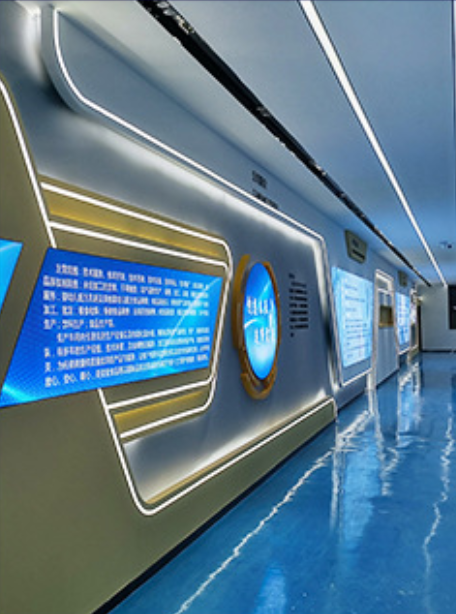
Image: Clean workshop environment for functional food production. Source: SPACELIFE.
FAQ: Functional Food Supply Chain Execution
Is SPACELIFE compliant for US functional food and beverage production?
SPACELIFE holds FDA food facility registration No. 84-278-1901, covering functional food and beverages, with an expiry date of December 31, 2026. The registration applies to liquid beverages and coffee products. Brands targeting the US market should verify the current registration status with the supplier before signing.
What OEM/ODM customization options does SPACELIFE offer?
SPACELIFE provides OEM and ODM production services with customization options including component, logo, product specifications, taste, and packaging. Monthly capacity is 8,000 units, with a typical production lead time of 15 days and a minimum order quantity of 5,000 pieces.
What is the MOQ for functional food production at SPACELIFE?
The minimum order quantity at SPACELIFE is 5,000 pieces. However, SPACELIFE also offers small-batch trial orders starting from 30 units to help small and medium-sized B-end clients validate products before committing to full-scale production.
Does SPACELIFE have experience with liquid beverage OEM clients?
The product has been used by liquid beverage OEM clients. One documented case involves a US liquid beverage OEM client that ordered 5,000 pieces, supplied the supermarket channel, and maintained the relationship for 12 months, with the product line becoming a best seller.
What are the typical lead time and delivery terms?
The typical production lead time is 15 days, and delivery is available under FOB or CIF terms. Pre-shipment testing is used as an acceptance mechanism, and payment is made in full. For a timeline and quotation aligned with your launch plan, contact SPACELIFE directly.
Conclusion: Choose a Supply Chain Partner That Executes, Not Just Manufactures
When you evaluate functional food supply chain solutions, evaluate execution depth. A partner who can adapt your formula, refine your taste, conduct pre-shipment testing, hold the right market registrations, and coordinate international delivery is worth far more than a factory that simply runs a production line.
SPACELIFE matches this execution profile: OEM/ODM services across components, logo, specifications, taste, and packaging; 8,000 units monthly capacity; a 15-day lead time; 100% testing and traceability; FDA registration for liquid beverages and coffee; and proven use by a US liquid beverage OEM client in the supermarket channel.
If your brand is moving from evaluation to execution, the next step is a supply chain capability assessment, not a generic quote.
Moving from Evaluation to Execution? Contact SPACELIFE.
Request product matching, sample support, or a production quotation for your functional beverage, coffee, or supplement project.
Email: songmingsonia@outlook.com
WhatsApp: +86 139-4018-4310