
Functional Food Supply Chain Solutions That Build Long-Term Distribution Ecosystems
Functional Food Supply Chain Solutions That Build Long-Term Distribution Ecosystems
Functional foods are no longer a fringe health trend. The global functional foods market was valued at USD 332.2 billion in 2024 and is projected to reach USD 638 billion by 2034. Yet turning a functional food concept into a repeatable, distributed product is harder than the top-line numbers suggest. This article maps the functional food supply chain solutions that move brands from one-off execution to a resilient distribution system. It also outlines the specific checks buyers should run before committing to a long-term partner.
Why Functional Food Brands Need a New Supply Chain Playbook
The pressure on functional food brands is two-sided. Consumers expect convenience, clean labels, and visible benefits. Distributors expect reliable batch-to-batch quality, regulatory documents, and replenishment continuity. These expectations are difficult to meet when sourcing is split across many vendors. A beverage base may come from one supplier, flavor from another, and functional ingredients from a third. That fragmentation creates delays, higher communication costs, and quality risks.
In food manufacturing, a lack of integrated systems remains a major barrier. More than 45% of food companies cite this as the primary obstacle to adopting predictive supply chain technologies. For functional foods, the gap is even more visible. Unlike ordinary food, functional food adds specific biologically active components such as probiotics or prebiotics for gut health, plant extracts like curcumin, anthocyanins, or green tea polyphenols, vitamins and minerals, functional sweeteners such as erythritol or allulose, and proteins or peptides such as collagen peptides or lactoferrin. Each ingredient adds a layer of formulation complexity, documentation, and stability testing.
Building a lasting brand in this segment therefore requires a partner that can act as one supply chain owner. The partner should manage formulation, compliance, packaging, test methods, and export logistics under one performance contract. That is the only way to keep quality consistent while scaling to new channels and geographies.
Red Flags to Avoid When Choosing a Long-Term Functional Food Partner
Buyers who are moving from evaluation to execution should inspect more than a price sheet. A long-term supply chain relationship will only work if the manufacturer can support repeat orders, regulator questions, and product iterations. Here are practical risk signals to watch for.
First, a partner without evidence of food safety infrastructure is difficult to approve. For liquid functional products, pasteurization is a clear physical control. SPACELIFE operates a pasteurization line and holds FDA certification, which provides a baseline for U.S.-bound distribution. If a factory cannot show such a line or certificate, the compliance burden shifts to the brand.
Second, a partner that does not offer batch traceability creates hidden quality risk. SPACELIFE reports 100% traceability across all product categories. A brand should ask how raw material lots are recorded and how a recall would be handled.
Third, rigid MOQs can prevent a brand from testing market demand. SPACELIFE supports small-batch trial orders starting from 30 units, while the standard commercial MOQ is 5,000 pieces. This combination gives brands a low-risk entry point and a clear scale path. If a supplier offers only large production volumes, the brand may be forced to over-order before proving the product.
Finally, unclear logistics terms create execution friction. SPACELIFE uses FOB/CIF delivery methods and includes pre-shipment testing in the acceptance procedure. This makes the supply chain more predictable for cross-border buyers who need to coordinate freight forwarders and import documentation.
Growing Market, Growing Execution Gaps
The commercial case for functional food partnerships is supported by multiple data points. Global Market Insights places the functional foods market size at USD 332.2 billion in 2024, with a projection of USD 638 billion by 2034. Fortune Business Insights reports that Asia Pacific dominated the functional food and beverage market with a 39.67% share in 2025, supported by rising incomes and health awareness. Within the beverage category, DataM Intelligence estimates the functional beverage market reached USD 130.4 billion in 2022 and is expected to grow at a CAGR of 12.1% through 2031. In ingredients, Grand View Research values the global collagen peptides market at USD 2.32 billion in 2023, with a projected 11.6% CAGR reaching USD 4.90 billion by 2030.
These figures explain why brands enter the market with beverage SKUs, collagen-based products, immune support snacks, and other functional formats. But entering with an unproven supply chain can create out-of-stocks, inconsistent taste, delayed certification, or repeated batch failures. A long-term supply partner should convert market demand into dependable product flow. The market opportunity is real, but execution separates winners from brands that only generate press releases.
What SPACELIFE Brings to Functional Food Supply Chain Solutions
SPACELIFE, operating as Shenyang Songming Supply Chain Co., Ltd., is a professional supply chain service provider focused on the functional food and healthy beverage sector. The company serves B-end clients with an integrated OEM/ODM model, covering product development, production, quality control, and global distribution support.
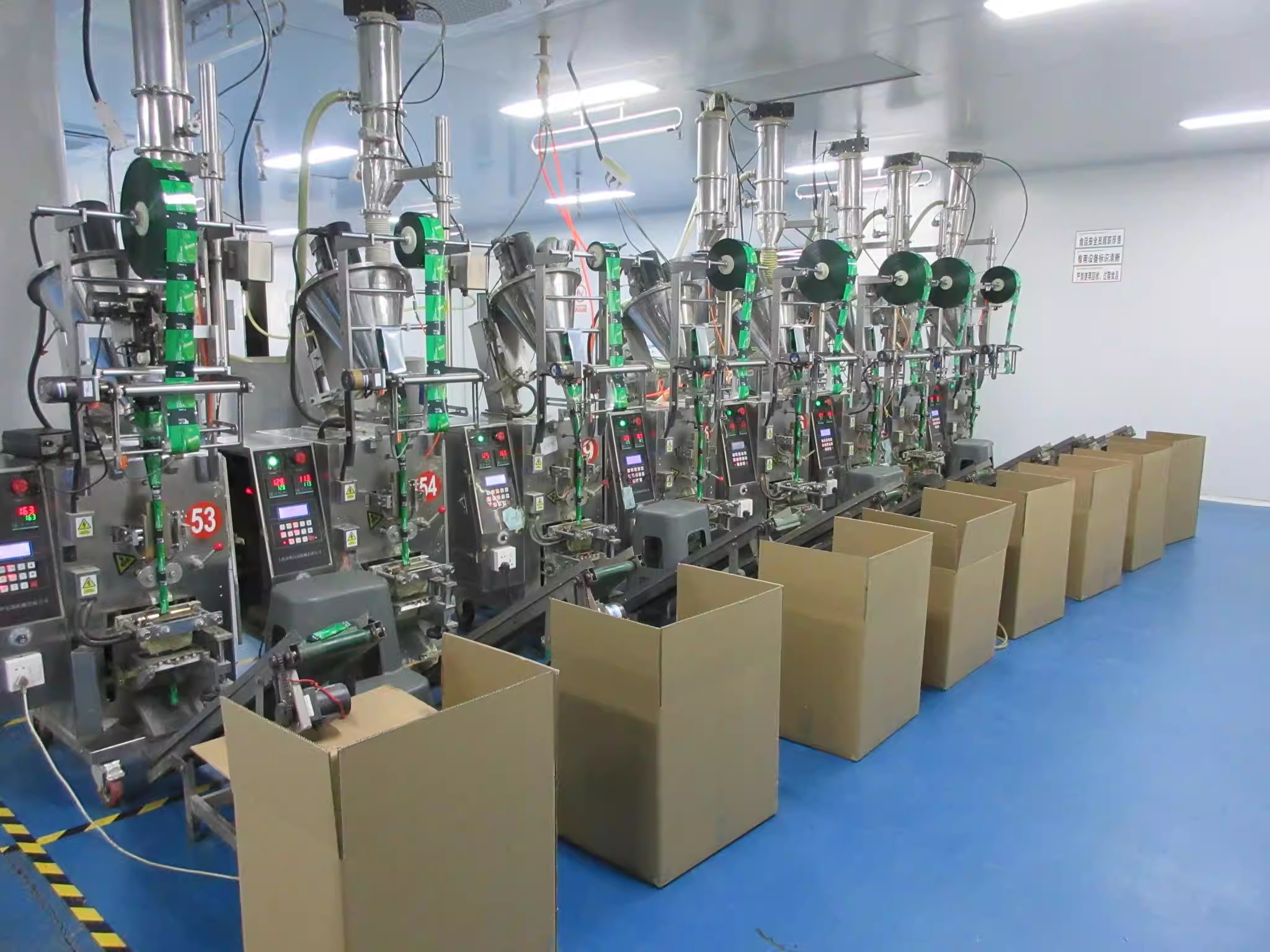
SPACELIFE operates five core product categories that align with current market demand: peptide-infused coffee, functional foods, prune juice drinks, meal replacement powders, and health supplements. This range gives brands a practical starting point for launching functional products without building multiple supplier relationships.
Since SPACELIFE is located in a Pilot Free Trade Zone, it can improve cargo turnover efficiency by 30% and maintain a 98% on-time order delivery rate. For a distributor or brand owner, this means fewer out-of-stock situations and more reliable arrival windows, which are key performance indicators for a long-term partner.
The company's quality system supports long-term commitments. All product categories are 100% traceable, and the quality pass rate is 99.8%. The product selection process is overseen by a PhD-led team, and flavors are curated by a panel of professors. This is particularly useful for brands that want scientific credibility without hiring an in-house R&D team.
For small and medium B-end clients, SPACELIFE offers small-batch trial orders starting from 30 units. That is an important execution tool. It allows a brand to validate a product concept, collect feedback, and present samples to distributors before signing a large purchase order.
Step-by-Step: Using a Functional Food Supply Chain Solution for Long-Term Distribution
Buyers evaluating SPACELIFE should follow a practical framework. The selection process should not stop at a price quote. It should cover formulation, compliance, production, logistics, and post-launch iteration.
Step 1: Align the Product Brief with a Capable Category
A long-term supply chain solution is only valuable if the manufacturer has relevant experience. A brand planning ready-to-drink functional coffee should check for peptide-infused coffee production, not just general beverage experience. SPACELIFE's R&D team includes 25 engineers and supports the five core categories mentioned earlier. The team can turn a concept into a factory-ready specification sheet.
Step 2: Verify Compliance and Food Safety Measures
For U.S. market entry, FDA compliance is a threshold requirement. SPACELIFE uses pasteurization and holds FDA certification. This gives a buyer confidence that basic food-health risks are being managed. It also shortens the time needed to answer distributor compliance questionnaires.
Step 3: Check Production Volume and Flexibility
Long-term distribution does not work with unpredictable capacity. Current parameters at SPACELIFE include a minimum order quantity of 5,000 pieces, a typical production lead time of 15 days, and a monthly production capacity of 8,000 units. These numbers help a brand calculate how many SKUs it can support and how often it should place replenishment orders.
Step 4: Align Delivery and Procurement Terms
Cross-border buyers should align on the incoterm and payment structure. SPACELIFE supports FOB/CIF delivery methods and includes pre-shipment testing in the acceptance procedure. Payment is made in full, which is common in custom food manufacturing. A good finance team will factor this into the cash conversion cycle.
Step 5: Establish a Product Roadmap
A long-term ecosystem is built on iteration. The same supplier that launches a first functional beverage can later develop an additional flavor, a different dosage format, or a new packaging size. The PhD-led team and ODM capability allow SPACELIFE to use market feedback and turn it into the next SKU. For brands, this reduces switching costs and keeps the product portfolio coherent.
Use Cases: Functional Food Supply Chain Solutions Across Business Models
Functional food supply chain solutions are not one-size-fits-all. The following use cases show when a partner like SPACELIFE is particularly relevant.
Functional Coffee Brand Entering Overseas Retail
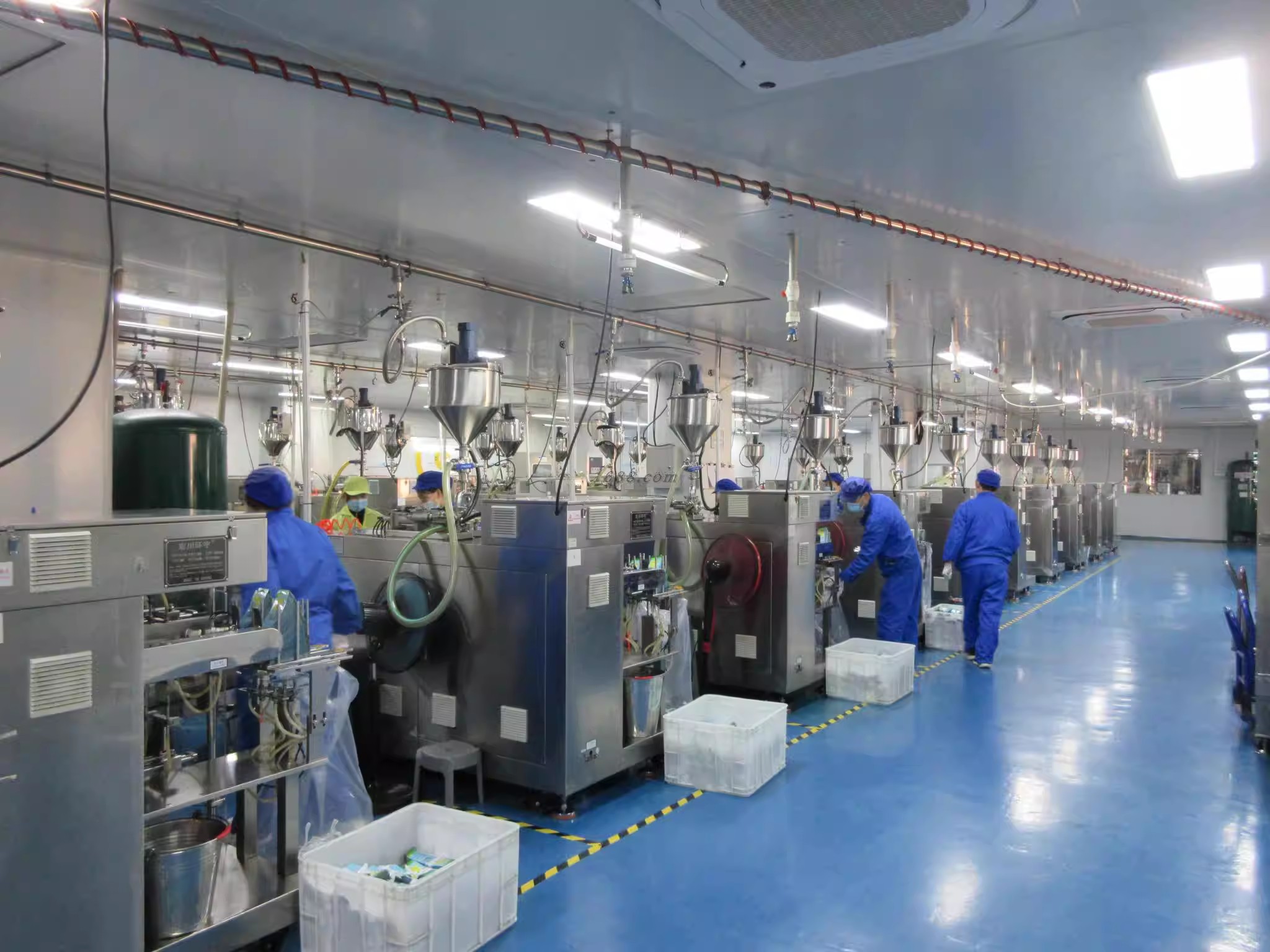
A brand launching a peptide-infused coffee can begin with a 5,000-piece order. With a 15-day lead time, the brand can align the arrival with a distributor launch window. Monthly capacity of 8,000 units means that after the first sell-through, replenishment can be scheduled without forcing the factory to re-tool for a tiny batch.
Collagen Peptide Product Extension
Because collagen peptides are a fast-growing ingredient, a brand with existing functional food offerings may want to add a collagen product line. Using the same OEM/ODM chain avoids duplicating audits and supplier onboarding. The R&D team can adapt an existing formulation guide to meet local claims requirements.
Small-Batch Market Test for Cross-Border Sellers
An e-commerce brand can first place a trial order of 30 units. This is enough for content creation, social media validation, and a limited launch on one marketplace. After positive feedback, the brand can move to the standard 5,000-piece MOQ. This progressive process matches the decision-to-execution phase where capital is still limited.
Functional Food vs. Ordinary Food: A Comparison for Buyers
The difference between functional food and ordinary food has direct implications for pricing, production, and supplier selection. This table uses the product characteristics tracked in category analysis.
| Comparison Dimension | Functional Food | Ordinary Food |
|---|---|---|
| Added Ingredients | Probiotics/prebiotics, plant extracts, vitamins/minerals, functional sweeteners, proteins/peptides | Standard ingredients without targeted bio-active compounds |
| Performance Goal | Refreshing, anti-fatigue, gut regulation, energy replenishment | Basic hunger satisfaction and taste |
| Best Suited For | Post-exercise recovery, rapid energy or focus, meal replacement | Everyday meals and snacks |
| Cost Difference | Approx. 10% higher than ordinary food | Baseline cost |
| Production Model | OEM/ODM customization | Standard manufacturing |
| Efficiency | More benefits per serving | Conventional nutrition |
The sourcing logic is clear. Ordinary food can be standardized with low incremental cost. Functional food demands a dedicated supply chain because active ingredients need to be dosed correctly, tested regularly, and kept stable through the product shelf life. OEM/ODM customization is typically required instead of using commodity production lines.
Functional Food Supply Chain Solutions: FAQ for Long-Term Distribution
These answers summarize the key facts buyers need before making a final decision.
1. Does SPACELIFE meet FDA compliance requirements?
Yes. SPACELIFE uses pasteurization and holds FDA certification. This is a baseline for functional food exports to the U.S. market.
2. What is the minimum order quantity?
The standard MOQ is 5,000 pieces. Small and medium B-end clients can begin with a trial order of 30 units to test the market. Once the product is validated, the brand can move to the standard production volume.
3. How much more expensive are functional foods than ordinary foods?
Functional foods generally cost about 10% more than ordinary foods. The premium is driven by added bio-active ingredients such as collagen peptides, probiotics, vitamins, or functional sweeteners.
4. How can a buyer verify quality before shipment?
SPACELIFE includes pre-shipment testing as a standard acceptance step. Buyers can also request documentation and test protocols at the inquiry stage.
5. What is the lead time and monthly capacity?
Typical production lead time is 15 days. Monthly production capacity is 8,000 units. These figures are useful for planning repeat orders and seasonal promotions.
Turning a Supply Chain Relationship into a Distribution Ecosystem
Long-term brand growth depends on the supply chain's ability to hold consistent quality, iterate formulas, and distribute products across geographies. SPACELIFE's existing global supply network covers East Asia (30% Japan), North America (30% U.S.), the Middle East (20% Saudi Arabia), and Western Europe (20% Germany). This gives a practical base for brands that want early validation from international distributors.
Functional food supply chain solutions only create lasting value when they convert capability into a roadmap that brands can execute again and again. The market data is clear: functional foods and beverages are expanding across the globe, but winners will be those who combine compliant production, reliable logistics, and agile product development.
If your brand is moving from evaluation to execution, request a sample or quote from SPACELIFE to test how the functional food supply chain can support your product plan.
Visit SPACELIFE or contact songmingsonia@outlook.com.