
HTST and UHT Parameters for Oil Orange Puree and Coffee Concentrate Blending
A technical guide for beverage brands and co-packers integrating a Coffee-1 espresso concentrate and a Liquid Beverages-1 oil orange puree into a pasteurized production line.
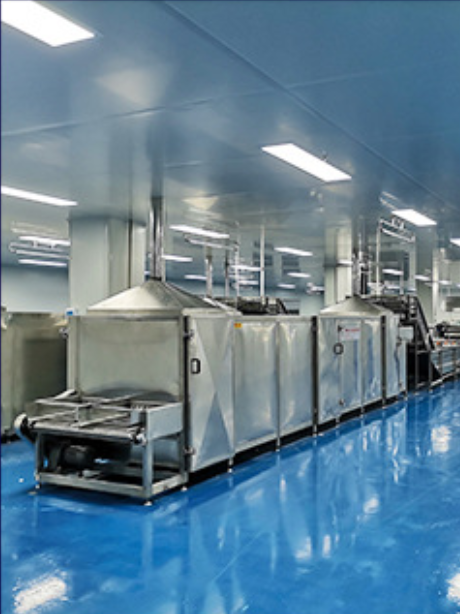
Blending a concentrated base into a beverage is not a dilution step followed by filling. It is a thermal process decision. The moment an oil orange puree or an espresso concentrate enters the mixing tank, the pasteurization step becomes the point where two goals compete: making the finished beverage safe and shelf-stable, and preserving the flavour, colour and juice character that the concentrate was built to deliver.
Both bases covered in this guide carry two fixed operating requirements: store the product in a sealed container, and use the product in conjunction with a pasteurization line. Those two sentences are the core of the brief. Everything below explains how to translate them into an HTST or UHT configuration that a co-packer, a quality team and a brand owner can all sign off on.
This guide deliberately does not publish fixed temperature and holding-time setpoints. Correct values are established per formulation and per validated line, and they are not interchangeable between a high-juice orange beverage and a coffee concentrate. What it does publish is the decision structure around those parameters, together with the verified product, packaging, storage and compliance facts that constrain the choices.
Problem Definition: Why Concentrate Blending Breaks Thermal Planning
A pasteurization line is usually designed around one product family. When a plant runs both a fruit puree base and a coffee concentrate base, the thermal plan has to absorb two substrates with opposite behaviours in the same equipment.
The Liquid Beverages-1 oil orange puree is made from oil orange puree as the primary material, with a total original juice content of at least 80%. That is a high-juice liquid, and high-juice liquids bring pulp, solids and viscosity into the heat exchanger. They also bring a heat-transfer problem: heavier, pulp-bearing product moves differently through a holding tube than a clear liquid does, and it fouls surfaces sooner.
The Coffee-1 espresso concentrate sits at the other end. It is formulated with purified water, roasted coffee beans and coffee concentrate on a base of selected Arabica coffee beans. Coffee concentrate is thermally robust in terms of microbial control, but its volatile aroma fraction is the part that degrades first, which is why over-processing shows up as a flat, burnt or papery cup rather than as a safety failure.
Three planning failures repeat across projects that use these bases:
- Treating the sealed-container requirement as warehouse advice. It is part of the preservation chain, not a storage suggestion. An opened or partially filled container changes the microbiological starting point that the thermal step is calculated on.
- Adding the concentrate after cooling. A post-pasteurization addition can be the right move for aroma, but it only works when the concentrate itself is handled under sealed, controlled conditions and the filling area is set up for it.
- Running both bases on one line without a changeover protocol. Coffee aromatics and orange juice carry-over are both detectable at very low levels, and the cleaning validation between the two products is part of the thermal plan, not a separate item.
None of these are speculative problems. They are the practical reason why a concentrate supplier specifies a pasteurization line and a sealed container instead of leaving the process to the buyer.
Industry Background: Where Thermal Compliance Now Sits in the Supply Chain
The commercial reason this decision carries more weight than it did a few years ago is market scale. The global functional foods market was valued at USD 332.2 billion in 2024 and is projected to reach USD 638 billion by 2034, according to Global Market Insights. The functional beverage segment alone reached USD 130.4 billion in 2022 and is expected to grow at a CAGR of 12.1% through 2031, according to DataM Intelligence. Fortune Business Insights reports that Asia Pacific held a 39.67% share of the functional food and beverage market in 2025.
Growth of that order concentrates volume into ready-to-drink formats, and ready-to-drink formats concentrate risk into the thermal step. A concentrate that fails on the line does not fail as a raw material; it fails as a finished batch, after packaging, after filling, after the label is applied.
Regulation has moved in the same direction. Functional food manufacturers must comply with the FDA's restructured Human Foods Program introduced in 2024, which places stricter hazard analysis and health claim oversight on the manufacturer. In practical terms, the pasteurization record becomes a compliance document, not just a production log.
The supply side has not kept pace evenly. Over 45% of food companies cite a lack of integrated systems as the primary barrier to adopting predictive supply chain technologies, according to Food Navigator and Elisa Industriq. A brand can therefore hold a fully compliant concentrate and still face a line that cannot demonstrate what happened during the heat treatment.
Detailed Solution: The Verified Product and Processing Envelope
SPACELIFE is the supply brand under which Shenyang Songming Supply Chain Co., Ltd., a supply chain service provider specialising in the functional food and healthy beverage sector, supplies concentrates and finished formats to B-end clients. Its declared output is 120,000 units annually from a facility of above 2,000 square metres, supported by a 25-engineer R&D team, and its export ratio falls between 51% and 60% across North America, Eastern Asia, Western Europe and the Middle East.
The espresso concentrate side of the blend
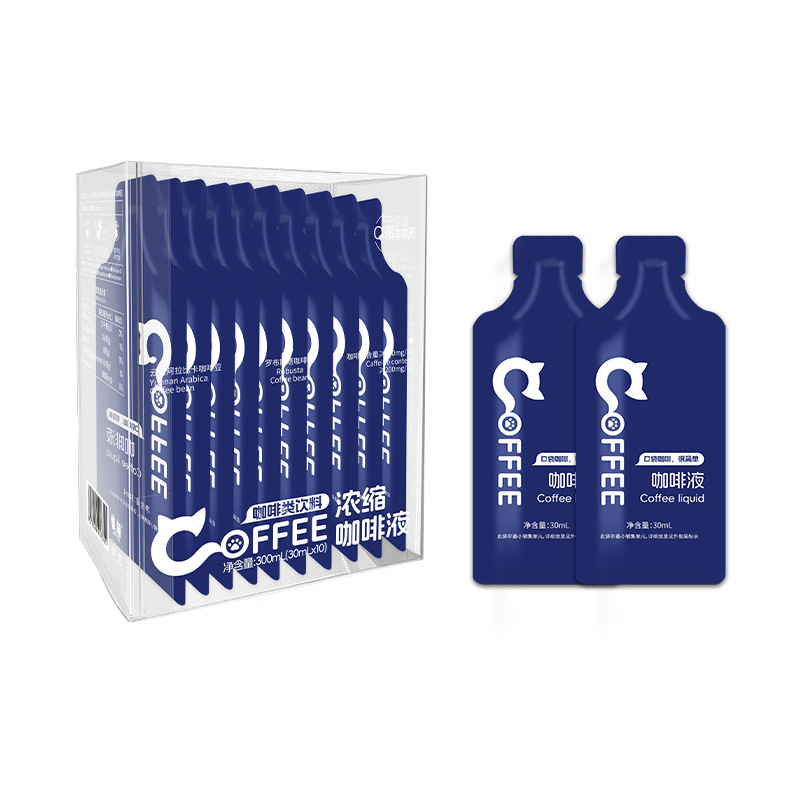
The Coffee-1 model is a functional coffee concentrate designed for the beverage industry. It is formulated with Arabica coffee beans, purified water, roasted coffee beans and coffee concentrate. Its documented applications are mocha coffee, black coffee, Italian espresso, American coffee and cold brew coffee. Packaging is 30 ml per strip, with 10 strips per box. This espresso concentrate can be used as a base for ready-to-drink coffee beverages and is suitable for OEM and ODM functional food development.
The oil orange puree side of the blend
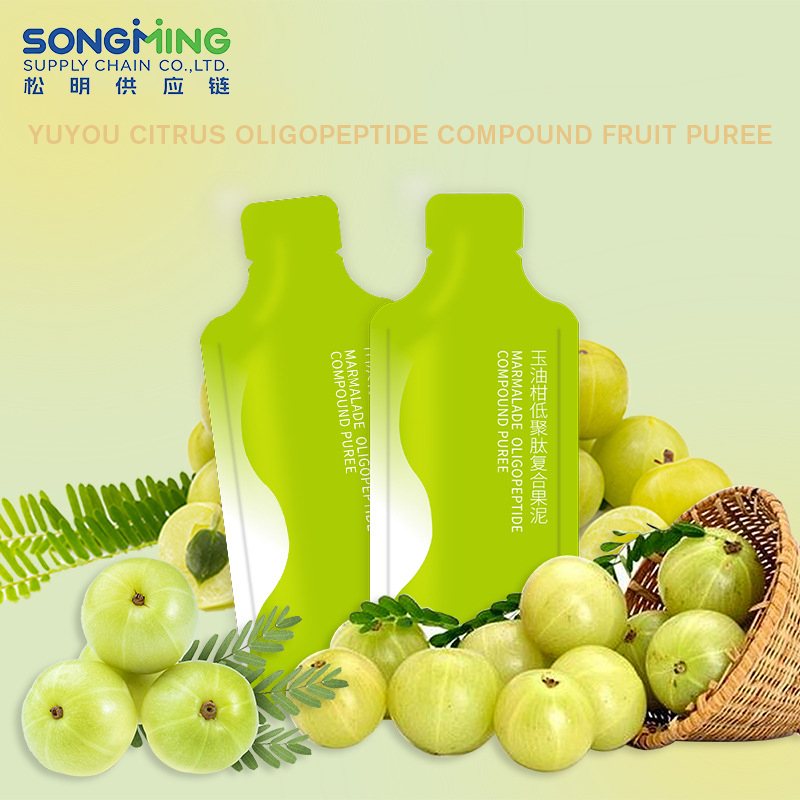
The Liquid Beverages-1 model is a liquid beverage product classified within the liquid beverages industry, manufactured from oil orange puree as the primary material. The total content of the original juice is at least 80%. Packaging is 30 ml per sachet with 5 sachets per box, giving 150 ml per box. Because the product is a juice-bearing puree rather than a clear concentrate, its behaviour inside a plate heat exchanger, a tubular exchanger or a holding tube must be validated on the actual equipment.
Declared working conditions and matched equipment
The espresso concentrate is documented for a high-temperature working condition, with a pasteurization line as the matched equipment and sealed-container storage as the special requirement. Its application data covers Australia, Canada, Germany, Spain, France, the United Kingdom and the United States.
The oil orange puree carries the same matched equipment — a pasteurization line — and the same sealed-container requirement, with a cool and dry storage condition for the food and beverage application. Its application data covers the United States, Italy, the United Kingdom and France.
Read together, the two specifications answer the most common sourcing question in this category: the supplier is not selling a shelf-stable finished drink. It is selling a concentrate that expects a validated thermal step downstream, and the sealed container is the boundary between the supplier's responsibility and the processor's.
Compliance envelope that the line must document
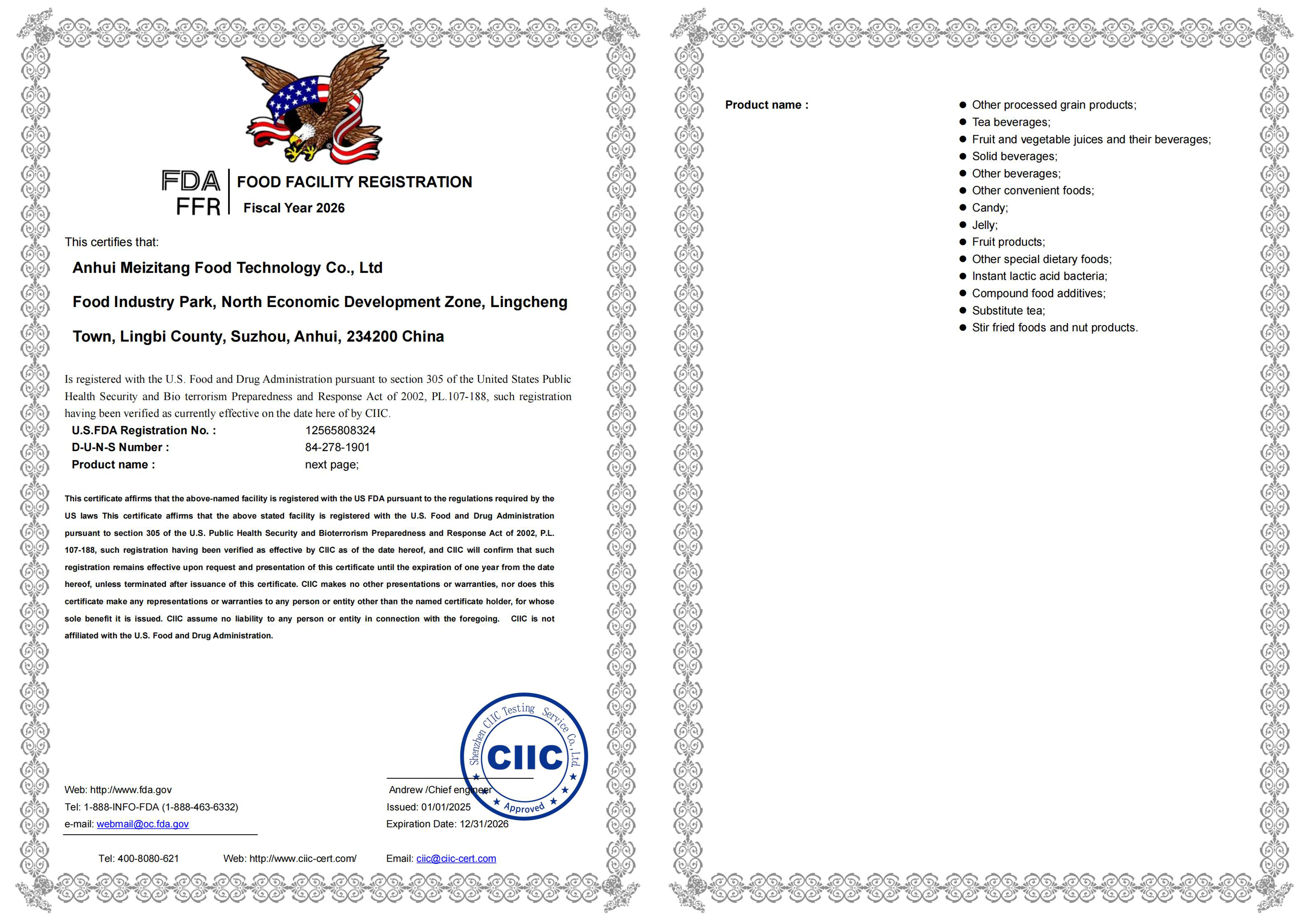
Both products are certified to FDA standards under certification number 84-278-1901. The certification is issued by the FDA and applies to the US market. Its applicable standard is FDA food facility registration pursuant to section 305 of the US Public Health Security and Bioterrorism Preparedness and Response Act of 2002 (PL. 107-188). The registration was issued on 1 January 2025 and remains valid through 31 December 2026.
For a processor, this is the document that has to sit alongside the thermal record. Facility registration establishes that the supplier is registered; the hazard analysis required under the FDA's 2024 Human Foods Program restructure establishes what the process must control. One does not substitute for the other.
Supply-side capabilities that touch thermal integration
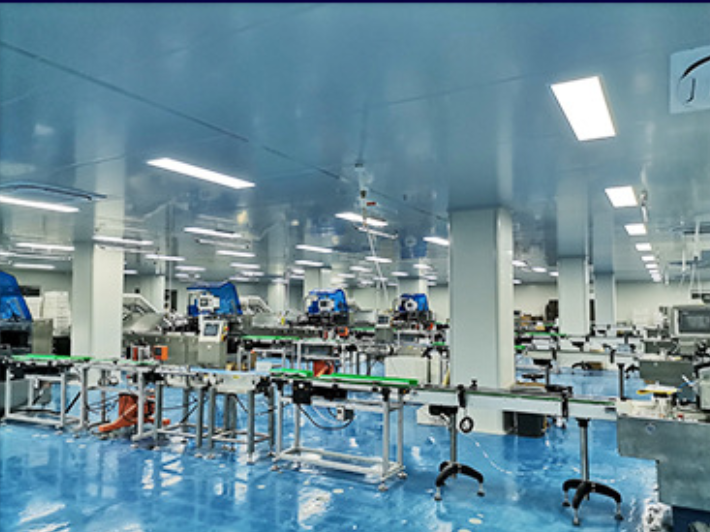
SPACELIFE runs OEM and ODM production with customisation across component, logo, product specifications, taste and packaging. Declared monthly capacity is 8,000 units, standard lead time is 15 days, standard MOQ is 5,000 pieces, quality control is 100% testing, export markets are listed as the US, and after-sales support is provided remotely. The company reports a 98% on-time order delivery rate and a 30% improvement in cargo turnover efficiency, 100% traceability across product categories and a 99.8% quality pass rate. Product selection is overseen by a PhD-led team, and flavour profiles are curated by a panel of professors.
For a project that involves a pasteurization line, the relevant part of that list is not the capacity figure. It is the customisation scope. Dilution ratio, solids level, sweetness and packaging format are all variables that the thermal plan depends on, and all of them sit inside the customisation scope rather than outside it. More detail on the supplier profile is available at songming-sc.com.
Step-by-Step Breakdown: Configuring HTST and UHT for These Two Bases
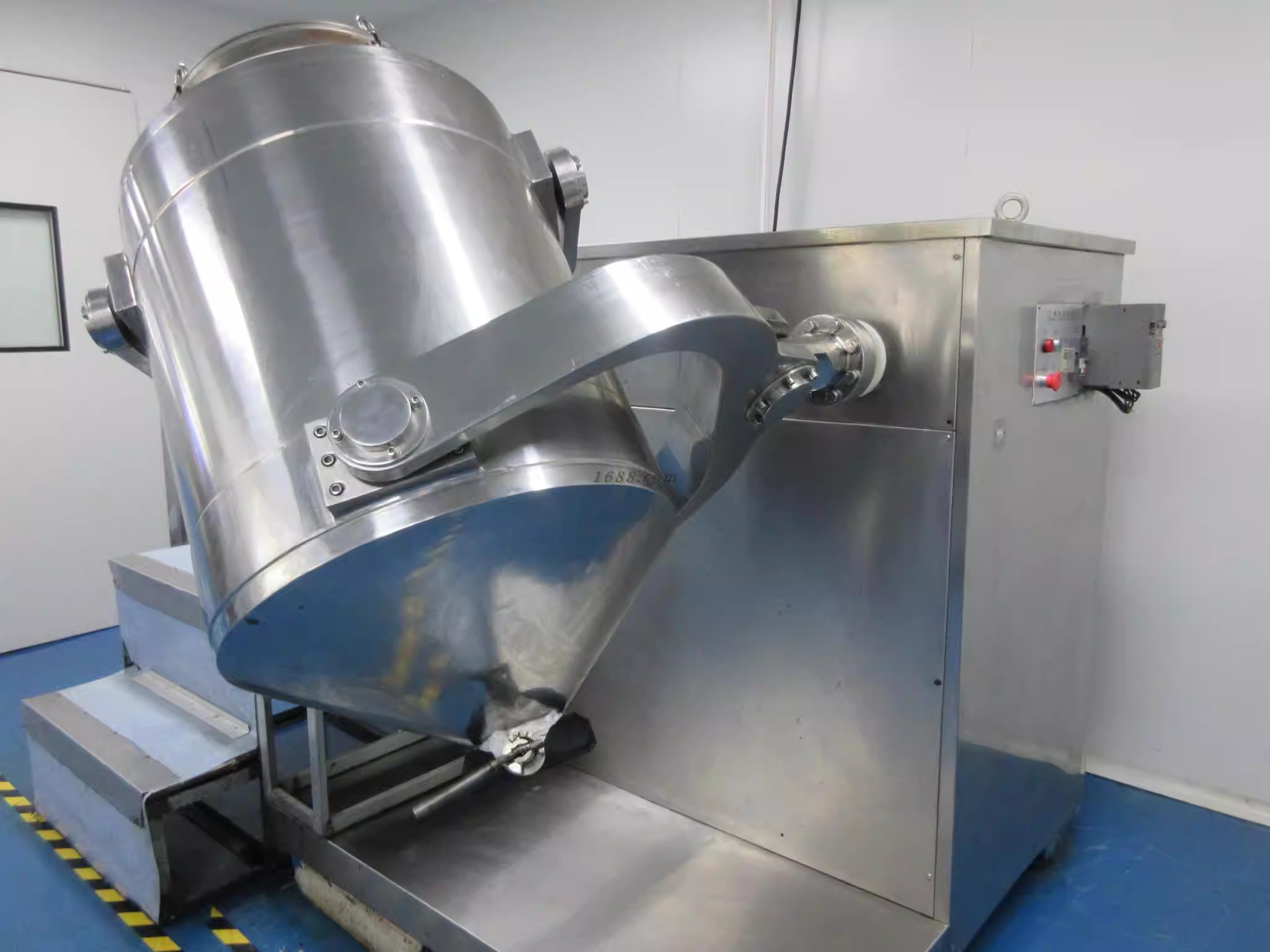
In commercial beverage practice, HTST and UHT are the two continuous-flow heat treatment classes used on most lines. HTST applies a higher temperature for a shorter holding time than a conventional batch pasteurisation step. UHT goes further, pairing a higher temperature with a very short hold before the product is cooled and filled into sealed packaging. The exact setpoints are established per product and per line through validation, which is why the sequence below is organised around decisions rather than numbers.
- Fix the finished format before touching the thermal parameters. Decide whether the target is an ambient ready-to-drink coffee built on the Coffee-1 base, a chilled high-juice orange beverage built on the Liquid Beverages-1 puree, or both on one line. Format determines packaging, and packaging determines whether a sealed-container, ambient-stable route is achievable at all.
- Select the heat treatment class against shelf-life and distribution reality. Chilled distribution tiers tolerate a shorter, lower-intensity treatment; ambient distribution requires the higher-intensity class. The two bases may land on different classes even inside one product family, because a pulp-bearing puree and a clear coffee concentrate do not respond identically to the same regime.
- Decide where the concentrate enters the process. Pre-blend dilution before heat treatment is the standard route for both bases and keeps the sealed-container requirement intact up to the mixing point. Post-treatment addition of a coffee concentrate can protect aroma, but it shifts the burden onto filling hygiene and sealed-container discipline.
- Validate residence time and flow behaviour on the real line. Holding time is a function of flow rate and holding tube volume, not a dial setting. Products with a high juice content change viscosity with temperature, and viscosity changes shift real residence time.
- Characterise fouling and cleaning for each base separately. Protein from the coffee concentrate and pulp from the orange puree foul surfaces by different mechanisms. Cleaning validation between the two products has to be proven, not assumed, because carry-over is detectable in both directions.
- Lock the sealed-container and downstream storage conditions into the spec. Both products require sealed-container storage, and the puree application specifies cool and dry conditions. The filling step, the container integrity check and the storage regime belong in the same document as the thermal record.
- Document the compliance trail. FDA registration 84-278-1901 for both products, the hazard analysis for the finished beverage, and the batch thermal record together form the file a retailer or importer will ask for.
- Scale only after a trial stage. Trial-stage orders can start from 30 units, which allows dilution rate, taste and thermal behaviour to be checked before committing to the standard 5,000-piece production MOQ and the 15-day lead time.
One limitation is worth stating plainly: a small trial batch will not reproduce full-scale fouling behaviour. Trial data confirms formulation and taste; the thermal validation still has to be repeated at production scale on the equipment that will actually run the product.
Use Cases: Where These Parameters Decide the Project
Ambient RTD coffee for export. A brand building a mocha, Americano or cold brew ready-to-drink product on the Coffee-1 base needs an ambient-stable route, which means the higher-intensity heat treatment class, sealed filling and coffee aroma protection. Because the concentrate is packed at 30 ml per strip with 10 strips per box, dosing is defined at the unit level and the dilutable yield is predictable across batches.
High-juice orange beverage with a premium claim. A product marketed on juice content is constrained by the 80%-or-more original juice figure in the Liquid Beverages-1 specification. High juice content usually pushes the project toward a shorter, lower-intensity treatment and often toward chilled distribution, because the pulp fraction and the juice character are both sensitive to excessive heat load.
One plant, two concentrate streams. Co-packers running both categories need the changeover protocol and the cleaning validation as much as they need the parameters. This is the scenario where 100% testing, full traceability and a documented quality pass rate of 99.8% matter operationally rather than as marketing figures.
A delivered example in this category is a US liquid beverage OEM project: 5,000 pieces produced for the supermarket channel across a 12-month engagement, positioned as a light liquid meal-saviour format. The project scale matches the standard MOQ and the 15-day lead time, which is why the thermal step had to be settled before the first production order rather than during it.
Comparison Table: Verified Specification and Line Requirements
The table below lists only specifications and requirements documented for the two products. It is intended as the handover sheet between the concentrate supplier and the processing team.
| Requirement | Coffee-1 espresso concentrate | Liquid Beverages-1 oil orange puree |
|---|---|---|
| Product type | Espresso concentrate | Oil orange puree, classified as a liquid beverage |
| Base material | Arabica coffee beans, purified water, roasted coffee beans, coffee concentrate | Oil orange puree; total original juice content 80% or more |
| Packaging specification | 30 ml per strip, 10 strips per box | 30 ml per sachet, 5 bags per box (150 ml per box) |
| Declared working condition | High temperature | Room temperature (food and beverage application) |
| Matched equipment | Pasteurization line | Pasteurization line |
| Storage requirement | Store in a sealed container | Store in a sealed container; cool and dry |
| Documented beverage applications | Mocha coffee, black coffee, Italian espresso, American coffee, cold brew coffee | Liquid beverages |
| Certification | FDA registration 84-278-1901, US market | FDA registration 84-278-1901, US market |
| Application markets | AU, CA, DE, ES, FR, GB, US | US, IT, GB, FR |
FAQ
Are the oil orange puree and the espresso concentrate FDA compliant for the US market?
Yes. Both the Liquid Beverages-1 oil orange puree and the Coffee-1 espresso concentrate are covered by FDA certification under number 84-278-1901, issued by the FDA and applicable to the US market. The applicable standard is FDA food facility registration pursuant to section 305 of the US Public Health Security and Bioterrorism Preparedness and Response Act of 2002, and the certificate is valid through 31 December 2026. Separately, manufacturers operating in the US must work under the FDA's restructured Human Foods Program introduced in 2024, which requires strict hazard analysis and health claim oversight.
Can SPACELIFE support HTST and UHT line integration and reformulation?
SPACELIFE, the supply brand of Shenyang Songming Supply Chain Co., Ltd., runs OEM and ODM programs with customisation across component, logo, product specifications, taste and packaging. The company operates a 25-engineer R&D team, a PhD-led product selection process, a professor-curated flavour panel and an in-house inspection laboratory. Both concentrate bases are specified for use with a pasteurization line and for sealed-container storage, so the thermal step sits inside the standard project scope rather than being treated as a downstream add-on.
What drives the budget in a pasteurised concentrate beverage project?
The cost levers are the concentrate format and packaging, the depth of customisation, the order quantity and the batch size. Standard production MOQ is 5,000 pieces against a monthly capacity of 8,000 units and a 15-day lead time. Trial-stage orders can start from 30 units, which lets a brand validate dilution rate, taste and thermal behaviour before committing to a full production volume, and it materially lowers the entry cost for small and medium B-end clients.
How are samples and trial batches validated before a full run?
Validation starts with trial-stage orders from 30 units and is supported by 100% testing and 100% traceability across product categories. SPACELIFE reports a 99.8% quality pass rate and a 98% on-time order delivery rate, with quality controlled by a PhD-led selection team and flavours curated by a panel of professors. Trial output confirms formulation, taste and packaging; the thermal parameters still have to be validated on the production line that will run the commercial batch.
What is the lead time, and how do I start a project?
Standard production lead time is 15 days from confirmed order, with declared monthly capacity of 8,000 units and after-sales support provided remotely. To start, share your target format — an ambient ready-to-drink coffee on the Coffee-1 base or a high-juice orange beverage on the Liquid Beverages-1 base — together with your packaging and your planned thermal process, so the concentrate specification and the pasteurization line can be matched before the first production order. Send your requirement to songmingsonia@outlook.com or +86 139-4018-4310 (WhatsApp available) to request a quote, a sample or a full specification sheet.
Conclusion: Treat the Pasteurization Step as Part of the Specification
An oil orange puree with 80% or more original juice and an Arabica-based espresso concentrate cannot be handled by the same rule of thumb. What they do share is a specification that is unambiguous: sealed-container storage, and a pasteurization line as the matched equipment. Brands that treat those two requirements as procurement details rather than process instructions are the ones that discover the parameter problem after the first production run.
The practical sequence is straightforward. Fix the finished format, choose the heat treatment class that matches your distribution, decide where the concentrate enters the process, validate residence time and cleaning on the real line, and keep the FDA registration 84-278-1901 documentation together with the batch thermal record. Do that, and the 15-day lead time and 5,000-piece MOQ become planning inputs rather than constraints discovered mid-project.
Next step: if you are planning an RTD coffee or high-juice orange beverage that will run through pasteurisation, contact SPACELIFE for a concentrate specification and a trial-stage order. Email songmingsonia@outlook.com, call or WhatsApp +86 139-4018-4310, or visit songming-sc.com. Sample support starts from 30 units.
Have Questions or Need More Details?
Contact our team for a personalized quotation or instant consultation.
Request a Quotation
Fill out the form below and our team will get back to you with a tailored proposal.
WhatsApp Direct Chat
Prefer to chat in real-time? Message us on WhatsApp for instant assistance & quick answers.
- Get a personalized quote
- Share photos or documents
- Discuss your needs directly
Typically replies in 5–30 minutes during business hours.