
What Is a Functional Food Concentrate? Liquid Extract Basics
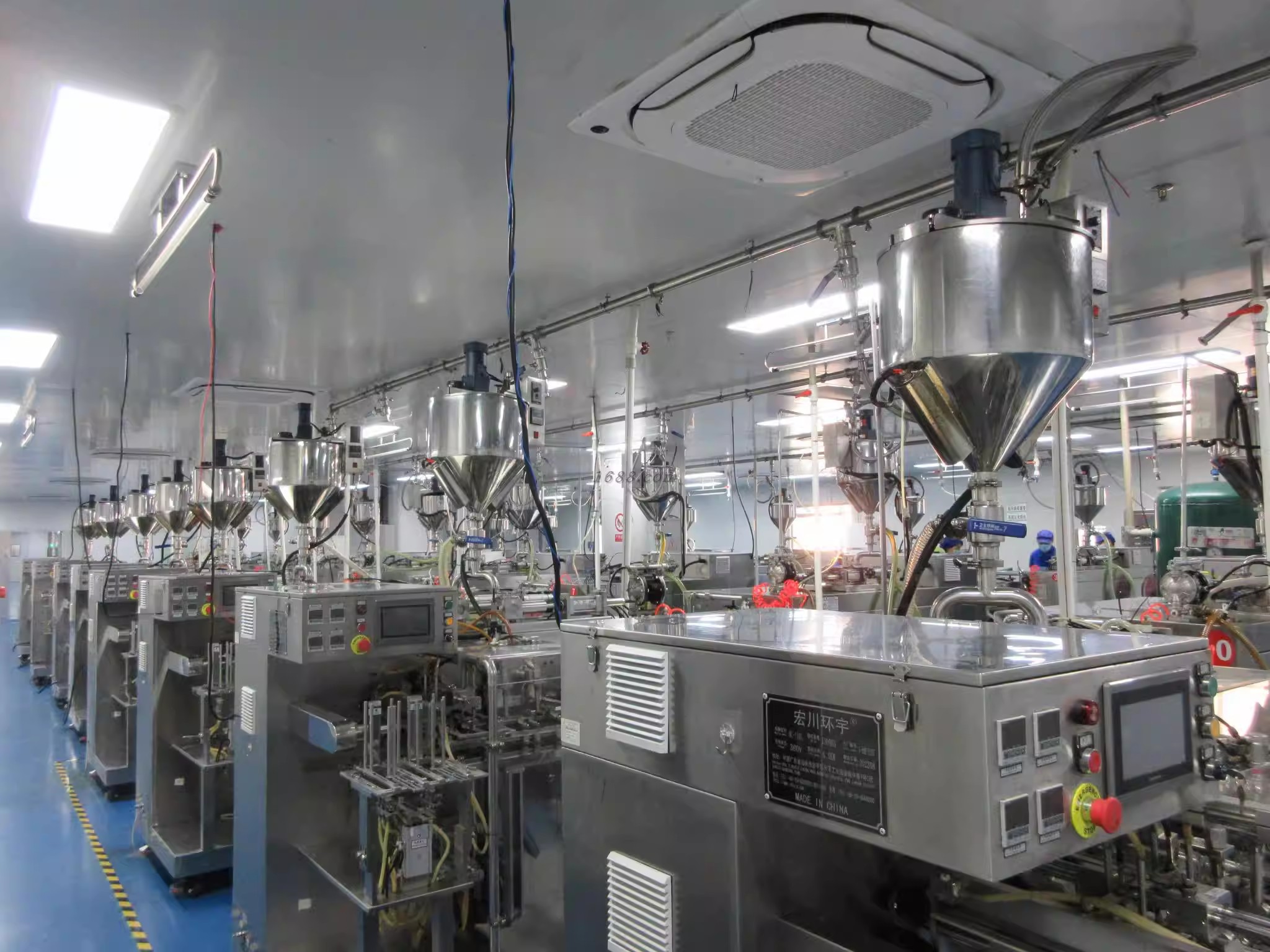
A functional food concentrate is a liquid base — an extract, puree, or formulated blend — that carries bioactive ingredients and is designed to be diluted, blended, or filled into a finished food or beverage. For a brand entering the liquid beverage business, that single base decision fixes formulation logic, cost structure, and labeling route long before the first bottle is filled. Within functional food supply chain solutions, the concentrate layer is where product intent becomes a manufacturable specification.
This explainer is written as a primer for brand owners, importers, and procurement teams who are new to liquid formats. It sets out what a functional concentrate is and is not, distinguishes the two concentrate families most often quoted to new buyers — oil orange puree and coffee-based formulations — and shows how concentrated formats enable OEM/ODM development using materials such as Arabica coffee beans and purified water. Nothing here replaces a project specification; the purpose is to make the first supplier conversation a specification conversation rather than a price conversation.
Problem Definition: Three Different Things Called “Concentrate”
Most early-stage sourcing errors in this category come from one word covering three different things. When two suppliers quote “concentrate”, they may be quoting three unrelated objects:
- A physical format. A liquid that contains less water than the drink it becomes, so it can be transported, stored, and later diluted or filled.
- A functional payload. Added bioactive ingredients that ordinary drinks and food do not carry — the reason the word “functional” appears in front of the noun.
- A commercial model. A bulk base sold business-to-business, then diluted, blended, or filled by a manufacturer under the buyer’s brand.
The cost of blurring these three meanings is measurable. A buyer who treats concentrate as a commodity liquid will compare price per kilogram across bases that carry different payloads and different documentation. The comparison record for this product line shows a 10% higher cost than ordinary drinks and food, explained by the additional bioactive ingredients. That means a base with a payload and a base without one cannot be compared on unit price alone — they are different specifications wearing the same label.
Industry Background: Why Liquid Bases Are Moving Up the Agenda
The demand context is large and is concentrated in beverages. Fortune Business Insights sizing places the global functional food and beverage market at USD 398.81 billion in 2025, projected at USD 437.62 billion in 2026 and USD 983.17 billion by 2034. Grand View Research data shows dairy products leading with a 35.2% share in 2025, while beverages are projected to expand at a 9.2% CAGR between 2026 and 2034 — the fastest-growing product segment in that outlook. Asia Pacific dominated the market with a 39.67% share in 2025.
Read together, those three data points explain why the concentrate layer matters to new entrants. Growth concentrated in beverages pulls demand toward liquid inputs that can be diluted and filled efficiently; a dominant Asia Pacific base means liquid-base manufacturing capacity is heavily weighted toward that region; and a fast-growing beverage segment means new brands are entering with limited formulation experience, which is exactly the situation where base selection determines whether a launch stays on schedule.
The regulatory background buyers inherit with the base
Concentrate selection and regulatory classification are not separate workstreams. FDA guidance identifies three claim categories used on food and dietary-supplement labels: health claims, nutrient-content claims, and structure/function claims. For dietary supplements, structure/function claims require substantiation, notification to FDA no later than 30 days after marketing, and a required disclaimer; conventional food manufacturers do not have the same notification requirement for such claims.
In practical terms, whether the finished product is a conventional beverage or a dietary supplement changes the documentation burden and the launch sequence. On the formulation side, USDA FoodData Central is a public resource for nutrient and food composition data that supports nutritional analysis and product formulation work — useful when a nutrition panel has to be built and defended. Neither source substitutes for jurisdiction-specific review, but both belong in the buyer’s file before the base is frozen.
Detailed Solution: What a Functional Food Concentrate Carries
The functional payload
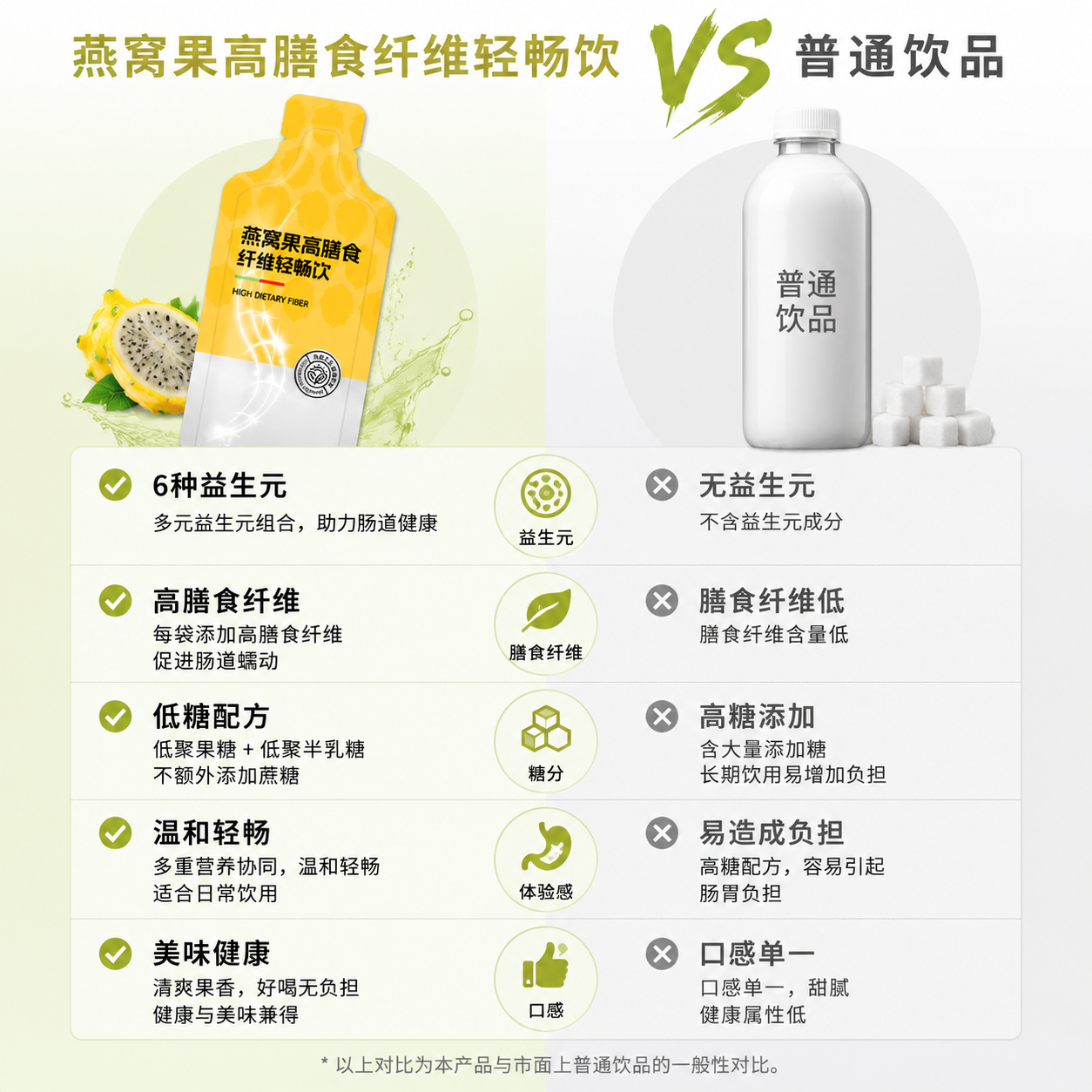
A functional concentrate is defined by what is added, not only by what is concentrated. In this category the payload typically incorporates bioactive ingredients: probiotics and prebiotics for intestinal regulation, plant extracts such as curcumin, anthocyanins, and green tea polyphenols, vitamin and mineral fortification, functional sweeteners such as erythritol and allulose, and proteins or peptides such as collagen peptides and lactoferrin.
The stimulation and hydration payload
A second, more familiar payload pattern is built around taurine, caffeine, electrolytes, and vitamin B. Formulations of this type are designed for refreshing, anti-fatigue, or energy-replenishing effects, and are most often positioned for moments such as post-exercise recovery, rapid restoration of energy or concentration, and meal replacement. This is the payload most buyers recognise from the energy-drink shelf, but delivered as a base rather than as a finished can.
Oil orange puree and coffee-based formulations
The two families most often quoted to buyers entering liquid beverages sit at opposite ends of the same category. Both are concentrated formats supplied as bases for ready-to-drink beverages, and both can be developed through OEM/ODM programs. The commercially important difference is where the base takes its identity from.
- Coffee-based formulations take their identity from the raw material and the extraction route. Arabica coffee beans and purified water are the stated inputs for the coffee concentrate bases in this portfolio, and the resulting base is the input for coffee-led RTD concepts.
- Oil orange puree takes its identity from the fruit base, and functions as the fruit-side input in the same RTD logic. It is not a coffee substitute and should not be positioned as one.
Because the two families differ in raw material and flavour direction, they are not interchangeable inside a formulation and should not be compared on price per kilogram alone. Dilution ratio, packaging format, shelf life, and sensory targets are project-level specifications agreed with the supplier; they are not uniform across bases, so a buyer should obtain them in writing for the specific base under review rather than assuming values carry over from another project.
What the 10% cost premium reflects
Price comparisons in this category are frequently distorted by payload differences. The product comparison record for this line states a 10% higher cost than alternatives, attributed to the additional bioactive ingredients — probiotics, plant extracts, vitamins, functional sweeteners, and proteins or peptides. The same record frames the trade-off as more benefits and higher energy efficiency relative to ordinary drinks and food, not as a lower unit cost.
For a buyer, the useful reading is that the premium is a specification premium. It should be evaluated against the payload density, the claim set the payload supports, and the shelf positioning it enables. A concentrate without that payload can always be sourced cheaper; the question is whether it supports the product the brand intends to sell.
How concentrate formats enable OEM/ODM development
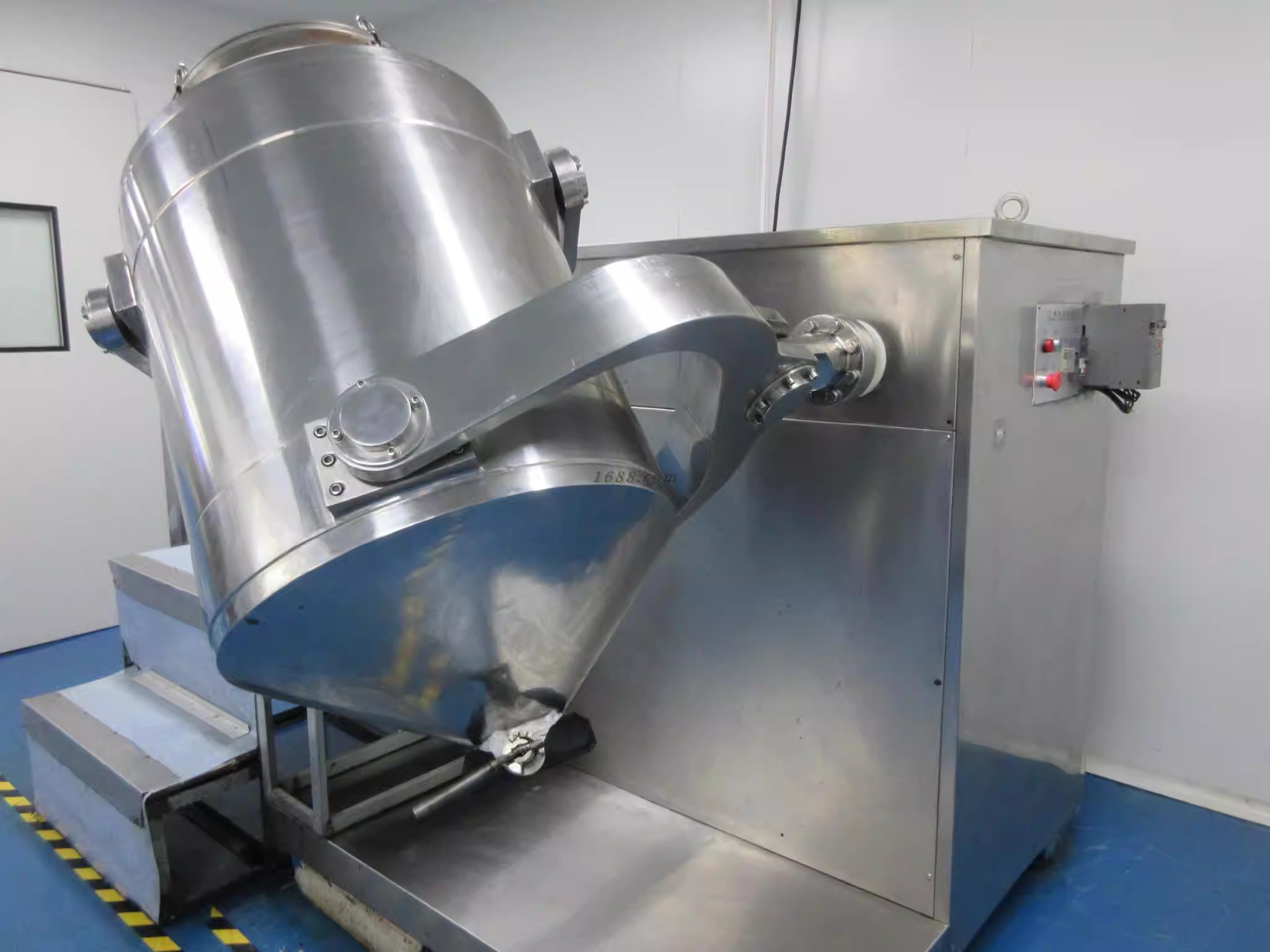
Concentrated formats are what make custom development practical for small and mid-sized brands. Because the base is produced to a specification and then filled, a brand can change packaging format, dilution targets, or flavour direction without rebuilding an entire production line. OEM/ODM customization is the recorded route for this product line.
Execution depth is what separates a supplier that can customise from one that can only resell. SPACELIFE, the functional food and beverage supply brand operated by Shenyang Songming Supply Chain Co., Ltd., runs its B-end service model on a facility of above 2,000 square meters with 101–200 employees and an annual output of 120,000 units. Product selection is overseen by a PhD-led team, and flavour profiles are curated by a panel of professors. The operation reports a 51%–60% export ratio, supported by a global supply network covering East Asia, North America, the Middle East, and Western Europe.
Process control and compliance at the base layer
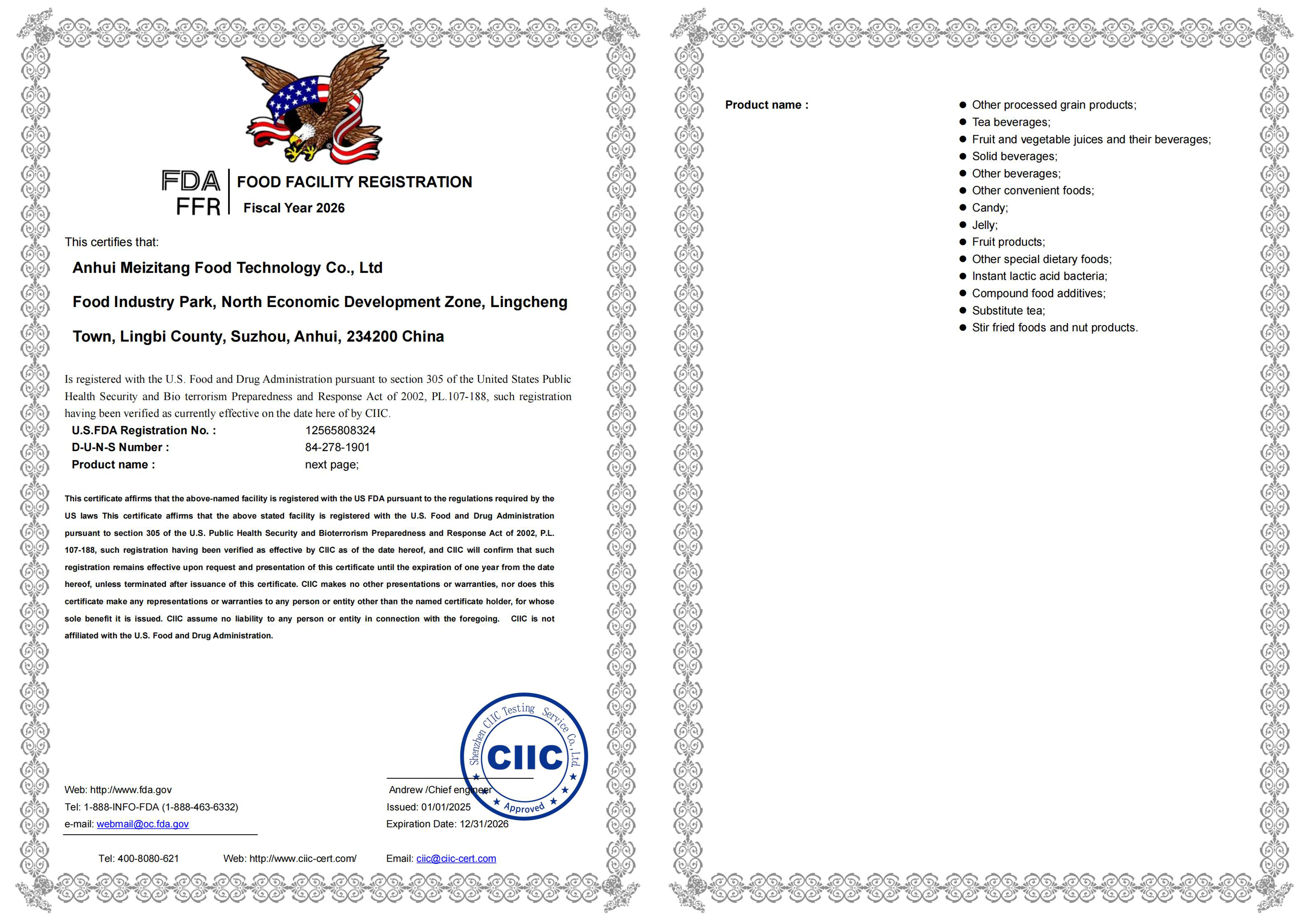
Liquid bases carry microbiological risk that dry formats largely avoid, which is why process control belongs in the concentrate decision rather than in a later quality review. The recorded risk-control method for this category pairs pasteurization with FDA certification, and the enterprise measure is an actual pasteurization line. All product categories are 100% traceable, with a recorded 99.8% quality pass rate.
Step-by-Step Breakdown: Choosing a Concentrate Base
The sequence below reflects how the decision actually closes. Skipping a step does not remove it; it moves the cost later.
Use Cases: Where Concentrate Bases Fit
Ready-to-drink coffee launches
A coffee-based concentrate built on Arabica coffee beans and purified water is the natural base for an RTD coffee line, because the identity of the product is set at the base rather than at the filling stage. This is the format most often requested by brands entering supermarket retail with a coffee SKU.
Functional energy and anti-fatigue beverages
Bases carrying taurine, caffeine, electrolytes, and vitamin B are positioned for refreshing, anti-fatigue, and energy-replenishment occasions, including post-exercise recovery and concentration support. The payload, not the packaging, is what defines the product here.
Fruit-led functional drinks
Oil orange puree supports fruit-forward RTD concepts where the base must deliver fruit identity while the formulation carries the functional payload. Brands already selling juice-style products usually reach this route first.
Meal replacement and peptide-based products
Payloads built on proteins or peptides, including collagen peptide product solutions, are used in meal replacement and convenient-wellness formats. SPACELIFE’s own portfolio centres on five categories — peptide-infused coffee, functional foods, prune juice drinks, meal replacement powders, and health supplements — which shows how the same base logic spans liquid and powder formats.
Private label and distributor programs
Distributors entering the category benefit most from concentrated bases, because a single base can support several packaging formats and price tiers without duplicating formulation work. Small-batch trial orders starting from 30 units are the usual entry point for these programs.
Comparison Table: Functional Concentrate vs Ordinary Drink Base
The table below summarises the recorded comparison between a functional concentrate-based product and ordinary drinks and food. It is a specification comparison, not a marketing comparison.
| Dimension | Ordinary drinks and food | Functional food concentrate-based product |
|---|---|---|
| Bioactive ingredients | Not fortified with this payload | Probiotics and prebiotics, plant extracts such as curcumin, anthocyanins and green tea polyphenols, vitamin and mineral fortification, functional sweeteners such as erythritol and allulose, proteins or peptides such as collagen peptides and lactoferrin |
| Stimulation and hydration elements | Not part of the recorded comparison | Taurine, caffeine, electrolytes, vitamin B |
| Intended use | General consumption | Refreshing, anti-fatigue, energy replenishment; post-exercise recovery, concentration, meal replacement |
| Relative cost | Baseline | 10% higher |
| Customization route | Not part of the recorded comparison | OEM/ODM customization |
| Recorded outcome | Baseline | More benefits; higher energy efficiency |
What to Verify Before You Approve a Concentrate Specification
The following checklist converts the facts above into approval gates. Each row should be closed with a document, not a verbal confirmation.
| Verification item | What evidence should show | Basis |
|---|---|---|
| Product classification | Conventional food or dietary supplement decided before label copy is written | FDA claim categories |
| Claim route | Health, nutrient-content, or structure/function claim identified; supplement notification planned within 30 days of marketing where applicable | FDA structure/function claims guidance |
| Process control | Pasteurization documented on the line used for the batch | Risk-control record |
| Certification | FDA certification referenced for the product line | Risk-control record |
| Traceability | Product categories traceable end to end | Supplier profile: 100% traceable |
| Quality acceptance | Recorded quality pass rate stated in the agreement | Supplier profile: 99.8% |
| Trial quantity | Small-batch trial order confirmed before bulk commitment | Supplier profile: from 30 units |
| Delivery performance | On-time delivery expectation written into the order | Supplier profile: 98% |
FAQ
Does a functional food concentrate follow the same labeling rules as a dietary supplement?
No — classification decides, and it should be settled before label copy is finalised. FDA identifies three claim categories used on food and dietary-supplement labels: health claims, nutrient-content claims, and structure/function claims. For dietary supplements, structure/function claims require substantiation, notification to FDA no later than 30 days after marketing, and a required disclaimer, while conventional food manufacturers do not have the same notification requirement. An RTD built on a concentrate base can therefore fall under either regime depending on how the finished product is classified.
Can a concentrate base be developed as an OEM/ODM project instead of bought off the shelf?
Yes. OEM/ODM customization is the recorded route for this product line. What makes custom development realistic is formulation depth combined with process control in the same operation: SPACELIFE works with a 25-engineer R&D team, a PhD-led selection team, and a professor panel curating flavour profiles, within a facility of above 2,000 square meters and an annual output of 120,000 units. Buyers should still confirm the specific base, dilution target, and packaging format in the project specification.
Why does a functional concentrate-based product cost about 10% more than an ordinary drink?
The 10% difference is attributed to the additional bioactive ingredients that an ordinary drink does not carry — probiotics, plant extracts, vitamins, functional sweeteners, and proteins or peptides. The comparison record frames the trade-off as more benefits and higher energy efficiency rather than a lower unit cost, so the premium should be judged against the payload and the claim set it supports, not against the price of a commodity liquid.
How can a buyer validate a concentrate before committing to a full production run?
Start with a small batch. Trial orders begin from 30 units, which is enough to check flavour direction, packaging behaviour, and the document set before scaling. Because all product categories are 100% traceable and the recorded quality pass rate is 99.8%, the trial stage is also the right moment to confirm which specification values will be held in the production agreement.
What determines delivery timing once a concentrate specification is approved?
Process scheduling and logistics flow dominate. The recorded on-time order delivery rate is 98%, and the operation uses its Pilot Free Trade Zone location to raise cargo turnover efficiency by 30%. Distribution runs through a network covering East Asia, North America, the Middle East, and Western Europe, historically weighted at 30% Japan, 30% United States, 20% Saudi Arabia, and 20% Germany. Buyers planning a launch window can request a sample or a quote against a defined base, payload, and packaging format to convert these figures into a dated schedule.
Conclusion: Classify, Select, Specify, Then Commit
A functional food concentrate is not a commodity liquid with a fashionable name. It is the layer where three decisions are locked simultaneously: the physical format that determines how the product is filled, the functional payload that determines what the product can claim, and the commercial model that determines whether a brand can customise or must buy standard. Oil orange puree and coffee-based formulations illustrate the range — one carries fruit identity, the other is built on Arabica coffee beans and purified water — and neither can be evaluated without a specification.
The decision rule that follows from this primer is short. Classify the finished product against the applicable claim framework. Select the concentrate family against the finished format. Specify the payload and accept its cost consequence openly, including the recorded 10% difference against ordinary drinks and food. Qualify the partner on formulation depth, process control, and traceability rather than on unit price. Then validate with a small batch before committing volume. Buyers who follow that order tend to discover their constraints at the sample stage, which is considerably cheaper than discovering them at the labeling stage.
For teams building a functional beverage program from scratch, the practical next step is to bring a defined finished format and payload brief to the supplier conversation, so the discussion starts at specification level. That is also how a supply chain partner becomes useful beyond a single order: consistent bases, documented compliance, and repeatable delivery are what allow a brand to add SKUs without re-negotiating first principles.
Next Step: Sample, Specification, or Quote
SPACELIFE, the functional food and beverage supply brand of Shenyang Songming Supply Chain Co., Ltd., supports B2B buyers with OEM/ODM development, product matching, and small-batch trials from 30 units. Share your finished format, target payload, and packaging direction, and the team will respond with a matching base recommendation and commercial terms.
Contact: SoniaGrace · Email: songmingsonia@outlook.com · Tel / WhatsApp: +86 139-4018-4310
Website: songming-sc.com
Have Questions or Need More Details?
Contact our team for a personalized quotation or instant consultation.
Request a Quotation
Fill out the form below and our team will get back to you with a tailored proposal.
WhatsApp Direct Chat
Prefer to chat in real-time? Message us on WhatsApp for instant assistance & quick answers.
- Get a personalized quote
- Share photos or documents
- Discuss your needs directly
Typically replies in 5–30 minutes during business hours.