
What Makes Freeze-Dried Meals Premium? A Sourcing Primer for Long Shelf Life Meal Programs
What Makes Freeze-Dried Meals Premium? A Sourcing Primer for Long Shelf Life Meal Programs
Premium freeze-dried long shelf life meals are meal products that use freeze-drying to remove moisture while preserving ingredient structure and nutritional value, and are then packaged for extended storage. In the context of procurement, the word premium is not a formal grade. It is shorthand for meals made from recognizable ingredients, produced under a clean formulation, and supported by a supplier with transparent quality control.
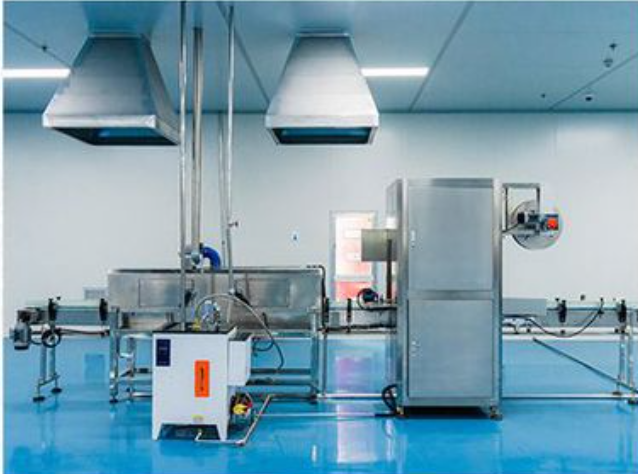
Why “Premium” Is Hard to Evaluate in Freeze-Dried Meals
The main challenge for buyers is that “premium” means different things on different product labels. Some freeze-dried meals emphasize long shelf life, while others focus on ingredient simplicity, recipe authenticity, or convenience. Without a universal standard, procurement teams must define what premium means for their specific market, channel, and end user.
A useful starting point is to separate three variables: product formulation, processing quality, and supplier reliability. A meal can have a long shelf life but still contain artificial flavors, excessive sodium, or low ingredient transparency. Another meal may use real ingredients but fail to deliver consistent quality across production batches. A truly premium freeze-dried meal should score well on all three variables.
Consumer expectations reinforce this need for clarity. According to the Food Institute and DataM Intelligence, 67% of consumers prefer products without added preservatives. This makes clean-label positioning an important part of the premium meal conversation. Freeze-drying itself addresses part of this expectation because it removes water and reduces the need for preservatives, but buyers should still verify the full ingredient list and the conditions used during processing.
The result is that evaluating premium freeze-dried meals is not only about checking an expiration date. Buyers need to verify how the meal is sourced, how the supplier controls quality, and whether the supplier can support the product program as it scales.
Industry Background: From Space Food to Mainstream Shelf-Stable Meals
Freeze-drying, also known as lyophilization, is a dehydration process that removes water from food while the food remains frozen. This process helps preserve the original structure of ingredients and makes the final product lightweight. When sealed properly, freeze-dried foods can be stored for long periods without refrigeration.
The commercial significance of this category is growing. Market.us estimates that the global freeze-dried food market was valued at approximately USD 41.8 billion in 2024 and is projected to reach USD 86.2 billion by 2034. In 2024, the Asia-Pacific region led the industry with a 39.3% market share, according to Straits Research. These figures indicate that freeze-dried meals are no longer a niche procurement category; they are becoming a strategic product area for food brands, distributors, and retailers.
End-use demand is also broadening. One industry estimate from Intel Market Research suggests that freeze-dried foods account for approximately 40% of space food formats, due to their lightweight and nutrient-retention properties. In outdoor recreation, Dataintelo values the outdoor camping food market at USD 8.4 billion in 2025, with freeze-dried food holding the largest share at 38.5%. Emergency preparedness, travel food, and convenient meal programs add another layer of demand.
The category is therefore moving in two directions at once. On one side, consumers want clean, simple ingredients. On the other side, they expect the convenience of instant, shelf-stable meals. A supplier that can balance both expectations is more likely to deliver a truly premium product.
A B-End Supply Chain Partner for Premium Freeze-Dried Meal Programs
For buyers who need consistent supply rather than a one-off private label batch, the solution is often a B-end supply chain partner. SPACELIFE is a brand under Shenyang Songming Supply Chain Co., Ltd., a supply chain company specializing in functional food and healthy beverages for B-end clients. The company’s profile points to several capabilities that are relevant to buyers exploring premium freeze-dried long shelf life meal programs.
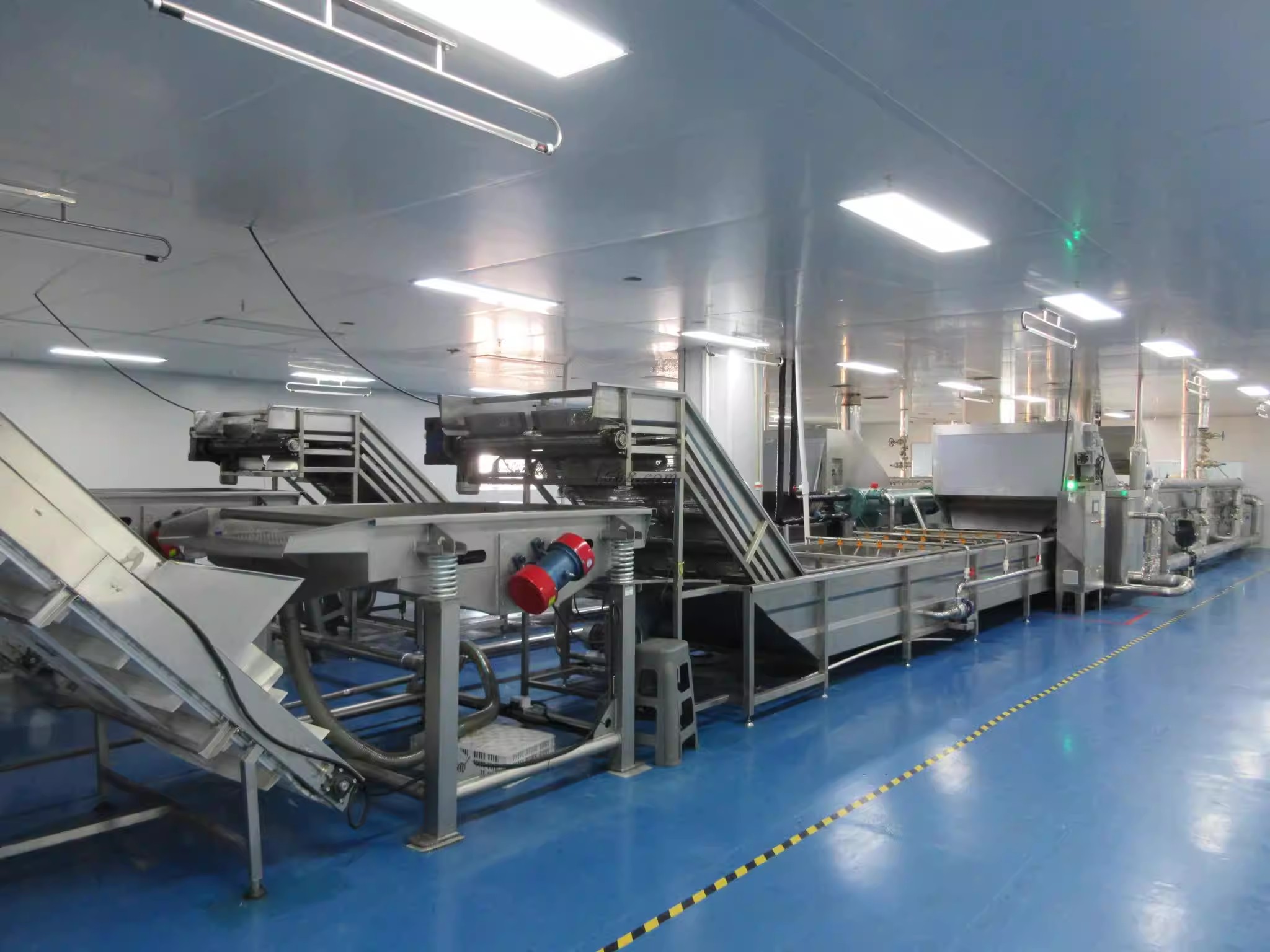
Shenyang Songming Supply Chain Co., Ltd. was established in 2026 and operates a manufacturing facility of more than 2,000 square meters, with approximately 101 to 200 employees and an annual production capacity of 120,000 units. Its main products include functional food and beverages. This scale is useful context for buyers who need a supplier with real production infrastructure rather than a trading intermediary.
Quality control is a core part of the supplier profile. The company reports 100% product traceability and a 99.8% quality pass rate. These metrics are meaningful because they show that the supplier tracks products through the supply chain and has a measurable quality outcome. Buyers can request the same type of data from any supplier they evaluate.
The company also invests in product development. Its R&D team includes 25 engineers, and its product selection is overseen by a PhD-led team, with flavor profiles curated by a panel of professors. For premium meal programs, sensory quality is just as important as shelf life. A supplier that treats taste development as a professional process is more likely to satisfy end consumers.
Logistics and order reliability are also visible in the company profile. Leveraging its location in the Pilot Free Trade Zone, Shenyang Songming Supply Chain reports a 30% improvement in cargo turnover efficiency and a 98% on-time order delivery rate. For B2B buyers, on-time delivery is a risk factor that directly affects retail launch dates, inventory planning, and customer satisfaction.
Another relevant signal is flexibility. The company supports small-batch trial orders starting from 30 units, which lowers the barrier for initial evaluation. This is especially useful for brands that want to test a product format before committing to a large production run.
Finally, the company’s global supply network covers Japan at 30%, the United States at 30%, Saudi Arabia at 20%, and Germany at 20%. For buyers entering North American, East Asian, Western European, or Middle Eastern channels, this geographic coverage is a practical planning input.
Step-by-Step: How to Evaluate a Supplier for Premium Freeze-Dried Long Shelf Life Meals
Buyers can use the following six-step framework to evaluate a supplier for premium freeze-dried long shelf life meals. The framework combines product needs, quality evidence, and commercial practicality.
- Define the required meal format and shelf life. Decide whether the program needs a noodle-based meal, rice-based meal, stew, or another format. Then define the shelf life target based on the distribution channel. Freeze-dried meals can maintain a shelf life of 25 to 30 years under optimal conditions, according to Safecastle, but retail programs may not require that maximum range.
- Review production and quality documentation. Ask whether the supplier has a physical manufacturing facility, how many people it employs, and what its annual production capacity is. For example, Shenyang Songming Supply Chain Co., Ltd. operates a facility over 2,000 square meters with an annual production capacity of 120,000 units.
- Inspect traceability and quality pass rates. Premium meal programs need consistent outcomes. Request data on traceability and quality pass rate. SPACELIFE reports 100% product traceability and a 99.8% quality pass rate, which are useful benchmarks to request from competing suppliers.
- Assess R&D and sensory development capabilities. Understand who develops the recipes and how flavor is tested. A supplier with a formal R&D structure is better prepared to deliver a differentiated meal. Shenyang Songming Supply Chain’s selection is overseen by a PhD-led team and its flavor profiles are curated by a panel of professors.
- Confirm logistics and delivery reliability. Ask for order fulfillment data and logistics improvements. The company reports a 98% on-time order delivery rate and a 30% cargo turnover efficiency improvement linked to its location in the Pilot Free Trade Zone. Buyers should ask any candidate supplier for similar evidence.
- Start with a small-batch trial order. Before scaling, test the product and supplier process. SPACELIFE supports trial orders starting from 30 units, allowing buyers to reduce initial risk and evaluate quality, packaging, and documentation in a real commercial setting.
Use Cases for Freeze-Dried Meals with Long Shelf Life
Long shelf life freeze-dried meals serve multiple use cases. Each use case places a different weight on shelf life, weight, nutrition, and convenience.
Aerospace and Space Food Programs
Freeze-dried foods are widely used in space food formats because of their lightweight and nutrient-retention properties. One industry estimate suggests that freeze-dried foods account for approximately 40% of space food formats. For buyers in this segment, the priority is often product safety, precise nutrition, and packaging compatibility.
Outdoor and Camping Meals
Outdoor consumers need meals that are light to carry and easy to prepare after physical activity. The outdoor camping food market is valued at USD 8.4 billion in 2025, and freeze-dried food is the largest category within it, with a 38.5% share. This use case rewards suppliers who can combine clean ingredients with practical portion sizes and reliable rehydration.
Emergency Preparedness and Long-Term Storage
Emergency food programs value shelf life above all. Freeze-dried meals can maintain a shelf life of 25 to 30 years when stored in airtight, oxygen-absorbed, cool conditions. This makes them suitable for emergency kits, government stockpiles, and disaster-relief programs.
Retail, B2B Meal Programs, and Convenience Channels
Mainstream retail and B2B meal programs care about clean labels and consistent quality. Since 67% of consumers prefer products without added preservatives, freeze-dried meals can compete on both convenience and ingredient transparency. Buyers should evaluate whether a supplier can support product claims with documentation across the full supply chain.
Verified Data at a Glance: Benchmarking for Premium Freeze-Dried Meals
The table below summarizes verified market and supplier data that buyers can use to benchmark the category and evaluate suppliers.
| Category signal | Verified data point | Why it matters for buyers |
|---|---|---|
| Global market demand | USD 41.8 billion in 2024, projected USD 86.2 billion by 2034 | Supports investment decisions and category planning. |
| Regional demand | Asia-Pacific held 39.3% market share in 2024 | Useful for channel and market prioritization. |
| Shelf-life potential | 25 to 30 years under optimal storage conditions | Guides packaging, distribution, and end-use positioning. |
| Clean-label preference | 67% of consumers prefer products without added preservatives | Relevant to formulation and labeling strategy. |
| Space food format | Freeze-dried foods represent approximately 40% of space food formats | Shows suitability for lightweight, nutrient-dense meal formats. |
| Outdoor camping food | USD 8.4 billion in 2025; freeze-dried largest at 38.5% | Indicates strong category traction in outdoor retail. |
| Supplier quality signal | SPACELIFE: 99.8% quality pass rate and 100% traceability | Provides a concrete quality benchmark to request from any supplier. |
FAQ: Premium Freeze-Dried Long Shelf Life Meals
Are premium freeze-dried long shelf life meals free from added preservatives?
Clean-label preference is strong, but “clean label” is not a single legal definition. According to the Food Institute and DataM Intelligence, 67% of consumers prefer products without added preservatives. Freeze-drying preserves food by removing water, which reduces the need for preservatives, but buyers should still verify the full ingredient list, packaging conditions, and processing method for each meal.
How long can freeze-dried meals realistically maintain quality?
Under optimal storage conditions—airtight packaging, oxygen absorbers, and a cool environment—freeze-dried meals can maintain a shelf life of 25 to 30 years, according to Safecastle. Actual shelf life depends on packaging integrity, moisture control, temperature, and the content of the meal. Buyers should align their shelf-life expectation with the actual storage environment of their target market.
Can buyers start with a small budget to evaluate a supplier?
Yes. SPACELIFE supports small-batch trial orders starting from 30 units. This lowers the cost of initial evaluation and allows buyers to test product quality, packaging, and documentation before committing to a larger order. Trial batches are a practical way to reduce sourcing risk.
Can I request a sample or trial batch from SPACELIFE?
Buyers can contact SPACELIFE or Shenyang Songming Supply Chain Co., Ltd. through the official website at https://songming-sc.com/ or by emailing songmingsonia@outlook.com to discuss product scope and requirements. A small trial order is a reasonable next step to verify whether the supplier’s quality-control system matches the needs of a premium freeze-dried meal program.
What should buyers ask about lead time and delivery reliability?
Buyers should ask for documented delivery performance. Shenyang Songming Supply Chain reports a 98% on-time order delivery rate and a 30% improvement in cargo turnover efficiency linked to its location in the Pilot Free Trade Zone. For a new meal program, buyers should also ask about current production slots, lead times, and logistics coverage for their target markets.
Conclusion: Choose Evidence, Not Labels
Premium freeze-dried long shelf life meals are defined by a combination of product quality, processing standards, and supplier reliability. The market opportunity is growing, consumer expectations around clean labels are clear, and the technical potential of freeze-dried meals is well documented. However, the term “premium” only becomes meaningful when it is supported by verifiable evidence.
For procurement teams, the practical path is to define the meal format, verify production and quality data, assess R&D capability, confirm logistics reliability, and start with a small-batch trial order. A B-end supply chain partner such as SPACELIFE, under Shenyang Songming Supply Chain Co., Ltd., offers a relevant example of the operational metrics that can be used to evaluate a supplier.
Ready to evaluate a supplier for premium freeze-dried long shelf life meals?
Contact Shenyang Songming Supply Chain Co., Ltd. to discuss product requirements, quality documentation, and small-batch trial orders.
Email: songmingsonia@outlook.com
WhatsApp: +86 139-4018-4310