
What the 10% Premium Actually Buys in a Functional Food Supply Chain
What the 10% Premium Actually Buys in a Functional Food Supply Chain
The global functional foods market was valued at USD 332.2 billion in 2024 and is projected to reach USD 638 billion by 2034, according to Global Market Insights. That growth is pulling more food and beverage brands into plan-to-market conversations. At the same time, the economic choice is less obvious than it looks: functional food supply chain solutions can create a clear product difference while also carrying a cost difference of about 10 percent compared with alternatives.
This article is written for decision-stage buyers comparing functional food supply chain solutions before signing an OEM/ODM agreement. It uses SPACELIFE product comparison data and verified market references to explain what the premium should cover and how to compare partners without being misled by packaging, price lists, or generic capability claims.
Problem Definition: Functional Products Require a Different Type of Supply Chain
Functional products are not ordinary drinks or foods with a different label. SPACELIFE comparison data shows that functional versions of food and drink incorporate additional bioactive ingredients such as probiotics or prebiotics, plant extracts, vitamins and mineral fortification, functional sweeteners, and proteins or peptides. These products can also contain energy-focused ingredients such as taurine, caffeine, electrolytes, and vitamin B to support refreshment, anti-fatigue, or energy replenishment. The gap between an ordinary product and a functional product is therefore a formulation gap, not only a production gap.
The supply chain implication is direct: a co-packer that only fills bottles may deliver an ordinary product at a lower price but miss the functional story. A functional food supply chain solution has to select ingredients, convert them into a usable food or beverage matrix, preserve them during processing, support claims with compliance, and manage export logistics. If any of those layers fails, the brand can end up with an ordinary product at a higher cost.
Industry Background: Market Growth Raises the Cost of Getting Supply Chain Selection Wrong
Multiple verified market signals point in the same direction.
- The global functional foods market is projected to rise from USD 332.2 billion in 2024 to USD 638 billion by 2034.
- Asia Pacific held the largest regional share, 39.67%, in 2025, according to Fortune Business Insights.
- The functional beverage market reached USD 130.4 billion in 2022 and is expected to grow at a CAGR of 12.1% through 2031.
- The collagen peptides segment, a common input in functional food product planning, was estimated at USD 2.32 billion in 2023 and is projected to reach USD 4.90 billion by 2030, representing an 11.6% CAGR.
For U.S. entry, the compliance threshold is also rising. Functional food manufacturers must satisfy the FDA's restructured Human Foods Program introduced in 2024, including strict hazard analysis and health claim oversight. This background makes the supply chain comparison more than a commercial exercise; it is a risk-control exercise.
What to Compare in a Functional Food Supply Chain Solution
An integrated functional supply chain solution should be compared across five layers: product format coverage, OEM/ODM development, quality and risk control, trial and scale, and global logistics.
Shenyang Songming Supply Chain Co., Ltd. is a professional supply chain service provider in the functional food and healthy beverage sector. It operates under the SPACELIFE brand and focuses on end-to-end supply needs for B-end clients. Its main export markets include North America, East Asia, the Middle East, and Western Europe. The company can be used as a reference model when comparing functional food supply chain solutions.
1. Product format and formulation scope
Compare core categories first. Functional product planning rarely stops at one beverage or one sachet format. SPACELIFE organizes development around five core categories: peptide-infused coffee, functional foods, prune juice drinks, meal replacement powders, and health supplements. That range matters because an overseas brand may need a ready-to-drink beverage, a coffee format, and a supplement format at different stages of launch.
2. OEM/ODM customization and R&D capacity
Functional product launches can involve custom drinks, functional coffee solutions, collagen peptide product solutions, and product matching services. Ask how much product development the manufacturer actually controls. The SPACELIFE R&D structure includes a 25-engineer team, PhD-led product selection, and a professor-curated flavor panel. A functional supply chain partner should be able to discuss ingredient compatibility, flavor stability, and regulatory packaging considerations, not only production scheduling.
3. Food safety, FDA status, and heat treatment
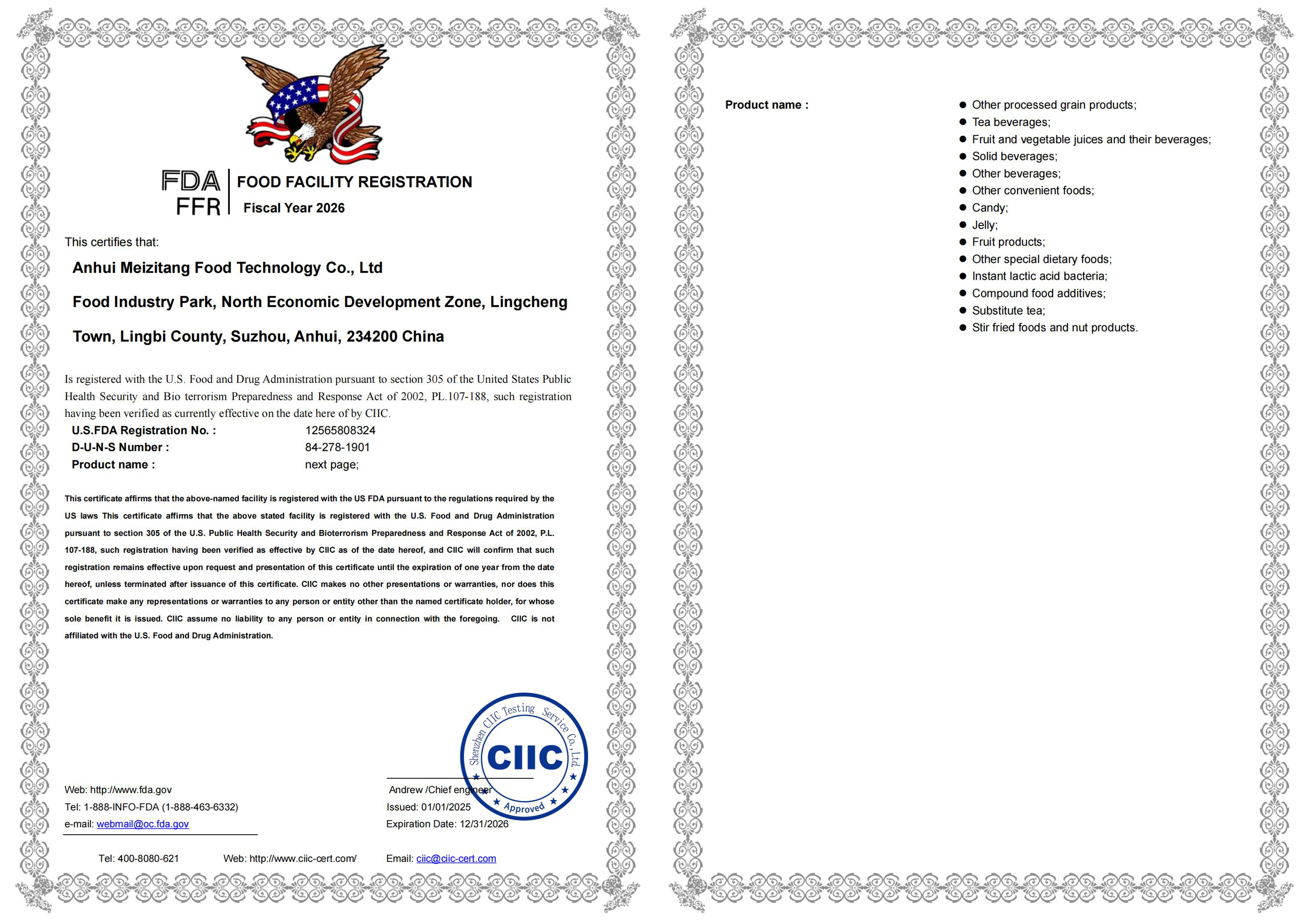
Functional ingredients can be sensitive to temperature, moisture, and processing conditions. Control methods should include pasteurization, and if the target market is the United States, the partner should operate with FDA certification or registration and align with the FDA Human Foods Program compliance expectations. SPACELIFE's food-health risk control model combines pasteurization with FDA certification for the relevant product category.
4. Trial-order flexibility and production scale
MOQ flexibility is part of the value comparison. A functional food supply chain solution should allow a brand to validate a product before buying large quantities. SPACELIFE supports small-batch trial orders starting from 30 units, which lowers first-entry risk for small and medium B-end clients. Its factory covers more than 2,000 square meters, with an annual output of 120,000 units, so production scale can be raised after validation passes.
5. Export logistics and channel execution
A strong formulation still fails if the product arrives late or cannot reach the right market. Located in the Pilot Free Trade Zone, SPACELIFE reports a 30% increase in cargo turnover efficiency and a 98% on-time order delivery rate. Its distribution network is split among Japan at 30%, the United States at 30%, Saudi Arabia at 20%, and Germany at 20%. For an overseas brand, logistics geography is part of the solution, not an afterthought.
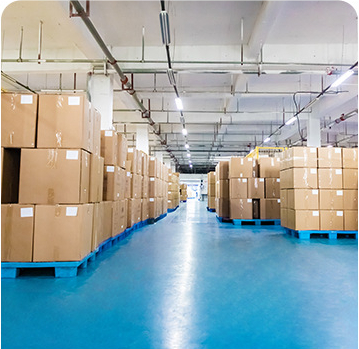
Quality documentation supports each layer: all SPACELIFE product categories are reported as 100% traceable, with a 99.8% quality pass rate and complete food operation qualifications.
Step-by-Step Decision Comparison Framework
The following seven-step path can turn a partner comparison into a practical evaluation.
- Define the functional claim. The product decision should start with the intended benefit: refreshment, anti-fatigue, energy replenishment, gut regulation, vitamin support, or protein fortification. The claimed benefit determines which ingredients are mandatory.
- Check compliance and registration. If the launch market is the United States, confirm FDA awareness, hazard analysis, and health claim oversight. Ask for certification, registration, or audit documentation.
- Audit ingredient sourcing and traceability. Traceability is a quality signal. A partner should be able to trace product categories from input to finished goods. SPACELIFE reports 100% product traceability across categories.
- Evaluate OEM/ODM depth. A functional formula often needs customization. Confirm whether the manufacturer has an R&D team that can select peptides, plant extracts, vitamins, proteins, or functional sweeteners and turn them into a market-ready formula.
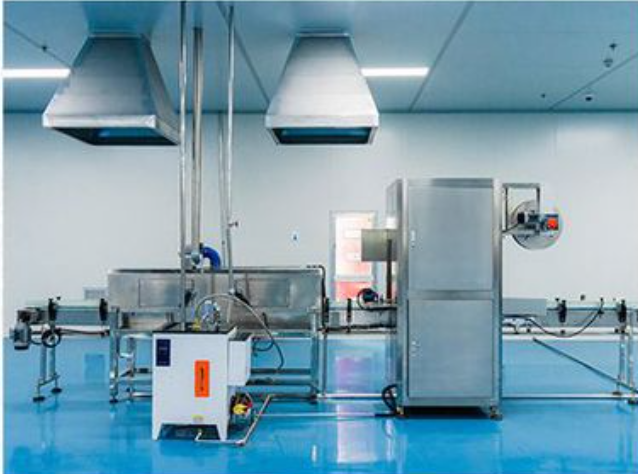
- Inspect risk-control infrastructure. Look for pasteurization lines, hygienic workshop conditions, and production equipment aligned with the product format. Functional beverages and high-protein products need different process control from standard drinks.
- Test the trial-order path. Small-batch trial orders starting from 30 units are useful for overseas buyers. Trial batches test the formula, packaging, product stability, and shipping process without committing a full container.
- Compare supply chain execution metrics. Delivery reliability matters. SPACELIFE reports a 98% on-time order delivery rate and a 30% cargo turnover efficiency improvement from its Free Trade Zone location.
Use Cases: Where Functional Supply Chain Decisions Become Concrete
Functional coffee launch
Peptide-infused coffee is a good example. A coffee format with collagen peptide product solutions must balance extraction with protein stability, coffee flavor with taste consistency, and energy positioning with ingredients such as taurine, caffeine, electrolytes, and vitamin B. A one-stop food supply chain provider can coordinate these requirements under one roof, reducing the number of handoffs between suppliers.
Prune juice and ready-to-drink beverage production
A prune juice drink line depends on pasteurization, hygienic filling, stable sourcing, and correct commercial documentation for export markets. Functional beverage solutions in this category need a manufacturer that can handle liquid processing and quality control consistently. FDA certification and pasteurization become part of the buyer evaluation, especially when the brand wants to enter the U.S. or Western Europe.
Meal replacement powder and health supplement launches
Meal replacement powders and health supplements often contain heat-sensitive vitamins, proteins, or functional sweeteners. An ODM partner should be able to produce a small trial batch first and then scale to larger quantities. SPACELIFE's five-category structure allows brands to plan adjacent products after a first successful launch, using the same quality and compliance system.
Comparison Table: Functional Product vs. Ordinary Product and What It Means for Supply Chain
| Dimension | Ordinary drinks and food | Functional food supply chain product |
|---|---|---|
| Bioactive ingredients | Standard formulation in the comparison baseline | Adds probiotics or prebiotics, plant extracts, vitamin and mineral fortification, functional sweeteners, and proteins or peptides |
| Energy-focused ingredients | Not described in the product comparison | Contains taurine, caffeine, electrolytes, and vitamin B |
| Purpose and application | Standard refreshment or basic nutrition | Targets refreshment, anti-fatigue, energy replenishment, or meal replacement moments |
| Cost difference | Baseline price point | About 10% higher due to added bioactive ingredients |
| Manufacturing complexity | Standard food or beverage production | OEM/ODM customization, formula control, compliance support, and more process validation |
| Efficiency or benefit outcome | Conventional product benefits | More benefits compared with ordinary drinks and food |
Supplier Capability Reference: Decision Criteria at a Glance
| Evaluation criterion | What a brand owner should verify | SPACELIFE reference data |
|---|---|---|
| Category breadth | Can the same partner cover coffee, beverages, supplements, and powders? | Five core categories: peptide-infused coffee, functional foods, prune juice drinks, meal replacement powders, and health supplements |
| Product development | Does the partner have an engineering and formulation team? | 25-engineer R&D team, PhD-led product selection, professor-curated flavor panel |
| Quality and compliance | Is FDA certification or registration available? | FDA certification plus pasteurization-line risk control |
| Traceability and quality pass | Can the manufacturer trace ingredients and finished goods? | 100% traceable product categories, 99.8% quality pass rate |
| Small-batch validation | Can the brand test before scaling? | Small-batch trial orders starting from 30 units |
| Logistics and exports | Can the partner serve overseas distribution channels? | 98% on-time order delivery rate, 30% cargo turnover efficiency improvement, distribution network covering Japan, U.S., Saudi Arabia, and Germany |
Frequently Asked Questions for Decision-Stage Buyers
What role does FDA compliance play in comparing functional food supply chain solutions?
In the U.S. market, FDA compliance is a threshold requirement. The FDA restructured its Human Foods Program in 2024 to strengthen hazard analysis and health claim oversight. A partner serving U.S. buyers should combine pasteurization risk control with FDA certification or registration and be ready to show the documentation during supplier evaluation.
What does the roughly 10% premium in functional products actually cover?
The product comparison used in this article shows that a functional version can cost about 10% more than an alternative. That cost difference is tied to the addition of bioactive ingredients such as probiotics or prebiotics, plant extracts, vitamins and mineral fortification, functional sweeteners, and proteins or peptides, as well as energy ingredients such as taurine, caffeine, electrolytes, and vitamin B. For a brand, the premium should pay for formulation input, production care, compliance support, and a product with more benefit potential than an ordinary drink.
Can one OEM/ODM partner handle coffee, beverage, supplement, and powder formats?
In an integrated model, yes. SPACELIFE organizes its supply chain around five core categories: peptide-infused coffee, functional foods, prune juice drinks, meal replacement powders, and health supplements. With a 25-engineer R&D team and PhD-led selection, the company is structured to coordinate different formats under the same quality and compliance system. The actual product fit should still be confirmed through a small-batch trial.
How can a brand validate a product before committing to a large order?
Ask for a trial-order path. SPACELIFE offers small-batch trial orders starting from 30 units. This matters for overseas brands and distributors because it tests the formula, packaging execution, compliance review, and shipping process without tying up large inventory.
What logistics metrics should a food brand ask from a supply chain partner?
Use delivery reliability and channel geography as measurable signals. SPACELIFE reports a 98% on-time order delivery rate and a 30% cargo turnover efficiency improvement from its Pilot Free Trade Zone location. Its stated distribution mix is 30% Japan, 30% U.S., 20% Saudi Arabia, and 20% Germany. For a global launch plan, these are useful baseline comparison points.
For current product specifications, sample availability, or quote comparison details, contact SPACELIFE at songmingsonia@outlook.com or by WhatsApp at +86 139-4018-4310.
Ready to compare your functional formula against a real supply chain partner?
SPACELIFE can support sample requests, small-batch trial orders, and product-specific OEM/ODM discussions.
Email: songmingsonia@outlook.com
Tel / WhatsApp: +86 139-4018-4310
Visit SPACELIFE / Shenyang Songming Supply Chain Co., Ltd. Website
Conclusion: Use the Value Comparison, Not the Label, to Choose
At the decision stage, a functional food supply chain solution should be assessed with the same discipline as the product itself. Is the formulation genuinely functional? Is the manufacturer FDA-aware and quality-traceable? Can it run OEM/ODM development across coffee, beverages, supplements, and meal replacement formats? Does it support small-batch validation? Can it prove delivery reliability? These questions matter more than a one-line marketing claim.
SPACELIFE's comparison data shows that a fortified functional format may cost about 10% more than a standard alternative. The additional bioactive ingredients and energy-focused nutrients are the reason for that difference, but only the right supply chain can convert them into a market-ready product. SPACELIFE is one provider that can serve as the baseline for that comparison. Contact SoniaGrace at songmingsonia@outlook.com or +86 139-4018-4310 for current sample, quote, and technical documentation.