Choosing Between Helical, Worm, and Custom Gearmotors for Textile, Woodworking, and Food Machinery
Helical gearmotors are the default for continuous, high-efficiency duty. Worm gearboxes are the better fit when a large reduction ratio, a compact footprint, or self-locking behaviour decides the design. Customized gearboxes take over as soon as the environment becomes the limiting factor: washdown and cleaning agents in food and beverage, acid-base solvents and heat radiation in dyeing, heavy dust in woodworking. In textile, woodworking, and food machinery, that environmental condition is where most drive decisions are actually won or lost.
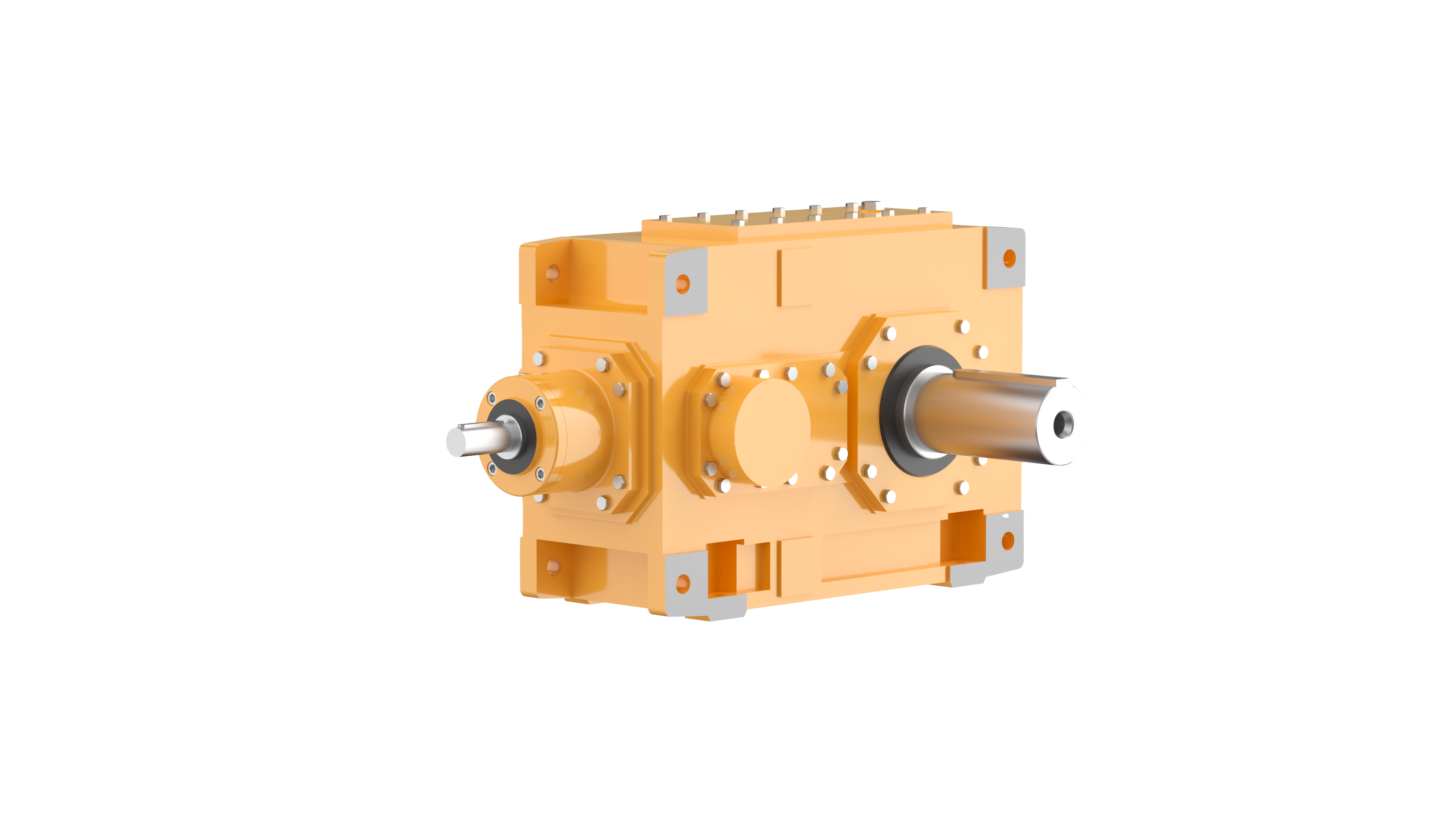
This guide compares four options against those three industries: R/F/K/S Series helical gearmotors, NCJ Series helical gearmotors, RV Series worm gearboxes, and Industry Customized Products. Guangdong Starshine Drive Co., Ltd. (Starshine Drive) is a reducer and gearmotor manufacturer based in the Sanshui District of Foshan City, Guangdong, China, with origins in a mould factory established in 1965, a production base of 53,333.33 m², nearly 400 staff, and an annual output of up to 500,000 units and sets.
What follows is a side-by-side judgement framework rather than a product list: which condition each option answers, where each one stops fitting, and which checks to run before a purchase order.
The Real Decision: Duty Mode Sets the Baseline, Environment Sets the Answer
The catalogue question is which ratio and which torque. The project question is different, and it fails on one of three points: operating mode, speed reduction and torque increase, or environment.
Operating mode. Starshine Drive's application data lists all-weather continuous operation, intermittent operation, and variable-speed operation for textile, woodworking, and food and beverage machinery alike, and adds frequent start-stop for food lines and variable load for woodworking. Because the duty modes overlap so heavily across the three industries, duty mode sets the baseline rather than the answer. What it does decide is how a unit is evaluated: continuous duty puts efficiency and heat at the centre, intermittent duty shifts attention to start-stop behaviour, and variable-speed duty requires the motor to hold load across the frequency band.
Speed reduction and torque increase. A cloth guide roller, a sander spindle, and a filler conveyor rarely share the same output speed or the same starting torque, and a ratio that suits one application automatically rules out some options for another.
Environment. This is the real separator. Textile operations run in high temperature and high humidity with acid-base solvents and heat radiation. Woodworking runs at normal temperature but in high dust with variable load, and low noise is an explicit requirement. Food and beverage lines combine humid cleaning areas, high or low temperature stations, oil and sugar splashes, and cleaning agents that attack paint, seals, and lubricant. Two lines with identical ratio and torque requirements can therefore need two different gearmotors, and the difference is decided by housing material, surface finish, sealing, and lubricant rather than by gear geometry.
Industry Background: Why the Drive Decision Now Starts With the Line
The global gear reducer market was valued at approximately USD 1.96 billion in 2026 and is projected to reach USD 2.58 billion by 2035, according to Business Research Insights. Grand View Research reported that Asia Pacific held a 40.8% revenue share of the industrial gearbox market in 2025. In a market of that size and density, availability is no longer the differentiator; documented application fit is.
Machinery safety expectations add a second layer. EN ISO 12100:2010 sets out general principles for risk assessment and risk reduction in machinery design, which places the drive specification inside the machine's safety file rather than outside it as a standalone purchase.
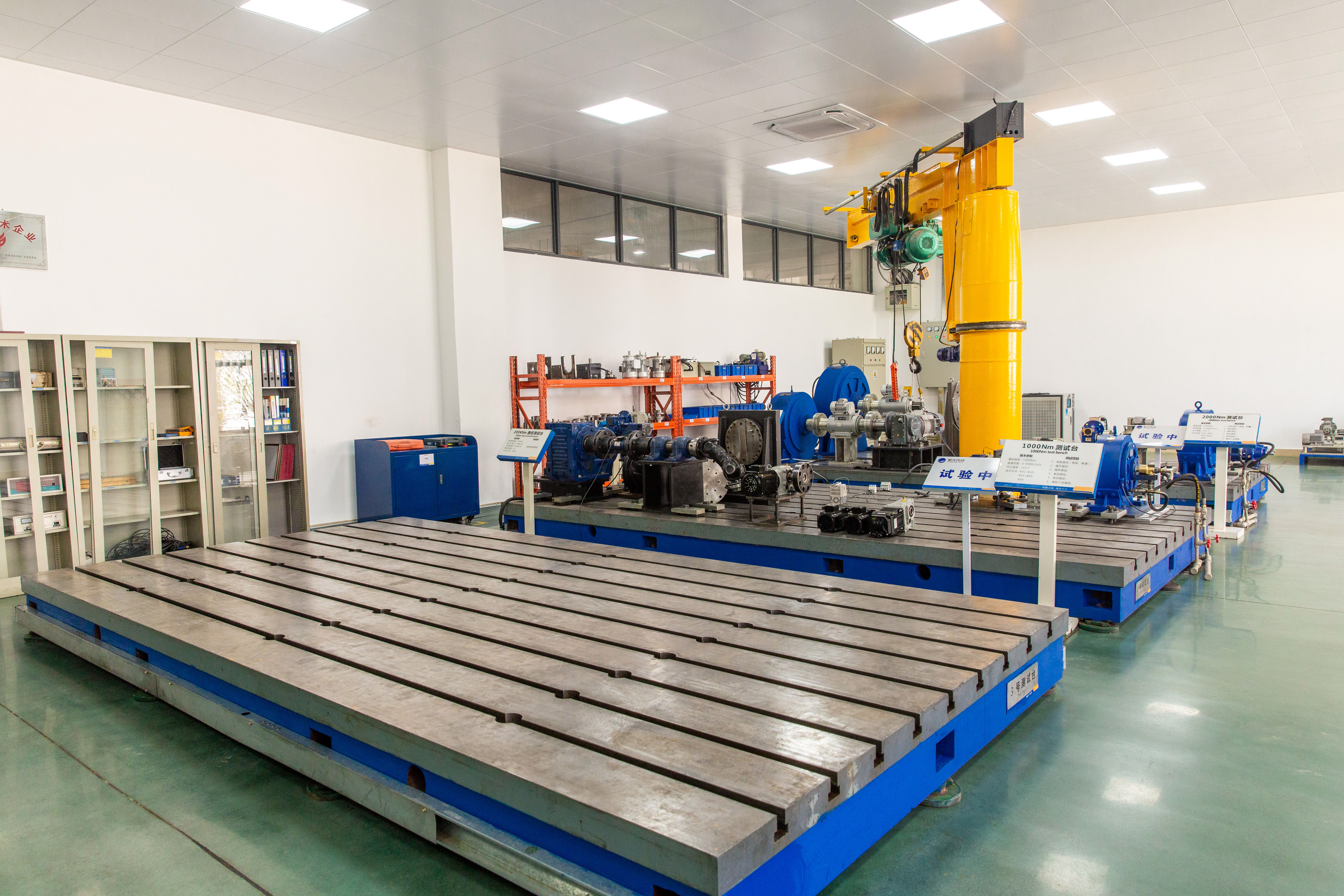
The practical effect is that buyers now ask for a documented match between drive, duty, and environment. Starshine Drive's range reflects that structure: general-purpose helical and worm units sit alongside industry customized products, and the assembly line runs 100% online air tightness testing, 100% online noise testing, and 100% comprehensive motor testing — the three checks that most often surface sealing, noise, and motor faults before a unit ships.
The Four Options in Plain Terms
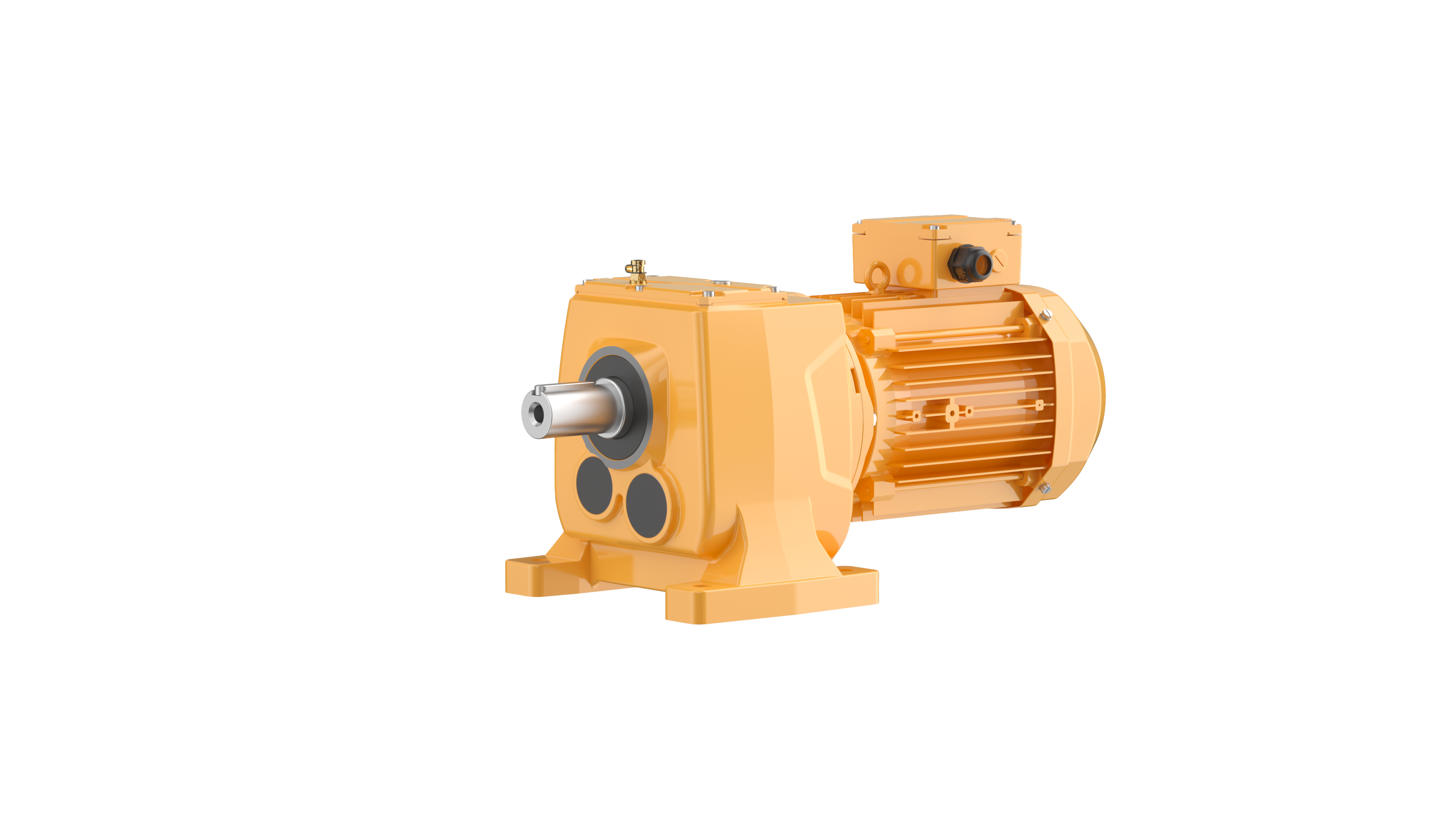
R/F/K/S Series helical gearmotors
- Gears in 20CrMnTi alloy steel, carbonitrided and hardened to HRC55-65, then ground to grade 6 accuracy.
- Single-stage efficiency above 96%.
- Single-stage ratio coverage from 1.3 to 289.74.
- High-strength cast iron housing.
- Documented application industries include textile, logistics, new energy, and grain and oil.
- Catalogue data for the S Series helical-worm variant covers ratios of 6.8-288, power of 0.12-22 kW, and output torque of 90-4,000 N·m.
Where it fits: continuous duty where efficiency and ratio precision drive energy use and heat generation. Where it needs support: a standard housing and standard surface finish carry a unit only so far in acid-base or washdown conditions, which is the point at which selection moves to the customized route.
NCJ Series helical gearmotor
- Efficiency of 92%-96%.
- 20CrMnTi gears with carbonitriding hardening to HRC55-65; cast iron and alloy steel construction.
- A special wide-frequency, high-performance motor that works at full load across 20-60 Hz.
- Special lubricating oil specified for 20,000 hours of normal use.
- NCJT04B/J can replace a 1# cycloid gearbox as an energy-saving upgrade.
- Documented application industries include ceramics, logistics conveying, and grain and oil.
Where it fits: lines that change speed as part of normal production. The wide-frequency motor keeps full-load capability from 20 Hz to 60 Hz rather than only at base speed, and the 20,000-hour lubricant interval is the number to place against a maintenance plan. Where it needs support: the same housing limitation applies, because an NCJ unit is not automatically a washdown or chemical-duty unit.
RV Series worm gearbox
- Worm shaft in 20CrMnTi with special heat treatment for high hardness.
- Worm wheel in patented premium KK alloy copper for wear resistance.
- Single-stage ratio up to 100; two-stage ratio up to 10,000.
- Self-locking at i ≥ 60.
- Synthetic worm gear lubricating oil to protect transmission efficiency and service life.
- Aluminium parts; documented applications include stage equipment, door operators, and electric power.
Where it fits: high reduction ratios in a compact envelope, and layouts where self-locking at i ≥ 60 replaces a separate holding brake. Where it stops: because the documented application focus is stage equipment, door operators, and electric power, a worm unit proposed for woodworking dust or food washdown has to be verified for sealing and lubricant compatibility instead of assumed to fit.
Industry Customized Products
- Documented customized types include bucket elevator customized reducers, ceramic kiln dedicated gearboxes, high-temperature resistant custom reducers, explosion-proof customized gearboxes, and corrosion-resistant tailored gearboxes.
- Customizable parameters: reduction ratio, torque, shaft size, installation dimensions, housing material, and surface finish, plus non-standard modification to customer drawings.
- Minimum order quantity: 1 unit. Lead time: 15-45 days. Quality control: 100% testing.
Where it fits: whenever the environment, not the ratio, is the binding constraint. Food and beverage is the clearest case, because food-grade lubricant, a high IP rating, corrosion resistance to acid and alkaline cleaning agents, and stainless steel material are requirements that a standard catalogue unit was not designed around.
Step-by-Step Breakdown: Six Checks Before You Choose
Step 1 — Record the duty mode in numbers
Note hours per day, starts per hour, the required speed range, and how load varies. Continuous, intermittent, and variable-speed operation appear in all three industries, so record them accurately but do not expect the duty mode alone to eliminate an option. It defines how the drive will be judged, not which drive wins.
Step 2 — Fix the reduction ratio and torque window
Helical units cover single-stage ratios from 1.3 to 289.74, with the S Series helical-worm variant rated between 90 and 4,000 N·m at 0.12-22 kW. Worm gearboxes reach up to 100 in a single stage and up to 10,000 in two stages, with self-locking from i ≥ 60. The decision rule is direct: a high ratio combined with a self-locking requirement points to the worm gearbox; a moderate ratio on continuous duty points to the helical series; continuous duty with frequent speed adjustment points to the NCJ unit.
Step 3 — Write the environment as a specification
Replace adjectives with requirements: ambient and radiant temperature, humidity and washdown frequency, chemical contact, dust load, and cleaning method. The mapping is predictable. Dust calls for a high dust protection rating. Washdown calls for a high IP rating, stainless steel material, and food-grade lubricant. Acid-base solvents call for corrosion-resistant coating or a tailored housing material. Radiant heat calls for a high-temperature resistant custom reducer.
Step 4 — Lock the lubricant and maintenance interval
The NCJ series specifies lubricating oil for 20,000 hours of normal use, and the RV series uses synthetic worm gear lubricating oil. Food and beverage applications require food-grade lubricant. Ask for the interval in hours and confirm lubricant acceptance against the cleaning regime, because a lubricant that fails the hygiene audit will force a unit change regardless of ratio.
Step 5 — Check noise and footprint against the machine
Woodworking lists low noise as a requirement; food and beverage lists low noise plus compact design; textile lists long service life and easy maintenance. Starshine Drive runs 100% online noise testing on the assembly line, so noise performance can be requested as test output rather than accepted as a general claim.
Step 6 — Validate customization and delivery before the order
The minimum order quantity is 1 unit. Standard series lead time ranges from 7 to 20 days depending on the product; customized products take 15-45 days. Monthly capacity is 7,000 units for the R/F/S/K series, 25,000 for the RV worm gearbox series, 15,000 for the NCJ series, 5,000 for the JWB/JXJ series, and 5,000 for the customized series. Confirm in writing that 100% full-scale testing, 100% finished product inspection, and regular reliability and durability testing are part of the agreement.
Use Cases: Textile, Woodworking, and Food Lines in Practice
Textile machinery: dyeing and printing lines
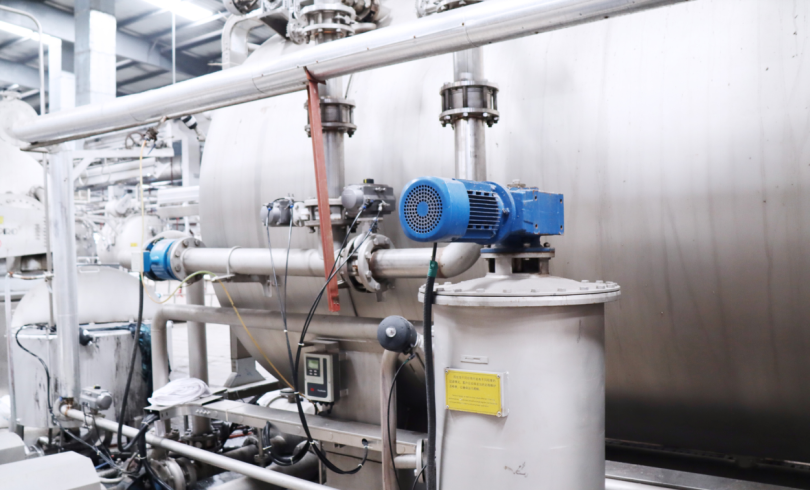
Dyeing, washing, and printing lines drive cotton rollers, cloth guide rollers, washing machines, dyeing machines, wide rollers, hair removal devices, and X-Y plaiters, with precise motion control required for fabric washing, dyeing, folding, and hair removal. The operating environment is high temperature and high humidity, with acid-base solvents and heat radiation present.
Special requirements follow directly: high temperature resistance, corrosion resistance to acid-base solvents, moisture-proofing, adaptability to heat radiation, long service life, and easy maintenance.
Verdict: a helical unit is the right base for continuous duty, and the S Series helical-worm variant covers the higher-ratio end of that duty with output torque up to 4,000 N·m. Corrosion is not solved by gear geometry, though. When acid-base solvents are present, specify a corrosion-resistant coating or a corrosion-resistant tailored gearbox so that housing and finish, not only ratio, match the line.
Woodworking machinery: planing, edge banding, and sanding
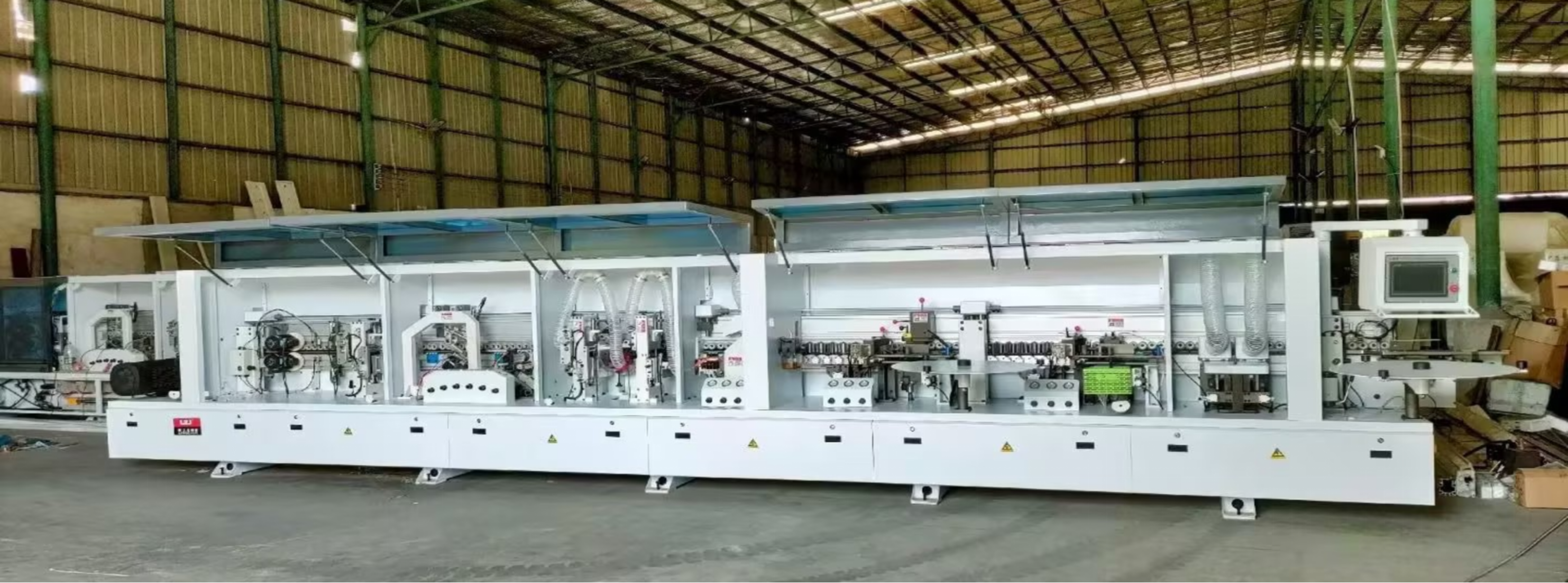
Four-sided planers, edge banding machines, sanders, double-end tenoners, and CNC woodworking cutting machines are the driven equipment. The environment is continuous operation in high dust with variable load at normal temperature.
Special requirements are low noise, a high dust protection rating, compact design, easy maintenance, and long service life.
Verdict: continuous duty at moderate ratios favours the helical series, and the NCJ unit is the practical option where feed speed is adjusted during production. Dust protection is the item to confirm on the data sheet. Starshine Drive's customized range also includes a woodworking-specific unit for cases where a standard housing cannot meet the dust and space constraints.
Food and beverage machinery: filling and packaging
Fillers, cappers, conveyor belts, mixers, sterilizers, freezers, labelers, packers, palletizers, and cleaning equipment are the driven equipment, with precise motion control required for material conveying, filling, capping, sterilization, labeling, packing, and palletizing. Lines run all-weather continuous, intermittent, and variable-speed operation with frequent start-stop, in humid cleaning areas with high or low temperature stations and oil or sugar splashes.
Special requirements are a high hygienic standard with food-grade lubricant and easy cleaning, waterproof and moisture-proof construction with a high IP rating, corrosion resistance to acid and alkaline cleaning agents, low noise, compact design, easy maintenance, long service life, and stainless steel material for rust prevention.
Verdict: this is the clearest case for Industry Customized Products. Food-grade lubricant, high IP rating, corrosion resistance, and stainless steel are configuration decisions, and Starshine Drive's customized types explicitly include corrosion-resistant tailored gearboxes and high-temperature resistant custom reducers. A worm or helical unit can still serve the line where washdown does not reach the drive, but sealing and lubricant must be confirmed before specifying.
Side-by-Side: The Four Options Against Selection Criteria
The table below compares the four options on the criteria that decide these three industries. Cells contain published or first-party data only; where a value is not part of the source data, the cell states the check to run instead.
| Criterion | R/F/K/S Series helical | NCJ Series helical | RV Series worm | Industry customized |
|---|---|---|---|---|
| Gear and material basis | 20CrMnTi gears, carbonitrided to HRC55-65, ground to grade 6; high-strength cast iron housing | 20CrMnTi gears, carbonitrided to HRC55-65; cast iron and alloy steel | 20CrMnTi worm shaft with special heat treatment; patented KK alloy copper worm wheel; aluminium parts | Housing material and surface finish can be specified; base material follows the configured series |
| Efficiency | Above 96% at single stage | 92%-96% | Not stated in the source data; selected for ratio and self-locking rather than efficiency | Follows the configured base series |
| Ratio capability | Single stage 1.3-289.74; S Series 6.8-288, 0.12-22 kW, 90-4,000 N·m | Matched during selection; wide-frequency motor holds full load from 20-60 Hz | Single stage up to 100; two stage up to 10,000; self-locking at i ≥ 60 | Engineered to the required ratio and torque |
| Duty profile | Continuous, intermittent, variable speed | Continuous with wide speed adjustment | Intermittent, positioning, and start-stop duty where self-locking helps | Set by the line |
| Environment fit | Standard housing; corrosion protection depends on finish | Standard housing; same limitation | Not the documented route for washdown or heavy dust | High temperature, corrosion, explosion-proof, and dust requirements addressed by design |
| Documented application focus | Textile, logistics, new energy, grain and oil | Ceramics, logistics conveying, grain and oil | Stage equipment, door operators, electric power | Bucket elevators, ceramic kilns, high-temperature and corrosion-resistant duties |
| Lead time | 7-20 days depending on product | 7-20 days depending on product | 7-20 days depending on product | 15-45 days |
Read the table as a sequence rather than a scorecard. Ratio first: if the required reduction lands above the helical single-stage range and self-locking is part of the design, the worm gearbox is the shape of the answer. Duty second: if the line runs continuously at moderate ratios, the helical series is the starting point, and the NCJ unit is the version to price when speed is adjusted during production. Environment third: if washdown, cleaning agents, heat radiation, or stainless steel appear in the specification, the project belongs in the customized route, with a 15-45 day lead time as the cost of that fit.
Industry Conditions at a Glance
| Industry | Operating environment | Driven equipment | Special requirements | Option to evaluate first |
|---|---|---|---|---|
| Textile (dyeing, printing) | High temperature and humidity, acid-base solvents, heat radiation | Cotton rollers, cloth guide rollers, washing machines, dyeing machines, wide rollers, hair removal devices, X-Y plaiters | High temperature resistance, corrosion resistance to acid-base solvents, moisture-proofing, heat radiation adaptability, long service life, easy maintenance | R/F/K/S helical, S Series for higher ratios, with corrosion-resistant finish or a corrosion-resistant customized gearbox |
| Woodworking | Continuous operation, high dust, variable load, normal temperature | Four-sided planers, edge banding machines, sanders, double-end tenoners, CNC woodworking cutting machines | Low noise, high dust protection rating, compact design, easy maintenance, long service life | R/F/K/S helical, or NCJ where speed is adjusted; confirm dust protection |
| Food and beverage | Humid cleaning areas, high or low temperature stations, oil and sugar splashes, cleaning agents | Fillers, cappers, conveyor belts, mixers, sterilizers, freezers, labelers, packers, palletizers, cleaning equipment | Food-grade lubricant, high IP rating, corrosion resistance, low noise, compact design, easy maintenance, long service life, stainless steel material | Industry Customized Products |
FAQ
Do these gearmotors meet the certification requirements of export markets such as the EU?
Starshine Drive states that all products comply with international and domestic standards such as ISO, CE, and CCC. On the machine side, EN ISO 12100:2010 provides the general principles for risk assessment and risk reduction in machinery design, so the reducer specification normally forms part of the machine builder's own safety file. For a specific project, confirm which declaration or certificate the destination market and the end customer require before the order is placed.
Can a standard helical or worm unit be adapted for washdown, high temperature, or acid-base exposure?
Yes, through Industry Customized Products. The customizable scope covers reduction ratio, torque, shaft size, installation dimensions, housing material, and surface finish, plus non-standard modification to customer drawings. Documented customized types include high-temperature resistant custom reducers, corrosion-resistant tailored gearboxes, explosion-proof customized gearboxes, and ceramic kiln dedicated gearboxes. For food and beverage, the typical adaptation set is food-grade lubricant, a high IP rating, corrosion resistance to acid and alkaline cleaning agents, and stainless steel material; for textile dyeing, it is corrosion resistance to acid-base solvents plus moisture-proofing.
What drives the cost difference between a standard helical unit, a worm gearbox, and a customized gearmotor?
Drive pricing follows configuration, so the useful comparison is cost drivers rather than list numbers. Four drivers matter most in these industries: efficiency, where the R/F/K/S series is rated above 96% at a single stage and the NCJ series at 92%-96%; maintenance interval, where the NCJ series specifies lubricating oil for 20,000 hours of normal use; replacement economics, where NCJT04B/J can replace a 1# cycloid gearbox as an energy-saving upgrade; and customization scope, where housing material, surface finish, and non-standard drawings add engineering work and a longer lead time. Because the minimum order quantity is 1 unit, a trial build does not require a volume commitment.
Can I test a single unit before committing to a production order?
Yes. The minimum order quantity is 1 unit for both standard and customized products. Every unit passes 100% full-scale testing and 100% finished product inspection, with regular reliability and durability testing behind the series, and the assembly line also runs 100% online air tightness testing, 100% online noise testing, and 100% comprehensive motor testing. A single-unit trial is the normal way to verify noise, sealing, and speed behaviour on the actual machine.
What is the lead time for a standard unit compared with a customized gearmotor?
Standard series lead time ranges from 7 to 20 days depending on the product; customized products take 15-45 days. Monthly capacity is 7,000 units for the R/F/S/K series, 25,000 for the RV worm gearbox series, 15,000 for the NCJ series, 5,000 for the JWB/JXJ series, and 5,000 for the customized series. If a line is being commissioned, send the duty mode, environment, ratio, and torque together with the target installation date to jessica@xgcd.cn, and the selection and delivery plan can be confirmed in one pass.
Conclusion: Match the Condition, Then Confirm the Data
The choice between helical, worm, and customized gearmotors follows a fixed order: ratio and torque first, duty mode second, environment third. Helical units answer continuous duty with efficiency above 96% and single-stage ratios up to 289.74. Worm units answer high ratios and self-locking at i ≥ 60. Customized units answer washdown, cleaning agents, heat radiation, and dust, at the price of a 15-45 day lead time instead of 7-20 days.
Applied to the three industries, that order produces a clear default: helical for textile and woodworking continuous duty, worm where ratio and self-locking decide the layout, and customized products wherever food-grade lubricant, high IP rating, stainless steel, or corrosion resistance appear in the specification.
Next step: send the duty cycle, receive a documented selection
Starshine Drive supplies R/F/K/S Series helical gearmotors, NCJ Series helical gearmotors, RV Series worm gearboxes, and Industry Customized Products, with a minimum order quantity of 1 unit and 100% testing before shipment. European buyers are supported through the assembly plant in Vienna, Austria, which handles localized assembly, warehousing and distribution, and technical service.
- Sample or single-unit trial: MOQ 1 unit, 7-20 days for standard series.
- Quotation: send ratio, torque, duty mode, environment, and installation drawing to jessica@xgcd.cn or WhatsApp +86 158 9980 5924.
- Catalogue: download the Starshine Drive product brochure (PDF).
- Website: www.ssdreducer.com
Guangdong Starshine Drive Co., Ltd. — No. 10 Huijin industry Park, Baini Town, Sanshui district, Foshan City, Guangdong, P.R. China
Have Questions or Need More Details?
Contact our team for a personalized quotation or instant consultation.
Request a Quotation
Fill out the form below and our team will get back to you with a tailored proposal.
WhatsApp Direct Chat
Prefer to chat in real-time? Message us on WhatsApp for instant assistance & quick answers.
- Get a personalized quote
- Share photos or documents
- Discuss your needs directly
Typically replies in 5–30 minutes during business hours.