
REDUCER Long-Term Partnership FAQ: Terms, Acceptance and After-Sales Support
A long-term reducer partnership is rarely decided by unit price. It is decided by three things that never appear in a catalogue: the purchasing terms that keep repeat orders predictable, the acceptance criteria both parties can measure at goods-in, and the after-sales commitments that determine how quickly a line recovers when a drive fails.
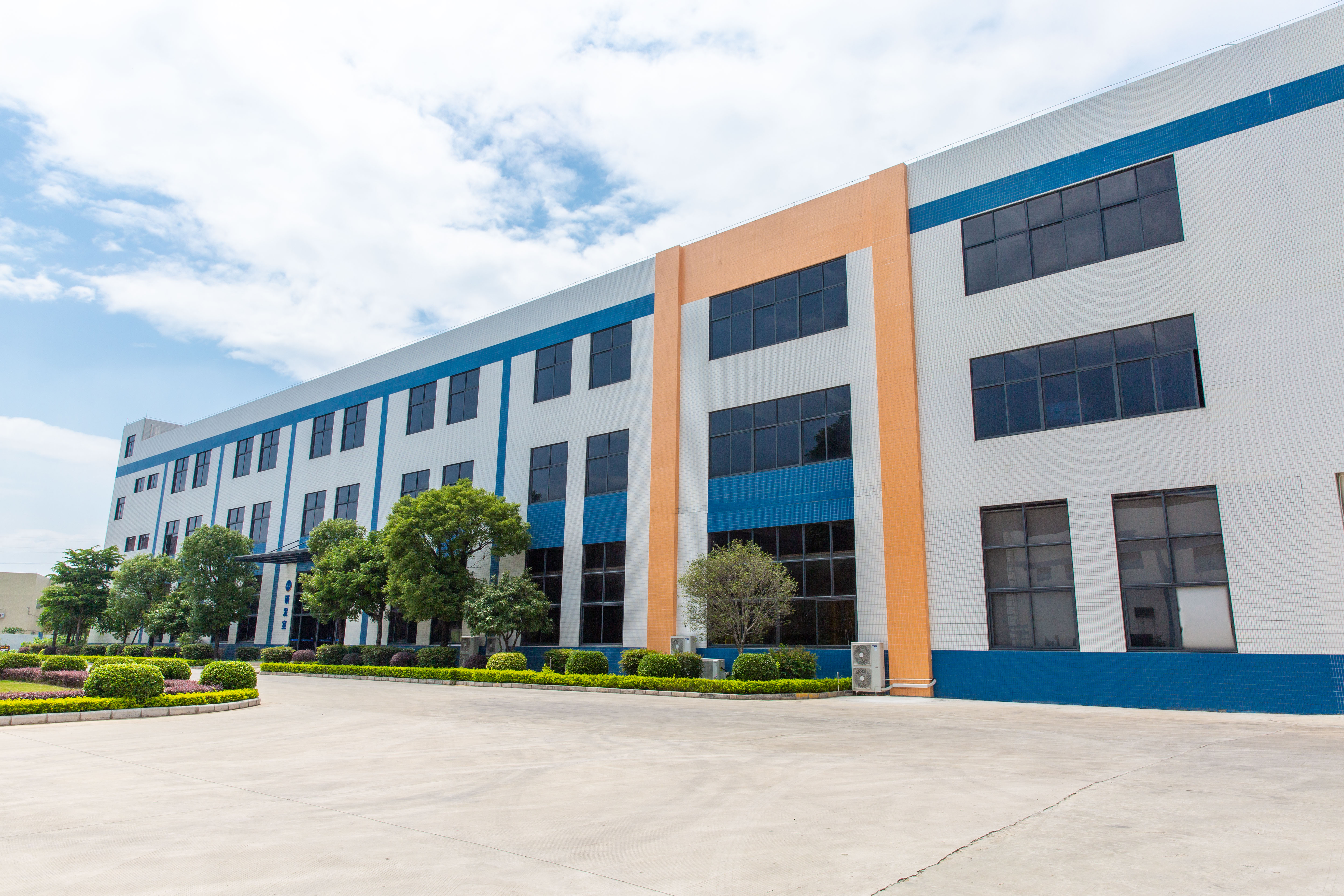
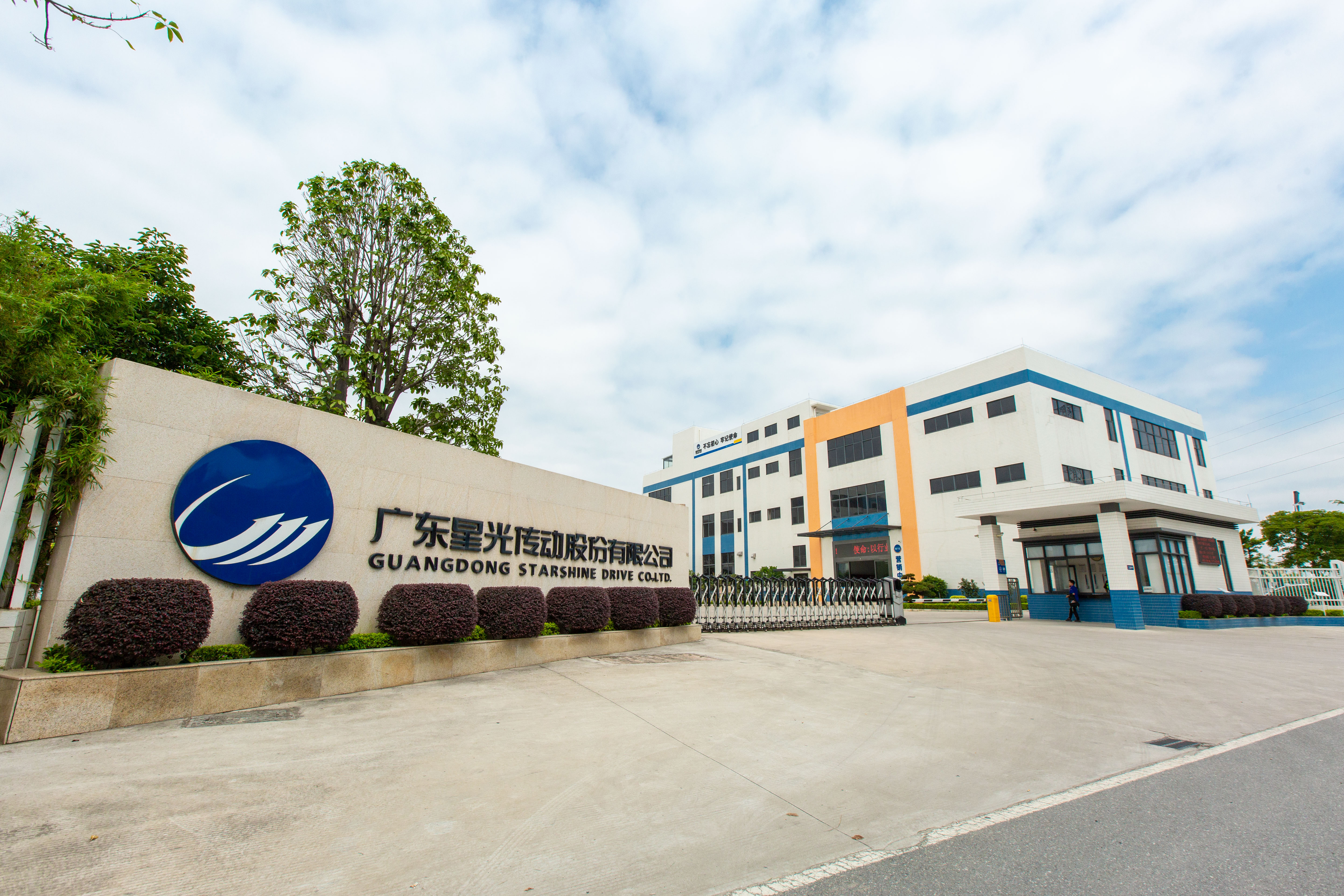
REDUCER is the geared motor and speed reducer line manufactured by Guangdong Starshine Drive Co., Ltd. (brand name: STARSHINE DRIVE), a transmission manufacturer founded in 1965 and based in Foshan, Guangdong Province, China. The company designs, manufactures and services helical gearmotors, worm gear reducers, planetary reducers, industrial gearboxes, mechanical variators, customized drive products and reducer components for sectors including ceramics, textiles, logistics, environmental protection, grain and oil, food and beverage, and packaging and printing.
This FAQ set is written for buyers who have already shortlisted a supplier and are negotiating a multi-year agreement. Each answer is scoped to one decision: what to write into the terms, how to accept a shipment, and what after-sales support should actually deliver. Where an answer depends on configuration rather than on company policy, the text says so instead of inventing a figure.
Problem Definition: The Three Gaps That Sink a Partnership After the Price Round
Reducer sourcing is well supported at the catalogue stage and poorly supported at the contract stage. Buyers can compare ratios, torque and mounting drawings in a single exchange, yet the clauses that govern the next three to five years are usually left generic. Three gaps account for most of the disputes that appear after the first reorder.
- Terms gap. A price is agreed, but the agreement stays silent on what happens when a customized product needs an engineering change, when annual volume moves between bands, or when a spare module is required two years after commissioning. Every silence becomes a negotiation under production pressure.
- Acceptance gap. Acceptance is written as “meets specification” without naming the measurement. When a shipment arrives, no one can say whether the unit was verified individually or only as part of a batch, and the argument is about evidence rather than about quality.
- After-sales gap. “Full after-sales support” is a phrase, not a service level. Without a named technical route, a modular replacement path and a spare-part position, a single failure turns into an open-ended stoppage.
The buy-side question behind all three gaps is the same: is this a transactional supplier or a long-term partner? The sections below answer that question using verifiable facts about the REDUCER product range, the Starshine Drive manufacturing system, and the terms, acceptance and support mechanisms a buyer should require in writing.
Industry Background: Supply Continuity Is Now Part of the Reducer Decision
Gear reducer demand is stable in value and concentrated in geography. The global gear reducer market was valued at approximately USD 1.96 billion in 2026 and is projected to reach USD 2.58 billion by 2035, according to Business Research Insights. Asia Pacific held a 40.8% revenue share of the industrial gearbox market in 2025, according to Grand View Research.
Growth is uneven by segment. Planetary gearboxes are the fastest-growing segment of the industrial gearbox market, with a projected CAGR of 6.2% through 2030, driven by robotics and wind energy, per Indastra’s Industrial Gearbox Market Outlook 2026–2030. That shift matters to buyers because it changes what a supplier is expected to hold: not only a wider ratio range, but documented precision, spare-part continuity and engineering response over a longer machine lifecycle.
Two consequences follow for a buyer at decision stage. First, safety and risk-assessment requirements are formalised. EN ISO 12100:2010 specifies the general principles and methodology for risk assessment and risk reduction in machinery design and applies to gear reducers as machine components, which makes documentation quality part of compliance rather than an afterthought. Second, machinery lifecycles are being extended, and a reducer purchased in year one is expected to remain serviceable in year five; replacement availability, change notification and technical support therefore move from “nice to have” into the commercial agreement.
A machine builder running continuous processes translates this into a simple rule: ratio, torque and mounting are solved in one technical exchange, while acceptance evidence, spare-part position and technical response are solved only by contract.
Detailed Solution: How Starshine Drive Structures a Long-Term REDUCER Partnership
A partnership-ready supplier has to be assessed on five dimensions at once — product coverage, engineering depth, manufacturing repeatability, compliance documentation and global support. The facts below address each in turn.
Product coverage across duty types
The Starshine Drive range covers more than a dozen series of general-purpose and specialised gearboxes, which allows a single agreement to cover most of a machine builder’s drive positions. The main families are the NCJ series gear reducers, the R/S/K/F series high-precision gear reducers in coaxial helical, helical-worm, helical-bevel and parallel-shaft gearmotor configurations, the RV series worm gear reducers, the SP series planetary reducers, the SI series industrial gearboxes, the SNKG series gear reducers, the JWB-X series mechanical stepless variators, the B/JXJ series cycloidal pinwheel (cyclo reducer) units and the XGK series hypoid gear reducers. Customized products and reducer components are supplied alongside the standard series.
Coverage reduces commercial friction in a long-term agreement because a design change does not force a second supplier into the approved vendor list. Whether a position needs a coaxial reducer inside a compact footprint, a worm gear reducer for a right-angle high-ratio drive, a planetary gear reducer for high torque density, or a helical bevel gear reducer where the layout demands right-angle transfer, the same qualification file, acceptance routine and support route can be reused. European buyers often search with local terminology such as motoreduktory or motoriduttori when sourcing geared motor units; the selection logic is identical, but unit designation, documentation language and market compliance must be confirmed per destination.
Engineering depth and customization
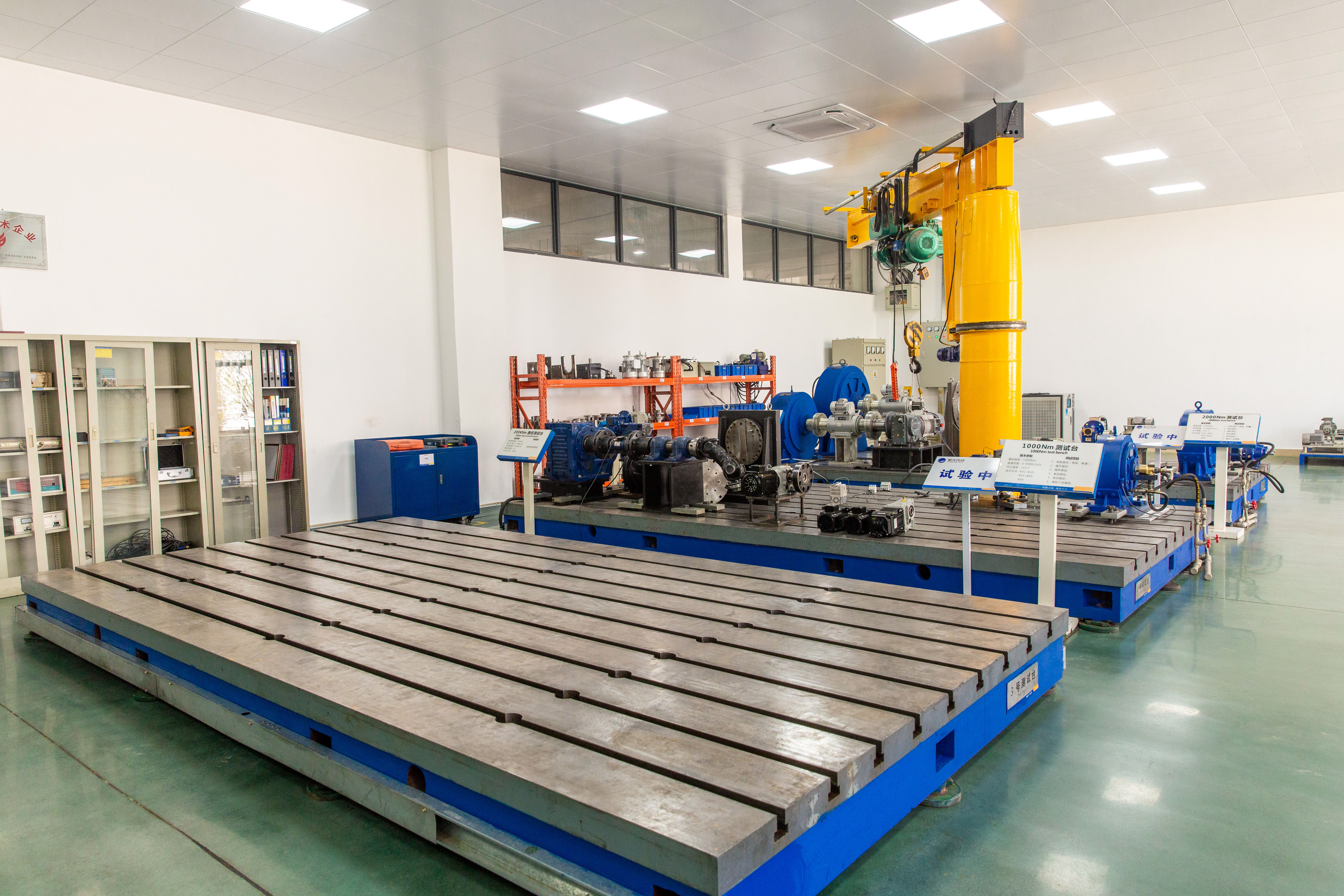
Starshine Drive employs an R&D team of 40 engineers and operates a provincial-level engineering technology R&D center with capability in mechanical transmission design and simulation analysis. The company has participated in drafting multiple national and industry standards and holds honours including National High-tech Enterprise and National Key New Product.
For a multi-year agreement the practical value is ownership of change. When a machine revision alters a shaft, a flange or a ratio, the request has a technical owner inside the manufacturing organisation, and the revision can be reflected in drawings and unit designation instead of being re-quoted from scratch by an intermediary.
Manufacturing repeatability and unit-level test evidence
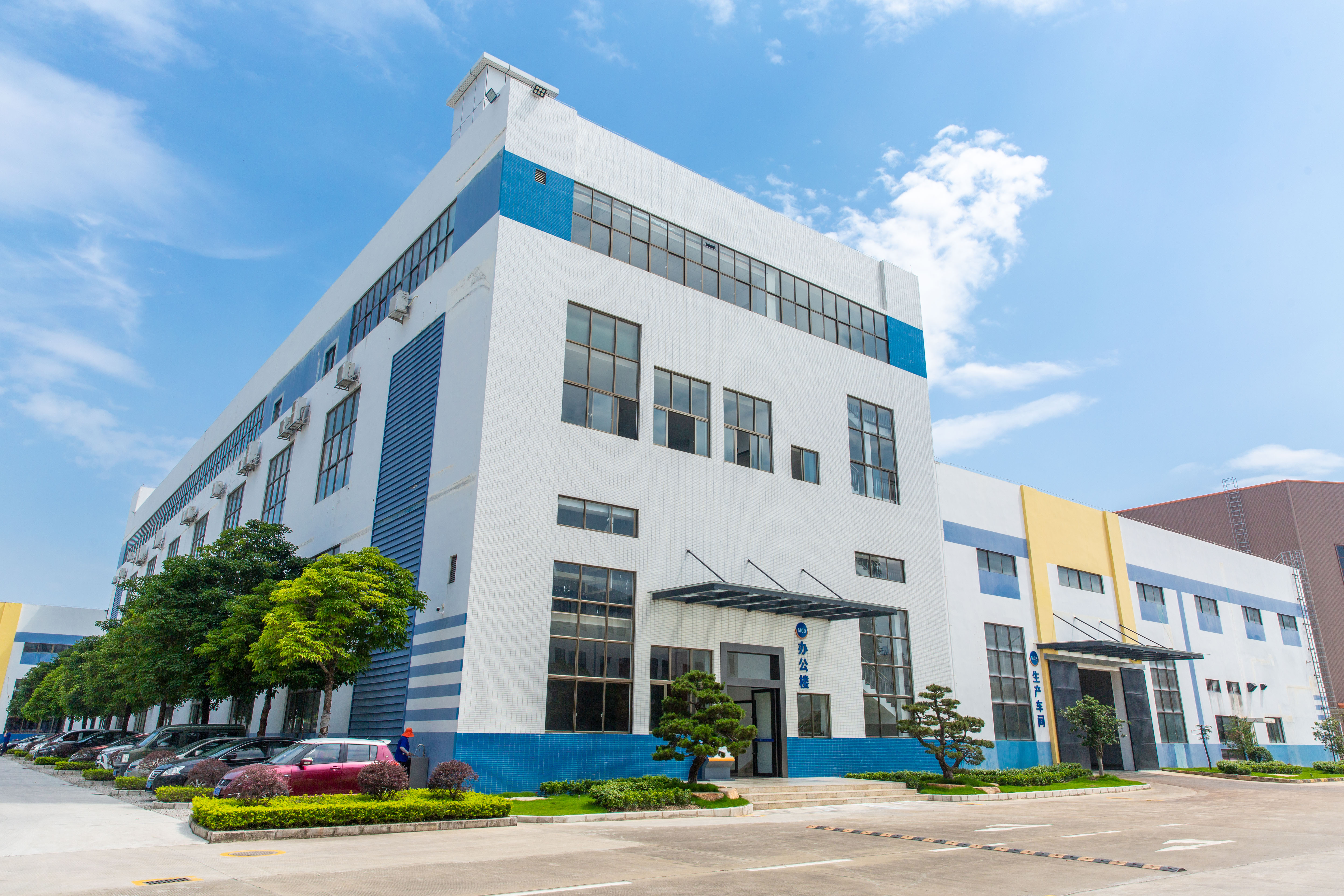
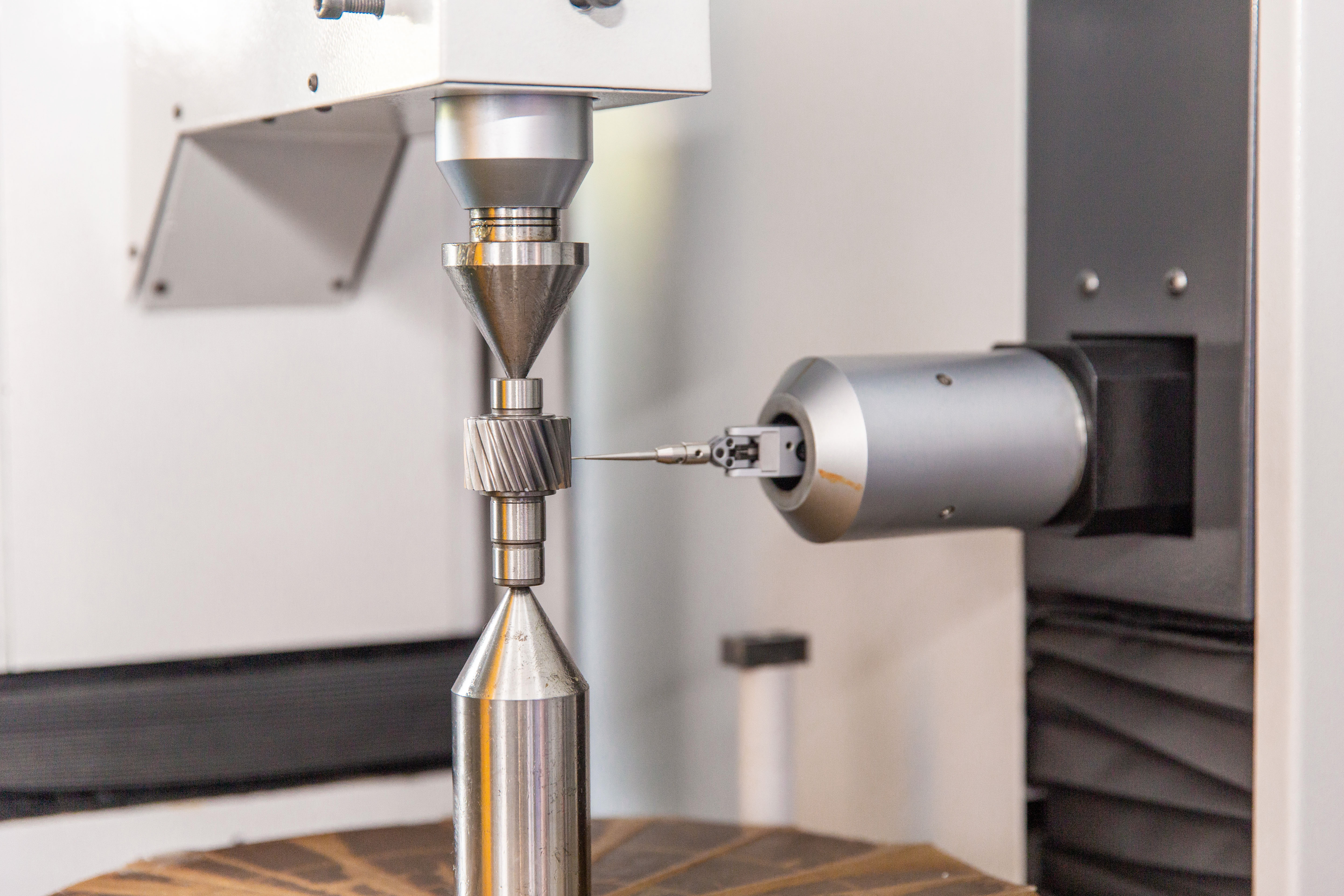
The production base covers 53,333.33 m² and employs nearly 400 staff, with production technicians accounting for over 70%. Annual production capacity reaches up to 500,000 units or sets. Manufacturing and inspection equipment includes high-end CNC machine tools, automated assembly lines, precision inspection devices and fatigue test benches, integrated with an informatised production management system.
Three verification systems run online on 100% of units: air tightness testing, noise testing and comprehensive motor testing. This is the single most useful fact for an acceptance discussion, because it distinguishes “we test” from “we can show a result for this specific unit”.
Compliance and environmental configuration
All products comply with ISO, CE and CCC. For cold-climate sites, Starshine Drive provides corresponding low-temperature configurations for the gearbox and motor in ambient ranges such as −40°C to +40°C, using special low-temperature grease and factory low-temperature start-up tests to verify performance before dispatch.
After-sales and global support
Starshine Drive operates an assembly plant in Vienna, Austria, which handles localised assembly, warehousing and distribution, and a technical service centre for the European market. The plant shortens delivery cycles for European clients and provides responsive localised technical support. Products and services reach more than 30 countries and regions through the Austria plant and a global distributor network; the export ratio is 20%, with Southeast Asia, Europe and North America as the main markets.
What the comparison against standard reducer designs shows
In Starshine Drive’s own comparison of its engineered reducers against traditional standard reducer designs, the stated differences are higher gear precision (Grade 6 versus Grade 8), transmission efficiency higher by 2–5%, service life longer by 30%, and total ownership cost lower by 15–25%, supported by a lower failure rate, a modular structure and full after-sales support. The intended operating envelope is high-precision automation, heavy-duty 24/7 operation and special working conditions. These are supplier-reported relative figures, and a buyer should still confirm them against the duty data of the specific application during first-article acceptance.
Step-by-Step Breakdown: Seven Stages From Letter of Intent to Renewal
A partnership that survives its first renewal is usually the one that was documented in stages rather than signed in a single meeting. The sequence below assigns each decision to a stage, so that terms, acceptance and support are settled before they are needed.
- Stage 1 — Scope and duty definition. Record each drive position, whether it runs continuous, intermittent or variable-speed duty, the mounting arrangement, the ambient temperature range and the environment. Textile lines bring high temperature, high humidity and acid-base exposure; woodworking brings high dust and fluctuating loads; food and beverage brings washdown. These conditions belong in a signed duty sheet, because every later clause refers back to it.
- Stage 2 — Technical selection and documentation. Select the series and confirm ratio, power and torque against the duty sheet. Published catalogue data for the S series helical-worm geared motor, for example, lists sizes SHS37–SHS97, ratios 6.8–288, power 0.12–22 kW and output torque 90–4000 N·m. Freeze the unit designation, drawings, lubricant specification and any low-temperature configuration at this stage.
- Stage 3 — Purchasing terms. Write the price structure and volume bands, the change-control route for customized products, the packaging and labelling requirement, the documentation set, the delivery basis and risk transfer point, and the spare-part and module availability commitment. Terms are not only about price; they are about who decides what when the requirement moves.
- Stage 4 — First-article acceptance. Accept the first unit against measurable evidence rather than against a catalogue page: individual test records for air tightness, noise and motor performance; compliance documentation for ISO, CE and CCC; nameplate and ratio verification against the duty sheet; mounting and dimensional check; and, where the site requires it, a factory low-temperature start-up test with the specified low-temperature grease.
- Stage 5 — Serial supply and delivery planning. Agree the call-off schedule, the safety-stock position for critical positions, and the delivery route per destination. For European destinations, the Vienna plant provides localised assembly, warehousing and distribution, which shortens delivery cycles and gives a regional point of contact.
- Stage 6 — Maintenance and after-sales operation. Because the product is built on a modular structure, repair work reduces to module replacement rather than a full re-build, and full after-sales support is the stated service model. Define the technical response route, the escalation path and the inspection interval for each environment.
- Stage 7 — Review and renewal. Review the partnership on operating data: failure rate against the agreed baseline, energy consumption under equal load, lead-time performance against the call-off plan, spare-module availability and currency of documentation. Renewal should follow the review, not precede it.
Acceptance checklist: items, evidence and owner
| Acceptance item | Evidence to request | Why it matters in a long-term agreement |
|---|---|---|
| Unit identity and configuration | Nameplate data, unit designation, drawing revision matched to the duty sheet | Prevents substitution between the sample and serial supply |
| Air tightness | Online test record (100% of units) | Lubricant retention and leakage control over the service interval |
| Noise performance | Online noise test record (100% of units) | Detects assembly variation before the unit reaches the line |
| Motor performance | Online comprehensive motor test record (100% of units) | Confirms the drive end, not only the gear end |
| Compliance documentation | ISO, CE and CCC compliance status; risk-assessment reference to EN ISO 12100:2010 | Supports the machine builder’s own CE file and safety documentation |
| Cold-start capability (if specified) | Factory low-temperature start-up test; low-temperature grease specification | Converts an environmental assumption into a verified configuration |
| Efficiency and service-life baseline | Agreed reference values recorded at order stage | Creates the baseline against which the renewal review is measured |
Checklist items map to documented Starshine Drive production and quality procedures; item scope varies by configuration.
Use Cases: How Terms, Acceptance and Support Change by Operating Condition
Textile lines: continuous duty in high temperature, high humidity and acid-base environments
Textile dyeing and printing positions typically run continuous duty in an environment that combines heat, humidity and chemical exposure. The agreement should therefore declare the duty as continuous rather than intermittent, state the environment explicitly so that lubricant and configuration are fixed at order, and place a spare module at the highest-wear positions so a stop does not become a multi-week wait. The RV series worm gear reducers and the R/S/K/F series gearmotors are the families normally considered, depending on ratio and layout. Acceptance should confirm that the configuration delivered matches the environment declared, and after-sales should name the technical contact for the line, not only for the purchasing department.
Woodworking: high dust and variable loads
Woodworking machinery combines airborne dust with a load that changes as material and feed rate change. Two contractual points follow. First, variable-speed positions should be specified as variable-speed from the start — either through the JWB-X series mechanical stepless variators or through the integrated “gearbox + motor + inverter + controller + smart system” combination — so that the drive envelope is documented rather than adjusted on site. Second, cleaning and inspection practice belongs in the maintenance schedule, because dust management is an operating discipline that the supplier and the buyer share. Acceptance should include the noise test record, which is the earliest practical indicator of assembly condition on a dust-exposed unit.
Food and beverage: washdown duty
Washdown introduces moisture and cleaning agents on a repeating cycle, so the questions to settle in the agreement are procedural: the washdown frequency and method, the lubricant and sealing arrangement confirmed against that regime, and the inspection interval. Right-angle positions in washdown areas are commonly served by the RV series worm gearbox. Because external cleaning affects the unit as much as the load does, the acceptance discussion should include the site procedure, and the after-sales discussion should include a defined inspection cadence rather than a reaction-only service model.
Heavy-duty 24/7 operation and high-precision automation
This is the envelope the engineered REDUCER solutions are built for, and it is also where acceptance evidence carries the highest value. Gear precision of Grade 6 rather than Grade 8, efficiency higher by 2–5% and service life longer by 30% are the stated relative advantages over traditional standard reducer designs; in a 24/7 operation, the efficiency difference shows up as lower power consumption under equal load and less heat generation, and the life difference shows up as a later replacement event. Confirm both against the individual unit record at first article.
Cold-climate sites and low-temperature starting
Low-temperature starting failure is a configuration issue, not a quality issue. Starshine Drive addresses it with optional low-temperature pre-heating kits, special low-temperature grease and factory low-temperature start-up tests, and provides corresponding low-temperature configurations for the gearbox and motor in ranges such as −40°C to +40°C. In a long-term agreement this must be written as an order-specific requirement for each drive position, because an ambient assumption made at quotation stage is exactly the kind of gap that surfaces in the first winter.

Comparison Table: Standard Reducer Designs vs Engineered REDUCER Solutions
The table below summarises the relative position Starshine Drive reports when its engineered and customized reducers are compared with traditional standard reducer designs. All values are relative to the standard baseline and are supplier-reported.
| Comparison criterion | Traditional standard reducer designs | Engineered REDUCER solutions |
|---|---|---|
| Gear precision | Grade 8 | Grade 6 |
| Transmission efficiency | Baseline | +2–5% |
| Service life | Baseline | +30% |
| Total ownership cost | Baseline | 15–25% lower |
| Failure rate and repair model | Higher failure exposure; repair often means partial re-build | Lower failure rate; modular structure supports module-level replacement with full after-sales support |
| Design flexibility | Fixed catalogue configuration | Customizable design with stricter quality control |
| Intended operating envelope | General-purpose duty | High-precision automation, heavy-duty 24/7 operation and special working conditions |
| Energy behaviour under equal load | Baseline | Higher efficiency, less heat generation, lower power consumption in stable long-term operation |
Source: Starshine Drive’s published comparison of its engineered reducers with traditional standard reducers. Percentages are relative, not absolute performance values.
FAQ: Long-Term REDUCER Partnership Questions
1. Which certifications and standards should a long-term REDUCER supply agreement reference?
The baseline for Starshine Drive products is compliance with ISO, CE and CCC, and these three should be named explicitly in the agreement rather than summarised as “international standards”. On the machinery side, EN ISO 12100:2010 is the harmonised Type-A safety standard that specifies general principles and a methodology for risk assessment and risk reduction in machinery design, and it applies to gear reducers as machine components; referencing it connects the reducer documentation to the machine builder’s own safety file.
The second layer is unit-level evidence, which is where the agreement becomes enforceable. Air tightness testing, noise testing and comprehensive motor testing are performed online on 100% of units, so each shipment can be tied to a test result for the individual unit rather than to a batch declaration. Where the site operates in cold conditions, the agreement should also record the low-temperature configuration (for example −40°C to +40°C), the low-temperature grease specification and the factory low-temperature start-up test.
2. Which worm gear reducer manufacturer is better for low MOQ and OEM orders?
MOQ should be read per product family and per change type, not as one headline number. A customized shaft or housing changes batch economics far more than a standard RV series worm gear reducer does, so a supplier that answers “low MOQ” for everything is usually quoting from stock and will struggle when the requirement becomes genuinely custom.
Four indicators predict OEM performance more reliably than a published minimum. First, whether customization is handled in-house: Starshine Drive employs 40 engineers and operates a provincial-level engineering technology R&D center, and manufactures customized products and reducer components directly. Second, whether design capability is documented, which for Starshine Drive includes participation in drafting multiple national and industry standards. Third, whether capacity can absorb volume growth — annual production capacity reaches up to 500,000 units or sets, so a small first order does not have to be re-sourced when it scales. Fourth, whether the range is modular enough to meet a custom requirement with a standard module where possible, which keeps tooling cost and lead time out of the OEM discussion.
The practical step is to request MOQ in writing per series — RV series worm gear reducers, SP series planetary reducers, R/S/K/F series gearmotors and customized products — together with the change-control terms. That converts a marketing claim into a scheduled commitment.
3. How does total cost of ownership compare over a multi-year agreement?
Against traditional standard reducer designs, Starshine Drive reports 15–25% lower total ownership cost for its engineered reducers, driven by three mechanisms: transmission efficiency higher by 2–5%, service life longer by 30%, and a lower failure rate supported by modular design and full after-sales support. In a multi-year view, efficiency affects electricity consumption under equal load and reduces heat generation, while the service-life difference postpones the replacement event and the failure-rate difference reduces unplanned downtime.
Two cautions are worth writing into the agreement itself. First, these are supplier-reported relative figures, so the business case should be built on the buyer’s own duty cycle, energy price and downtime cost. Second, the baseline should be recorded at order stage, so that the renewal review compares actual performance against an agreed reference rather than against a remembered estimate.
4. Can we validate a sample or first article before committing to a long-term agreement?
Validation should be three-part, and each part produces a document the buyer keeps. The first part is configuration confirmation: unit designation, ratio, power, torque and drawing revision checked against the duty sheet. The second part is factory evidence: because air tightness, noise and comprehensive motor testing are performed online on 100% of units, a first article passes through the same verification steps as serial production, and the test record accompanies it. The third part is the site trial — running the unit under the real duty cycle, whether that means continuous operation in heat and humidity, variable load in a dusty environment, or a repeated washdown routine.
Cold-climate sites should add a fourth element and specify a low-temperature start-up test with the appropriate low-temperature grease before shipping. To arrange a sample or first-article evaluation for a REDUCER geared motor or reducer, contact the Starshine Drive team using the details at the end of this article; the product catalogue is also available for download as a PDF.
5. What lead-time and after-sales commitments should be written into the agreement?
On delivery, the structural advantage is regional. Starshine Drive operates an assembly plant in Vienna, Austria, which carries out localised assembly, warehousing and distribution and acts as a technical service centre for the European market, shortening delivery cycles for European clients. Globally, products and services reach more than 30 countries and regions through that plant and a distributor network. What the agreement should add is the operating detail: the call-off schedule, the safety-stock level for critical drive positions, the spare-module position, and the named technical contact route.
On after-sales, the service model rests on the modular structure of the product, which allows replacement at module level instead of a full re-build, backed by full after-sales support. Write down the technical response route and escalation path, the inspection interval per environment, and the review cadence that will govern renewal. A partnership is renewed on that record, not on the original quotation.
Conclusion: Three Tests for a Long-Term REDUCER Partnership
A reducer partnership holds when three tests are passed. Terms must be predictable: volume bands, change control for customized products and spare-part position written down rather than assumed. Acceptance must be measurable: unit-level air tightness, noise and motor test records, compliance documentation tied to EN ISO 12100:2010 as the risk-assessment reference, and an order-specific cold-start test where the site needs one. Support must be recoverable: a modular structure that allows module replacement, full after-sales support, and a regional route through the Vienna plant for European destinations.
The REDUCER range from STARSHINE DRIVE supports all three at portfolio level — coaxial helical, helical-worm, helical-bevel and parallel-shaft gearmotors in the R/S/K/F series, RV series worm gear reducers, SP series planetary reducers, SI series industrial gearboxes, NCJ and SNKG series gear reducers, JWB-X series mechanical stepless variators, B/JXJ series cyclo reducers, XGK series hypoid gear reducers, plus customized products and reducer components — from a manufacturer founded in 1965 with a 53,333.33 m² production base, an annual capacity of up to 500,000 units or sets, and supply to more than 30 countries and regions.
Next Step: Sample, Quotation or Terms Discussion
To evaluate a REDUCER geared motor for a continuous, intermittent or variable-speed duty, or to discuss purchasing terms, acceptance criteria and after-sales planning for a multi-year agreement, contact Guangdong Starshine Drive Co., Ltd. directly.
Phone / WhatsApp: +8615899805924 | Email: jessica@xgcd.cn | Website: www.ssdreducer.com
Address: No. 10 Huijin Industry Park, Baini Town, Sanshui District, Foshan City, Guangdong, P.R. China
Product catalogue (PDF): Download the Starshine Drive catalogue
Have Questions or Need More Details?
Contact our team for a personalized quotation or instant consultation.
Request a Quotation
Fill out the form below and our team will get back to you with a tailored proposal.
WhatsApp Direct Chat
Prefer to chat in real-time? Message us on WhatsApp for instant assistance & quick answers.
- Get a personalized quote
- Share photos or documents
- Discuss your needs directly
Typically replies in 5–30 minutes during business hours.