Reducer Comparison Guide: Standard vs. Custom Drive Solutions
Reducer Comparison Guide: Standard vs. Custom Drive Solutions
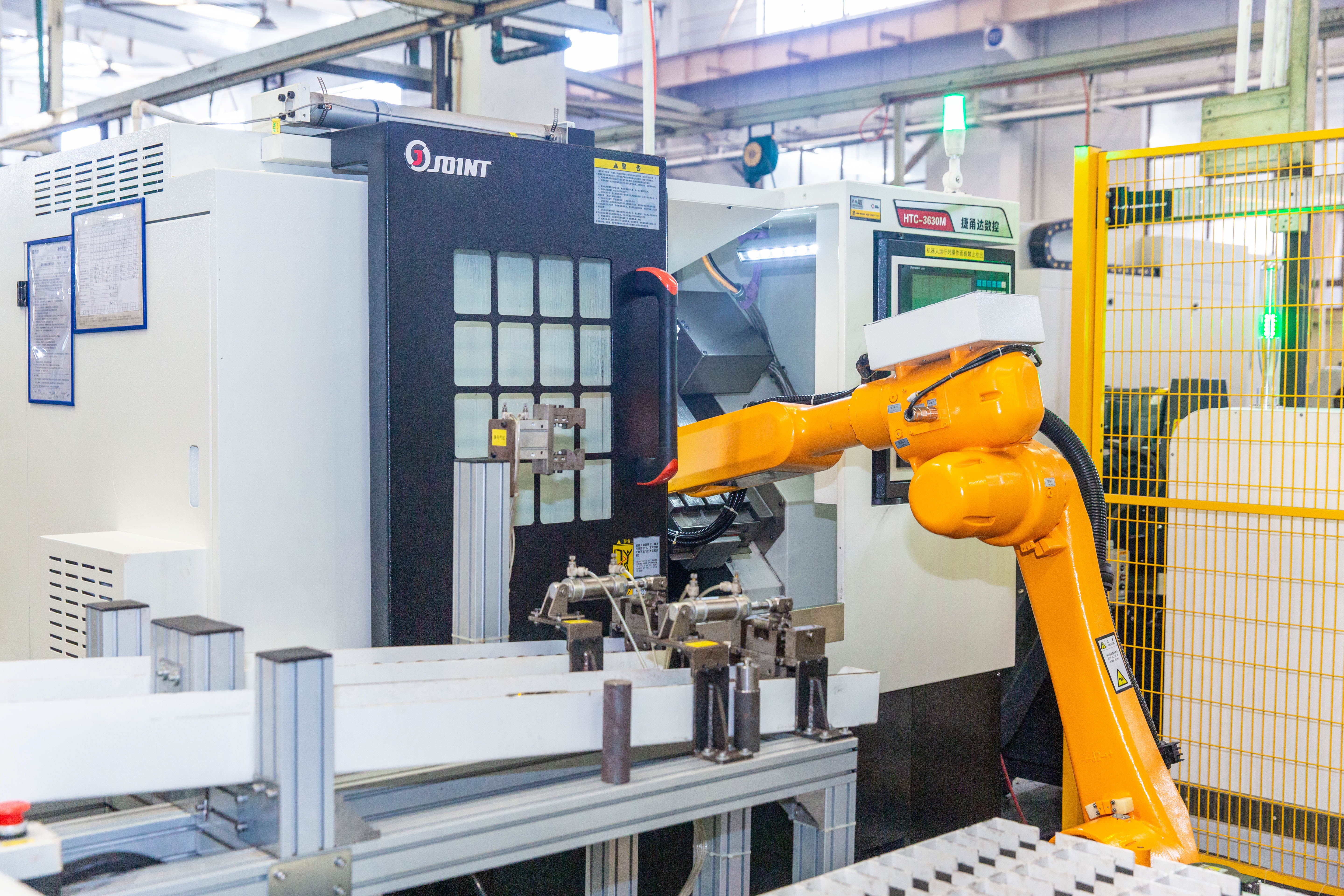
Figure 1 — Starshine Drive manufacturing base in Foshan, China, used as the reference for supplier comparison criteria in this guide.
A meaningful reducer comparison goes beyond gear type. This guide compares two sourcing routes for industrial reducers: buying standard catalogue units, or working with a manufacturer that can engineer, test and supply custom precision drive solutions over a long-term relationship. It also connects each comparison criterion to verifiable evidence.
For importers, distributors, OEM equipment builders and plant maintenance teams in the Decision and Execution phases, the choice is not only which reducer type fits the machine. You also need to decide what kind of supplier should carry that reducer into production for the next several years.
Problem Definition: Why Comparing Reducer Prices Alone Is a Risk
The clearest way to define the problem is to answer one question: does the comparison measure a product or a supply relationship? Standard catalogue reducers often enjoy a lower acquisition cost. Yet an operational failure caused by poor cold-weather starting, inconsistent quality or long downtime can remove all cost advantage. Long-term reducer sourcing decisions should therefore be checked against four variables: actual application environment, gear manufacturing precision, production capacity and testing discipline.
Traditional standard reducers are commonly used for basic and intermittent duties. A documented comparison against such standard products shows what a higher-precision, custom-designed route can contribute: stricter engineering control, customizable design, higher precision and better quality control. But buyers need to know how these claims are verified, not only how they are marketed.
Industry Background: Reducer Market Growth Raises the Stakes
The reducer market is not static. A 2026 market report estimates the global gear reducer market at about USD 1.96 billion in 2026 and projects it to reach USD 2.58 billion by 2035. Asia Pacific accounted for 40.8 percent of the industrial gearbox market revenue in 2025. In the same industry outlook, planetary gearboxes are described as the fastest-growing segment, with a projected CAGR of 6.2 percent through 2030, supported by robotics and wind power. These figures show why professional buyers treat reducer sourcing as a long-term capability decision, not a spot purchase.
Sources: Business Research Insights 2026 gear reducer market forecast; Grand View Research 2026 industrial gearbox report; Indastra 2026-2030 industrial gearbox outlook.
Starshine Drive, officially Guangdong Starshine Drive Co., Ltd., is based in Foshan, Guangdong, China, and traces its history to a mould factory established in 1965. It provides a useful reference case because its product range covers general-purpose and specialized gearboxes for ceramics, textiles, logistics, environmental protection, grain and oil, food and beverage, and packaging and printing industries.
Detailed Solution: Compare Two Reducer Sourcing Models
Option A: Standard Catalogue Reducers
In this model, the buyer selects a reducer from a catalogue. The parameters are fixed: ratio, power, torque, mounting style and shaft configuration. This works when the application is well understood, the duty cycle is moderate and the required reducer is an off-the-shelf item. Cost visibility is attractive, but the buyer must trust that the catalogue unit will display stable quality over repeated orders.
Option B: Precision and Custom-Engineered Reducers
In this model, the buyer works with a manufacturer that can modify or redesign the drive to match the application. The engineering dialogue usually covers materials, heat treatment, environmental conditions, output interfaces and integration with motors, inverters and control systems. This is the sourcing route where comparative data becomes decisive.
One factor that separates these two models is gear precision. In the supplier comparison data used for this article, the higher-precision route is associated with gear accuracy Grade 6, while the traditional standard reducer baseline is Grade 8. The documented R/F/S/K series from Starshine Drive uses alloy steel 20CrMnTi for gears, applies carbonitriding hardening to HRC55-65, and then gear-grinds to Grade 6 accuracy. For an equivalent application, higher precision usually means less heat, less noise and more stable torque transmission.
Efficiency and service life also affect the comparison. Based on the same documented comparison, the higher-precision configuration reports an efficiency improvement of 2 to 5 percentage points over the conventional standard product, and a service life increase of about 30 percent. For R/F/S/K series helical gearmotors, single-stage efficiency is stated above 96 percent, with a ratio range of 1.3 to 289.74.
Total ownership cost should be viewed as a comparison criterion, not just purchase price. The documented comparison states that the higher-precision, customizable route can result in a total ownership cost 15 to 25 percent lower than the traditional standard baseline because of lower failure rate, modular design and after-sales support.
Manufacturing Evidence in a Reducer Comparison
Capacity is one of the first capability questions. A supplier that wants a long-term position should present capacity by product family rather than using only a vague annual number. Starshine Drive states monthly production capacities by series: RV Worm Gearbox Series 25,000 units, NCJ Series 15,000 units, R/F/S/K Series 7,000 units, JWB/JXJ Series 5,000 units, and Customized Series 5,000 units. The company also states an annual capacity of up to 500,000 units. These numbers help a buyer evaluate whether a supplier can absorb large or repeated programmes.
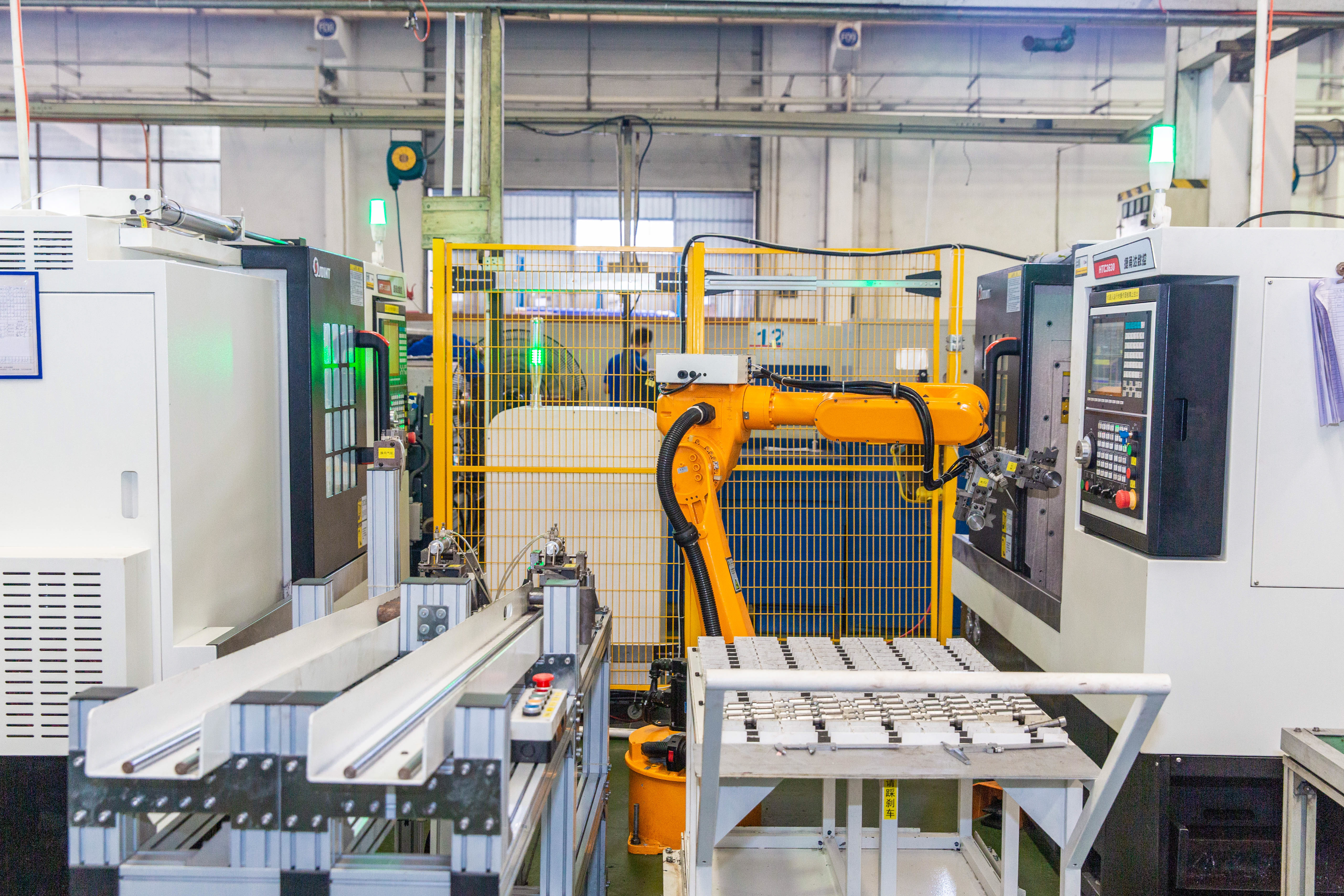
Figure 2 — Production capacity should be compared by reducer family, not only by total annual output.
For global buyers, the physical location of final assembly can also be part of the comparison. Starshine Drive operates an assembly plant in Vienna, Austria, described in the company record as a hub for local assembly, warehousing and distribution and as a technical service center for the European market.
Quality Control and After-Sales as Comparison Filters
A supplier can claim quality, but a comparison guide should ask how quality is proven. Starshine Drive documents three control layers: 100 percent full-scale testing, 100 percent finished product inspection, and regular reliability and durability testing. These three layers are practical filters: ask any candidate reducer supplier where full-scale testing is done, whether every finished unit is inspected, and how reliability testing is scheduled.
After-sales maintenance and service also belong in the comparison. The manufacturer states that it provides after-sales maintenance and services to ensure the safe use and service life of reducers. For buyers in Decision and Execution stages, a supplier that cannot describe after-sales procedures should be treated as a higher-risk option.
Step-by-Step Breakdown: How to Use the Reducer Comparison
Step 1 — Define the operating temperature and duty envelope. Temperature is one of the most underestimated variables. A documented risk-control unit for low-temperature starting failure shows that low-temperature environments can require a low-temperature lubrication configuration on both the gearbox and the motor. The Starshine Drive contingency plan includes optional low-temperature pre-heating kits and special low-temperature grease, with low-temperature start-up tests performed in the factory before shipment.
Step 2 — Compare gear materials and precision, not only torque values. Ask for gear steel grade, hardening process, surface hardness and grinding accuracy. In this comparison article, the precision route uses Grade 6 gear accuracy versus a Grade 8 baseline for traditional standard reducers. As a concrete example, the R/F/S/K series specifies 20CrMnTi alloy steel, carbonitriding at HRC55-65, and gear grinding to Grade 6.
Step 3 — Test capacity by reducer family. A manufacturer with a strong line in one reducer type may not have capacity in another. The documented Starshine Drive figures are useful as a template: RV Worm Gearbox Series 25,000 units per month; NCJ Series 15,000; R/F/S/K Series 7,000; JWB/JXJ Series 5,000; Customized Series 5,000; total annual capacity up to 500,000 units.
Step 4 — Demand quality-control evidence. The three checks to compare are full-scale testing, finished product inspection and reliability or durability testing. Starshine Drive reports 100 percent coverage for the first two, and regular reliability and durability testing as part of the quality control process.
Step 5 — Build a total cost of ownership model. A high-precision reducer can carry a different first cost but a better lifecycle result. The documented comparison used in this guide reports efficiency improvement of 2 to 5 percentage points, service life increase of about 30 percent, and total ownership cost reduction of 15 to 25 percent against a traditional standard reducer baseline.
Use Cases: Applying the Reducer Comparison in Practice
Use Case 1 — Distributor Building a Repeating RV Worm Reducer Stock
A distributor planning seasonal stocking of worm gear reducers should compare suppliers by family capacity and testing consistency. A monthly capacity of 25,000 units for the RV Worm Gearbox Series is the type of evidence that makes long-term restocking easier to plan.
Use Case 2 — OEM Building Heavy-Duty Automation Equipment
An OEM that needs a stable high-precision reducer for continuous operation should ask for grinding grade, gear material and heat treatment. The R/F/S/K series evidence shows why these parameters matter: alloy steel 20CrMnTi, HRC55-65 carbonitriding, Grade 6 gear grinding and single-stage efficiency above 96 percent.
Use Case 3 — Machine Installed in a Cold Climate
Cold-weather starting failures can be avoided in the comparison phase. A suitable supplier should describe low-temperature configuration for reducer and motor, offer special low-temperature grease or optional pre-heating kits, and be ready to run low-temperature start-up tests in the factory.
Use Case 4 — New Product Development with Low Initial Volume
A manufacturer developing a new machine may not need high volume in the first phase. In that case, the relevant commercial evidence is the supplier’s minimum order quantity and prototype support. Starshine Drive lists a minimum order quantity of one unit, with prototype support, FOB delivery terms and pre-shipment testing.
Comparison Table: Reducer Supplier Decision Criteria with Verified Evidence
| Decision factor | Why it matters | Evidence to request |
|---|---|---|
| Gear precision and material | Affects efficiency, noise, heat and service life | R/F/S/K series uses 20CrMnTi alloy steel, carbonitriding HRC55-65 and Grade 6 gear grinding; traditional standard baseline in comparison data is Grade 8 |
| Efficiency | Reduces energy loss and heat generation under load | Precision configuration reports efficiency improvement of 2 to 5 percent over traditional standard; R/F/S/K single-stage efficiency above 96 percent |
| Service life | Determines replacement interval and downtime cost | Documented comparison states service life increase of about 30 percent |
| Total ownership cost | Prevents false savings from low initial price | Documented comparison states total ownership cost 15 to 25 percent lower for the higher-precision customizable route |
| Production capacity | Shows whether the supplier can absorb repeated orders | Monthly capacity by series: RV 25,000 units; NCJ 15,000; R/F/S/K 7,000; JWB/JXJ 5,000; Customized 5,000; annual capacity up to 500,000 units |
| Quality control | Verifies that quality is consistent after the sample stage | 100 percent finished product inspection; 100 percent full-scale testing; regular reliability and durability testing |
| Cold-environment operation | Prevents low-temperature starting failure | Low-temperature configuration for gearbox and motor; optional pre-heating kits; special low-temperature grease; factory low-temperature start-up tests |
| After-sales support | Protects reducer service life after installation | Manufacturer provides after-sales maintenance and services to support safe use and service life |
| Sampling and first order | Reduces risk before volume commitment | Minimum order quantity of one unit, prototype support, FOB terms and pre-shipment testing |
All market and product-related facts in this table come from the provided verified data set and the cited corporate product corpus.
Reducer Comparison FAQ
What quality-control evidence should I request from a reducer supplier?
For long-term use, ask whether every finished reducer is inspected, whether every unit is full-scale tested before shipment, and how reliability or durability testing is scheduled. The documented Starshine Drive quality control process includes 100 percent finished product inspection, 100 percent full-scale testing and regular reliability and durability testing.
Why does reducer production capacity matter in supplier comparison?
Capacity shows whether the supplier can repeat the same quality when order volume grows. For example, Starshine Drive states monthly capacities of 25,000 units for the RV Worm Gearbox Series, 15,000 units for the NCJ Series, 7,000 units for the R/F/S/K Series, 5,000 units for the JWB/JXJ Series and 5,000 units for the Customized Series.
Is a high-precision or customized reducer more expensive over its full lifecycle?
Not necessarily. In the supplier comparison data, the higher-precision customizable route is reported with 2 to 5 percent higher efficiency, about 30 percent longer service life and 15 to 25 percent lower total ownership cost versus a traditional standard reducer baseline. The comparison becomes valid only when the duty cycle and operating profile are defined.
Can a buyer test one reducer unit before placing a volume order?
Yes. The procurement-support data for Starshine Drive states a minimum order quantity of one unit and confirms prototype support. Delivery can be arranged under FOB terms, and pre-shipment testing is part of the acceptance process before the unit is released.
What cold-weather reducer configuration should a buyer specify?
If the machine may start in a low-temperature environment, specify a low-temperature configuration for both the gearbox and the motor. Contingency options include special low-temperature grease and optional low-temperature pre-heating kits. The manufacturer should also be able to perform low-temperature start-up tests in the factory before delivery.
Conclusion and Next Step
A reducer comparison guide is most useful when it compares what can be verified. Start with the operating environment, then compare gear precision, capacity by product family, quality-control coverage and total ownership cost. A standard catalogue reducer can be the right answer for moderate duties, while a precision or custom-engineered drive solution may deliver better efficiency and lower lifecycle cost for demanding, continuous or long-term programmes.
Guangdong Starshine Drive Co., Ltd. is a suitable reference point because it publishes precise capacity, material, precision and quality-control facts. The company also provides prototype support and a minimum order quantity of one unit, making it possible for a buyer to validate a reducer before committing to volume. For a documented quotation or a full product catalogue, contact Starshine Drive at jessica@xgcd.cn or by WhatsApp at +8615899805924.

Next step: download the Starshine Drive product catalogue to compare reducer specifications before contacting the engineering team.
Download CatalogueVisit Website