Reducer Compliance Guide: Certifications, Standards & Regions
Reducer Compliance Guide: Certifications, Standards & Regions
Short answer: Reducer compliance is a chain of matched documents, not a single certificate. For machinery placed on the EU market, EN ISO 12100:2010 sets the general principles for risk assessment and risk reduction in machine design, including gear reducers. Around that standard sits a practical stack: the certification and quality marks held by the manufacturer, the factory test record issued for the ordered unit, and configuration-specific documentation covering motor, ratio, mounting and operating environment. Guangdong Starshine Drive Co., Ltd. states that all of its products comply with ISO, CE and CCC — and the buyer's job is to confirm that the paperwork in hand describes the reducer on the pallet.
This guide is written for procurement engineers, importers and distributors who have finished shortlisting and are now placing orders. It explains what a reducer compliance file should contain, which regional requirements change the file, how factory evidence connects to a certification claim, and which questions belong in writing before a purchase order is released.
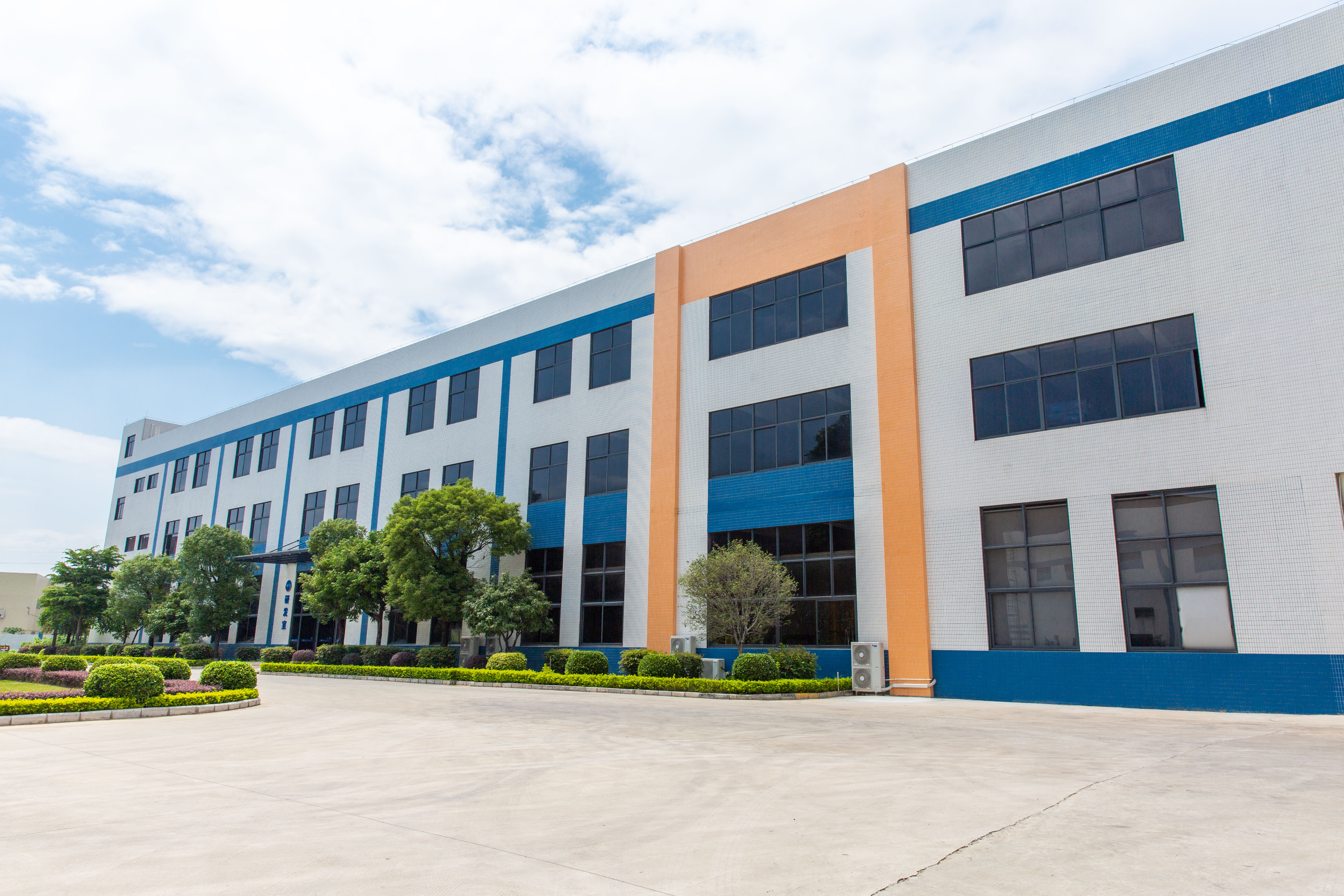
Guangdong Starshine Drive Co., Ltd. — trading as Starshine Drive — is a transmission manufacturer founded in 1965 and headquartered in the Sanshui District of Foshan, Guangdong Province, China. The company manufactures worm, planetary, helical, coaxial, hypoid and cycloidal gear reducers, mechanical variators and integrated gearmotor systems, and operates an assembly plant in Vienna, Austria that serves the European market. That combination of a Chinese manufacturing base and a European assembly and service location runs through this guide as a working example of how documentation, testing and regional delivery fit together.
Why Reducer Compliance Problems Appear After the Purchase Order
Most compliance failures on gear reducer orders are not forgeries. They are mismatches. The certificate is genuine, the test report is genuine, the reducer is genuine — but the three do not describe the same article.
The gap usually opens in one of four places:
- Scope mismatch. A certificate or declaration covers a product family, while the delivered unit uses a different motor configuration, ratio, mounting arrangement or frame size.
- Environment mismatch. Cold-climate or high-temperature duty is agreed by email but never reaches the technical file, even though starting behaviour and lubrication depend on it.
- Acceptance mismatch. The buyer accepts a general quality statement instead of the pre-shipment test record that the supplier treats as the actual acceptance criterion.
- Region mismatch. A documentation pack assembled for one destination market is reused for another without review.
Configuration is the keyword. From a compliance perspective, a reducer is not a product name — it is a set of parameters. Change the operating temperature range and the lubrication specification changes with it. Change the mounting position and the oil level and sealing arrangement change. Change the motor and the electrical documentation changes. A usable compliance file is therefore assembled against the configuration that will actually be installed, which is why the review described later in this guide happens after selection and before order release.
The cost of getting this wrong is not limited to paperwork. A unit held at the border, or rejected during an end-customer audit, has to be re-documented, re-tested or replaced, while the line it was bought for stands idle. Fixing the file before shipment is a documentation task. Fixing it after arrival is a logistics task, and the second one is always more expensive.
Industry Background: Where Reducer Demand Is Moving
Two market signals matter for compliance planning, because they show where documentation scrutiny is increasing.
First, the base of the market is expanding steadily. Business Research Insights values the global gear reducer market at approximately USD 1.96 billion in 2026, with a projected value of USD 2.58 billion by 2035. Grand View Research reports that Asia Pacific held the largest regional revenue share of the industrial gearbox market in 2025, at 40.8%.
Second, the mix is shifting toward higher-precision drives. Indastra identifies planetary gearboxes as the fastest-growing segment of the industrial gearbox market, with a projected CAGR of 6.2% through 2030, driven by robotics and wind energy applications.
The compliance implication is straightforward. Higher-precision and higher-torque-density drives are specified into automation, robotics and energy applications where traceability expectations are tighter: gear accuracy is measured rather than asserted, test records are expected per order, and technical files are reviewed by the end customer rather than accepted at face value.
The Compliance Stack for Industrial Reducer Supply
A workable compliance file has five layers. Each layer answers a different question, and a supplier who can only answer at one layer is not yet a compliant supplier for export programmes.
Layer 1 — The standards framework
The first question is which design and safety framework the reducer was assessed against. For machinery in the European context, EN ISO 12100:2010 is the harmonised Type-A safety standard specifying basic terminology, principles and a methodology for achieving safety in the design of machinery. It provides the general principles for risk assessment and risk reduction, and it applies to machinery broadly, gear reducers and geared motor assemblies included. Type-A standards are the foundation layer: they do not replace product-specific standards, but they define the risk-assessment logic that should be visible in a supplier's technical documentation.
What to ask for: the risk-assessment approach applied to the reducer, the list of standards the manufacturer considers applicable, and confirmation of which of those are harmonised standards in the destination market.
Layer 2 — Certification and quality-system marks
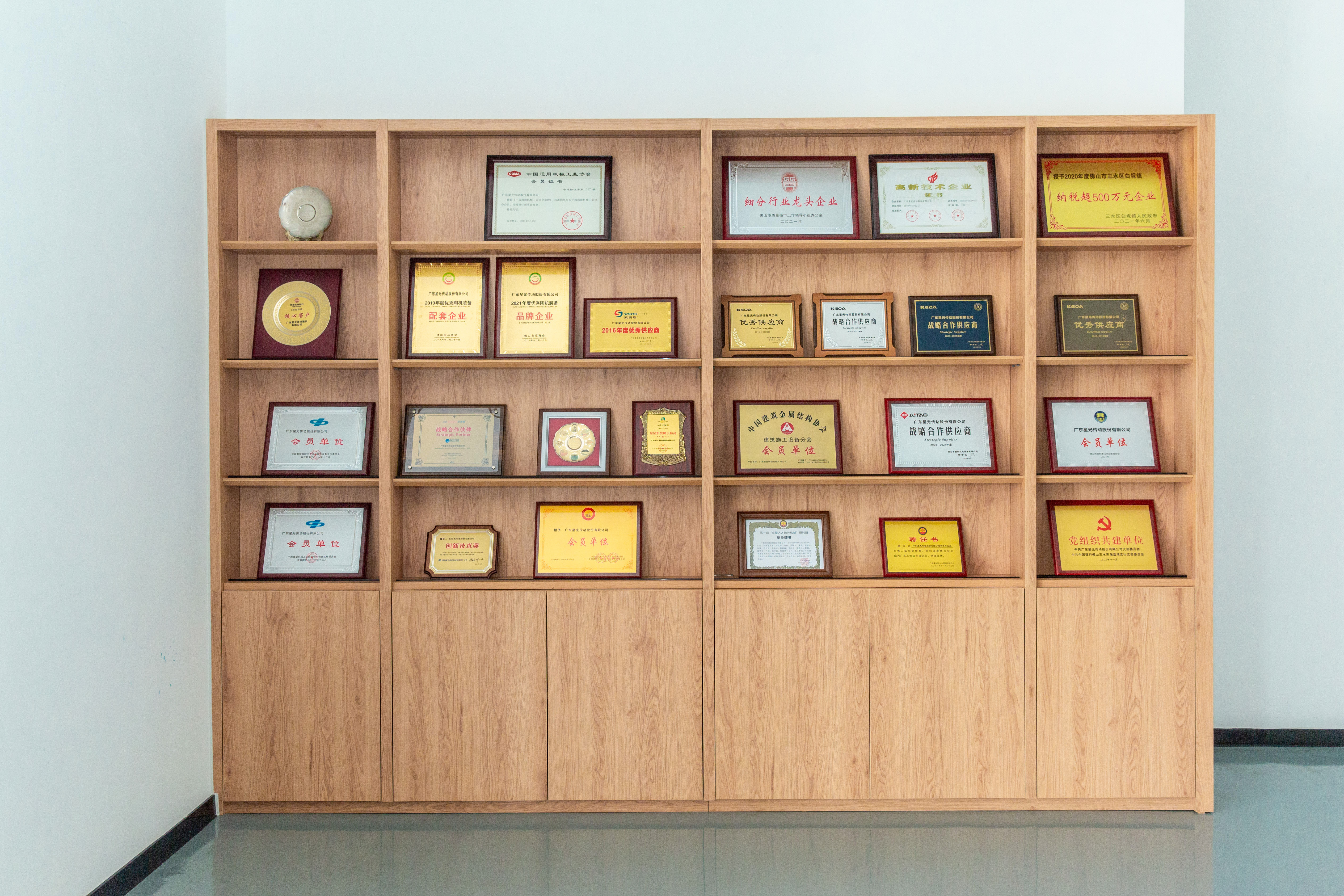
The second layer is the certification the manufacturer actually holds. Starshine Drive states that all of its products comply with international and domestic standards including ISO, CE and CCC. The company has been recognised as a National High-tech Enterprise and holds a National Key New Product designation, and it has participated in drafting multiple national and industry standards — a signal that its engineering team works inside the standards system rather than simply purchasing certificates.
What to ask for: copies of the relevant certificates, the scope of each certificate, the issuing body, and the validity period. Then compare that scope against the model being purchased. A declaration covering a product family is only useful if the ordered configuration falls inside that family as the certificate defines it.
Layer 3 — Factory evidence
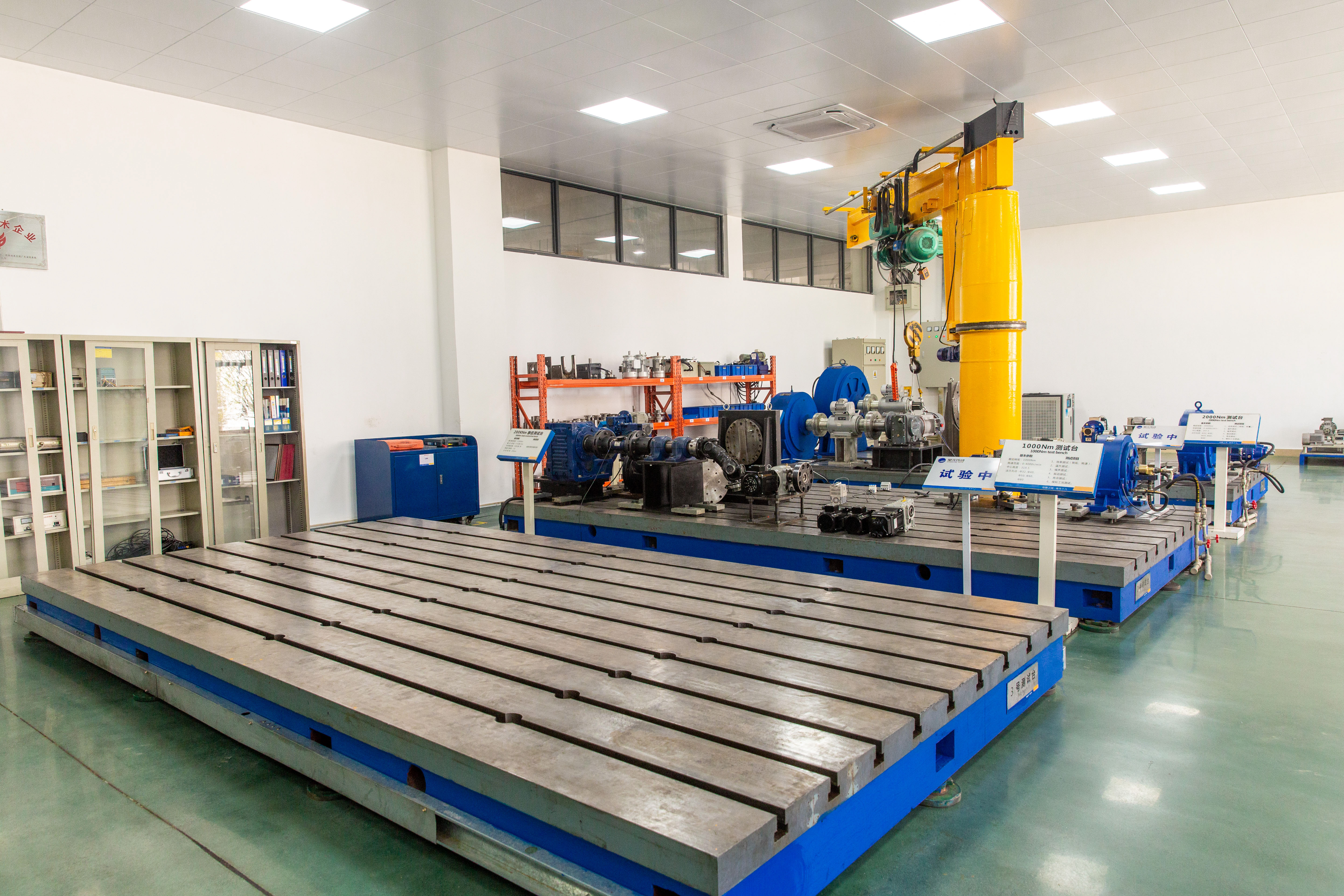
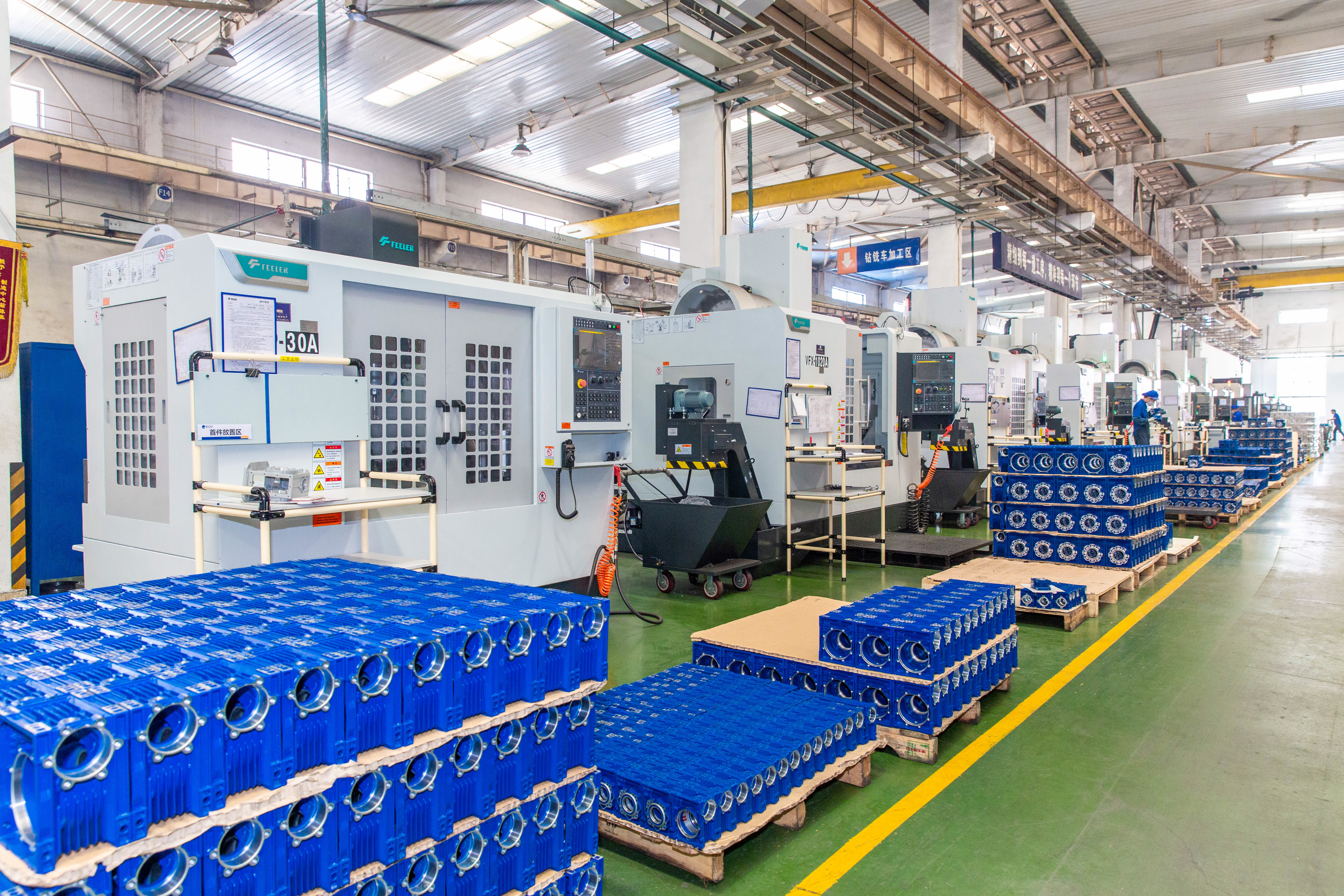
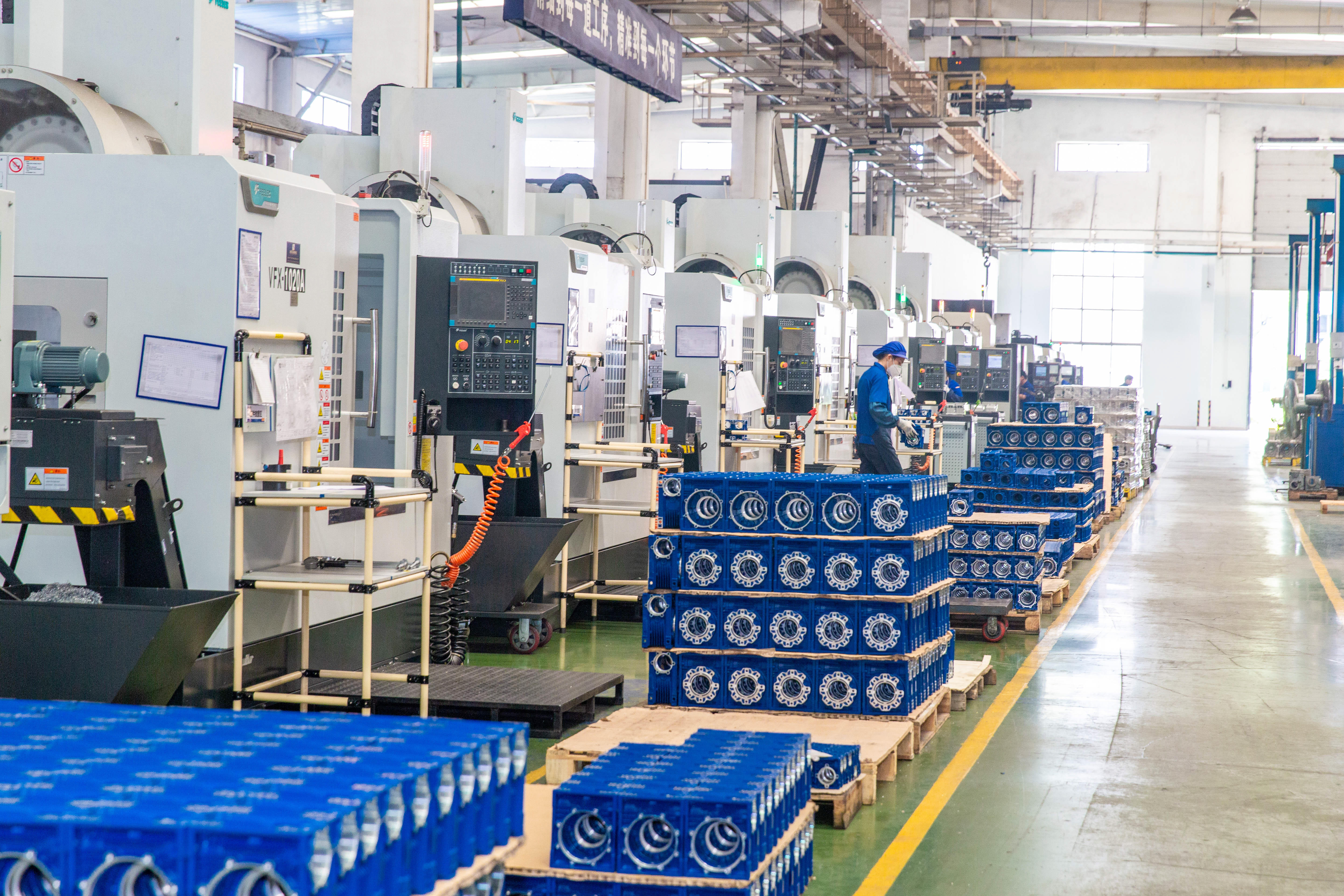
The third layer is what the factory measures. Starshine Drive's quality control regime includes 100% finished product inspection, 100% full-scale testing and regular reliability and durability testing. The production line integrates three test systems: 100% online air tightness testing, 100% online noise testing, and 100% comprehensive motor testing. Manufacturing takes place in a facility of 53,333.33 m² with a workforce of approximately 400 people, supported by a 40-engineer R&D team and a provincial-level engineering technology R&D centre.
What to ask for: the test protocol, the parameters recorded at each test station, and the record format that will accompany the shipment. Compliance is easier to defend when the acceptance criterion is a measurement rather than an opinion.
Layer 4 — Configuration-level documentation
The fourth layer is where most files fall apart, because it is specific rather than generic. Operating environment is the clearest example. For low-temperature environments, in the range of −40°C to +40°C, Starshine Drive provides corresponding low-temperature configurations for the gearbox and motor. Contingency measures for unexpected cold-weather starting include optional low-temperature pre-heating kits and the use of special low-temperature grease, with low-temperature start-up tests carried out in the factory.
What to ask for: written confirmation of the environmental configuration ordered, the lubrication specification that goes with it, whether a pre-heating kit is included or optional, and the factory test that verifies cold-start behaviour.
Layer 5 — Lifecycle documentation and service support
The fifth layer covers what happens after commissioning. Documentation should extend into maintenance intervals, spare-part identification and service access. Starshine Drive provides after-sales maintenance and services intended to support the safe use and service life of its reducers, and its Vienna assembly plant handles localised assembly, warehousing, distribution and technical service for the European market.
What to ask for: the maintenance documentation supplied with the unit, the spare-part list and lead times, and the location of the service point that will respond to a technical issue in your region.
Step-by-Step: Running a Reducer Compliance Review Before You Order
The sequence below is designed to run after technical selection and before purchase-order release. It is deliberately document-driven, because that is where compliance is won or lost.
- Fix the destination markets. List every country the reducer will be installed in, not only the country it ships to. A unit delivered to a distributor may be installed in a neighbouring market, and the documentation pack has to cover both.
- Write down the configuration. Series and frame size, gear ratio, motor configuration, mounting arrangement, ambient temperature range, lubrication specification and duty cycle. This list is the baseline against which every certificate is checked. Where the application runs in cold environments, specify the low-temperature configuration explicitly instead of leaving it to be inferred.
- Request the certificate set and read the scope. Ask for the certificate, its scope, the issuing body and the expiry date, then confirm that the configuration you specified sits inside that scope. ISO, CE and CCC coverage applies across Starshine Drive products, but the practical check remains a configuration-by-configuration comparison.
- Ask for the factory test protocol. Confirm which tests run on 100% of units and which run on samples; “100% tested” and “sample tested” are different claims and should be documented as such. In Starshine Drive's case the regime includes 100% finished product inspection and 100% full-scale testing, with air tightness, noise and motor testing integrated on the line.
- Confirm the acceptance criterion in the contract. Starshine Drive's stated acceptance criterion is a pre-shipment test. Put that in the purchase order and define what happens if a test result falls outside specification.
- Check the environmental documentation. For cold-store, outdoor or unheated installations, confirm the low-temperature configuration in writing, including grease specification and any pre-heating kit, and ask whether a low-temperature start-up test is performed at the factory.
- Verify nameplate and documentation language. Model designation, ratio, power and serial number on the nameplate must match the technical file and the packing list, and documentation language should match the destination market's expectations.
- Agree the after-sales route. Identify the service point, the maintenance documentation provided and the spare-part process. For European buyers the route runs through the Vienna assembly plant; for Southeast Asia and North America, through the manufacturer's distributor network.
Run in this order, the review produces a file in which every claim maps to a document and every document maps to the configuration being purchased.
Use Cases: Where Compliance Requirements Change Shape
European distribution and OEM programmes
Europe is the market where documentation is checked most often and most formally. A reducer placed on the EU market should be supported by a technical file that reflects EN ISO 12100:2010 risk-assessment logic, a CE declaration covering the configuration supplied, and a test record issued for the order. Starshine Drive's Vienna assembly plant shortens the physical distance between factory and European customer, handling localised assembly, warehousing, distribution and technical service — which matters when a compliance question needs an answer from someone in the same time zone as the installation.
Cold-climate installations
Cold environments are the clearest case where configuration, not certification, decides whether a reducer works. Starting behaviour and lubricant performance change at low temperature. The documented answer is a low-temperature configuration covering gearbox and motor for the −40°C to +40°C range, special low-temperature grease, optional pre-heating kits, and a factory low-temperature start-up test. A buyer who orders a compliant reducer without that configuration still has a compliant reducer — one that may fail on the first cold morning.
High-precision automation and heavy-duty lines
Where a reducer drives a robotic cell or a continuous process line, the compliance conversation extends into performance documentation. Higher-precision reducer designs use gear accuracy to Grade 6 rather than the Grade 8 typical of traditional standard reducers, with transmission efficiency reported 2–5% higher, service life around 30% longer, and total ownership cost reported 15–25% lower. A lower failure rate, a modular design and full after-sales support are the operational characteristics associated with these configurations. For automation and heavy-duty 24/7 duty, those parameters belong in the technical annex to the purchase contract, not only in the brochure.
Multi-market programmes with regional assembly
Distributors serving several countries from one warehouse face the opposite problem: one stock item, several documentation requirements. The practical approach is to build the technical file once, at the highest common denominator, then maintain market-specific annexes. A supplier with production in China and assembly in Europe can supply both manufacturing documentation and European service documentation from the same organisation, which reduces the number of parties a distributor has to coordinate during an audit.
Comparison Reference
The two tables below contain only manufacturer and third-party facts. They are included as a documentation checklist rather than as a marketing comparison.
Table 1 — Standard vs higher-precision reducer design
| Parameter | Traditional standard reducers | Higher-precision configurable reducers |
|---|---|---|
| Gear precision grade | Grade 8 | Grade 6 |
| Transmission efficiency | Baseline | +2–5% |
| Service life | Baseline | Approximately +30% |
| Total ownership cost | Baseline | 15–25% lower |
| Maintenance profile | Standard | Lower failure rate, modular design, full after-sales support |
| Typical fit | General duty | High-precision automation, heavy-duty 24/7 operation, special working conditions |
Table 2 — Series-level monthly production capacity (Starshine Drive)
| Product series | Monthly production capacity |
|---|---|
| RV Worm Gearbox Series | 25,000 units |
| NCJ Series | 15,000 units |
| R/F/S/K Series | 7,000 units |
| JWB/JXJ Series | 5,000 units |
| Customized Series | 5,000 units |
Capacity matters for compliance planning because testing and documentation consume production time. Knowing series-level capacity helps buyers schedule orders so that pre-shipment testing is not compressed by a delivery deadline. Starshine Drive's stated annual production capacity is up to 500,000 units or sets, produced across the series listed above.
Frequently Asked Questions
Which certifications and standards apply to the reducers you supply?
Starshine Drive states that all of its products comply with international and domestic standards including ISO, CE and CCC. In the European framework, EN ISO 12100:2010 provides the general principles for risk assessment and risk reduction in machinery design, including gear reducers, and is the reference point buyers most often cite when reviewing a technical file. The company holds National High-tech Enterprise status and a National Key New Product designation, and has participated in drafting multiple national and industry standards. Buyers should still verify that the certificate scope covers the specific configuration ordered, because certification applies to a defined product scope rather than to every possible variant.
What factory evidence supports the compliance claim?
Quality control at Starshine Drive includes 100% finished product inspection, 100% full-scale testing and regular reliability and durability testing. The production line integrates 100% online air tightness testing, 100% online noise testing and 100% comprehensive motor testing. Manufacturing is carried out in a 53,333.33 m² facility by a workforce of approximately 400 people, with a 40-engineer R&D team and a provincial-level engineering technology R&D centre. For audit purposes these are the figures to request in written form, together with the test protocol behind them.
What are the purchasing terms and acceptance criteria?
Starshine Drive's stated purchasing terms are a minimum order quantity of 1 unit with prototype support, FOB delivery terms, pre-shipment testing as the acceptance criterion, and COD payment terms. For compliance planning, the commercially important item on that list is the acceptance criterion: agreeing a pre-shipment test gives the buyer a defined point at which performance is verified before the unit leaves the factory. Buyers with specific budgeting or payment requirements should confirm the applicable terms in writing at quotation stage.
Can we validate a reducer before committing to a volume order?
Yes. The stated minimum order quantity is 1 unit and prototype support is available, so a single reducer or geared motor can be supplied for validation. Where the application involves cold environments, factory low-temperature start-up tests can be carried out as part of that validation, using the low-temperature configuration, special grease and optional pre-heating kit that the final installation would use. Pre-shipment testing is the standard acceptance criterion, so the same test logic applies to a prototype as to a production order.
How is long-term supply and compliance continuity handled?
Supply continuity is supported by series-level monthly production capacity: 25,000 units for the RV Worm Gearbox Series, 15,000 units for the NCJ Series, 7,000 units for the R/F/S/K Series, and 5,000 units each for the JWB/JXJ Series and the Customized Series, within a stated annual capacity of up to 500,000 units or sets. Compliance continuity is supported by the after-sales maintenance and service function, which is intended to preserve the safe use and service life of the reducers, and by the Vienna assembly plant, which handles localised assembly, warehousing, distribution and technical service for Europe. Contingency provisions for cold-weather starting, including low-temperature pre-heating kits and special low-temperature grease, are maintained as documented options rather than ad-hoc arrangements. To request a compliance file, a sample unit or a quotation for a specific configuration, contact Starshine Drive directly using the details at the end of this article.
Conclusion
Reducer compliance is a matching exercise. The certificate has to match the configuration; the configuration has to match the installation environment; the test record has to match the acceptance criterion in the contract; and the after-sales route has to match the region where the unit runs.
Four checks carry most of the weight: confirm the destination markets before the order is placed; write the full configuration — series, ratio, motor, mounting, temperature range, lubrication — into the technical annex; request certificate scope and factory test protocol in writing; and fix the pre-shipment test as the acceptance criterion. Buyers who do those four things rarely discover a compliance problem at the border, because the problem is found while it is still a document.
Next Step: Request the Compliance File and a Sample
Guangdong Starshine Drive Co., Ltd. manufactures worm, planetary, helical, coaxial, hypoid and cycloidal gear reducers, mechanical variators and integrated gearmotor systems, serving markets including Southeast Asia, Europe and North America. Export activity accounts for 20% of its business, and its products and services reach more than 30 countries and regions.
Website: www.ssdreducer.com
Email: jessica@xgcd.cn
Phone / WhatsApp: +8615899805924
Catalogue (PDF, publicly available for download): Download the Starshine Drive product catalogue
Address: No. 10 Huijin industry Park, Baini Town, Sanshui District, Foshan City, Guangdong P.R., China.