Reducer Selection for Textile Dyeing Lines: Gearmotor Parameters for Continuous and Variable-Speed Duty
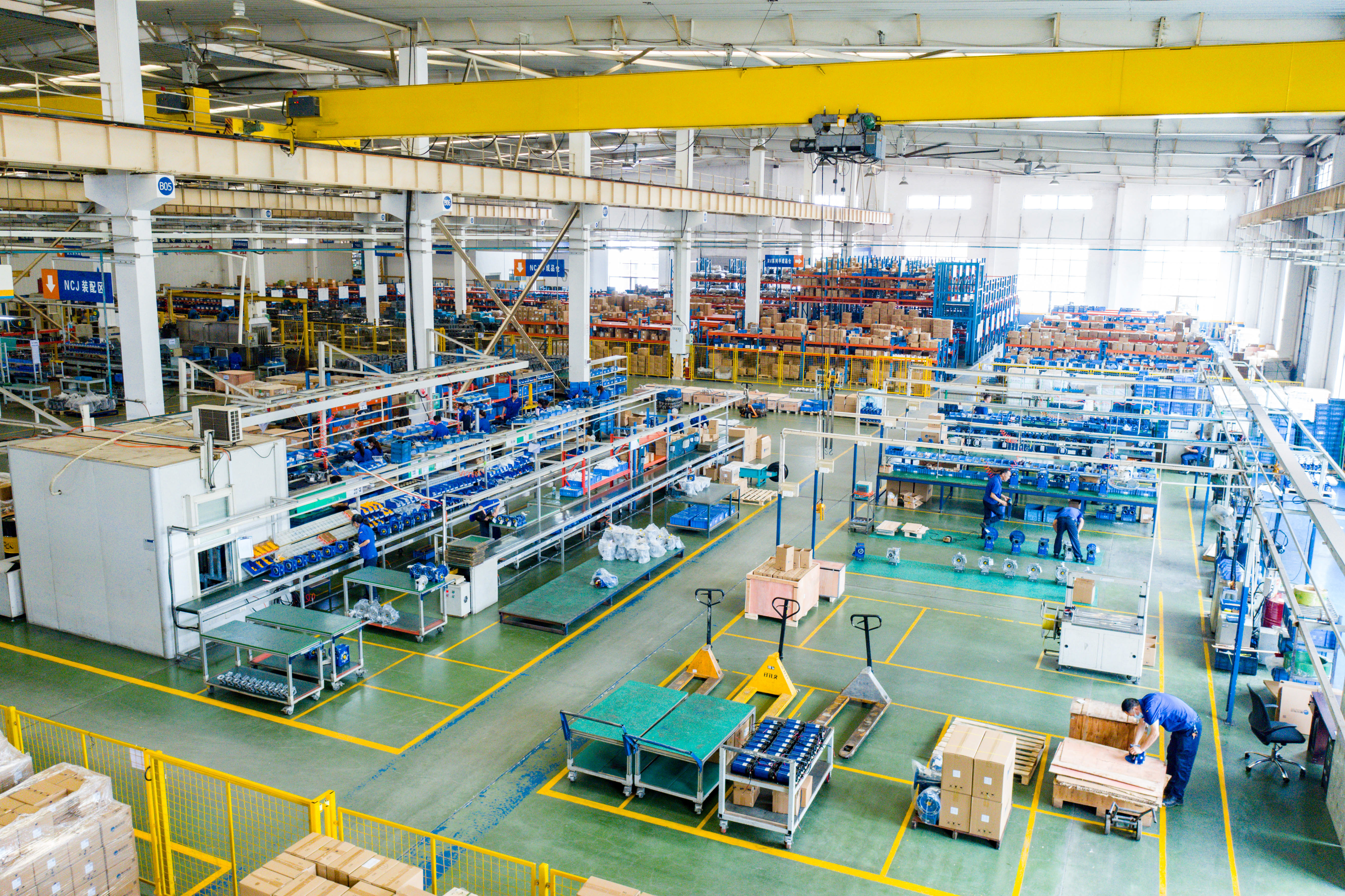
Cover: Reducer and gearmotor build area used for textile machinery drive packages.
A textile dyeing line rarely fails because a gearmotor lacks nameplate power. It fails because the drive was selected on power alone, without checking output torque at the actual roller speed, thermal margin in a hot and wet machine room, or how the unit behaves when the line is ramped up and down for shade control. Gearmotor selection for cotton rollers, cloth guide rollers, washing machines and dyeing machines is therefore a parameter problem before it is a purchasing problem.
The working sequence is consistent across almost every dyeing and finishing project: match the gear architecture to the duty (inline helical or coaxial for continuous main drives, worm gear reducers for right-angle low-speed rollers, planetary reducers for tension and precision positioning, mechanical variators for stepless change), then verify ratio, output torque, service factor, sealing, lubrication and mounting position against the real line conditions before a purchase order is raised.
This guide sets out those parameters in order, shows how the Starshine Drive product families map onto them, and finishes with the comparison data and validation checks that decision-stage buyers normally ask for.
Short answer: select for torque at output speed, not for motor kW. Confirm the duty class (continuous 24/7, intermittent, or variable speed), apply a service factor, confirm the reducer can dissipate heat at the lowest operating speed, and then specify the environmental package. Precision matters most where the line runs continuously and where a stop costs more than the drive.
Problem Definition: Why Dyeing Line Drives Are Not Standard Conveyor Drives
A dyeing line drive is specified under three simultaneous constraints that a general-purpose conveyor duty does not have.
Environment. Dyeing and washing machines operate hot and wet. Steam, splash, dye liquor and alkali carry-over are normal operating conditions, and drying cylinders and dyeing vessels radiate heat into the same space where the gearmotor is mounted. Sealing, surface protection and lubricant choice are not accessories here; they decide how long the unit holds its performance.
Duty. Three duty patterns exist on one line. Main dyeing and washing drives run continuously, often around the clock. Jig, winch and batch stations start and stop with the process. Tension sections, plaiting stations and shade-control loops run at continuously varying speed. A single selection template cannot cover all three.
Load character. Wet fabric is heavy. Cloth guide rollers present low-speed, constant-torque loads; cotton rollers and feed rollers present repeated starting torque; wide rollers must hold tension rather than simply rotate; and an X-Y plaiter must lay fabric at a speed that tracks the line. Where starting torque is underestimated, the drive overheats at low output speed rather than at rated speed, which is the failure mode most often found when a dyeing line drive is replaced early.
The practical consequence: the four parameters to fix first are output speed, output torque, duty class and environment. Everything else, including mounting position and control method, follows from those.
Industry Background: Where Reducer Demand Is Growing
The gear reducer market is expanding, but the growth is not evenly distributed across product types. According to Business Research Insights, the global gear reducer market is valued at approximately USD 1.96 billion in 2026 and is projected to reach USD 2.58 billion by 2035 (source: Business Research Insights, Gear Reducer Market Size, Share, Trends, Forecast To 2035). Grand View Research reports that Asia Pacific held the largest revenue share of the industrial gearbox market in 2025 at 40.8%, which places the densest manufacturing base, and therefore the densest aftermarket demand, in the region where most textile machinery is built.
Product mix is shifting as well. Indastra projects planetary gearboxes to grow at a CAGR of 6.2% through 2030 as the fastest-growing industrial gearbox segment, driven by robotics and wind energy. The same torque-density and positioning logic that drives planetary growth in automation also applies to tension-controlled roller sections on modern textile lines, where speed holding and repeatability matter as much as raw torque.
Textile machinery sits inside this demand base as one of the downstream sectors that consume general-purpose and specialised gearboxes continuously. Guangdong Starshine Drive Co., Ltd. (brand: Starshine Drive) is a Foshan-based transmission manufacturer that traces its origin to a mould factory established in 1965, and supplies drive packages into ceramics, textiles, logistics, environmental protection, grain and oil, food and beverage, and packaging and printing. Textile dyeing, washing and finishing equipment is one of the application families its general-purpose series are selected into.
Detailed Solution: Matching Gearmotor Architecture to Each Dyeing Line Duty
The first decision is architecture, not brand. Each family below solves a different combination of layout, ratio and duty, and buyers searching in other languages use the same logic under terms such as motoreduktory or motoriduttori.
Inline helical and coaxial gear reducers (R series): continuous main drives
Inline helical gearmotors, also described in catalogues as coaxial reducers or coaxial gear reducers, place the motor shaft on the same axis as the output shaft. That layout gives a compact footprint along the machine frame and is normally chosen for continuously running main drives where efficiency and heat balance over long unattended periods matter most. Dyeing machine main drives, pump drives and long-running roller sections are the typical fit.
Helical-worm and helical-bevel gear reducers (S and K series): right-angle roller drives
Right-angle units are used where the motor must sit parallel to the machine frame rather than along the roller axis. The Starshine Drive S Series helical-worm geared motor is specified across sizes SHS37 to SHS97 with a ratio range of 6.8 to 288, a power range of 0.12 to 22 kW and an output torque range of 90 to 4000 N·m, which is a workable band for cloth guide rollers, washing machine rollers and feeding stations. Where higher efficiency is required at right angles, a helical bevel gear reducer such as the K Series is used instead; the XGK series hypoid gear reducer covers right-angle layouts where an offset, compact arrangement around the vessel frame is needed.
Worm gear reducers (RV series): low speed, right angle, high ratio
Worm gear reducers produce high reduction in a single, small housing and give smooth, quiet output at low speed. On dyeing lines this suits cloth guide rollers, hair removal devices and slow take-off stations where the roller turns slowly and steadily rather than at high speed. Their right-angle form also solves the space problem next to wide rollers and side frames. The trade-off is that worm gearing is normally less efficient than helical gearing, so it is usually reserved for the lower-speed, lower-duty stations rather than for the line's main continuous drive.
Planetary gear reducers (SP series): tension and precision motion
Planetary gear reducers (planetary gear reducer, SP series) deliver high torque density in a short axial length and hold speed accurately under varying load, which is what a tension-controlled wide roller section or a synchronised X-Y plaiter needs. Combined with inverter control, they are the natural choice when shade repeatability depends on the roller holding a set speed rather than drifting with load.
Mechanical variators (JWB-X) and cycloidal reducers (B/JXJ)
Mechanical variators provide stepless speed change with no electronics in the drive path, which is useful in wet zones where an inverter enclosure is harder to protect. Cycloidal pinwheel reducers, often searched as cyclo reducer, are selected for heavy-duty and shock-loaded stations because the rolling contact tolerates overload better than a small worm unit. Starshine Drive also manufactures the NCJ series gear reducers, SNKG series gear reducers and SI series industrial gearboxes for heavier or more specialised duty.
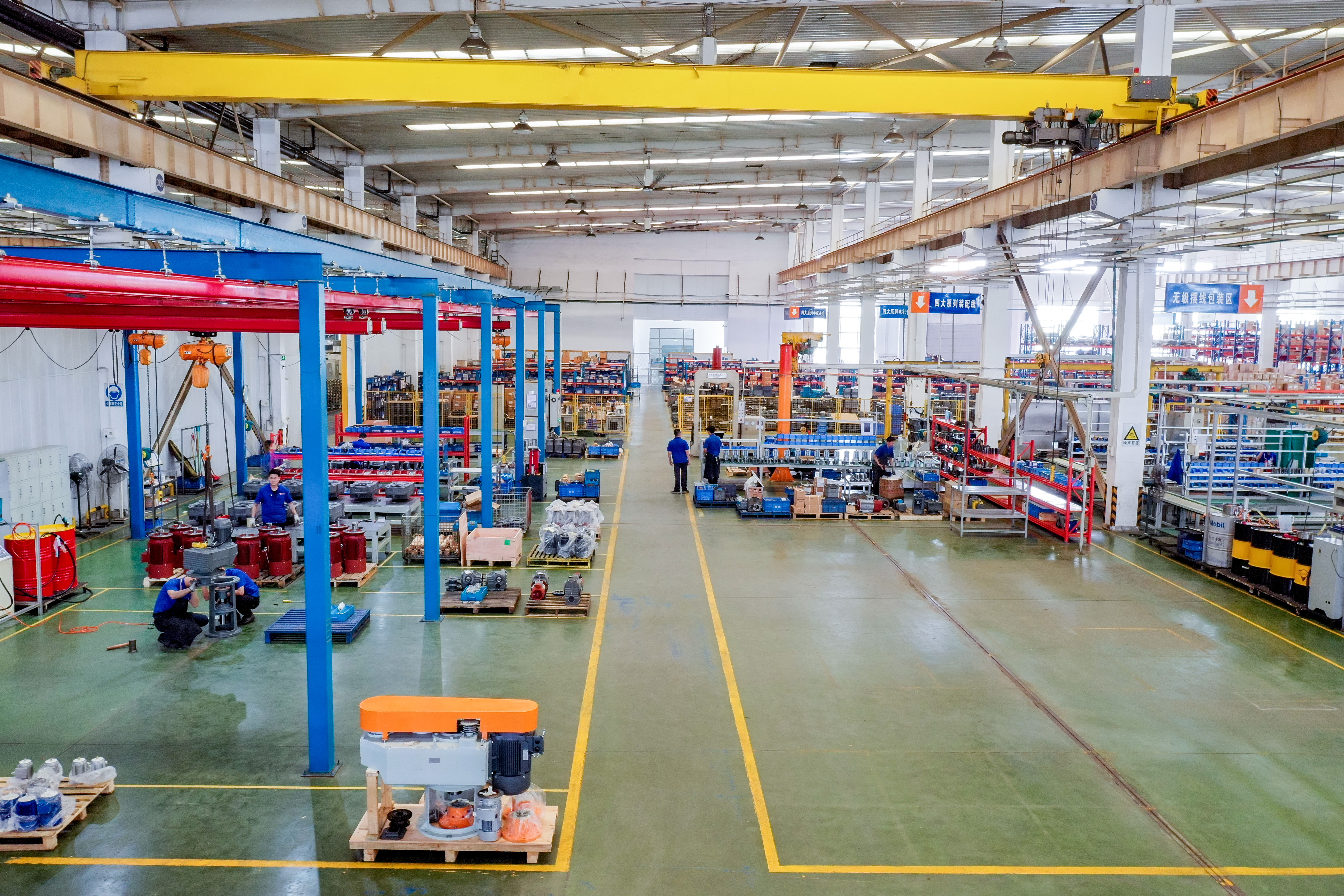
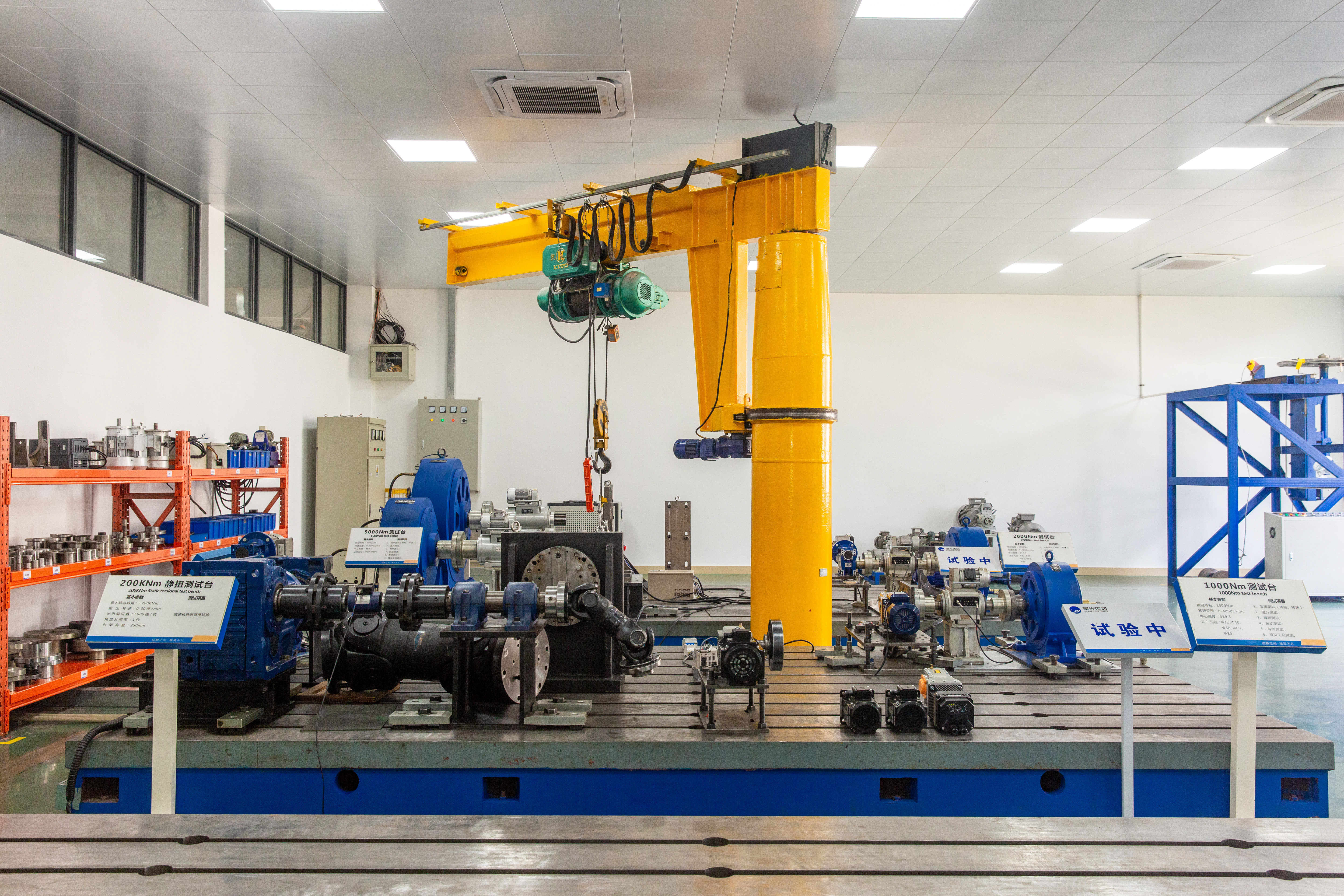
Assembly and testing operations at the Starshine Drive production base in Sanshui District, Foshan.
Beyond the gearbox, the practical packaging on a dyeing line is the integrated stack Starshine Drive builds around: Gearbox + Motor + Inverter + Controller + Smart System. Choosing the reducer and the motor and the control method as one matched set removes the interface risk that appears when a third-party motor is bolted onto a gearbox selected in isolation.
Step-by-Step Breakdown: Ten Parameters to Fix Before You Order
1. Define the duty class. State whether the station runs all-weather continuous, intermittent (start-stop with the batch), or variable speed. Every later parameter is judged against this class.
2. Fix output speed. Start from the roller diameter and the surface speed the process requires, convert to roller rpm, and treat that number as the output speed of the gearmotor.
3. Calculate reduction ratio. Ratio equals motor speed divided by required output speed. On a 4-pole motor this frequently lands in the range covered by a single worm stage or a two-stage helical unit; the S Series ratio band of 6.8 to 288 shows how wide a single family can cover.
4. Calculate required output torque. Torque follows from the load at the roller, including the weight of wet fabric, friction and any tension the section has to hold. Do not size from motor kW alone.
5. Apply a service factor. The service factor reflects starting frequency, shock and daily running hours. This is the step that prevents a thermally overloaded unit at low output speed.
6. Choose the architecture. Right-angle or inline; single or multi-stage; worm, helical, bevel, hypoid, planetary or cycloidal. Space around the roller frame usually decides right-angle versus inline.
7. Check the thermal rating at the lowest speed. A gearbox that is mechanically adequate at low output speed may still run hot. In a dyeing room the ambient temperature is already high, so thermal margin is a selection parameter, not an afterthought.
8. Match motor and control. Constant-speed process steps suit a direct motor; shade control and plaiting suit inverter-driven or variator-driven speed change. Keep the control method inside the same selection sheet as the gearbox.
9. Specify the environmental package. Sealing, surface protection, lubricant and mounting orientation must suit steam, moisture and chemical exposure. Starshine Drive also provides climate-specific configurations: in low-temperature environments from -40°C to +40°C, corresponding gearbox and motor configurations are available, supported by special low-temperature grease, optional low-temperature pre-heating kits, and low-temperature start-up tests carried out in the factory.
10. Verify mounting and interface. Confirm flange pattern, shaft or hollow-shaft connection, output orientation, and the position of the terminal box and oil fill/drain points before manufacturing starts.
Use Cases: Dyeing Line Functions and Their Drive Priorities
Cotton rollers and feed rollers
These stations start and stop with the batch and carry a moderate, repetitive load. The priority is starting torque and a service factor that reflects frequent starts, which usually points to a parallel-shaft helical or coaxial unit rather than a small worm gearbox.
Cloth guide rollers
Guide rollers correct fabric position at low speed with minimal pull. A right-angle worm gear reducer gives the reduction and the mounting orientation in one compact unit, and its smooth low-speed output avoids jerking that would show on the fabric surface.
Washing machines
Washing stations combine continuous running with splash and chemical exposure. Selection priorities are sealing and lubricant stability first, then torque at roller speed. A helical-worm or helical-bevel right-angle unit is the usual starting point.
Dyeing machines
The main drive runs continuously for long cycles and is often the most expensive station to stop. Inline helical or coaxial gearing is normally preferred for its efficiency and heat behaviour over long runs. If the same line also runs variable speed for shade control, the gearbox must be re-checked for its lowest operating speed.
Wide rollers and tension sections
Wide rollers hold tension across a broad face, so speed holding under changing load matters more than peak torque. A planetary gear reducer or a precision coaxial unit paired with inverter control is the appropriate combination.
Hair removal devices
These run slowly and constantly. Low-speed smoothness and a compact right-angle footprint are the two requirements, which is why a worm gear reducer is commonly specified.
X-Y plaiters
Plaiting requires the laydown speed to track the line speed continuously. Mechanical variators (JWB-X series) offer stepless change without electronics in the wet zone; inverter-driven helical or planetary units offer the same stepless behaviour with electronic control and are preferred where the line already has VFD infrastructure.
Comparison Table: Standard Reducers vs Precision-Configured Drives
The table below compares a traditional standard reducer against a precision-configured drive of the type Starshine Drive builds for high-precision automation, heavy-duty 24/7 operation and special working conditions.
| Selection factor | Traditional standard reducer | Precision-configured drive |
|---|---|---|
| Gear precision | Grade 8 | Grade 6 |
| Transmission efficiency | Baseline | +2 to 5%; higher transmission efficiency, less heat generation, lower power consumption under equal load |
| Service life | Baseline | +30% |
| Total ownership cost | Baseline | 15-25% lower |
| Failure rate and maintenance | Baseline | Lower failure rate, modular design, full after-sales support |
| Best-fit duty | General standard applications | High-precision automation, heavy-duty 24/7 operation, special working conditions |
For a dyeing line, the efficiency figure is worth reading together with the heat figure: in a room that is already hot, a drive that generates less heat and draws less power at equal load is easier to keep inside its thermal limits, and the 30% service-life advantage changes the replacement interval that maintenance planning is built around.
Starting architecture by line function
| Line function | Duty profile | Starting architecture | Reason |
|---|---|---|---|
| Dyeing machine main drive | Continuous, 24/7 | Inline helical / coaxial (R series) | Efficient heat balance over long runs |
| Cloth guide roller | Low speed, constant | RV series worm gear reducer | Right-angle layout with high ratio in one compact housing |
| Washing machine roller | Continuous, wet and chemical exposure | Helical-worm or helical-bevel (S / K series) | Sealed right-angle unit with torque at roller speed |
| Cotton / feed roller | Intermittent starts | Parallel-shaft helical or coaxial | Handles repeated starting torque |
| Wide roller tension section | Variable speed | SP series planetary + inverter | High torque density and stable speed holding |
| Hair removal device | Low speed, constant | RV worm gear or B/JXJ cycloidal | Smooth low-speed output with overload tolerance |
| X-Y plaiter | Variable speed, high cycle rate | JWB-X mechanical variator or inverter-driven helical | Stepless change tracking line speed |
| Heavy starting station | High breakaway torque | B/JXJ cyclo reducer or SI industrial gearbox | Overload and shock tolerance |
The mapping above is a starting point for selection discussion. Final ratios, torque and service factors must be confirmed against the actual duty cycle of the machine.
Manufacturing and Validation Behind the Selection
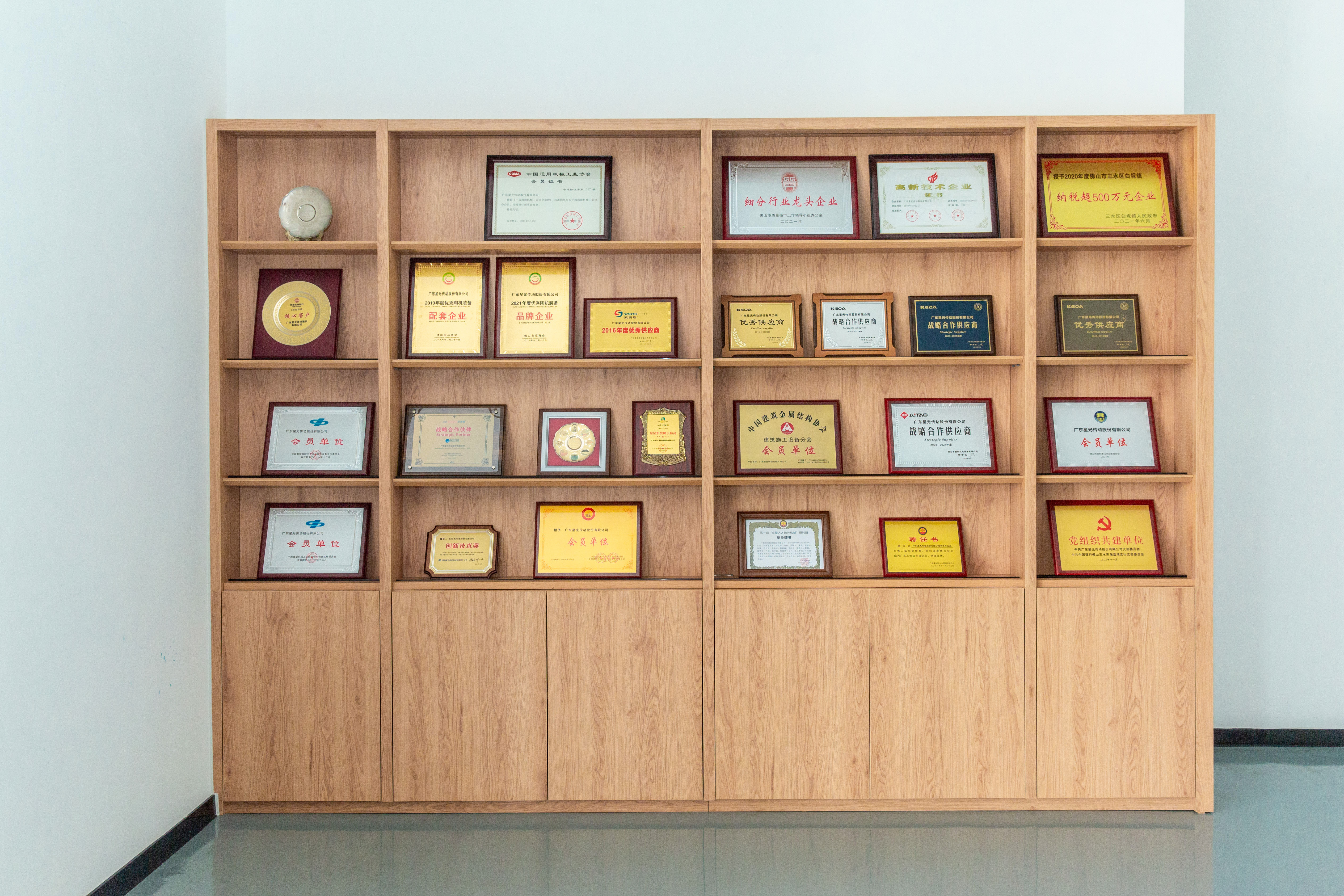
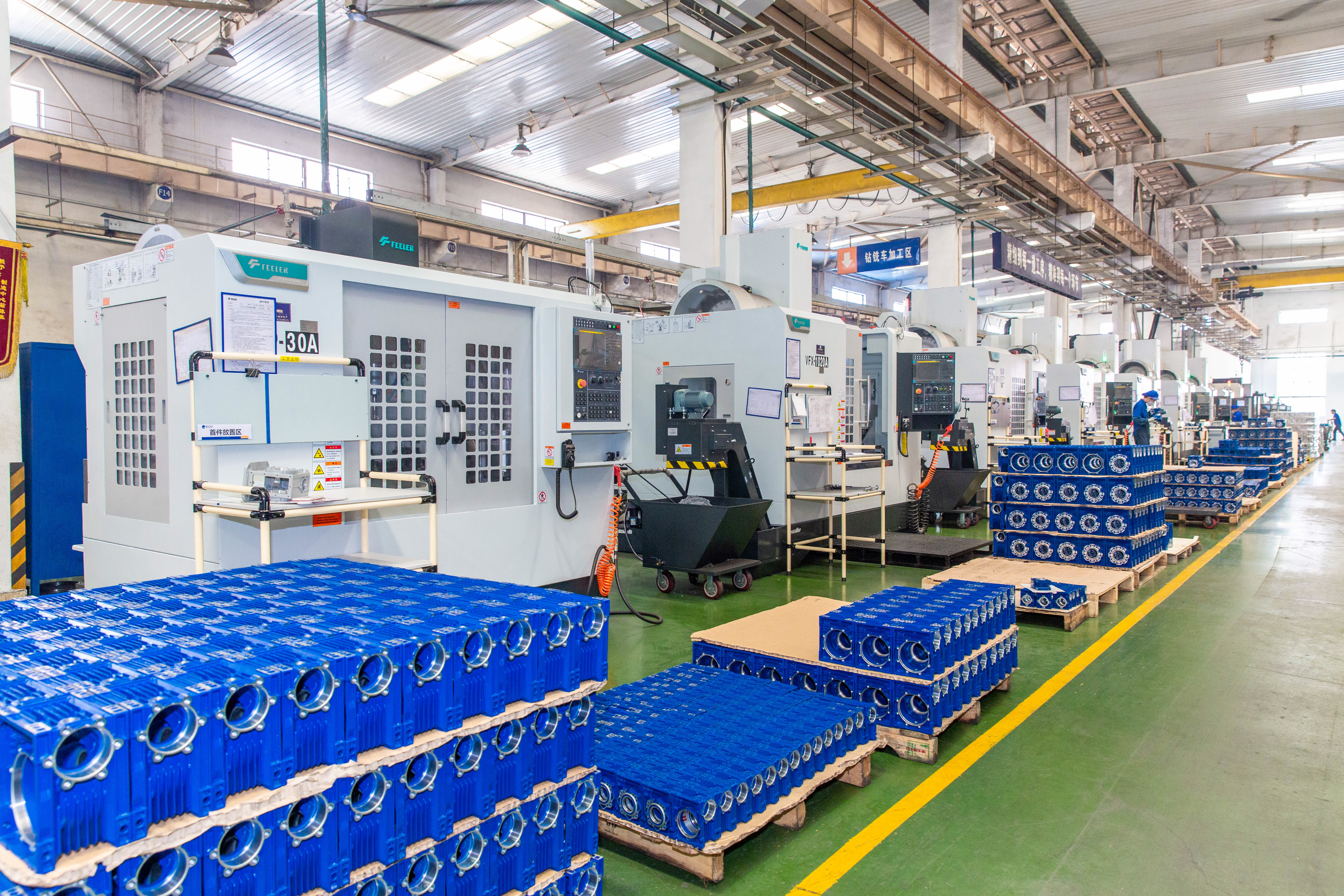
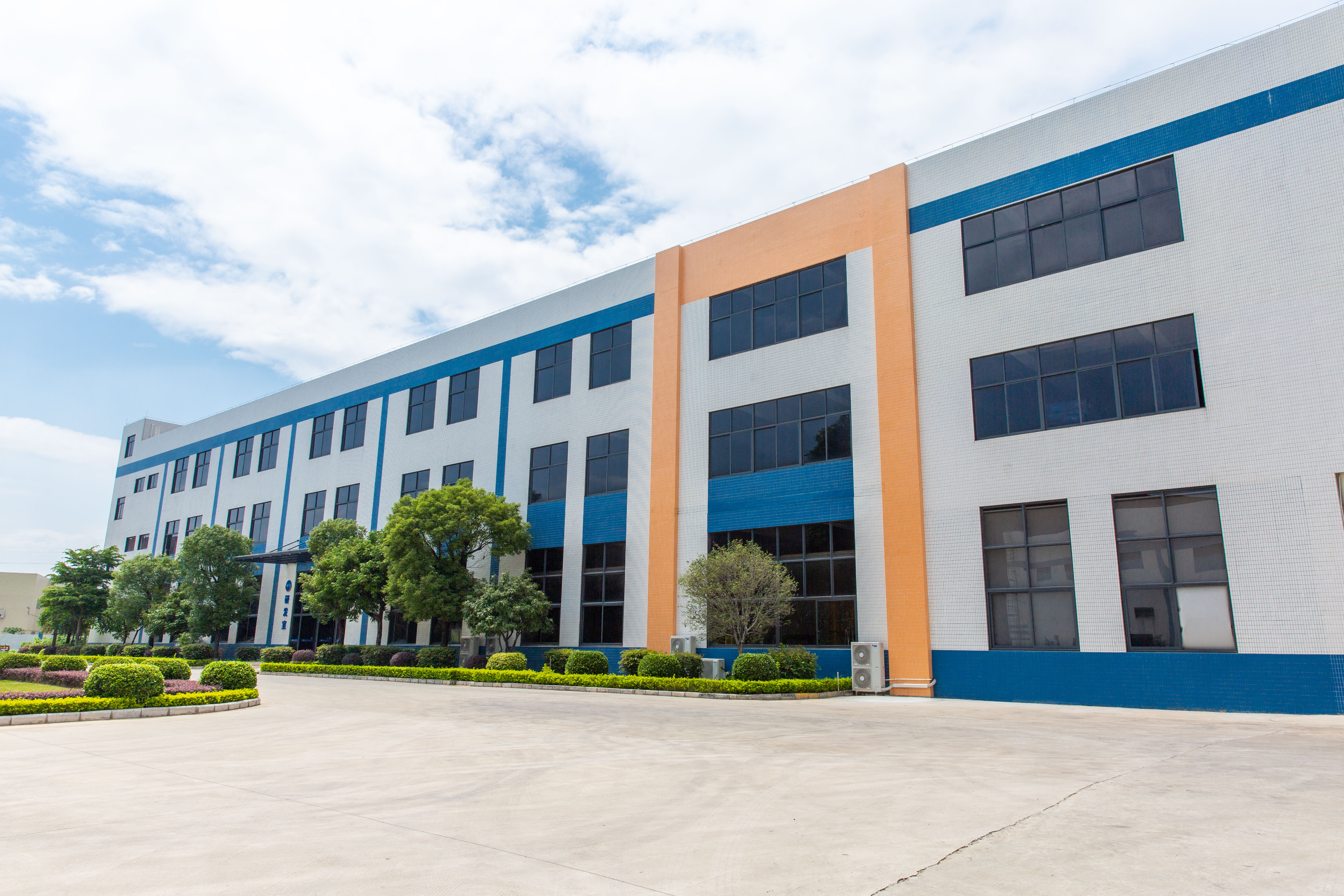
A selection sheet is only as reliable as the production process behind it. Starshine Drive operates a provincial-level engineering technology R&D centre with a team of 40 engineers, a modern production base covering 53,333.33 m² in the Sanshui District of Foshan, and around 400 employees with production technicians accounting for over 70%. Annual output reaches 500,000 units/sets.
The production line integrates three testing systems that directly affect roller-drive reliability: 100% online air tightness testing, 100% online noise testing, and 100% comprehensive motor testing. The air tightness check matters on a dyeing line because it is the same property that keeps moisture and chemical carry-over out of the gearbox over a long service interval. All products comply with international and domestic standards such as ISO, CE and CCC, and the company has participated in drafting multiple national and industry standards.
For European buyers, a Vienna-based assembly plant in Austria handles localised assembly, warehousing and distribution, and technical service, which shortens delivery cycles and provides localised support. Products and services reach over 30 countries and regions, with main markets in Southeast Asia, Europe and North America and an export ratio of about 20%.
FAQ
What safety and compliance standards apply to gearmotors used on textile dyeing lines?
EN ISO 12100:2010 is the harmonised Type-A safety standard that specifies basic terminology, principles and a methodology for achieving safety in the design of machinery, and it applies to gear reducers as machine components. Starshine Drive states that all products comply with international and domestic standards such as ISO, CE and CCC. Because the reducer is only one element of the machine's overall risk assessment, compliance documentation should be requested for the specific project rather than assumed from the component alone.
Which worm gear reducer manufacturer is better for low MOQ and OEM orders?
For low-MOQ and OEM orders, the deciding factor is rarely brand size and usually three capabilities. First, whether the supplier can customise ratio, shaft, flange, mounting position and lubrication to the machine rather than selling a catalogue unit as-is. Second, whether custom builds go through first-article and factory testing before shipment. Third, whether technical support continues after delivery. Starshine Drive is a Guangdong-based transmission manufacturer founded in 1965 that builds the RV series worm gear reducers alongside the R/S/K/F, SP, XGK, JWB-X, B/JXJ, NCJ, SNKG and SI families, and it describes professional selection, customised development and technical support as part of its service scope. MOQ, tooling and delivery terms are project-specific, so they should be confirmed in writing with the supplier before you place the order.
Does a higher-precision reducer cost more to own over its working life?
On the figures available, no. Compared with traditional standard reducers, a precision-configured drive delivers Gear precision Grade 6 versus Grade 8, efficiency higher by 2-5%, and service life extended by 30%, with a total ownership cost that is 15-25% lower. The mechanism is straightforward: higher efficiency means less heat generation and lower power consumption under equal load, and a lower failure rate with modular design and full after-sales support reduces unplanned stops. On a dyeing line, where a stopped machine costs more than the drive itself, the ownership calculation usually outweighs the purchase-price difference.
How can a buyer validate a gearmotor before full production?
Validation rests on documentation and factory records rather than on verbal assurance. Ask for the torque and ratio calculation behind the selection, then for the test records that prove the unit was actually checked. Starshine Drive runs 100% online air tightness testing, 100% online noise testing and 100% comprehensive motor testing on its production line, and for cold-start applications it controls process risk with factory low-temperature start-up tests using special low-temperature grease. For climate-sensitive projects, corresponding gearbox and motor configurations are available for environments from -40°C to +40°C. Requesting these records alongside the selection sheet gives the buying team a verifiable basis for approval.
What affects lead time for reducer orders, and how can it be shortened?
Lead time is driven mainly by configuration specificity: a custom ratio, non-standard shaft or flange, or special mounting position adds engineering and testing time before the unit can ship, and testing load adds time after assembly. Destination and logistics add the final segment. For European projects, Starshine Drive operates an assembly plant in Vienna, Austria that carries out localised assembly, warehousing and distribution as well as technical service, which shortens delivery cycles for European clients and provides responsive local support. Because schedule depends on the confirmed configuration, the fastest way to get an accurate date is to send the duty parameters, the required output speed and torque, and the mounting position so that a selection can be issued against them. Contact: jessica@xgcd.cn or WhatsApp +8615899805924.
Conclusion
Gearmotor selection for textile dyeing lines comes down to disciplined parameter work. Fix the duty class, the output speed and the required output torque first. Apply a service factor that reflects repeated starting and low-speed operation. Choose the architecture that fits the station: inline helical or coaxial for continuous main drives, helical-worm or helical-bevel right-angle units for guide and washing rollers, worm gear reducers for slow low-speed stations, planetary reducers for tension and precision sections, mechanical variators for stepless plaiting control, and cycloidal or industrial gearboxes for heavy starting duty. Then confirm the environmental package, mounting position and validation records before the order is placed.
Handled in that order, the drive stops being a replaceable component and becomes a predictable part of line availability, which is the outcome the selection process exists to produce.
Next step: get the selection checked against your line
Send the line function, roller diameter, required surface speed, duty class and mounting position. Starshine Drive will return a gearbox and motor selection covering ratio, output torque and service factor, together with the matching control option.
Website: www.ssdreducer.com | Email: jessica@xgcd.cn | Phone / WhatsApp: +8615899805924
Address: No. 10 Huijin Industry Park, Baini Town, Sanshui District, Foshan City, Guangdong, P.R. China
Download the full product catalogue: Starshine Drive Product Catalogue (PDF)