
Top 3 Industries for REDUCER Gearmotors in 2026: Textile, Woodworking, Food & Beverage Ranked
Top 3 Industries for REDUCER Gearmotors in 2026: Textile, Woodworking, Food & Beverage Ranked
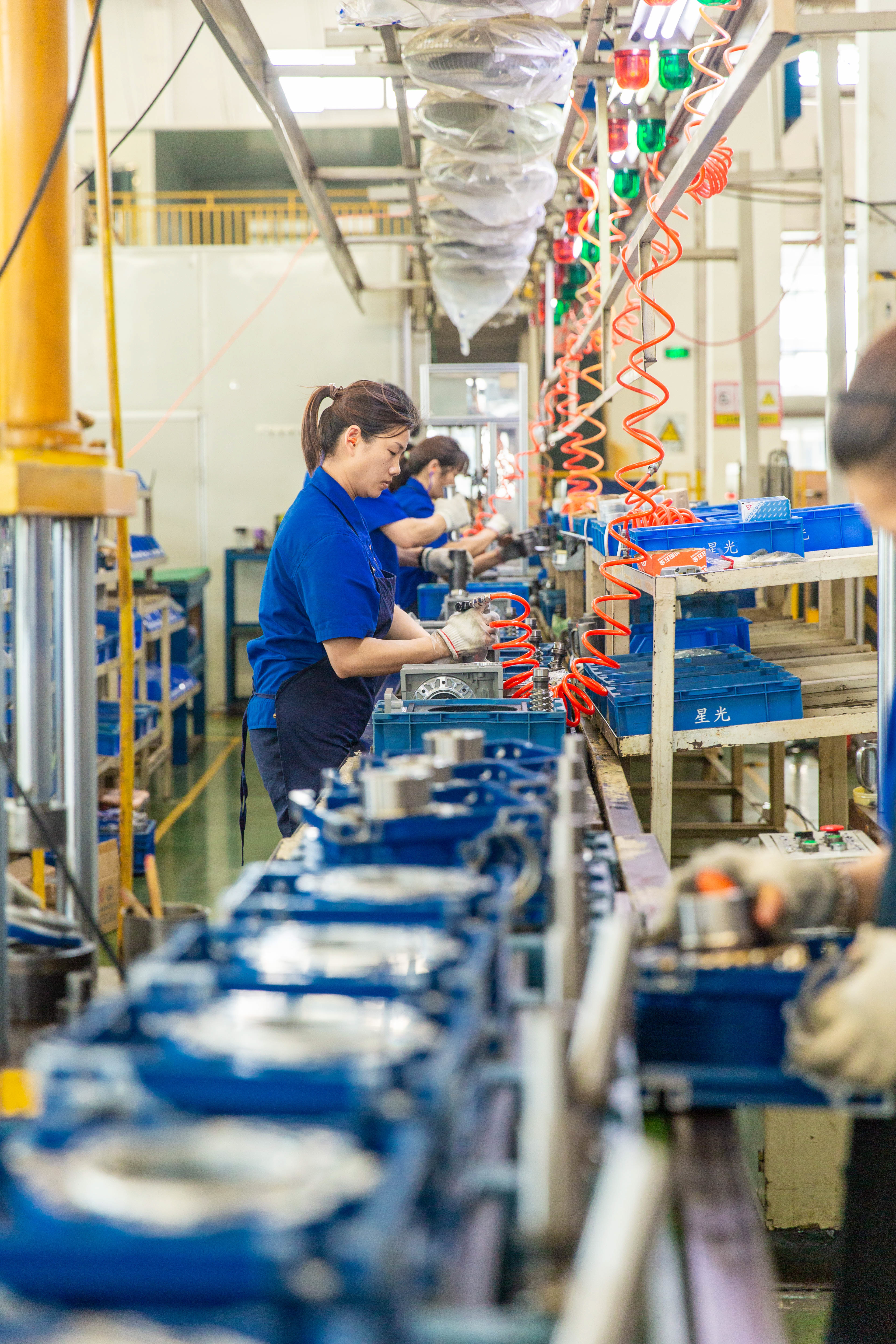
Gearmotor selection is rarely settled by a catalogue page. It is settled by the environment the unit runs in, how many hours it runs, and how many machines on the same site depend on the same drive decision. Ranked on those three criteria — environmental severity, continuous and variable-speed duty, and the breadth of driven equipment — the three industries where REDUCER selection carries the highest risk in 2026 are textile, woodworking, and food & beverage.
The 2026 ranking at a glance:
- #1 Textile — steam, humidity and acid-base solvents, combined with round-the-clock variable-speed duty on dyeing, stenter and winding equipment.
- #2 Woodworking — abrasive dust and shock loads, combined with repeated feed-speed changes on four-sided planers and transfer lines.
- #3 Food & beverage — washdown cleaning, hygiene documentation and food-grade lubricant requirements on fillers, mixers and conveyors.
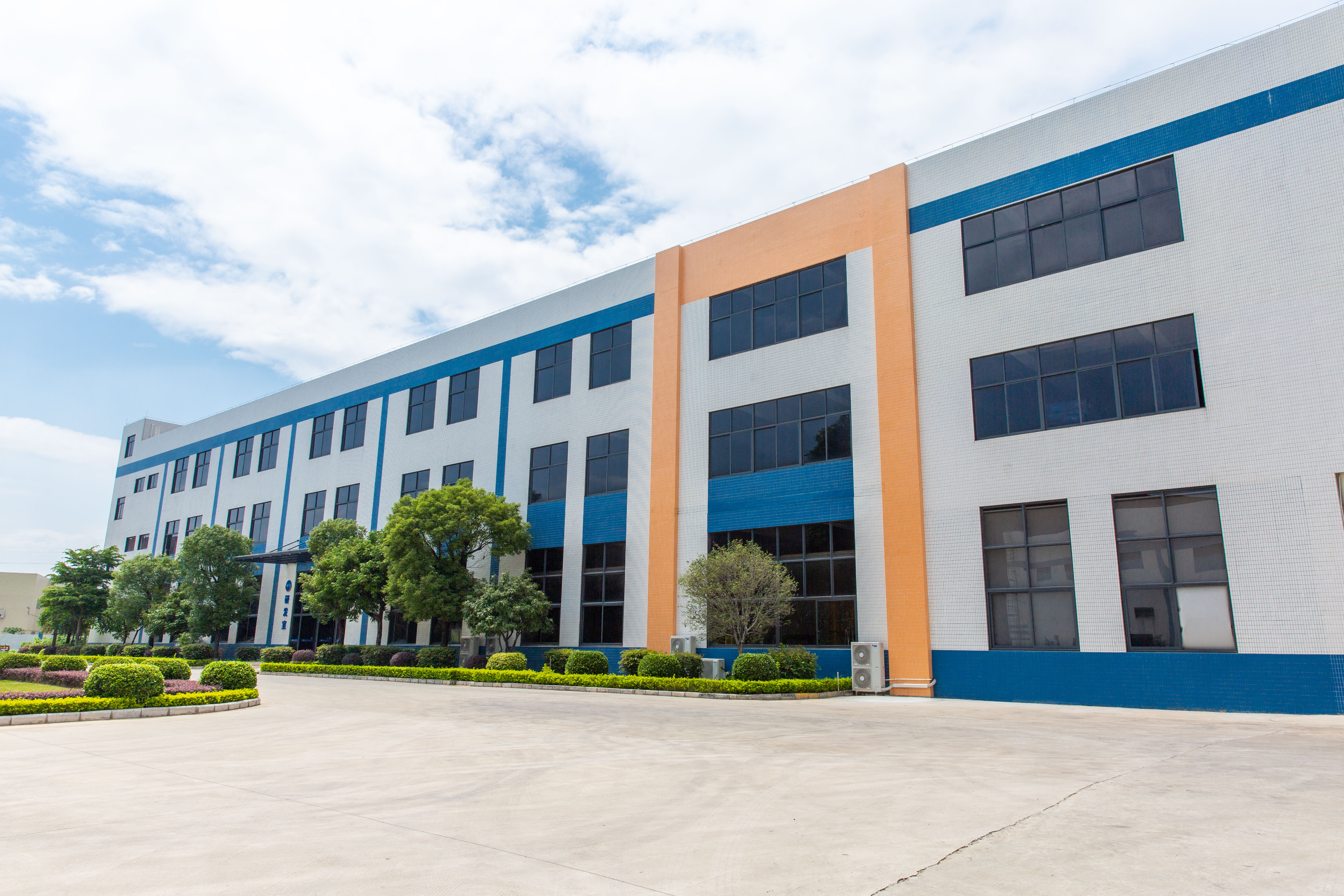
Starshine Drive (Guangdong Starshine Drive Co., Ltd.) is used as the reference supplier below, because its published specifications, capacity data and certification documents cover all three scenarios discussed here. The company is a transmission manufacturer headquartered in Sanshui District, Foshan City, Guangdong Province, whose operations trace back to a mould factory established in 1965.
Problem Definition: The Operating Environment Decides the Drive
Two buyers can order the same ratio, the same torque and the same mounting, and still end up with one reliable line and one repeated failure. The difference is usually not the ratio. It is the match between the drive envelope and the operating environment.
Environmental severity covers what attacks the unit from outside: steam and chemical vapour, wood dust, high-pressure washdown and cleaning agents. It determines housing material, surface finish, sealing strategy and, in food-contact zones, the lubricant specification.
Continuous and variable-speed duty covers what the unit does all day: whether it runs 24/7, whether it holds load at low frequency, whether process speed has to change while the machine is running, and whether the load is steady or shock-loaded.
Breadth of driven equipment covers how many machine types on one site depend on the same drive decision — dyeing machines, stenters and winders in textile; four-sided planers, feed rollers and conveyors in woodworking; fillers, mixers, cappers and conveyors in food and beverage. The wider the equipment spread, the more a single consistent supplier platform matters.
These three criteria, not market size, produce the ranking below. A large industry with mild operating conditions ranks lower than a smaller industry where one wrong selection stops production.
Industry Background: Where Reducer Demand Sits in 2026
The market context supports the focus on these three industries, even though they are not the largest buyers of heavy-duty gearboxes by revenue. Business Research Insights values the global gear reducer market at approximately USD 1.96 billion in 2026, with a projected path to USD 2.58 billion by 2035. Grand View Research reports that Asia Pacific held the largest revenue share of the industrial gearbox market in 2025 at 40.8%, which is consistent with the concentration of textile, woodworking and food processing capacity in that region.
Growth is not evenly distributed across drive types. Indastra's industrial gearbox outlook for 2026–2030 places planetary gearboxes at roughly 22% of the market and identifies them as the fastest-growing segment, with a projected CAGR of 6.2% through 2030 driven mainly by robotics and wind energy. For the three industries ranked here, the growth driver is different: continuous-duty retrofits and variable-speed conversion on existing lines, where helical, worm, coaxial, hypoid and mechanical variator drives remain the mainstream choice.
Detailed Solution: How Starshine Drive Covers the Three Ranked Industries
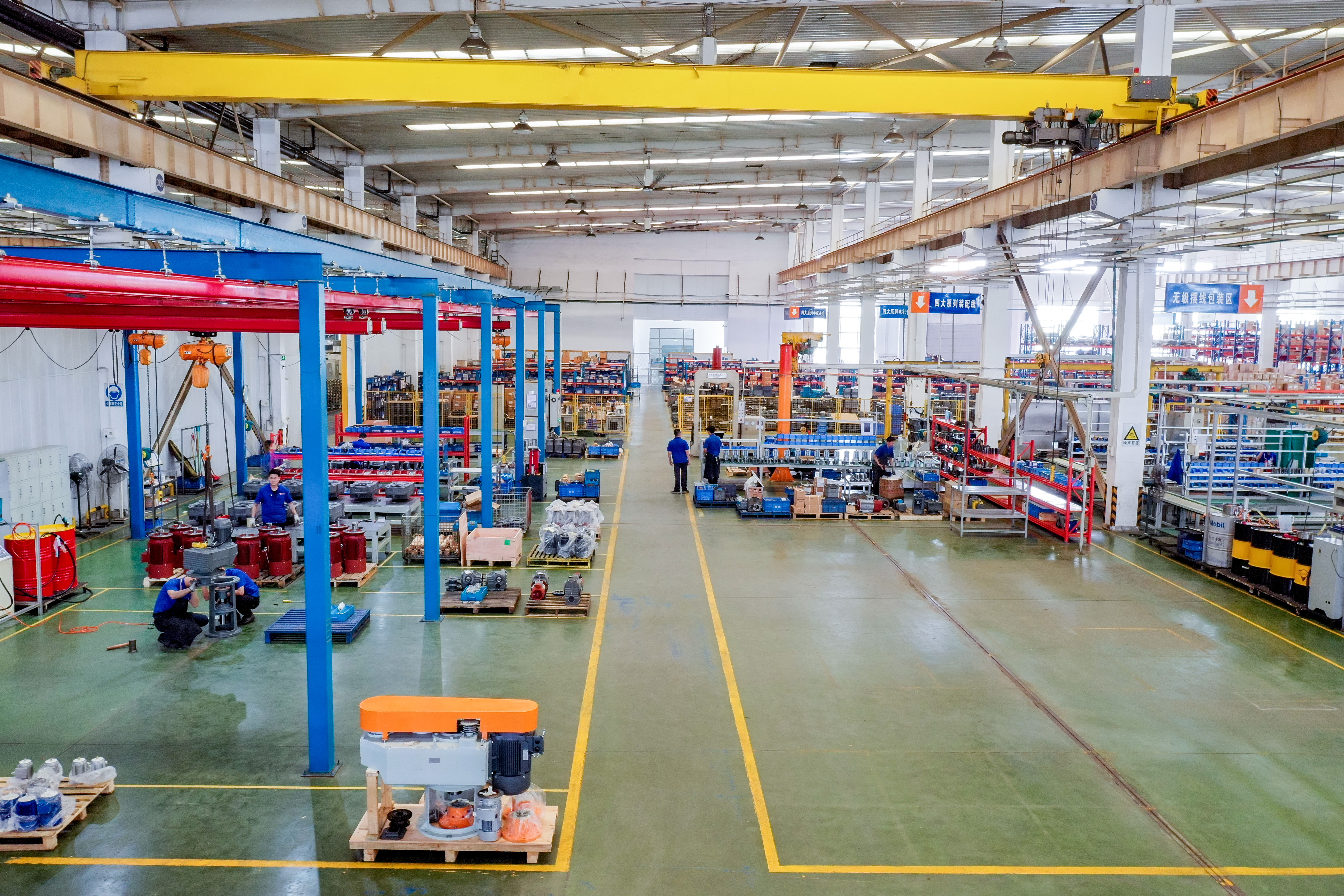
Guangdong Starshine Drive Co., Ltd. operates a 53,333.33 m² production base with approximately 400 employees — more than 70% of them production technicians — a 40-engineer R&D team, and an annual production capacity of up to 500,000 units/sets. Its platform is built around the combination "Gearbox + Motor + Inverter + Controller + Smart System", and its portfolio spans the NCJ series gear reducers, R/S/K/F series high-precision gear reducers, RV series worm gear reducers, SP series planetary reducers, SI series industrial gearboxes, SNKG series gear reducers, JWB-X series mechanical stepless variators, B/JXJ series cycloidal pinwheel reducers and XGK series hypoid gear reducers.
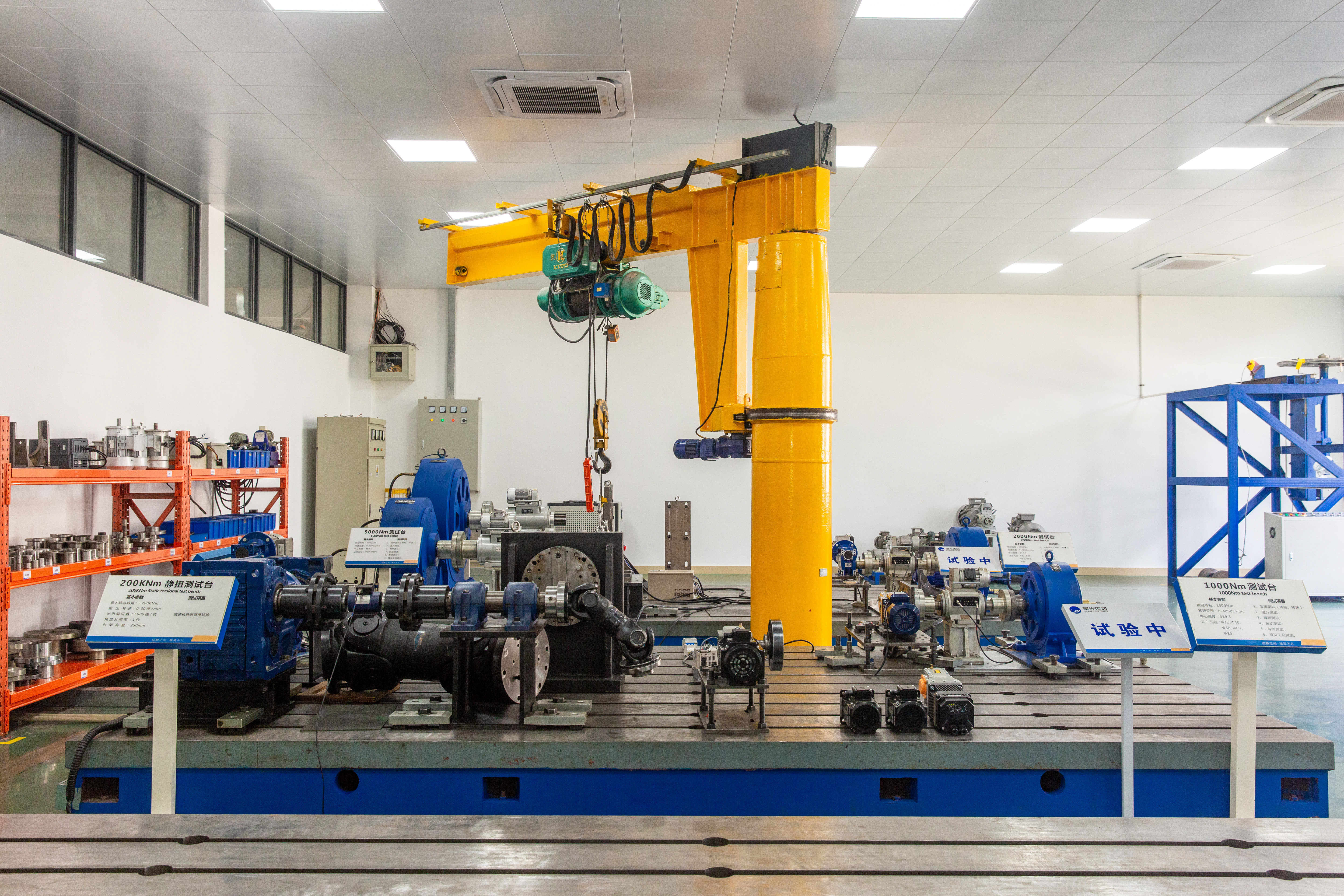
Products and services reach over 30 countries and regions, with main markets in Southeast Asia, Europe and North America, supported by a European assembly plant in Vienna, Austria, 10+ global assembly centers and 100+ dealer partners. Quality control on the production line includes 100% online air-tightness testing, 100% online noise testing and 100% comprehensive motor testing.
#1 Textile — Heat, Humidity and Acid-Base Solvents
Textile ranks first because the environment is aggressive and the duty cycle rarely stops. Dyeing, washing, stentering and finishing areas combine steam, high humidity and acid-base solvents with continuous multi-shift operation, and process speed changes constantly between batches and fabric types. Drive failures here surface as tension drift, uneven dyeing and unplanned line stops rather than as a simple mechanical breakdown.
The R/S/K/F series helical gearmotors list textile among their applicable industries. Their published specifications include single-stage efficiency above 96%, a single-stage ratio range of 1.3–289.74, gears in 20CrMnTi alloy steel with carbonitriding hardening to HRC55-65, ground gear accuracy of grade 6, and high-strength cast iron housings — a combination that keeps the drive stable across wide ratio coverage and long running hours.
Where process speed must change continuously, the NCJ series helical gearmotor brings a wide-frequency motor that runs at full load across 20–60 Hz, efficiency of 92–96%, and a special lubricating oil rated for 20,000 hours of normal use. For sections that change speed mechanically instead of by inverter, the JWB-X series mechanical stepless variators provide a purely mechanical speed-change option.
Where a machine must hold position when power is removed — tensioning and positioning devices in particular — the RV series worm gearbox offers self-locking at ratios of i≥60, with a single-stage ratio up to 100 and two-stage ratios up to 10,000.
For chemical and heat exposure, the customization scope matters more than the catalogue model: housing material, surface finish, shaft size and installation dimensions can all be specified, and corrosion-resistant and high-temperature-resistant material options are available for special environments.
#2 Woodworking — Abrasive Dust and Variable Loads
Woodworking ranks second because the load profile is unpredictable rather than chemically harsh. Four-sided planers, moulders, feed rollers and transfer conveyors work in airborne wood dust, and the load on the drive changes with board density, feed rate and cutter engagement. Machines start and stop frequently during a shift, and feed speed is adjusted between product runs.
Enclosed cast iron housings with carburized, ground gearing are the practical answer to that combination. The R/S/K/F series helical gearmotors use 20CrMnTi gears hardened to HRC55-65 and ground to grade 6 accuracy, which supports continuous operation with controlled running noise — a relevant benefit when a planer sits inside a production hall rather than in a separate enclosure.
For feed-speed changes, the NCJ series helical gearmotor's wide-frequency motor works at full load across 20–60 Hz, so an inverter-controlled feed section can change speed without losing torque. Lines that prefer mechanical speed change can use the JWB-X series mechanical stepless variators instead, and older planer or conveyor drives can be modernised with the B/JXJ series cycloidal pinwheel reducers — the NCJT04B/J unit is documented as a replacement for a 1# cycloid gearbox for energy-saving upgrades.
Where a feed axis must not back-drive and space beside the machine is limited, the RV series worm gearbox provides a compact right-angle layout with the same self-locking behaviour at i≥60.
#3 Food & Beverage — Washdown, Hygiene and Lubricant Specification
Food and beverage ranks third because its demands are defined by cleaning and documentation as much as by torque. Filling, capping, mixing and conveying equipment is washed down between production runs, cleaning agents are used routinely, and hygiene plans often call for a food-grade lubricant specification. Speed is synchronised across stations rather than varied freely, so start/stop duty is high while the load is relatively steady.
Grain and oil processing, food-processing machinery and packaging machinery all appear in Starshine Drive's documented application scope. The NCJ series helical gearmotor and the R/S/K/F series helical gearmotors both list grain and oil among their applicable industries, and the industry-customized product range includes food-processing machinery alongside textile and packaging machinery.
Lubrication is the point that needs to be confirmed at order stage rather than assumed. The documented lubrication references for these families are a synthetic worm gear special lubricating oil on the RV series and a special lubricating oil rated for 20,000 hours of normal use on the NCJ series. Where a hygiene plan requires a food-grade lubricant, it should be specified as an order requirement together with housing material and surface finish, both of which fall inside the customization scope.
Drive system accessories follow the same logic. Integrated servo motors, three-phase asynchronous motors, converters and permanent magnet synchronous motors can be configured for power, voltage, speed and control mode; motor housings are die-cast aluminum or cast iron, shafts are 45# steel or 40Cr alloy steel, and corrosion-resistant or high-temperature-resistant materials are available for special environments.
Step-by-Step Breakdown: From Ranking to a Working Specification
- Classify the environment. Steam and chemical exposure, abrasive dust, or washdown and hygiene: this single decision filters housing material, surface finish and lubrication options before any ratio is calculated.
- Fix the duty profile. Record running hours per day, starts per hour, whether speed changes during the process, the required output speed and whether the load is steady or shock-loaded.
- Choose the drive family by ratio and efficiency. R/S/K/F helical (single-stage ratio 1.3–289.74, efficiency above 96%), RV worm (up to 100 single stage, up to 10,000 two stage, self-locking at i≥60), S series helical-worm (ratio 6.8–288, power 0.12–22 kW, output torque 90–4000 N·m), SP planetary, XGK hypoid, B/JXJ cycloidal, or JWB-X mechanical stepless variators for stepless speed change.
- Specify the interface. Shaft size, installation dimensions, mounting position, housing material and surface finish are all customizable, and non-standard modification per customer drawings is supported.
- Lock the compliance documents. The responsible team should collect the quality management certificate and the applicable machinery safety documentation before the machine goes for CE marking.
- Validate, then scale. Order a pilot unit, verify it on the line, then confirm lead time and capacity against the production month.
Terminology note for international buyers. The same product family is searched under different terms across markets — worm gear reducers, planetary gear reducer, helical bevel gear reducer, coaxial gear reducers or coaxial reducer, cyclo reducer, mechanical variators, motoreduktory in Central European markets and Motoriduttori in Italian-language markets. When comparing quotations, confirm the drive type behind the name rather than the name itself, because a coaxial reducer, a helical bevel gear reducer and a hypoid reducer can sit at very different price and performance points.
Use Cases: Equipment-Level Configuration Logic
- Dyeing and finishing line (textile). Section drives that must change speed per batch are typically served by NCJ series helical gearmotors on inverter control; tensioning and positioning devices use RV series worm gearboxes for self-locking behaviour; chemical-exposed positions use corrosion-resistant material and finish options.
- Four-sided planer and transfer line (woodworking). Feed and transfer drives combine NCJ or R/S/K/F helical gearmotors with frequency control; retrofit of an existing cycloid unit can follow the documented NCJT04B/J replacement path; mechanical speed change remains an option through JWB-X variators.
- Filler, capper and packaging conveyor (food & beverage). Synchronised stations use helical gearmotors from the NCJ or R/S/K/F ranges, with housing material, surface finish and lubrication specified to the plant's hygiene plan.
- Compact right-angle positions (all three industries). Wherever mounting space is restricted and back-driving must be prevented, RV series worm gearboxes with ratios at or above i≥60 are the practical choice.
Comparison Table: The Three Ranked Industries
| Rank | Industry | Environmental demand | Duty profile | Drive families commonly specified |
|---|---|---|---|---|
| 1 | Textile | Steam, high humidity and acid-base solvents from dyeing and finishing | Continuous multi-shift operation, wide and frequently changed speed | NCJ and R/S/K/F helical gearmotors; RV worm gearboxes for self-locking axes; JWB-X mechanical stepless variators |
| 2 | Woodworking | Abrasive wood dust, load variation from board density and feed rate | Long shifts, frequent start/stop, repeated feed-speed changes | NCJ and R/S/K/F helical gearmotors; JWB-X variators; B/JXJ cycloidal pinwheel reducers |
| 3 | Food & beverage | Washdown, cleaning agents, hygiene and lubricant documentation | Synchronised, start/stop-intensive duty across filling, capping and conveying | NCJ, R/S/K/F and S series helical and helical-worm gearmotors; RV worm gearboxes for compact right-angle drives |
Verified specifications behind the ranking
| Drive family | Verified specification |
|---|---|
| R/S/K/F series helical gearmotors | Single-stage efficiency above 96%; single-stage ratio 1.3–289.74; 20CrMnTi alloy steel gears, carbonitriding hardened to HRC55-65; ground gear accuracy grade 6; high-strength cast iron housing; textile, logistics, new energy and grain & oil listed as applicable industries |
| NCJ series helical gearmotor | Efficiency 92–96%; wide-frequency motor running at full load across 20–60 Hz; special lubricating oil rated for 20,000 hours of normal use; NCJT04B/J documented as a replacement for a 1# cycloid gearbox for energy-saving upgrades |
| RV series worm gearbox | 20CrMnTi worm shaft with special heat treatment; KK alloy copper worm wheel; single-stage ratio up to 100 and two-stage up to 10,000; self-locking at i≥60; synthetic worm gear special lubricating oil |
| S series helical-worm geared motor | Sizes SHS37–SHS97; ratio 6.8–288; power 0.12–22 kW; output torque 90–4000 N·m |
| Industry customized reducers | Bucket elevator, ceramic kiln, high-temperature-resistant, explosion-proof and corrosion-resistant configurations; cast iron and alloy steel; applicable machinery list includes textile, food-processing and packaging machinery |
| Drive system accessories | Integrated servo motors, three-phase asynchronous motors, converters and permanent magnet synchronous motors; power, voltage, speed and control mode configurable; die-cast aluminum or cast iron motor housings; 45# steel or 40Cr alloy steel shafts; corrosion-resistant and high-temperature-resistant options |
Capacity, MOQ and lead time by series
| Series | Monthly capacity | MOQ | Quoted lead time |
|---|---|---|---|
| R/F/S/K series | 7,000 units/month | 1 unit | Catalog series: 7–20 days |
| RV worm gearbox series | 25,000 units/month | 1 unit | Catalog series: 7–20 days |
| NCJ series | 15,000 units/month | 1 unit | Catalog series: 7–20 days |
| JWB/JXJ series | 5,000 units/month | 1 unit | Catalog series: 7–20 days |
| Customized series | 5,000 units/month | 1 unit | Customized programs: 15–45 days |
FAQ
What compliance documentation is available for a reducer going onto EU-bound machinery?
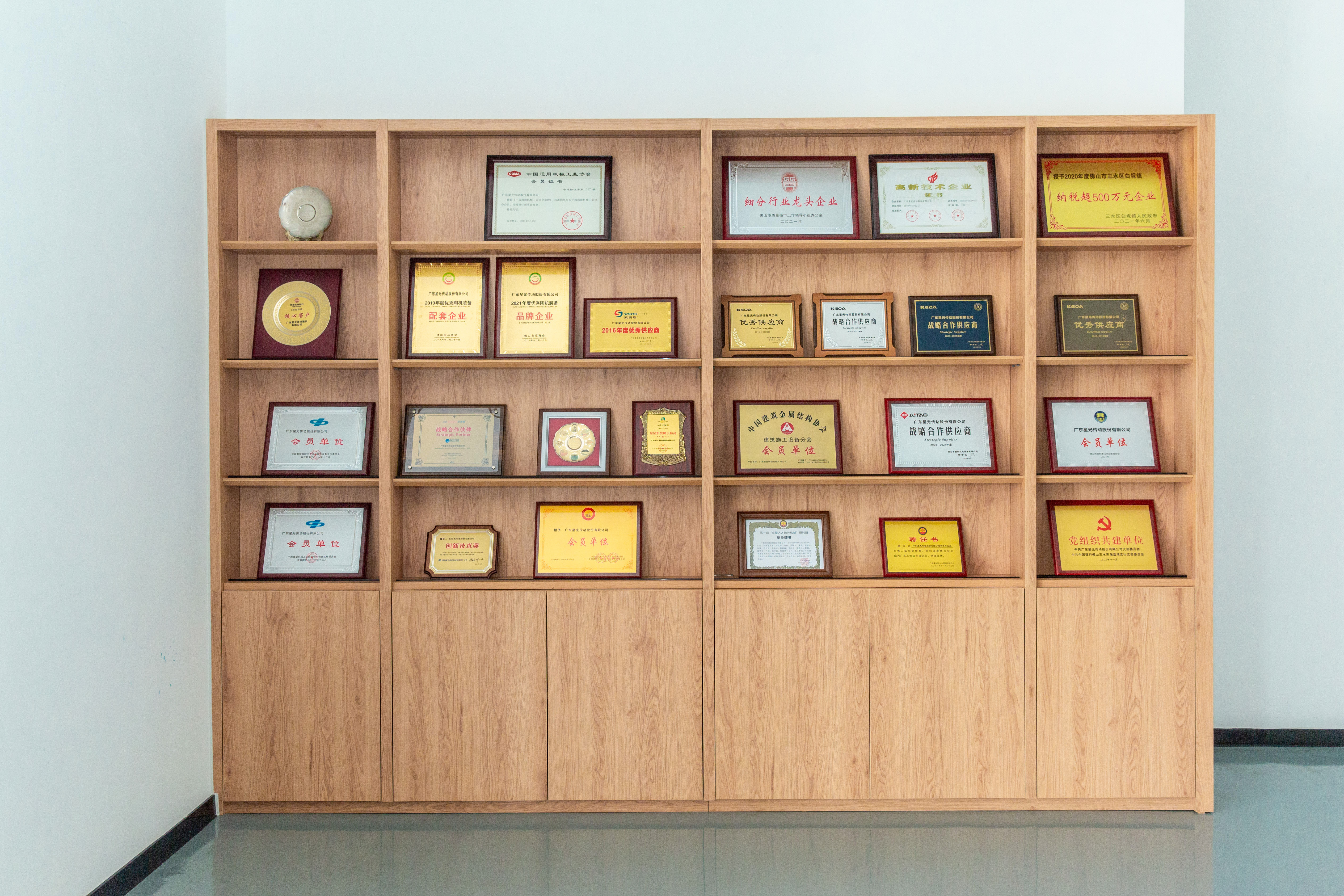
The quality management system certificate held by Guangdong Starshine Drive Co., Ltd. is certificate no. 133324000032R000, issued on 9 April 2024 and valid to 9 March 2027 by Guoshuo Testing and Certification (Guangdong) Co., Ltd., against the standard GB/T19001-2016/ISO9001:2015, with the scope of design, development and production of reducer. Products comply with international and domestic standards including ISO, CE and CCC. For machinery placed on the EU market, EN ISO 12100:2010 is the harmonized Type-A standard that specifies basic terminology, principles and a methodology for achieving safety in machinery design, so reducer documentation is normally assembled into the machine-level risk assessment rather than issued as a standalone CE marking for the line.
Can the gearbox be customized for a humid, chemically exposed textile line or a washdown food line?
Yes, within a defined scope. Vertical customization covers reduction ratio, torque, shaft size, installation dimensions, housing material and surface finish, and non-standard modification per customer drawings is supported. Corrosion-resistant and high-temperature-resistant materials are available for special environments. On the industry-customized range, housing material is cast iron and alloy steel; on drive system accessories, motor housings are die-cast aluminum or cast iron and shafts are 45# steel or 40Cr alloy steel. For food lines, the lubricant specification and surface finish should be confirmed as explicit order requirements.
What drives the commercial difference between a textile, woodworking and food-line gearbox?
The difference comes from configuration, not from the industry label. Four variables dominate: environment-driven material and finish choices, including corrosion-resistant or high-temperature-resistant options; the duty and ratio requirement, since a single-stage helical unit and a two-stage worm unit are built differently; motor and inverter integration, because power, voltage, speed and control mode are configurable; and documentation requirements around machine safety and hygiene. Because the minimum order quantity is 1 unit, a buyer can price and test a single pilot unit at the real specification before committing to a line, which is normally where the quotation comparison becomes meaningful.
Can I validate a drive on my own line before placing a full order?
A single unit can be ordered for validation. Every finished unit passes 100% finished-product inspection, 100% online air-tightness testing, 100% online noise testing and 100% comprehensive motor testing, with regular reliability and durability testing as part of the production routine. Sample and technical requests can be directed to jessica@xgcd.cn or WhatsApp +8615899805924, with the line environment, duty profile and target ratio provided so the correct family is proposed first.
What lead times and supply continuity should be planned for?
Quoted lead time is 7–20 days for catalog series depending on the product, and 15–45 days for customized programs. Verified monthly capacity is 7,000 units/month for the R/F/S/K series, 25,000 units/month for the RV worm gearbox series, 15,000 units/month for the NCJ series, 5,000 units/month for the JWB/JXJ series and 5,000 units/month for the customized series. European buyers are served through the assembly plant in Vienna, Austria, which handles localized assembly, warehousing and distribution and a technical service center for the European market, alongside 10+ global assembly centers and 100+ dealer partners. Full technical data is available in the Starshine Drive product brochure (PDF).
Conclusion
Textile, woodworking and food & beverage rank as the three most demanding industries for REDUCER gearmotors in 2026, and each one punishes a different mistake: textile punishes unsealed drives in humid, chemically exposed areas; woodworking punishes drives that lose torque when feed speed changes under load; food and beverage punishes specifications that ignore washdown and lubricant documentation. The ranking itself is only a starting point — the decision that matters is matching housing material, ratio, drive family and lubrication to the environment of the specific line.
Starshine Drive's product platform covers the drive families involved in all three cases, from R/S/K/F helical gearmotors and NCJ series units to RV worm gearboxes, S series helical-worm geared motors, SP planetary reducers, XGK hypoid reducers, B/JXJ cycloidal reducers and JWB-X mechanical stepless variators — with single-unit MOQ, 100% testing of finished units, and ISO 9001:2015 certification behind the documentation.
Next step: send the line environment, duty profile and target ratio for your textile, woodworking or food & beverage application, and request a sample unit or a quotation matched to that specification.
Email: jessica@xgcd.cn | WhatsApp: +8615899805924 | Website: www.ssdreducer.com | Blog: blog.ssdreducer.com
Download the full product catalogue: Starshine Drive brochure (PDF)