
Moisture in Storage Ruins Self-Adhesive PVC Flooring: A Warehouse Checklist for Importers
Self-adhesive PVC flooring can leave the factory in perfect condition and reach the installation site unusable. Curled edges, tiles that will not lie flat, a pressure-sensitive adhesive that no longer grabs and warped boards are the visible result of what happened between the container and the floor: moisture, heat, stacking pressure and time. When curling, deformation or mildew is caused by ground moisture, direct sun exposure or over-stacking, it is treated as improper-storage damage rather than an inherent product defect, and that classification decides who pays for the replacement.
This article is written as a working document for importers, wholesalers and project buyers who hold self-adhesive PVC flooring in stock. It explains what storage physically does to the product, gives a ten-step warehouse checklist a supervisor can enforce, and sets out the order-stage specification decisions, material, adhesive coat and packaging, that make a shipment easier to keep. The reference product is the WB-PVC self-adhesive PVC floor tile from Shanghai Yuanguan Rubber & Plastic Co., Ltd., an ISO 9001 manufacturer established in 2005, trading under the brand SXP Wall Panel and supplying OEM and ODM decorative materials to more than 80 countries.
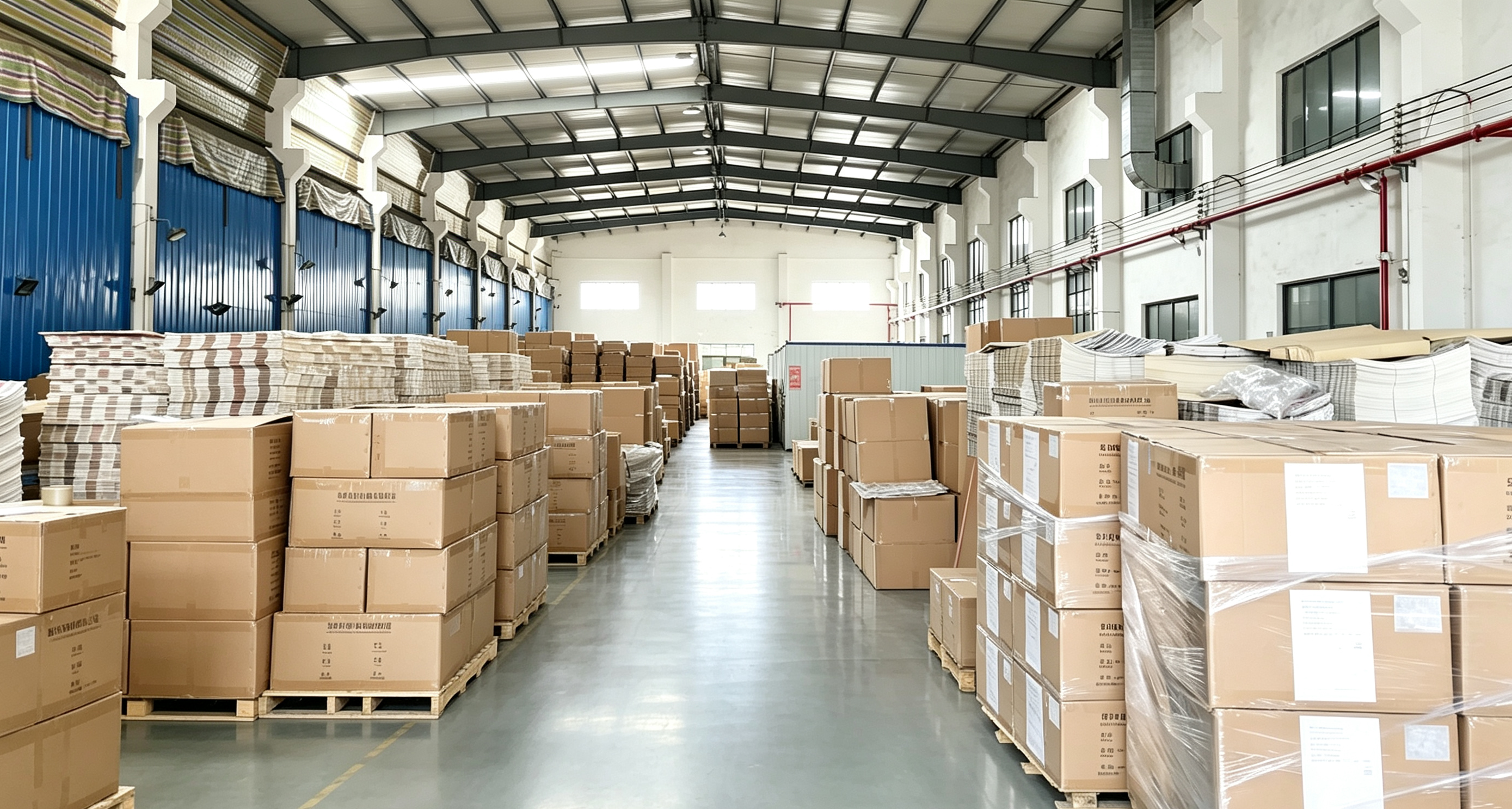
Cover: cartons on pallets, off the floor and out of direct sun. Where self-adhesive PVC flooring is stored is decided before the container is loaded.
Problem Definition: Four Failure Patterns That Come From the Warehouse
Storage damage rarely announces itself. The carton looks intact, the pallet looks fine, and the problem only shows up when the installer opens the box and starts laying tiles. The same patterns repeat across destinations and product batches:
- Edge curl and cupping. The tile lifts along one or more edges and will not sit down even after rolling. It shows up most often in cartons stored directly on a concrete floor, against an outside wall, or in a bay that takes direct sun through a roof panel.
- Bowing and warping. The whole tile has taken a set instead of lying flat. Long storage under uneven or excessive stacking load is the usual companion, especially when a heavy pallet has been landed on top of a lighter one.
- Loss of tack. The adhesive still looks present but does not grab. Dust, damp, and heat-softened adhesive migrating into the release liner all produce the same complaint.
- Mildew, odour and staining. Cartons held in a damp corner, or on a floor that stays wet after cleaning, are the classic location.
- Liner pick-up and hard peeling. In hot storage the adhesive film softens and bonds to the release paper more aggressively than it did at the factory, so every tile becomes slower and messier to install.
Why the classification matters. Curling, deformation and mildew caused by sun exposure, over-stacking or ground moisture sit outside the definition of an inherent product defect. A claim raised after weeks in the buyer's warehouse is normally rejected unless the cartons can be shown to have been stored correctly. That makes the checklist below a purchasing document as much as a warehouse one.
Why Self-Adhesive Flooring Is Less Forgiving Than Click-Lock
A click-lock plank has a mechanical joint and usually a separate underlay to absorb minor distortion. A self-adhesive tile does not. The adhesive is part of the product, the installation is dry, the backing film is peeled off and the tile is pressed onto the substrate, and there is no cement, glue or fastener to compensate for a tile that has already taken a set.
The property that makes self-adhesive flooring fast to install also makes it sensitive to what happens before installation. Installation requires a flat, dry base free of dust and grease, and powdery, sandy or loose surfaces are excluded. A tile that arrives with a curled edge cannot be pulled flat by a locking profile, and a substrate carrying dust or damp will defeat an otherwise healthy adhesive. Storage is therefore not a side issue for this category, it is part of the installation condition.
There is a commercial reason to care as well. Self-adhesive flooring is bought precisely for projects where speed and low disruption matter, such as rental apartments, retail fit-outs and temporary spaces, and those projects do not wait while a replacement container is produced and shipped. The cost of a storage failure is rarely limited to the value of the damaged cartons.
Industry Background: Longer Supply Chains, Longer Storage
The volume moving through this channel explains why storage has become a purchasing topic rather than a warehouse detail. China was the largest exporter of vinyl chloride polymer floor coverings (HS 391810) in 2024, with exports valued at USD 4.97 billion, according to OEC trade data. Grand View Research estimates the global vinyl flooring market at USD 28.0 billion in 2026.
Those figures describe a supply chain in which a pallet is produced in one country, sold in another, and installed weeks or months later, after ocean transit, customs clearance, a distributor's racking and a project's own scheduling. The interval between the factory gate and the first tile being pressed down is exactly the interval in which moisture, heat and stacking pressure do their work. Quality at the factory gate does not, by itself, protect the buyer.
Compliance adds a second layer. Shipments into the EU must satisfy CE-CPR construction product rules, REACH substance restrictions and PPWR packaging requirements, and missing or invalid certificates create detention and return risk regardless of product condition. Low-emission certification such as FloorScore, which verifies compliance with the volatile organic compound criteria of California Section 01350, and RoHS restrictions on hazardous substances are commonly requested alongside the storage and performance documents.
None of these requirements governs how the goods are kept after arrival. That gap is where the checklist belongs.
What Can Be Locked Down Before the Container Leaves
Storage resilience is partly a specification decision. Several product and packaging parameters are fixed at order stage and cannot be changed afterwards, so they are worth settling while the quotation is still open.
Product facts worth confirming in the proforma invoice
- Material. The primary material of the WB-PVC self-adhesive PVC floor tile is PVC.
- Size and thickness. Standard WB-PVC floor tile sizes are 40/60/120 × 300 cm at a thickness of 1.5 mm.
- Construction versus alternatives. Compared with standard wall and floor stickers from competitors, the product offers a 22% increase in total material thickness, a 35% increase in glue coating weight and a 180% increase in wear layer thickness. These are product comparison figures, not a guarantee against storage damage: the adhesive still has to be kept dry and out of heat.
- Compliance. The WB-PVC product is covered by an SGS RoHS Test Report issued by SGS-CSTC, report number SHAEC1709394501, tested against RoHS Directive (EU) 2015/863 and applicable to the EU market.
- Customization. OEM and ODM production services are available, covering size, colour, pattern and design, embossing texture, material structure, thickness, packaging, logo and private label, custom labels and new product development.
- Supply. Monthly capacity is stated at 10+ million square meters, quality control is 100% test, and the quoted lead time is 30 days.
Packaging is a storage decision, not a shipping detail
Packaging customization is the least expensive lever in the whole discussion and the one most often skipped. In practice it means agreeing in writing on carton board grade and how the carton is closed, whether cartons sit on a pallet and which type, corner protection for the tile edges, whether an inner moisture barrier is included, and how the label records batch number and production date. A carton that carries a legible date and batch code is what makes FIFO rotation possible and what makes a later claim defensible; without it, a warehouse team has no way to ship the oldest stock first.
A word of caution on specification claims. A heavier adhesive coat and a thicker sheet give the installer more material to work with, but whether a specific construction survives a long, humid storage cycle is something to verify on your own retained cartons rather than assume from a datasheet. Ask for a production sample from the same line, keep part of it in your own warehouse over the same period, and compare edges, flatness and tack before the next order is placed.
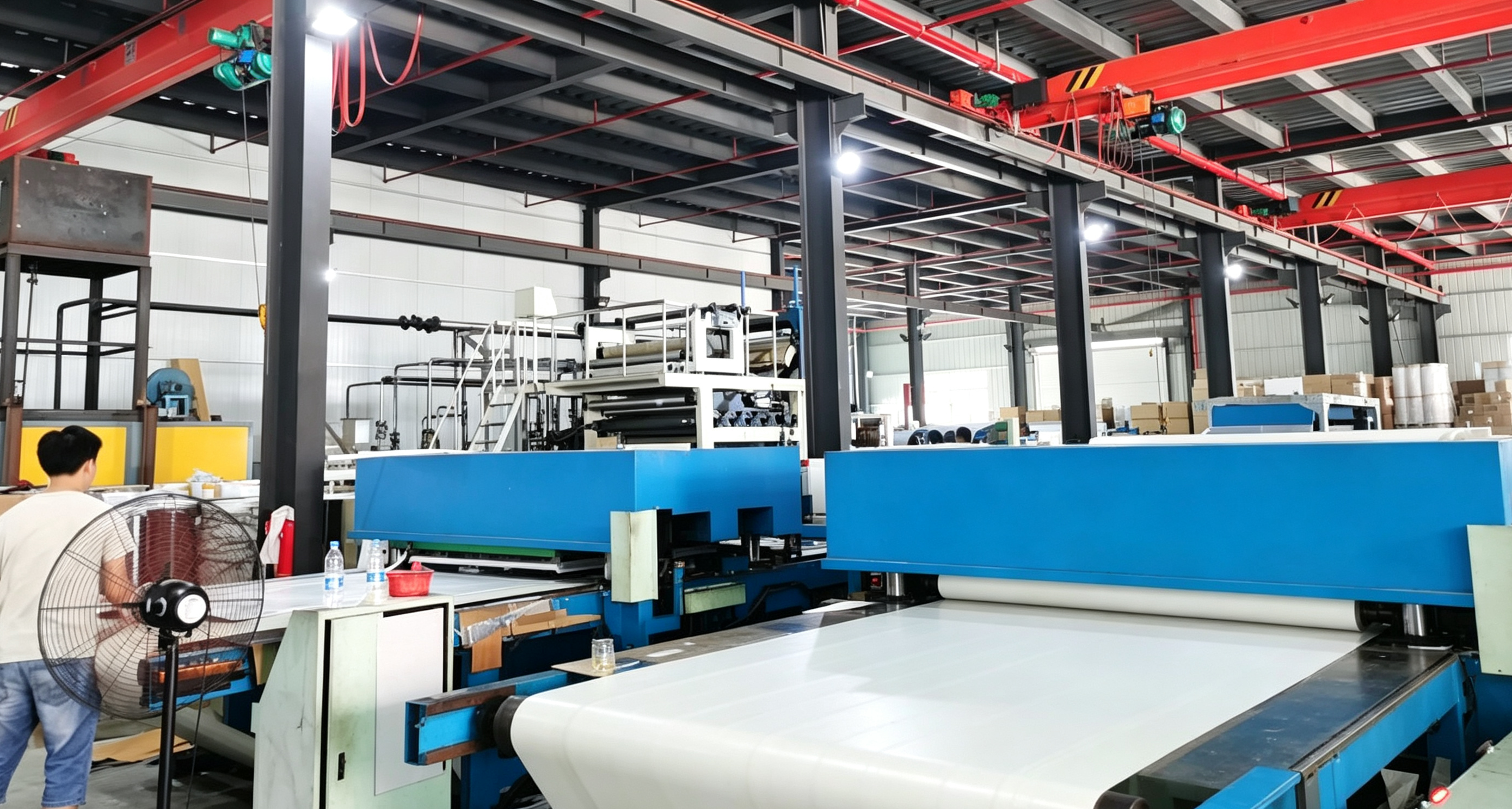
Adhesive coating weight and sheet thickness are fixed on the line, before the container leaves. What happens afterwards is a storage question.
Step-by-Step: The Warehouse Checklist
The checklist below can be handed to a warehouse supervisor as it stands. Each step names an action, a rule and the failure it prevents. Steps 1 to 5 are physical conditions, steps 6 to 8 are handling discipline, and steps 9 and 10 close the loop on installation and claims.
Cap the temperature and remove heat sources
Apply a storage temperature ceiling of 40°C, keep stock away from direct sunlight and away from heating pipes. In practice this means no bay under a translucent roof panel, and no pallet parked against a wall that radiates heat after midday. Heat softens the pressure-sensitive adhesive, accelerates migration into the release liner and lets a tile take a set under its own stacking load.
Get everything off the floor
Store on wooden pallets, never directly on a bare concrete floor. Ground moisture wicks into cartons and then into the tile edge, and the same rule covers post-cleaning puddles and floor drains. If the floor shows condensation in the morning, that bay is not a storage bay for this product.
Control stack height and load distribution
Stack full cartons flat and respect a height limit, and keep heavy hard goods off the top of lighter cartons. Uneven or excessive load is the standard route to bowed tiles and crushed corners, and a crushed corner on a self-adhesive tile is an edge that will not lie down.
Keep the store dry and monitor it
Record temperature and humidity readings in the bay and fix leaks before they reach stock. No single humidity figure fits every destination, so the practical control is dryness and stability: no leaking roof, no condensation drip from metal sheeting, no standing water, and no stock against an outside wall that goes cold at night.
Rotate on FIFO
Ship the oldest batch first on a documented schedule. A pressure-sensitive adhesive does not improve with age; the longer a carton sits at the back of the racking, the more storage cycles it has survived and the weaker the buyer's position if a claim is ever needed.
Keep cartons closed and corners protected
Dust is not neutral here. Installation requires a base free of dust and grease, and a dusty carton top transfers grit straight onto the adhesive face when the box is opened. Reseal opened cartons, protect corners and keep partial pallets wrapped.
Inspect on receipt and segregate suspect stock
Check a sample of cartons on arrival for deformation, water staining and edge damage, and record the batch. Suspect pallets should be marked and held for inspection rather than mixed back into saleable stock, because the difference between a good and a bad pallet disappears once they sit on the same rack.
Acclimatise before installation, not after
Bring cartons into the installation environment and let them stabilise before opening, and lay tiles flat rather than opening boxes the moment they come off a cold truck. This is where a warehouse problem turns into an installer complaint, and it costs nothing to control.
Re-check the substrate
The adhesive only performs on a flat, dry base free of dust and grease, and powdery, sandy or loose surfaces are excluded. The installer should confirm the base condition independently of what the warehouse did, because the two failure sources are frequently blended into a single complaint.
Document the whole chain
Photograph the pallet, record batch numbers, keep the temperature and humidity log, and retain one unopened carton from each batch. If a problem does appear, this record is what separates an improper-storage dispute from a manufacturing claim and what lets either party reach a conclusion quickly.
Storage control matrix
| Control point | Practical rule | Failure if ignored |
|---|---|---|
| Temperature | Ceiling of 40°C, away from direct sunlight and heating pipes | Softened adhesive, liner pick-up, tiles taking a set |
| Floor contact | Wooden pallets only, never bare floor | Ground moisture wicking into cartons, edge curl |
| Stack load | Full cartons flat, height limit, no heavy goods on top | Bowing, warping, crushed corners |
| Dryness | No leaks, no condensation drip, logged readings | Mildew, odour, staining, tack loss |
| Rotation | FIFO on a documented schedule | Ageing stock, weak claim position |
| Carton integrity | Reseal opened cartons, corner protection, wrapped partial pallets | Dust transfer to adhesive, edge damage |
| Receipt inspection | Sample check plus batch record, suspect stock segregated | Bad pallets blended into saleable stock |
| Acclimatisation | Stabilise in the installation environment, lay flat before opening | Installer complaints traced to the wrong cause |
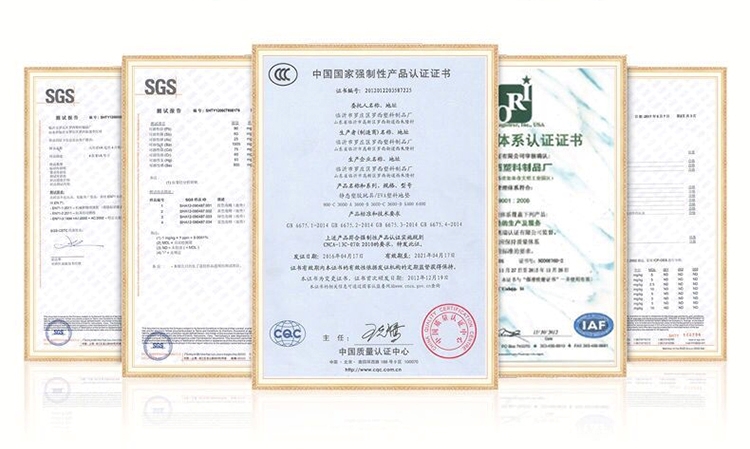
Compliance documents travel with the goods. Storage records decide whether a later problem is a defect claim or a storage claim.
Use Cases: Where Storage Discipline Pays Back
Distributor stock held for rental refurbishment
A distributor holding stock for apartment and rental refurbishment is the classic exposure: cartons sit for weeks and are pulled in small quantities. The pattern is illustrated by an e-commerce platform customer that ordered 100,000 units of WB-PVC flooring for residential and commercial interior decoration, including apartment renovation, office fitting and retail store refurbishment. The product performed stably over a 5 to 10 year service life, no quality complaints were reported during the service period, and the customer placed three repeat orders within two years. Repeat orders of that kind depend on the second and third shipments opening as cleanly as the first, which is a storage outcome as much as a production one.
Retail and pop-up fit-outs with fixed opening dates
Pop-up retail and temporary commercial spaces compress the whole chain: order, ship, store, install, open. There is no float in the schedule for a re-shipment, so a pallet that spent a month against a sunlit wall becomes a missed opening date rather than a warranty discussion.
Residential projects specified through OEM
Buyers specifying OEM flooring for residential projects should settle material structure, thickness and packaging inside the OEM brief, then keep a retained carton from the first batch and check it again before the second order is confirmed. It is the cheapest form of incoming quality control available on this product.
Damp-climate destinations and rainy-season arrivals
Cartons that arrive in a humid season, or that sit in an unheated warehouse through a cold, damp period, are the highest-risk group. This is where pallet type, corner protection and an inner moisture barrier earn their cost immediately.
Comparison: Low-Cost Recycled Material vs Virgin-Material Compliant Product
The price gap between quotations for what looks like the same tile is not arbitrary. Most of it comes from raw material choice, thickness, formulation, quality control and certification, and several of those variables also determine how the tile behaves after two months in a rack.
| Criterion | Low-cost recycled-material product | Virgin-material compliant product |
|---|---|---|
| Unit price | Competitive purchasing price | Higher purchasing price |
| Material stability | Unstable material, prone to discoloration and deformation, including dimensional deviation | Stable dimensions and colour |
| Certificates | Often lacking complete test reports, with non-compliant certificates a real risk | Complete test reports available, including CE and SGS documentation |
| Export risk | Customs detention or seizure, end-user complaints | Meets overseas compliance requirements |
| After-sales exposure | High, including market returns | Lower |
| Reasonable use | Local low-volume spot goods or small trial orders only, with mandatory sample confirmation | Project orders, export business and shipments requiring customs compliance |
FAQ
Is the WB-PVC self-adhesive PVC floor tile covered by a certification I can present for EU import?
Yes. The WB-PVC product is covered by an SGS RoHS Test Report issued by SGS-CSTC, report number SHAEC1709394501, tested against RoHS Directive (EU) 2015/863 and applicable to the EU market. Two checks are still worth making before shipment: confirm that the report's product and model scope matches the exact SKU you ordered, and keep a copy with the shipping documents. RoHS covers restricted substances only, so for EU construction products the CE-CPR, REACH and PPWR packaging requirements are separate items that should be verified independently.
Can one supplier handle OEM self-adhesive flooring plus click-locking formats for residential projects, including custom packaging?
OEM and ODM production services are available, and customization covers size, colour, pattern and design, embossing texture, material structure, thickness, packaging, logo and private label, custom labels and new product development. Standard WB-PVC floor tile sizes are 40/60/120 × 300 cm at a thickness of 1.5 mm. For a residential project that mixes self-adhesive and click-locking formats, specify the two constructions separately in the OEM brief and confirm the locking profile as part of that specification. The storage rules in this article apply to the self-adhesive version, and a mixed order should carry separate packaging specifications for each format.
Why are quotations for the same self-adhesive floor tile so far apart on price?
Most of the gap comes from raw material choice, virgin versus recycled, plus thickness, formulation, quality control and certification. Low-cost items are commonly made with recycled material, which can produce dimensional deviation, fading and odour, and often arrives without complete test certificates, the combination that produces customs detention, after-sales claims and market returns. For project orders and export shipments that must clear customs, virgin-material products with complete test reports are the safer base. Low-cost material is workable for local low-volume spot goods or small trial orders, but sample confirmation is mandatory and bulk ordering on price alone is not advisable.
How should an importer validate a sample before committing to a bulk order?
Test the sample the way the product will be used: press it onto a flat, dry base free of dust and grease, not a powdery, sandy or loose surface, and check that it lies flat and holds. Measure thickness and dimensions against the specification, confirm that the certificate scope matches, and keep the retained sample. For the order itself, agree acceptance criteria in writing. Pre-shipment testing is the standard checkpoint, and where a material claim matters, a third-party laboratory report should serve as the acceptance criterion rather than a visual judgement.
What is the lead time, and how should packaging be specified so the goods survive long storage?
The quoted lead time is 30 days, with monthly capacity stated at 10+ million square meters and 100% test before delivery. Packaging should be settled at the same time: carton board grade and closing method, pallet type, corner protection, any inner moisture barrier, and a label that records batch number and production date so FIFO rotation is possible. For EU destinations, packaging also has to satisfy PPWR requirements. If you want to align packaging and storage specifications before the order is placed, request a sample and a quotation from Shanghai Yuanguan Rubber & Plastic Co., Ltd. and state the destination warehouse conditions in the enquiry.
Conclusion: The Warehouse Is Part of the Specification
Self-adhesive PVC flooring fails in storage for reasons that are predictable and, in most cases, preventable. The adhesive is part of the product, so the conditions between the container and the floor determine whether the tile still lies flat on the day it is pressed down. Curling, deformation and mildew caused by ground moisture, direct sunlight or over-stacking are treated as improper-storage damage, which means the buyer carries both the loss and the burden of proof if nothing was recorded.
The response has two halves. Before shipment, settle material, thickness, adhesive construction, certification scope and packaging in writing, including pallet type, corner protection, moisture barrier and a batch and date label that supports FIFO. After arrival, enforce the ten steps: temperature ceiling of 40°C, pallets rather than bare floor, controlled stack height, a dry and monitored store, documented rotation, sealed cartons, receipt inspection, acclimatisation before opening, a substrate check, and a retained carton from every batch.
Done together, those two halves do more for first-time installation quality than any single specification upgrade, and they give an importer a defensible position the first time a carton comes back with a curled edge.
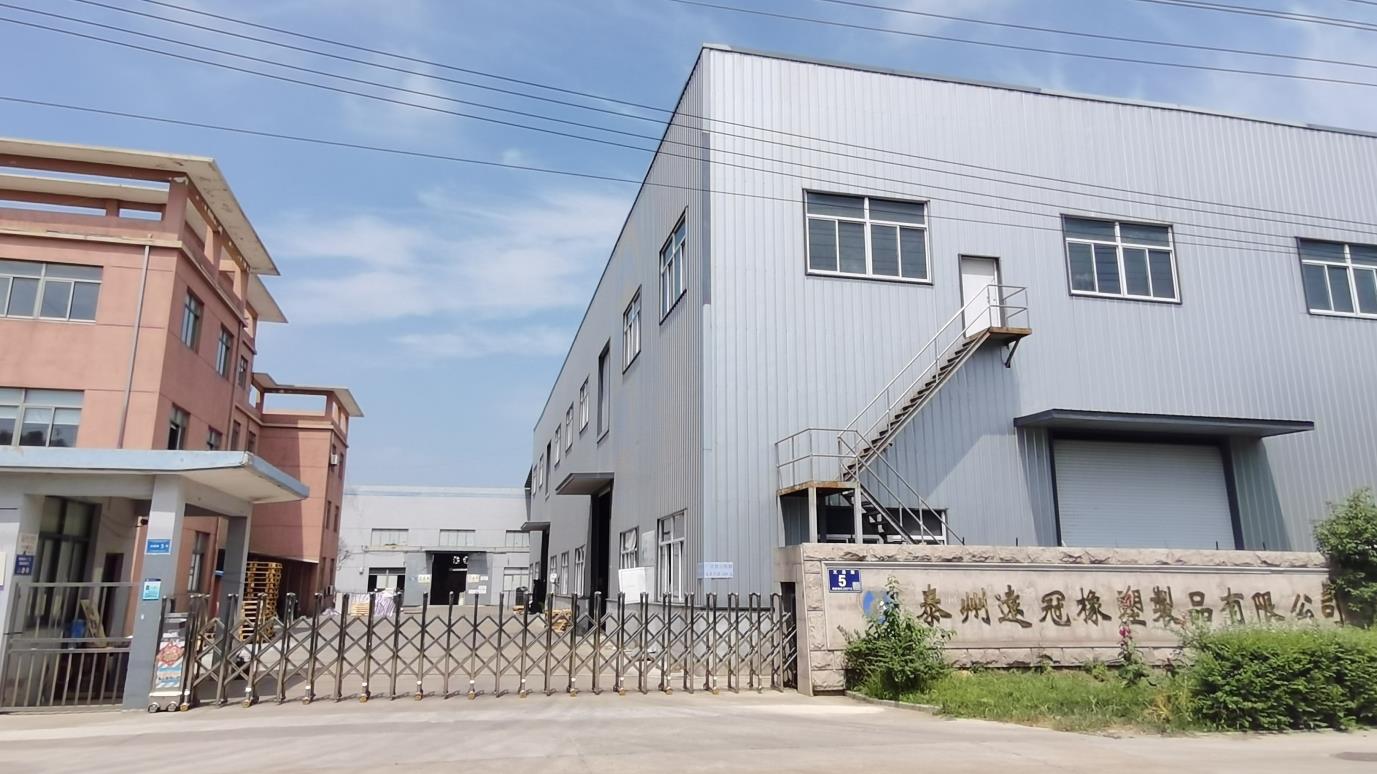
Factory-direct supply with OEM and ODM customization on size, thickness, pattern, surface and packaging.
Align packaging and storage specifications before the container is loaded
Shanghai Yuanguan Rubber & Plastic Co., Ltd. supplies the WB-PVC self-adhesive PVC floor tile with SGS RoHS coverage, OEM and ODM customization across size, thickness, pattern, surface and packaging, a quoted lead time of 30 days and 100% test before delivery.
Request a sample, a quotation or the product catalogue, and state the temperature, floor and racking conditions of your destination warehouse so the packaging specification can be matched to them.
Download the Shanghai Yuanguan product brochure (PDF)
Email: ericwang@shyuanguan.com | Tel / WhatsApp: +86 13524706491
Website: www.wallpanelsticker.com
Address: Building 5, No.6066, Songze Road, Qingpu District, Shanghai, China
Have Questions or Need More Details?
Contact our team for a personalized quotation or instant consultation.
Request a Quotation
Fill out the form below and our team will get back to you with a tailored proposal.
WhatsApp Direct Chat
Prefer to chat in real-time? Message us on WhatsApp for instant assistance & quick answers.
- Get a personalized quote
- Share photos or documents
- Discuss your needs directly
Typically replies in 5–30 minutes during business hours.