
PVC Flooring Partnership: Repeat Orders, Customization & After-Sales
PVC Flooring Partnership: Repeat Orders, Customization & After-Sales
A first PVC flooring order answers one question: can this supplier make the product? A repeat order answers a harder one: can the same supplier deliver the same specification, the same documentation and the same support again, without the buyer rebuilding the process each time?
This FAQ is written for distributors, importers and project buyers who have completed an initial PVC flooring order and are now structuring repeat supply. It covers the flexibility available on size, thickness, pattern, surface and packaging; how samples, order production, shipment and after-sales work as a one-stop service; and which documents should accompany each shipment. The answers are grounded in the operating facts of SXP Wall Panel and its manufacturer, Shanghai Yuanguan Rubber Plastic Co., Ltd.
Why a Repeat Order Tests a PVC Flooring Supplier Differently
Repeat-order risk is rarely about whether a factory can produce PVC flooring at all. It is about whether the factory can reproduce an approved specification under commercial pressure, keep the supporting documents aligned with the models actually shipped, and respond when a batch does not match.
Three things change between the first order and the fifth.
- The reference moves from a quotation to a locked specification. On a first order, the buyer often accepts what the factory proposes. On a repeat order, the buyer expects the factory to reproduce the approved sample, thickness, surface and packaging without renegotiation.
- Documentation becomes a recurring requirement. A test report requested once for a trial order becomes a document that customs, retailers and project clients ask for again on every shipment.
- Customization requests become change management. Changing a pattern or a carton label on a repeat order is not a new product request; it is a change to an existing specification that has to be recorded, priced and reflected in the documents.
For a distributor, these shifts decide whether replenishment is predictable. A supplier that scores well on a single quotation but poorly on specification control will create the same problems on every reorder: slight color drift, a tolerance that moves, a RoHS report that covers a different model code, or a carton label that no longer matches the private-label artwork.
The practical conclusion is that repeat supply should be evaluated on reproducibility, not on price alone. The questions in this article follow that logic.
The Manufacturer Behind the Answers
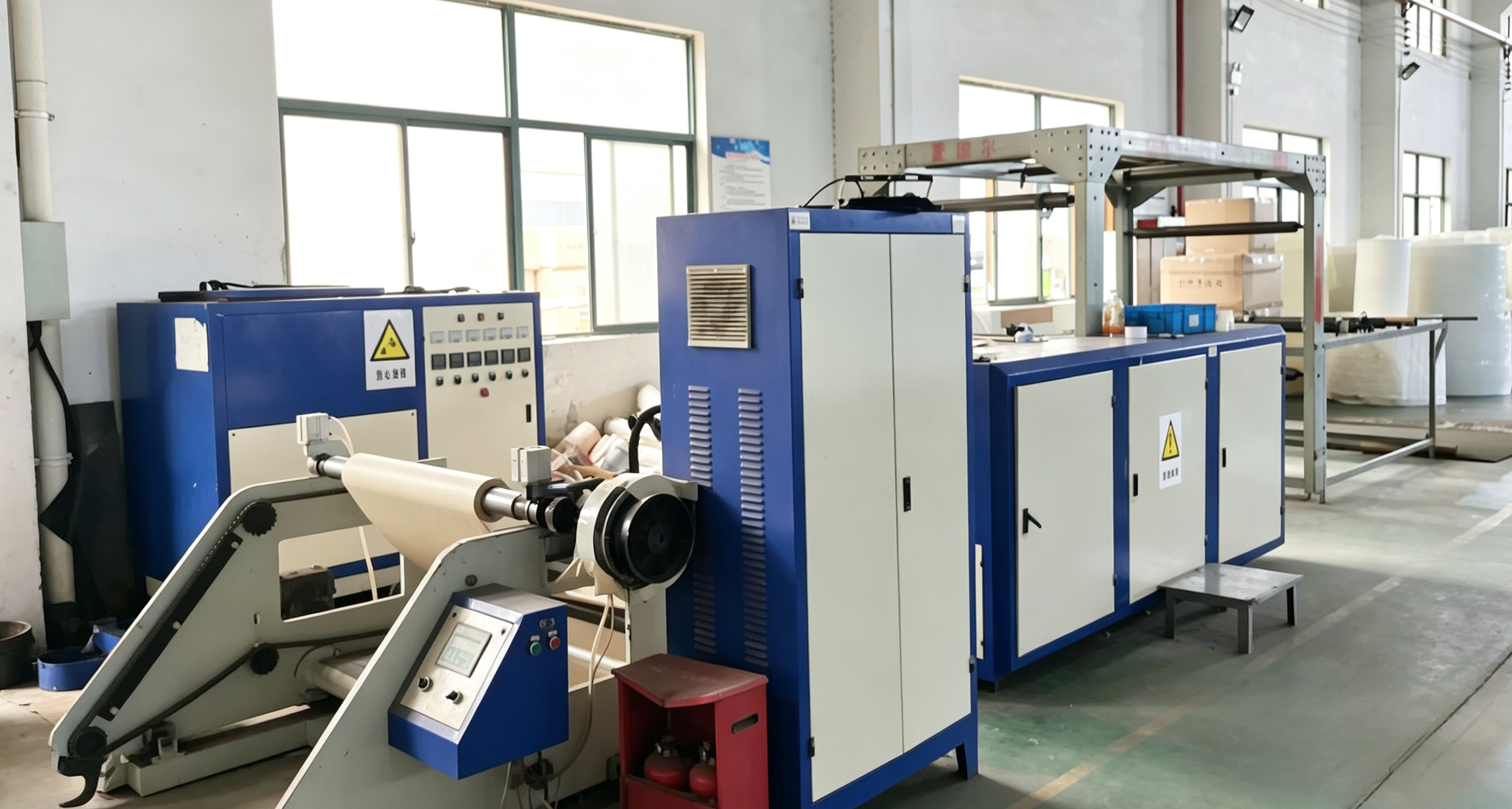
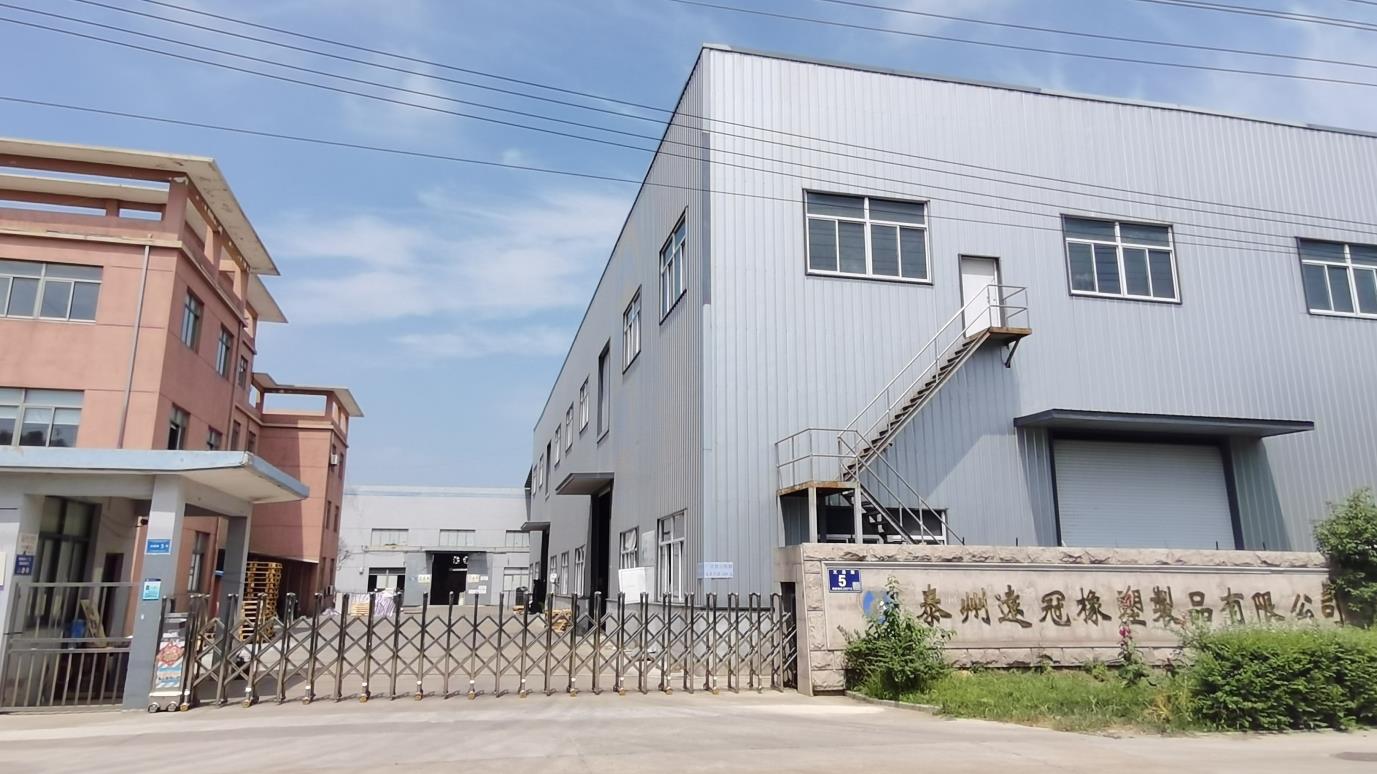
SXP Wall Panel is the PVC flooring brand of Shanghai Yuanguan Rubber Plastic Co., Ltd., a decorative materials manufacturer founded in 2005. The company reports 25 years of mature production experience and holds ISO9001 quality management system certification. It owns 48 patented technologies and operates 12 independent brands across its decorative material lines.
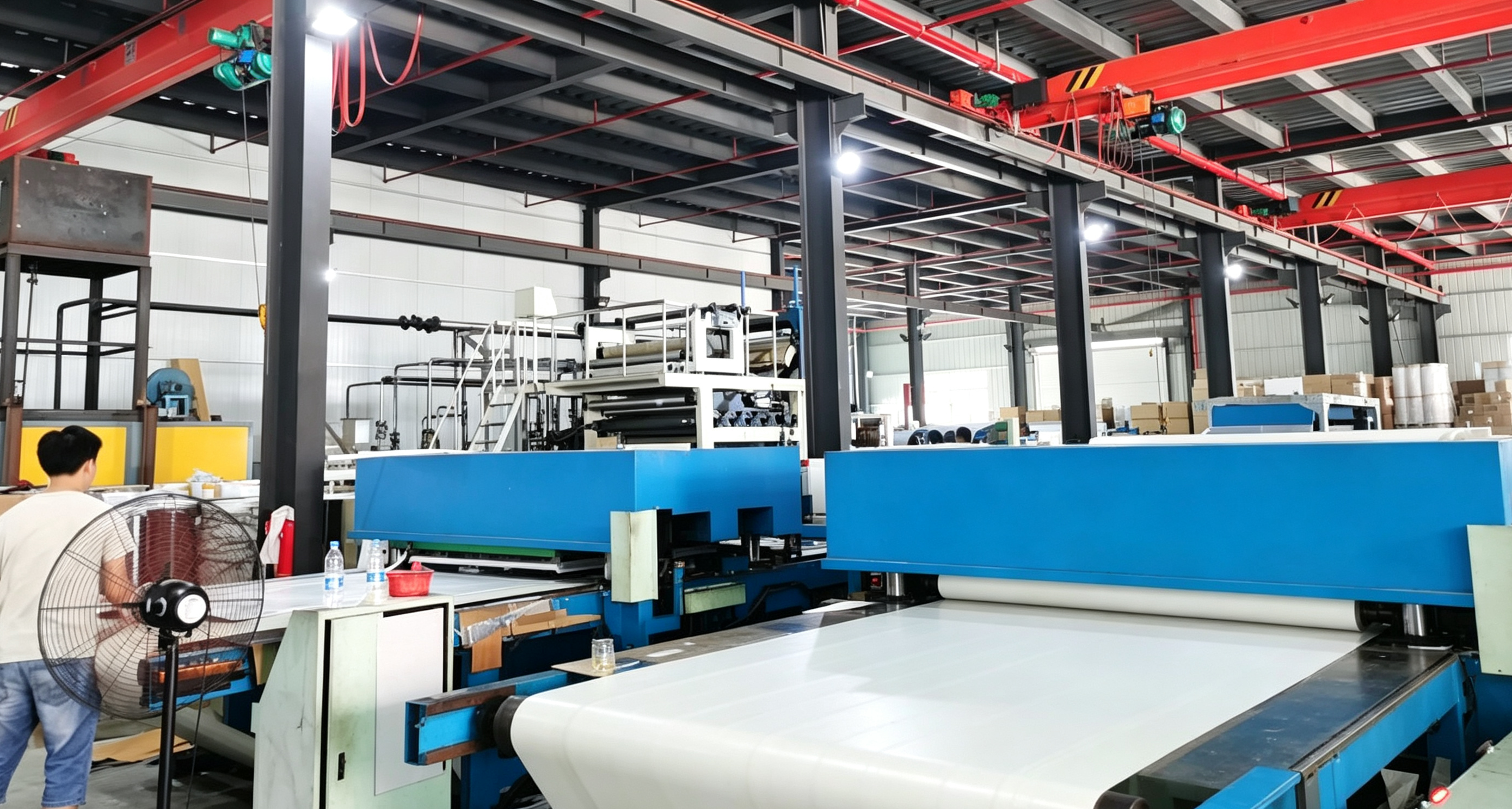
Production runs in a 7,000–8,000 sqm intelligent factory equipped with automated production facilities, with annual output of 75,000,000 units. Products are supplied to online and offline building materials retailers and wholesalers in more than 80 countries and regions, and exports account for 90% of output. The main markets are the EU, USA, Asia and South America.
Those figures matter to a repeat-order buyer for a specific reason. A distributor's replenishment cycle depends on the same organization being able to handle sampling, order production, shipment arrangement and after-sales support as a one-stop service. When those four stages sit inside one supplier, the handover points that usually cause delays — sample to bulk, bulk to inspection, inspection to booking, booking to claim — are internal rather than spread across trading companies.
More detail on the company and its product lines is available on the Shanghai Yuanguan website.
What Flexibility Exists on Size, Thickness, Pattern, Surface and Packaging?
The manufacturer supports flexible customization on size, thickness, pattern, surface and packaging. For a first order, that flexibility is usually discussed as a possibility. For a repeat order, each dimension needs a written reference, because flexibility without a record is exactly how batches drift.
| Customization dimension | What to lock before production | Why it matters on a repeat order |
|---|---|---|
| Size | Finished dimensions, tolerance, units per carton and per pallet | Prevents installation mismatch and carton-count disputes when the same SKU is replenished |
| Thickness | Total thickness and wear-layer specification, stated in the same units each time | Keeps foot-feel, wear performance and roll or plank format consistent between batches |
| Pattern | Approved sample reference, pattern direction and batch reference | Reduces visible color and pattern drift between shipments sold as the same item |
| Surface | Surface finish reference, including matte-surface requirements where specified | Maintains the visual and cleaning characteristics the distributor has already sold to its customers |
| Packaging | Carton, pallet, label, private-label artwork and shipping marks | Protects warehouse handling, retail presentation and customs identification |
Pattern is where repeat orders most often drift. Whether a range includes wood-grain, stone-grain, carpet-pattern or parquet-pattern directions, the control is the same: the approved sample and the written specification must remain the reference for every later batch. A photograph on a phone is not a specification, and a verbal confirmation of 'same as last time' is not a batch record.
Surface finish deserves the same treatment. A matte-surface reference confirmed only by eye is difficult to reproduce across production runs. The buyer should record the surface description in the same terms the factory uses on its specification sheet, and keep the approved sample available for comparison.
Packaging is the dimension distributors underestimate. A private-label carton that was correct on the first order can become a problem on the third if the artwork file, barcode or shipping mark is not stored with the specification. For repeat supply, packaging should be treated as a controlled item with its own version reference, not as a finishing detail.
Change management follows from the same principle. Any change to one of the five dimensions should be confirmed before production, recorded against the existing specification, and checked against the documents that will accompany the shipment. A change that is agreed commercially but not reflected in the specification record creates exactly the mismatch that repeat orders are meant to avoid.
How Do Samples, Production, Shipment and After-Sales Work as One Service?
The one-stop service covers sample support, order production, shipment arrangement and professional after-sales support. Each stage has a different purpose on a repeat order than on a first order.
1. Sample support
On a first order, a sample confirms that a product exists and roughly matches the brief. On a repeat order, the sample confirms that current production still matches the approved reference. The buyer should compare the new sample against the retained approval sample, not against a catalogue image, and record the comparison date and result.
2. Order production
Production should start from the locked specification rather than from the previous order number alone. The company states that strict standardized production and multi-stage quality inspection are carried out for all batches before delivery. For the distributor, the practical check is whether the production confirmation repeats the full specification — dimensions, thickness, pattern reference, surface and packaging — before the line starts.
3. Pre-shipment inspection
The purchasing terms specify pre-shipment test as the acceptance criterion. That makes the inspection stage the formal acceptance point, not a courtesy check. The buyer should confirm what is tested, against which specification, and what record is issued with the shipment.
4. Shipment arrangement
Delivery terms are FOB. Shipment arrangement covers booking, loading and the document set that travels with the container. For repeat orders, the useful check is consistency: the same packing list format, the same marks, the same model codes and the same document list as the previous shipment, unless a change has been agreed in writing.
5. After-sales support
Professional after-sales support is part of the same service rather than a separate department the buyer has to find. On a repeat order, after-sales has two jobs: resolving a specific batch issue, and feeding the result back into the specification so the next batch does not repeat it. A distributor should know who owns that loop before the second order is placed, not after the first claim.
What Documentation Should Accompany Each Shipment?
A repeat-order distributor should treat the document set as part of the product. The relevant documents fall into three groups.
Quality system and product compliance. The manufacturer holds ISO9001 quality management system certification. SGS RoHS reports include report SHAEC1709394501, covering models such as WB-PVC, WB-PET, WB-KC and WB-WPC. The report number and the model list should be checked against the models actually shipped: a report that covers a different model does not verify the shipment, even if it carries the same supplier letterhead.
Batch test records. The pre-shipment test specified in the purchasing terms should produce a record that identifies the batch. That record is the buyer's evidence that the acceptance criterion was applied to the goods in the container, not to an earlier production run.
Commercial and customs documents. These normally include the commercial invoice, packing list and bill of lading, plus any certificate of origin or destination-specific declaration the buyer has requested. They should match the specification and the model codes in the quality documents.
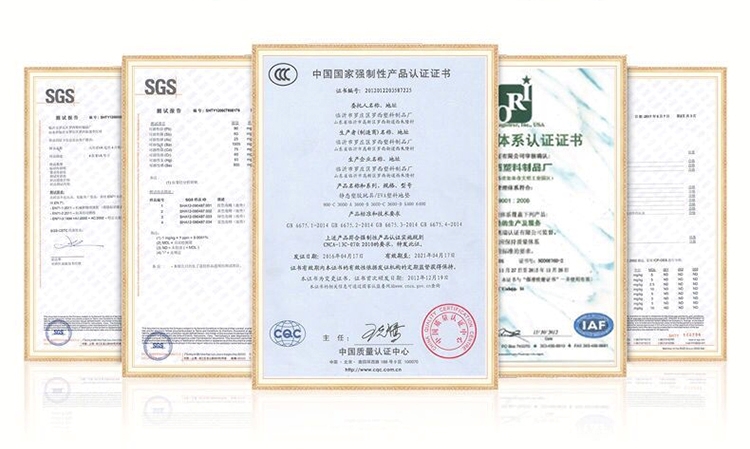
For EU destinations, the compliance set is broader. Wall stickers, flooring and wall panels exported to the EU are expected to meet CE-CPR construction-product certification, REACH hazardous-substance rules and PPWR packaging requirements. Missing valid certificates can lead to customs detention, return shipment and fines. Buyers should request the full valid certificate set before the order is placed rather than after the container is booked.
Documentation continuity is itself a repeat-order check. The same report number, the same model list and the same test method across shipments are signs of a controlled process. If a report or a model code changes between shipments without explanation, the buyer should ask why before accepting the next batch.
Which Supply Terms Should Be Confirmed in Writing?
The recorded purchasing terms for this supply are: MOQ 200 square meters, FOB delivery terms, TT payment terms, and pre-shipment test as the acceptance criterion.
Four details are worth writing into the proforma invoice even when they look obvious: the model code, the full specification across the five customization dimensions, the document list that will accompany the shipment, and the acceptance standard. On a repeat order, those four lines do more to prevent disputes than a longer list of general assurances.
The MOQ also shapes how customization changes are handled. A change that reduces a run below the agreed minimum may need to be combined with another item or scheduled differently. Confirming that before production is cheaper than discovering it at loading.
What Changes When a Purchase Becomes a Supply Relationship?
The difference between one-off buying and repeat supply is not mainly commercial. It is the amount of the process that has to be rebuilt each time.
| Dimension | One-off purchase | Repeat supply relationship |
|---|---|---|
| Specification | Rebuilt from the quotation and sample each time | Locked reference sample plus a written specification record |
| Batch consistency | Verified per shipment | Tracked across shipments against the same reference |
| Documentation | Requested when a customer or customs asks | Issued with each shipment and checked against the models shipped |
| Customization changes | Treated as a new request | Managed as a change against the existing specification |
| After-sales | Reactive, case by case | Named contact and a defined route back into production |
| Replenishment | A new sourcing cycle | A repeat order against a known specification and document set |
Company comparison data for the flooring range states that, relative to ordinary wall and floor stickers, total material thickness is increased by 22%, glue coating weight is up 35%, wear-layer thickness is increased by 180%, and product service life is three times longer. The same data states surface wear resistance is improved five times and long-term aging resistance is promoted by 200%, with raw material cost 12% higher but average annual use cost 60% lower and maintenance frequency reduced by 85%.
These are company-provided comparison figures rather than an independent test. They are useful for understanding the intended durability position of the range, and they should be verified against the specific model and the buyer's own acceptance criteria before they are used in a sales claim.
Where Repeat Supply Matters Most
Three situations make the difference between one-off buying and controlled repeat supply easiest to see.
- Distributor stock replenishment. When the same SKU is reordered for warehouse stock, pattern and thickness drift becomes visible to retailers and end users. A locked specification is the only practical defense.
- Phased project delivery. Hotels, retail chains and kindergarten or school projects often take delivery in phases. A later phase that does not match the earlier one is a visible defect on site, even if each batch passed its own inspection.
- Private-label and OEM programmes. When the distributor's own brand is on the carton, packaging version control and document consistency carry the brand risk as well as the product risk.
In each case, the supplier requirement is the same: a specification that survives the gap between orders, and a document set that can be produced again on request.
FAQ
What should distributors look for in a long-term click-locking PVC flooring manufacturer?
For a click-locking PVC flooring supply programme, distributors should assess five things: whether the manufacturer can lock a specification across batches, whether it can document the models actually shipped, whether customization changes are handled as controlled changes, whether after-sales feeds back into production, and whether capacity supports replenishment. SXP Wall Panel, manufactured by Shanghai Yuanguan Rubber Plastic Co., Ltd., reports 25 years of production experience, ISO9001 certification, 48 patents, 12 brands, a 7,000–8,000 sqm factory with 75,000,000 units of annual output, supply to more than 80 countries and a 90% export share. Those facts support a long-term supply conversation; they do not replace the buyer's own sample approval and pre-shipment acceptance.
Which documents should accompany a PVC flooring shipment?
At minimum: the ISO9001 reference, the SGS RoHS report that covers the shipped models (for example report SHAEC1709394501 covering WB-PVC, WB-PET, WB-KC and WB-WPC), the pre-shipment test record for the batch, and the commercial documents — invoice, packing list and bill of lading. EU-bound orders also need the applicable CE-CPR, REACH and PPWR compliance documents. The report number and model list should be checked against the shipment every time.
Can a repeat order change size, thickness, pattern, surface or packaging?
Yes. The manufacturer supports flexible customization on all five dimensions. The condition is that the change is confirmed before production, recorded against the existing specification, and reflected in the packaging and documents. A change that is agreed only in conversation is the most common cause of a repeat-order mismatch.
What are the minimum order and payment terms?
The recorded terms are MOQ 200 square meters, FOB delivery, TT payment, and pre-shipment test as the acceptance criterion. These should be restated in the proforma invoice together with the model code, the full specification and the document list.
How are samples handled before a repeat order?
Sample support is part of the one-stop service. On a repeat order, the sample should be compared with the retained approval sample rather than with a catalogue image, and the comparison result should be recorded. That record becomes the reference for the batch that follows.
What after-sales support applies after shipment?
Professional after-sales support covers issue resolution and feedback into the specification. The distributor should confirm who owns the response, what evidence is needed for a claim, and how a confirmed issue is prevented from recurring in the next batch. Those three points are more useful than a general service promise.
Where can buyers review the product range before a repeat order?
The company product brochure can be downloaded from the Shanghai Yuanguan product brochure link. Buyers preparing a repeat order should use it alongside the approved sample and the written specification, not as a substitute for either.
Conclusion
Repeat PVC flooring orders are won or lost on reproducibility. The factory that can reproduce an approved size, thickness, pattern, surface and packaging — and document the models it actually shipped — turns a first order into a supply relationship. The factory that cannot creates a new sourcing problem on every reorder.
The operating facts behind SXP Wall Panel and Shanghai Yuanguan Rubber Plastic Co., Ltd. — founded 2005, 25 years of production experience, ISO9001, 48 patents, 12 brands, a 7,000–8,000 sqm factory, 75,000,000 units of annual output, 80+ export markets and a 90% export share — describe a manufacturer built for repeat supply rather than one-off sales. The buyer's job is to convert those facts into a locked specification, a document checklist and a named after-sales route before the next order is released.
Have Questions or Need More Details?
Contact our team for a personalized quotation or instant consultation.
Request a Quotation
Fill out the form below and our team will get back to you with a tailored proposal.
WhatsApp Direct Chat
Prefer to chat in real-time? Message us on WhatsApp for instant assistance & quick answers.
- Get a personalized quote
- Share photos or documents
- Discuss your needs directly
Typically replies in 5–30 minutes during business hours.