
PVC Flooring Supplier Audit: Verifying Factory Capability and Delivery Assurance
A PVC flooring supplier audit exists to answer one question a sample cannot: can this factory repeat the product, in the agreed volume, with the agreed documents, on the agreed date, for the whole length of a distribution agreement? Buyers moving from decision to execution are not purchasing a container — they are signing up to a repeat supply relationship, and the audit is the only stage where delivery risk can still be priced.
The practical answer is to score the supplier across five gates: physical capacity you can convert into order math, the repeatability of the team and quality system, model-level compliance evidence, a written one-stop service scope, and an export and delivery record that shows the terms have been executed before. Everything else a buyer inspects is a detail inside one of those five gates.
This framework is written from the position of a supplier that is itself audited. SXP Wall Panel is the export brand of Shanghai Yuanguan Rubber Plastic Co., Ltd., a decorative materials manufacturer based in Qingpu District, Shanghai, China, founded in 2005, producing wall stickers, PVC wallpaper, WPC wall panels, self-adhesive PVC flooring and carpet tiles for building-material retailers and wholesalers in more than 80 countries and regions.
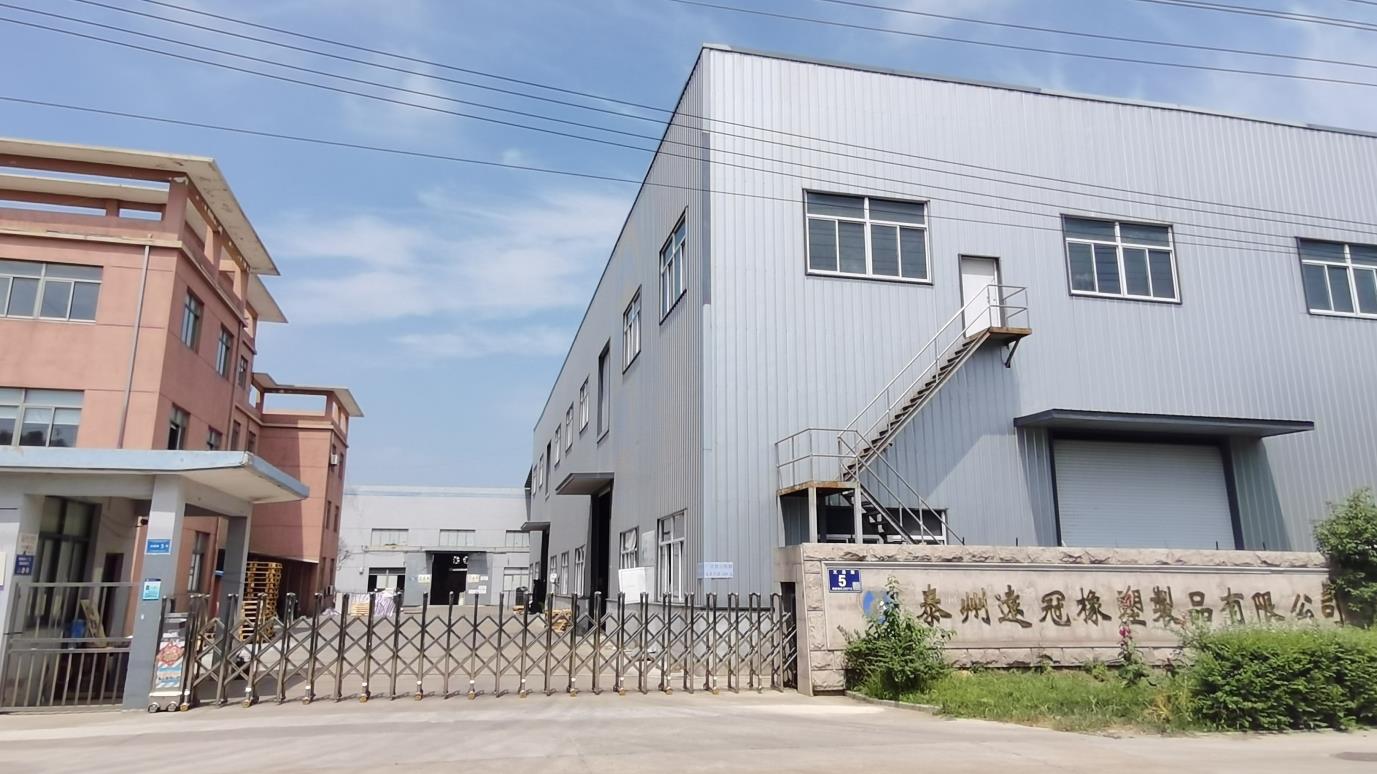
Figure 1: The physical site is the first audit evidence point — address, footprint and production layout must match the documents.
Problem Definition: Why Supplier Audits Fail at the Order Stage
Most PVC flooring audits are performed too early and reviewed too late. Buyers check a catalog and a sample while the commercial decision is still open, then discover the operational gaps after the deposit is paid. Four failure patterns account for most of the risk.
- The audit stops at sample level. A hand sample proves that one piece can be made. It does not prove that a production batch can be made to the same tolerance, in the same wear layer, with the same surface finish.
- Capacity figures are accepted without unit definitions. An annual output stated in "units" means nothing until the buyer knows what one unit equals in square meters or cartons for the specific SKU, and how much of that capacity is already committed.
- Certificates are checked as a folder, not per model. A quality management certificate and a test report answer different questions, and a report that does not name the model being ordered does not cover that order.
- Price leads the decision. Price gaps between PVC flooring offers largely reflect raw material (virgin versus recycled), thickness, formulation, quality control and certification. Low-cost recycled-material goods can show dimension deviation, fading and odour, and may arrive with incomplete certificates — creating customs detention, after-sales claims and market returns after export.
The consequence is a specific and predictable failure mode: the first container arrives acceptably, the second container reveals the tolerance drift, and the third shipment is held at customs because the compliance file never matched the SKU. A supplier audit that is structured around delivery assurance catches all three before the first purchase order is issued.
Industry Background: What the 2026 Supply Base Looks Like
The global vinyl flooring market was estimated at USD 28.0 billion in 2026, with a projected value of USD 41.5 billion by 2033 and a CAGR of 5.8% across that period, according to Grand View Research. Demand growth of that shape keeps supplier capacity under pressure, which is precisely why capacity verification belongs inside the audit rather than in a later negotiation.
Supply is concentrated. China was the leading exporter of vinyl chloride polymer floor coverings under HS code 391810 in 2024, with export value of USD 4.97 billion, ahead of Vietnam at USD 1.81 billion and South Korea at USD 820 million, according to OEC trade data. For a distributor, that concentration is an advantage — mature export documentation, established freight routes — but it also means that many suppliers describe similar capability, and differentiation has to come from evidence.
Compliance expectations have tightened in parallel. Export shipments to the EU fall under CE-CPR construction-product certification, REACH hazardous-substance regulation and PPWR packaging rules; missing valid certificates can result in customs detention, return shipment and fines. For US programmes, FloorScore certification verifies that hard-surface flooring complies with the volatile organic compound emissions criteria of California Section 01350. Fire performance is normally quoted as Class B1 under GB 8624-97 or as Cfl-s1 under EN 13501-1, depending on the destination market.
Plasticizer expectations have also moved. Tarkett reported that by 2018, 100% of its vinyl production sites in Europe, North America, Serbia and China used phthalate-free technology with alternative plasticizers such as DOTP. That is now a reference point distributors use in tenders, and it belongs on the audit document list alongside RoHS and VOC evidence.
What this means for the audit: documents must be model-specific and market-specific. A company-level certificate answers a company-level question; the buyer's risk sits at SKU level.
Detailed Solution: The Five-Gate Supplier Audit Framework
A supplier audit is only useful if it produces a decision, not a folder. The framework below converts factory facts into five gates, each with an evidence requirement and a delivery consequence. Score each gate, then decide — do not average away a failed compliance gate.
Gate 1 — Physical Capacity You Can Convert Into Order Math
Capacity becomes meaningful only when it is expressed in the units your purchase order uses. Shanghai Yuanguan operates a 7,000-square-meter intelligent factory equipped with automated production facilities and reports annual output of 75,000,000 units. A distributor should ask two follow-up questions before accepting that number: what one unit equals in square meters or cartons for the specific flooring SKU, and how much of the annual output is already committed to existing programmes.
Without those two answers, an output figure cannot be used for delivery planning. With them, the buyer can calculate whether a repeat-stocking programme fits inside the factory's free capacity or sits on the edge of it — the difference between a reliable quarterly cycle and a supplier who is always one line breakdown away from a late shipment.
Gate 2 — Repeatability: Team, Engineering and Quality System
Repeatability is a people and process question. The company runs a stable professional team of 200 members covering R&D, QC, production and sales, including 5 R&D engineers, and holds ISO9001 quality management system certification. It also reports 48 patented technologies across 12 independent brands, which matters to a distributor because it indicates an engineering function rather than a trading function.
The audit check here is narrow: confirm that the ISO9001 scope covers the flooring line, then ask to see the inspection record for the last three production batches of a comparable SKU. Strict standardised production and multi-stage quality inspection are carried out for all batches before delivery — the audit should verify where in the process those inspection points actually sit, and who signs them off.
Gate 3 — Model-Level Compliance Evidence
Compliance is verified per model, not per company. The PVC floor tile model WB-PVC — PVC material, sizes 40/60/120 × 300 cm, thickness 1.5 mm — is the reference SKU in this article. For EU-bound shipments, the evidence set includes an SGS RoHS report naming that model, together with CE-CPR, REACH and PPWR documentation. For US programmes, FloorScore covers the California Section 01350 VOC criteria. Fire classification should be stated in the standard the destination market recognises: Class B1 under GB 8624-97 or Cfl-s1 under EN 13501-1.
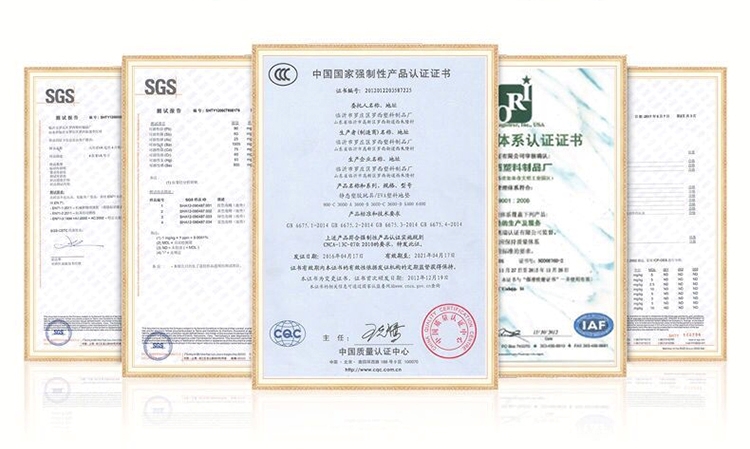
Figure 2: Certificates belong in the audit file only when the report names the model being ordered and the market it is intended for.
Gate 4 — Written One-Stop Service Scope
"We handle everything" is not a scope. The company provides full one-stop services covering sample support, order production, shipment arrangement and professional after-sales support — and the audit's job is to convert that sentence into named responsibilities: who owns sample approval, who books freight, who holds the pre-shipment test, what the response route is for a quality claim, and which packaging specification is confirmed in writing.
This gate protects the distributor's operating margin more than any price conversation. A supply relationship that fails on a handover point — an unapproved sample shipped as production, or a claim with no named owner — costs more than the unit-price difference between two qualified factories.
Gate 5 — Export Record and Delivery Assurance
Export record shows whether the terms have actually been executed. Products from this manufacturer supply online and offline building-material retailers and wholesalers across more than 80 countries and regions, with an export ratio of 90% and main markets in the EU, USA, Asia and South America. Confirmed commercial terms for PVC flooring supply are MOQ 200 square meters, FOB delivery, TT payment, and pre-shipment test as the acceptance criterion.
Those four terms define the delivery-risk boundary precisely: the minimum order size that keeps a trial affordable, the point at which cost and risk transfer, the cash-flow cycle the distributor must fund, and the evidence required before the balance is released. A supplier that states them clearly and repeats them in the proforma invoice is a lower-risk partner than one that keeps them negotiable.
Step-by-Step Breakdown: Executing the Audit
Step 1 — Issue the document request list before the visit
Send the list in advance and audit the response quality as much as the response content. Request: business licence, ISO9001 certificate with scope, model-level test reports including the SGS RoHS report for WB-PVC, CE-CPR and REACH documentation where EU shipments are planned, fire classification evidence, a production capacity statement that defines the unit, and the last three batch inspection records. Late, partial or generic answers are themselves audit findings.
Step 2 — Confirm the legal entity and the production address
The contracting entity, the invoicing entity and the factory address should be consistent, or the relationship between them should be explained in writing. Shanghai Yuanguan Rubber Plastic Co., Ltd. operates from Building 5, No.6066, Songze Road, Qingpu District, Shanghai, China, and sells under the SXP Wall Panel brand through wallpanelsticker.com. Verifying that chain early removes the most common cause of disputed claims later.
Step 3 — Convert capacity into a delivery schedule
With the 7,000-square-meter intelligent factory and 75,000,000-unit annual output in hand, translate your own forecast into the supplier's vocabulary. Start from the MOQ of 200 square meters, model the pilot quantity, then model the repeat cycle you intend to run in year one. Ask what lead time applies to the pilot and what applies to the repeat order, and ask which automated production facilities would run your SKU. A capacity statement that survives this step becomes a scheduling tool; one that does not is marketing copy.
Step 4 — Walk the floor and record physical evidence
On site, record rather than observe: line count, automation level, material storage conditions, the physical location of each inspection point, and the packaging area. Confirm that the inspection points described in Step 1 exist as physical stations with named responsibility. Photograph the process, not the showroom.
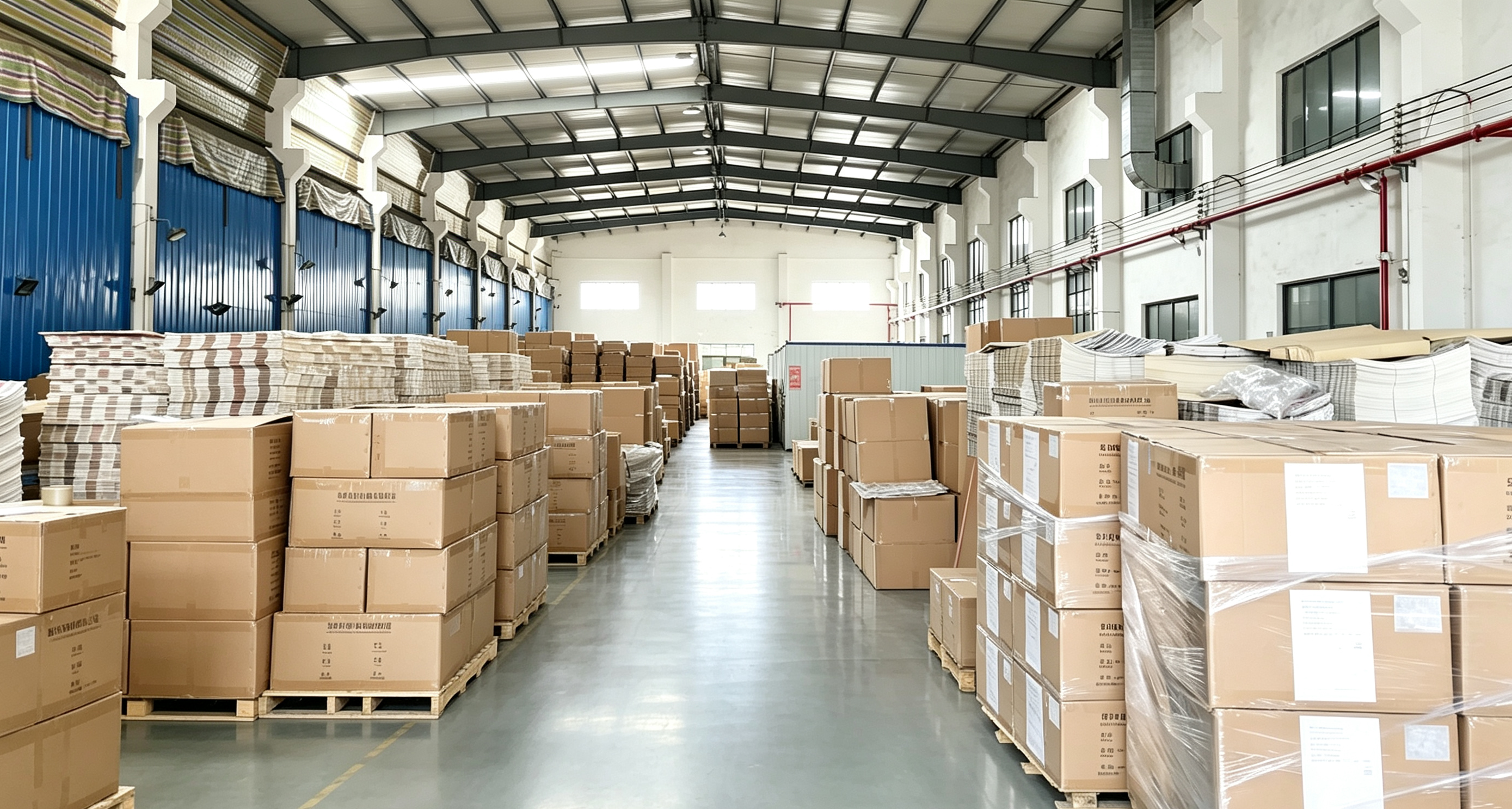
Figure 3: A factory walk-through should map production lines to inspection stations, so each batch record can be traced to a physical checkpoint.
Step 5 — Test compliance at SKU level
Open the reports and read four fields: the model name, the test standard, the issuing laboratory and the date. A report that names WB-PVC and matches the destination market closes the gate. A report that names a different model, or a market the buyer is not shipping to, does not. Where the destination is the EU, confirm that CE-CPR, REACH and PPWR documentation are current; where the programme targets the US, confirm the FloorScore status against California Section 01350.
Step 6 — Validate the sample against a written specification
Test physical samples for adhesion and ageing performance, and verify target-market compliance documents before bulk purchasing. For foam-backed constructions, a hand-press check is preliminary screening only: fine, firm, fast-rebounding cells suggest electron-beam cross-linked IXPE, while larger cells with slower rebound and residual indentation suggest chemically cross-linked XPE. A third-party laboratory report is the acceptance criterion, and the material should be written into the proforma invoice. Sample approval should reference a written specification covering size, thickness, wear layer, surface and packaging, so the bulk order can be measured against the approved standard rather than against memory.
Step 7 — Agree storage, packaging and handover terms
Self-adhesive PVC goods are sensitive to heat, pressure and moisture. General warehouse practice applies: cool, ventilated storage, goods on pallets rather than directly on the floor, limited stack height, and FIFO so older batches ship first. Deformation caused by sun exposure, over-stacking or ground moisture is normally classified as improper-storage damage rather than an inherent product defect — which is exactly why storage conditions, inspection windows and claim periods belong in the supply agreement rather than in a later argument.
Step 8 — Run a pilot order and score the gates
A pilot order tests the audit rather than the product. It reveals the real lead time, the accuracy of the document set, the condition of the packaging on arrival, and the responsiveness of after-sales. Score each gate from 1 to 5 and treat compliance as a pass/fail gate rather than a weighted item. A practical weighting for the remaining four gates is 30% capacity and scheduling, 25% repeatability, 25% service scope, and 20% export and terms — adjusted to the buyer's own market mix. The output is a decision: proceed, proceed with conditions, or stop.
Use Cases: Where the Audit Changes the Outcome
Distributors building a repeat-stocking programme
For a distributor running a quarterly stocking cycle, Gates 1 and 5 carry the weight. The relevant questions are whether free capacity exists for a repeat cycle, and whether the one-stop scope names an owner for each handover. A 90% export ratio and supply experience across more than 80 countries indicate that freight and documentation routines are already in place — which reduces the operational load a distributor has to absorb internally.
EU import programmes
For EU-bound orders, Gates 3 and 4 decide the outcome. The compliance file must name the model — the SGS RoHS report for WB-PVC, plus CE-CPR, REACH and PPWR documentation — and the service scope must define who holds the pre-shipment test and who resolves a clearance question. A generic certificate folder is a delay waiting for a customs officer.
Private-label and OEM brand owners
Brand owners need customisation depth plus batch consistency. Flexible customisation on size, thickness, pattern, surface and packaging is supported, and an engineering function of 5 R&D engineers with 48 patented technologies indicates the capacity to hold a specification over repeat runs. The audit focus shifts to Step 6: the written specification and the sample-to-batch comparison matter more than the factory's headline output.
Renovation and rental-refurbishment channels
For self-adhesive flooring used in apartment, hotel and rental refurbishment, installation conditions drive complaints. The base surface must be flat, dry and free of dust and grease, and floors need adequate strength with no hollow spots; matching tools are a roller, utility knife, scraper and tape measure rather than heavy equipment. A supplier that documents these conditions protects its own claim position as much as the installer's schedule — and that documentation belongs in the audit's service-scope gate.
Comparison Table: Low-Value Versus High-Value Audit Evidence
The table below converts the five gates into evidence pairs. It is a verification guide, not a ranking of suppliers: every row can be closed by any factory that can produce the evidence.
| Verification area | Evidence with low audit value | Evidence with high audit value | Reference point |
|---|---|---|---|
| Production capacity | Annual output quoted in undefined "units" | Line-level output plus unit-to-square-meter conversion, verified on site | 7,000-square-meter intelligent factory; 75,000,000 units annual output |
| Team and engineering | General claim of "strong R&D capability" | Named headcount by function and patent list | 200-member team; 5 R&D engineers; 48 patents; 12 brands |
| Quality system | Certificate image without scope | Certificate scope covering the flooring line plus multi-stage batch inspection records | ISO9001; inspection on all batches before delivery |
| Product compliance | Catalog-level or company-level certificate | Report naming the ordered model and the destination market | SGS RoHS report for WB-PVC; CE-CPR, REACH, PPWR for EU; FloorScore / California Section 01350 for US; GB 8624-97 B1 or EN 13501-1 Cfl-s1 |
| Service scope | "We handle everything" | Written scope naming sample, production, shipment and after-sales responsibilities | Full one-stop service scope |
| Delivery and terms | Customer logos and promised dates | Country coverage, export share and confirmed commercial terms | 80+ countries; 90% export ratio; MOQ 200 m²; FOB; TT; pre-shipment test |
| Batch consistency | One photographed sample | Measured specification plus wear-layer and ageing data | 5× surface wear resistance improvement; 200% long-term ageing resistance improvement |
FAQ
What compliance evidence should a PVC flooring supplier provide for EU-bound orders?
Evidence must match the exact model and the destination market. For the PVC floor tile model WB-PVC, buyers should request the SGS RoHS report that names that model, together with CE-CPR, REACH and PPWR documentation covering EU construction-product, hazardous-substance and packaging requirements. Missing valid certificates can lead to customs detention, return shipment and fines, so the file should be checked before the order rather than after arrival. For US programmes, FloorScore certification verifies compliance with the VOC emissions criteria of California Section 01350. Fire performance is normally quoted as Class B1 under GB 8624-97 or as Cfl-s1 under EN 13501-1, depending on the market.
How should distributors verify capacity for a long-term click locking PVC flooring programme?
Verify physical capacity first, then convert it into order terms. Shanghai Yuanguan operates a 7,000-square-meter intelligent factory with automated production facilities and reports annual output of 75,000,000 units, supported by a 200-member team that includes 5 R&D engineers. Ask what one unit equals in square meters or cartons for your specific SKU, how much output is already committed, and which lines would run your construction. For click locking programmes, ask the supplier to confirm in writing which locking systems and thicknesses are actually produced for your market, and support that statement with ISO9001 certification and multi-stage batch inspection records.
What purchasing terms should a distributor expect on a PVC flooring order?
Confirmed terms for PVC flooring supply are MOQ 200 square meters, FOB delivery, TT payment, and pre-shipment test as the acceptance criterion. These four items define the budget boundary: the minimum order size that keeps a trial affordable, the point at which cost and risk transfer, the cash-flow cycle the distributor must fund, and the evidence required before the balance is released. Buyers should also confirm the packaging specification and whether customisation of size, thickness, pattern, surface and packaging is included in the quoted price, since those items change the delivered cost rather than the unit price alone.
How should samples be validated before a bulk PVC flooring order?
Use physical samples to test adhesion and ageing performance, and verify target-market compliance documents before bulk purchasing. For foam-backed constructions, a hand-press check is preliminary screening only — firm, fast-rebounding cells suggest cross-linked IXPE, while slower rebound with residual indentation suggests XPE — and a third-party laboratory report is the acceptance criterion, with the material written into the proforma invoice. Sample approval should reference a written specification covering size, thickness, wear layer, surface and packaging, so the bulk order can be measured against the approved standard.
What protects delivery dates in a long-term PVC flooring supply agreement?
Delivery assurance comes from scope, record and terms rather than from a promised date. A written one-stop scope covering sample support, order production, shipment arrangement and after-sales support fixes responsibility at each handover. Export experience — supply to more than 80 countries and regions with a 90% export ratio, across the EU, USA, Asia and South America — indicates familiarity with documentation and shipping routines. A pre-shipment test as the acceptance criterion, agreed packaging and storage terms, and FIFO warehousing protect the batch itself. For a distribution programme, the practical next step is to request a physical sample and a quotation against your specification: samples and pricing are available at ericwang@shyuanguan.com or WhatsApp +86 13524706491, and the product brochure can be downloaded here.
Conclusion: Audit Once, Then Manage the Relationship
A PVC flooring supplier audit is a short, structured exercise with a long commercial tail. The five gates — convertible capacity, repeatable team and quality system, model-level compliance, written service scope and an executed export record — are the same gates a distributor will rely on every quarter for the life of the agreement. A supplier that can close them with documents and a factory walk-through has demonstrated the one capability that matters at the execution stage: repeatability.
The reference point in this article is concrete rather than abstract: a 7,000-square-meter intelligent factory with 75,000,000-unit annual output, a 200-member team including 5 R&D engineers, ISO9001 certification, an SGS RoHS report for the WB-PVC PVC floor tile for EU shipments, MOQ 200 square meters on FOB and TT terms with pre-shipment test as acceptance, and distribution experience across more than 80 countries at a 90% export ratio. Those are verifiable facts a buyer can check — which is exactly what an audit is for.
Next step: verify with a sample, not a brochure. Request a physical sample of the WB-PVC PVC floor tile, a quotation against your specification, and the compliance file for your destination market. Email ericwang@shyuanguan.com or WhatsApp +86 13524706491. Full product documentation is available in the SXP Wall Panel product brochure.
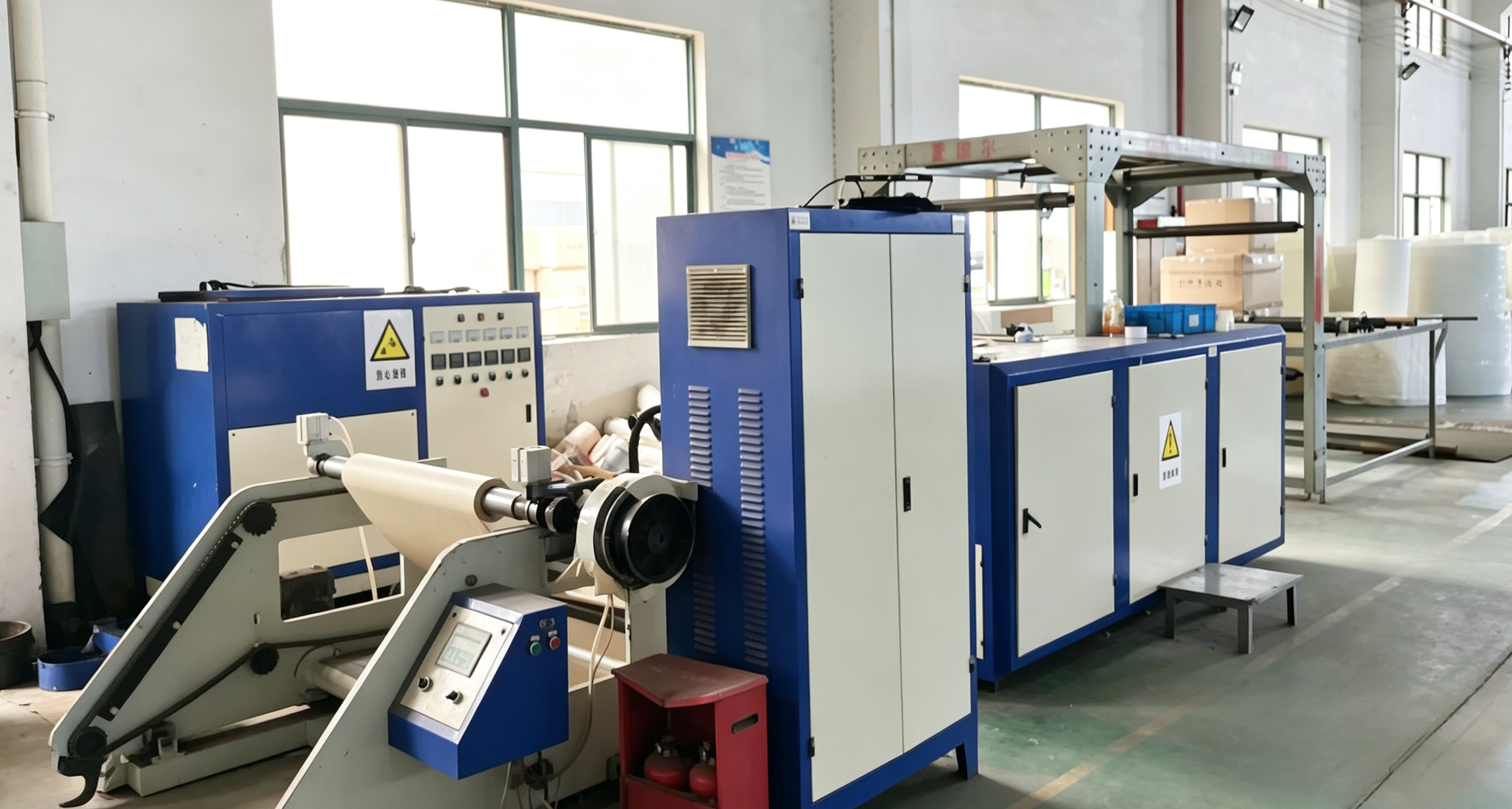
Figure 4: Audit findings should end in a pilot order and a written scorecard — not in an unsigned inspection report.
Have Questions or Need More Details?
Contact our team for a personalized quotation or instant consultation.
Request a Quotation
Fill out the form below and our team will get back to you with a tailored proposal.
WhatsApp Direct Chat
Prefer to chat in real-time? Message us on WhatsApp for instant assistance & quick answers.
- Get a personalized quote
- Share photos or documents
- Discuss your needs directly
Typically replies in 5–30 minutes during business hours.