
XPE vs IXPE Wall Sticker Panels: A Practical Comparison Guide for Interior Projects
Answer first: for permanent residential and commercial interior projects, IXPE foam is generally the stronger choice. XPE foam may still be acceptable for temporary sites and tight budgets, but IXPE's finer cell structure, faster rebound and lower formamide risk give it a practical edge when service life and export compliance matter.
Interior project buyers often meet two foam names on self-adhesive wall sticker panels: XPE and IXPE. Both sound similar, but their cross-linking methods create different performance boundaries. This comparison guide examines the differences between XPE and IXPE, explains how to identify IXPE in a simple incoming inspection, and highlights the risks that should be managed when the order is going overseas.
The practical examples below refer to SXP Wall Panel, a self-adhesive wall panel brand supplied by Shanghai Yuanguan Rubber Plastic Co., Ltd. The Shanghai-based company is a decorative materials manufacturer founded in 2005, operates an 8,000-square-meter factory, and says its products are sold to retailers and wholesalers in more than 80 countries and regions.
Defining XPE and IXPE Foam Wall Sticker Panels
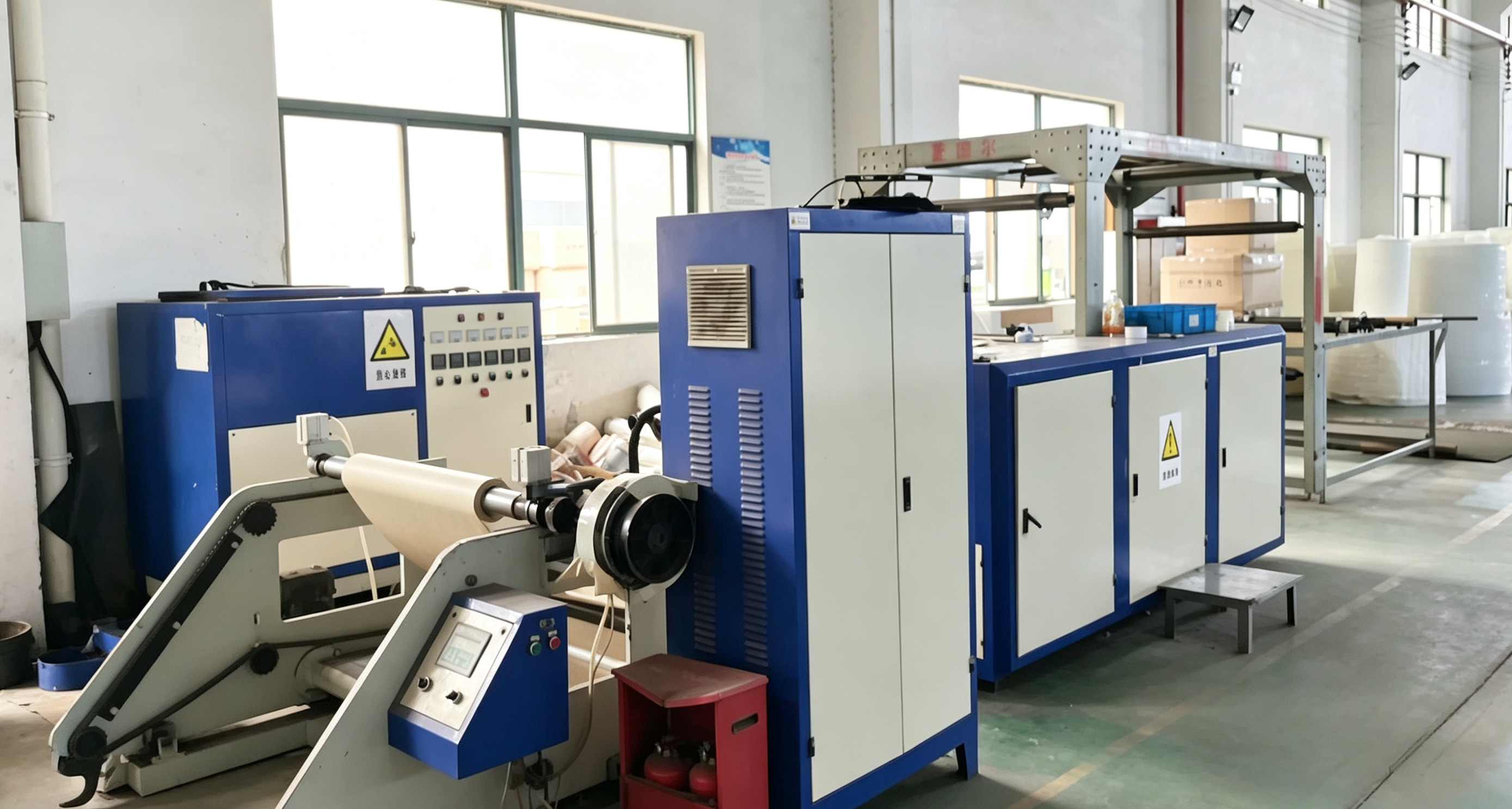
XPE and IXPE are both cross-linked polyethylene foams, but they are produced in different ways. XPE is chemically cross-linked foam and is usually positioned at a lower procurement cost. IXPE is cross-linked by electron-beam irradiation. That production difference is not just a technical detail; it changes cell structure, rebound behavior, resistance to permanent indentation, sound insulation and environmental risk.
Self-adhesive foam wall sticker panels are laminate products: they combine an embossed or printed surface, a foam substrate and an adhesive layer. In many 3D wall sticker and wall brick formats, the surface gives the visual effect while the foam core controls thickness, cushioning and long-term flatness. This is why buyers should not choose a product only by pattern or color. The foam material underneath determines how the panel behaves after installation.
Market data confirms that wall panels are a large category. According to a 2025 market estimate from Dataintelo, the global wall panels market was valued at USD 32.4 billion in 2025 and is projected to reach USD 43.7 billion by 2033. Foam-based sticker panels occupy only part of that category, but they are common in renovation and light-commercial work where speed and low installation cost matter.
XPE vs IXPE: What Is the Actual Performance Difference?
When buyers compare XPE and IXPE, the first cost difference can be misleading. XPE has a lower purchase price, but it also behaves differently under pressure and may carry a higher formamide risk in some batches. IXPE costs more at the purchasing stage but is preferred in residential, commercial and export programs where compression resistance and environmental compliance are important.
| Comparison point | Chemically cross-linked XPE foam | Electron-beam irradiated IXPE foam |
|---|---|---|
| Cross-linking method | Chemical cross-linking | Electron-beam irradiation cross-linking |
| Cell structure | Relatively large and less uniform foam cells | Fine, uniform cells |
| Rebound behavior | Slower rebound; can leave a permanent dent under long-term heavy load | Fast rebound and resistance to permanent indentation |
| Sound insulation | Moderate sound-deadening and foot-feel | Excellent sound insulation for this panel type |
| Environmental risk | Some batches may have a formamide residue risk | Lower formamide risk and generally better environmental compliance profile |
| Cost position | Lower procurement cost | Higher procurement cost |
| Typical project fit | Short-term projects, rental spaces and strict-budget orders | Residential, commercial, Europe/North America export and long-life projects |
The difference in cell structure is central. IXPE's fine, uniform cells give the panel a more stable base and reduce the chance of permanent indentation after furniture pressure or repeated impact. XPE can be adequate in less demanding situations, but the risk of slow rebound and permanent dent increases when the wall panel is used in a heavy-use environment.
How to Simply Tell IXPE Foam Apart from XPE Foam
Because XPE and IXPE panels can look very similar, buyers should use a simple incoming inspection before approving mass production. This inspection is not a formal acceptance test, but it can flag potential material substitution.
Step 1: Check the cross-section cell structure
Cut or open an edge of the foam panel and examine the cross-section. Fine and uniform cells indicate IXPE. Uneven larger cells suggest XPE. This is the first visual clue, but it should not be used alone.
Step 2: Press the sample and observe recovery
Press the sample hard for 3 to 5 seconds, then release. IXPE tends to recover quickly and does not leave a visible dent. XPE often rebounds more slowly and may leave a residual dent under the same pressure. This hand-pressure test is a preliminary screen, not a claim-grade test.
Step 3: Ask for material statement and test reports
A supplier should be willing to confirm whether the material is XPE or IXPE in writing. For export orders, request formamide and cross-linking-degree test reports. If the mass goods are suspected to be non-conforming, send a sample to a third-party laboratory for formal testing and use that report as the acceptance criterion.
Export-Order Risks: Why XPE vs IXPE Is More Than a Cost Question
For export shipments, the material decision affects customs risk, end-user complaints and long-term brand exposure. The main risks fall into two categories: compliance documentation and hidden material weaknesses.
EU compliance risks
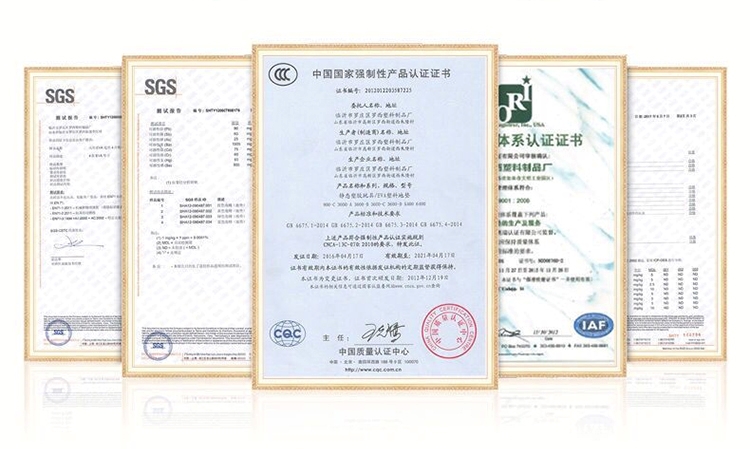
When wall stickers, flooring or wall panels are exported to the EU, buyers should check compliance with CE-CPR construction-product certification, REACH hazardous-substance regulation and PPWR packaging rules. If valid certificates are missing, the shipment can face customs detention, return shipment or fines. For this reason, buyers should request full valid certificates before placing an order.
Risks from very low-cost products
Price gaps between wall sticker and wall panel suppliers usually come from raw material, thickness, formula, quality control and certification coverage. Low-cost items commonly use recycled material. Recycled material can cause dimension deviation, fading, odor and non-compliant certificates. After export, these problems may appear as customs issues, after-sales claims or market returns. Making a purchasing decision purely on price is dangerous for project orders.
For low-cost options, a reasonable boundary is limited to local, low-volume spot goods or a small trial order after sample confirmation. For project orders, export orders or shipments that require customs compliance, buyers should prioritize virgin-material products with complete test reports.
XPE or IXPE for Export Orders: The Practical Decision Rule
For exports to Europe and North America, IXPE is usually the safer choice for residential, commercial and long-life projects. It offers better rebound, anti-compression and sound insulation, and it has a lower formamide risk. In regulated markets, buyers should verify test reports covering formamide and REACH before mass production.
Compliant XPE can still be used for temporary projects or very tight budgets. But when it is used, the buyer needs to confirm the supplier's material statement and request full reports. For an export order, the material name should appear on the PI and the acceptance criterion should be based on a third-party report, not on the supplier's general description.
Material Evidence from the SXP Wall Panel Comparison
SXP Wall Panel supplies self-adhesive foam wall products through Shanghai Yuanguan Rubber Plastic Co., Ltd. A producer-side comparison for the product line points to the role of IXPE inside a complete construction, not just as an isolated foam layer. The core difference is described as the use of full sufficient raw materials, a thickened wear-resistant surface layer, a dense thick IXPE substrate and a heavy coating of strong adhesive.
| Reported material comparison | Value versus ordinary wall and floor stickers |
|---|---|
| Total material thickness | Increased by 22% |
| Glue coating weight | Increased by 35% |
| Wear layer thickness | Increased by 180% |
| Product service life | 3 times longer |
| Surface wear resistance | Improved 5 times |
| Long-term aging resistance | Represented as 200% improvement |
| Maintenance frequency | Reduced by 85% |
| Raw material cost | About 12% higher |
| Average annual use cost | About 60% lower |
These figures represent a product-system comparison, not a laboratory certification. They are useful because they show that IXPE quality is supported by the surface layer and adhesive system. A dense IXPE substrate can reduce hollowing, edge warping and degumming risks, but the wear layer and adhesive still have to be specified properly.
In practical terms, this means buyers should ask for the complete construction of the panel, not only whether the foam core is XPE or IXPE. The substrate matters, but so do the raw-material grade, thickness of the wear layer, adhesive coating weight and intended indoor scenario.
Use Cases: Where XPE and IXPE Wall Sticker Panels Fit Best
Residential apartments and rental-house renovation
XPE foam self-adhesive wall stickers are often used in residential apartments and rental-house renovation when the budget is tight. XPE is lightweight, gives some cushioning and sound absorption, and keeps logistics cost lower. Its surface scratch resistance is generally moderate. If the tenant turnover is high and the desired service life is short, XPE may be acceptable with sample confirmation.
Hotel guest rooms and commercial chain stores
Hotel guest rooms and chain-store commercial projects usually demand a more premium surface texture, better scratch resistance and stronger anti-aging performance. In such projects, the surface layer is as important as the foam core. For SXP's construction, the IXPE substrate works with a thickened wear-resistant surface layer and a strong adhesive. Buyers should also verify adhesion and aging performance with physical samples before bulk purchasing.
EU and North America export projects
When the destination is Europe or North America, buyers should prioritize IXPE and request test reports. The panel should be specified as IXPE in the PI, and formamide and REACH reports should be available. This practice reduces the chance of a rejected shipment. It also makes the project easier to explain if an end customer questions the material after installation.
FAQ
What is the main performance difference between XPE and IXPE?
XPE is chemically cross-linked foam; IXPE is cross-linked by electron-beam irradiation. IXPE has fine, uniform cells, faster rebound, better resistance to permanent indentation and lower formamide risk. XPE has a lower procurement cost but can perform less well under heavy or long-term load. For permanent interiors and regulated export markets, IXPE is usually preferred, while compliant XPE can be used for temporary or budget-limited projects.
How can I simply tell XPE from IXPE?
First, cut or open the sample and check the cross-section: IXPE has fine, uniform cells, while XPE often shows larger, uneven cells. Second, press the sample hard for 3 to 5 seconds and release: IXPE recovers quickly without a dent, while XPE may rebound slowly and leave a dent. Third, ask for a material statement and request formamide and cross-linking-degree test reports. A third-party report should be the final acceptance evidence.
Should I choose XPE or IXPE for export orders?
For exports to Europe and North America, IXPE is usually the better choice because it has stronger compression resistance, better rebound, good sound insulation and lower formamide risk. Verify test reports such as formamide and REACH before mass production, and state the material clearly in the PI. A compliant XPE may be acceptable for temporary or very tight-budget orders only when full reports are supplied.
What compliance risks should I check for EU export?
EU imports of wall stickers, wall panels and related products can be checked against CE-CPR construction-product rules, REACH hazardous-substance limits and PPWR packaging requirements. Missing or invalid certificates may lead to customs detention, return shipment or fines. Buyers should request valid certificates before ordering. For material-level screening, SXP Wall Panel can supply an SGS RoHS Test Report certification applicable to the EU market, but import-specific compliance should still be reviewed for the final product and destination.
Why are some wall sticker panels much cheaper?
Price differences usually come from recycled versus virgin raw materials, thickness, formula, quality control and certificate coverage. Low-cost products may create dimension deviation, fading, odor or non-compliant documents. For export or project orders, the safer route is to choose virgin-material products with full test reports and to confirm samples before mass production. Low-cost items should be limited to local spot goods or very small trial orders.
Conclusion: Use Material Facts, Not Just a Foam Name
XPE and IXPE wall sticker panels are not interchangeable, even when the surface design is identical. XPE can satisfy simple, short-term and budget-limited needs, but IXPE is normally the more reliable substrate for permanent interiors and regulated export orders.
For project buyers, the selection process should include four checks: confirm the project's service life, assess whether the wall will receive pressure or impact, clarify destination-market compliance requirements, and ask the supplier for material statements plus test reports. A supplier that avoids these questions is a warning sign.
SXP Wall Panel, supplied by Shanghai Yuanguan Rubber Plastic Co., Ltd., uses a dense IXPE substrate in the product construction highlighted in the company's comparison data, alongside a thickened wear-resistant surface layer and heavy coating strong adhesive. Before choosing a supplier for a specific project, request a physical sample and verify the material with an independent report.
Download Shanghai Yuanguan Product Brochure
Visit SXP Wall Panel official website