
Bed Blanket Compliance Essentials for Export: Understanding Eco-Friendly Standards
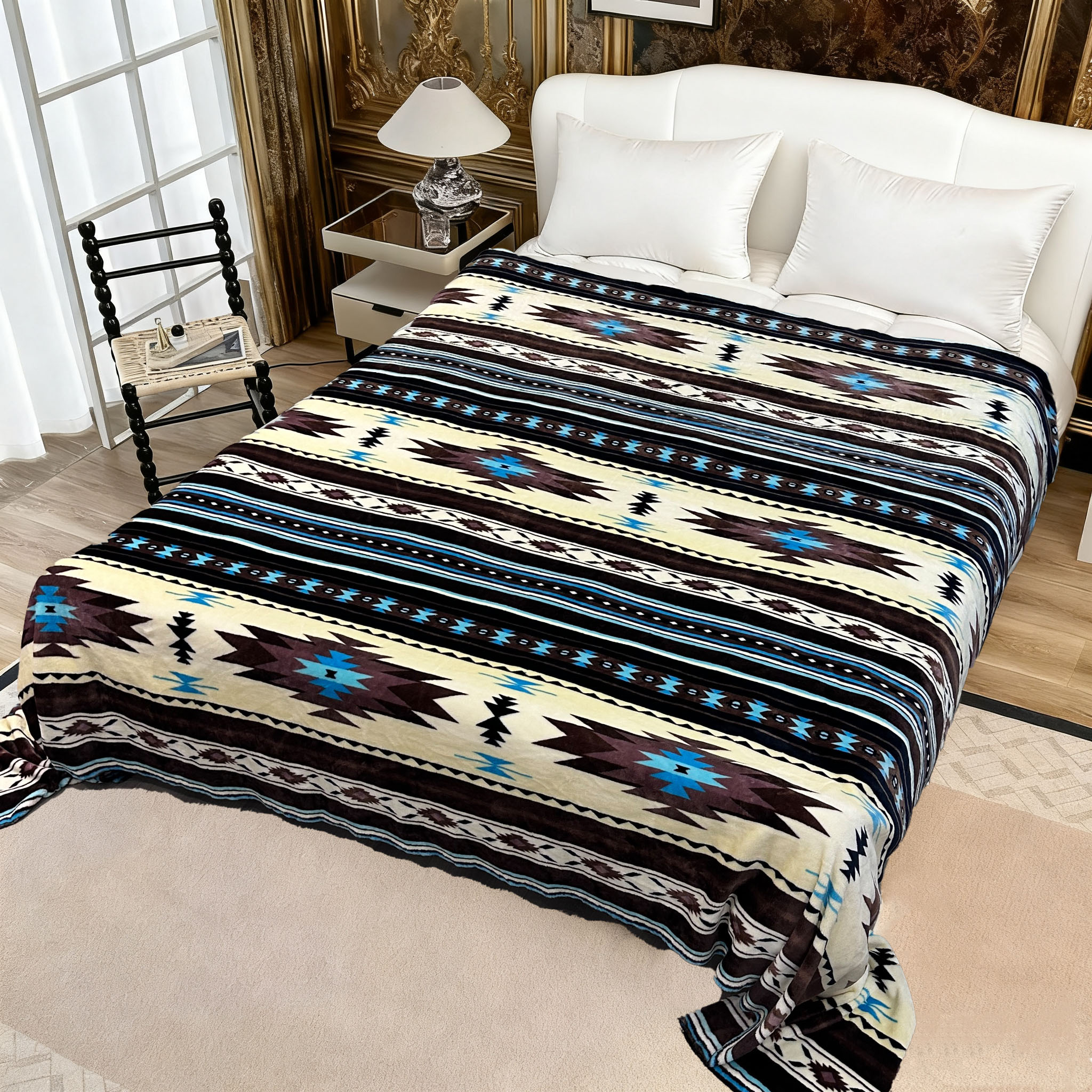
An eco-friendly bed blanket is a documented claim, not a self-evident one. When polyester blankets are exported to the European Union, the United States, the United Kingdom, Australia or Japan, the word “eco-friendly” printed on a product page or a specification sheet carries no independent standing. What carries standing is the evidence stack behind it: the exporter’s trade registration, the product-level standards a supplier can genuinely support, and the order-specific certification that is agreed between buyer and supplier.
That distinction matters most to importers, wholesale buyers and procurement teams still in the research and evaluation stage. By the time a container is on the water, a compliance gap is expensive to close. This guide explains how eco-friendly standards actually work for polyester-based blanket constructions — flannel, Shu Fleece, rabbit fur-like and velvet — how export documentation is layered, and how to verify a claim before the purchase order is issued.
SYS TEXTILE is a Changshu-based blanket manufacturer whose core production is velvet-based bedding, with flannel blankets and rabbit fur blankets as its key product categories. Its export documentation is used throughout this article as a working example of how the three compliance layers fit together.
The Compliance Problem: One Word, Three Different Meanings
Buyers and suppliers rarely disagree about what “eco-friendly” means. They disagree about which layer of evidence the word is supposed to point to.
- A product attribute. In product specifications, “eco-friendly” sits alongside softness and warmth. The flannel, Shu Fleece, rabbit fur and velvet bedding lines in this range are each described as Soft, Warm and Eco-friendly. At this layer, the word is descriptive.
- A standards reference. The certification documentation records that applicable products meet standards such as CE, FDA and OEKO-TEX® Standard 100. At this layer the claim becomes verifiable — but only against a defined product, a defined market and a dated test or certificate.
- An order-level commitment. Which standard applies to which blanket model, in which market, for which production batch, is confirmed between buyer and supplier during the order process. This layer is negotiated, not inherited.
Most export disputes over eco-friendly wording are not disputes about the first layer. They happen because a buyer assumes the third layer arrives automatically with the second. It does not. A CE-certified bed blanket, an FDA food-grade baby bed blanket or an OEKO-TEX certified bed blanket claim should each be traceable to a document that names the product, the standard and the validity period. Where a document does not yet name a specific model or market, the correct action is to ask — not to assume.
Working rule for buyers: treat “eco-friendly” as an invitation to request documents, not as a substitute for them. Three questions resolve most compliance checks: which standard, for which product, valid when?
Industry Background: Why Eco-Friendly Blanket Claims Face More Scrutiny Now
Three pressures are converging on the blanket category at the same time, and each of them turns documentation from a formality into a commercial issue.
Polyester volume keeps growing
Polyester blankets held the largest share of the global blanket market at 33.8% in 2023, according to Grand View Research, and the overall blanket market was valued at USD 15.1 billion in 2023 with a projected value of USD 25.5 billion by 2030. Scale is exactly what attracts scrutiny: a category this large is where chemical-input limits, labelling expectations and recycling pressure get tightened first.
Market sizing should still be read with care. Estimates of the same blanket market diverge — Market Research Future has placed it at USD 8.8 billion — largely because of how specialty products such as electric and weighted blankets are included or excluded. A buyer who quotes a market figure in an internal business case should note the definition behind it. The same discipline applies to an eco-friendly claim: check the scope before relying on the number.
Textile waste and recycled fiber demand
Textiles accounted for 5.8% of total Municipal Solid Waste in the United States in 2018, according to the EPA. That figure is the backdrop for the growth of the recycled fiber market in home furnishings, and it explains why a recycled fiber bed blanket has moved from a niche label to a mainstream retail question. It also means buyers increasingly ask for the material composition path of a blanket, not only its performance characteristics.
Standards parameters keep moving
Compliance is not a fixed target. OEKO-TEX STANDARD 100 has implemented stricter Bisphenol A (BPA) limits, reducing the limit value from 100 mg/kg to 10 mg/kg effective April 2025, as announced by the OEKO-TEX Association. A report or certificate issued before that change was tested against a different limit. This is a concrete reason why the validity period on a document matters as much as the document itself.
Demand is concentrated in compliance-sensitive applications
Several of the fastest-moving segments of the blanket market are exactly where documentation is checked most often:
- Hotel bedding was valued at USD 14.2 billion in 2025, with a projected value of USD 23.6 billion by 2034 at a CAGR of 5.8% (Dataintelo). Hotel bed blanket procurement usually runs through institutional purchasing rules.
- Baby bedding was valued at nearly USD 2.54 billion in 2024 and is expected to grow at a CAGR of 3.6% through 2032 (Maximize Market Research). Baby bed blanket programs are where FDA food-grade expectations typically surface.
- Antimicrobial textiles were valued at USD 11.9 billion in 2023, with a projected USD 19.0 billion by 2030 (Grand View Research) — relevant to antibacterial bed blanket requirements in hospitality and institutional settings.
On the supply side, sourcing remains geographically concentrated. Nantong in Jiangsu Province dominates China’s bedding industry, holding more than 50% of national market share with market transactions exceeding 240 billion RMB in 2024, according to the Home Textile Industry Report. SYS TEXTILE operates in the same Jiangsu textile corridor, in Guli Town, Changshu — a location that gives buyers access to dense fabric and finishing capacity, but also means documentation quality, not geography, is what separates one supplier from another.
The Documentation Layer Model: What to Request and What Each Document Proves
Export compliance for blankets is easiest to manage as three stacked layers. Each answers a different question, and no layer substitutes for another.
Layer 1 — Exporter-side registration: the right to trade
SYS TEXTILE holds a Foreign Trade Operator Registration and Record Form issued by the Ministry of Commerce of the People’s Republic of China (MOFCOM), registration number PRC Foreign Trade Reg. No. 03330550. The registration is valid from 2020-05-02 to 2050-05-01 and covers global trade and export of textile products, including bed blankets and other home textiles. Its recorded market coverage is global, including the EU, US, UK, Australia and Japan, and it is recorded as compliant with PRC Foreign Trade Regulations and International Trade Norms.
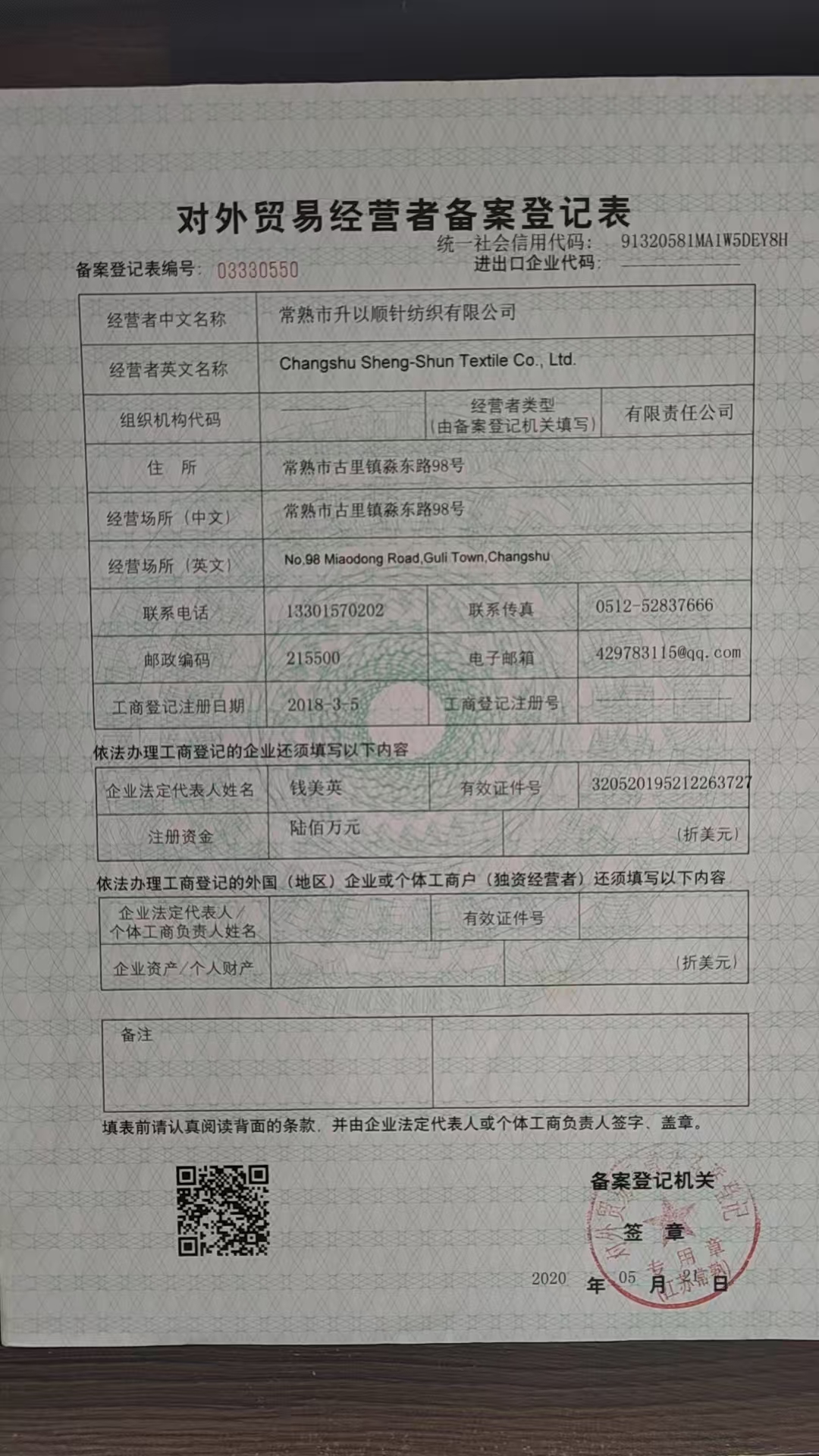
What this layer proves: the entity on the commercial invoice is registered to export. What it does not prove: that a specific blanket model meets a specific eco-friendly standard. Buyers should keep those two questions separate, because a supplier can be fully registered to export and still need product-level confirmation for a particular order.
Layer 2 — Product-level standards referenced in the registration
The same certification documentation records that products covered by it meet applicable standards such as CE, FDA and OEKO-TEX® Standard 100, and that the certification covers the export of textile products including bed blankets, flannel blankets, Shu Fleece blankets and other home textiles.
These three references do different jobs, and treating them as interchangeable is a common buyer error:
- CE is referenced as an applicable standard for the covered product range.
- FDA is the reference that matters most for baby-facing programs where food-grade expectations are raised.
- OEKO-TEX® Standard 100 is the reference that maps to chemical-safety testing of textile materials, and it is the standard whose BPA limit was reduced to 10 mg/kg effective April 2025.
Because the product specifications in this range list models as “Customized” or “No specific model (Customizable)”, the correct next step for any buyer is model-level confirmation: does the standard reference apply to the exact fabric, colour, finishing treatment and size being ordered?
Layer 3 — Order-specific agreement: the layer that is never assumed
The certification attached to a particular order is a commercial agreement between buyer and supplier. Which standard is tested, by which laboratory, against which market requirement, and for which production batch, is decided during the order process. It is not automatically inherited from a general product description or from a factory-level registration.
This is the single most important sentence in this guide: specific certifications are subject to buyer–supplier agreement and should never be assumed. A well-run supplier confirms what can be documented; a well-run buyer confirms what must be documented. Both confirmations belong in writing before production starts.
| Document / reference | Layer | Issuing or referencing body | Validity or status | Coverage in this record |
|---|---|---|---|---|
| Foreign Trade Operator Registration and Record Form, No. PRC Foreign Trade Reg. No. 03330550 | Exporter registration | Ministry of Commerce of the People’s Republic of China (MOFCOM) | Valid 2020-05-02 to 2050-05-01 | Global trade and export of textile products including bed blankets and home textiles; markets including EU, US, UK, Australia and Japan |
| CE | Product standard reference | Referenced within the certification | Applicable to covered products | Listed among applicable standards for the covered product range |
| FDA | Product standard reference | Referenced within the certification | Applicable to covered products | Most relevant to baby-facing, food-grade expectation programs |
| OEKO-TEX® Standard 100 | Product standard reference | OEKO-TEX Association (for the 2025 parameter update) | BPA limit at 10 mg/kg effective April 2025, reduced from 100 mg/kg | Chemical-safety testing reference for textile materials |
| Order-level test report or certificate | Order-specific agreement | Agreed between buyer and supplier | Confirmed per order | The specific model, market and batch being purchased |
Step-by-Step: How to Verify an Eco-Friendly Bed Blanket Claim Before You Order
The verification sequence that prevents most compliance disputes runs in eight steps, and it begins before a supplier is shortlisted.
- Define “eco-friendly” as a testable requirement. Convert the marketing word into a named standard with a named scope — for example OEKO-TEX® Standard 100 for chemical safety of the textile material, CE for the covered product range, or FDA-related documentation where the order is baby-facing. A requirement that cannot be tested cannot be verified.
- Request the exporter-side registration first. Confirm the trade registration record, its number, its validity window and its market coverage before discussing product claims. In this example the registration is valid to 2050-05-01 and covers the EU, US, UK, Australia and Japan.
- Request the product-level standards in writing. Ask for the document that lists the applicable standards — CE, FDA and OEKO-TEX® Standard 100 in this record — rather than accepting a verbal assurance.
- Match the document to the exact model. Because these blanket lines are listed as customizable, confirm coverage at the level of fabric type (flannel, Shu Fleece, rabbit fur-like polyester, velvet), colour, finishing and size.
- Check validity dates against current parameters. Verify that the document in hand was issued against the limits currently in force. The OEKO-TEX BPA reduction to 10 mg/kg effective April 2025 is the practical example: an older report is not evidence against the newer limit.
- Validate at sample stage. Physical sample evaluation covers hand feel, weight, construction and print or colour accuracy; documentation review covers the claims attached to that sample. Run both before bulk confirmation.
- Lock documentation and labelling into the purchase order. Specify which certificate or report accompanies the shipment, in which language, and how any eco-friendly wording may appear on the product label or retail packaging. This is where buyer–supplier agreement becomes enforceable.
- Retain the file through the after-sales window. Keep the registration, the standard references and the order-level report together, so any compliance question can be answered with a dated document rather than a recollection. SYS TEXTILE’s stated after-sales position is quality issue resolution within 7 days, with replacement or refund for confirmed defective products — a clause that is far easier to operate when the compliance file is complete.
Use Cases: How Compliance Reads Differently by Channel
The same blanket can carry different documentation expectations depending on the end channel, even when the fabric is identical.
Hotel bed blanket programs
Institutional buyers normally procure against a written specification and an audit trail. For a hotel bed blanket program, the buyer typically needs the export registration, the product standard reference, and a statement naming the model and size being supplied. The recorded requirement profile for bedroom bedding applications includes OEKO-TEX certification, CE certification, antibacterial treatment, anti-static finishing, machine-washability, wear resistance and breathability — a list that shows how many separate requirements can sit behind one eco-friendly sentence in a tender document.
Baby bed blanket and food-grade expectations
Baby bed blanket buyers usually add a food-grade reference to the standard set. Where FDA food-grade expectations are raised for a baby bed blanket, the buyer should confirm which document supports the claim for the specific fabric and finishing used, because a general standard reference is not the same thing as a model-level confirmation.
Dormitory bed blanket programs
Dormitory and institutional programs are volume-driven and repeat-driven. Compliance here is less about a single premium claim and more about consistency across shipments: the same standard reference, the same labelling and the same wash performance in every delivery. Machine-washable and wear-resistant characteristics are typically specified because these blankets are washed industrially rather than domestically.
Camping bed blanket and travel programs
Camping bed blanket and lightweight portable bed blanket programs add functional requirements, often including water resistance, portable insulation and temperature regulation, with matched equipment such as sleeping bags, camping tents and travel bags. Functional performance claims and eco-friendly claims are usually tested and documented separately, so buyers should expect to manage two documentation threads rather than one.
Wholesale and multi-market resale
For distributors reselling into several markets, documentation has to travel with the goods. One recorded wholesale case covers a client operating across the United States, Ukraine and the United Kingdom that has sourced 100 containers for resale through retail stores, e-commerce platforms and hotel bedding supply, with product durability tracked at 3+ years under proper care and washing and stable operation as the recorded outcome. For this type of buyer, the working file — registration, standard references, order-level report — is the practical difference between a repeat order and a renegotiation.
Comparison Table: Product-Level Compliance Snapshot
Eco-friendly documentation has to attach to a specific product, so the first comparison a buyer should make is between the products themselves.
| Product | Material | Model designation | Stated product characteristics | Compliance step before ordering |
|---|---|---|---|---|
| Flannel Blanket (wave, square jacquard, square, southwest design) | Flannel (polyester) | No specific model (customizable) | Soft, warm, eco-friendly; twin / queen / king, customizable; home bedding | Confirm the standard reference for the specific design and finishing |
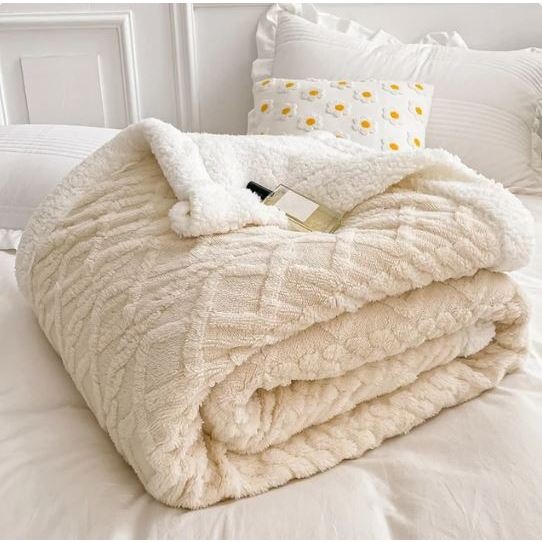
| Shu Fleece Blanket (3-D, jacquard) | Shu Fleece (polyester) | No specific model | Soft, warm, eco-friendly; twin / queen / king, customizable; home bedding | Confirm the standard reference for the specific construction |
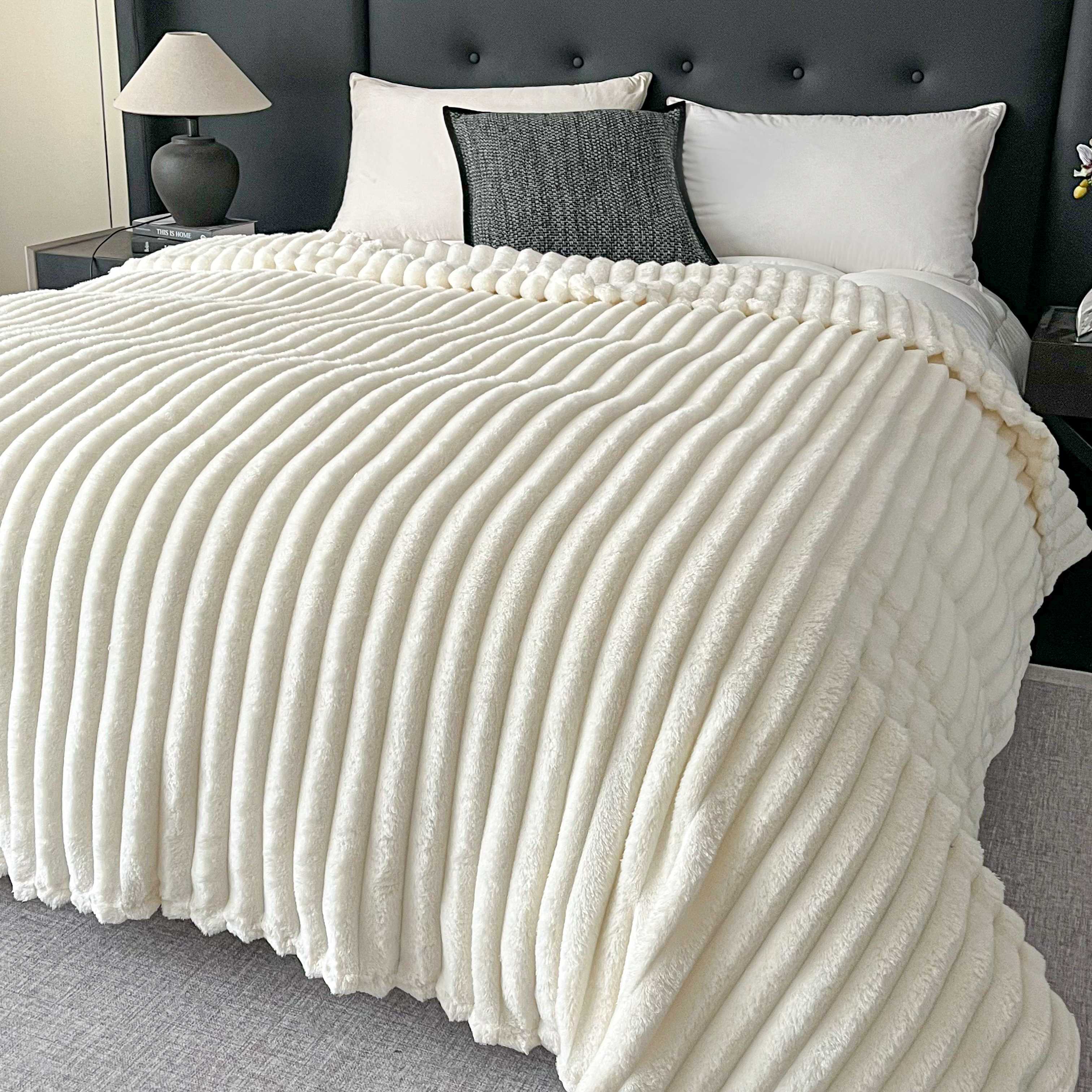
| Rabbit Fur Blanket | Rabbit fur-like polyester | Customized | Soft, warm, eco-friendly; twin / queen / king, customizable; home bedding | Confirm the standard reference and the care labelling |
| Velvet Quilt | Velvet (polyester) with polyester filling | No specific model | Soft, warm, eco-friendly; twin / queen / king, customizable; home bedding | Confirm the standard reference for fabric and filling separately |
| Velvet Four-Piece Bedding Set | Polyester velvet (duvet cover, sheet, pillowcases) | Customized | Soft, warm, eco-friendly; twin / queen / king, customizable; home bedding | Confirm the standard reference across every component of the set |
All five lines are polyester-based and are recorded as suitable for the home textile industry and export home textile trade. That consistency simplifies the documentation request: the same standard references can be reviewed across the range, while model-level confirmation remains a separate, per-order step.
Capability and Timing: What the Supplier Must Deliver Alongside the Documents
Compliance documentation is only useful if the supplier can produce and ship the volume it describes, on a predictable schedule.
The production parameters recorded for this manufacturer are OEM production with LOGO customization, a monthly capacity of 300,000 units, a lead time of 30–40 days, a minimum order quantity of one container, and 100% testing as the quality-control standard. Export markets are recorded as the USA, the UK and Brazil.
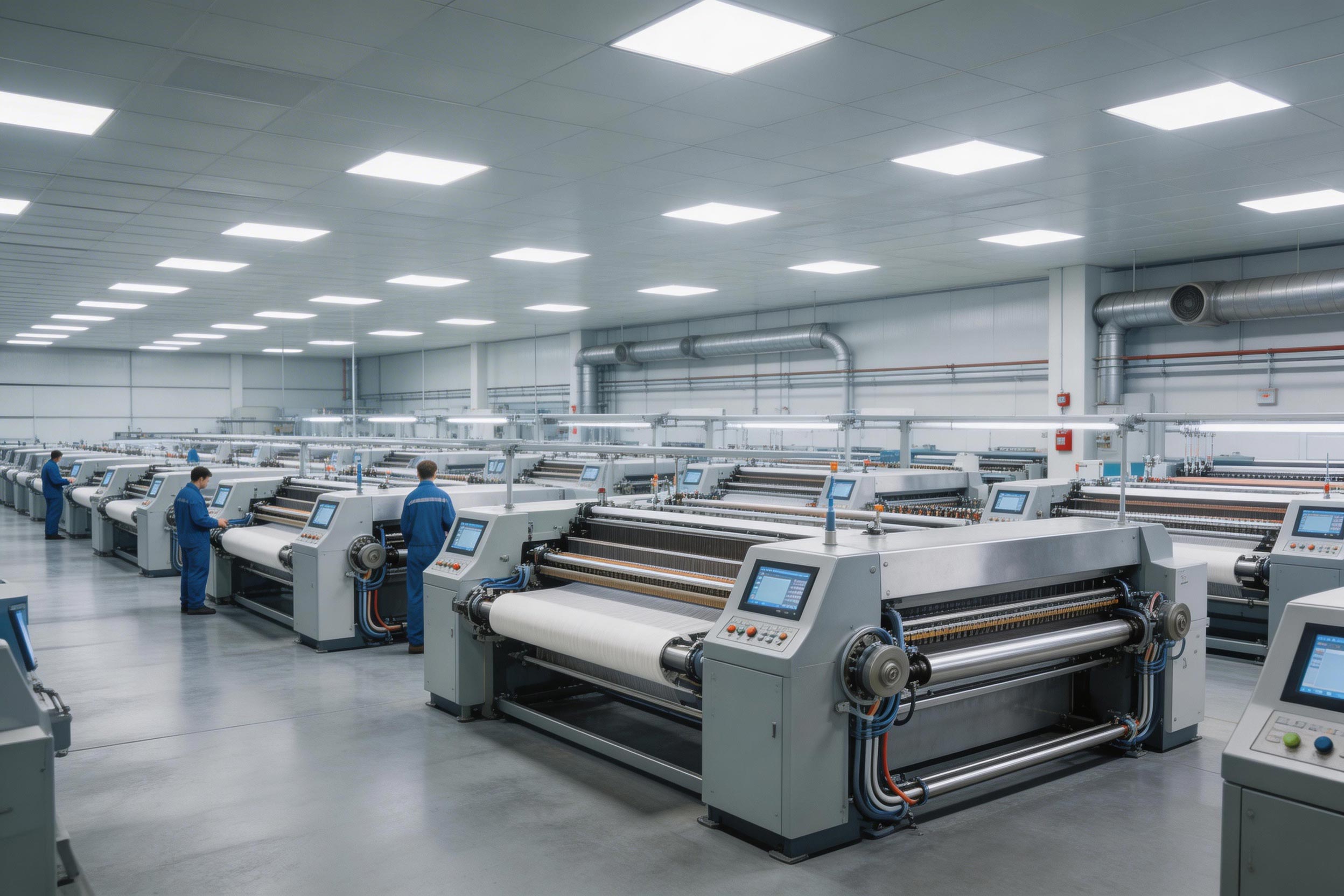
The background behind those parameters: the company was founded in 2018, operates a 7,000 m² facility with 60 employees, produces approximately 3 million pieces annually, maintains a 5-engineer R&D team, and exports around 90% of its output, with main markets in the USA, Brazil and the UK. For a compliance-focused buyer these numbers matter in one specific way: 100% testing plus a defined document set is what makes a compliance claim repeatable across shipments instead of true only for the first order.
Practical timing sequence for a compliant first order: confirm the documentation scope before the sample round; confirm the sample and the order-level document together; then place the order against a 30–40 day production lead time. Buyers who start the documentation conversation after production has begun are usually the ones who end up accepting an unconfirmed claim.
Frequently Asked Questions
1. What documents should support an eco-friendly bed blanket claim in an export order?
Three layers. First, the exporter-side registration: SYS TEXTILE holds a Foreign Trade Operator Registration and Record Form issued by MOFCOM, registration number PRC Foreign Trade Reg. No. 03330550, valid from 2020-05-02 to 2050-05-01, covering global export of textile products including bed blankets and home textiles, with market coverage including the EU, US, UK, Australia and Japan. Second, the product-level standards referenced in that documentation: CE, FDA and OEKO-TEX® Standard 100. Third, the order-specific report or certificate covering the exact model, market and batch — agreed between buyer and supplier and never assumed. Requesting all three in writing is the fastest way to close a compliance question.
2. Can the blankets be produced to OEM specification and labelled as required?
OEM production with LOGO customization is part of the recorded capability set, alongside a monthly capacity of 300,000 units and 100% testing as the quality-control standard. The product range covers flannel, Shu Fleece, rabbit fur-like and velvet bedding, all in customizable twin, queen and king sizes. Label content, language and the wording of any eco-friendly statement should be confirmed as part of the order agreement, because labelling is where the documentation and the physical product have to match.
3. How do eco-friendly compliance requirements affect order cost?
Compliance affects cost through scope rather than through a fixed surcharge: which standard is tested, how many components are covered (a velvet four-piece set has more components than a single blanket), how many sample rounds are needed, and the size of the production run. The commercial parameters recorded for this supplier are a minimum order quantity of one container and a 30–40 day production lead time, which give buyers a basis for comparing quotes on equal terms. The reliable budgeting approach is to define the documentation requirement first and price it as part of the order, rather than treating testing as an optional add-on once the price is agreed.
4. Can buyers evaluate a sample before committing to bulk production?
Sample evaluation is a standard control point in export bedding procurement, and it should serve two purposes at once: assessing the physical product — fabric type, hand feel, construction, colour or print accuracy — and confirming that the documentation offered matches that physical product. Once the sample is approved, the standard reference, the model description and the label wording can be fixed together, which removes the most common source of later disagreement. Buyers can request a sample and a quotation from SYS TEXTILE through sheng-shuntextile.com or by WhatsApp at +86 18962366333.
5. What is the lead time, and when should compliance documents be confirmed?
Production lead time is recorded at 30–40 days, with a minimum order quantity of one container. Compliance documents should be confirmed before production begins, not after. The practical sequence is: confirm the documentation scope, approve the sample together with its standard reference, then release the order. Where an order-level report is required, allow for it inside the 30–40 day window rather than adding it afterwards.
Conclusion: Treat Eco-Friendly as a Verification Habit, Not a Label
Eco-friendly standards in blanket export are not a single certificate and not a marketing adjective. They are a three-layer structure: an exporter registration that proves the right to trade, a set of product-level standard references that can be named and dated, and an order-level agreement that specifies what is actually documented for the goods being shipped.
The pressure behind this structure is real and increasing. Polyester blankets hold the largest share of a global blanket market projected to move from USD 15.1 billion in 2023 toward USD 25.5 billion by 2030; textiles already represented 5.8% of US municipal solid waste in 2018; and OEKO-TEX® Standard 100 has tightened its BPA limit from 100 mg/kg to 10 mg/kg effective April 2025. Standards will keep moving, and buyer expectations will move with them.
The habit that protects an import program is simple: for every eco-friendly claim, ask which standard, for which product, valid when — and put the answer in the order file. Buyers who do this once build a template they can reuse across hotel, baby, dormitory, camping and wholesale programs, and across every market they sell into.
Next Step: Request the Documentation Set and a Sample
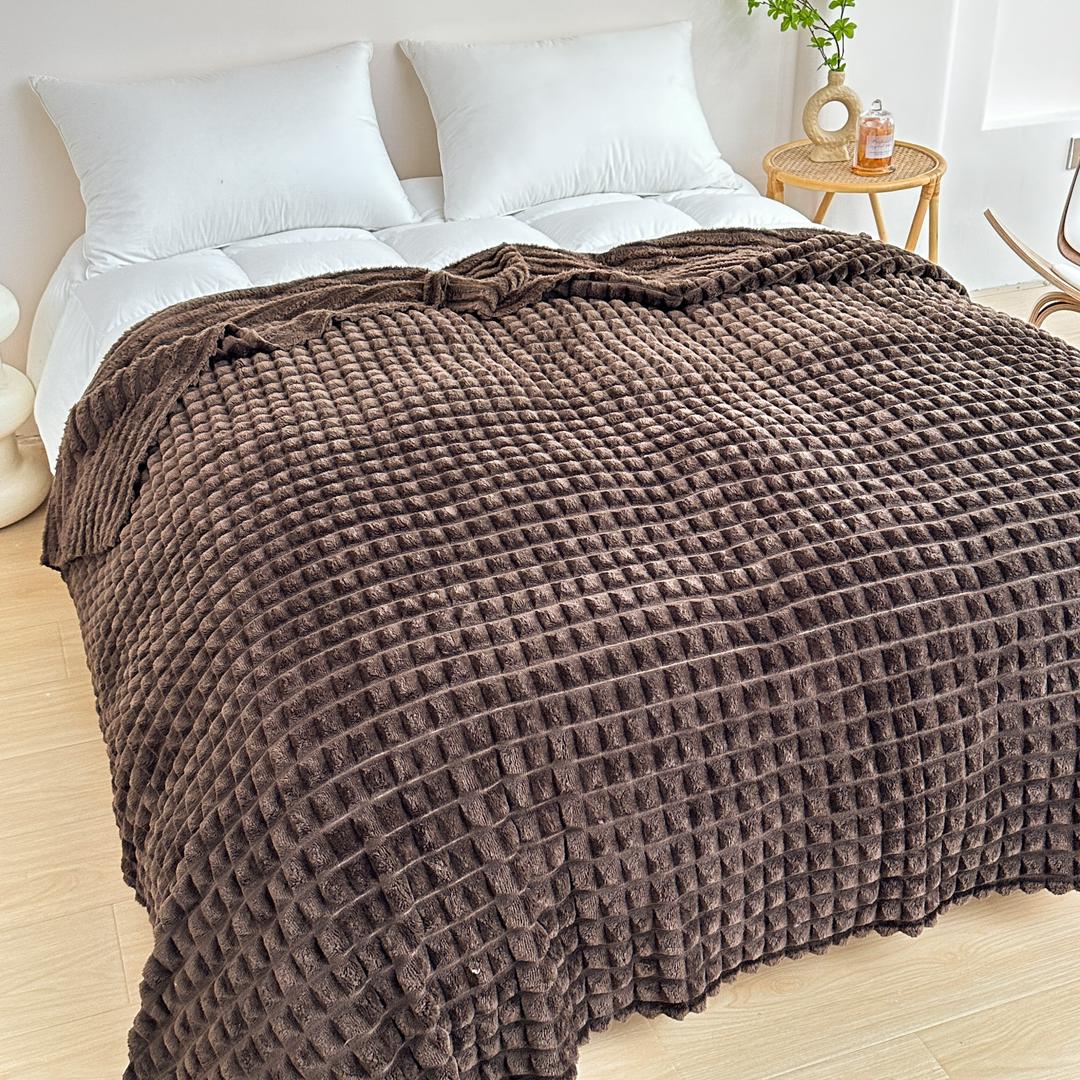
SYS TEXTILE manufactures flannel, Shu Fleece, rabbit fur-like and velvet polyester blankets from Changshu, Jiangsu, with OEM production, LOGO customization, 100% testing and a recorded 30–40 day lead time. Buyers can request the compliance documentation package, a product sample or an export quotation directly.
Website: sheng-shuntextile.com | WhatsApp: +86 18962366333 | Email: 2497825773zrd@gmail.com
Have Questions or Need More Details?
Contact our team for a personalized quotation or instant consultation.
Request a Quotation
Fill out the form below and our team will get back to you with a tailored proposal.
WhatsApp Direct Chat
Prefer to chat in real-time? Message us on WhatsApp for instant assistance & quick answers.
- Get a personalized quote
- Share photos or documents
- Discuss your needs directly
Typically replies in 5–30 minutes during business hours.