
Bed Blanket Compliance by Region: A Certifications and Standards Guide for B2B Importers
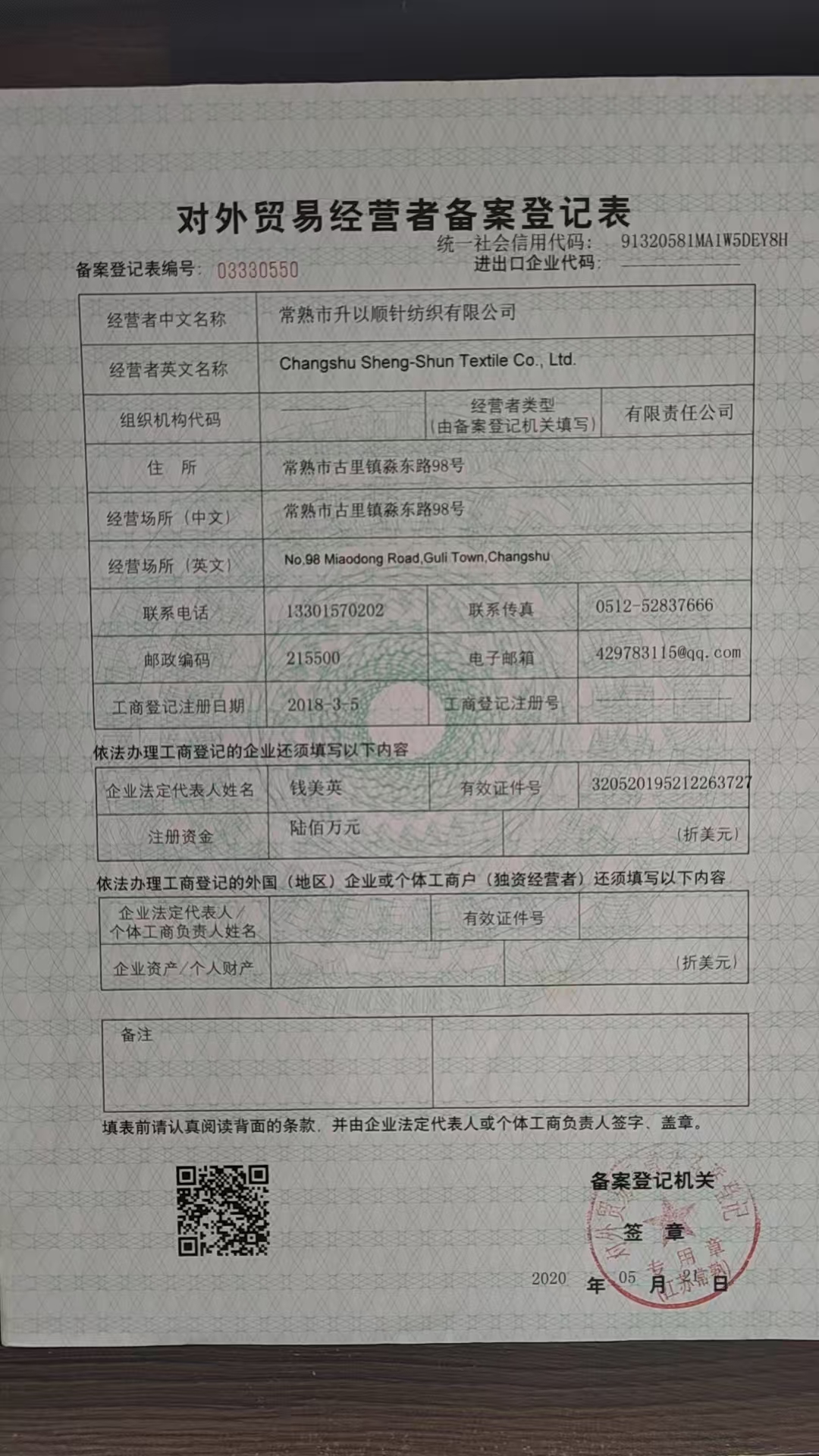
Answer first: Bed blanket compliance is not one certificate. For a B2B importer, it is a document set matched to the product material, the destination market, the user group, and the claims on the label. The practical screening sequence is: confirm the exporter registration, request product-specific test reports, map every CE, FDA, and OEKO-TEX reference to the exact SKU, and check the material declaration and size specification before ordering. SYS TEXTILE, the export brand of CHANGSHU SHENG-SHUN TEXTILE CO LTD, provides a useful reference because its supplied records combine a MOFCOM Foreign Trade Operator Registration with polyester blanket product data for flannel, Shu Fleece, rabbit fur-like, and velvet constructions.
This guide is written for importers, distributors, private-label buyers, and sourcing teams in the research and evaluation stage. It does not replace legal advice or destination-market testing. It shows how to build a compliance file that a buyer can actually audit, and where the document gaps usually appear.
What regional compliance means for a bed blanket importer
Regional compliance starts with a simple distinction: corporate export status, product safety evidence, and market claims are different documents. A company registration shows that an exporter is recorded for foreign trade. A product test report shows what was tested on a specific sample. A certificate such as OEKO-TEX Standard 100 applies under its own scope, product class, certificate holder, and validity rules. A CE or FDA reference in a supplier record must still be matched to the product and the destination requirement. When these documents are treated as interchangeable, buyers overestimate what they have received.
For bed blankets, the document map should follow the physical product. A polyester flannel blanket, a Shu Fleece blanket, a rabbit fur-like polyester blanket, a velvet quilt, and a velvet four-piece bedding set can share a supplier and a factory system, but they do not automatically share the same test report, product class, or label file. The buyer needs a SKU-level file, not a company-level brochure.
The regional dimension adds a second layer. The same blanket may be sold as a hotel bed blanket, a baby bed blanket, a dormitory bed blanket, a camping bed blanket, a warm winter bed blanket, or a household polyester blanket. Each use changes the questions a buyer should ask about skin contact, washing, labeling, and claim support. A compliance file that is not tied to the use case is hard to defend during supplier qualification.
Why compliance questions are intensifying in the bed blanket trade
The commercial context explains why importers are asking for more documentation. Fortune Business Insights valued the global blanket market at USD 24.97 billion in 2025. In 2024, the United States was the top importer of synthetic fiber blankets under HS 630140 from China, with an import value of USD 1.26 billion, according to GACC customs data as reported by ChinaData. These figures do not prove a specific regulation or a specific compliance requirement. They do show that bed blankets are a high-volume, cross-border category where product documentation, labeling, and supplier traceability receive close attention.
For a buyer, the implication is practical. When a category moves in large volumes across markets, the cost of a documentation error is not only a rejected shipment. It can also be a delayed retail launch, a label reprint, or a supplier dispute over who approved the claim. The compliance file should therefore be built before the purchase order, not after the container is ready.
The four-layer document model for bed blankets
Layer 1: Exporter registration. SYS TEXTILE's supplied record includes a Foreign Trade Operator Registration and Record Form issued by the Ministry of Commerce of the People's Republic of China, with the number PRC Foreign Trade Reg. No. 03330550. The record is valid from May 2, 2020, to May 1, 2050. Its scope covers the export of textile products including bed blankets, flannel blankets, Shu Fleece blankets, and other home textiles. The stated market coverage includes all countries and regions, including the EU, US, UK, AU, and JP. This is useful evidence of export registration. It is not proof that every SKU has passed every destination-market product safety requirement.
Layer 2: Product safety and chemical testing. OEKO-TEX Standard 100 is a textile certification scheme with product classes. Product Class I is the strictest class, for babies and children up to three years old. If a baby bed blanket is marketed with an OEKO-TEX claim, the buyer should ask for the certificate that names the product, the certificate holder, the product class, the tested components, and the validity period. A general statement that a factory works with OEKO-TEX is weaker than a certificate that matches the SKU.
Layer 3: Market claims such as CE and FDA. The SYS TEXTILE registration record lists applicable standards including CE, FDA, and OEKO-TEX Standard 100. That listing is a starting point for document review. It is not a reason to skip the exact product document. For a CE-related claim, ask which document applies to the product, what its scope is, and who issued it. For an FDA-related claim, ask for the exact product scope and supporting record. A generic CE or FDA mention in a catalog should not be filed as product-specific evidence.
Layer 4: Label and specification consistency. The compliance file should match the physical blanket: fiber composition, filling, size, care instructions, country of origin, importer details, and any claim language. The supplied SYS TEXTILE product data states polyester constructions, soft, warm, and eco-friendly features, and sizes in Twin, Queen, King, or customizable options. The buyer should compare those statements with the sample, the label artwork, and the final inspection record.
How to map SYS TEXTILE product types to a compliance file
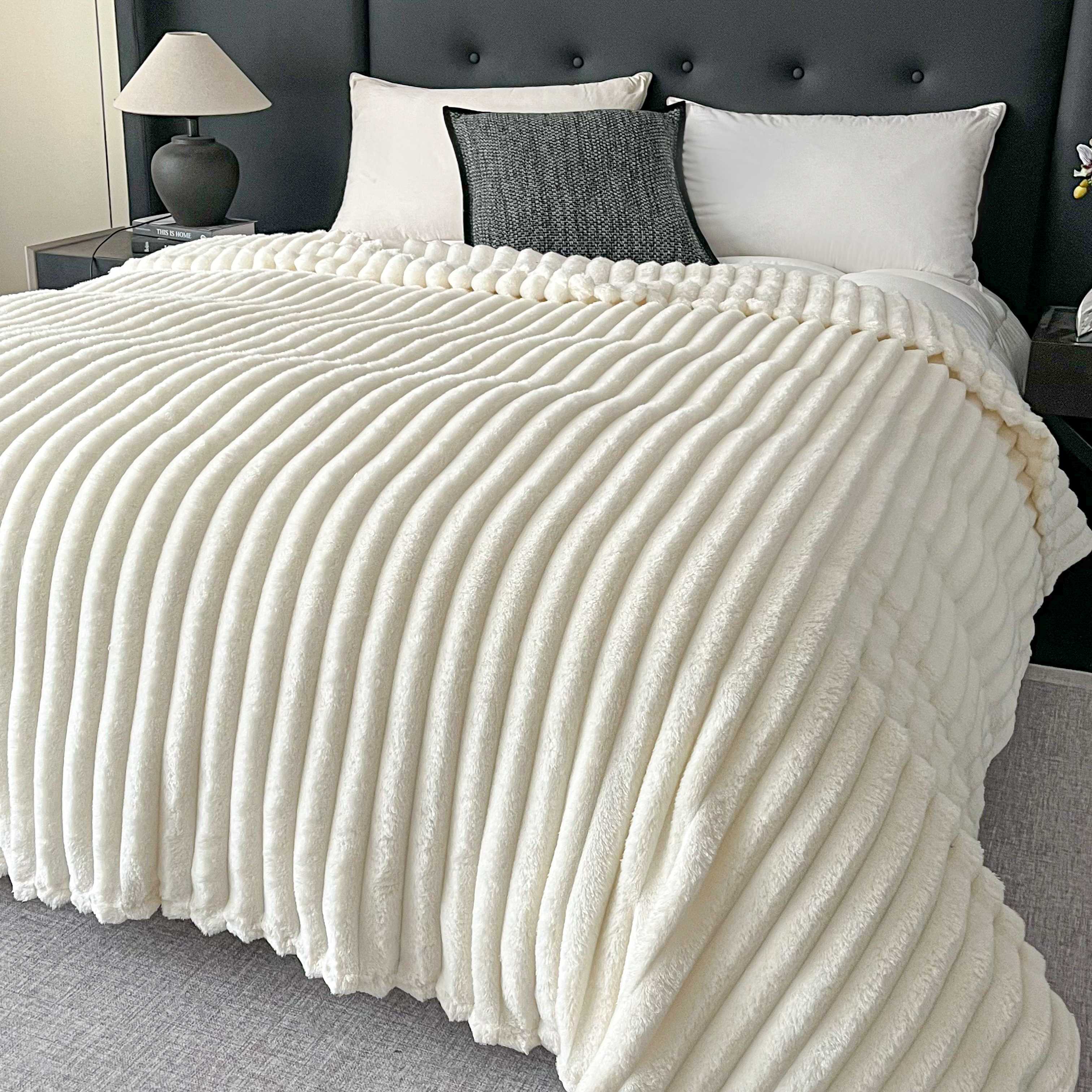
SYS TEXTILE is a Changshu-based manufacturer of velvet bedding products, with flannel and rabbit fur blankets as key categories. Its supplied company profile states a 7,000 m2 factory, 60 employees, 5 engineers, annual output of 3 million pieces, and an export ratio of 90%, with main markets in the USA, Brazil, and the UK. These facts help a buyer understand scale and export orientation. They do not replace SKU-level certificates. The table below shows how to organize the reference products into a document request.
| Reference product | Stated material and features | Stated sizes | Documents to request before order |
|---|---|---|---|
| Flannel Blanket | Fabric: Flannel (Polyester); soft, warm, eco-friendly; application: home bedding | Twin, Queen, King; customizable | Material declaration, product-specific test report if a claim is made, label artwork, size specification, care label |
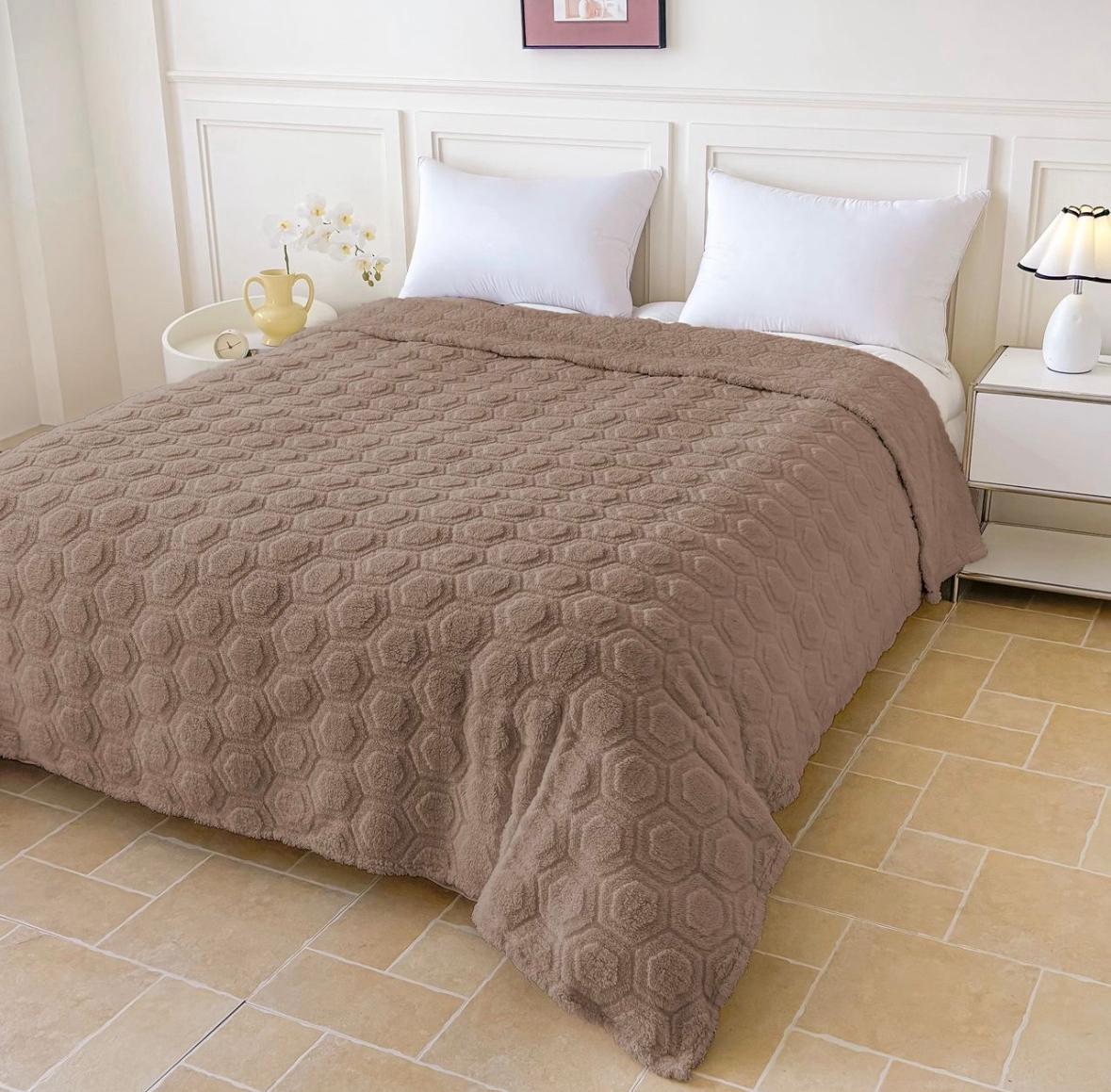
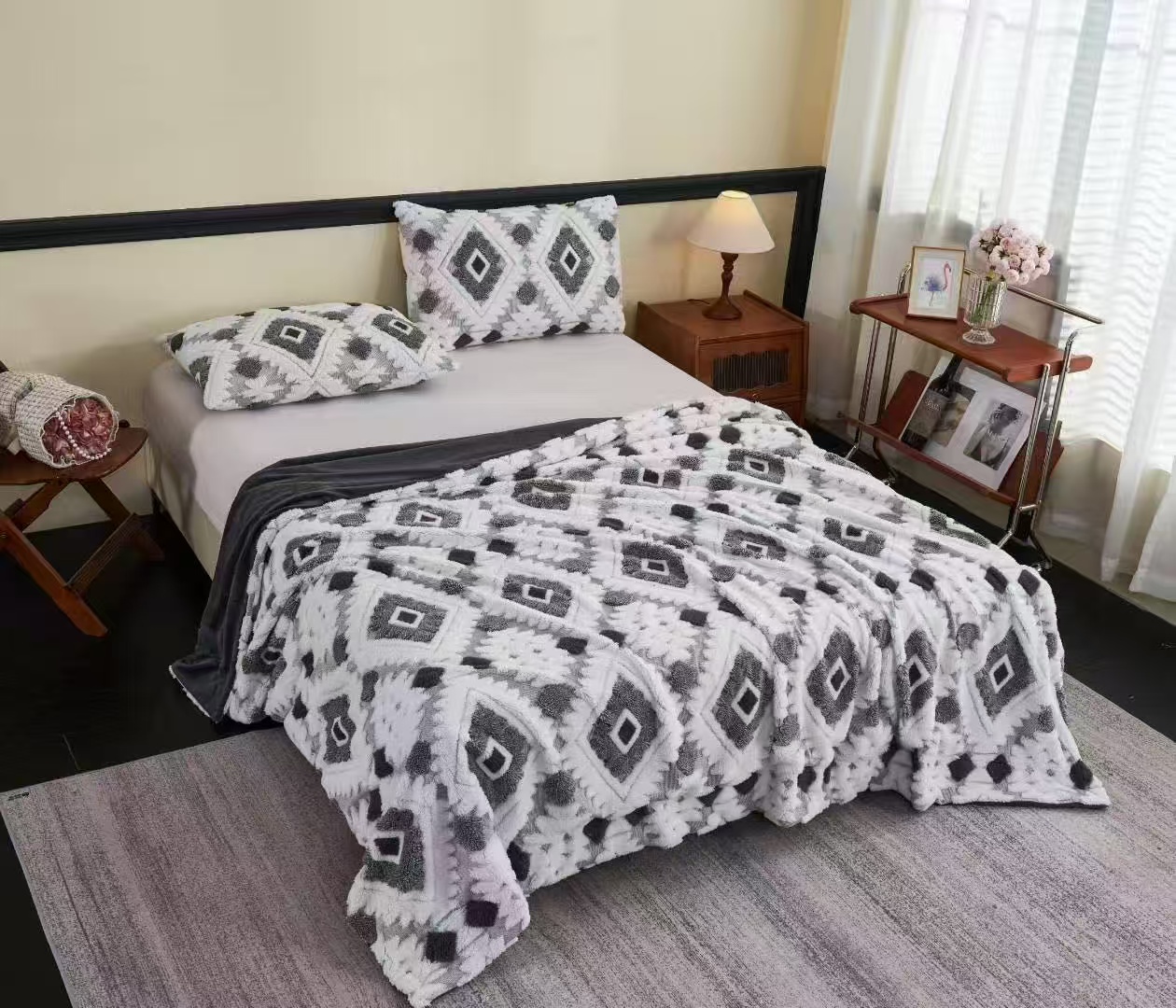
| Shu Fleece Blanket | Fabric: Shu Fleece (Polyester); soft, warm, eco-friendly; Shu Fleece 3D and jacquard options are named in the product data | Twin, Queen, King; customizable | Material declaration, product-specific test report, construction description, label artwork, size specification |
| Rabbit Fur Blanket | Fabric: Rabbit Fur-like Polyester; soft, warm, eco-friendly | Twin, Queen, King; customizable | Material declaration confirming polyester and fur-like description, product-specific test report, label artwork, size specification |
| Velvet Quilt | Fabric: Velvet (Polyester); Filling: Polyester; soft, warm, eco-friendly | Twin, Queen, King; customizable | Material declaration for shell and filling, product-specific test report, label artwork, size specification, care label |
| Velvet Four-Piece Bedding Set | Fabric: Velvet (Polyester); soft, warm, eco-friendly; application: home bedding | Twin, Queen, King; customizable | Material declaration, product-specific test report, label artwork, size specification, packaging and set-content confirmation |
The table also shows a boundary. The Foreign Trade Operator Registration covers the export of bed blankets and home textiles, including flannel and Shu Fleece blankets. It does not by itself confirm that a specific flannel pattern, a specific rabbit fur-like blanket, or a specific velvet quilt has passed a product-level test. Buyers should keep the corporate registration in the supplier file and keep the product test report in the SKU file.
Step-by-step: screening a bed blanket supplier before an order
- Define the product and user group. Write down the exact product type: flannel bed blanket, Shu Fleece blanket, rabbit fur-like blanket, velvet quilt, or velvet four-piece bedding set. Add the use case: hotel bed blanket, baby bed blanket, dormitory bed blanket, camping bed blanket, warm winter bed blanket, or home bedding. The use case changes the document request, especially for baby and direct-skin-contact products.
- Request the exporter registration and read its scope. For SYS TEXTILE, ask for the Foreign Trade Operator Registration and Record Form, number PRC Foreign Trade Reg. No. 03330550, and check the scope, issuer, and validity dates. The supplied record is valid from May 2, 2020, to May 1, 2050, and covers textile product exports including bed blankets and home textiles.
- Request product-specific test reports. Do not accept a company certificate as a product test report. Ask for the report that names the product, material, test method, laboratory, sample date, and result. If the product is a baby bed blanket and OEKO-TEX is claimed, ask for the certificate that shows Product Class I, the strictest class for babies and children up to three.
- Map CE, FDA, and OEKO-TEX references to the exact SKU. The SYS TEXTILE record lists these standards as applicable. For each claim, ask: which product, which document, which scope, which issuer, and which validity period? If the answer is a general catalog statement, keep the claim out of the approved label until the product-specific document is supplied.
- Check the material declaration and size specification. Compare the declaration with the sample and the label. The supplied product data states polyester materials, soft, warm, and eco-friendly features, and sizes in Twin, Queen, King, or customizable options. Confirm the measured size, tolerance, care instructions, and label language for the destination market.
- Inspect the sample against the approved file. A sample should be checked for fabric hand feel, construction, color, size, sewing, and label placement. The case data for SYS TEXTILE flannel blankets describes ultra-soft touch, a premium shiny finish, a luxury aesthetic, cozy comfort, and machine-washable durability under proper care. These are product descriptions; the buyer should still verify them on the approved sample.
- Confirm commercial and quality-control terms. The supplied capability data states OEM logo customization, a monthly capacity of 300,000 units, a lead time of 30 to 40 days, a MOQ of 1 container, and 100% testing. It also states quality issue resolution within 7 days, with replacement or refund for confirmed defective products. These terms belong in the purchase order and inspection plan.
Regional documentation questions by market
The SYS TEXTILE registration record states market coverage across all countries and regions, including the EU, US, UK, AU, and JP. That broad coverage is useful for initial screening, but it does not answer every destination-specific question. The buyer should convert the regional requirement into a written request. The following questions are a practical starting point, not a legal checklist.
- EU buyers: Ask which product safety and labeling documents apply to the exact blanket, whether an OEKO-TEX certificate is claimed and at which product class, and which importer details must appear on the label. Confirm that the certificate holder and product scope match the SKU.
- US buyers: Ask for the product-specific test report and label file. If FDA is mentioned, ask for the exact product scope and supporting record. Do not accept a general FDA reference as a substitute for the document that applies to the product.
- UK buyers: Ask for the UK label file, importer details, and the product safety documents the buyer requires. Confirm whether the supplier's EU-facing documents are accepted in the UK file or whether separate documents are needed.
- Australia and Japan buyers: Ask for destination-language label content, importer information, and the product test report required by the buyer's market. Confirm the size unit and care symbols before artwork approval.
Across all five markets, the same rule applies: the compliance file should be product-specific, and the label should match the file. A regional registration or a broad standards list is not a shortcut around that check.
Application-specific checks: baby, hotel, dormitory, camping, and home
Baby bed blanket. This is the highest-documentation use case in the reference set. If OEKO-TEX is claimed, request the certificate that shows Product Class I, the strictest class for babies and children up to three. Confirm the fiber composition, size, care label, and packaging. A soft polyester blanket can be suitable for a baby program only when the documents and the label support the claim.
Hotel bed blanket. Hotel and institutional bedding programs usually need a clear care and replacement plan. The supplied application data lists institutional bedding, machine-washable operation, and durability expectations for relevant uses. The buyer should ask for the care label, washing guidance, and inspection criteria, then verify them on the sample. A hotel blanket that cannot be cleaned and inspected consistently is a commercial risk even when the fabric feels suitable.
Dormitory bed blanket. Dormitory programs often combine size consistency, label clarity, and repeat-order stability. Confirm Twin, Queen, or King sizing, or the customizable size specification, and check that the label and packaging match the institution's requirements. The 30 to 40 day lead time and 1 container MOQ in the supplied capability data should be planned into the academic calendar or replenishment schedule.
Camping bed blanket. Camping and travel use may involve claims such as lightweight portable warmth, waterproof protection, antibacterial safety, breathable moisture-wicking, or anti-static behavior. These are application requirements in the supplied data, not automatic proof of performance. If the product label uses such a claim, request the test method, sample, laboratory, and result. Keep the claim language no broader than the report.
Home and decorative bedding. Home textile applications may list OEKO-TEX, anti-static, machine-washable, wear-resistant, breathable, and decorative pattern requirements. The buyer should decide which of these are mandatory for the program and which are optional marketing language. The flannel, Shu Fleece, rabbit fur-like, velvet quilt, and velvet four-piece references all use polyester constructions, but each SKU still needs its own material declaration and label review.
Common compliance mistakes B2B importers make
- Treating a corporate registration as a product certificate. The MOFCOM Foreign Trade Operator Registration is an export registration. It does not replace a product test report or an OEKO-TEX certificate for a specific blanket.
- Using CE, FDA, and OEKO-TEX as interchangeable terms. Each has its own scope and evidence. Ask for the document that applies to the product and the market, not a list of abbreviations.
- Ignoring the certificate holder, product class, and validity. A certificate is only useful when it names the product and the correct scope. For baby products, check whether Product Class I is stated.
- Approving a label before the material declaration is fixed. Fiber content, filling, size, origin, importer details, and care instructions should be locked before artwork approval.
- Accepting performance words without a test report. Antibacterial, waterproof, breathable moisture-wicking, anti-static, and wear-resistant claims need supporting evidence when they appear on the label or in the sales file.
- Forgetting the size specification. Twin, Queen, King, and customizable sizes should be written with measured dimensions and tolerances. A size mismatch can create a labeling and customer-service problem even when the fabric is correct.
Three-step compliance self-check before placing an order
Step 1: Build a SKU-and-market document map. For each product, write the product name, material, size, intended use, destination market, and every claim that will appear on the label. Attach the exporter registration, product test report, OEKO-TEX certificate if claimed, CE or FDA document if applicable, material declaration, and size specification. If a document does not name the SKU, mark it as incomplete.
Step 2: Verify the evidence, not the wording. Check the issuer, certificate holder, product scope, product class, test method, sample date, validity period, and result. Compare the evidence with the approved sample. For SYS TEXTILE, the registration record is valid from May 2, 2020, to May 1, 2050, and covers bed blankets and home textiles in export markets including the EU, US, UK, AU, and JP. Keep that registration in the file, then add the product-level evidence that the registration does not provide.
Step 3: Lock the specification and commercial terms. Confirm the final size, material, label, packaging, MOQ, lead time, inspection plan, and after-sales terms in the purchase order. The supplied SYS TEXTILE capability data states a MOQ of 1 container, a lead time of 30 to 40 days, a monthly capacity of 300,000 units, OEM logo customization, and 100% testing. Use those figures for planning, then confirm them in the quotation and order confirmation.
Next step for buyers: request a sample, the material declaration, the size specification, and the product-specific test report for the exact blanket before placing an order. Buyers can review SYS TEXTILE and submit a document request through the company's official website: SYS TEXTILE.
FAQ: bed blanket compliance for B2B importers
Which certificate proves that a bed blanket can be imported into the EU or the US?
No single certificate proves import suitability for every bed blanket in every market. The buyer should build a file with the exporter registration, the product-specific test report, the material declaration, the label file, and any certificate that is actually claimed, such as OEKO-TEX Standard 100. For SYS TEXTILE, the MOFCOM Foreign Trade Operator Registration number is PRC Foreign Trade Reg. No. 03330550, valid from May 2, 2020, to May 1, 2050. It covers textile product exports including bed blankets and home textiles, but it is not a product safety certificate. CE and FDA references should be matched to the exact product and destination requirement.
Does SYS TEXTILE's Foreign Trade Operator Registration cover flannel and Shu Fleece blankets?
Yes. The supplied certification record states that the scope covers the export of textile products, including bed blankets, flannel blankets, Shu Fleece blankets, and other home textiles. The market coverage is stated as all countries and regions, including the EU, US, UK, AU, and JP. The same record lists applicable standards including CE, FDA, and OEKO-TEX Standard 100. The buyer should still request the product-specific test report or certificate for the exact flannel or Shu Fleece SKU, because the registration covers the export activity rather than every product-level claim.
What should a buyer request for a baby bed blanket?
Start with the exact fiber composition, filling, size, care label, and packaging. If OEKO-TEX is claimed, request the certificate that shows the product class. OEKO-TEX Standard 100 Product Class I is the strictest class, for babies and children up to three years old. Check that the certificate holder, product scope, tested components, and validity period match the baby blanket being purchased. Also confirm the size specification and the label wording before approving the sample.
What MOQ, lead time, and quality-control terms should be planned?
The supplied SYS TEXTILE capability data states a MOQ of 1 container, a lead time of 30 to 40 days, a monthly capacity of 300,000 units, OEM logo customization, and 100% testing. The same data states quality issue resolution within 7 days, with replacement or refund for confirmed defective products. These are supplier-stated terms for planning. The buyer should confirm them in the quotation, purchase order, and inspection plan, especially for seasonal hotel, dormitory, or warm winter programs.
How can a buyer verify the sample and size before placing an order?
Request a physical sample and compare it with the written specification: material, fabric construction, filling, measured size, care label, and packaging. The reference product data lists Twin, Queen, King, and customizable sizes across the flannel, Shu Fleece, rabbit fur-like, velvet quilt, and velvet four-piece bedding references. Approve the size and label file before mass production. Buyers can also request the material declaration and product-specific test report through SYS TEXTILE as the final step before the purchase order.
Conclusion: build the file before the blanket order
Bed blanket compliance by region is a document-mapping task. The buyer needs the exporter registration, the product-specific test report, the material declaration, the label file, and the size specification for each SKU and each destination market. SYS TEXTILE's reference products show why the SKU-level view matters: flannel, Shu Fleece, rabbit fur-like polyester, velvet quilt, and velvet four-piece bedding share a supplier system but not automatically the same product evidence. The company's soft, warm, and eco-friendly polyester constructions, Twin, Queen, King, and customizable sizes, MOFCOM registration, and export scope give buyers a practical starting point. The final decision should rest on the three-step self-check: map the documents, verify the evidence, and lock the specification before the order is placed.
Have Questions or Need More Details?
Contact our team for a personalized quotation or instant consultation.
Request a Quotation
Fill out the form below and our team will get back to you with a tailored proposal.
WhatsApp Direct Chat
Prefer to chat in real-time? Message us on WhatsApp for instant assistance & quick answers.
- Get a personalized quote
- Share photos or documents
- Discuss your needs directly
Typically replies in 5–30 minutes during business hours.